Guides
Japanese food & dining guides
Sit with us a while. How to eat sushi and ramen with confidence, the quiet customs of the table, the seasons on a Japanese plate — the context that turns a good meal into a memorable one.
Halal Tokyo
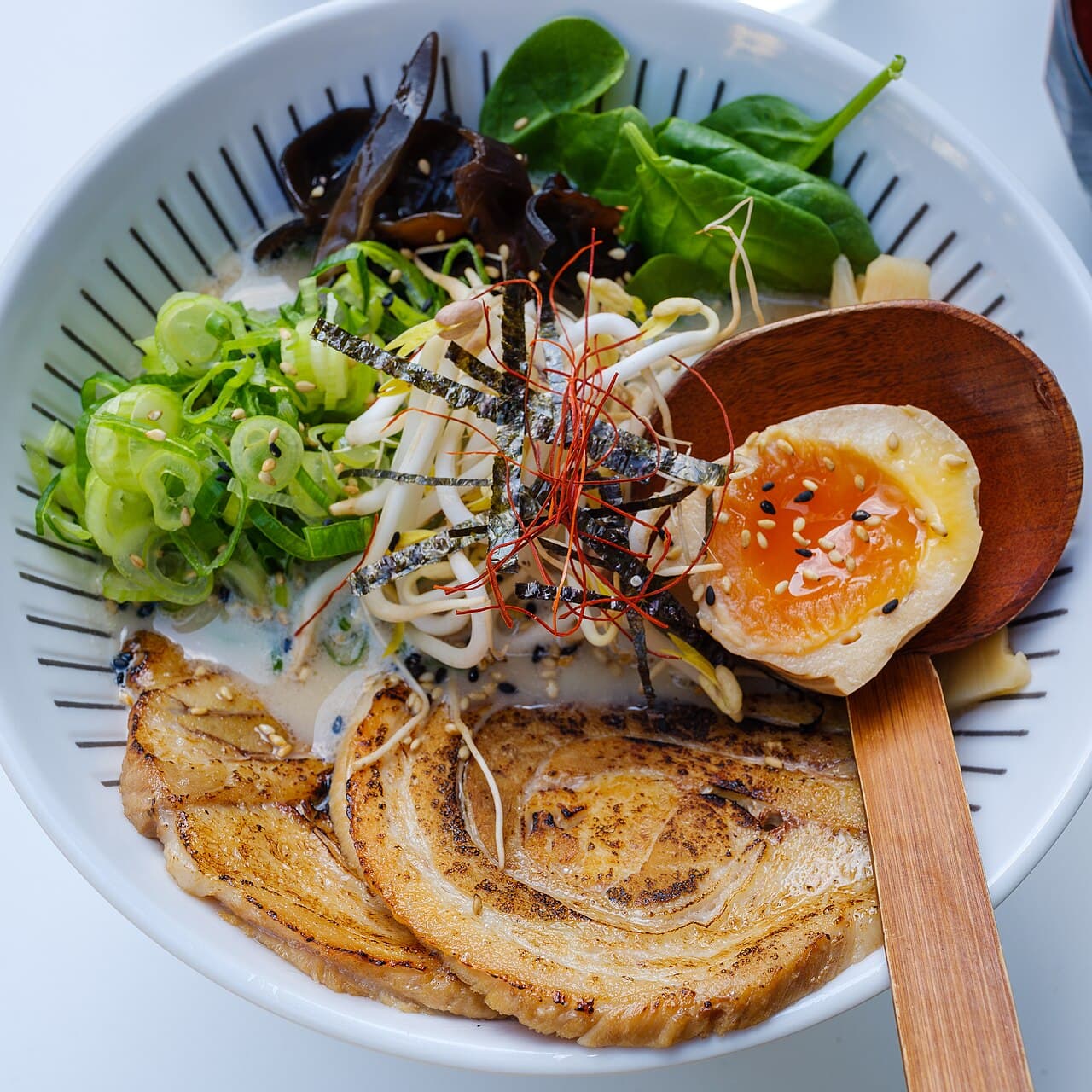
All 8 halal ramen shops UMAMI HUNT has verified inside Tokyo, ranked by stated third-party certification, prayer space and price band. Five state certification. The ranking method is spelled out.
Area guide
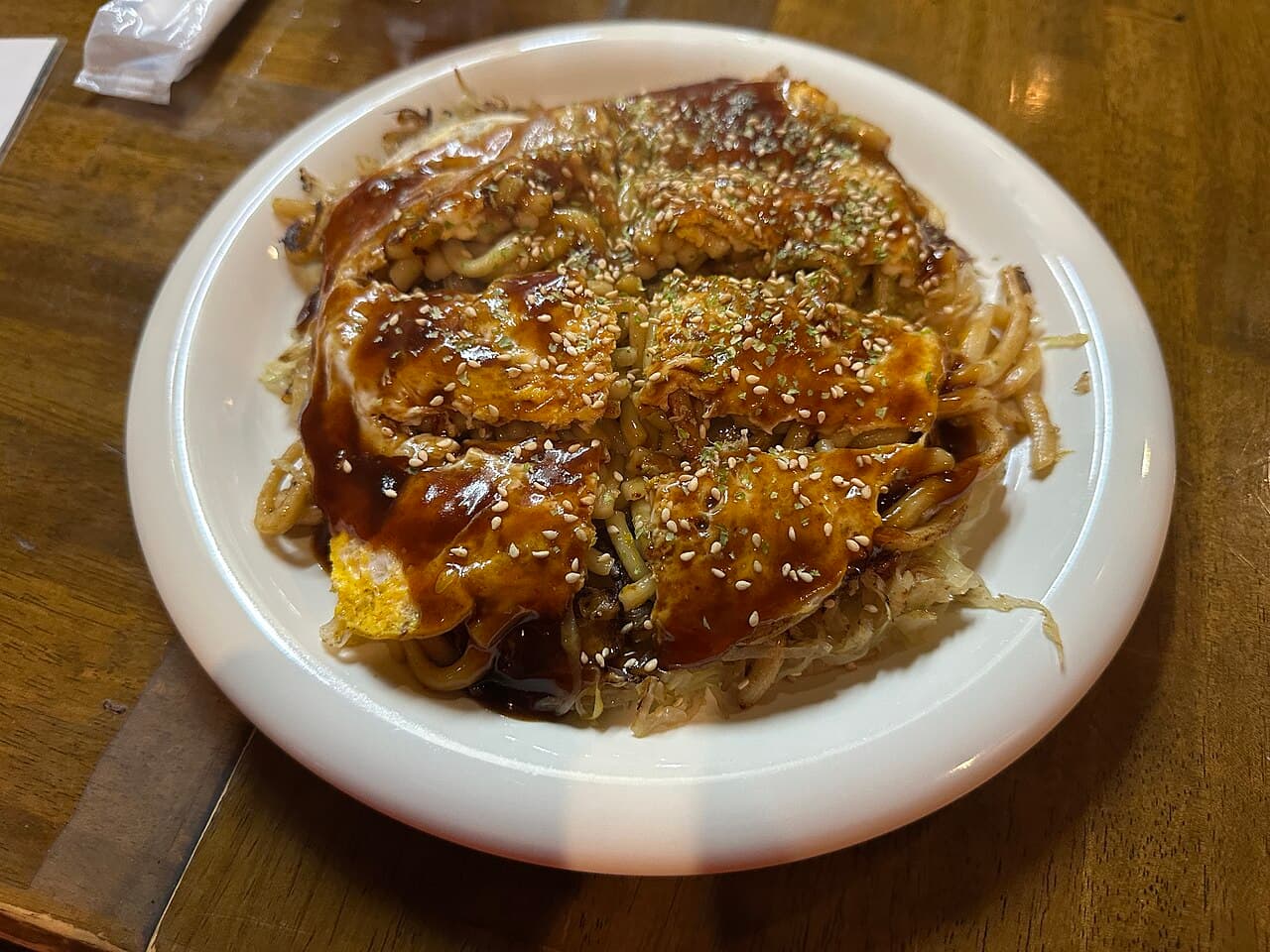
Hiroshima has no third-party certified fully-halal restaurant yet, but four verified, currently-operating spots — halal wagyu ramen, Turkish cooking, Indian curry with a prayer space, and a self-branded "Halal Restaurant" — cluster along the Hiroden tram line downtown. This guide gives exact addresses, hours, prices, and honest caveats, including which venues serve alcohol despite halal branding.
Area guide
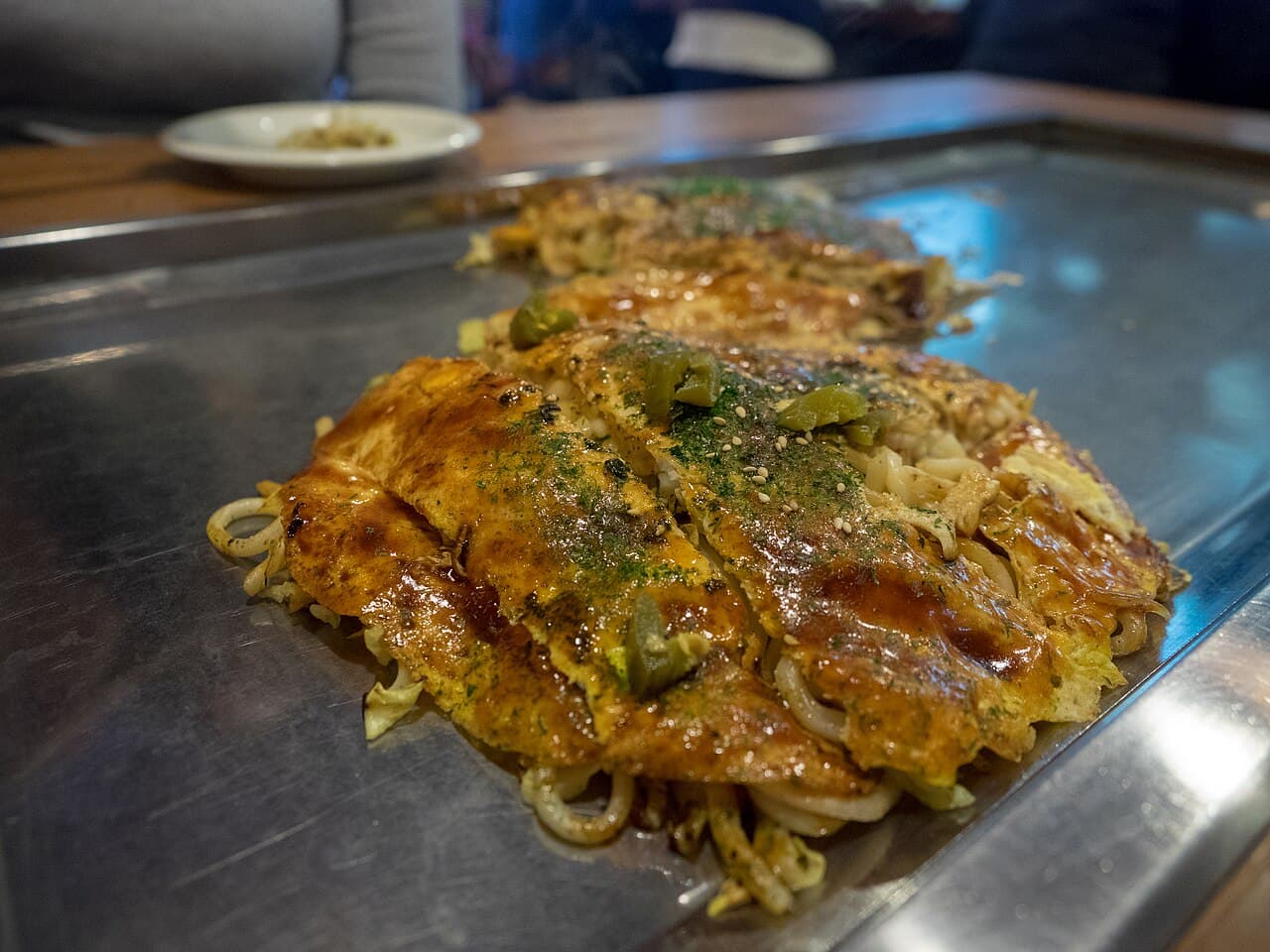
Hiroshima has a genuine dedicated gluten-free kitchen on Miyajima island, plus an okonomiyaki shop that will fire up a separate pan for celiac guests if you reserve ahead. Two more spots offer real gluten-free options with real cross-contact caveats. Here's exactly where to go, what to ask, and what to avoid.
Area guide
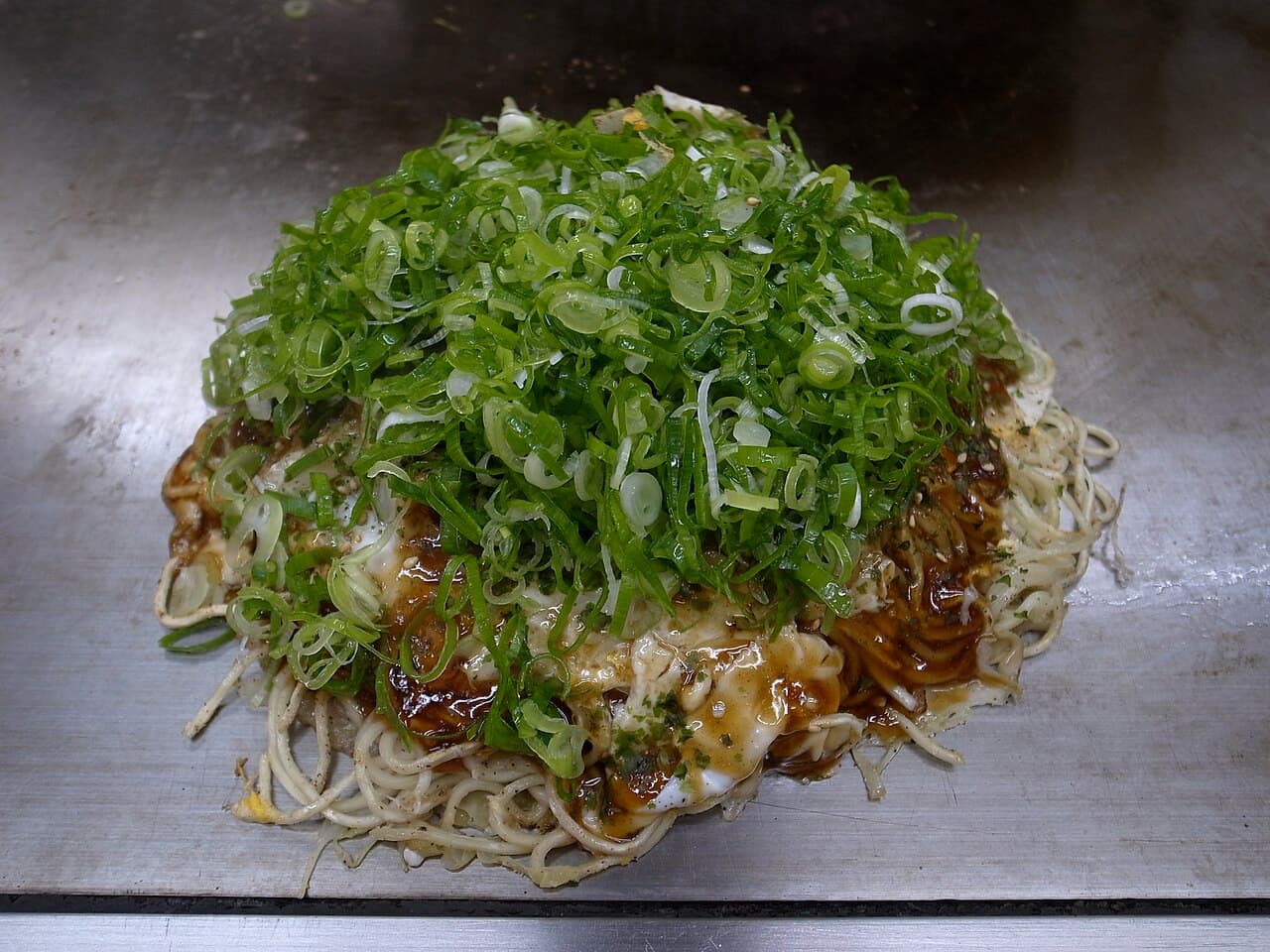
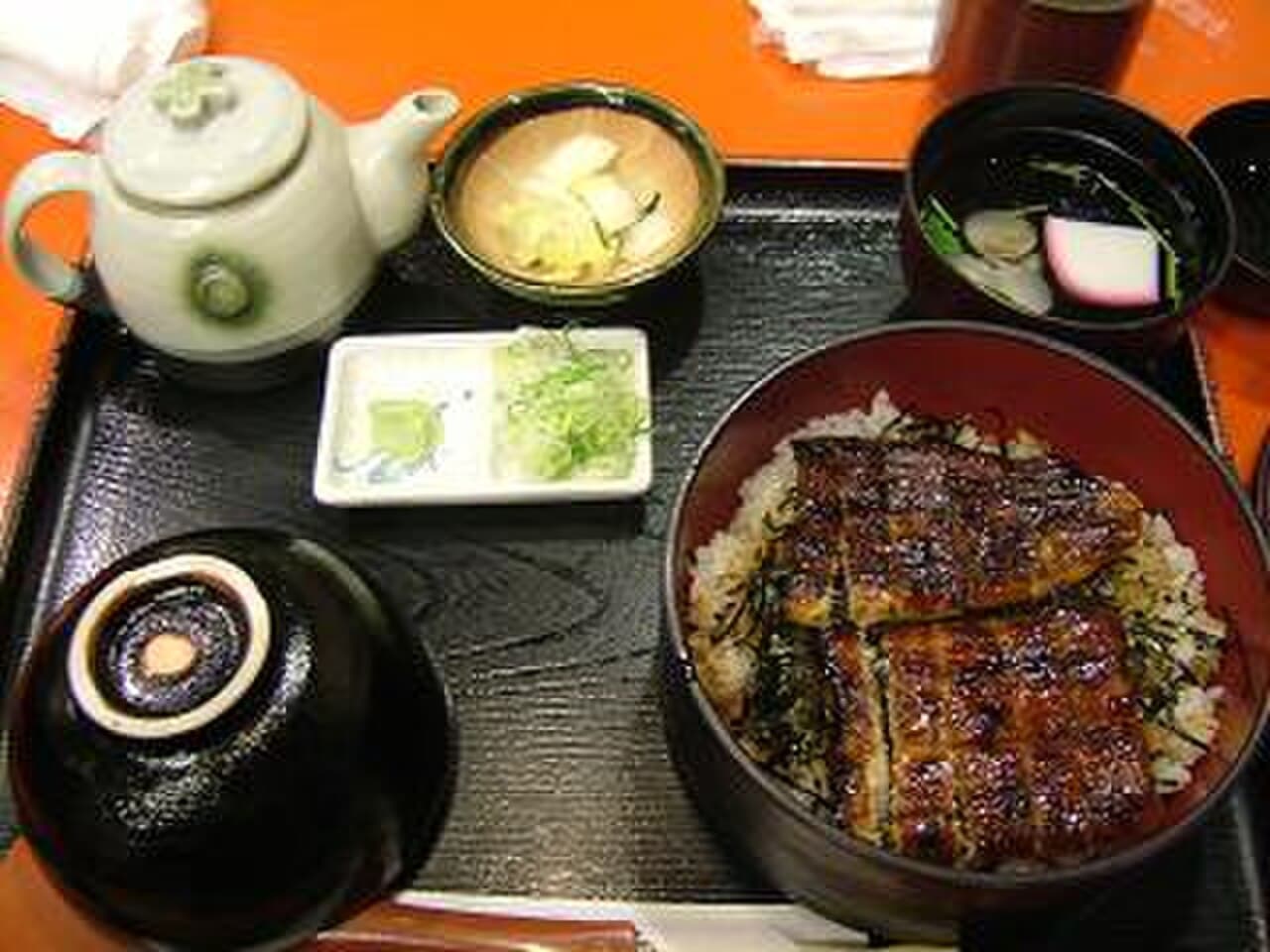
Hiroshima has one fully vegan restaurant (JoGeSaYu, near Hiroshima City Hall), one shojin-ryori restaurant that's vegetarian but not fully vegan (Saishoku-Kenbi), and one mixed-menu cafe with a genuinely vegan lunch set (Kissa Saeki). All three sit in or near central Hiroshima, making a one-day plan realistic — just confirm dashi and dairy before ordering anywhere outside JoGeSaYu.
Area guide
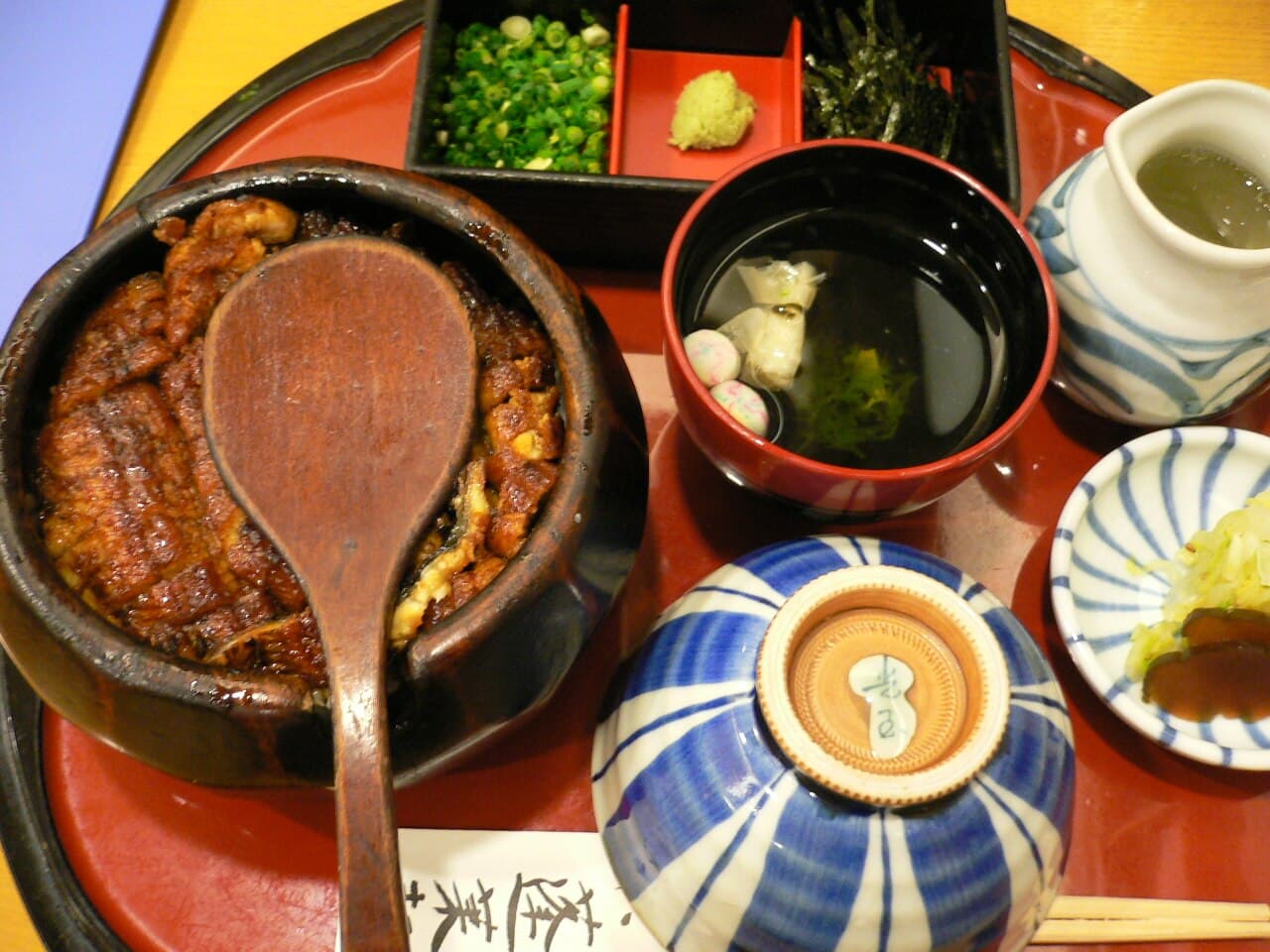
Nagoya has a small but real halal dining scene: five verified restaurants across Osu, Minato, Showa, and Higashi wards. Only one — Mega Kebab in Osu — carries genuine third-party certification, from the Kyoto Halal Council. The other four are Muslim-owned or Muslim-friendly with self-described halal cooking and no alcohol. Here's exactly where to go, what makes each one halal, and the traps to avoid.
Area guide
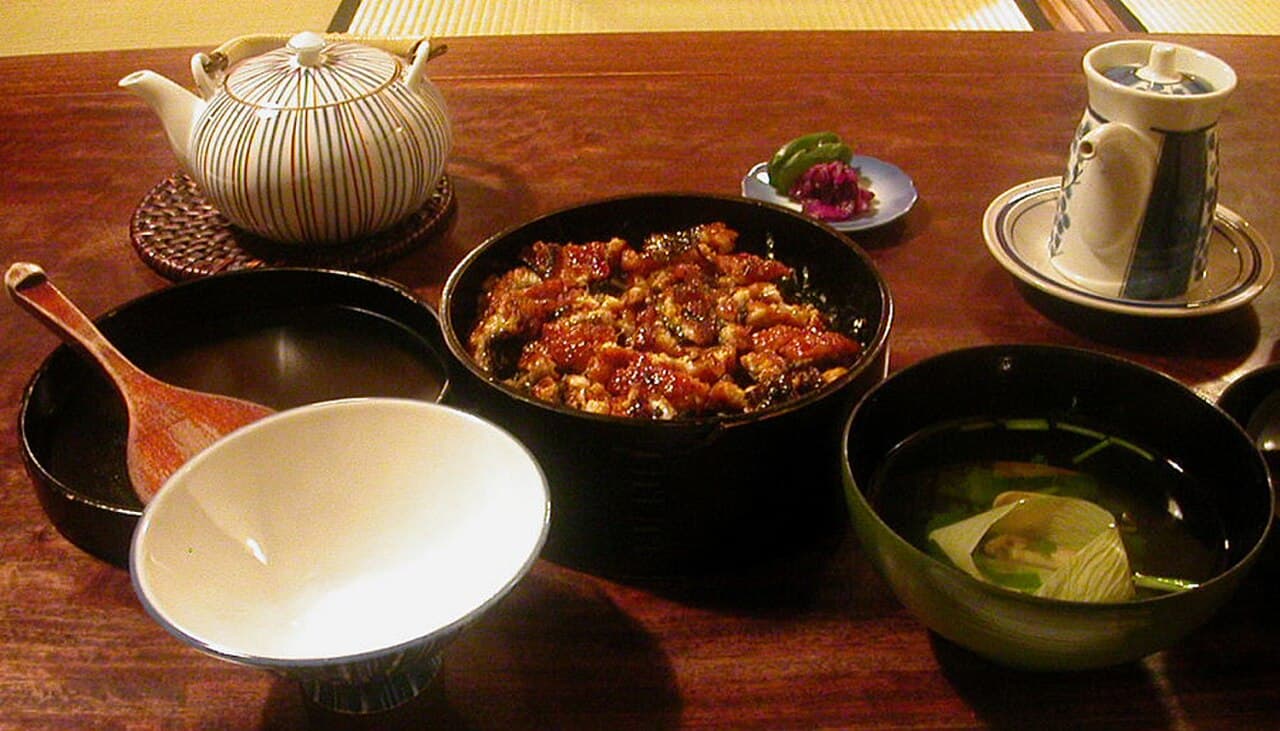
Nagoya has a small but real gluten-free scene, anchored by Michinori-tei, a teishoku restaurant built entirely around wheat-free cooking that recreates local specialties like tebasaki and misokatsu in rice-flour form. This guide covers six verified spots — a dedicated gluten-free cafe, a rice-flour bakery, and a cafe-bar with a genuinely gluten-free mazesoba — with exact addresses, hours, prices, and honest cross-contamination caveats.
Area guide
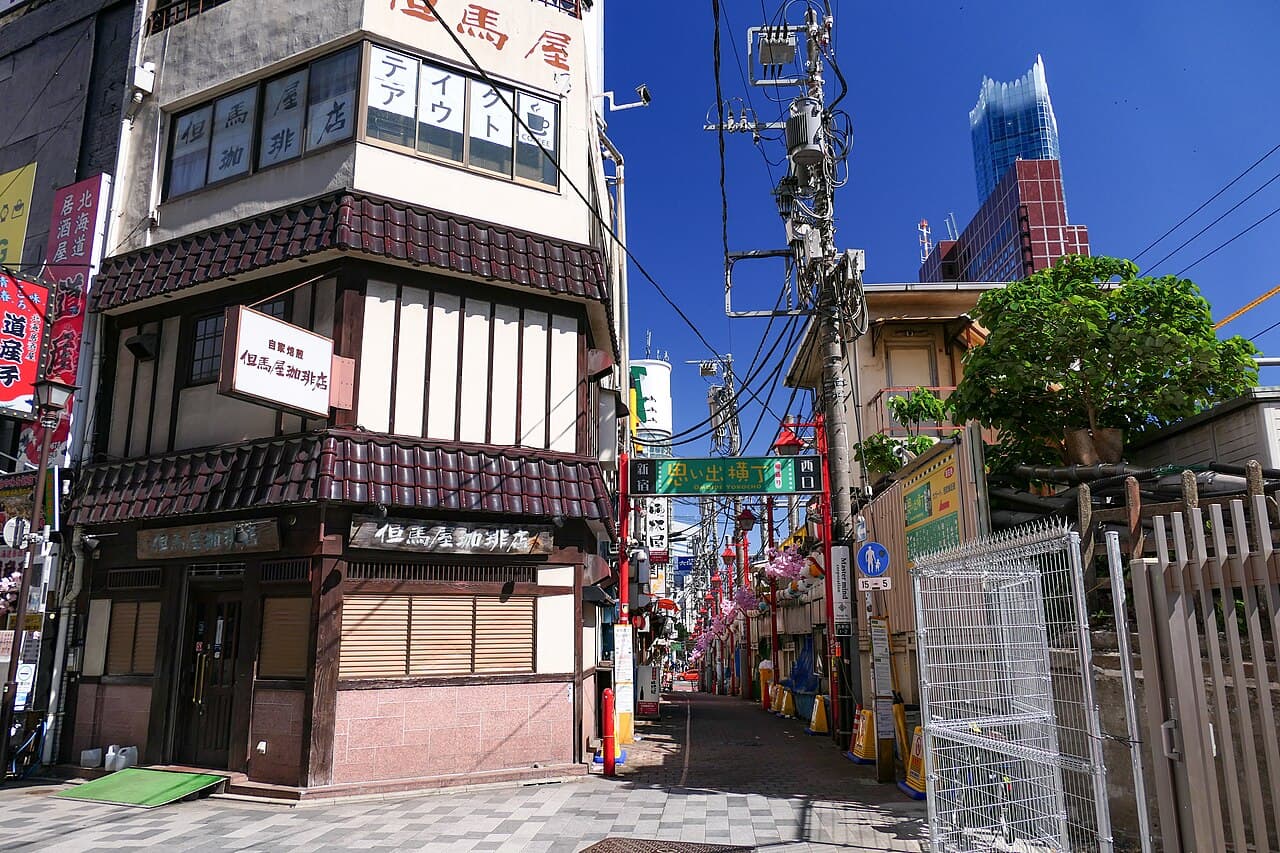
Nagoya's vegan scene is small but real: two macrobiotic cafés with genuinely animal-free menus, one organic café whose "fully vegan" claim is more modest than it sounds, and a century-old miso nikomi udon shop with a dedicated mushroom-dashi vegan menu. This guide gives exact addresses, station walk times, prices, hours, and the caveats worth knowing before you go.
DATA RESOURCE
As of July 24, 2026, UMAMI HUNT tracks 169 individually verified restaurants across Tokyo by dietary accommodation — 39% vegetarian-friendly, 33% vegan, 19% halal, 18% gluten-free — with a live data feed below.
Tokyo Dining Roundup
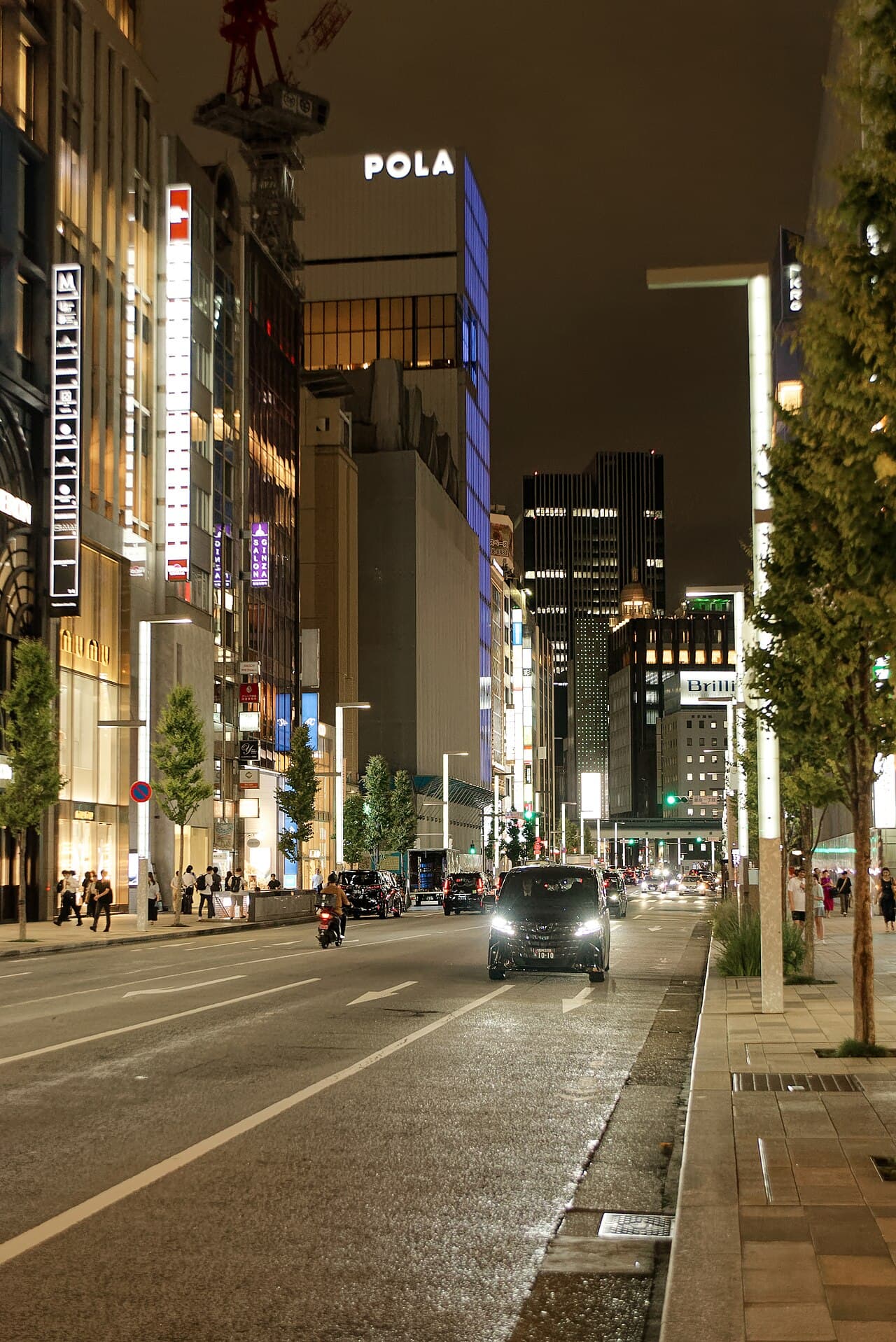
A Ginza steakhouse debut, a Roppongi Mexican relocation, a Nakano izakaya built around "parent chicken," and Tokyo Disney's first fully plant-based tempura bowl — here's what's genuinely new in Tokyo dining as of July 2026, with the dietary fine print each one deserves.
DIETARY GUIDE — SUMMER DESSERT
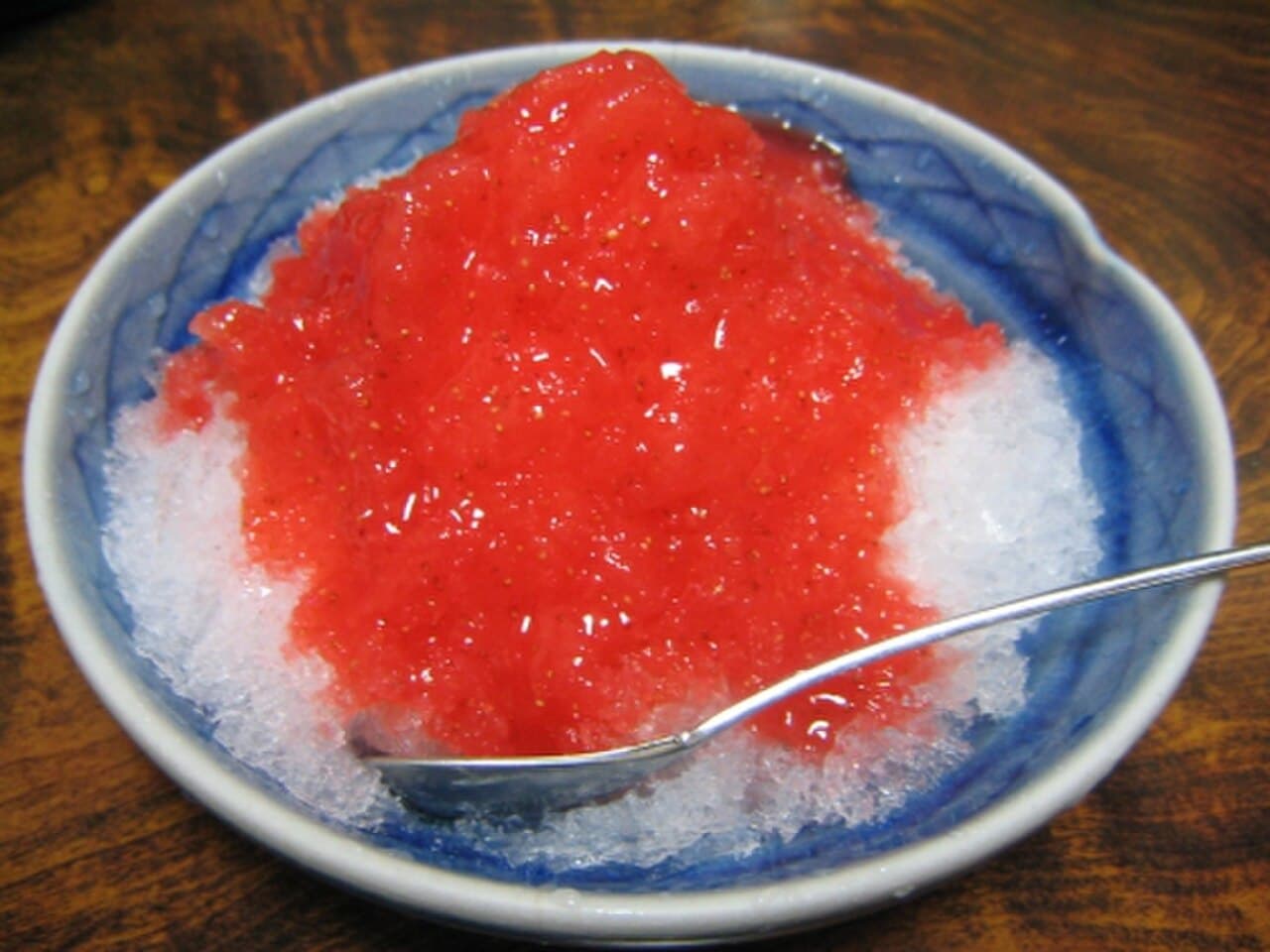
Plain shaved ice is naturally vegan and gluten-free — the real risk is condensed milk on top, and occasionally gelatin in bottled syrup. Here's what to check before you order, as kakigori season peaks across Japan in July and August 2026.
Area guide
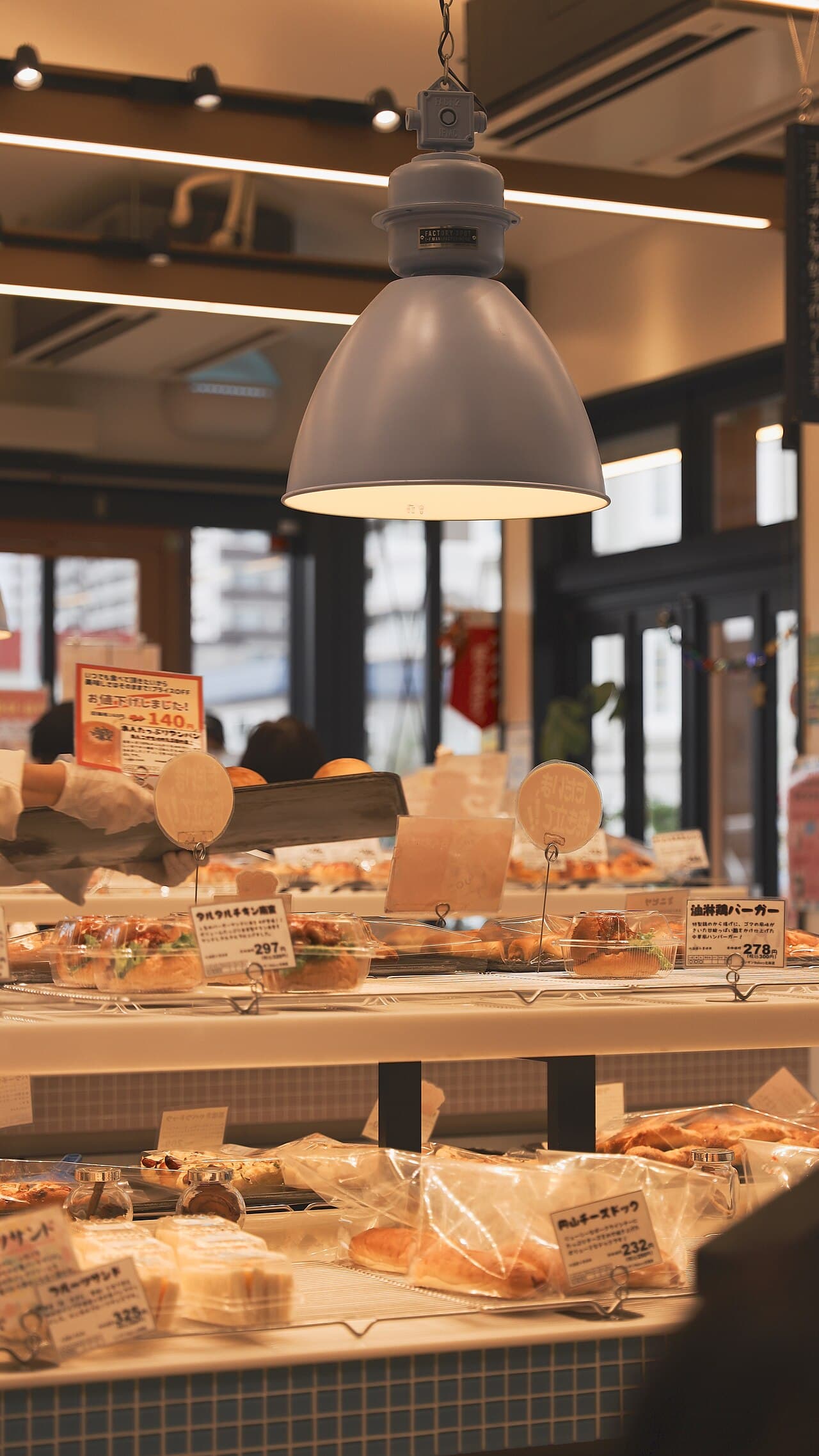
From a 100% wheat-free udon shop to an allergy-friendly bakery-cafe, here's where gluten-free travelers can actually relax and eat well in Sapporo — plus the hidden-wheat traps to watch for.
Area guide
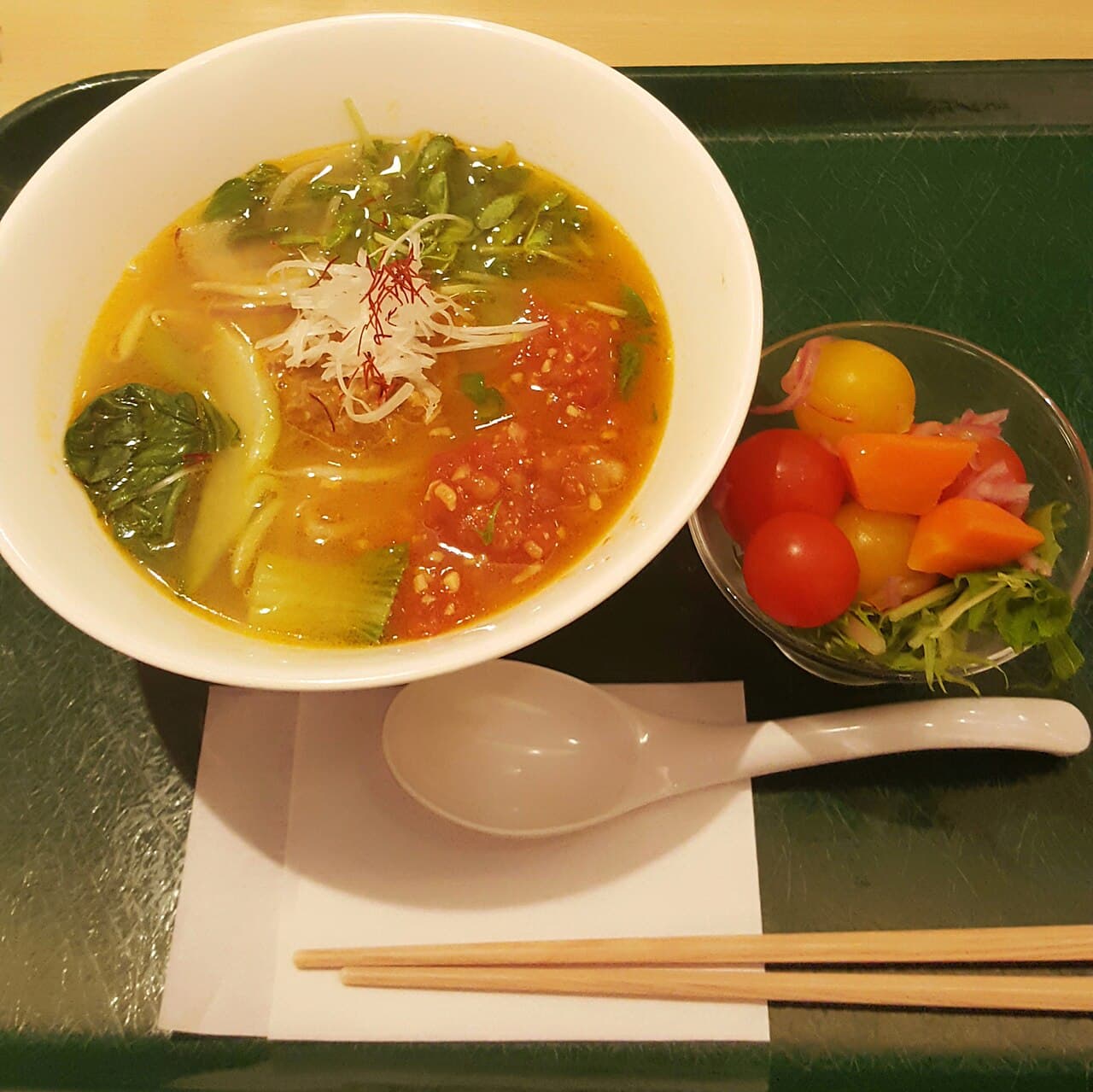
Sapporo's vegan scene is small but real: four verified restaurants, concentrated around Maruyama, plus the dashi trap every traveler needs to know before eating "vegetable" dishes in Japan.
Area guide
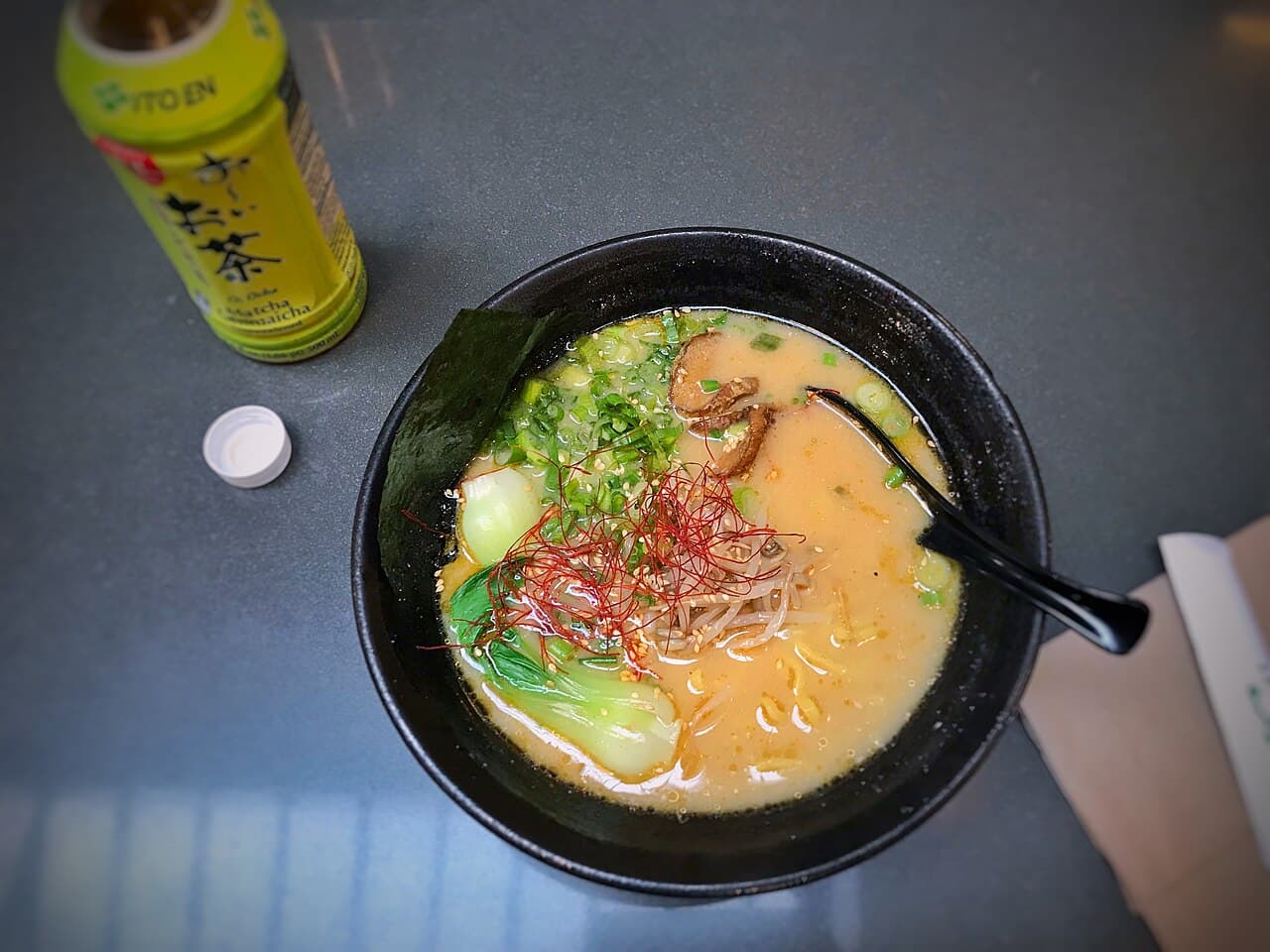
Fukuoka is not Tokyo or Kyoto for vegan dining, but it has a real, growing handful of places — from an all-vegan Hakata ramen bar to a modern shojin-cuisine tasting counter near Ohori Park — worth building a day around.
Area guide
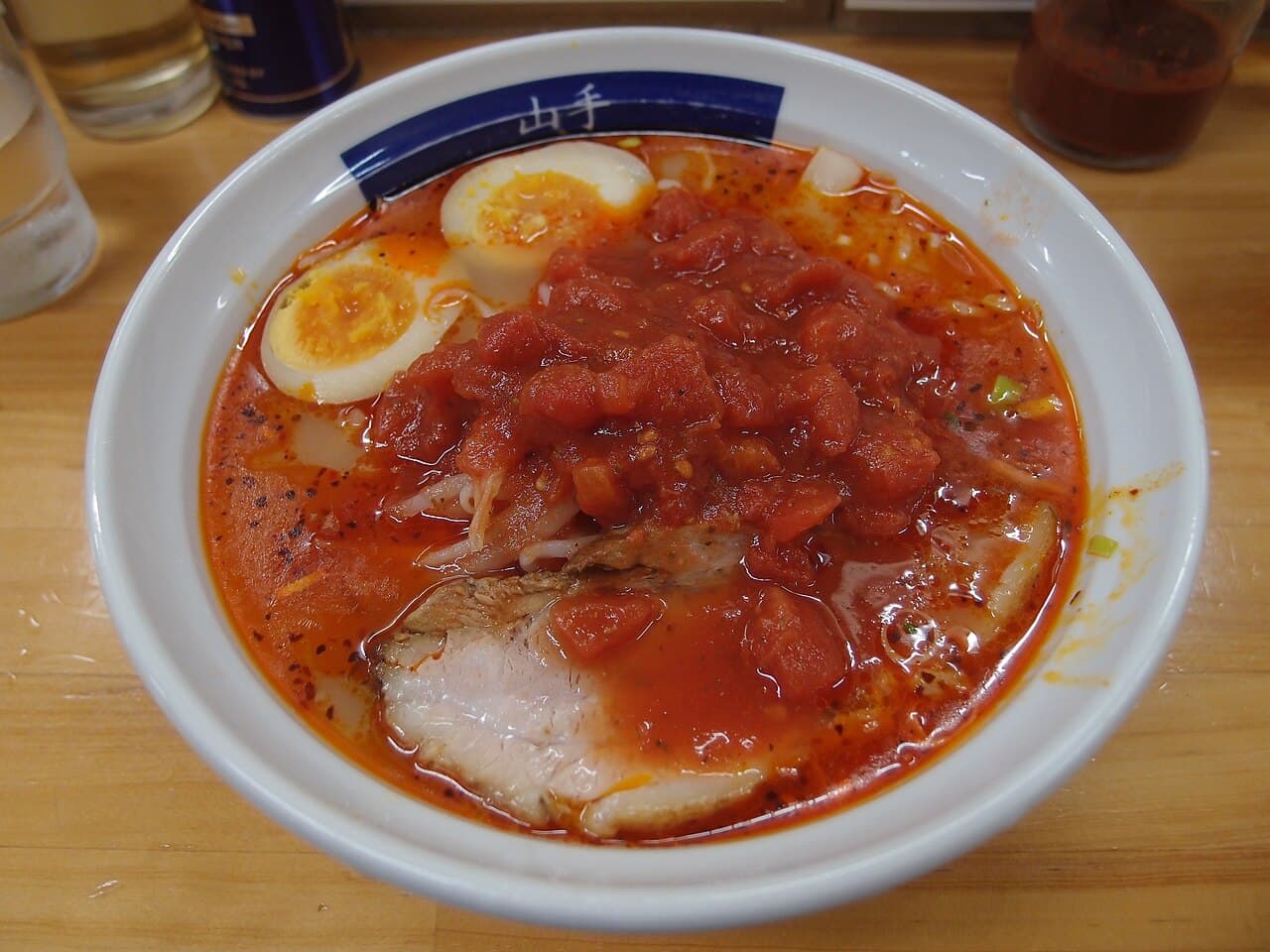
Yes — Sapporo has real, verifiable halal dining now, from a certified wagyu ramen shop with its own prayer room to a Muslim-owned Indian café. Here are 4 currently-operating venues with confirmed hours, prices, and certification status, plus the traps (dashi, mirin) to watch for.
Area guide
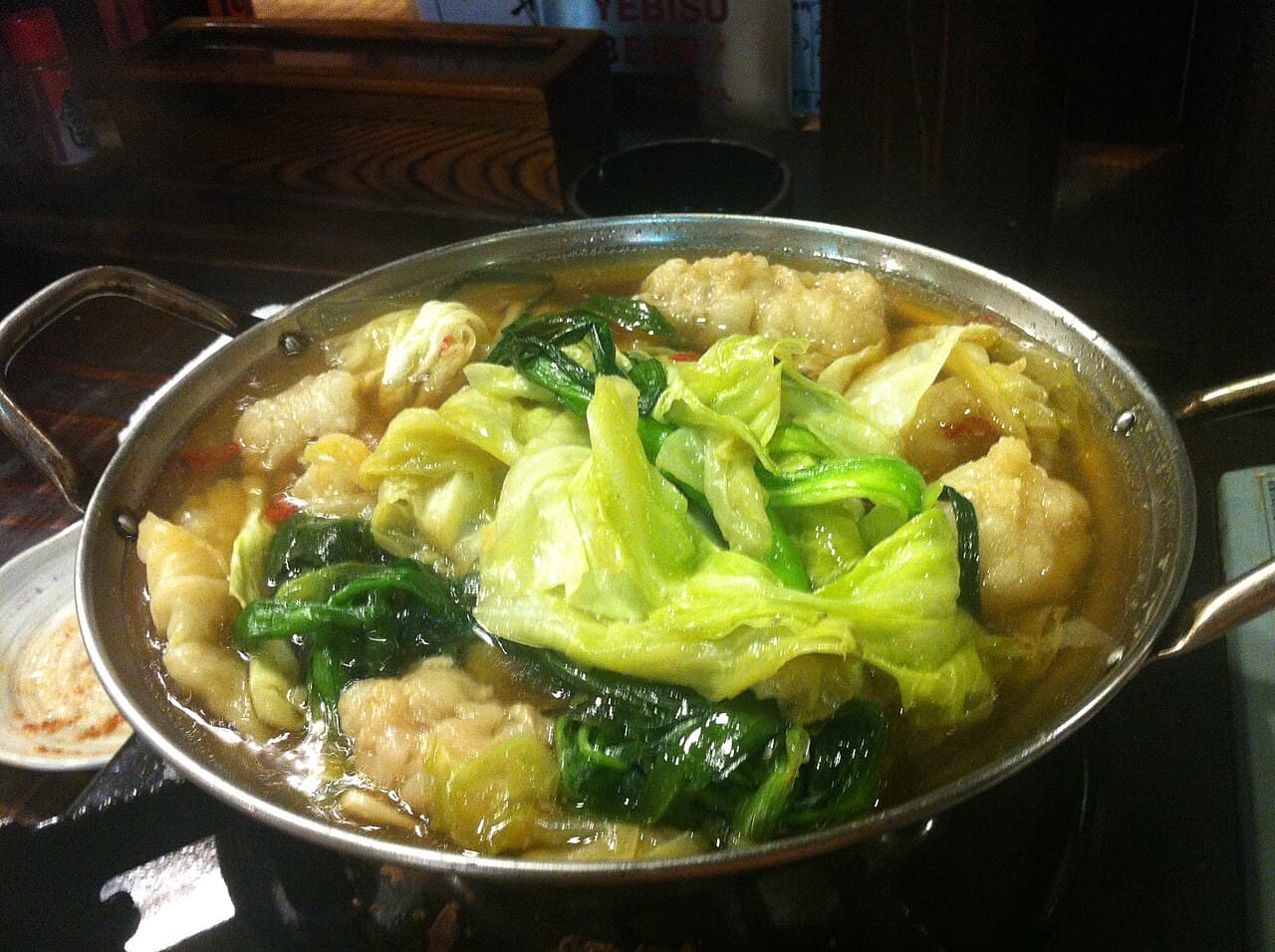
Yes — Fukuoka has real halal dining, though it's small and concentrated. Certified motsunabe and wagyu, a long-running halal Pakistani-Indian kitchen, and a Muslim-run Turkish café make it workable, provided you know which places are certified and which are simply careful.
Area guide
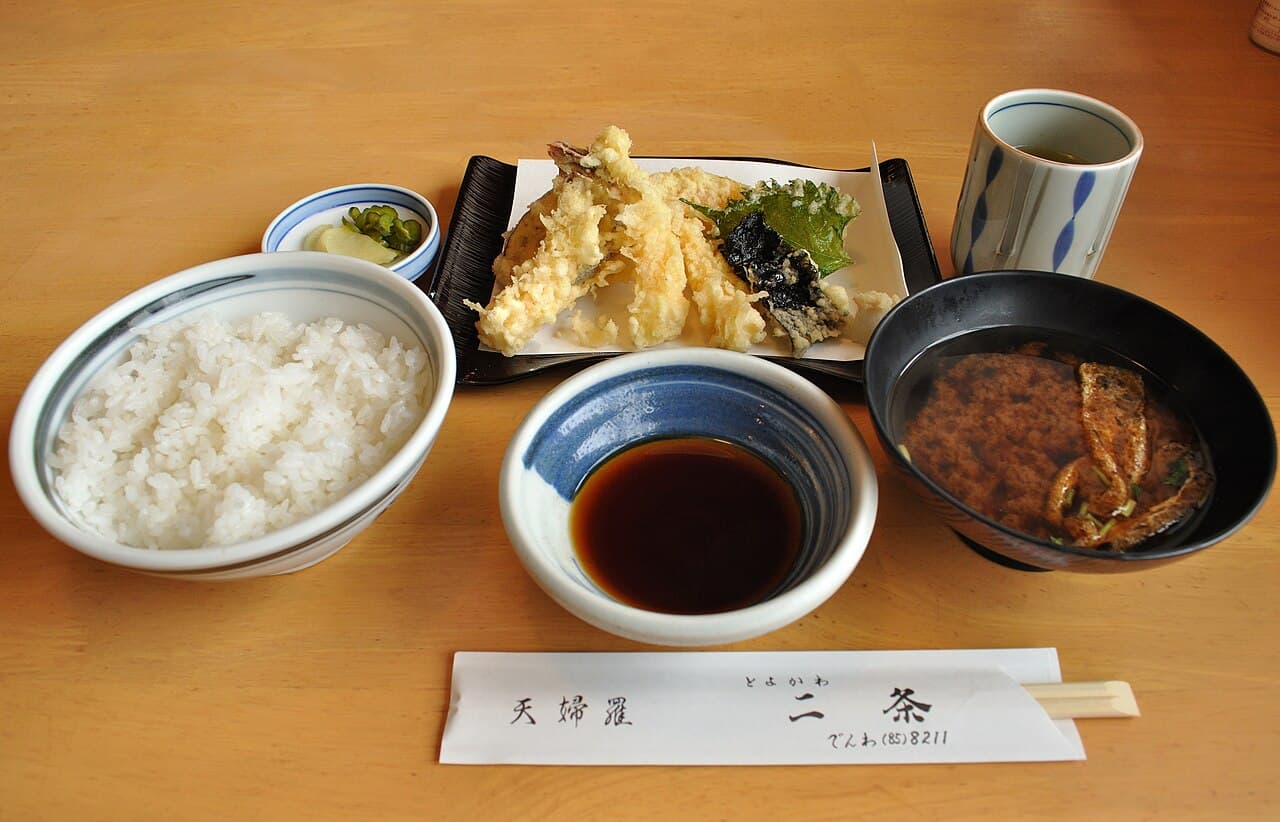
Yes — Fukuoka has real, dedicated gluten-free options, from a rice-flour tempura counter in Nishijin to a Minami-ku cafe serving galettes and GF beer. Here's exactly where to eat, what to order, and where the hidden-wheat traps are, verified venue by venue.

Every fact on UMAMI HUNT is checked against at least two independent sources before publication, dated ("as of"), and corrected in public when wrong — this page explains exactly how.
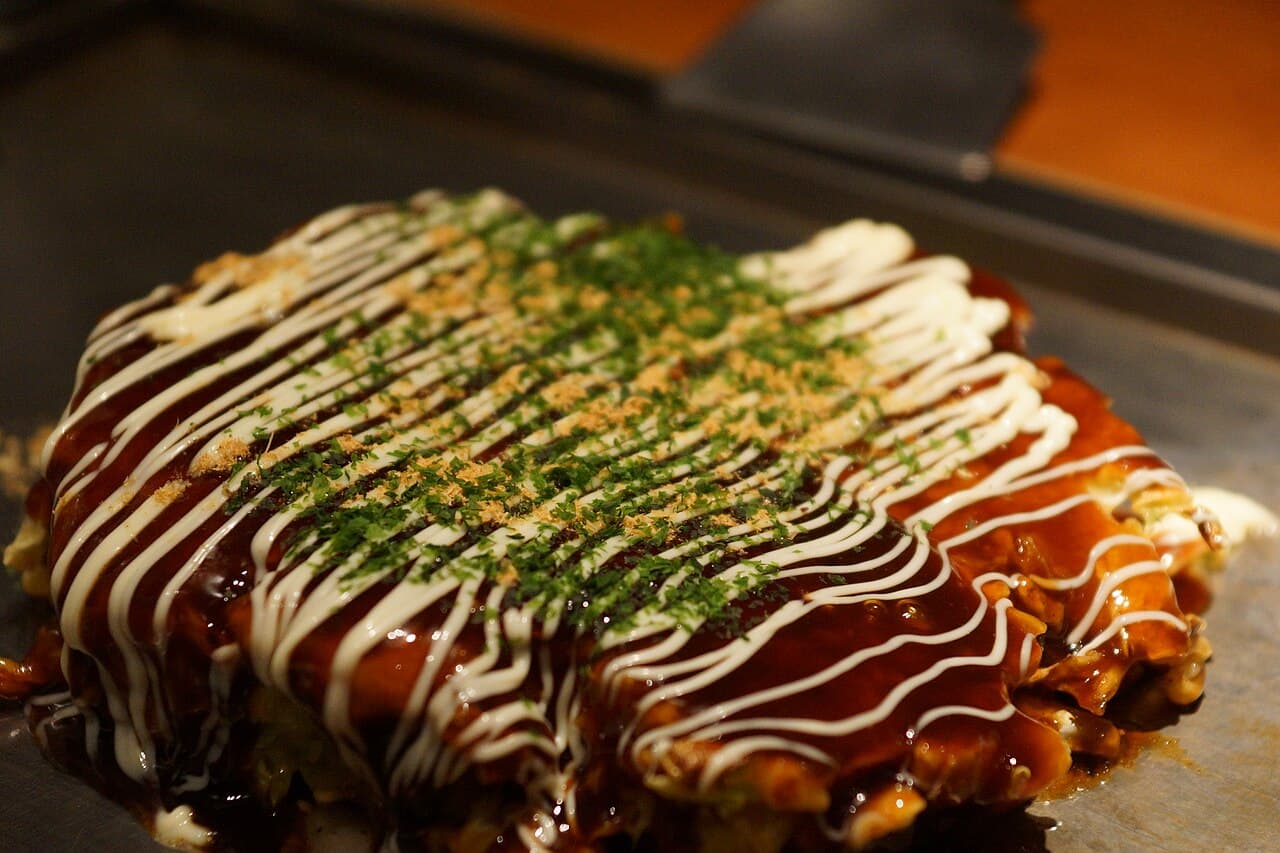
Vegan Tokyo · Okonomiyaki
Okonomiyaki is not vegan by default -- dashi in the batter, bonito on top, and a sauce that can hide oyster or anchovy are standard. Four real, currently-open Tokyo restaurants let you eat it anyway, from a kitchen that built an actual vegan menu to DIY griddles where you control every ingredient -- plus one honest ask-first pub so this guide doesn't oversell how vegan-easy the dish really is.
Dietary Guide · Osaka
Of the five in this guide, only one is third-party halal-certified; the other four are Muslim-friendly to different degrees.
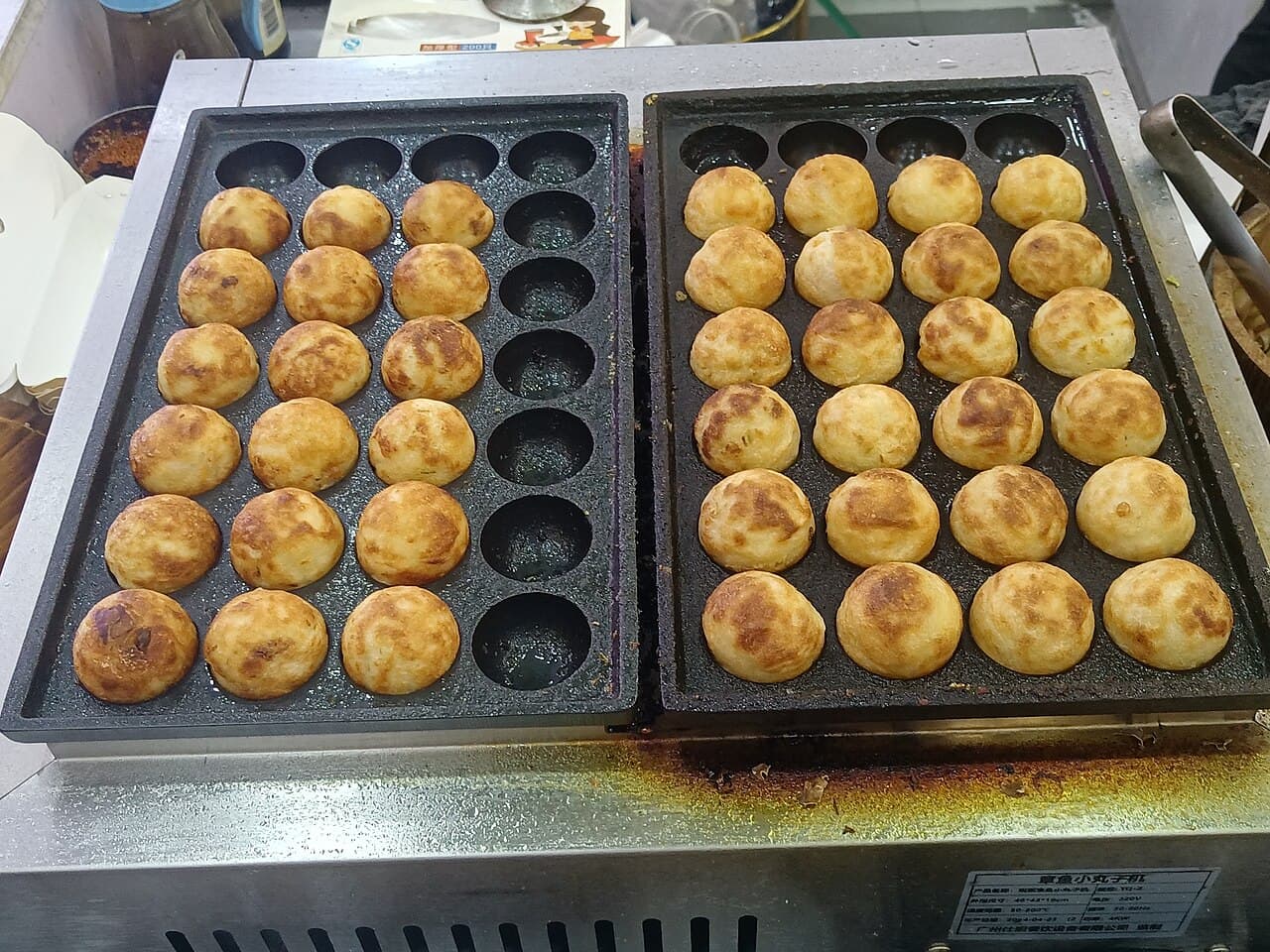
Gluten-Free Osaka
Osaka's gluten-free spots cluster in Umeda and Higashi-Shinsaibashi, none certified.
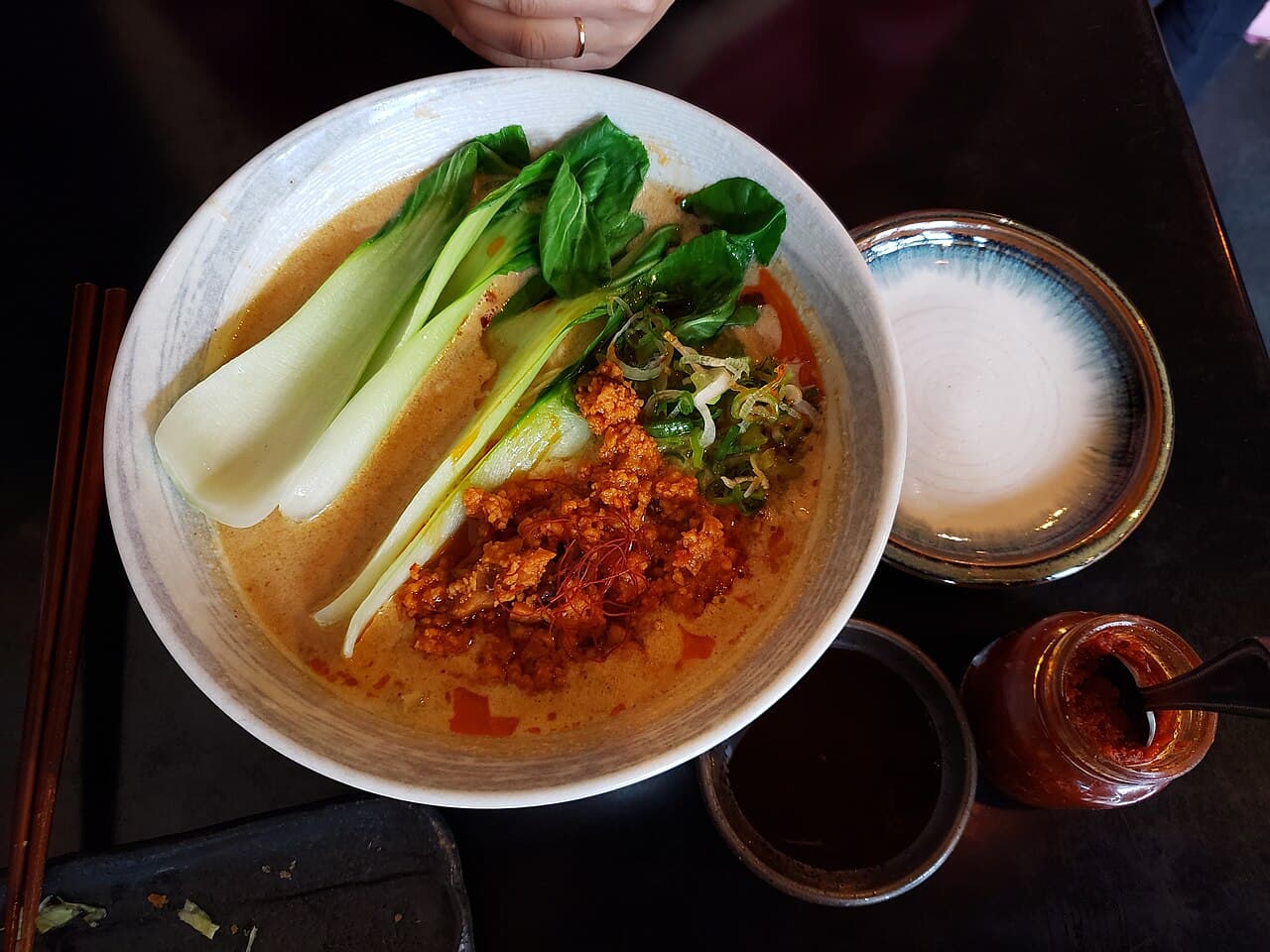
Osaka Vegan Guide
Osaka has 5 verified vegan restaurants, clustered near Dotonbori and Umeda.
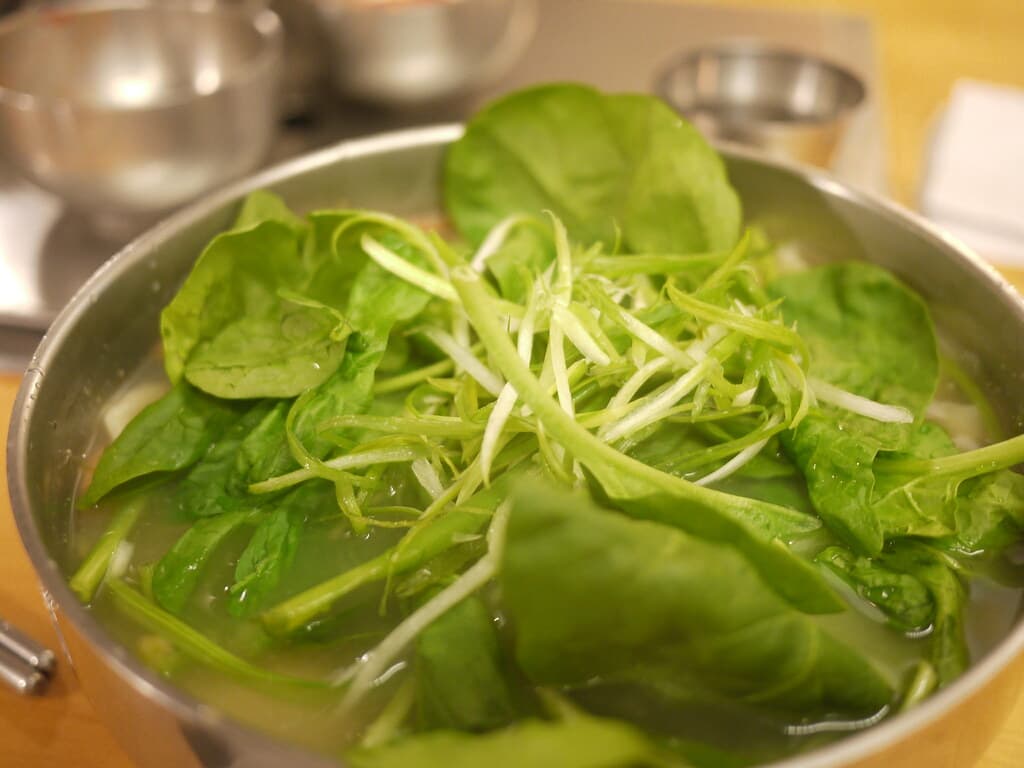
Halal guide
Tokyo's chinese halal restaurant scene spans three neighborhoods: Ikebukuro for Xi'an-style Chinese Muslim cooking, Shin-Okubo for Uyghur noodles and Mongolian hotpot, and Nishi-Shinjuku for one of the city's longest-running Uyghur kitchens. None of the five restaurants covered here display certification from a named third-party halal body -- all are Muslim-friendly or halal-by-tradition. Here's exactly what that means at each one, and where to eat.
Halal guide
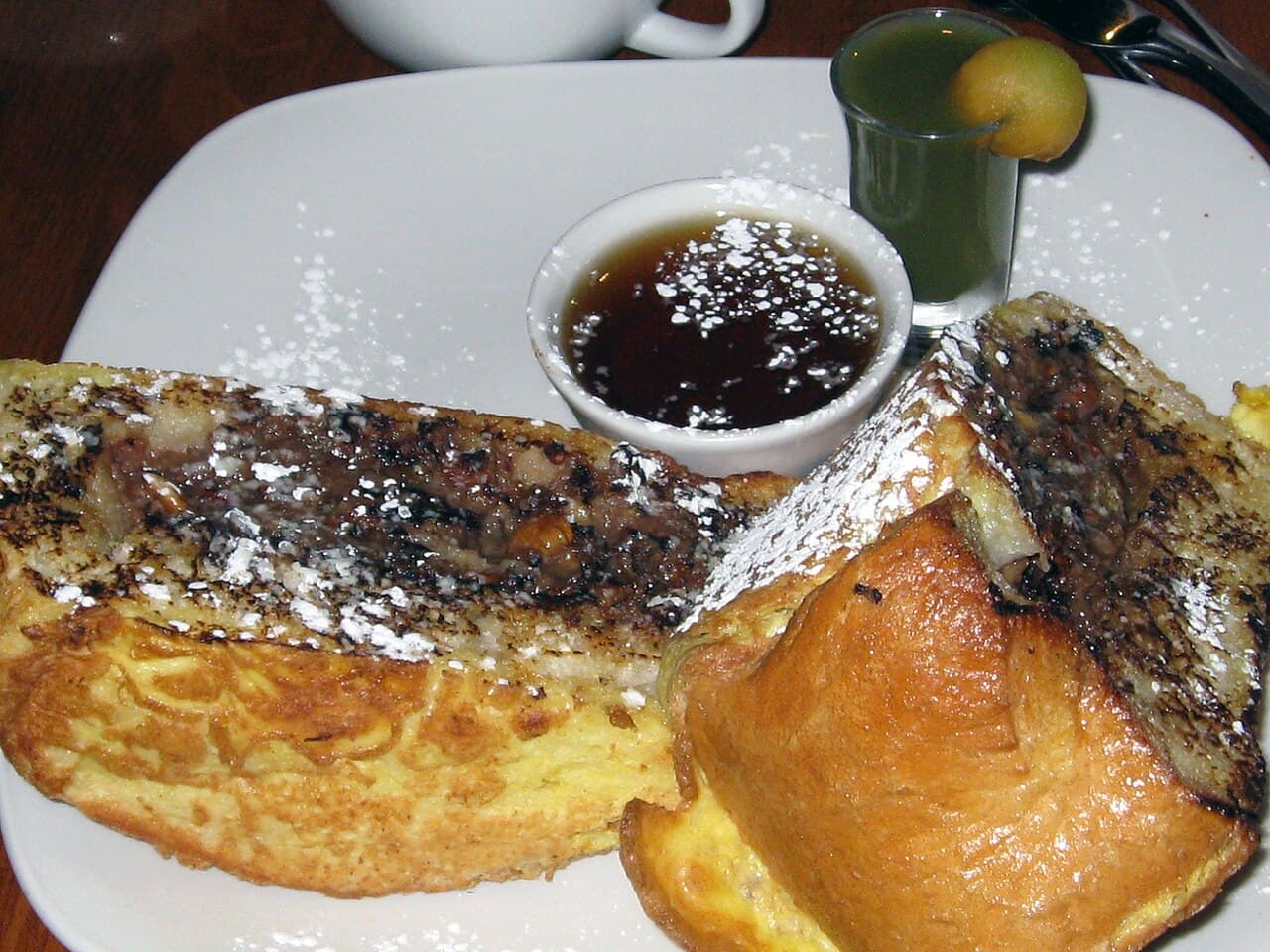
Tokyo doesn't yet have a fully halal-certified breakfast restaurant scene -- most options are careful Muslim-friendly cafes instead. Cafe Aaliya's French toast is alcohol-free in prep (though two sauces aren't), Sakura Cafe runs a 24-hour halal menu with a prayer room, and Flipper's is self-declared Muslim-friendly. Gohan Cafe has a posted halal certificate but opens at 11am, making it brunch, not breakfast.
Halal guide
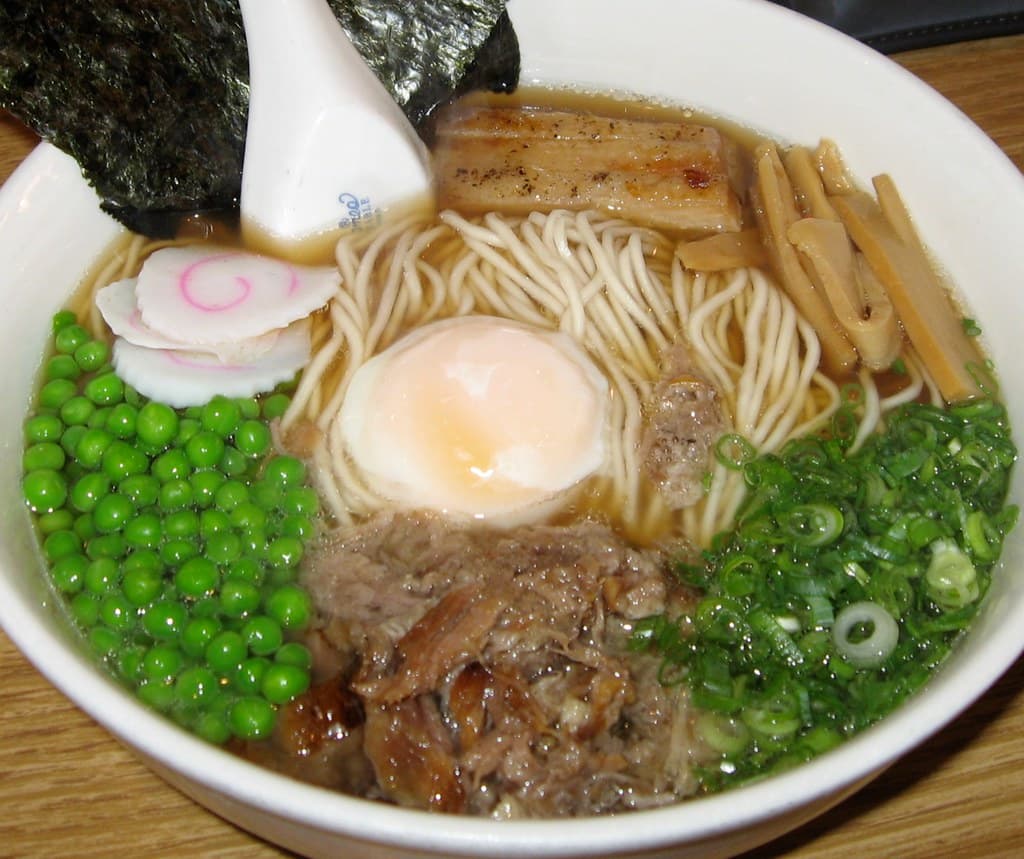
Halal wagyu in Tokyo isn't limited to yakiniku: Halal Wagyu Ramen Shinjuku-tei serves JMA-certified wagyu ramen and steak across several branches, Sushi & Wagyu Fujiyama Tokyo pairs all-you-can-eat sushi with a halal-certified A5 wagyu course, and Godaime Wagyu Ginza covers the steak-and-burger format — each with a different certified-versus-Muslim-friendly story worth knowing before you book.
Halal guide
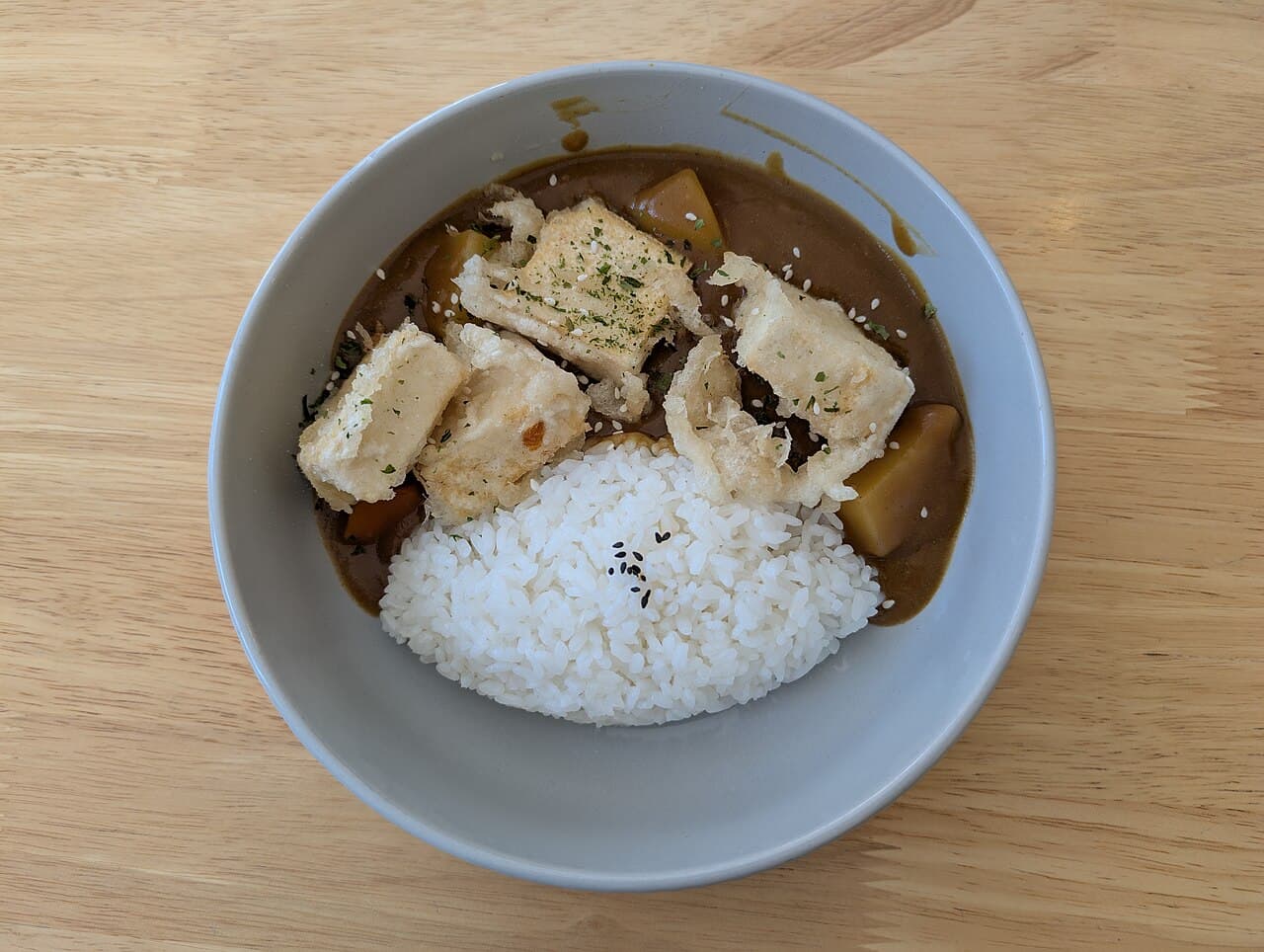
Halal Japanese curry in Tokyo now means Yoshi's Passion in Asakusa and NikoNiko Halal Mazemen & Curry in Akihabara -- not the halal CoCo Ichibanya branches, which closed in 2020 and never reopened. Yoshi's Passion runs an all-halal kitchen built around Kobe-beef curry; NikoNiko is JMA-certified with Sri Lankan-inflected flavours. For a broader alternative, Nataraj in Shibuya and Ogikubo serves halal-labelled Indian curry.
Halal guide
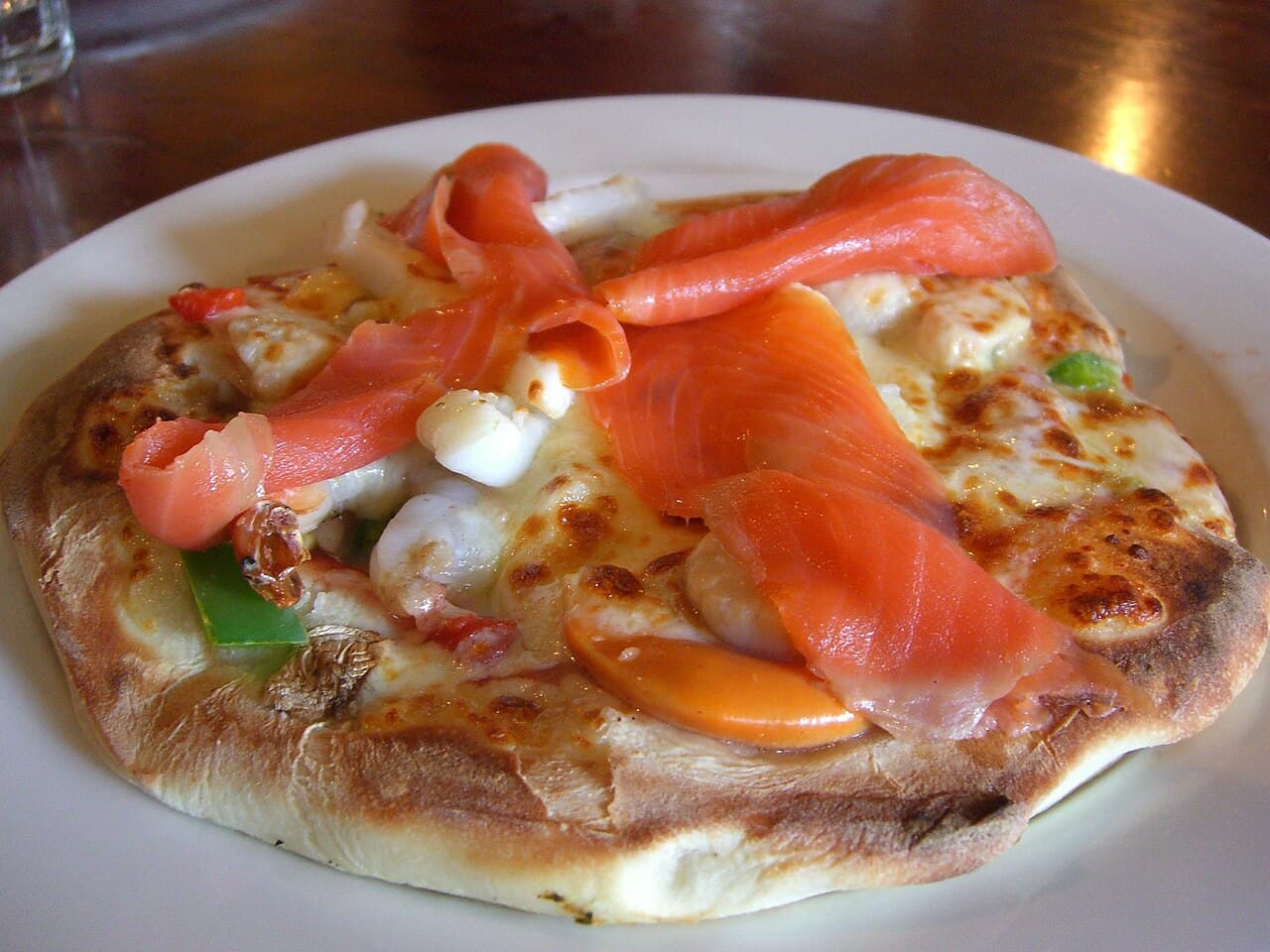
No — Tokyo Disney Resort's own FAQ confirms there is no halal-certified food or menu anywhere in the parks. Here's the honest plan instead: real muslim-friendly dishes at Captain Hook's Galley and Mediterranean Harbor, where to pray, and why eating a certified halal meal in Asakusa first is the smartest move.
Area guide
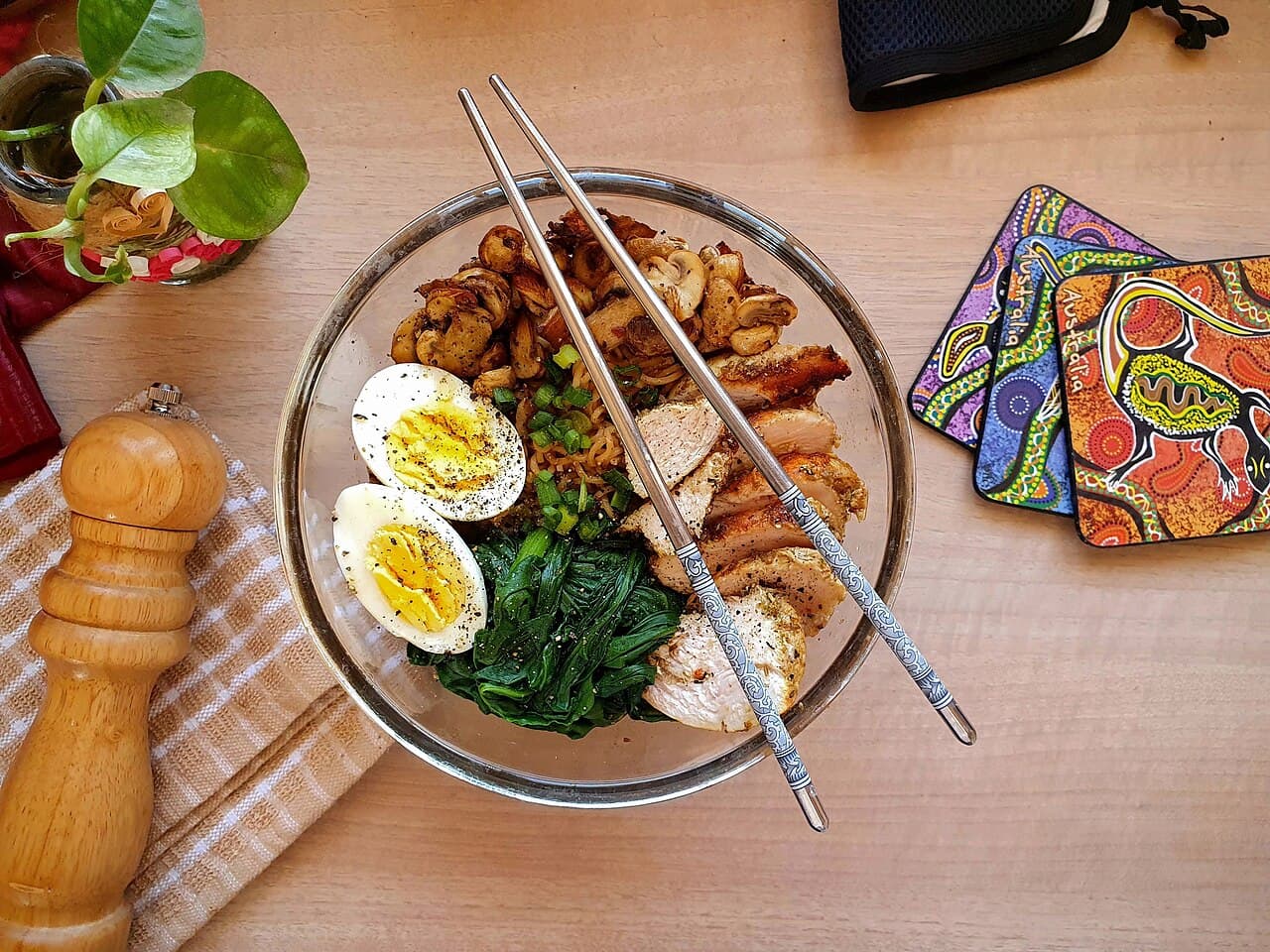
Yes — Kyoto has third-party halal-certified restaurants, not just pork-free ones. We've verified three: a certified chicken-ramen counter near Karasuma, a certified wagyu kaiseki hall in Arashiyama with its own prayer room, and a certified wagyu ramen shop in Gion. Here's exactly where, plus why 'halal-certified' and 'Muslim-friendly' are not the same thing.
Area guide
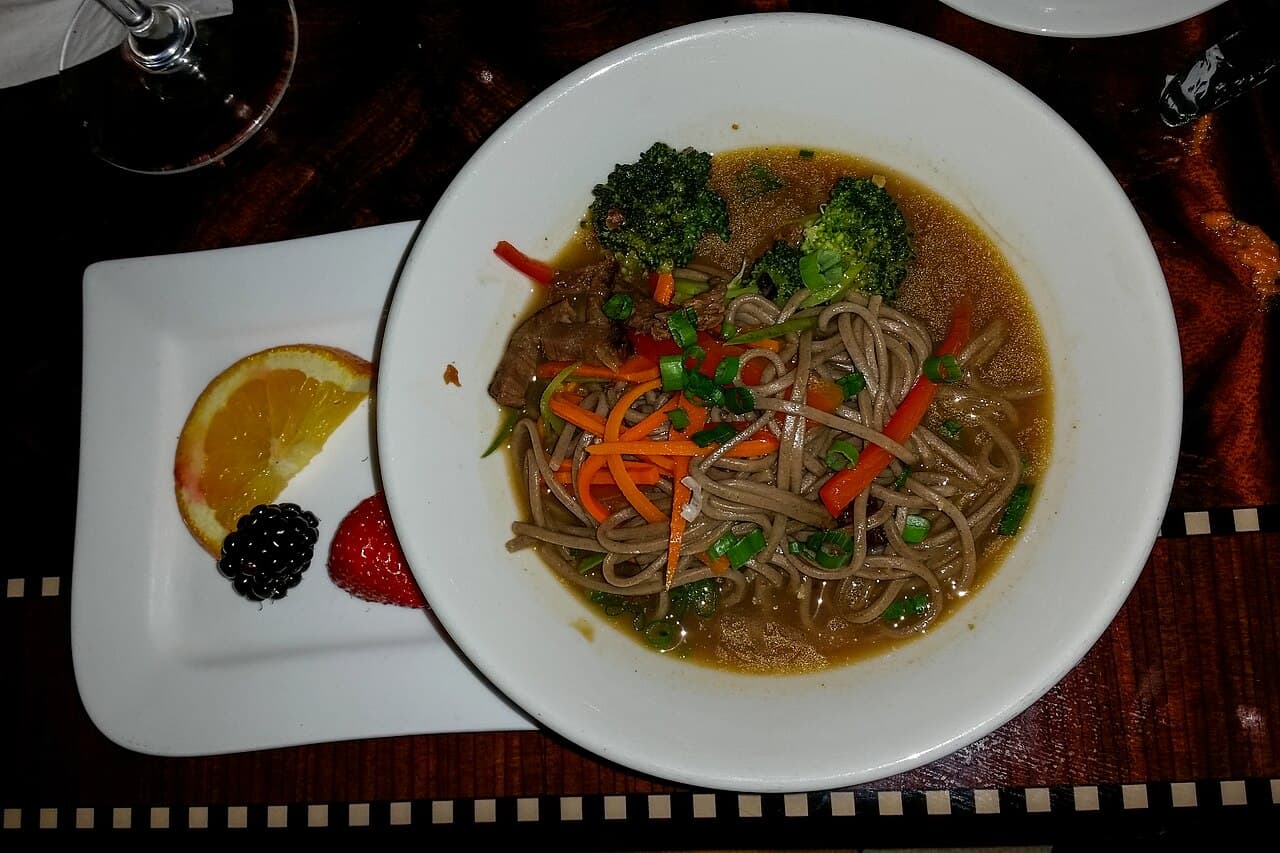
Yes — Kyoto has dedicated gluten-free kitchens, not just gluten-free-friendly ones. We've verified three: a gluten-free vegan ramen shop in Gion, a fully gluten-free vegan restaurant near Sanjo, and a dedicated gluten-free wagashi bakery near Nijo Castle. Here's exactly where to eat, plus the soy-sauce trap that catches almost every celiac traveller in Japan.
Area guide
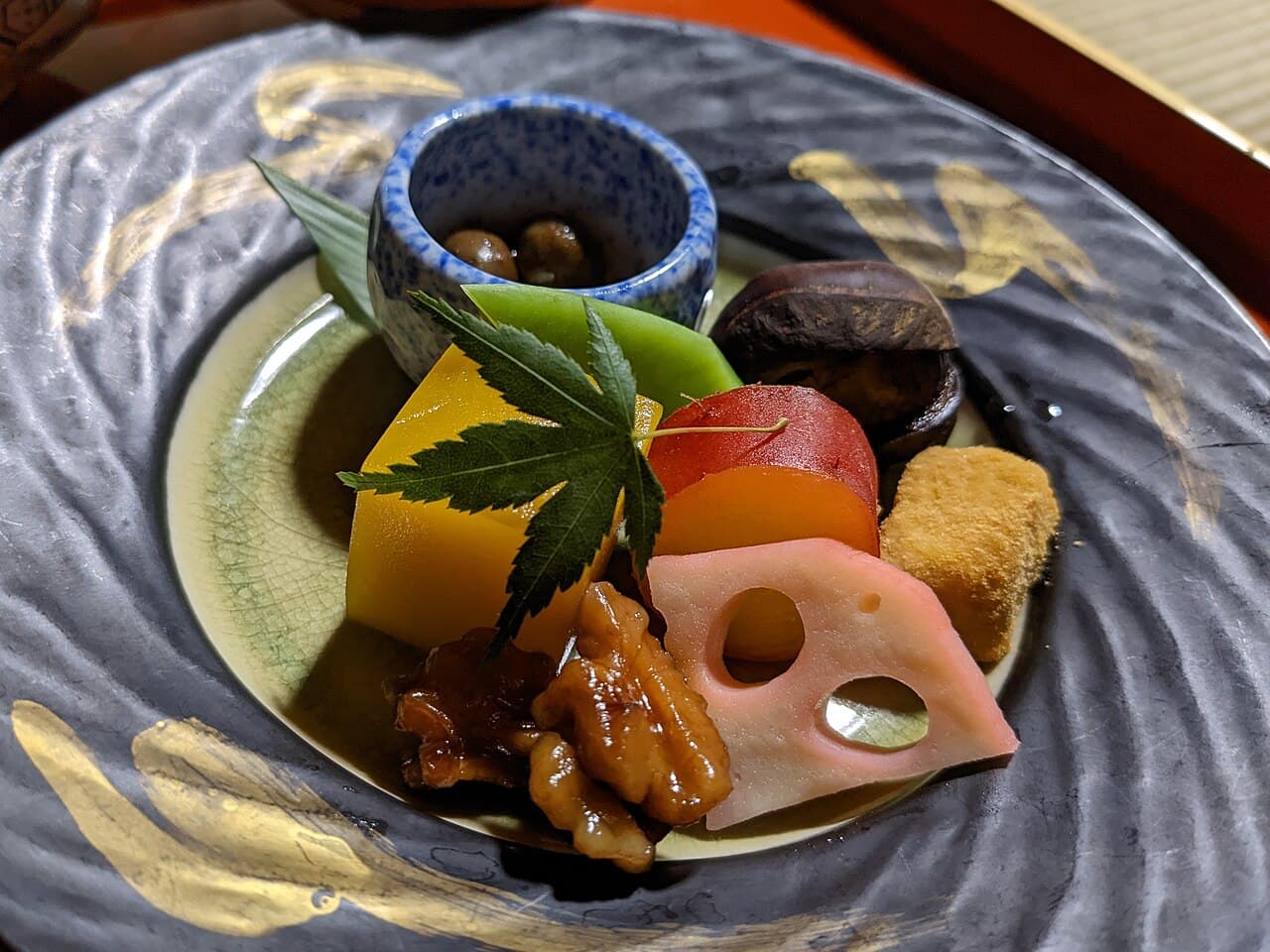
Yes — Kyoto is the easiest city in Japan to eat vegan, because shojin ryori (Buddhist temple cuisine) built plant-based cooking into its food culture centuries ago. We've verified four spots that serve genuinely vegan food: a Michelin Bib Gourmand temple hall, two dedicated vegan ramen shops, and a riverside tofu-kaiseki house with a named vegan course — plus the one dashi trap that still catches people out.
Halal guide
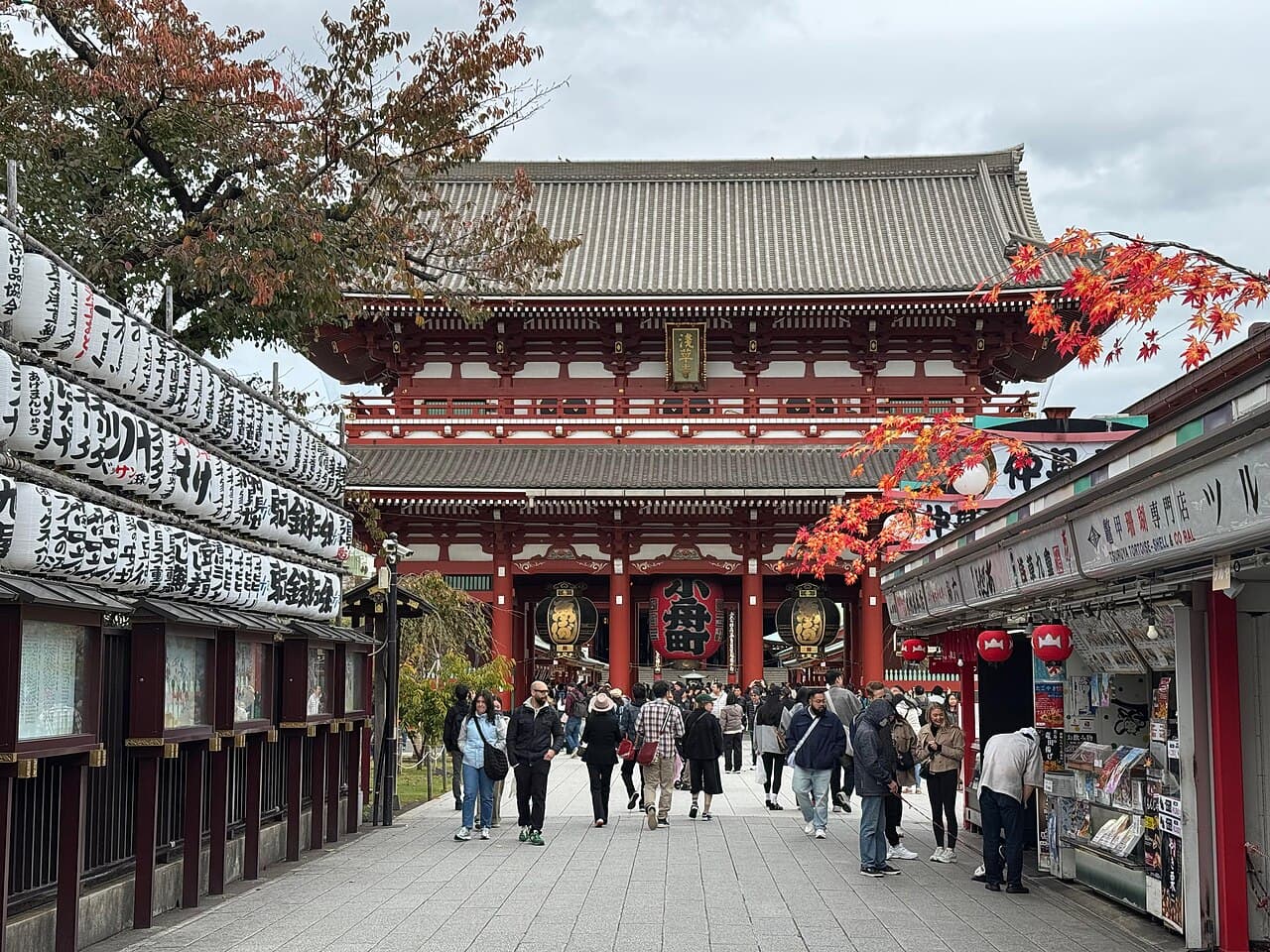
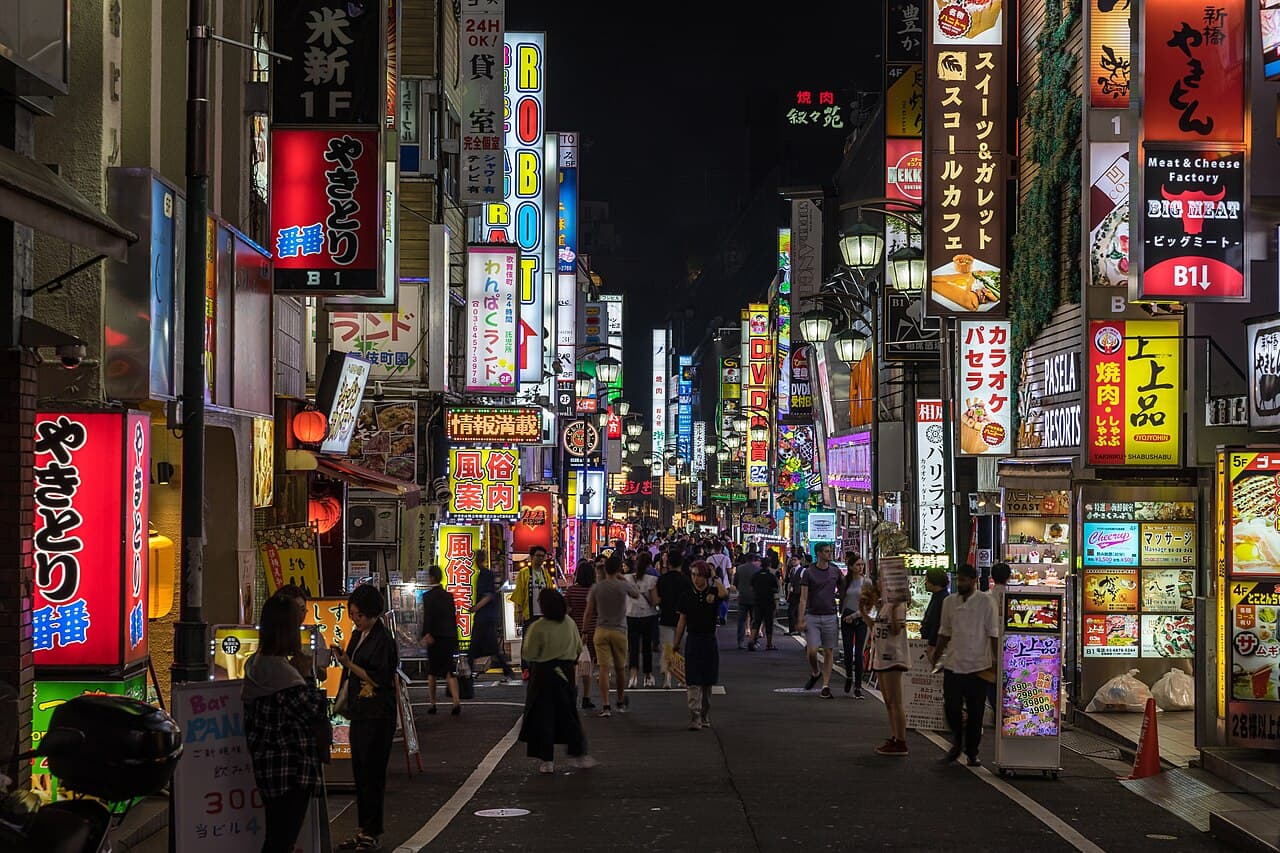
Spend the morning in Asakusa — halal wagyu or chicken ramen beside Senso-ji, with an on-site prayer room — then head to Shinjuku or Yoyogi-Uehara for an evening bowl and salah at Tokyo Camii, Japan's largest mosque. Asakusa and Shinjuku are Tokyo's most Muslim-friendly areas, both dense with certified restaurants and prayer space. Always confirm halal status before you order.
Halal guide
For halal food in Shinjuku, four venues cover the essentials near the station: Honolu for certified chicken-paitan halal ramen, Halal Wagyu Ramen Shinjuku-tei for beef-broth bowls, Bosphorus Hasan for Turkish kebabs, and FUJIYAMA TOKYO for all-you-can-eat Muslim-friendly sushi and A5 wagyu. All four are Muslim-friendly and a short walk from Shinjuku or Shinjuku-Gyoenmae Station.

Halal guide
Yes — you can pray across Tokyo. The most reliable prayer rooms (musalla) are at Haneda and Narita airports, Tokyo Camii mosque in Shibuya, and the Otsuka and Asakusa masjids, plus Muslim-friendly spaces at Tokyo Skytree's Solamachi, the Tokyo Disney Resort area, and some department stores. Facilities change, so confirm the exact floor locally, as of 2026.
Halal guide
To tell if Japanese food is halal, screen every dish for four hidden non-halal ingredients — pork (including pork-based dashi, lard and gelatine), mirin, cooking sake, and the alcohol in soy sauce — then confirm with a certification mark or by asking staff. Certified-halal is safest; "Muslim-friendly" usually means pork-free but not fully verified. Use the label terms and phrases below.
Halal guide
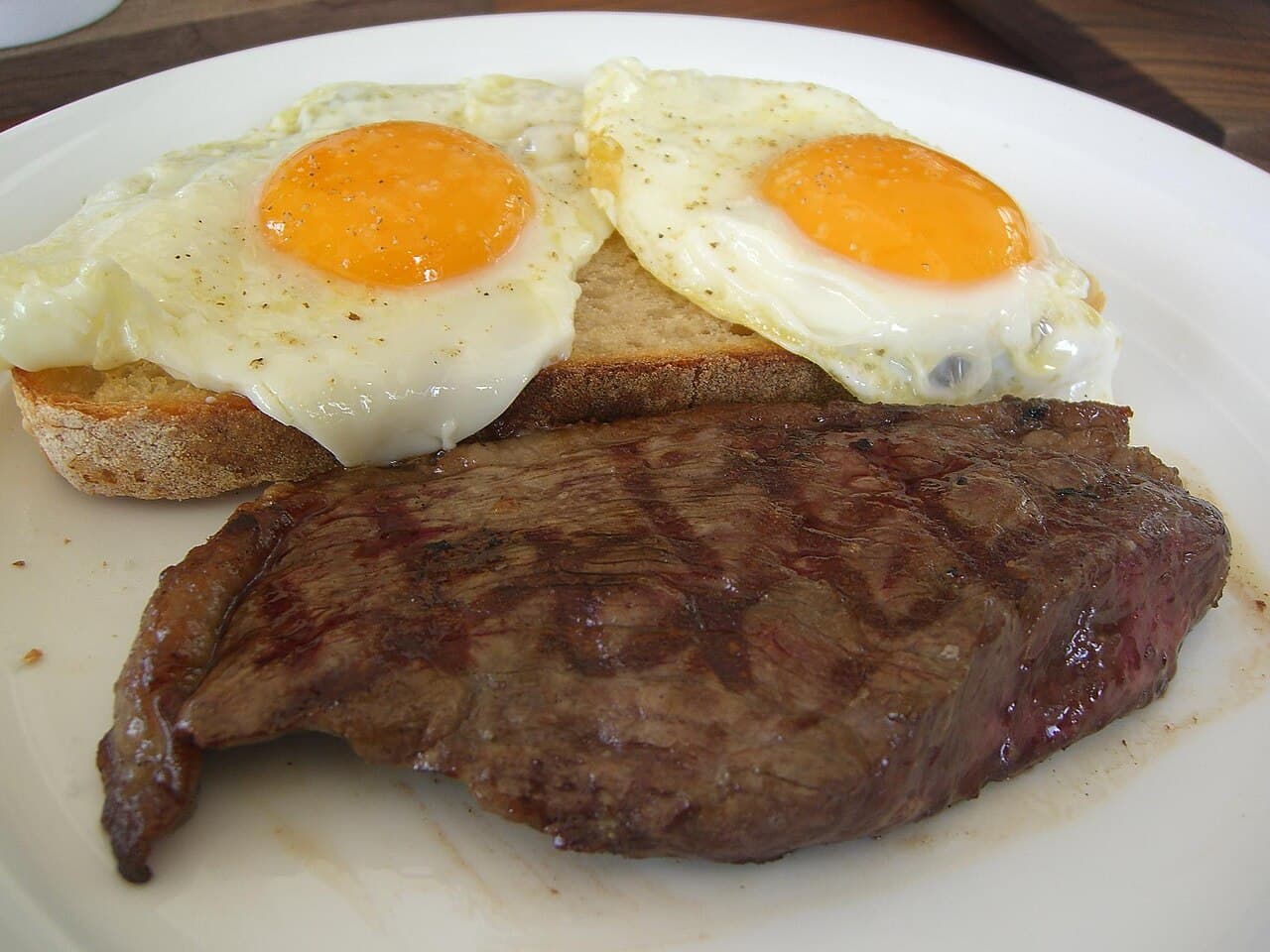
Yes — eating halal in Tokyo is easy in 2026. Start with certified specialists: Naritaya and Gyumon for halal ramen and Wagyu in Asakusa, Gyumon Shibuya for halal yakiniku, Honolu for chicken-paitan ramen in Shinjuku, and Tokyo Camii's TC Café beside the mosque. Book meals near a prayer room, learn to read the pork and alcohol labels, and this hub links every dish, area and itinerary you need.
Dietary guide
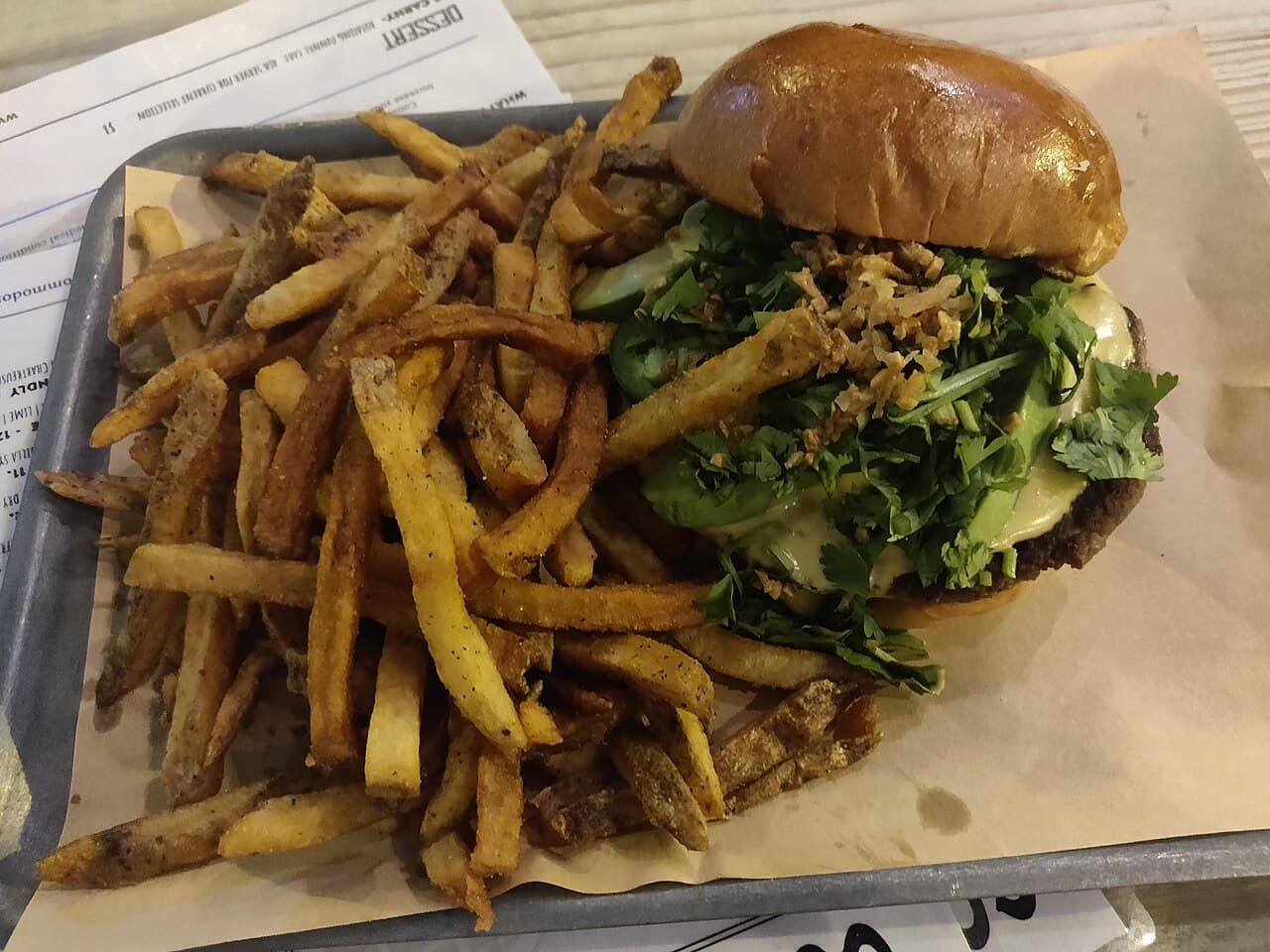
As of 2026, no major fast-food chain in Japan has a currently-open halal-certified branch — not McDonald's, KFC, Burger King, MOS Burger, Yoshinoya or Sukiya. The one that used to be the exception, CoCo Ichibanya's halal-certified Akihabara and Shinjuku curry shops, closed around 2020. Everywhere else expect non-halal meat, beef-tallow fryer oil and cooking sake or mirin in the sauces — so plan around fish burgers, sides and drinks, and build real meals around dedicated halal restaurants.
Dietary guide
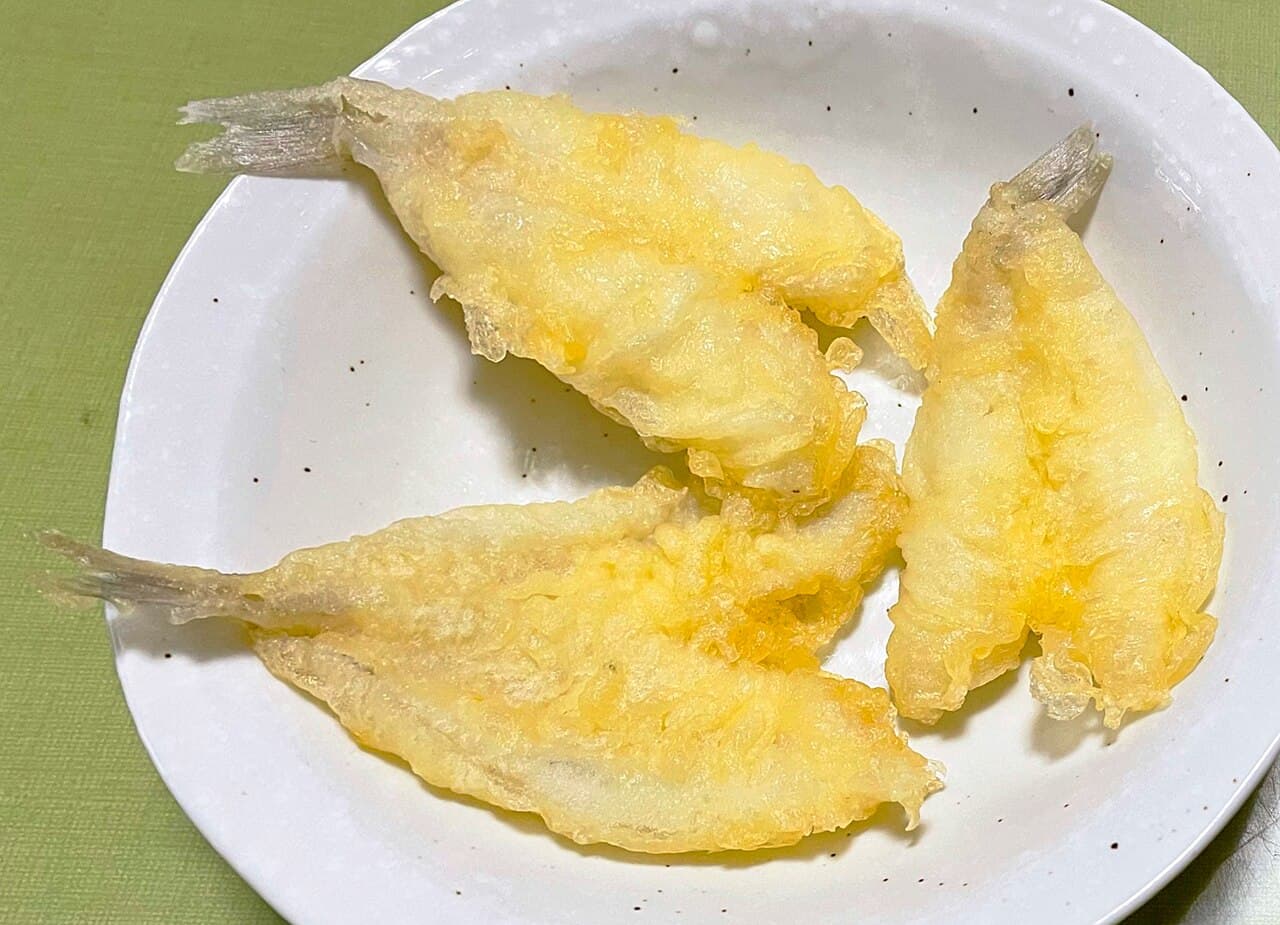
Plain tempura is usually not certified halal, but it is rarely obviously haram either. The batter (wheat flour, egg, water) and the seafood or vegetables are halal in themselves. The real concerns are the tentsuyu dipping sauce (mirin and sake alcohol), shared frying oil that may also cook pork, and a small chance the oil is animal-derived or blended. Ask for salt instead of sauce, and confirm the oil.
Dietary guide
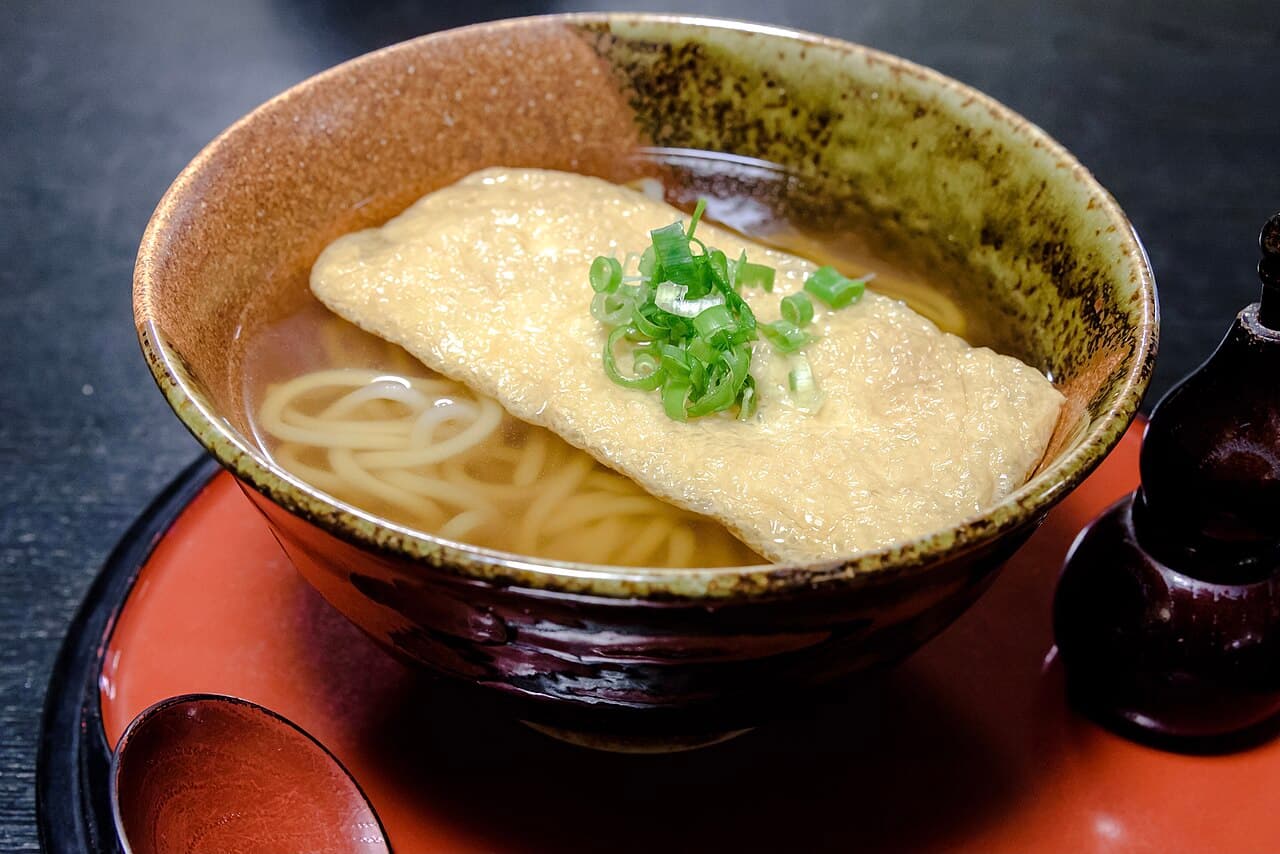
Udon is not automatically halal. The noodles themselves — wheat flour, salt, and water — are fine, but the broth is the problem: most Japanese udon dashi is sweetened with mirin and cooking sake (both alcoholic), and some versions use pork or chicken stock. Bonito (fish) dashi is fine for most Muslims. Always ask about mirin, sake, and meat stock, or choose a halal-certified udon shop.
Dietary guide
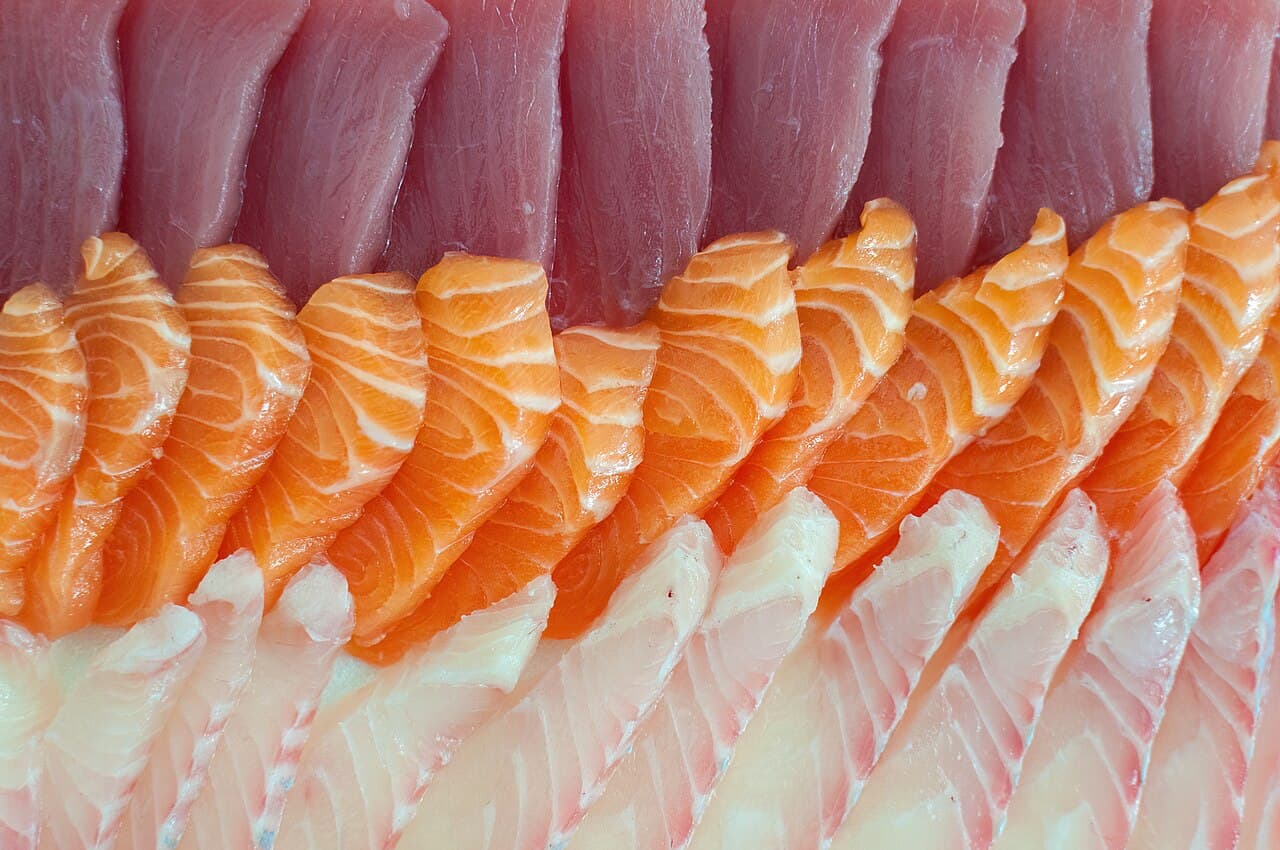
Sushi in Japan can be halal-friendly, because fish and rice are permissible, but most of it is not halal-certified. Watch three things: mirin or cooking sake mixed into the sushi rice and the brushed soy glaze (nikiri), regular soy sauce that contains roughly 2–3% alcohol, and toppings like imitation crab, eel and egg made with mirin. Here is how to order halal-conscious and where certified sushi is in Tokyo.
Dietary guide
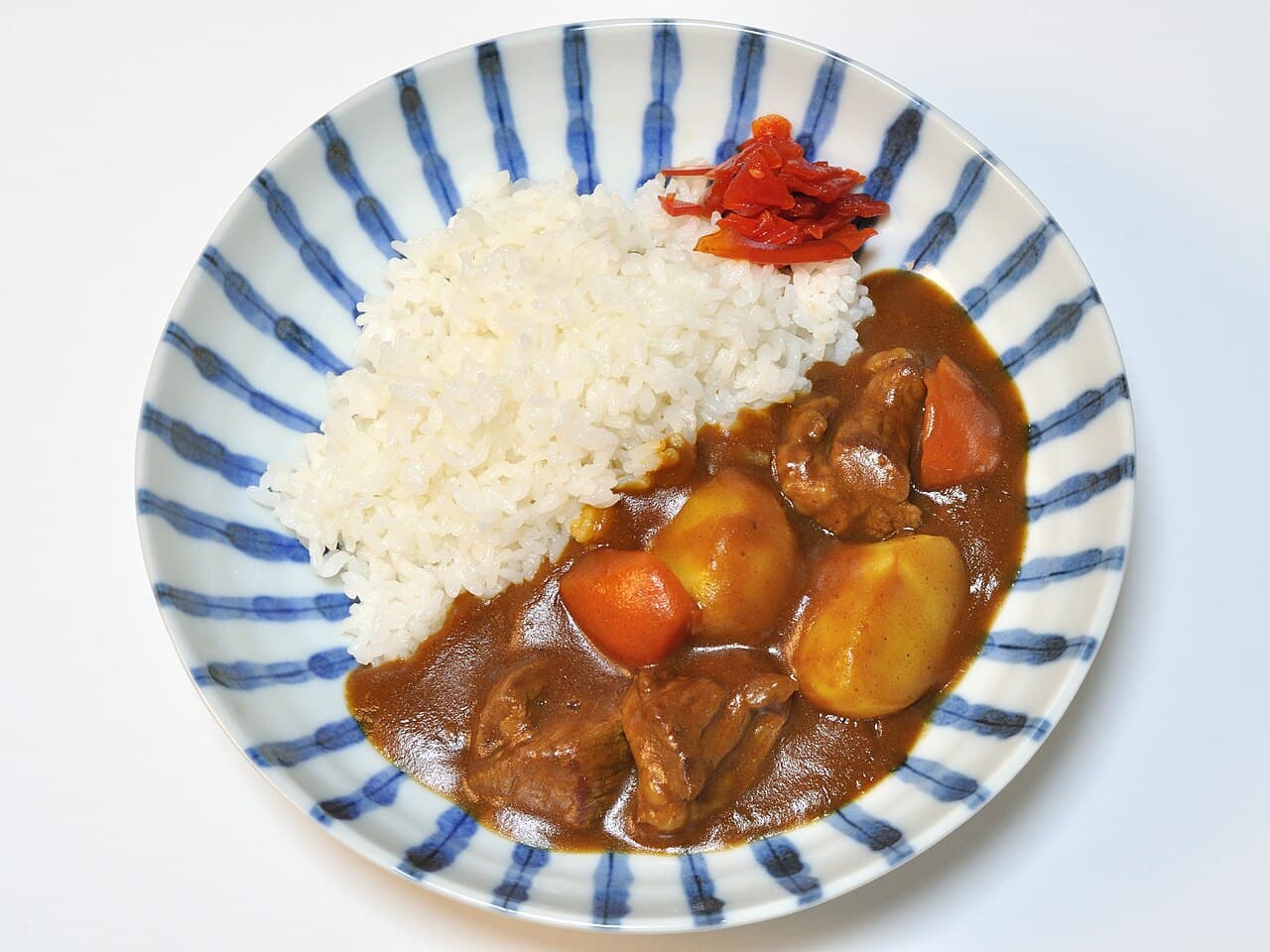
No — standard Japanese curry (curry rice, katsu curry) is not gluten-free. The signature thick sauce is built on a roux made from wheat flour, and boxed blocks like S&B Golden Curry and House Vermont list wheat as a main ingredient. Katsu curry adds a second wheat source in its panko breading. You can eat curry safely in Japan, but only via rice-flour roux, curry powder from scratch, or a few allergen-managed chains.
Dietary guide
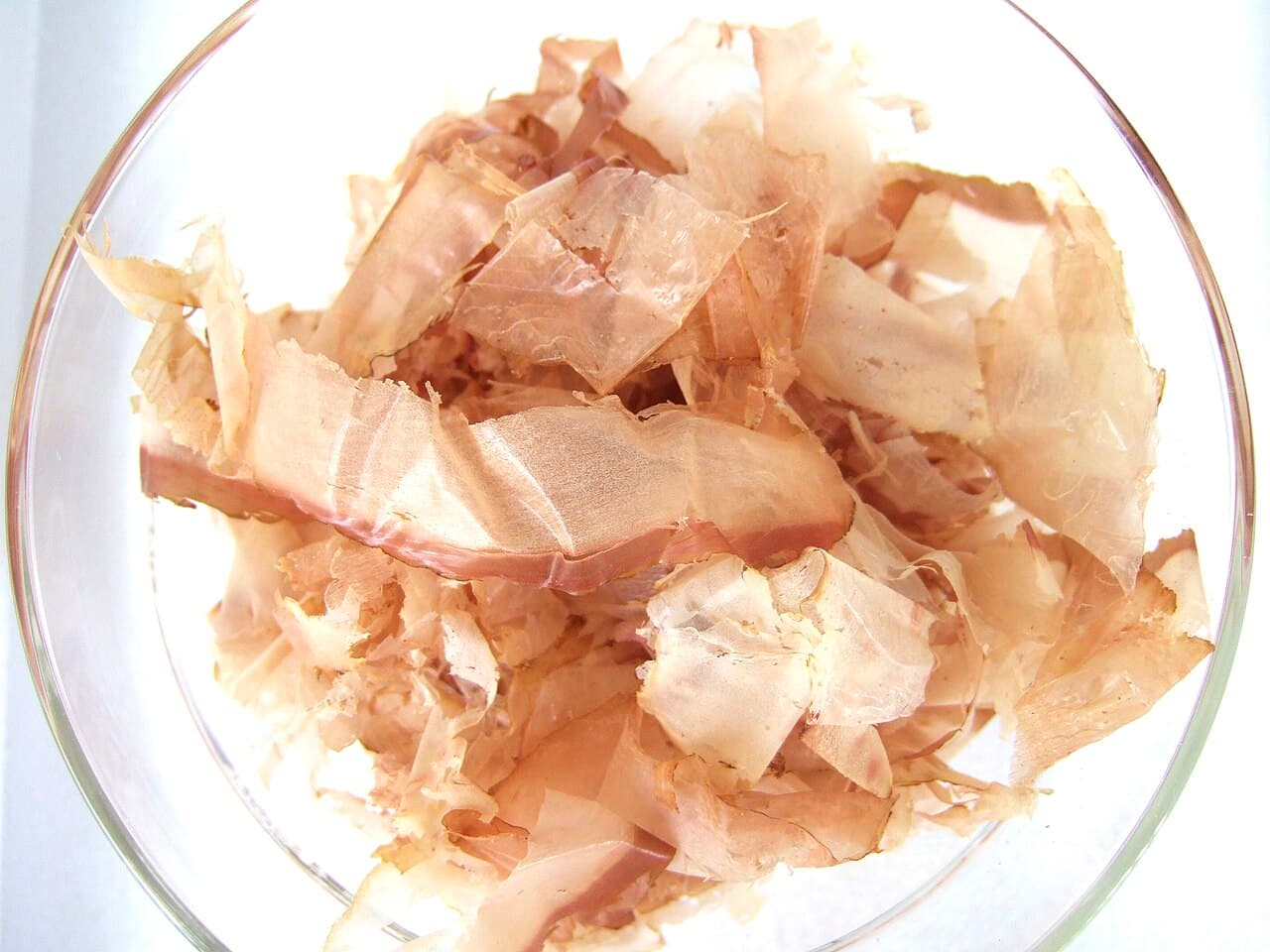
Pure dashi made only from kombu (kelp), katsuobushi (bonito), niboshi (dried sardines) or shiitake is naturally gluten-free. But most restaurant and packaged dashi in Japan is NOT safe: added soy sauce, mentsuyu, shirodashi and wheat-derived seasonings hide gluten. Because dashi flavors miso soup, simmered dishes and tamagoyaki, it is the single most common hidden-gluten trap for celiacs in Japan.
Dietary guide
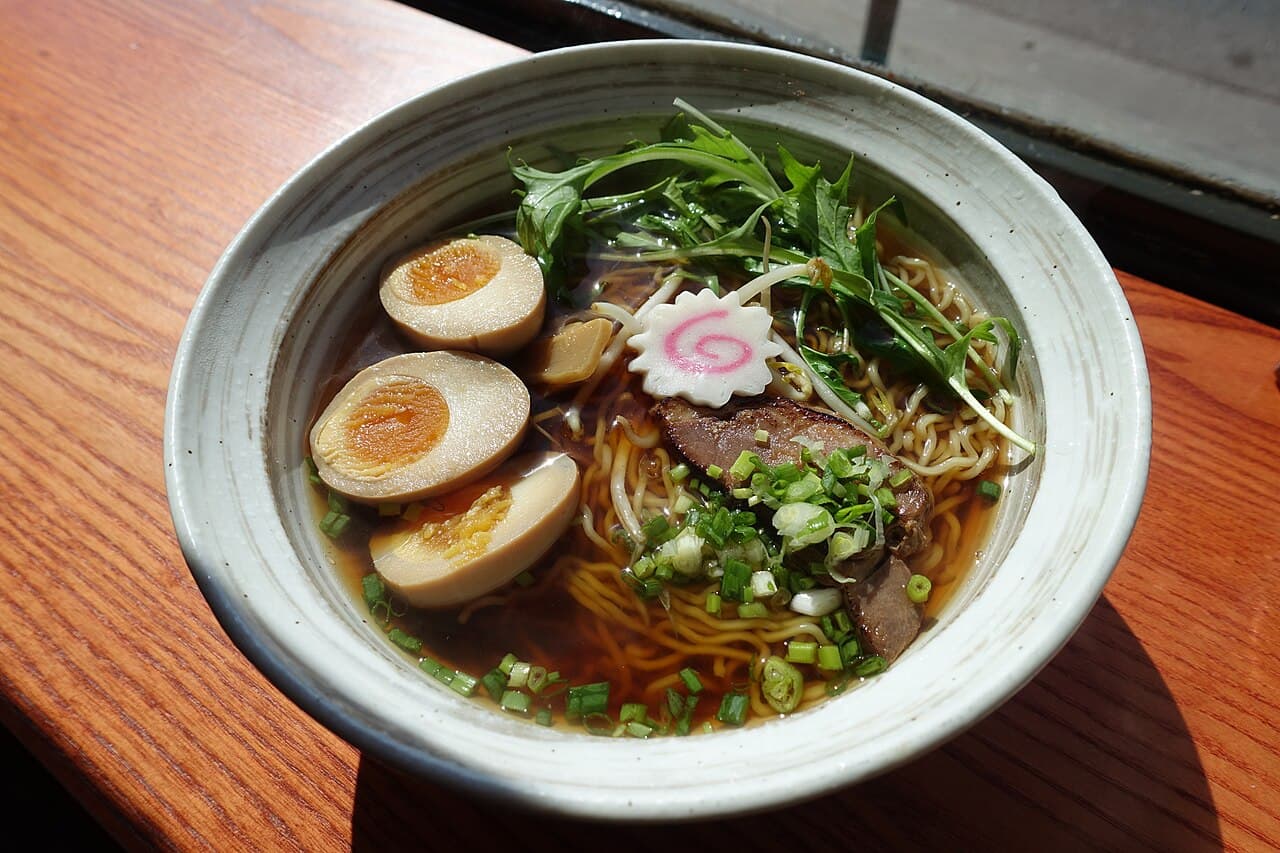
No — standard ramen in Japan is not gluten-free. The wheat noodles are only the start: the shoyu tare (soy-sauce base) is brewed with wheat, instant dashi often hides wheat, and every bowl is boiled in shared water. People with coeliac disease can still eat ramen in Japan, but only at dedicated gluten-free shops that use rice noodles, a gluten-free tare and a separate pot.
Dietary guide
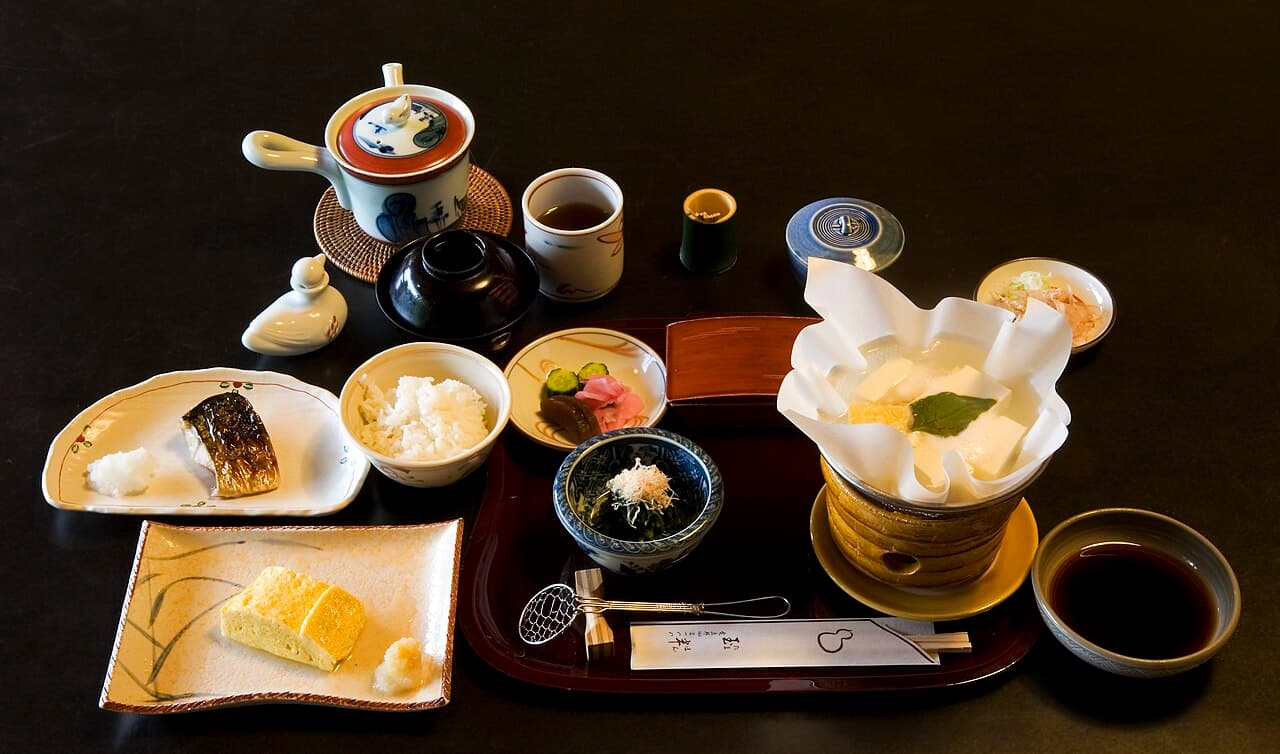
Staying at a ryokan or temple lodging (shukubo) as a Muslim traveller takes planning, not luck. Kaiseki dinners lean on mirin, cooking sake, dashi and sometimes pork, so request pork-free and alcohol-free meals in writing weeks ahead. Temple shojin cuisine is Buddhist-vegetarian and a safer base, but still ask about mirin and sake. Book early, confirm twice, carry backups.
Dietary guide
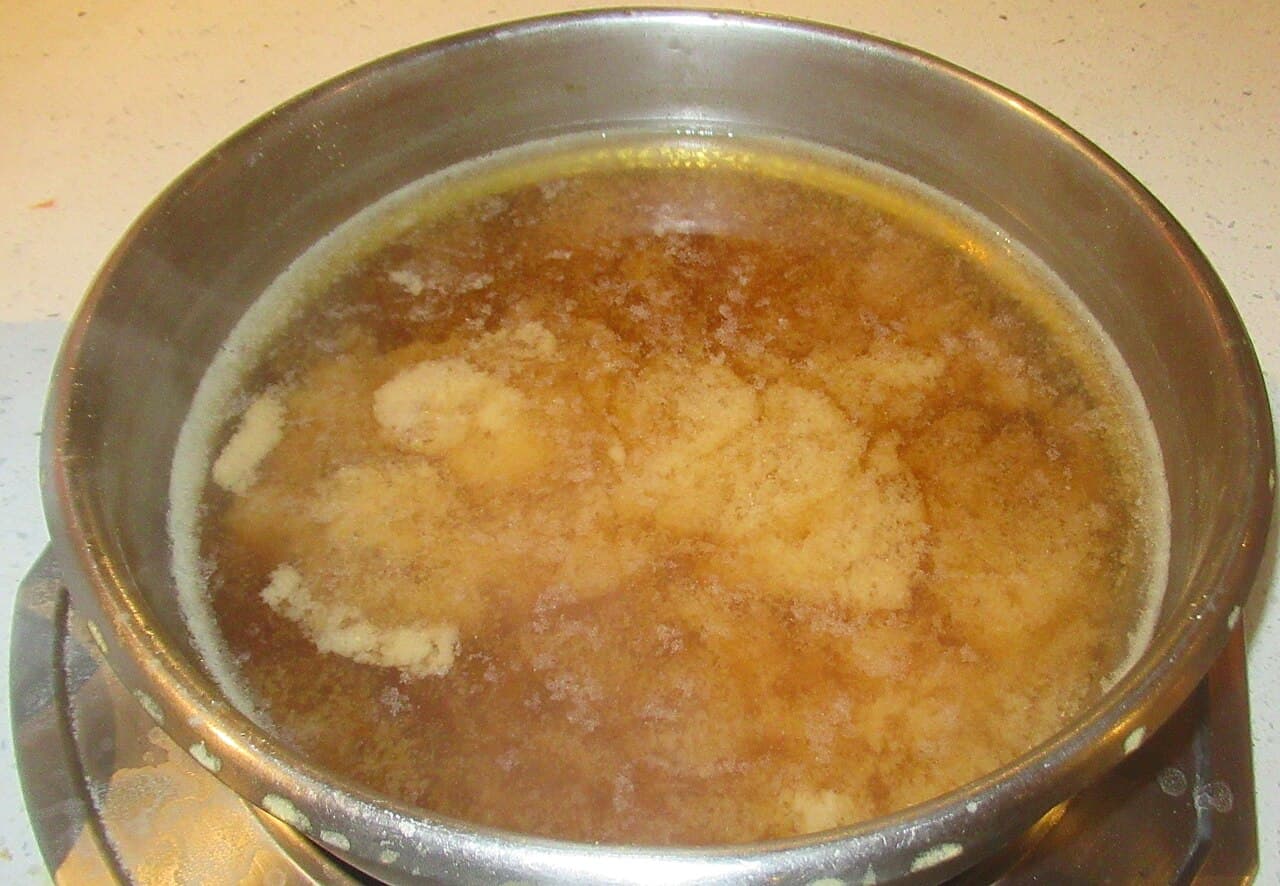
Navigating Japanese breakfast for dietary restrictions is easier once you know the pieces. Rice, nori and pickles are usually safe for most diets; the traps hide in the dashi in your miso soup, the bonito flakes on your natto, the soy sauce, and the egg. Here's what each diet can eat — and how to ask your ryokan for a set that works.
Dietary guide
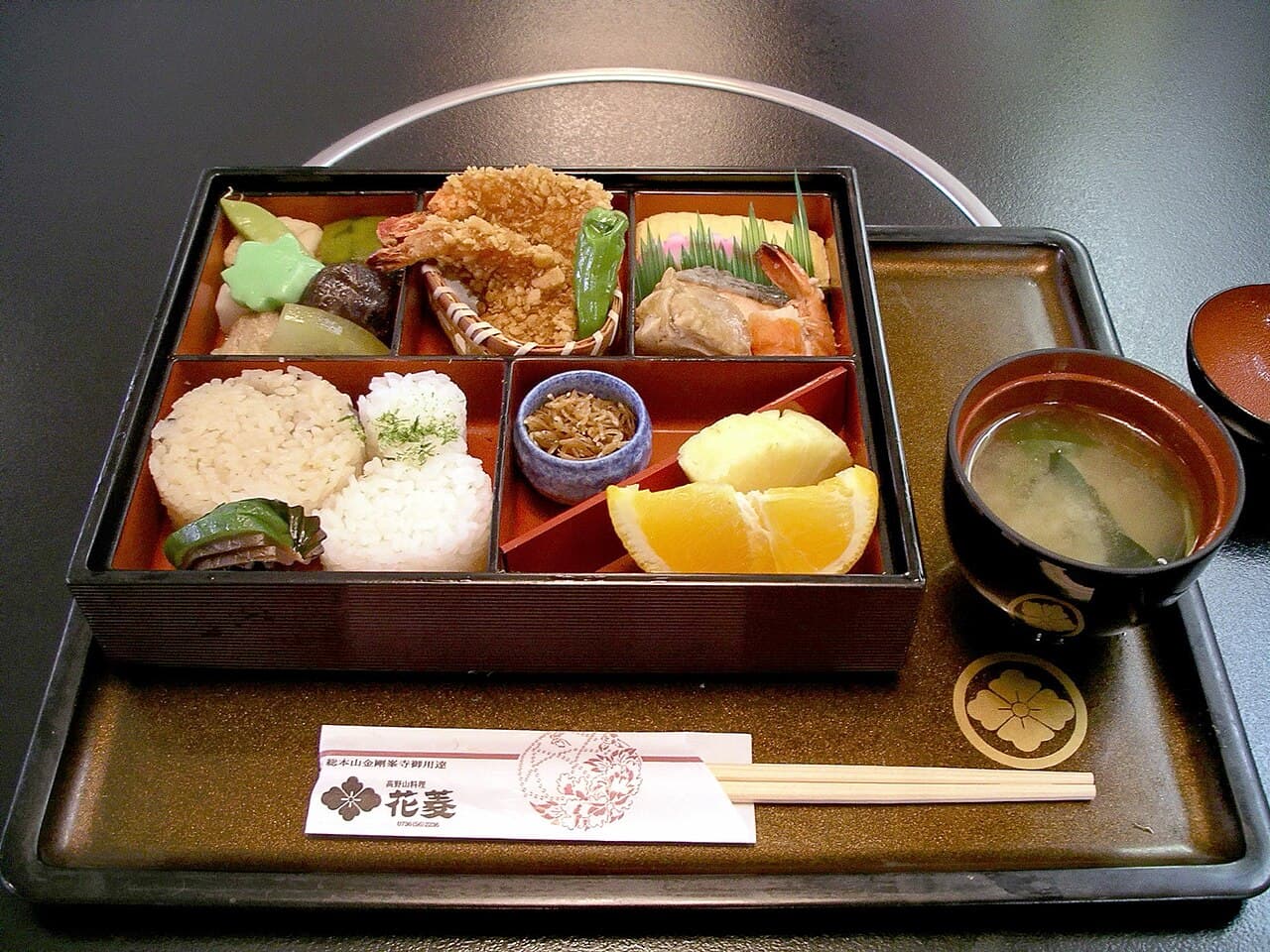
Here's the honest verdict on gluten free ekiben and shinkansen food: most station bento are seasoned with wheat-based soy sauce, so treat them as a trap, not a meal. Board with your own safe options instead — plain umeboshi or kombu onigiri, sashimi packs, fruit, GF snacks, and a small bottle of tamari. A little pre-boarding shopping turns a stressful ride into an easy one.
Dietary guide
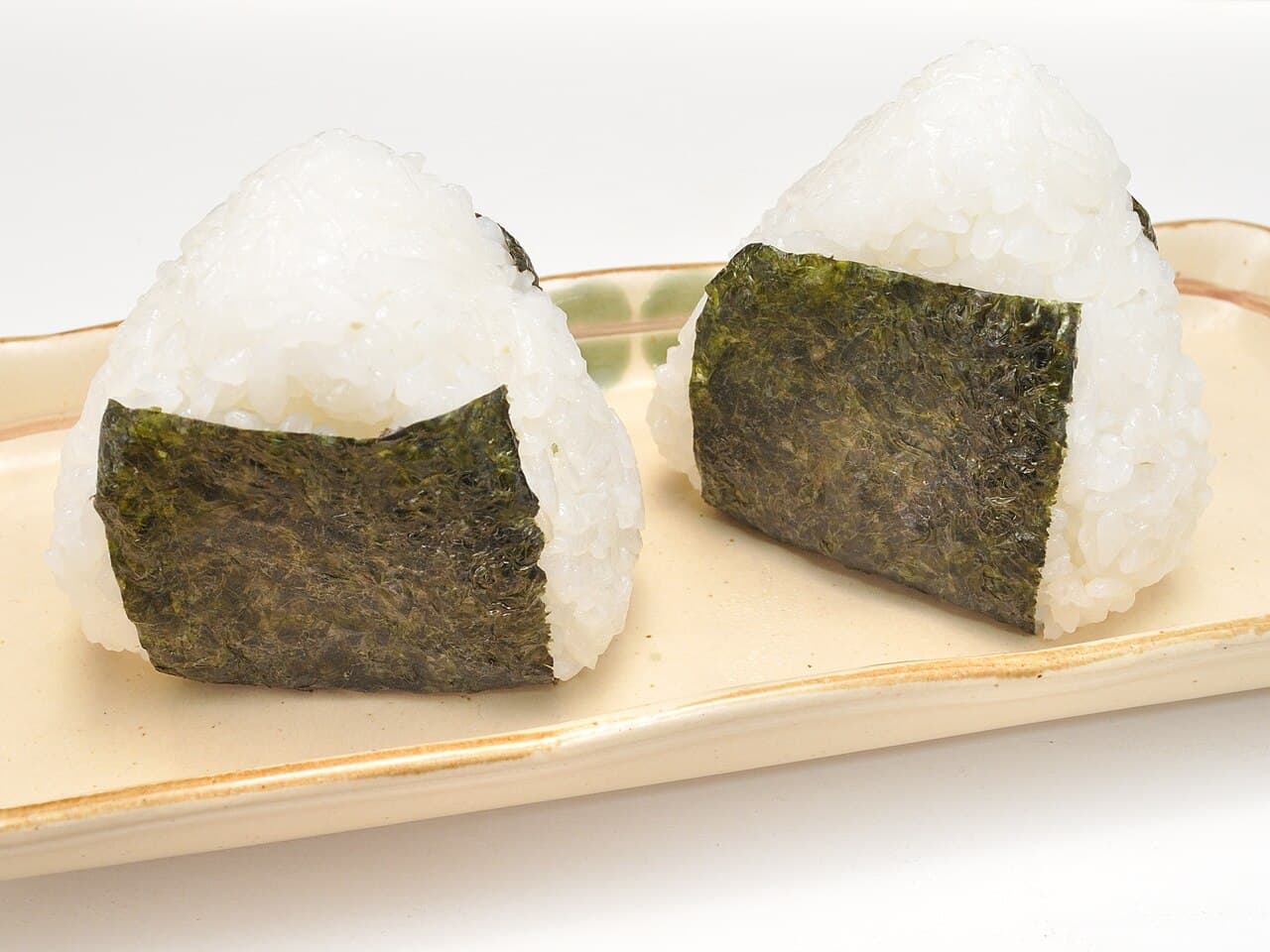
Landing or leaving hungry with a restriction? At Narita, Haneda and Kansai you can realistically find konbini onigiri and safe grab-and-go, prayer rooms, some halal- and veg-friendly counters, and clear allergen charts at chains. Certified vegan or coeliac-safe kitchens are thinner. Plan on the konbini as your reliable fallback and treat everything else as a welcome bonus.
Dietary guide
Learning how to read Japanese food labels for allergens and ingredients is the single konbini survival skill worth memorising. Find the 原材料名 (ingredients) box, scan the allergen summary line at its end, and know the eight mandatory kanji plus the ones your diet avoids. Then point your phone camera at the rest — Google Translate's live camera reads packaging surprisingly well.
Dietary guide
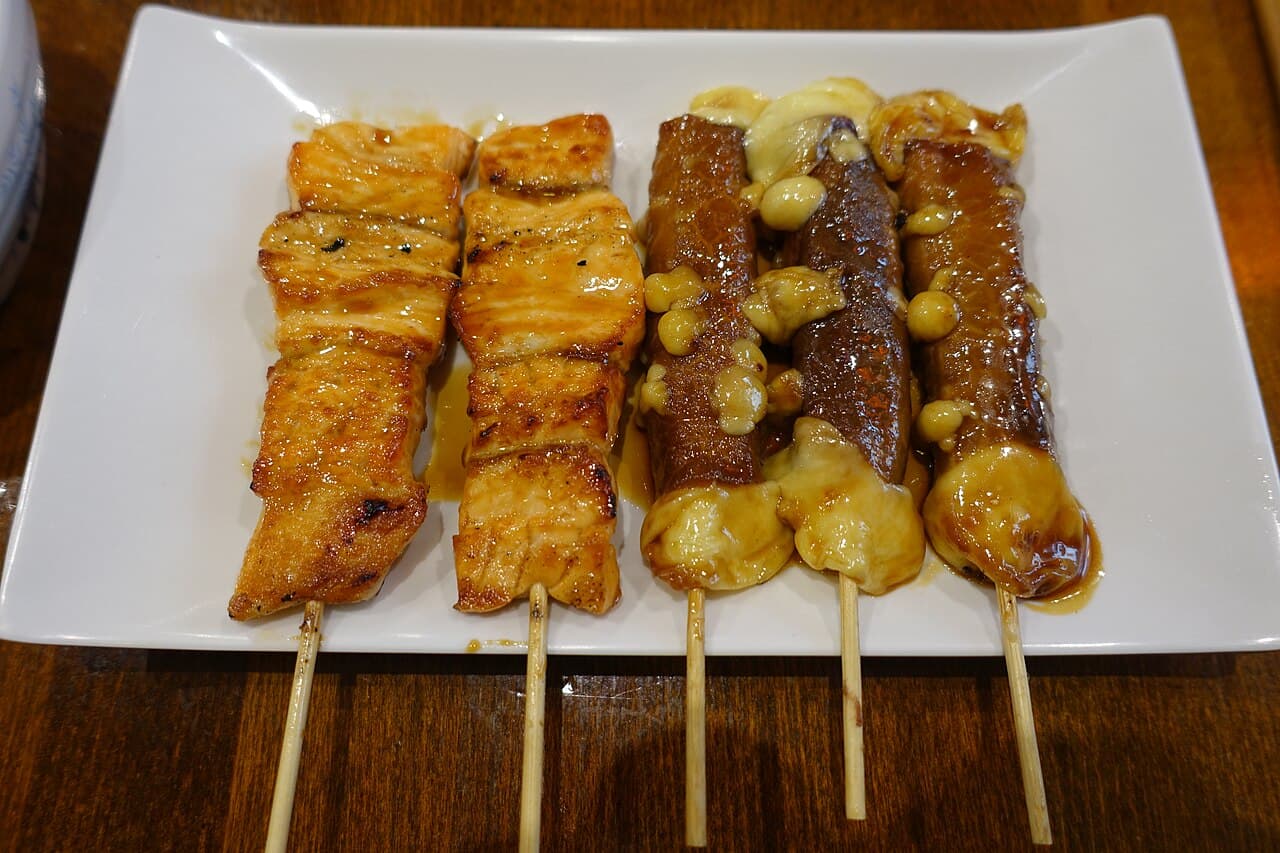
The traps are mostly invisible. In Japan, pork and alcohol hide in everyday cooking: lard in ramen and fried rice, pork broth and gelatin, and above all mirin and cooking sake in almost every glazed or simmered dish. Read labels for 味醂 and 料理酒, ask before you order, and lean on certified halal restaurants or naturally simple foods.
Dietary guide
The hardest part of eating gluten-free in Japan isn't the obvious bread — it's the wheat hiding in soy sauce, miso, tempura batter, curry roux and some dashi granules. Regular shoyu contains wheat, so most simmered and glazed dishes are off-limits unless confirmed. Lean on naturally rice-based foods, carry tamari, and always verify shared fryers and shared pasta water.
Dietary guide
The teishoku — a main dish with rice, miso soup, and pickles — is one of the most customisable meals in Japan and a useful format to master. The rice and pickles are usually safe; the traps hide in the dashi in the miso soup and the soy sauce and mirin glazing the main. Learn to read the tray, swap components, and ask the right question, and you can eat well almost anywhere.
Dietary guide
Japan's family restaurants — Saizeriya, Gusto, Jonathan's, Denny's Japan — are a budget traveller's quiet secret: cheap, open late, with photo and often English menus. Most also publish an allergen chart covering seven-plus allergens. Vegetarians, vegans, coeliacs and Muslim travellers can all order something safely here, as long as you read the chart and watch for hidden pork and shared fryers.
Dietary guide
An izakaya is both a gluten minefield and a real opportunity. Your safe bets: sashimi (bring your own tamari), edamame, grilled fish (shioyaki), salt yakitori, ohitashi. Skip anything fried, crumbed or sauced — karaage, tempura, gyoza, tare skewers. Order salt not sauce, ask about the shared fryer, and you can eat well.
Dietary guide
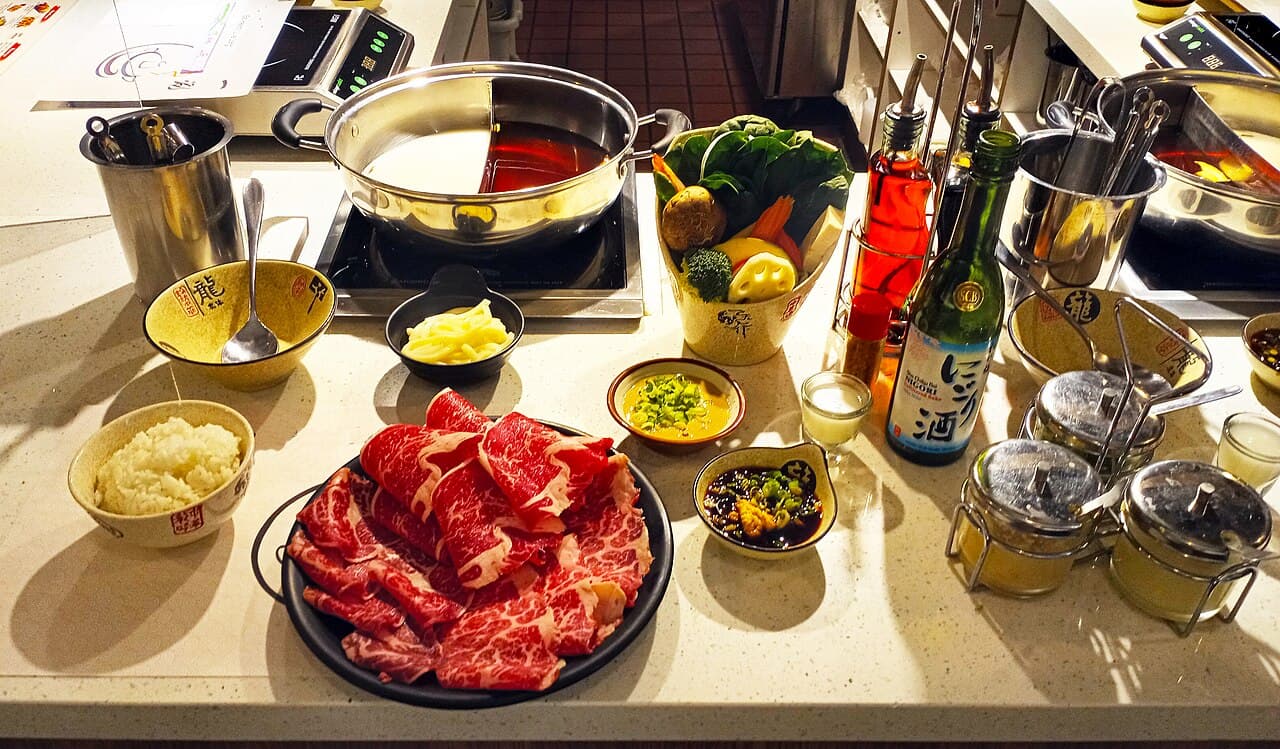
Here's the short version: for gluten-free, choose shabu-shabu over sukiyaki. A plain kombu (kelp) broth is naturally gluten-free — the real traps are the dipping sauces, a shared pot, and the noodle finish. Dip in salt-and-citrus; many sesame sauces and ponzu are blended with wheat soy sauce, so check first if you're strict, and skip the udon course. Sukiyaki's warishita sauce is wheat soy sauce plus mirin, so it's much harder.
Dietary guide
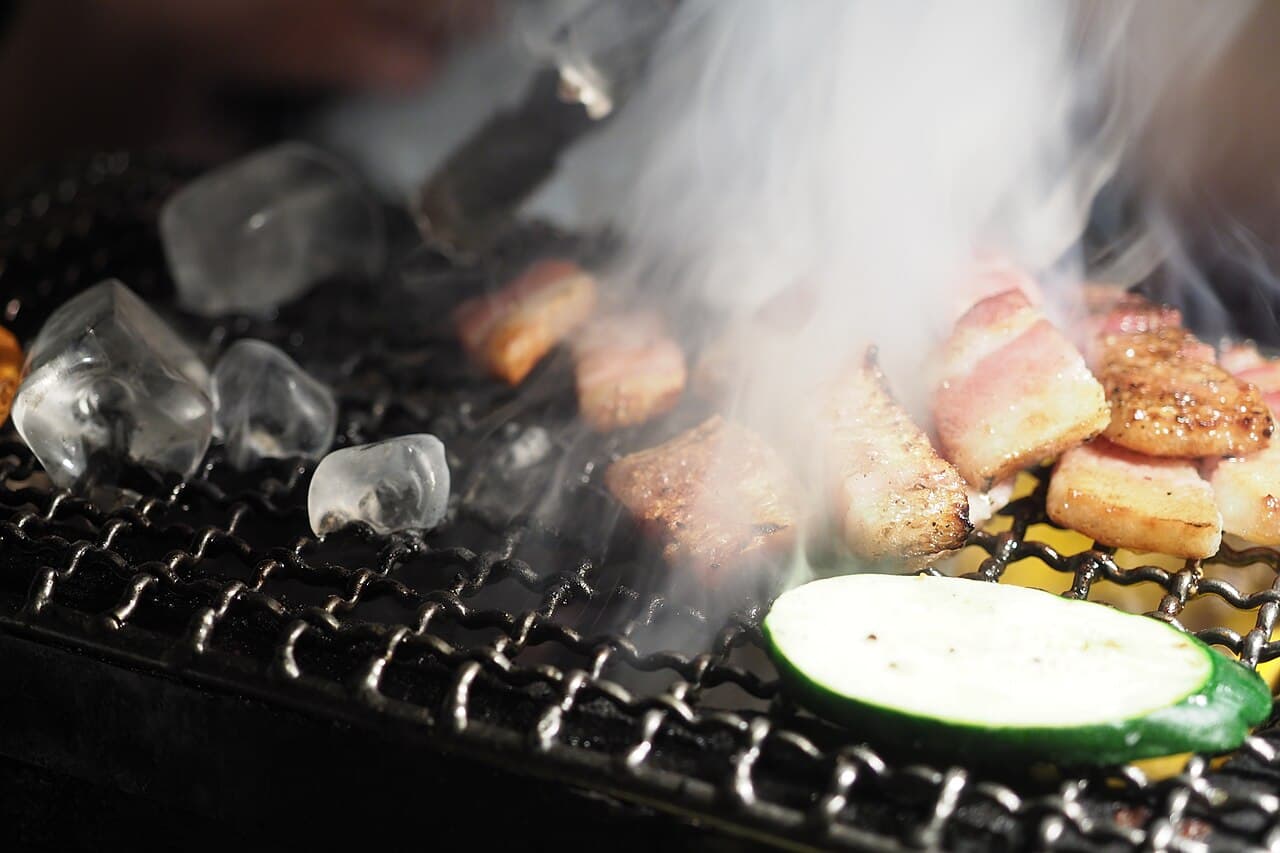
Yakiniku (Japanese BBQ) gluten free is very doable: order shio (salt) cuts instead of tare (soy-sauce marinade), skip pre-marinated meats, and ask for a clean grill. Salt-grilled wagyu is a safe, delicious default. Watch the dipping tare, the ponzu, and wheat-noodle reimen on the sides. Rice is your friend; the soy sauce is the enemy.
Dietary guide
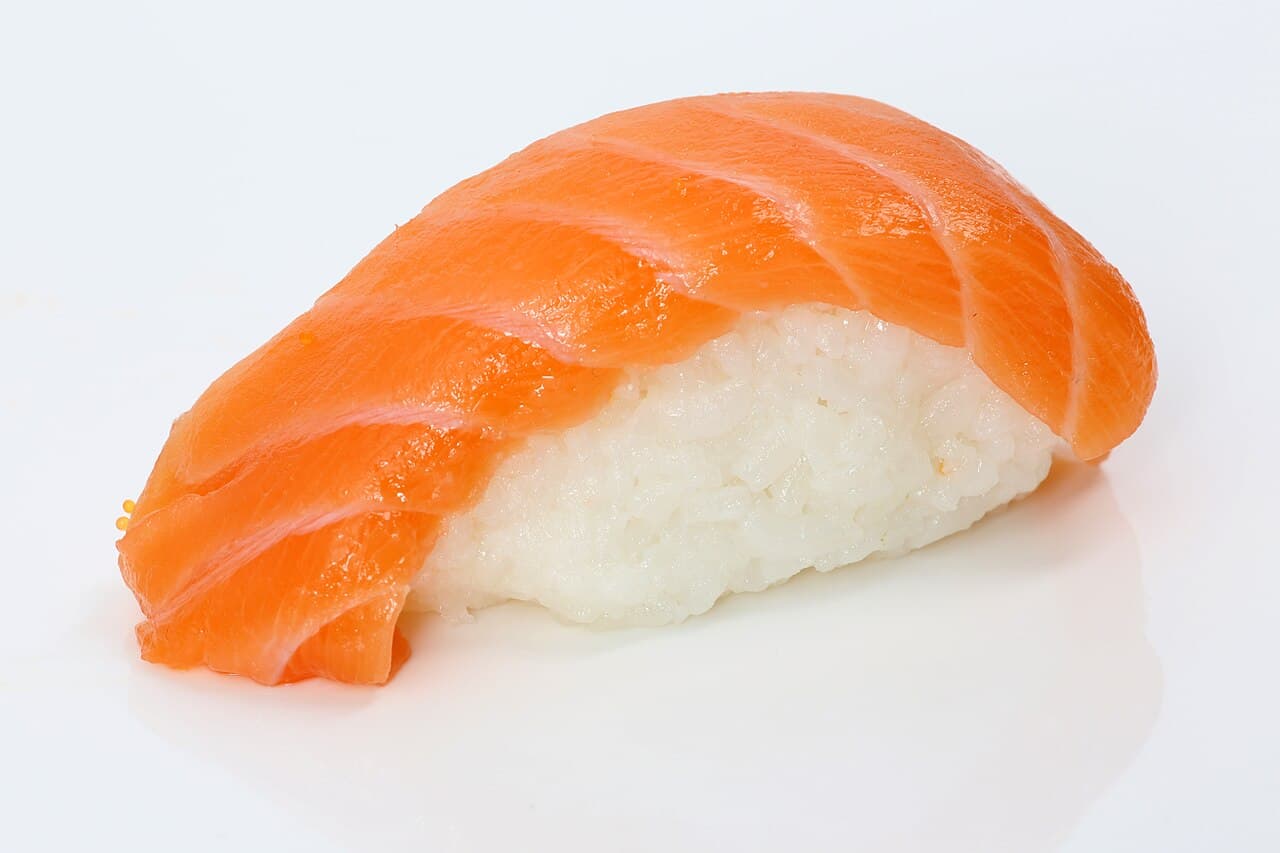
Conveyor belt sushi (kaiten-zushi) is one of the easiest gluten-free wins in Japan — plain nigiri and sashimi are just fish and rice. The catch is soy sauce, which is made with wheat. Bring your own gluten-free tamari, order sabi-nuki, and skip anything fried, sauced, or imitation. Cheap, simple, and genuinely coeliac-friendly with a little care.
Area guide
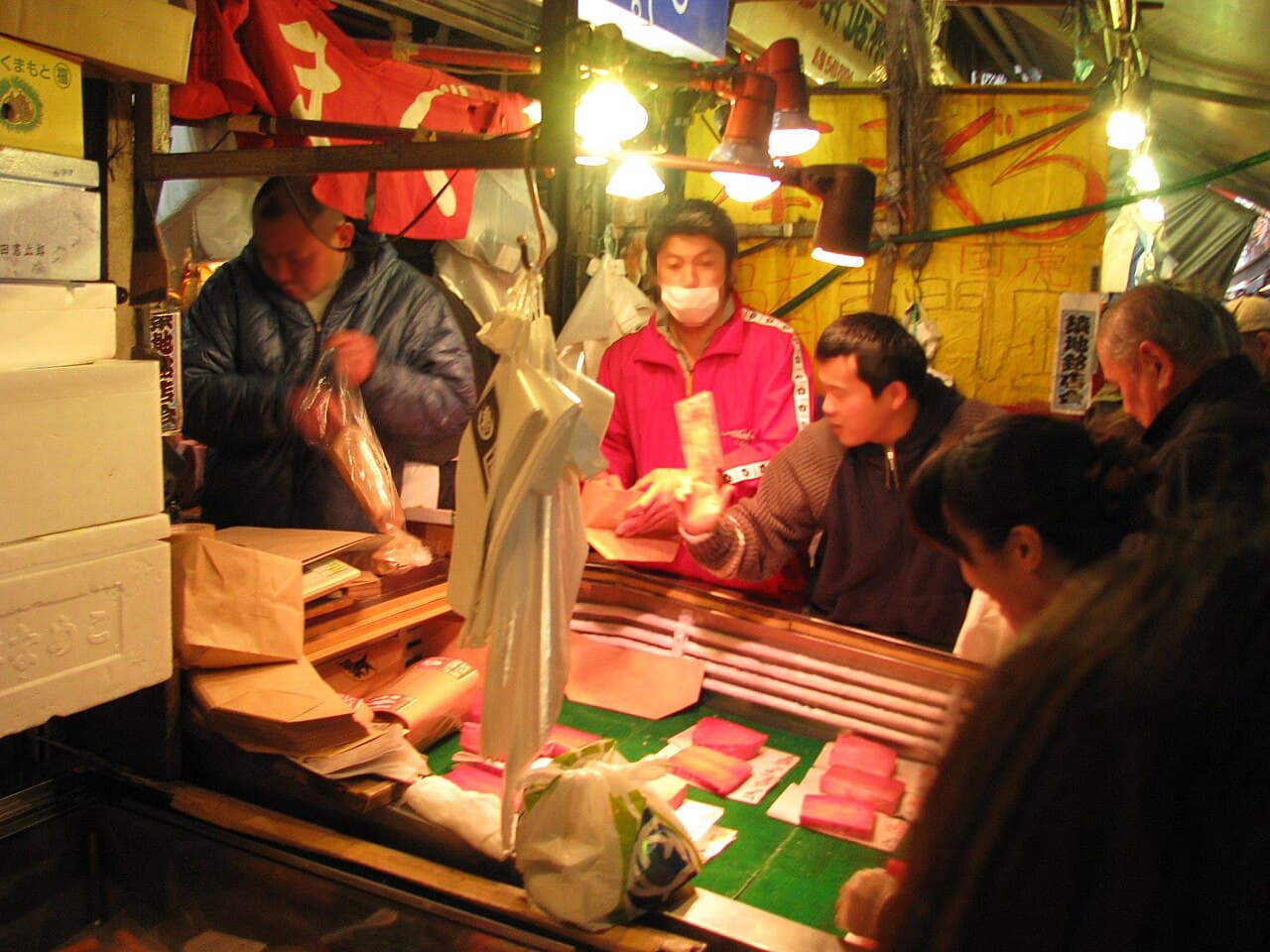
This Nihonbashi & Ningyocho food guide walks you through Edo's original merchant district and its old shitamachi neighbour: think tendon and tempura, sukiyaki in century-old rooms, Kanto-style oden, and department-store depachika. It's refined, unhurried old-Tokyo eating — savoured slowly, on foot, one dish at a time.
Food culture
Yatai are Japan's open-air food stalls — a folding counter, a few stools, a cook an arm's length away. You'll meet them two ways: the permanent ramen-and-oden stalls that line Fukuoka's riverbanks after dark, and the festival stalls that pop up at any matsuri. Order what's steaming, eat standing, keep it friendly, and don't linger too long.
Food culture
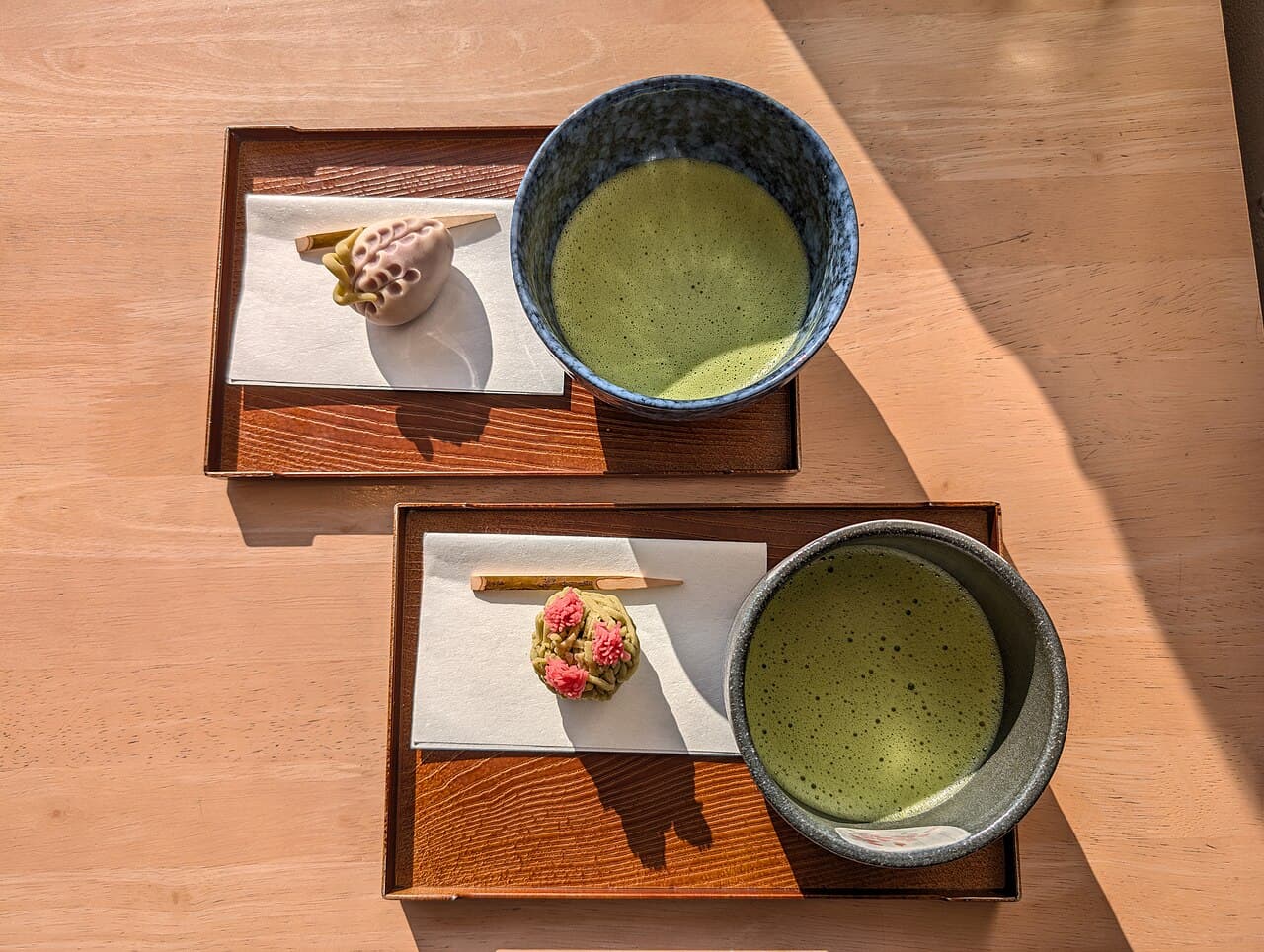
A kissaten is a Showa-era coffee house built for slowness — siphon-brewed coffee, thick pizza toast, ketchupy napolitan, and a jewel-green cream soda, served in quiet velvet booths. Not a modern cafe chasing latte art, but a preserved room where time softens. Order the set, sit long, and let the nostalgia do its work.
Food culture
Tachigui — Japan's standing-only counters — is a traveller's cheat code: fast, cheap, seriously good food eaten on your feet. You'll find standing soba and udon near station gates, standing sushi in Ueno, and standing bars everywhere. Order at a ticket machine, eat in ten minutes, pay little. Here's how the tradition works, what to order, and how not to look lost.
Food culture
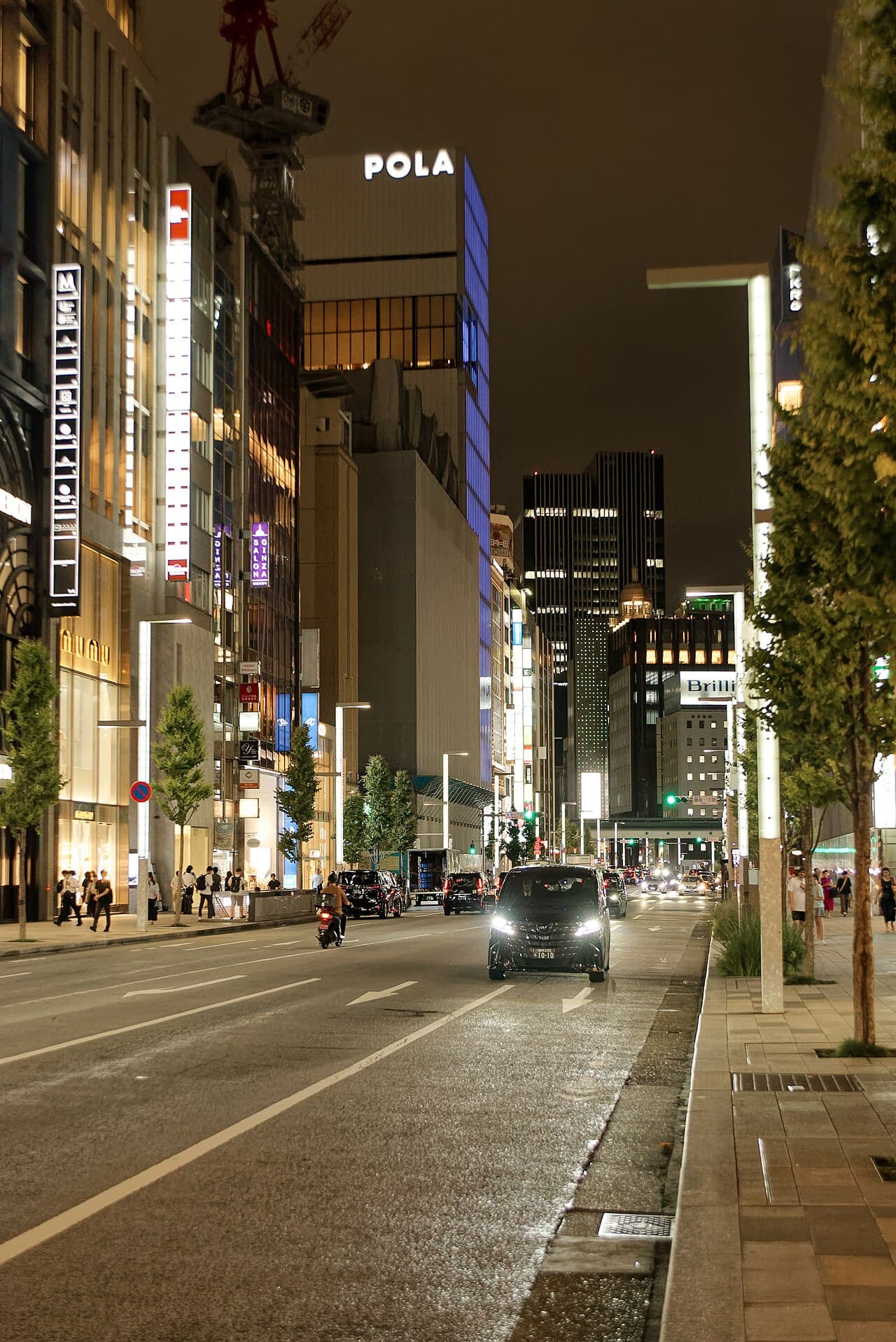
A depachika is the food hall in the basement of a Japanese department store — Isetan in Shinjuku, Mitsukoshi and Takashimaya in Nihonbashi and Ginza. Expect immaculate bento, jewel-like wagashi, prepared dishes and generous samples. Go late afternoon, graze the tasting counters, and carry out a picnic-quality dinner. Here's how to navigate one without feeling lost.
Dietary guide
Often yes — but not always. Miso soup is gluten-free when it's made with rice or soybean miso and a clean dashi. The traps are barley (mugi) miso, instant dashi granules, and a splash of regular soy sauce, all of which carry wheat. Ask what miso and dashi are used before you assume a bowl is safe.
Dietary guide
No — standard takoyaki is not gluten-free. The batter is wheat flour, the glossy sauce is wheat-based, and the bonito-and-aonori toppings usually sit on a shared griddle. For anyone with celiac disease it's a clear "avoid." The good news: Tokyo has dedicated gluten-free kitchens serving fried Japanese comfort food that scratch the same craving safely.
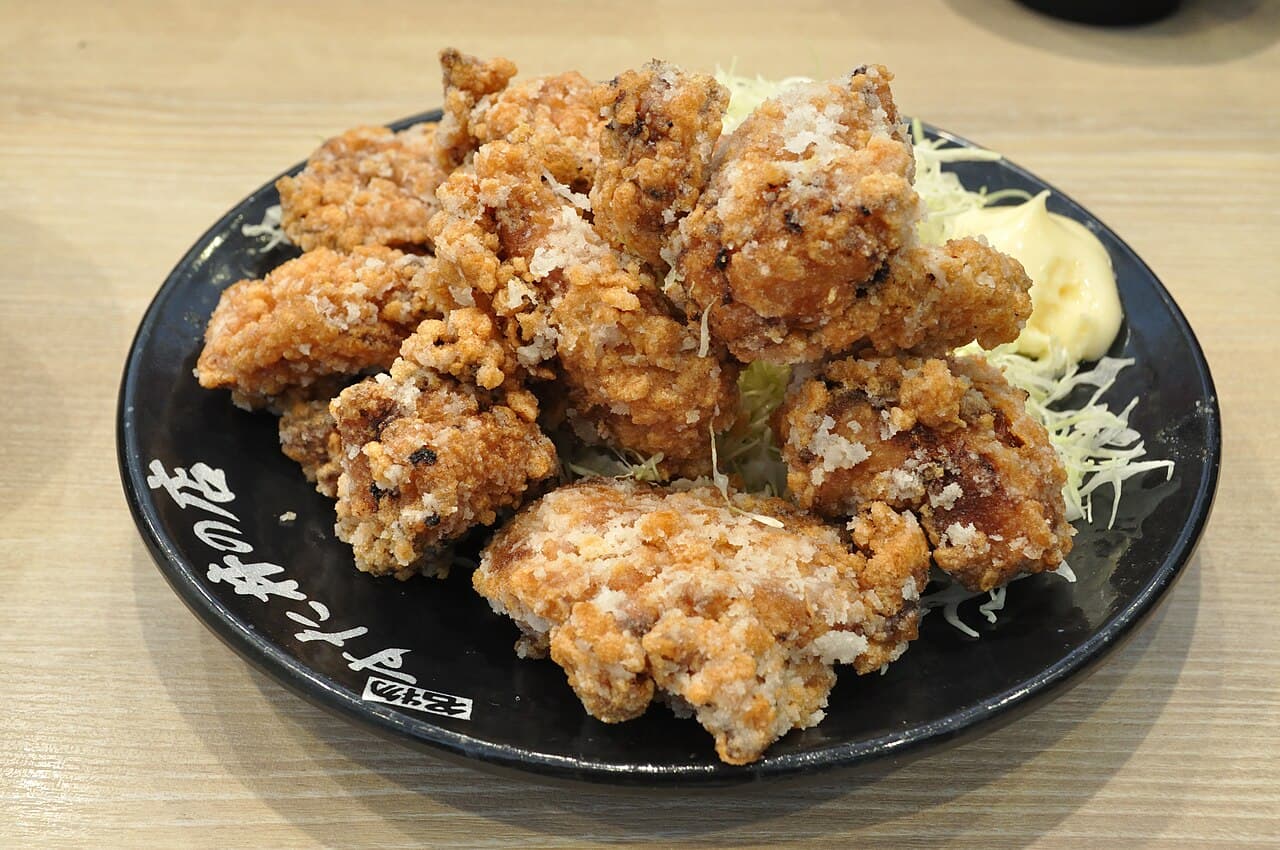
Dietary guide
Usually no. Classic Japanese karaage is dusted in wheat flour (often blended with potato starch), marinated in wheat-based soy sauce, and fried in shared oil — three separate sources of gluten. Potato- or rice-starch-only versions do exist, and a handful of Tokyo kitchens fry a genuinely gluten-free version, but the everyday izakaya plate is not safe.
Dietary guide
Partly. Yakitori grilled with just salt (shio) is naturally gluten-free — it's chicken, skewer and salt. The catch is the sweet glaze (tare), a soy-sauce-based sauce made with wheat, so tare-basted skewers are not gluten-free. Order shio, ask about the tsukune binder, and mind the shared grill. Shio yakitori is a reliable gluten-free order.
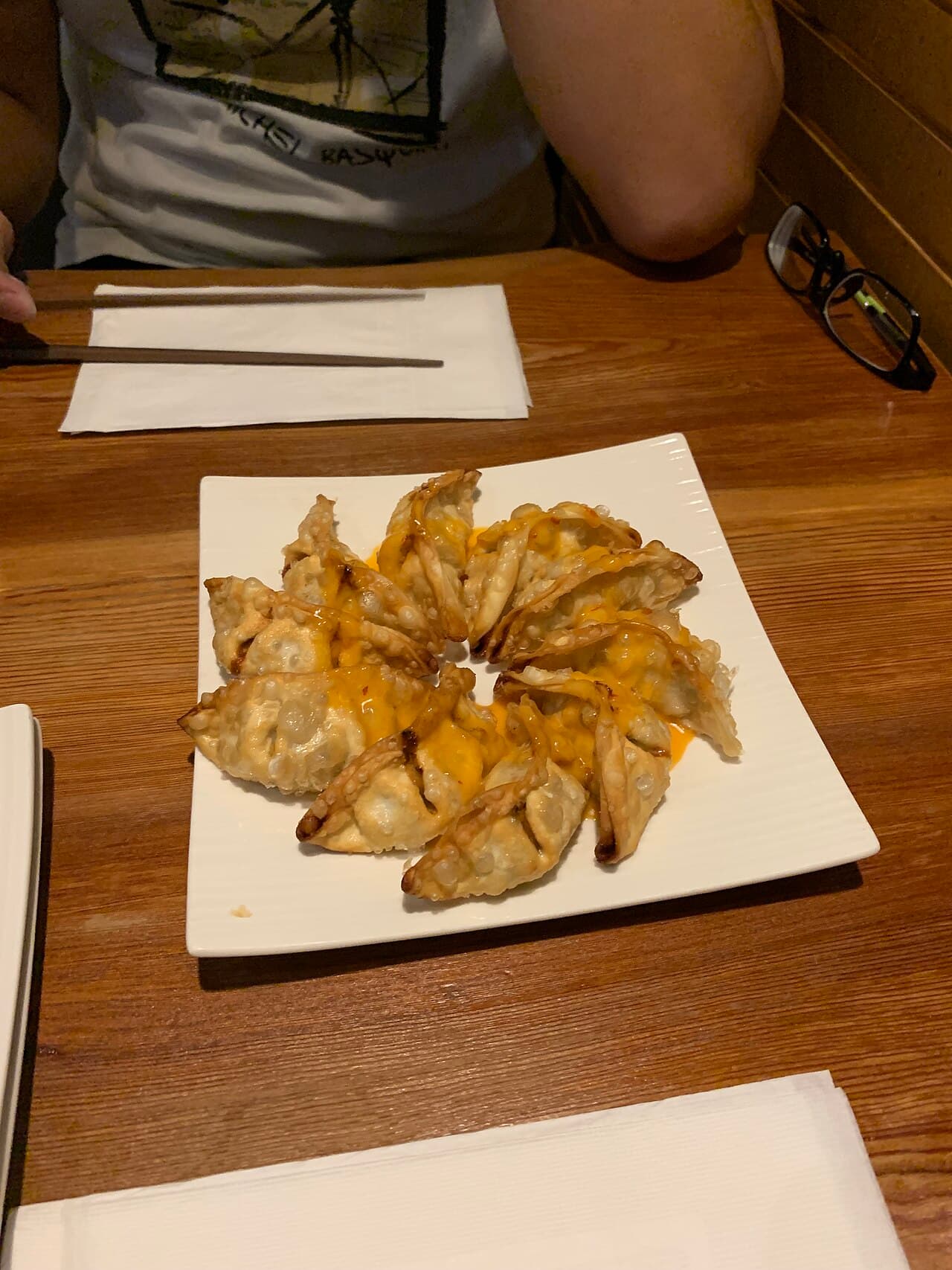
Dietary guide
No — standard gyoza is not gluten-free. The wrapper is wheat flour, the dipping sauce is usually wheat-based soy sauce, and most kitchens fry or steam gyoza in shared pans and water. Rice-paper or genuinely gluten-free wrappers exist but are rare. If you're gluten-free in Tokyo, redirect to naturally safe dishes or a dedicated GF kitchen.
Dietary guide
Short answer: standard gyoza is not halal. The classic filling is minced pork, often loosened with a splash of cooking sake or mirin, and the dumplings are pan-fried in a skillet that has seen plenty of pork fat. The wrapper itself — flour, water and salt — is fine. Halal gyoza does exist in Japan, made with chicken or vegetables at Muslim-friendly kitchens.
Dietary guide
Is Japan halal-friendly? Honestly, it's improving fast but takes planning. Pork and cooking alcohol like mirin and sake are everywhere, and fully certified restaurants are still relatively few. But halal ramen, wagyu yakiniku and sushi now exist in the big cities, prayer rooms are spreading, and konbini fill the gaps. Learn certified vs Muslim-friendly, what to ask, and where to go.
Dietary guide
Gluten free Japan is very doable, but not automatic. The catch is soy sauce — nearly all of it is brewed with wheat — plus shared soba water and shared fryers. Rice is the staple, so sashimi, plain rice dishes and many wagashi are naturally safe, and dedicated GF kitchens, GF tamari and juwari soba are spreading. Plan before you fly, carry an allergy card, and you'll eat well.
Area guide
This Akihabara food guide is built for travellers with dietary needs. Between the arcades and gadget floors, you can eat shojin (Buddhist) veg-vegan at Komaki Shokudo, halal Sri Lankan curry and mazemen at NikoNiko Mazemen, and halal-certified Japanese curry at a CoCo Ichibanya branch — all near the station, most with English menus.
Area guide
This Kagurazaka dining guide is built for a special occasion: three destinations on Tokyo's most quietly elegant hill. Book Kagurazaka Ishikawa for three-Michelin kaiseki, Shimakin for charcoal-grilled unagi in an old wooden house, and Kyorakutei for hand-cut soba. Reserve the kaiseki weeks ahead, expect a splurge, and walk the cobblestone lanes between courses.
Area guide
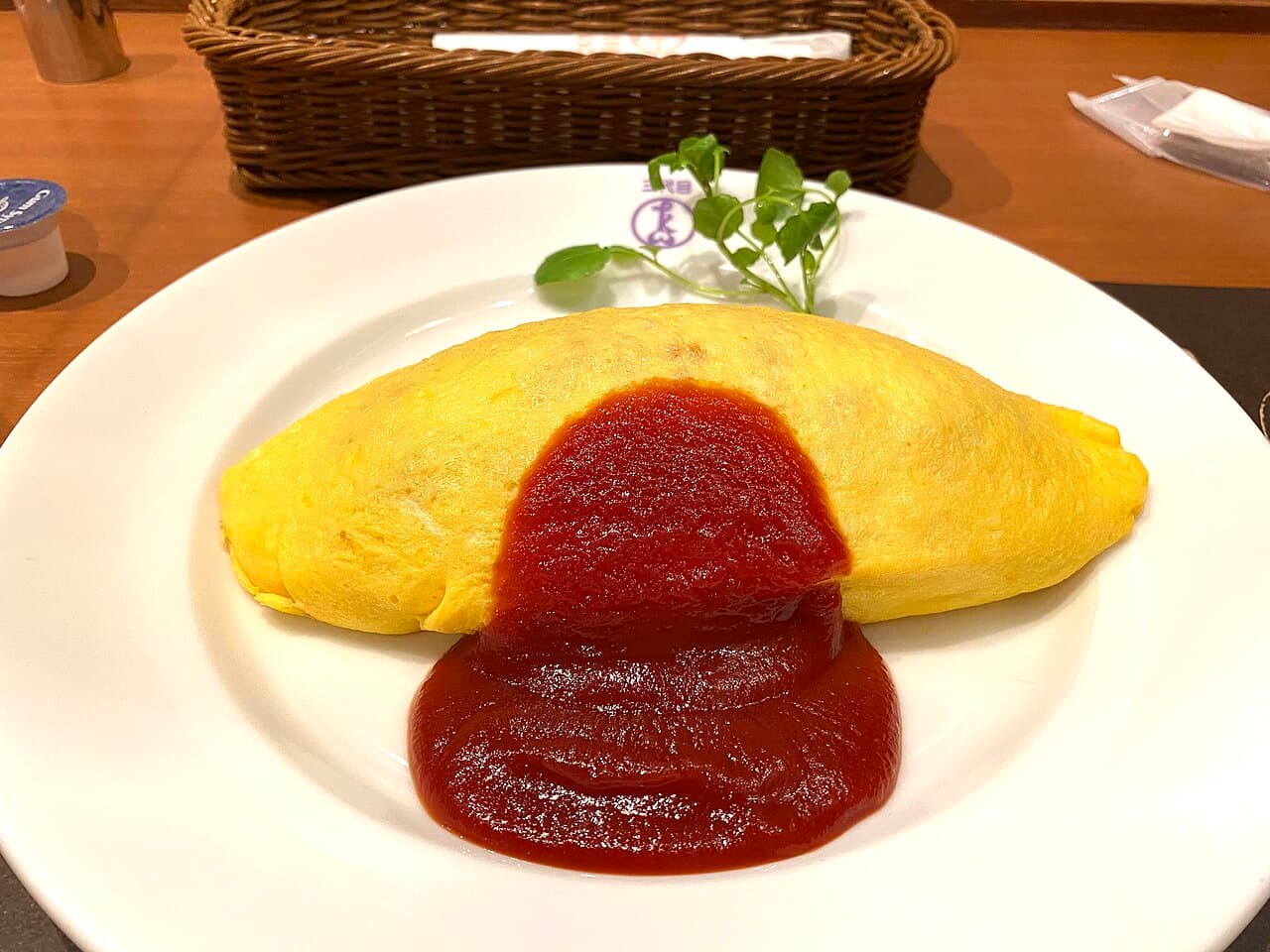
This Kichijoji food guide walks you from Inokashira Park to Harmonica Yokocho: charcoal yakitori at Iseya (going since 1928), warm omurice at Rasupuru, and a dedicated gluten-free bakery and cafe, Where is a Dog. It's an easy day trip from Shinjuku or Shibuya — retro alleys on one side, greenery on the other, with a few English-friendly stops for diet-aware travellers.
Area guide
This Ebisu & Nakameguro dining guide covers Tokyo's most design-led corner: polished dining and strong yakiniku in Ebisu, the cherry-blossom canal, cafes and wine bars of Nakameguro, and chic Daikanyama between them. Expect premium Japanese BBQ, a well-loved yuzu-shio ramen, a halal ramen option, and a genuinely useful vegan and gluten-free cluster — upscale but inclusive.
Area guide
Shimokitazawa is one of Tokyo's easiest neighborhoods for plant-based and gluten-aware travelers — walkable, young, and unhurried. This Shimokitazawa food guide leads with vegan medicinal ramen and soup curry at Chabuzen, a well-loved vegan bakery in nearby Daita, standing vegan soba, and a short hop to Nakano for veg curry. Come for the vintage-shop atmosphere; stay for the food.
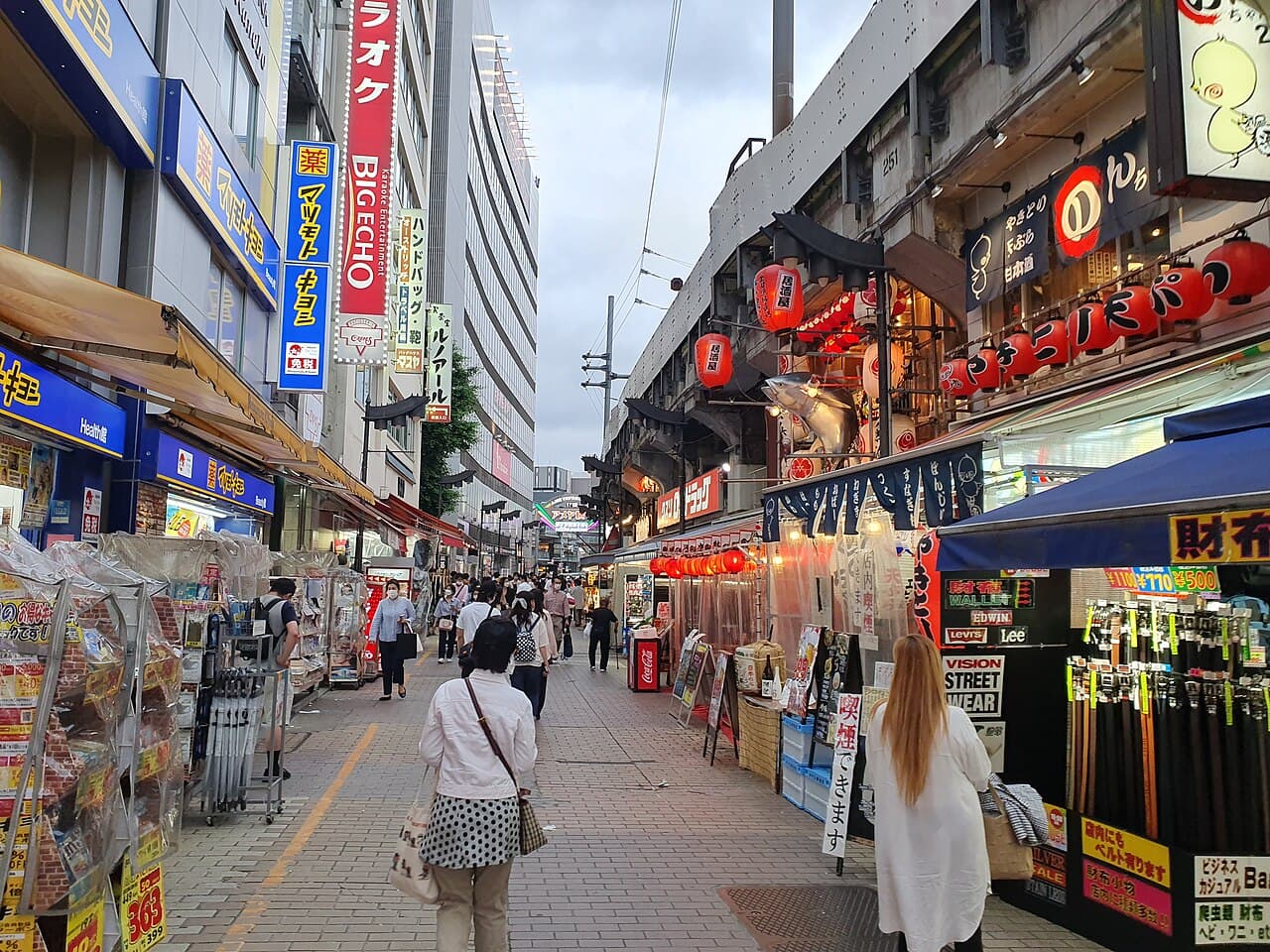
Area guide
This Ueno & Yanaka food guide pairs two connected shitamachi neighborhoods: bustling Ueno, with Ameyoko market stalls, museums and the park, and quiet retro Yanaka, all wooden lanes and temples. Eat historic unagi, standing-sushi kaisen bowls, Meiji-era anmitsu, halal ramen near Okachimachi, and Yanaka's fluffy kakigori and kushiage — all walkable in a day.
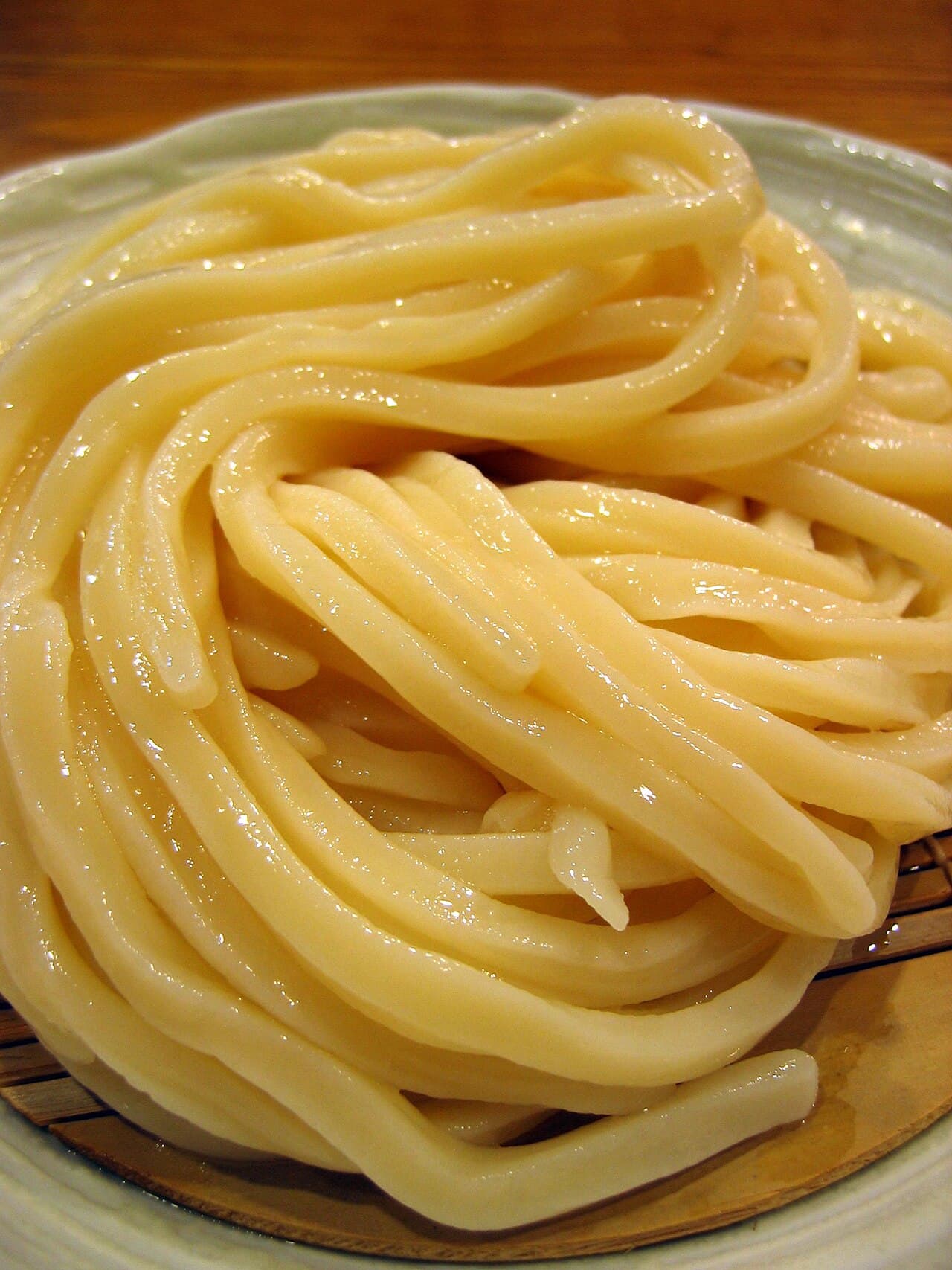
Dietary guide
No — udon is not gluten-free. It is a thick noodle made almost entirely from wheat flour, the most wheat-heavy of Japan's common noodles, and the tsuyu broth it sits in is usually built on wheat-based soy sauce. Rice-flour "GF udon" exists but is rare in restaurants. If you are coeliac, this guide points you to genuinely safer rice-based options instead.
Dietary guide
Is dashi halal? Usually yes, in principle. Plain katsuo (bonito), kombu (kelp), or niboshi (sardine) dashi contains no pork and no alcohol, and fish is permissible for most Muslims, so the stock itself is generally acceptable. The real risks are context: instant granules may hide non-halal additives, and dashi almost always shares a dish with mirin, sake, or pork.
Dietary guide
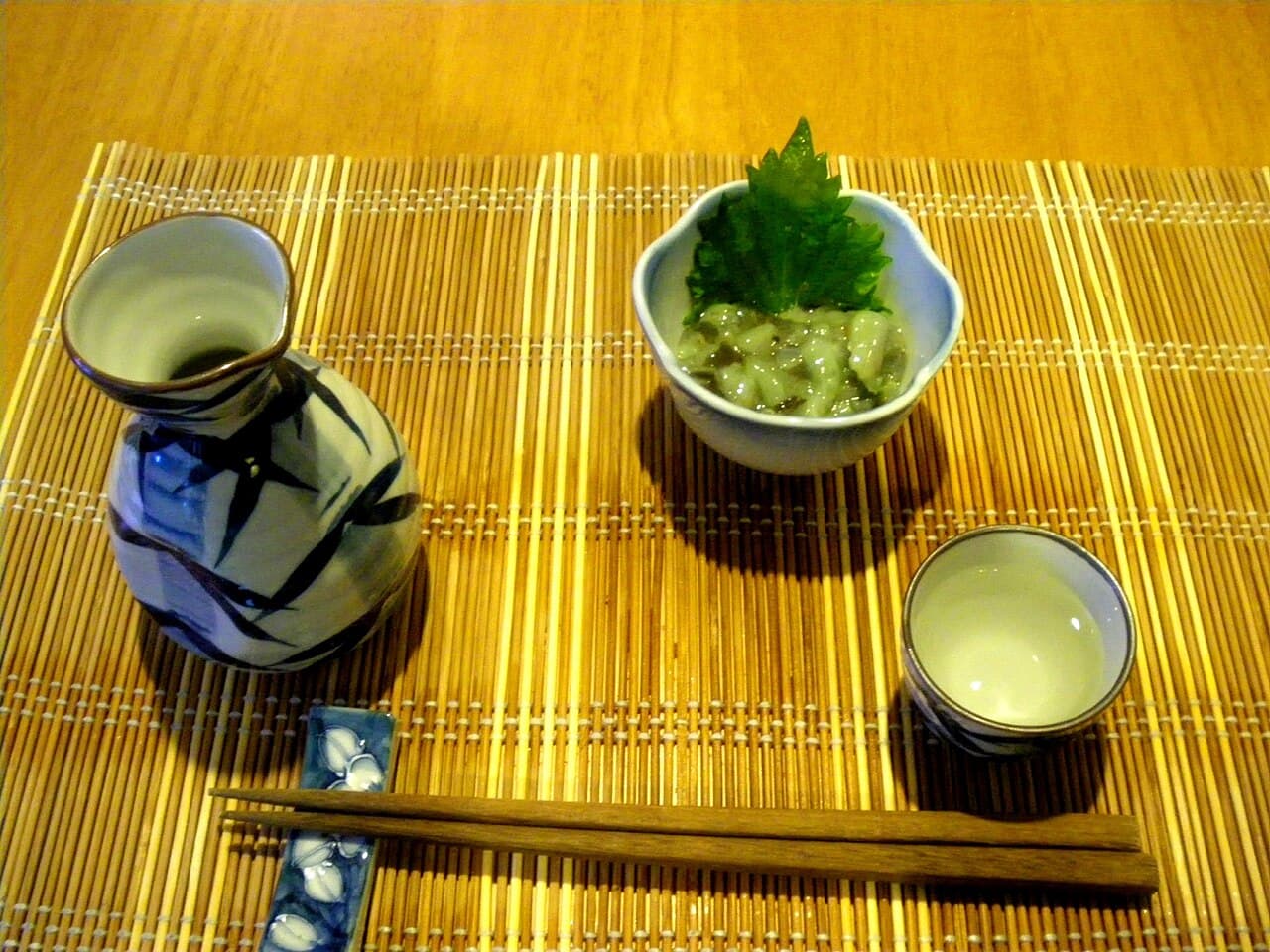
Yes — sake is essentially gluten-free. Real Japanese sake (nihonshu) is brewed from just rice, water, koji mold and yeast, with no wheat, barley or rye, and most people with coeliac disease tolerate it well. The honest caveats: sake isn't certified gluten-free, and flavoured, nigori or liqueur-style bottles can add ingredients you'll want to check first.
Dietary guide
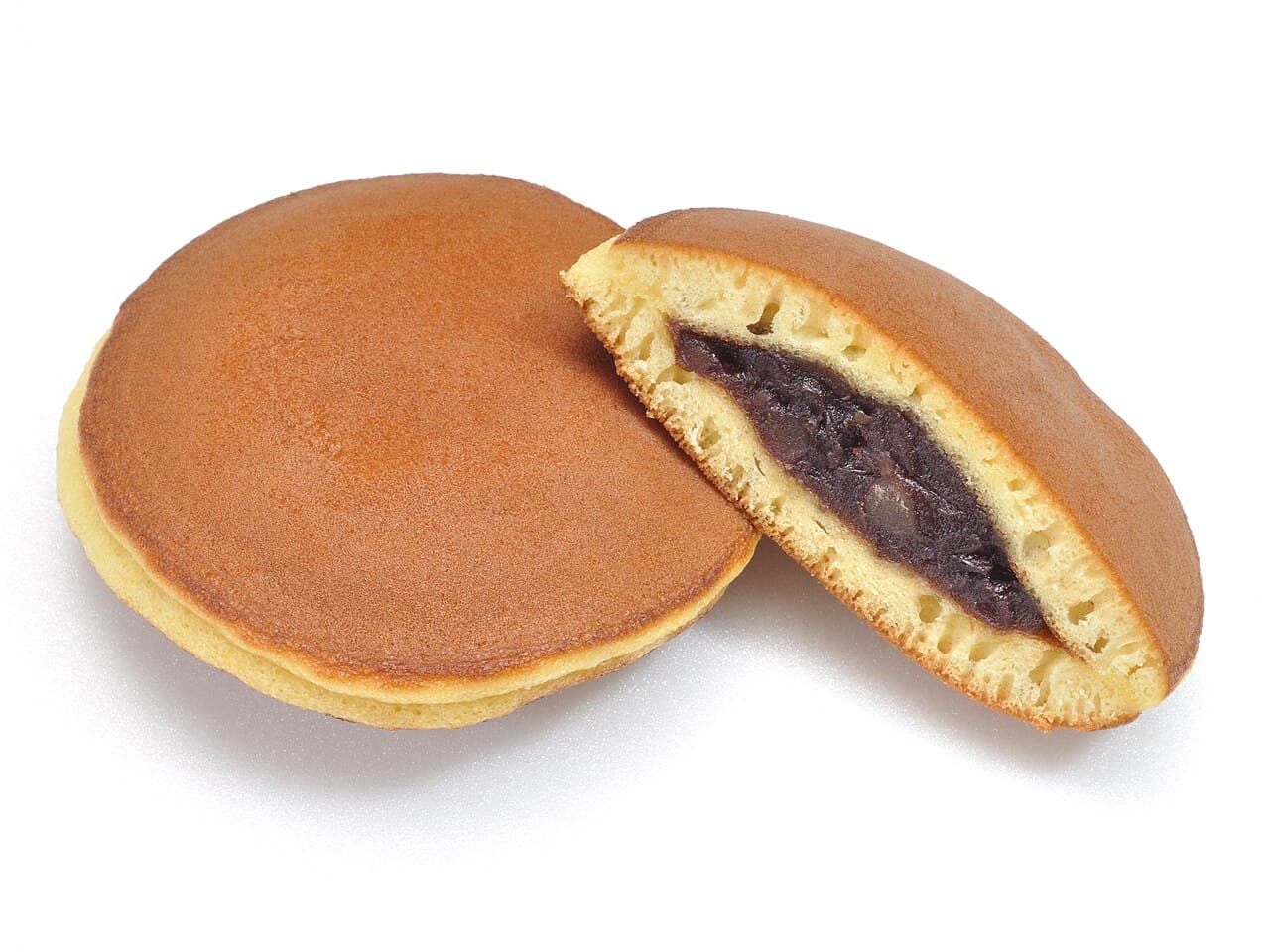
Often, yes. Many traditional wagashi are naturally vegan: mochi, daifuku, dango, yokan, monaka and anko (sweet red bean) are plant-based, and most jellies set with agar (kanten), not gelatin. The traps to watch are egg (dorayaki, castella, some manju), honey, rare gelatin — and, in savoury-leaning sweets, hidden fish dashi.
Dietary guide
Often, yes. Many onigiri are vegan: umeboshi (pickled plum), kombu, and pickled-vegetable fillings wrapped in seaweed nori are plant-based. But watch for tuna-mayo, salmon, and okaka (bonito flakes), plus the quiet trap of dashi (fish stock) seasoning the rice. Learn to read the label and konbini onigiri becomes a reliable vegan meal.
Dietary guide
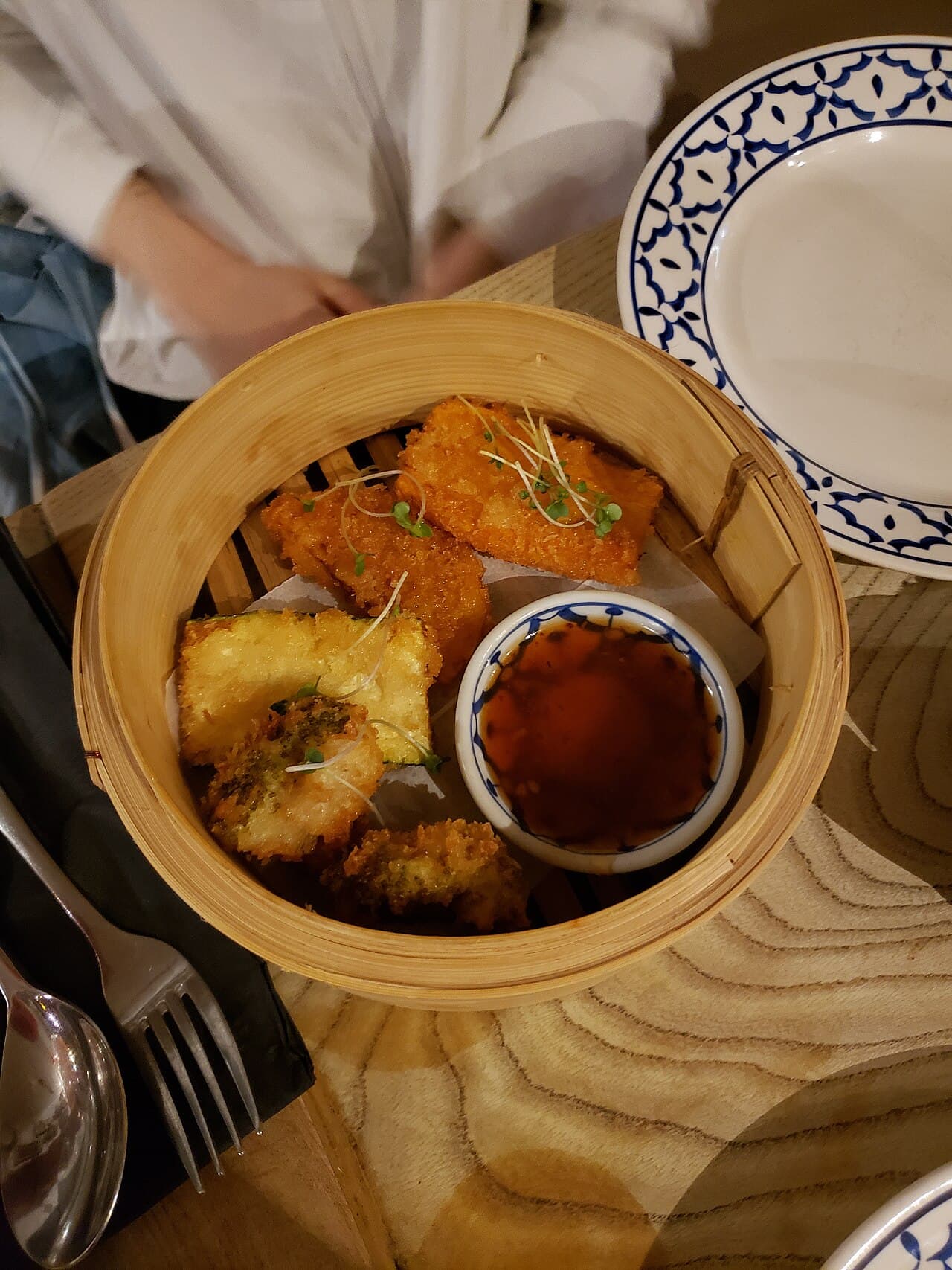
Usually no — even vegetable tempura is rarely vegan in Japan. There are three hidden traps: egg in the batter, dashi (fish stock) in the tentsuyu dipping sauce, and oil shared with prawns and fish. The genuinely vegan version is shojin (Buddhist temple) tempura, fried in egg-free batter and dipped in salt or a kombu sauce.
Dietary guide
Short answer: most ordinary ramen is not halal. Classic tonkotsu broth is boiled pork bone, chashu is pork, lard is standard, and the tare often carries mirin or cooking sake — even shoyu and miso bowls usually start from a pork base. But a growing set of certified and Muslim-friendly halal ramen shops in Tokyo now serve chicken, beef, or vegetable broth with no pork and no alcohol.
Dietary guide
Short answer: traditional hon-mirin is a rice wine of roughly 14% alcohol, so most scholars treat it as not halal. It hides in teriyaki, nimono, tare and sukiyaki. Lower-alcohol "mirin-fu" seasoning and salted "shio-mirin" exist, but neither is automatically certified. The safest path is to ask whether mirin or cooking sake is used, and to choose certified or Muslim-friendly kitchens.
Dietary guide
Is miso gluten-free? It depends on the koji. Rice miso (kome) and pure soybean miso (mame/hatcho) are generally gluten-free, but barley miso (mugi) contains gluten, and blended awase miso may too. Most miso soup also carries wheat-based dashi and soy sauce, and few miso brands are certified — so trace cross-contact is possible.
Dietary guide
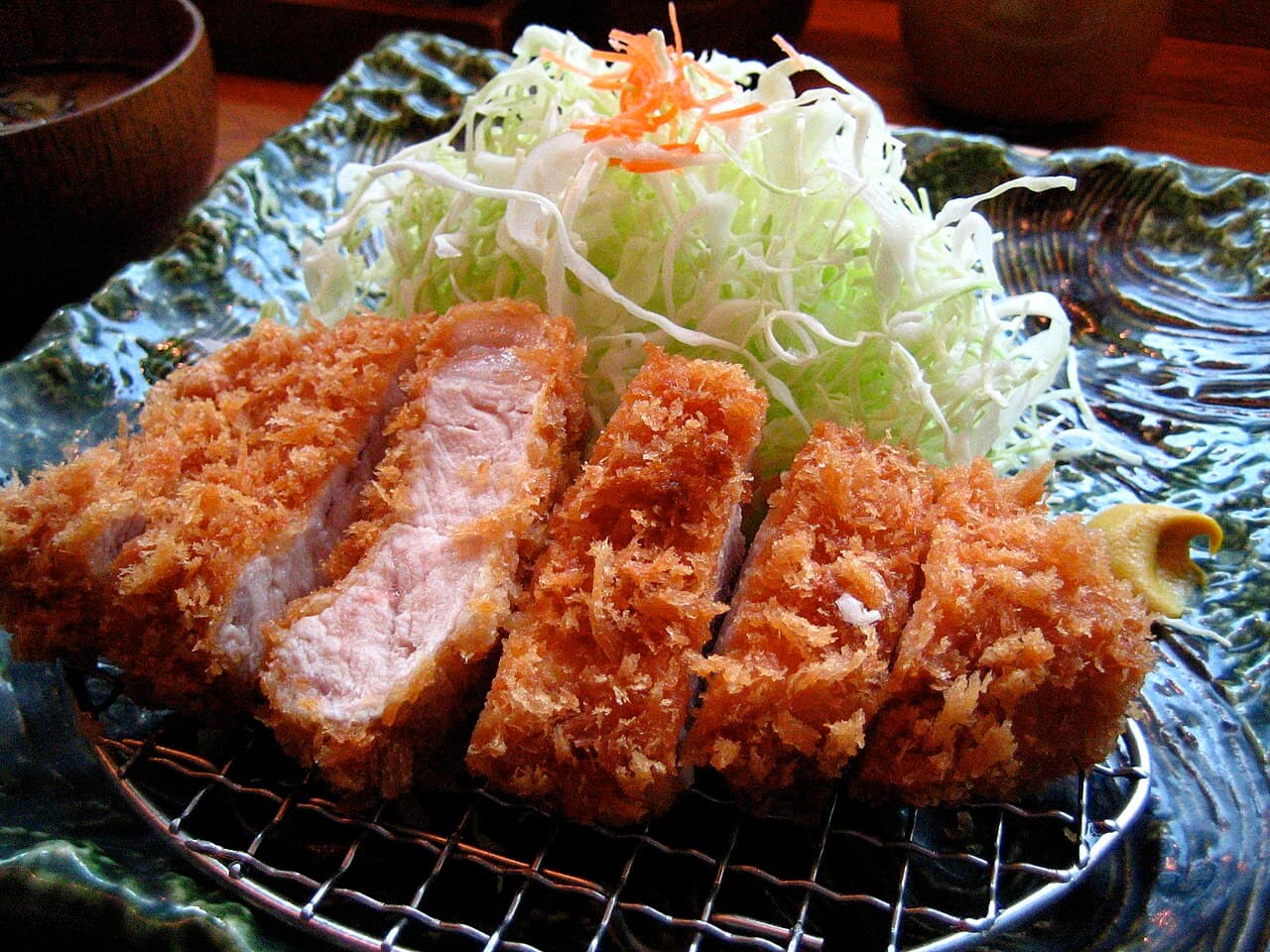
No — standard tonkatsu is not gluten-free. The pork cutlet is dredged in wheat flour, coated in panko (wheat breadcrumbs), and served with wheat-based tonkatsu sauce, then fried in shared oil. If you avoid gluten, order rice-flour katsu at a dedicated gluten-free kitchen rather than a regular tonkatsu shop.
Dietary guide
Usually no. The Japanese curry you meet at a diner or from a supermarket roux block is rarely vegan: those glossy blocks are bound with beef, pork or chicken fat, and often carry honey and dairy. Even a plain "vegetable curry" is typically cooked in that same animal-based roux. Fully vegan curry does exist in Japan — you just have to seek it out.
Dietary guide
Usually not. Standard okonomiyaki is vegetarian in spirit but rarely in fact: the batter is loosened with dashi (fish stock), the finished pancake is dusted with dancing katsuobushi (bonito) flakes, the brown sauce can hide oyster or anchovy, and most versions fold in pork or squid. Truly vegetarian okonomiyaki exists — you just have to ask for it, or go where it's the whole point.
Dietary guide
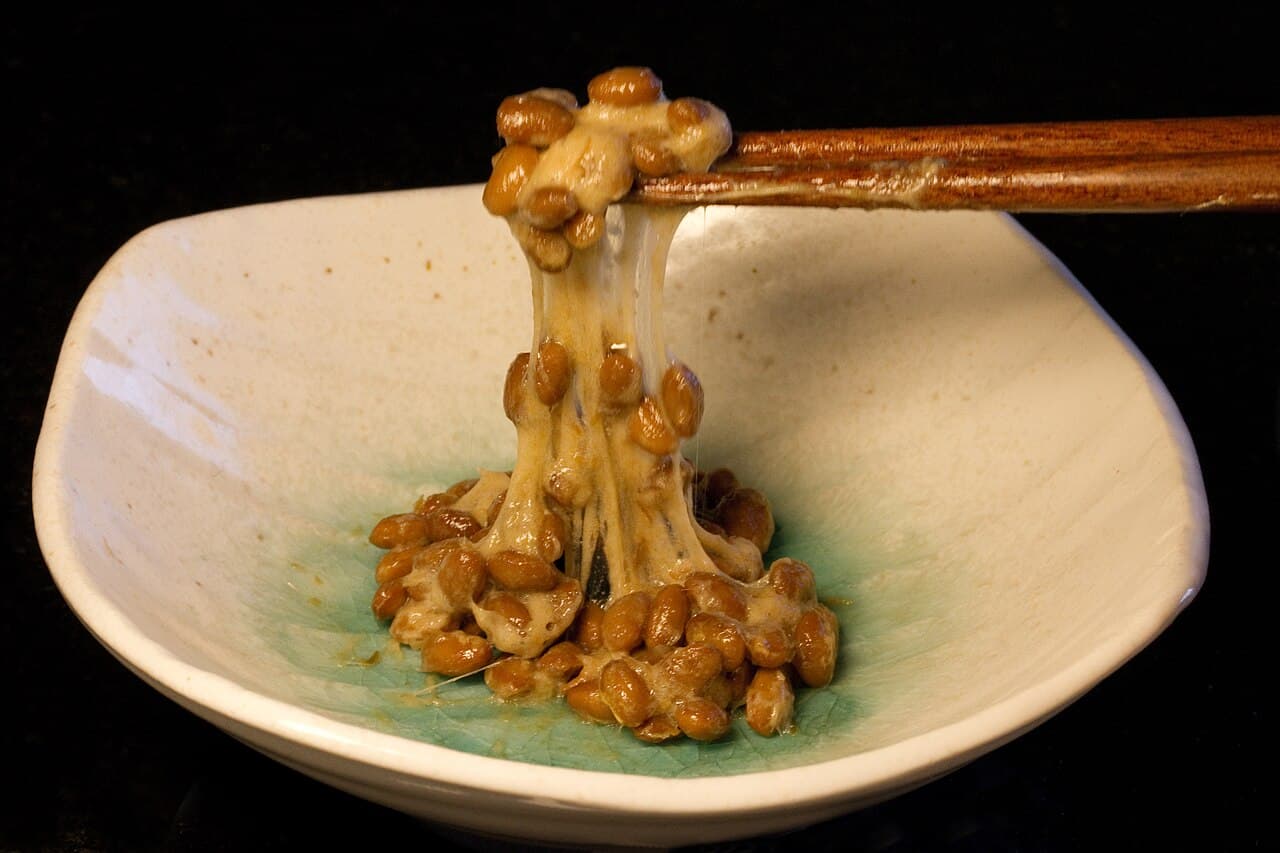
Is natto vegan? Yes. Natto itself is nothing but soybeans fermented with a bacterium, Bacillus subtilis — a plant protein with no animal ingredients. The only trap is the tiny tare sauce packet tucked inside the pack, which usually contains bonito (fish) dashi. Skip the tare, keep the karashi mustard, and dress it with soy sauce and scallion instead.
Dietary guide
No — regular Japanese soy sauce (shoyu) is not gluten-free. It's brewed from soybeans and roughly equal parts wheat, and it hides in almost everything: dipping sauces, marinades, dressings, ramen and udon broth. The gluten-free alternative is tamari, but even some tamari contains a little wheat, so read the label or ask. Carry single-serve GF tamari packets.
Dietary guide
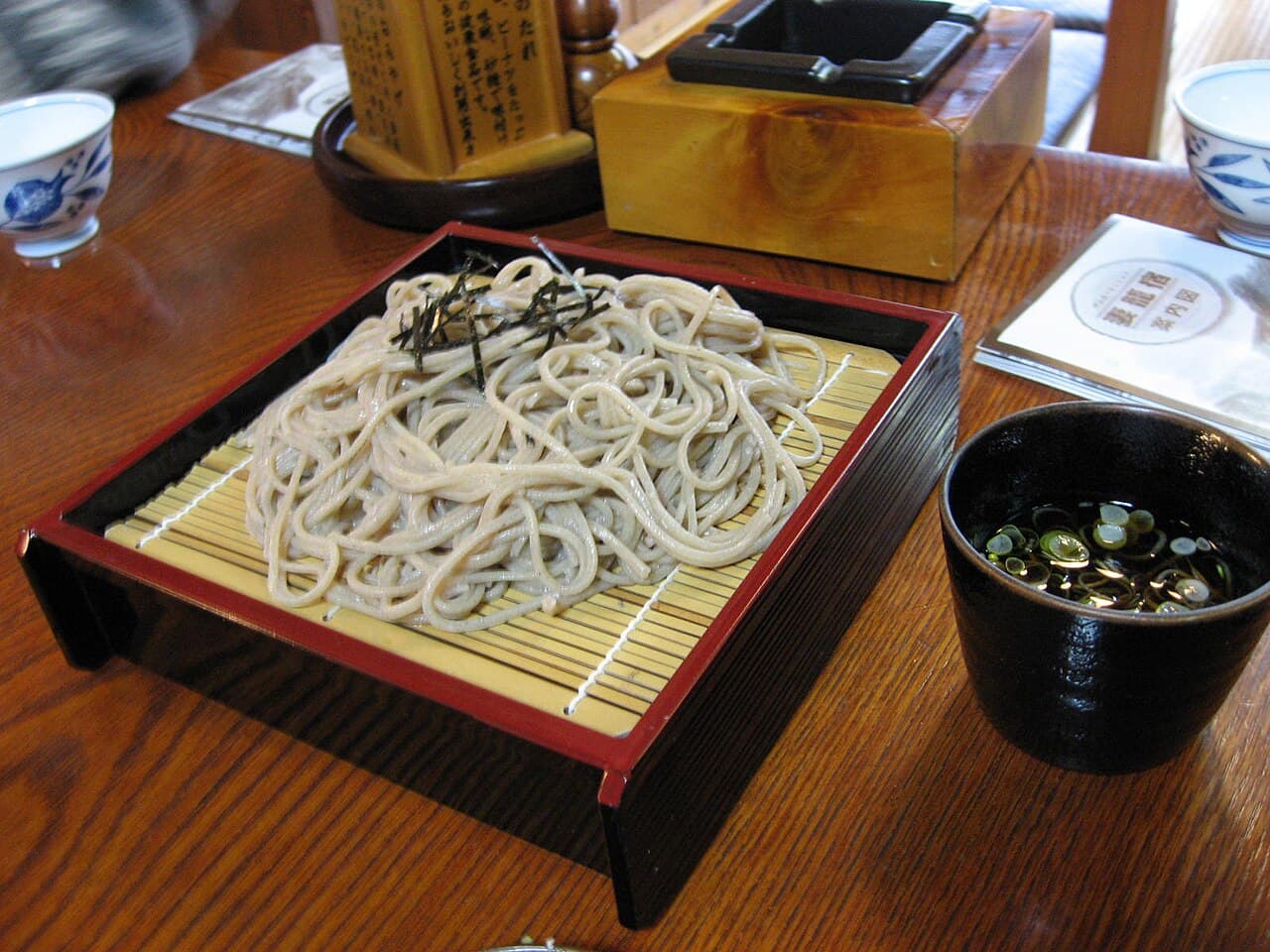
Mostly no. Buckwheat itself is naturally gluten-free, but most restaurant soba in Japan is nihachi — literally "two-eight," about 20% wheat flour blended in as a binder. Only juwari (100% buckwheat) soba is gluten-free, and even then the mentsuyu dipping broth uses wheat soy sauce and shops often boil soba and udon in the same water. Seek out juwari specialists and confirm the broth and cooking water.
Area guide
Shinjuku hides more plant-based food than its neon suggests: an all-vegan burger bar by Shinjuku-Sanchome, a 100% vegan CBD cafe inside Marui, vegan patisseries by Shinjuku Gyoen, plus vegan-friendly floors at Isetan and Lumine. Seven verified spots, with English-menu notes and the dashi/egg caveats.
Where to eat
Ordinary ramen is off-limits on a gluten-free diet — the noodles are wheat and the soy-tare broth hides more. But Tokyo now has real gluten-free ramen: a handful of kitchens make rice-flour noodles in dedicated, wheat-free setups. Here are the verified venues, plus exactly what to confirm before you order.
Dietary guide
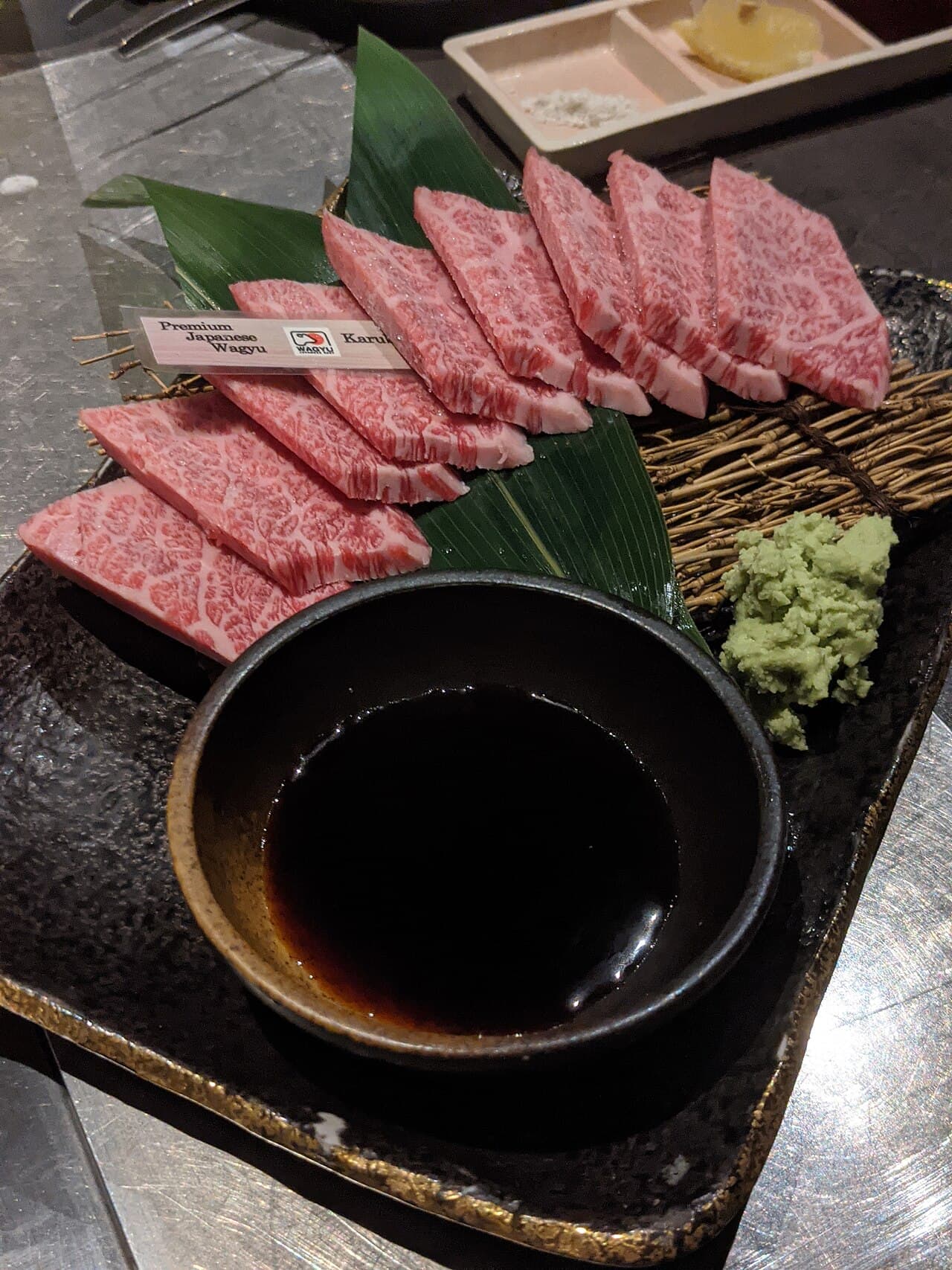
Wagyu is beef — a permitted meat — but it is not automatically halal: standard wagyu is not zabiha-slaughtered, and many dishes are basted or paired with sake and mirin. The good news is that halal-certified wagyu genuinely exists in Tokyo, with several yakiniku and steak restaurants serving zabiha A5 beef.
Dietary guide
Standard yakitori is not halal. The chicken is not zabiha-slaughtered, the tare basting sauce contains mirin and cooking sake (alcohol) plus soy sauce, and skewers share a grill with pork items like bacon-wrapped pieces. Certified or Muslim-friendly grilled chicken is rare, so halal yakiniku is the reliable route for grilled meat.
Dietary guide
Yes — plain mochi is gluten-free. It is made from glutinous rice, and 'glutinous' refers to the sticky texture, not gluten; rice contains none. Watch three things: mitarashi and other soy-sauce glazes (wheat), Kanto-style kuzumochi (fermented wheat starch), and cross-contamination where mochi is dusted or made alongside wheat.
Dietary guide
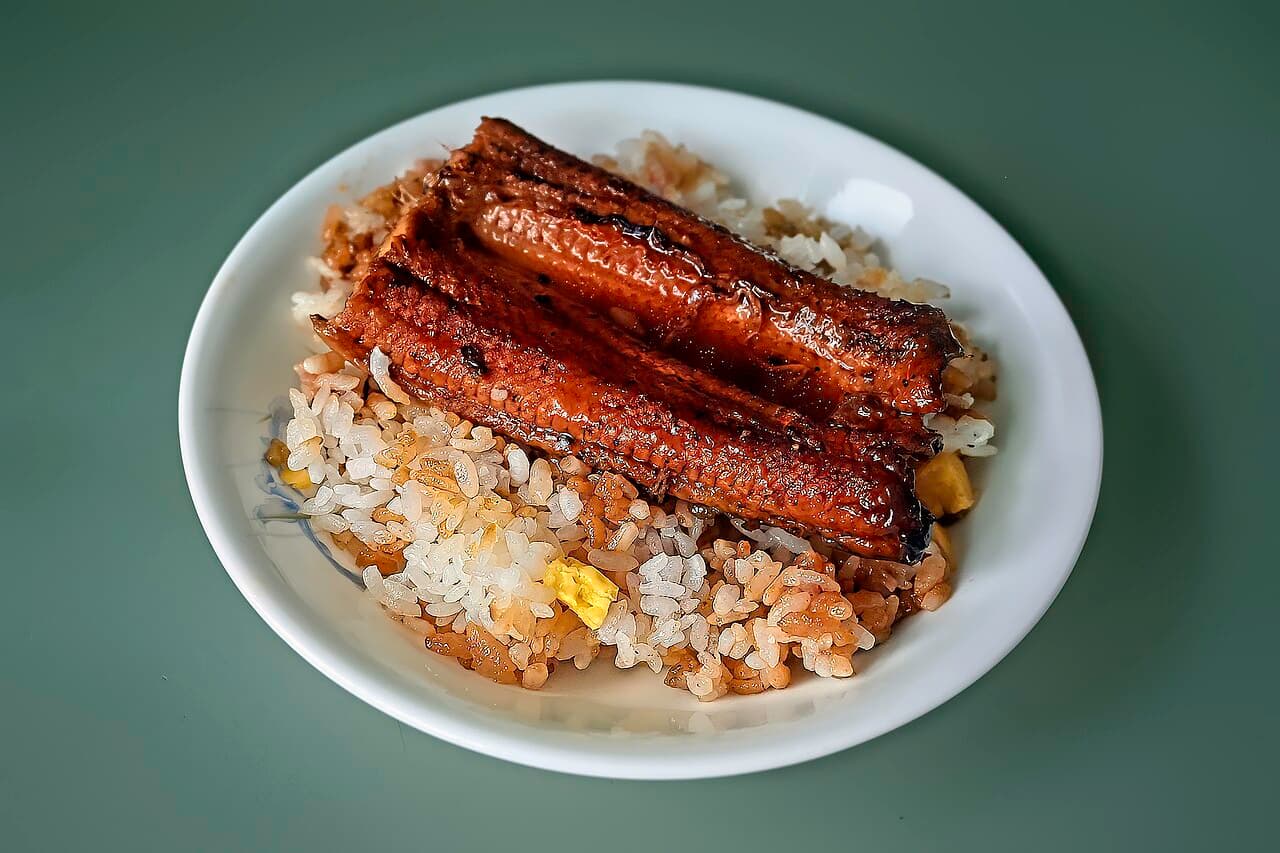
Usually not. Teriyaki sauce is built on soy sauce, and ordinary Japanese soy sauce is brewed with wheat, so standard teriyaki is not gluten-free. Mirin and cooking sake add no gluten but are alcohol. The fix is simple in theory — tamari (wheat-free soy) instead of regular shoyu — but rare in everyday restaurants.
Dietary guide
No — standard tempura is not gluten-free. The light batter is wheat flour, the tentsuyu dipping sauce uses wheat-brewed soy sauce, and shops fry it in oil shared with other battered foods, so cross-contamination is likely. A handful of Tokyo specialists fry in 100% rice flour with tamari, making genuinely gluten-free tempura possible.
Dietary guide
The noodles are vegan — udon is just wheat flour, water and salt — but the dish usually is not. Standard udon broth (tsuyu) is made with bonito dashi and finished with soy sauce and mirin, and toppings like tempura, fish cake and egg add more. Vegan udon with kelp-shiitake broth exists at plant-based shops.
Dietary guide
Usually not. Miso paste itself is plant-based, but almost all miso soup in Japan is made with bonito-and-sardine dashi, so the standard bowl is neither vegan nor vegetarian. Versions made with kombu (kelp) or shiitake dashi — common at temple and vegan restaurants — are fully plant-based.
Dietary guide
Most dashi is not vegan. The everyday Japanese stock is built on katsuobushi (dried bonito) and niboshi (dried sardines), so it carries fish even when a dish looks plant-based. The vegan exceptions are kombu (kelp) and dried-shiitake dashi — the base of Buddhist shojin cooking and of modern vegan ramen.
Gluten-free Tokyo · Asakusa
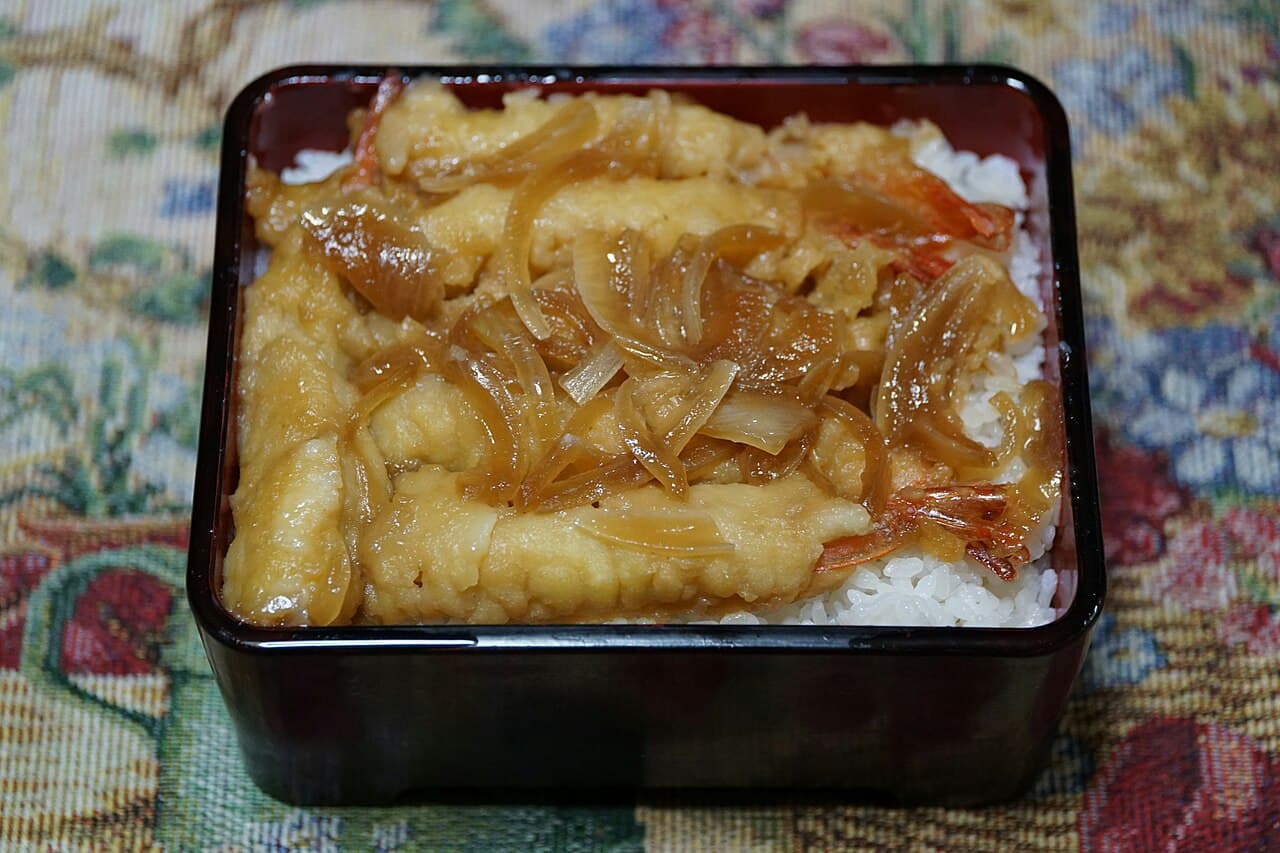
Eating gluten-free in old Tokyo is more possible than you would expect — Asakusa has a fully gluten-free tempura counter (fried in rice flour) and an all-vegan, all-gluten-free kitchen, plus naturally safer choices. Here is where to eat, and the cross-contact question to ask.
Vegan Tokyo · Asakusa
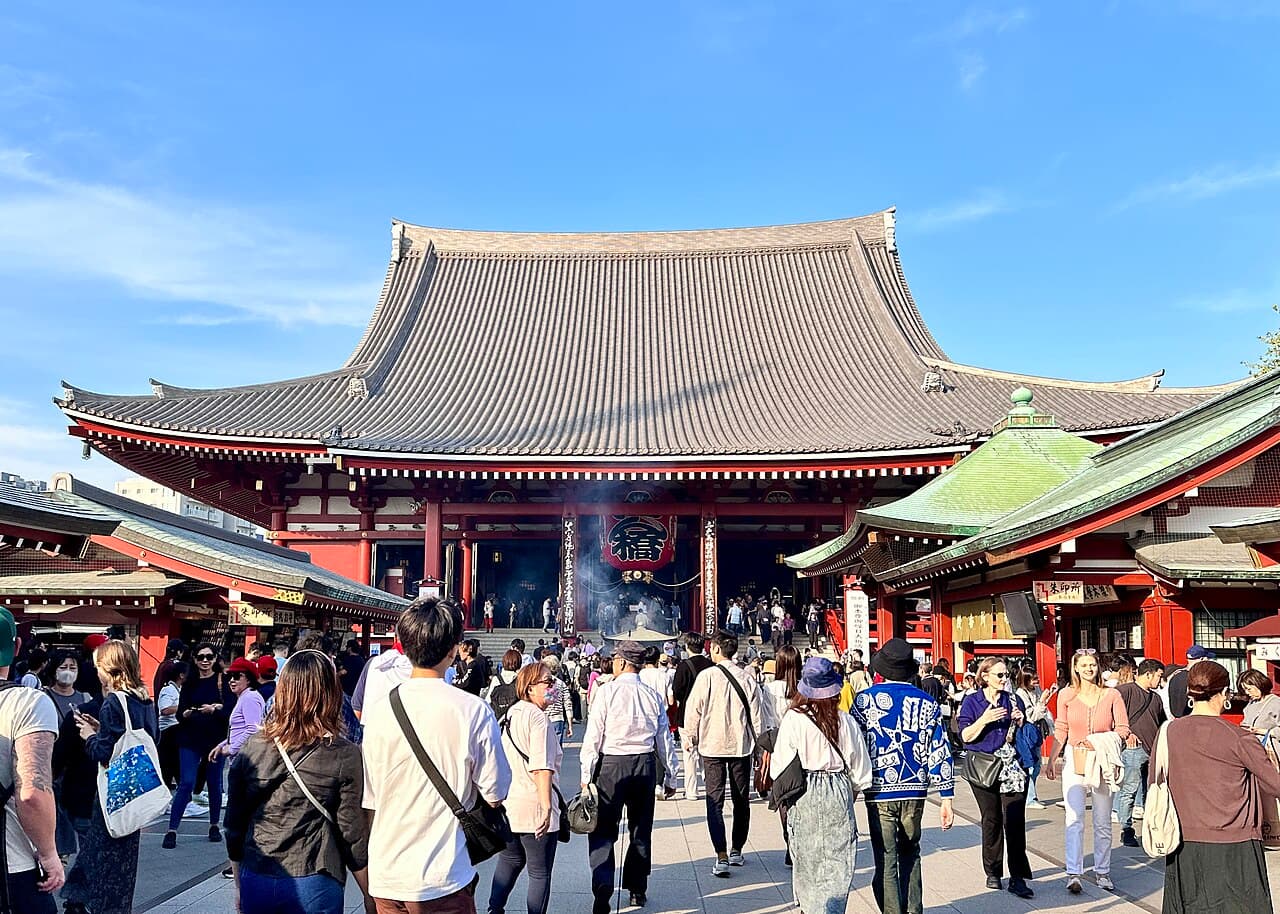
Old Tokyo is surprisingly easy for plant-based diners — Asakusa has fully vegan kitchens, a 300-year-old temple-cuisine house, and sweets shops a vegetarian can trust, all within walking distance of Senso-ji.
Vegan Tokyo · Shibuya
Vegan ramen in Shibuya is real, not an afterthought — fully plant-based bowls where the broth is built from kombu, shiitake and sesame, with no katsuobushi or pork. Here is where to slurp, and the one question that catches travellers out.
Halal Tokyo · Shibuya
Finding pork-free ramen near Shibuya takes know-how — most broth is tonkotsu. Here are the certified and Muslim-friendly bowls in and around Shibuya, plus what to confirm at the counter.
Halal Tokyo · Asakusa
Asakusa is Tokyo's densest cluster of halal dining — certified ramen, sushi, wagyu yakiniku and curry, several with prayer rooms, all within walking distance of Senso-ji.
Halal Tokyo
Halal sushi in Tokyo is rare but real — at a certified counter the soy, vinegar and fish are all halal. Here's where to go and the alcohol question to ask before you book.
Halal Tokyo
Halal yakiniku in Tokyo is now genuinely excellent — these grills serve third-party halal-certified A5 wagyu, with the certifying body named so you know exactly what 'certified' means.
Seasonal
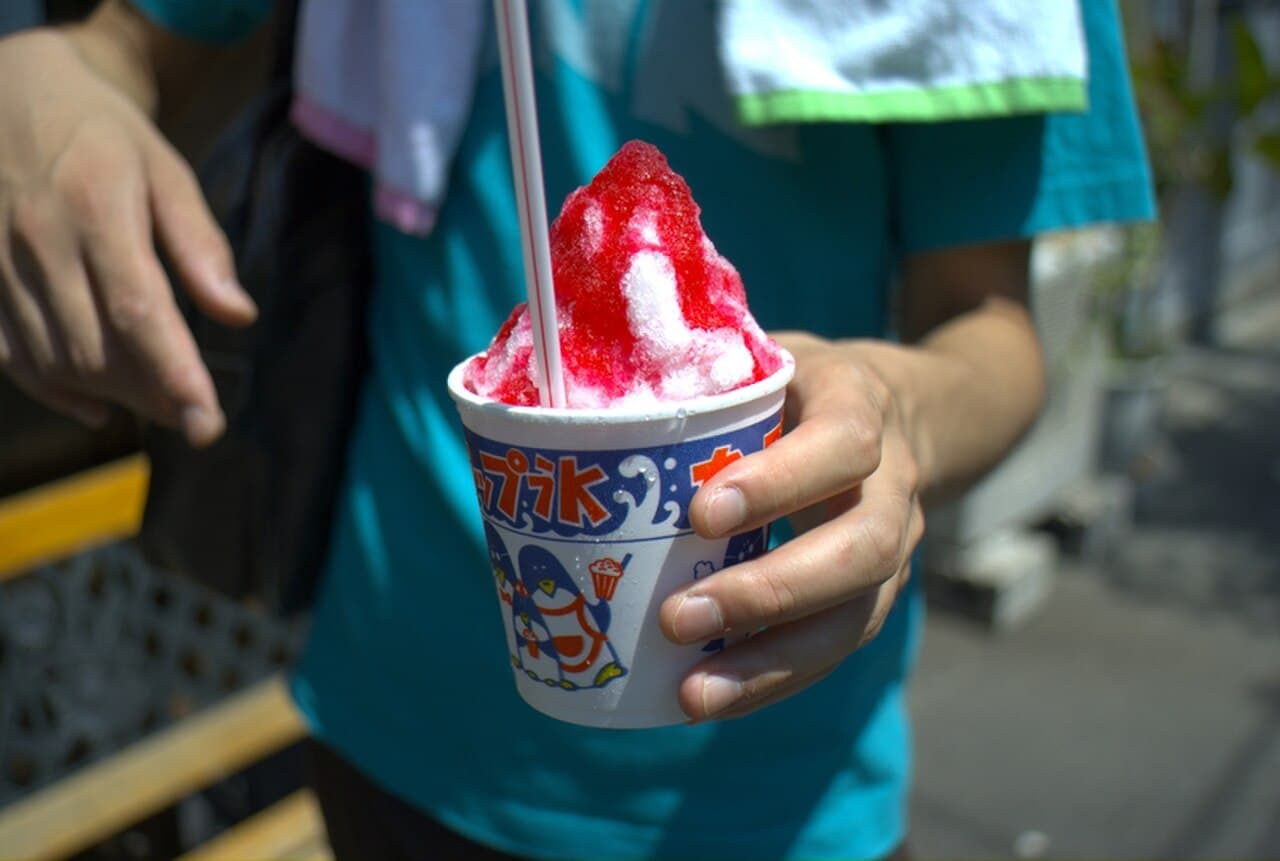
Once a ¥500 festival cup, kakigori is now a craft dessert that draws reservation-only queues. The 2026 season opens mid-June and peaks July to mid-August. Here's what changed, what to order, and which Tokyo cafes to chase this summer.
Seasonal
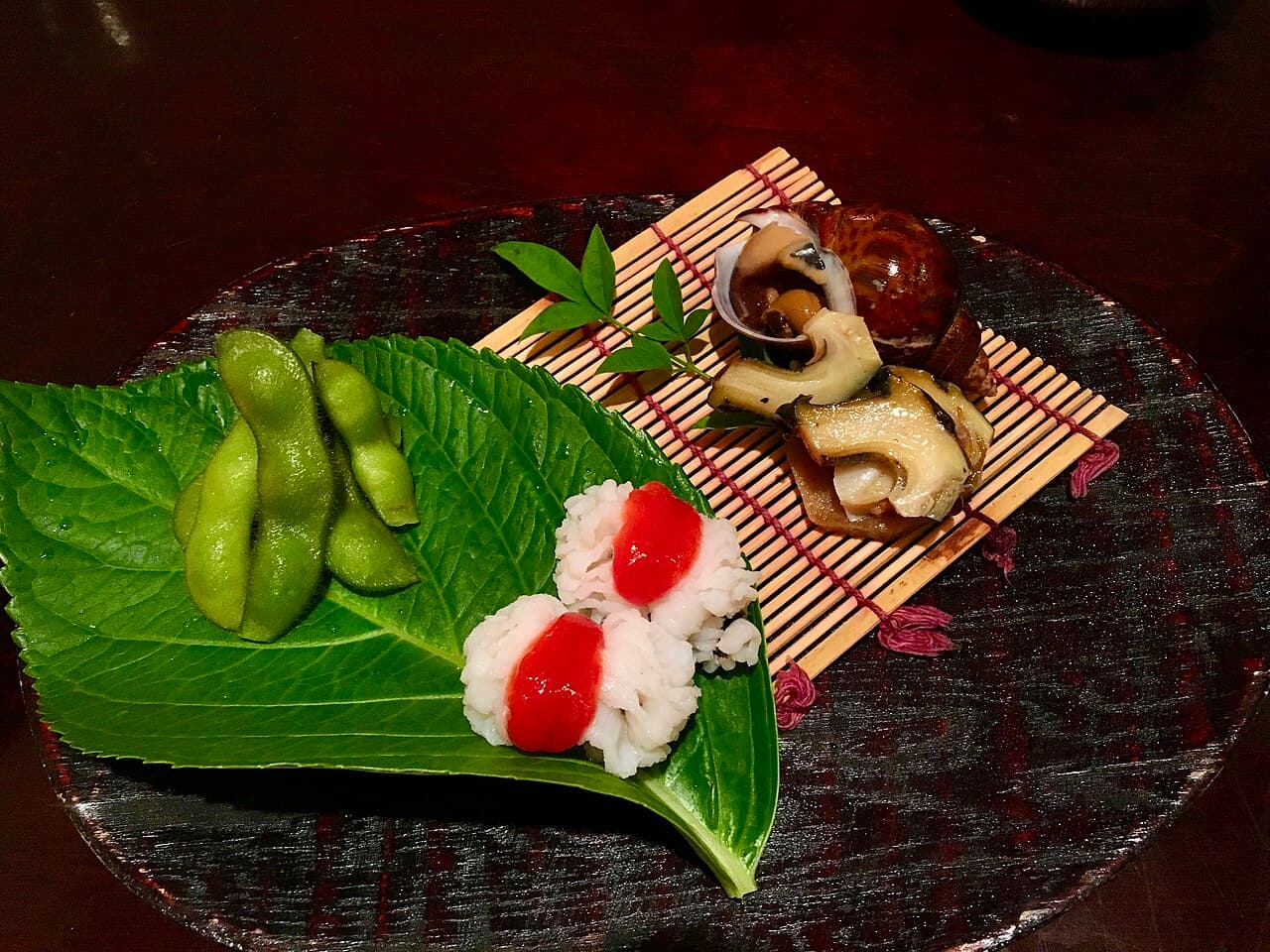
Every Kyoto summer turns on one fish: hamo, the pike conger so bony it needs a master's knife. In season mid-May to mid-September and inseparable from July's Gion Matsuri, it is the city's most refined hot-weather delicacy. Here's the custom, the craft, and how to eat it.
Seasonal
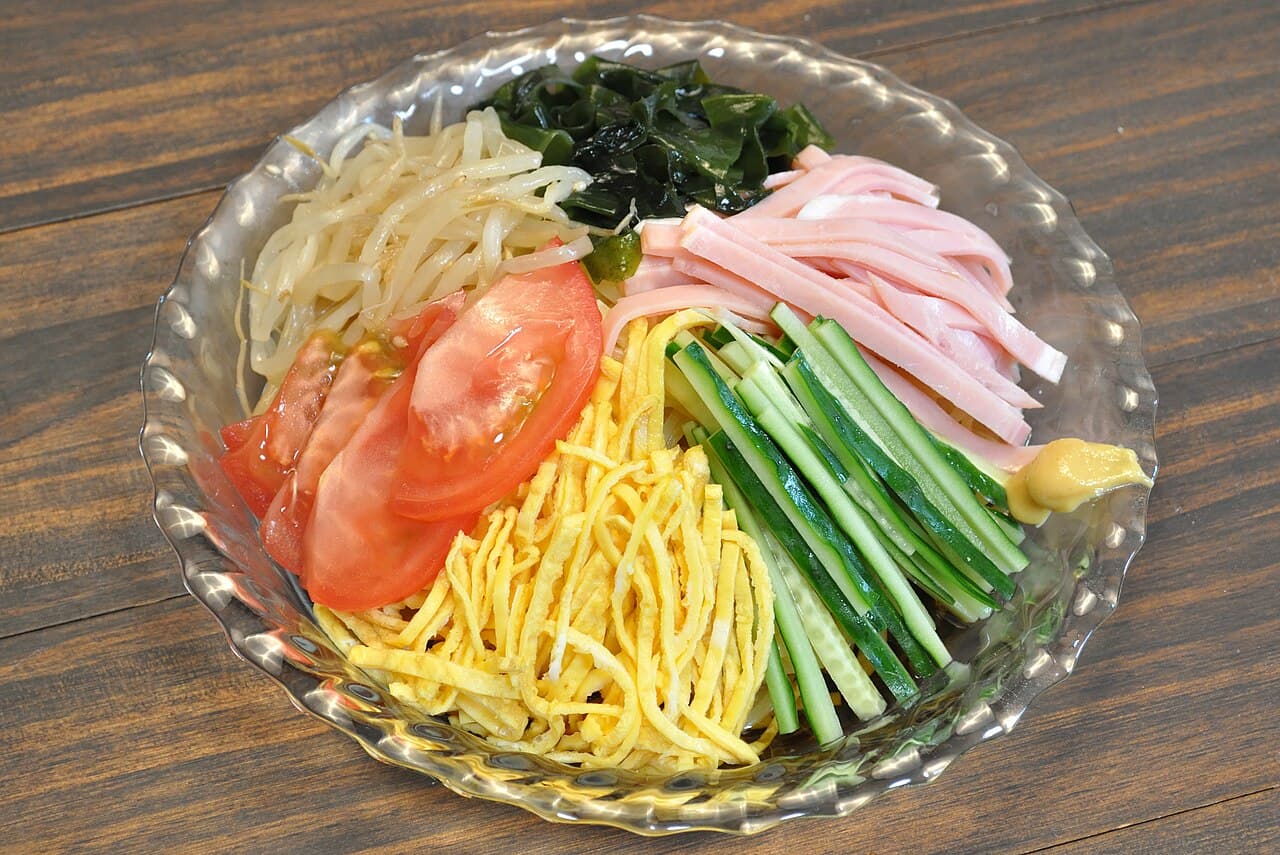
When the heat steals your appetite, Japan reaches for chilled noodles. A 2026 survey put hiyashi chuka and somen at the top, with 73% choosing cooling noodles over stamina food. Here's the cold-noodle map — what each dish is, what each diet should watch, and where to slurp.
Trend
Plant-based dining in Tokyo has roughly doubled since 2019, and vegan ramen is the clearest sign — dedicated shops building deep umami from mushrooms, kombu and miso rather than meat. Here's what's driving it, and the bowls worth crossing town for.
Seasonal
Midsummer in Japan means unagi. The Day of the Ox — the traditional day to eat eel for stamina — falls on 26 July in 2026, with a second on 7 August. Here's the custom, what each diet should know, and which eel houses to book.
News
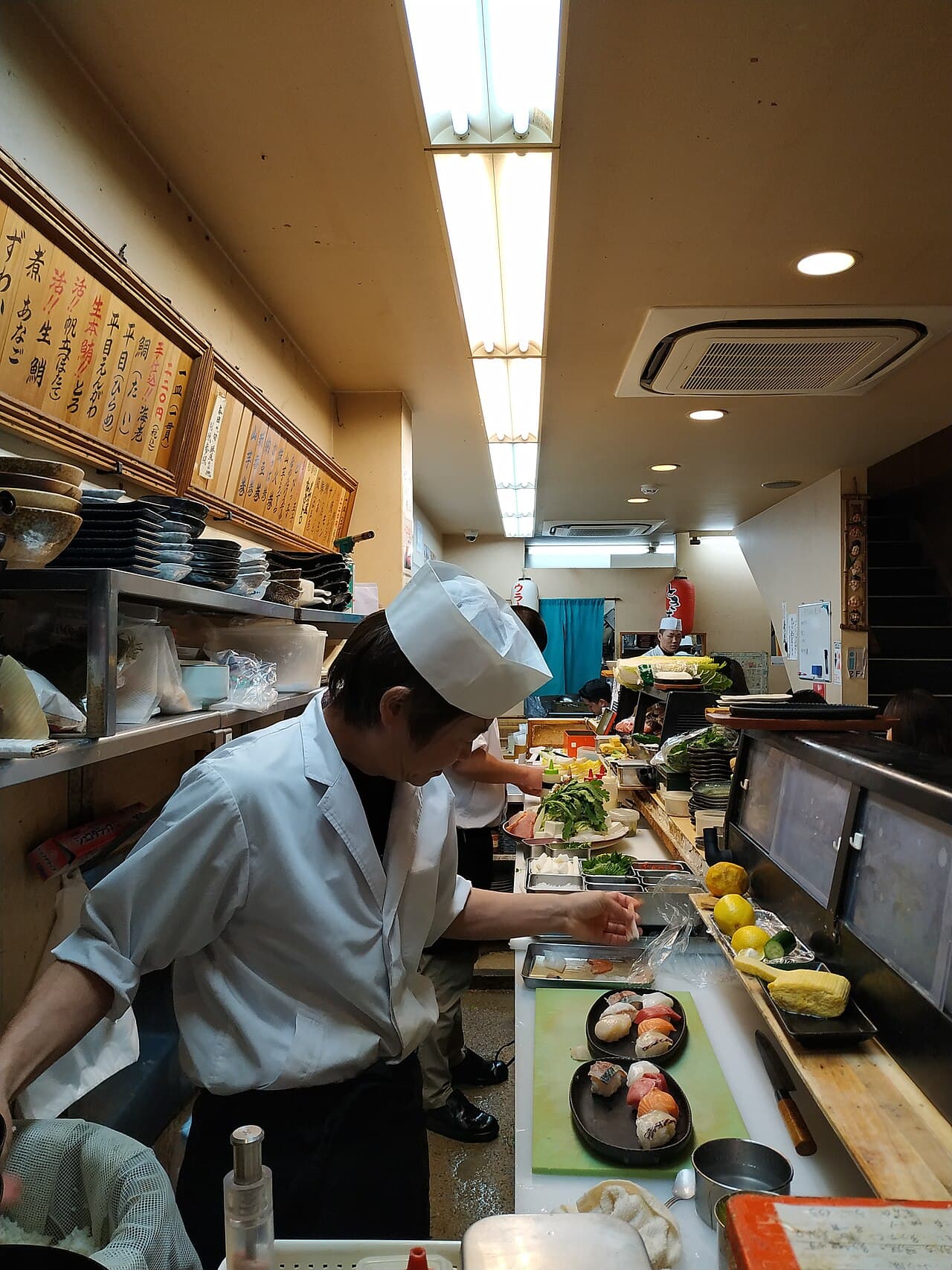
Japan's diner-voted Tabelog Award radically recalibrated for 2026 — naming just 36 Gold restaurants nationwide. Here's how this list differs from Michelin, why it tilts toward sushi and washoku, and how to use it without getting burned.
News
At the March 2026 ceremony, Osaka's French restaurant La Cime was named Japan's best, ranking No. 13 in Asia, while seven Tokyo restaurants made the top 50. Here's what the list means for a traveller — and the realistic alternatives if these tables are full.
News
Tokyo kept its crown as the world's most-starred city with 160 starred restaurants for 2026. Here is what's new — a fresh three-star, three new two-stars, a Green Star and a 97-year-old eel master honoured — and how a traveller can actually get a seat.
Dietary guide
Yes — Nara is quietly one of Japan's easier cities for plant-based eating, but its famous specialty is fish, and bonito dashi still hides everywhere. Here is how to eat well, and the one shop to trust.
Beyond the capital
Some of Japan's best eating is a short train ride from the capital — temple kaiseki in Kita-Kamakura, Chinatown in Yokohama, persimmon-leaf sushi in Nara and Hiroshima's layered okonomiyaki. Here is where to eat, and what each diet should know.
Area guide
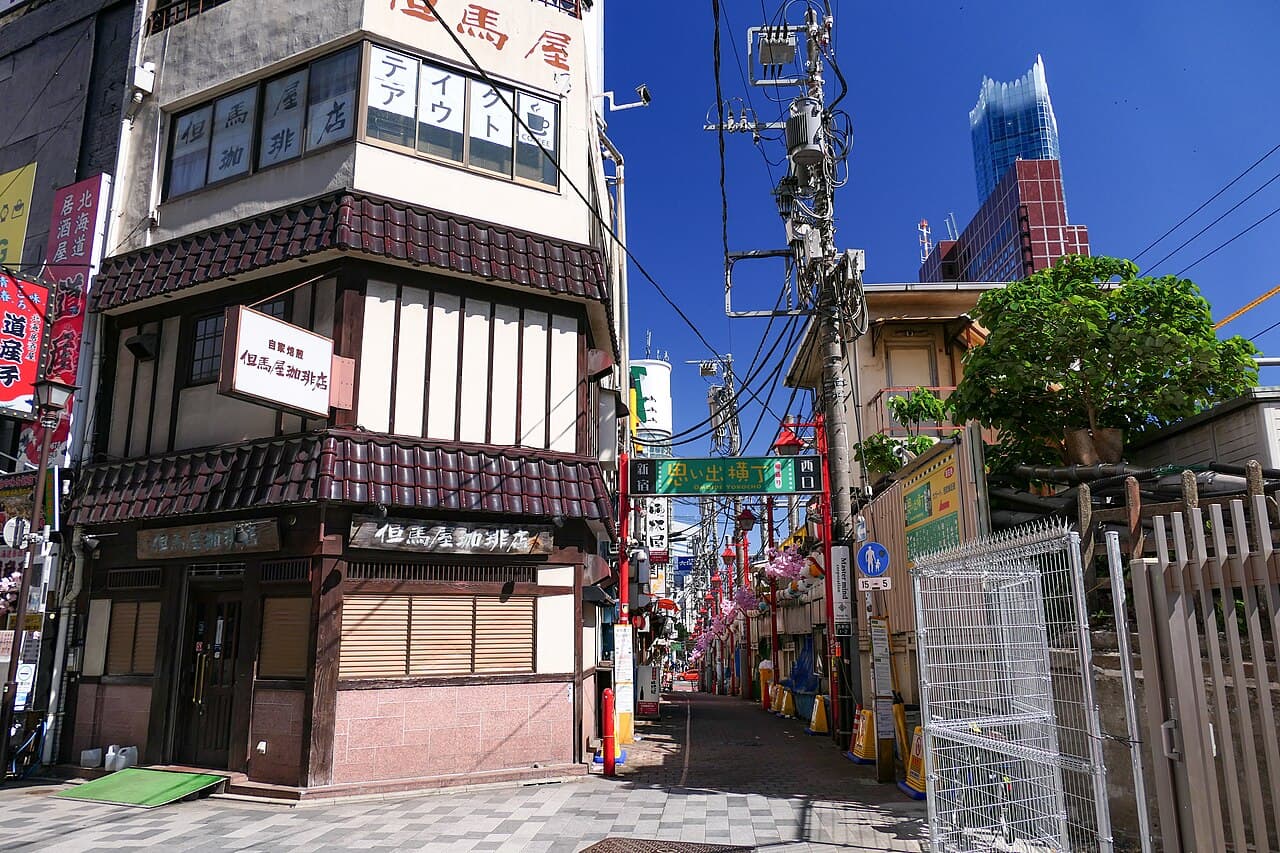
Shinjuku looks overwhelming but eats brilliantly — a Michelin Bib udon, certified-halal ramen, cult vegan pancakes and a halal wagyu bowl, all walkable from one mega-station.
Editor's picks
Most ramen is built on pork and bonito — these Tokyo shops are 100% plant-based, with kombu, shiitake and sesame doing the heavy lifting. No fish dashi, no compromise.
City guide
Osaka lives to eat — okonomiyaki, kushikatsu and kitsune udon in Dotonbori and Shinsekai. Here are the institutions to try, plus the one fully plant-based spot if you can't.
City guide
Kyoto is Japan's most naturally vegetarian-friendly city — temple cuisine, tofu kaiseki, soy-milk ramen and certified halal, all in a slower, gentler place than Tokyo.
Dietary guide
Is there kosher food in Tokyo? Yes, but it is rare. The short answer, what 'kosher' means here, and the supervised options worth knowing.
Dietary guide
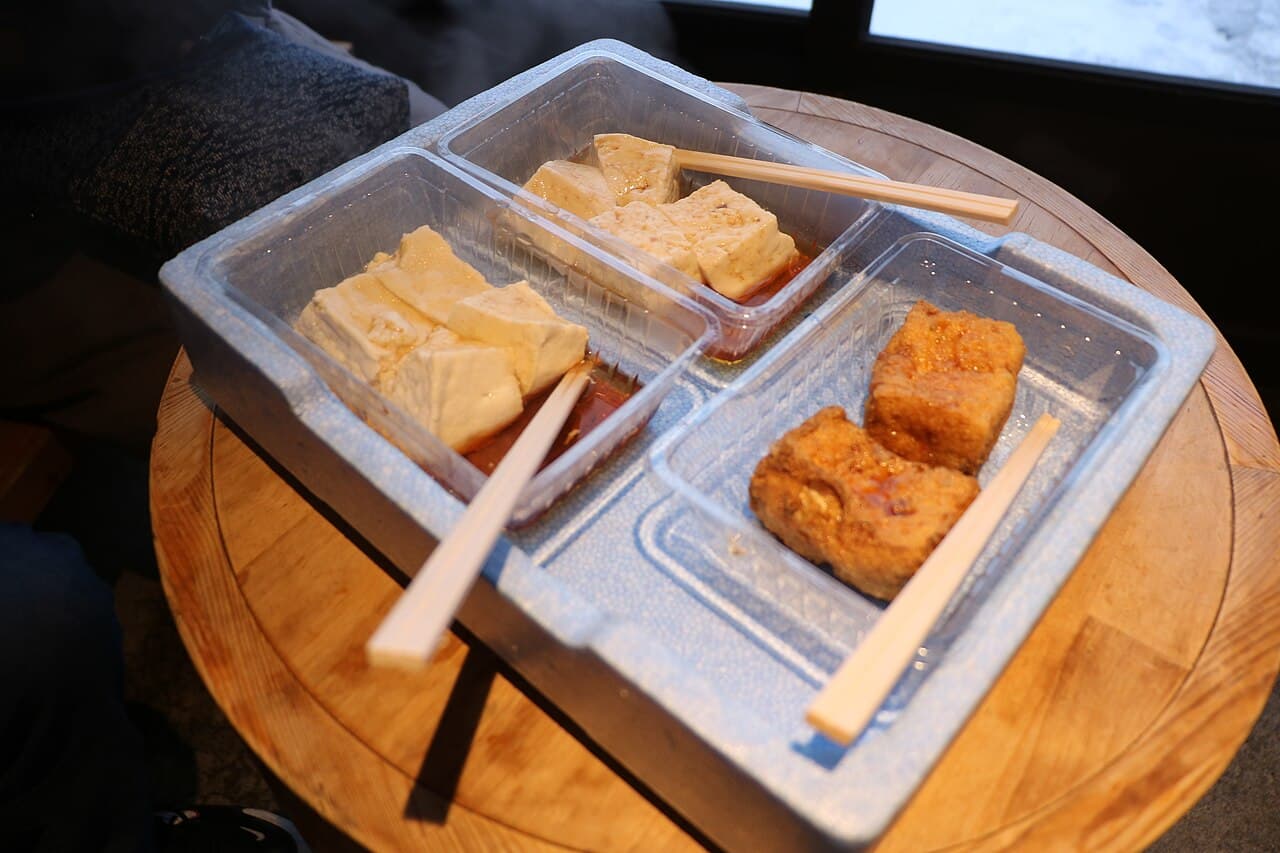
Traditional Japanese food is naturally low in dairy and nuts — but sesame is everywhere and 'safe' isn't a guarantee. How to eat well and reduce risk, plus the kitchens built for it.
Food culture
Not every great sushi meal needs a hushed counter and a two-month wait. Tokyo's conveyor-belt and value sushi shops are fast, friendly, English-easy — and seriously good.
Etiquette
There's no tipping in Japan — and trying to can cause confusion. Here's why, plus the small 'otoshi' charge and service charge explained.
Food culture
Japan's pub-restaurant, demystified: how to enter, the small 'otoshi' charge, ordering small plates to share, drinking customs, and paying.
Phrase card
Show, don't struggle. Copy-ready Japanese phrases for vegetarian, vegan, halal, pescatarian and gluten-free diners — plus the hidden ingredients to name.
Food culture
Tokyo holds more Michelin stars than any city on earth. Here's how to choose, book and behave at a high-end Japanese table — and a few that genuinely welcome visitors.
Area guide
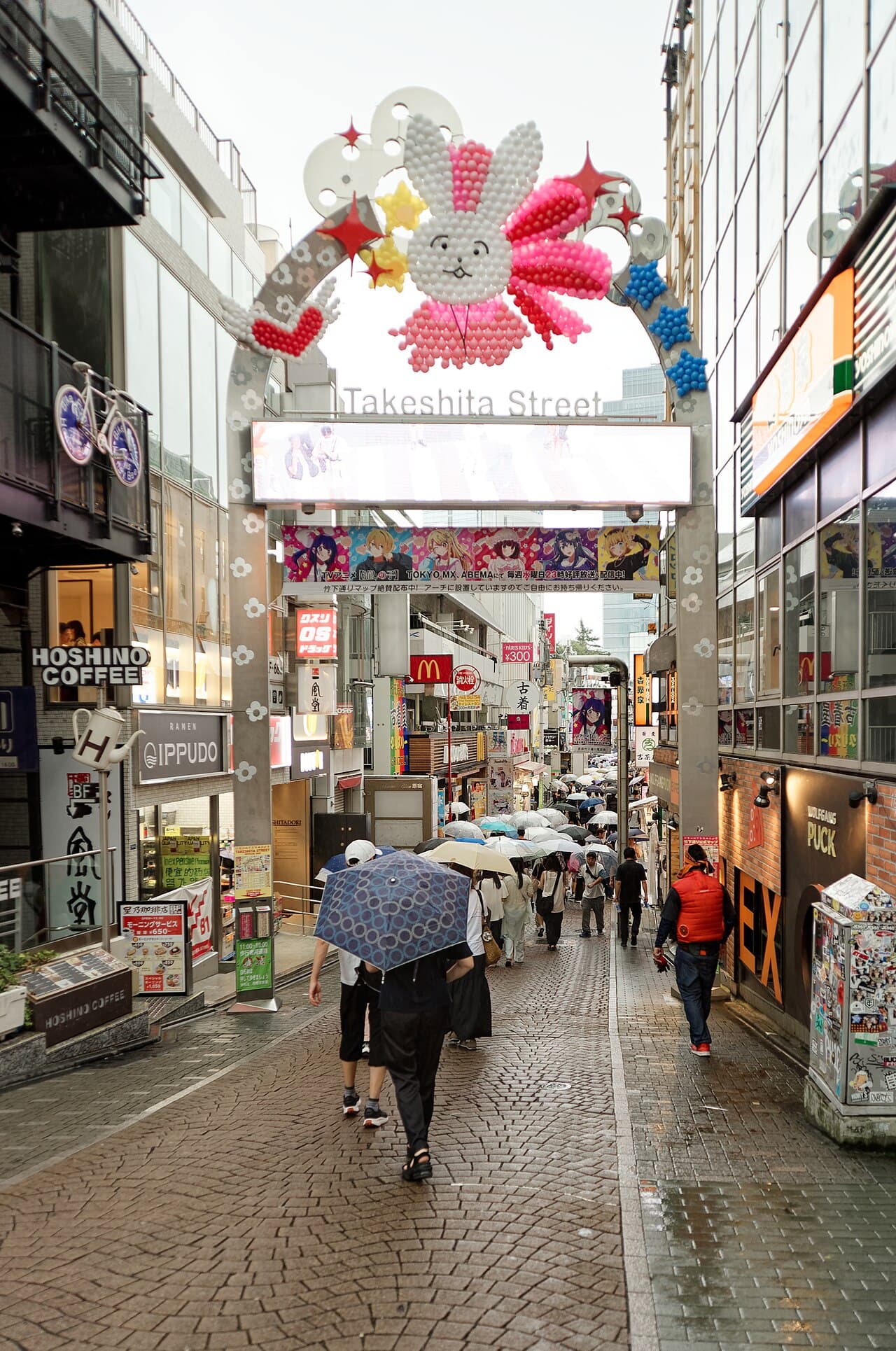
Tokyo's most elegant boulevard hides one of its best clusters of plant-based and produce-led dining — between the flagship stores, eat beautifully whatever your diet.
Practical guide
Tokyo's halal scene has grown fast — certified wagyu, halal ramen, prayer rooms and Muslim-friendly kaiseki. Here's the difference between 'certified' and 'friendly', the seasonings to watch, and where to start.
Area guide
The fish moves; the ritual stays. A friendly guide to eating sushi where it's landed — the wholesale energy of Toyosu and the street-food sprawl of the Tsukiji Outer Market.
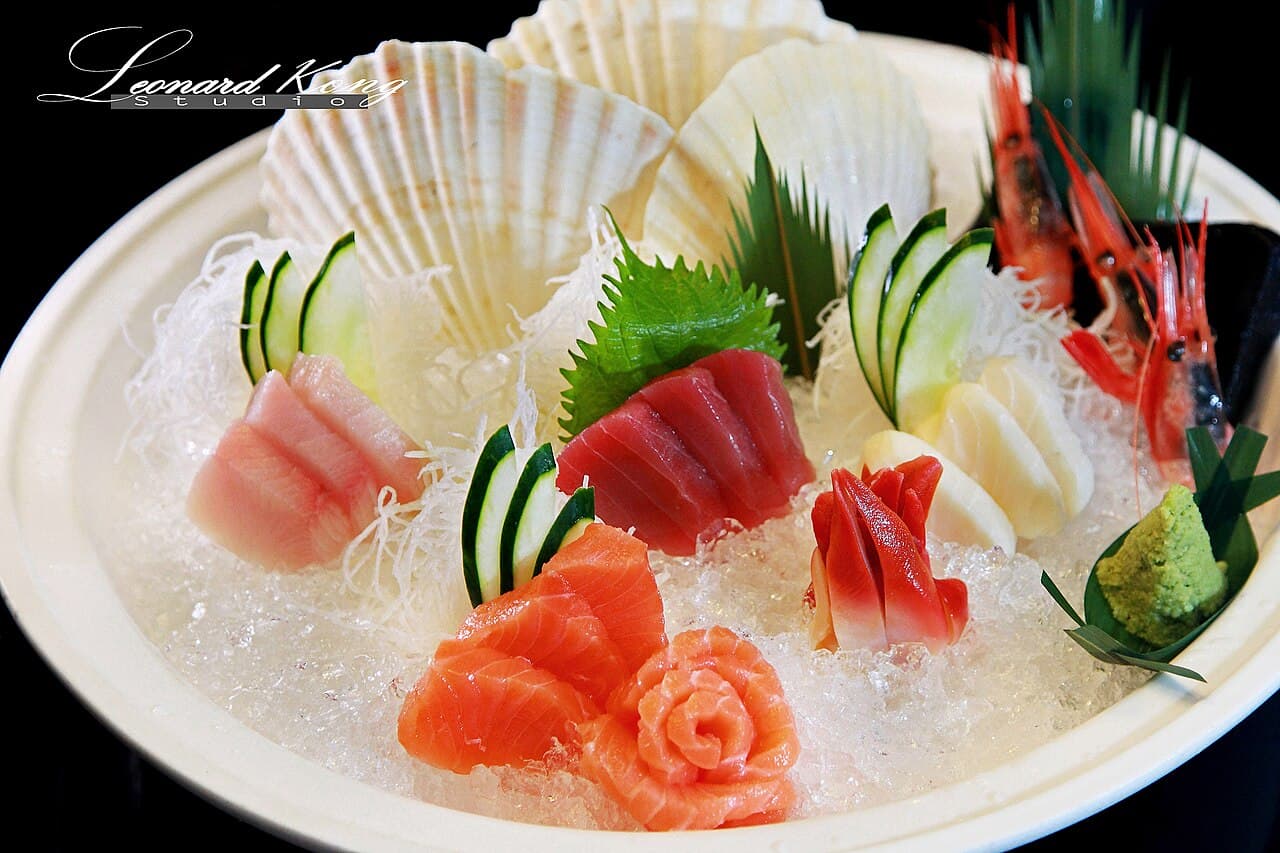
Dietary guide
If you eat seafood but not meat, Tokyo is paradise. Sushi, sashimi, grilled fish and seafood bowls are everywhere — here's how to order with confidence, plus the hidden meat to watch for.
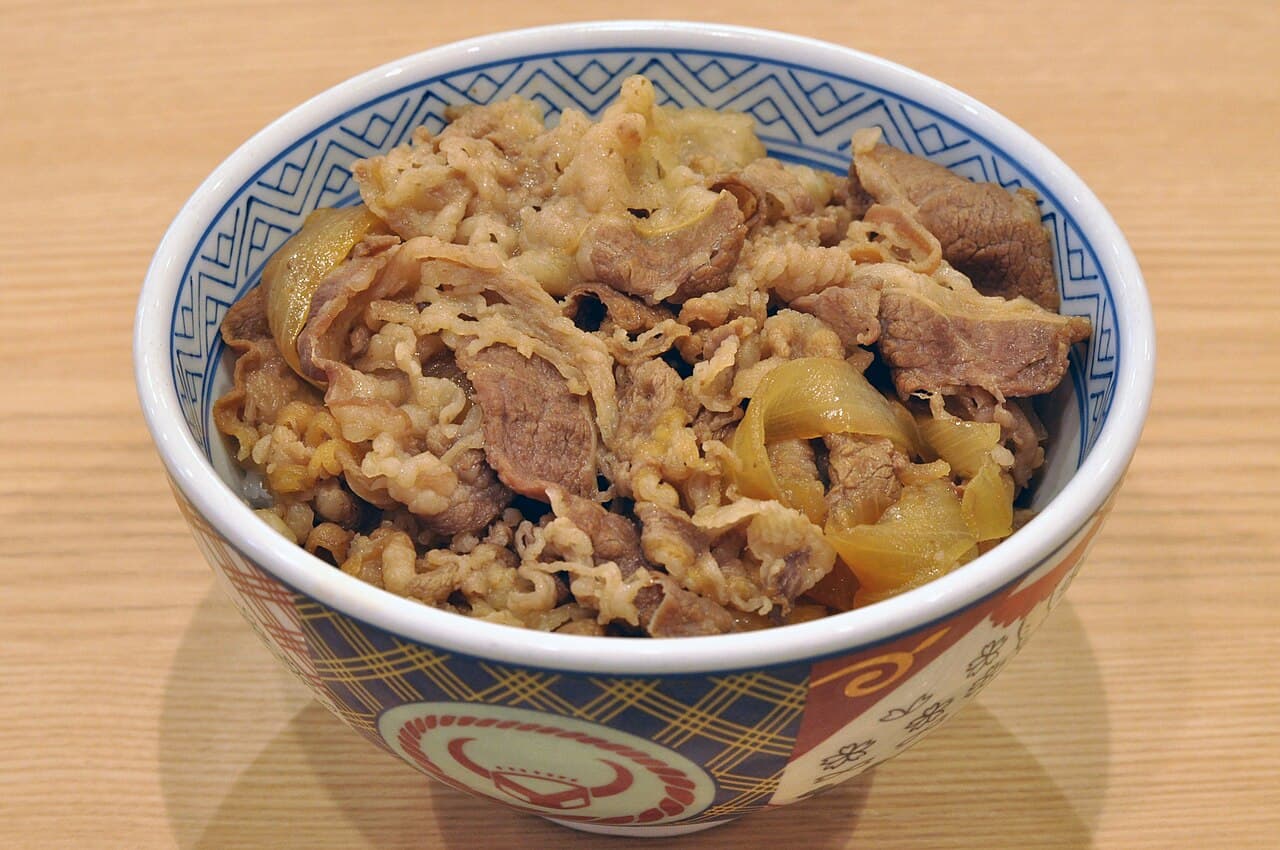
Food culture
Some of Tokyo's best eating costs a few hundred yen. How to feast well at every price — bowls, counters and splurges.
Practical
Walk-in, Tabelog, Ikkyu or the concierge — how reservations really work in Japan, and why showing up matters.
Food culture
A friendly starter list of the dishes that define a first trip — what they are, and where on this site to go deeper.
Food culture
What to drink with Japanese food — from sake grades to shochu, highballs, beer and the teas that round out a meal.
Practical
Ticket machines, the otoshi charge, cash vs. card, and how to ask for the bill — the practical mechanics of eating out in Japan.
Food culture
Japan's convenience stores are a genuine food destination — fresh onigiri, bento, oden and famous fried chicken, 24/7.
Food culture
Japanese cuisine is built on shun — eating each ingredient at its seasonal peak. Here's what to look for, spring to winter.
Area guide
Tokyo's most refined district spans department-store institutions, a katsu-curry birthplace and a two-Michelin-star kaiseki counter — plus elegant vegan dining.
Area guide
Senso-ji's temple town is the most inclusive food district in Tokyo — halal sushi, gluten-free tempura, vegan temple food and the world's richest matcha gelato.
Dietary guide
Fluffy egg-free pancakes, plant-based puddings and the world's richest matcha gelato — dessert without compromise.
Dietary guide
Buddhist temple food was vegan centuries before the word existed. Meet shojin ryori — and the Tokyo tables that keep it alive.
Dietary guide
All 27 Tokyo venues where UMAMI HUNT has verified gluten-free handling: 12 dedicated kitchens, 13 with GF options, 2 juwari soba shops, ordered safety-first for coeliac diners with English-menu and price columns.
Rankings
All 38 Tokyo restaurants the UMAMI HUNT desk marks as editor's picks, ranked by dietary restrictions handled, English menu and price band. 22 handle a restriction; 24 have an English menu.
Area guide
Old-Tokyo Asakusa, refined Ginza, buzzing Shibuya and Shinjuku — what to eat where, and which of our picks to book.
Dietary guide
Tokyo is far easier than its reputation — if you know about dashi. Where to eat, what to watch for, and the phrases that help.
Etiquette
Chopstick rules, why there's no tipping, the hot towel, and 'itadakimasu'. The customs that make dining out feel easy.
Etiquette
Buy your ticket at the machine, slurp without shame, and finish while it's hot. How to order ramen with confidence.
Etiquette
Hands or chopsticks? Dip the fish, not the rice. A clear, friendly guide to enjoying sushi the way it's meant to be.
Good news if you avoid milk: traditional Japanese cooking is naturally almost dairy-free — sushi, sashimi, rice bowls, soba, tempura and most washoku use no butter, milk or cheese. The dairy is in the Western-style and modern dishes. Here's where it hides, what's safe, and how to ask.
Mostly, but not automatically. Plain raw fish and rice are naturally gluten-free, but the soy sauce you dip them in is brewed with wheat — and imitation crab, eel sauce, tempura rolls and some rice vinegars hide gluten too. Here's exactly what's safe, what to skip, and how to order with tamari.
No — most ramen in Japan is not vegetarian, even bowls with no visible meat. The broth is the problem: tonkotsu is pork-bone, shoyu and miso ramen are usually built on katsuobushi (bonito fish) or chicken stock, and the topping is often chashu pork. But dedicated vegan ramen does exist. Here's how to tell, and where to eat.
Yes, vegans can eat well in Japan — but the catch is dashi, the fish stock (bonito or sardine) hiding in miso soup, simmered vegetables and most noodle broths. Learn that one word and the country opens up. Here is the plain-English map: the traps, the safe foods, the phrases, and where to start.
