
Dietary guide
Conveyor Belt Sushi (Kaiten-Zushi) Gluten Free: A Coeliac's Order-by-Order Guide
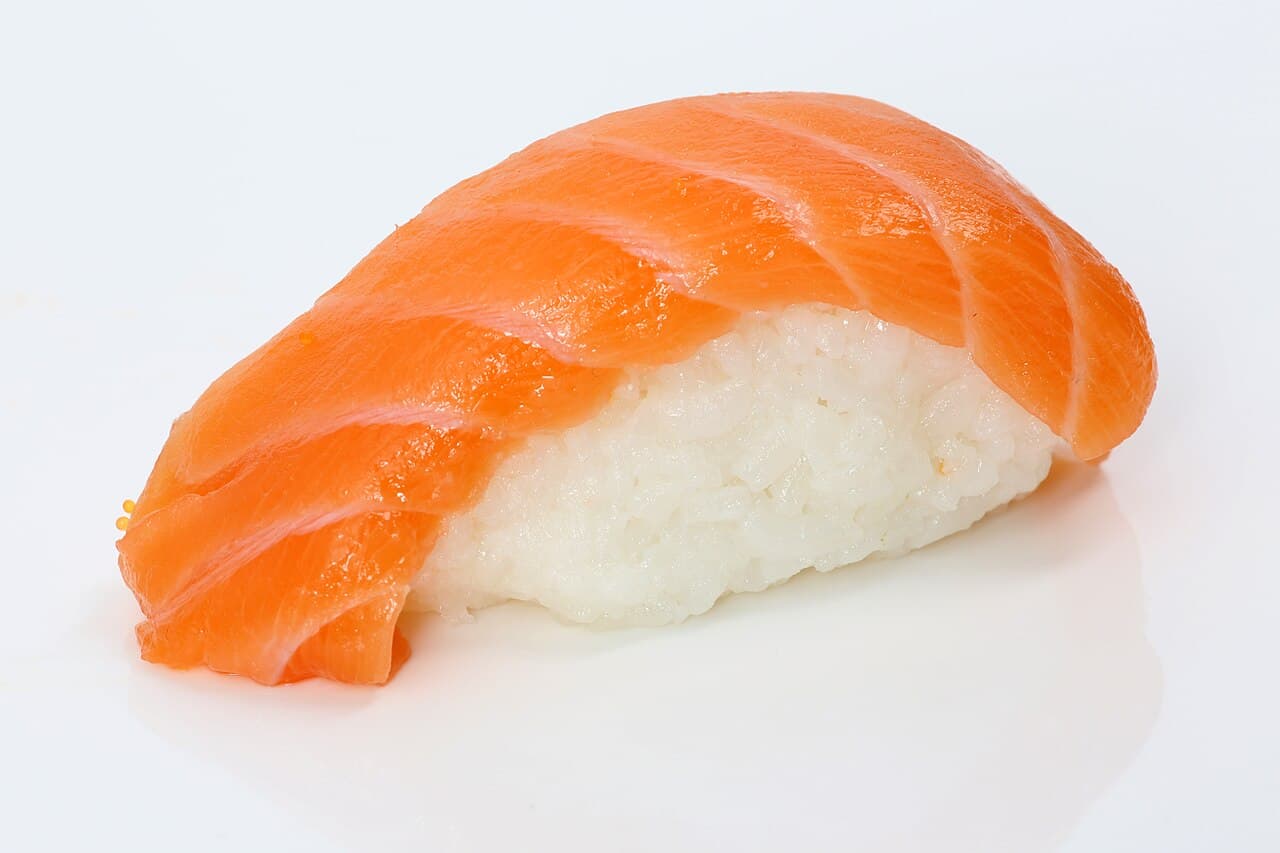
Conveyor belt sushi (kaiten-zushi) is one of the easiest gluten-free wins in Japan — plain nigiri and sashimi are just fish and rice. The catch is soy sauce, which is made with wheat. Bring your own gluten-free tamari, order sabi-nuki, and skip anything fried, sauced, or imitation. Cheap, simple, and genuinely coeliac-friendly with a little care.
Why kaiten-zushi is an easy win
Sushi rice is seasoned with rice vinegar, sugar and salt — no wheat — and raw fish is naturally gluten-free. A plate of maguro or salmon nigiri sushi is, at its core, exactly what you want. For the fuller picture, see is sushi gluten-free?. The danger isn't the sushi itself; it's what goes on top and beside it.
What's naturally safe
- Plain nigiri: tuna (maguro), salmon (sake), yellowtail (hamachi), sea bream (tai), squid (ika), octopus (tako), scallop (hotate), sweet shrimp (amaebi)
- Sashimi plates — fish only, no rice, even lower risk
- Roe: salmon roe (ikura), sea urchin (uni)
- Gari (pickled ginger) and edamame
- The rice itself (confirm no additives at budget chains)
The traps
- The shared soy sauce dispenser — regular shoyu is brewed with wheat. This is the single biggest mistake most people make. Here's why.
- Imitation crab (kani-kama) — bound with wheat starch. Skip the \"crab\" gunkan and crab-salad rolls.
- Tamago (sweet egg) — often contains flour or a dashi with wheat.
- Anything fried — ebi tempura, tempura rolls, agedashi tofu, and the shared fryer behind them.
- Sauced items — eel (unagi/anago) glaze, teriyaki and eel sauce (tare) are all soy-sauce based.
- Miso soup — some miso is barley-based and dashi varies.
- Pre-applied wasabi — the fish often arrives already wasabi'd, so order sabi-nuki and add your own.
What to order and what to say
Bring a small bottle of certified gluten-free tamari (note: even tamari can contain a little wheat — check the label). Stick to plain nigiri and sashimi, and dip in your own tamari, never the table shoyu.
Useful phrases:
- Sabi-nuki de onegaishimasu — \"Without wasabi, please.\"
- Shōyu wa komugi ga haitteimasu ka? — \"Does the soy sauce contain wheat?\" (Answer: almost always yes.)
- Komugi arerugī desu — \"I have a wheat allergy.\"
At Sushiro, Kura and Hama-zushi, allergen charts exist in-store or on their apps — but recipes and branches vary, so check the current chart rather than trusting a memory. Touch-panel ordering lets you request items made fresh, reducing conveyor cross-contact.
An honest word on cross-contamination
Kaiten-zushi is friendly, not certified. Rice paddles, gloved hands and shared counters mean trace exposure is possible, and no big chain guarantees a coeliac-safe kitchen. For most people, plain nigiri with your own tamari is a low-risk, high-reward meal. If you need a genuinely certified kitchen, see our gluten-free Tokyo guide and the gluten-free dietary page.
Few countries make eating out this simple on a gluten-free diet — a stack of tuna nigiri and your own little tamari bottle, and you're set.
Sources
FAQ
- Can I bring my own soy sauce into a conveyor belt sushi restaurant?
- Yes — carrying a small bottle of gluten-free tamari is common and no one minds. Use it discreetly and dip your fish in your own dish rather than the shared table dispenser.
- Is the sushi rice gluten-free?
- Usually. It's seasoned with rice vinegar, sugar and salt. Some budget chains add extras, so if you're highly sensitive, ask staff or check the current allergen chart.
- Is the wasabi safe?
- Most wasabi is gluten-free, but the real issue is that fish often arrives pre-wasabi'd. Order sabi-nuki (without wasabi) and add your own if you want it.