
Dietary guide
Gluten-Free Ekiben & Shinkansen Food: A Celiac Travel Plan
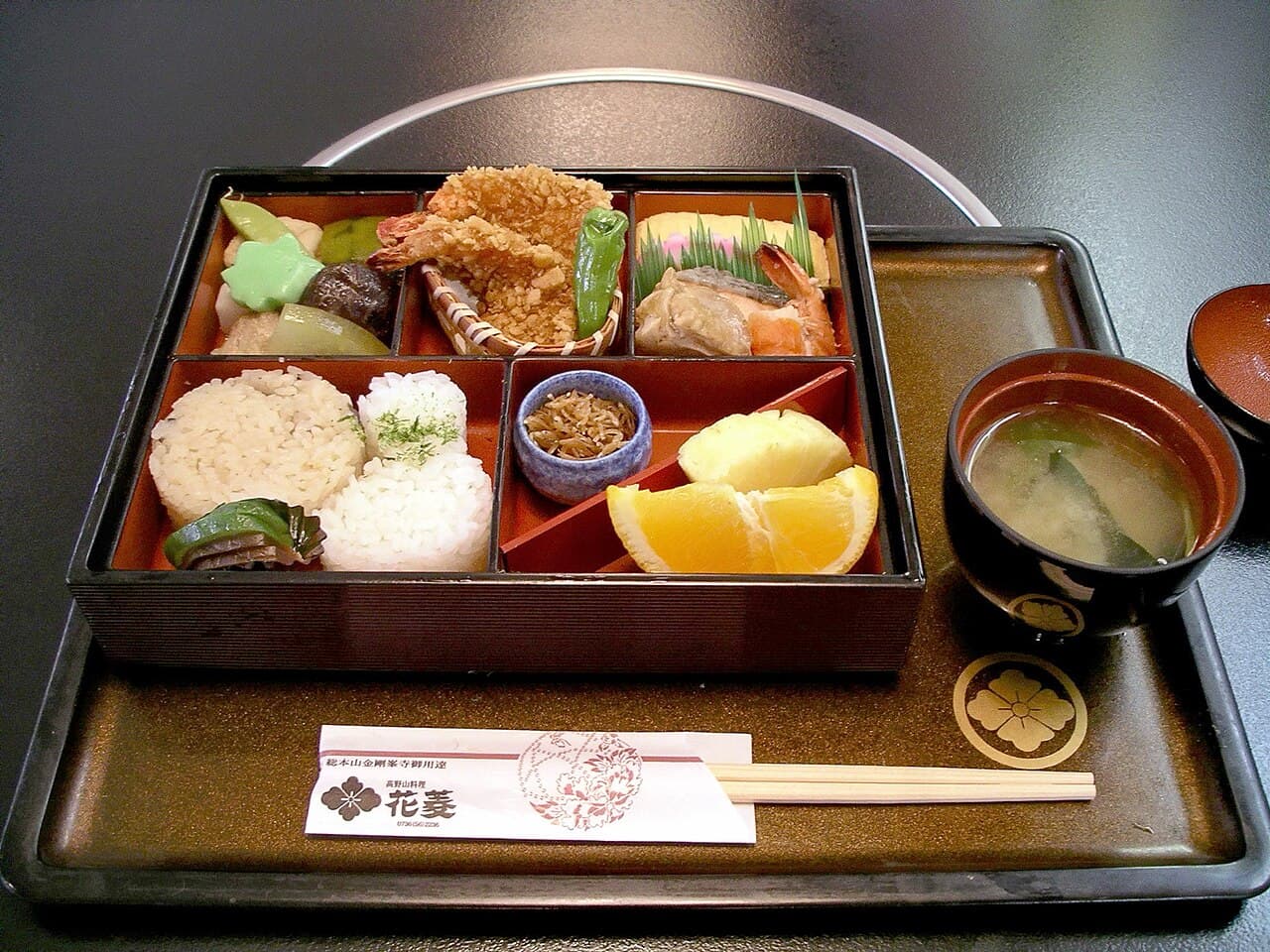
Riding the shinkansen with an ekiben on your lap is one of Japan's small joys — but if you're avoiding gluten, the romance hides a problem. Most ekiben (station bento) lean on soy sauce, teriyaki glaze, tempura, and simmered dishes, and regular Japanese soy sauce is made with wheat. The safest plan isn't to hunt for a certified gluten-free bento at the platform (they're rare to nonexistent). It's to board already stocked with food you trust.
Why most ekiben aren't safe
Ekiben are built around exactly the ingredients celiacs need to watch:
- Soy-sauce seasoning — colours the rice, tsukudani, and simmered vegetables. Wheat-based unless labelled otherwise.
- Teriyaki, unagi, and glazed proteins — the sauce is soy-and-mirin based.
- Tempura, korokke, tonkatsu, fried items — battered in wheat flour.
- Noodles, gyoza, shumai, breaded sides — obvious wheat.
- Pickles and konnyaku — sometimes fine, sometimes soaked in soy.
Even a "grilled fish and rice" box usually has a soy-marinated fish or a wheat-touched side. Allergen labelling on ekiben is inconsistent, and staff at the kiosk rarely have detailed ingredient info, so treat an unlabelled ekiben as unknown rather than safe.
What to board with instead
Assemble your own bento from a konbini or department-store depachika before you reach the platform:
- Plain onigiri — umeboshi or kombu are your best bets. Skip okaka (bonito-soy), tuna-mayo, and anything "yaki" (grilled with soy).
- Sashimi or salmon packs — pair with your own tamari rather than the sachet of wheat soy sauce.
- Fruit, boiled eggs, edamame, plain nuts — reliable fillers.
- GF snacks from home or a specialty shop — senbei made only from rice can work, but many are soy-brushed, so read the label.
- Your own small tamari bottle — note that even tamari can contain a little wheat, so choose a wheat-free (komugi fukumazu) one if you're celiac.
For reading packages on the fly, our guide to Japanese food labels and the konbini eating guide are worth a look before you travel. For the bigger picture, see our gluten-free Japan travel guide and the gluten-free dietary hub.
Honest limits
None of this is "celiac-safe" in a certified sense — konbini onigiri are made on shared lines, and cross-contamination can't be ruled out. If you're highly sensitive, lean on sealed, single-ingredient items (fruit, nuts, plain rice) and carry more than you think you need; long rides have few safe top-up options once you're moving.
Stock up in Tokyo first
If you're departing from Tokyo, buy dedicated gluten-free bread or baked goods the day before at a specialty bakery, so you have a genuinely safe carbohydrate on board. Then relax, watch Mount Fuji slide past, and enjoy the ride knowing lunch is already handled.
Places we’ve confirmed
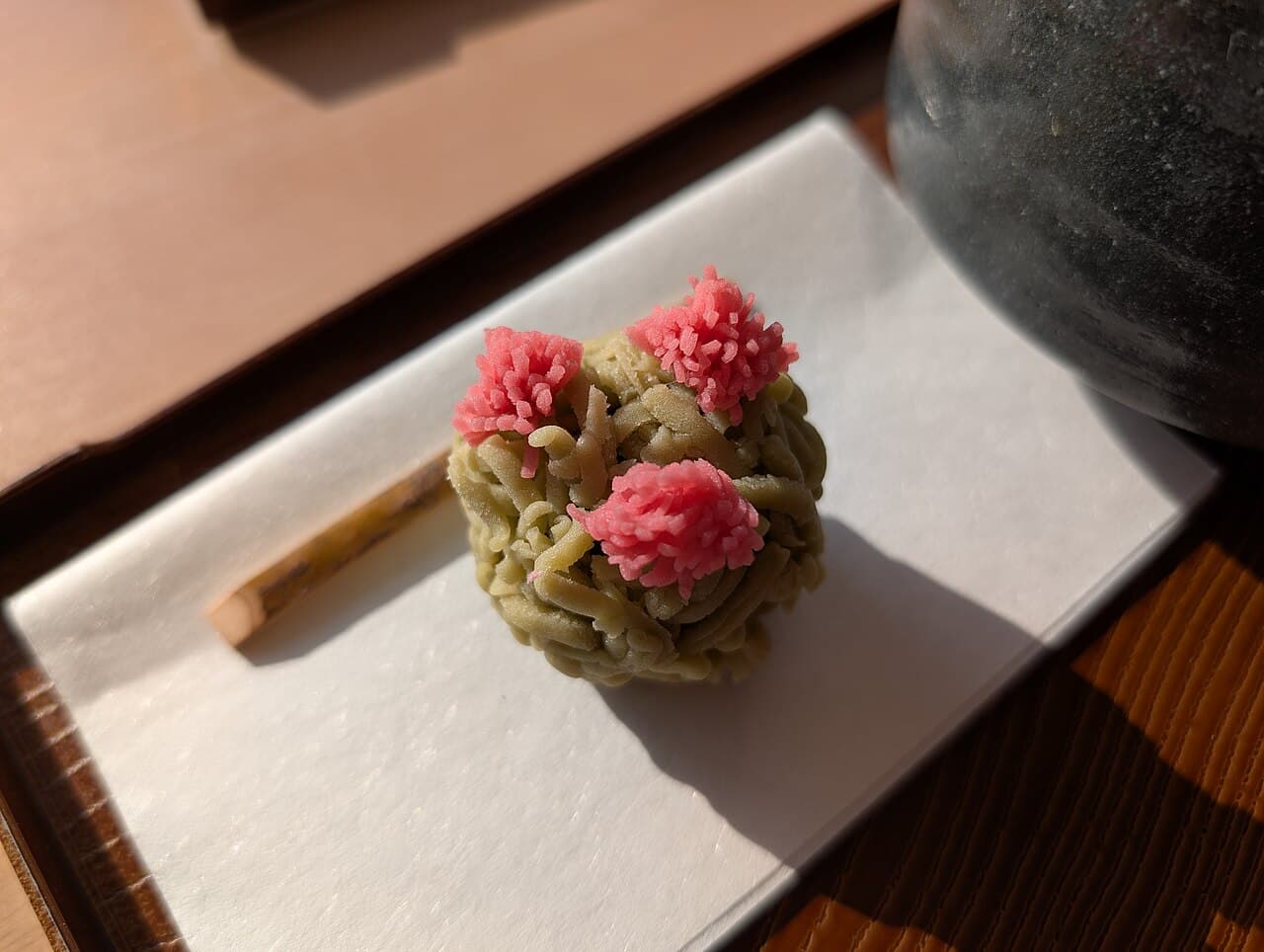
GEN-TEN Gluten-free Bakery
Brown-rice (genmai) bread and gluten-free taiyaki
A dedicated gluten-free, rice-flour bakery counter in the basement of Shibuya Scramble Square, making breads, taiyaki and sweets with no wheat, additives or white sugar, and many items are vegan and dairy-free. It is a grab-and-go bakery rather than a sit-down meal, and as a dedicated GF facility cross-contamination risk is low though not certified celiac-safe.
- Gluten-free
- Vegan
- Dairy-free
- Casual
- Solo
Sources
FAQ
- Are there any certified gluten-free ekiben at the station?
- Not reliably. Certified GF station bento are effectively nonexistent, and allergen labelling on ekiben is inconsistent. Treat an unlabelled ekiben as unknown and board with your own safe food instead.
- Is the soy sauce sachet with my sashimi safe?
- No — standard Japanese soy sauce is made with wheat. Carry your own small bottle of tamari, and if you're celiac, choose a wheat-free (komugi fukumazu) tamari, since some still contain a little wheat.
- Can I rely on konbini onigiri as celiac-safe?
- Rice onigiri like umeboshi or kombu are usually low-risk, but they're made on shared lines, so we can't call them celiac-safe. If you're highly sensitive, lean on sealed single-ingredient items and pack extra.