
Food culture
The konbini guide: how to eat well at a convenience store
Not what you expect
Unlike convenience stores elsewhere, a Japanese konbini (7-Eleven, Lawson, FamilyMart) is a reliable, cheap and genuinely tasty meal — open 24/7, everywhere. It's a traveller's best friend for breakfast, a late snack, or a budget day.
What to grab
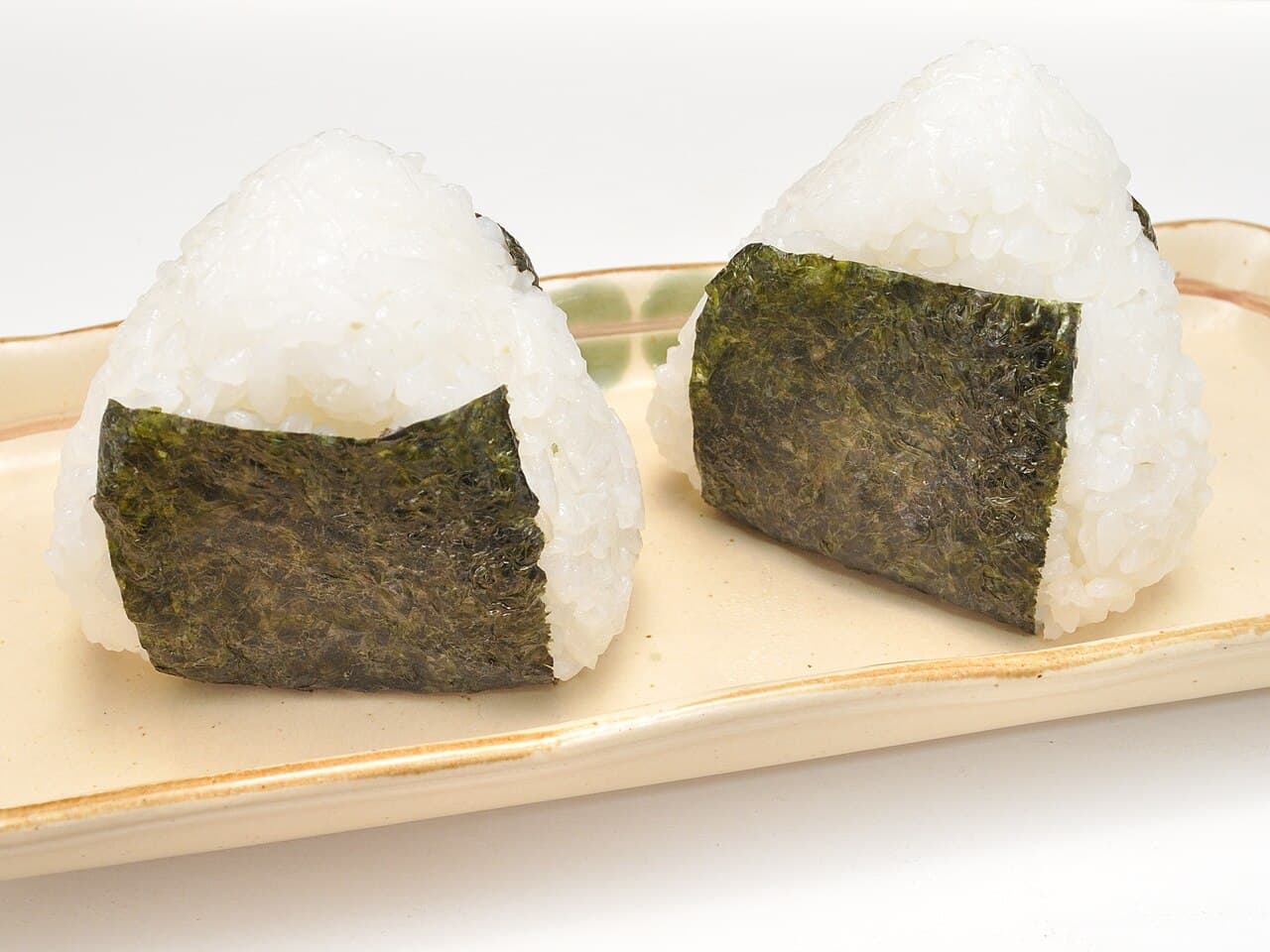
- Onigiri: fresh rice balls — tuna-mayo, salmon, umeboshi (vegan). Look for the wrapping that keeps the nori crisp.
- Bento & pasta: hot meals heated at the register.
- Oden (winter): pick pieces from the counter pot.
- Fried chicken: Lawson's Karaage-kun, FamilyMart's Famichiki.
- Sandwiches: the egg-salad tamago sando is a cult favorite.
- Sweets, coffee and a huge drinks wall, plus ATMs and clean toilets.
Tips
Staff will ask atatamemasu ka? (“shall I heat it?”) — say yes for bento. Hot water is free for cup noodles. For dietary needs, read the ingredient labels (often Japanese only) — onigiri with umeboshi or kombu are usually vegan, but check.
FAQ
- What should you buy to eat at a Japanese konbini?
- Onigiri rice balls (tuna-mayo, salmon, umeboshi), bento and pasta heated at the register, oden in winter, fried chicken such as Lawson's Karaage-kun or FamilyMart's Famichiki, and the cult egg-salad tamago sando.
- What should you know before ordering at a konbini?
- Staff will ask 'atatamemasu ka?' ('shall I heat it?') — say yes for bento. Hot water for cup noodles is free, and dietary needs are checked on the ingredient labels, which are often Japanese only.