
Halal in Japan — checked in person, and dated
Halal in Japan —
what is verified, and what to ask
Certified wagyu over charcoal. A pork-free ramen counter in Asakusa. Nine prayer spaces, mapped beside the table.
No Japanese dish is halal by its name. The kitchen decides it — where the meat came from, whether the fryer is shared, whether there is mirin in the sauce. We go, we ask, we write down who certified what and on what date. When we could not confirm something, we say so instead of rounding it up.
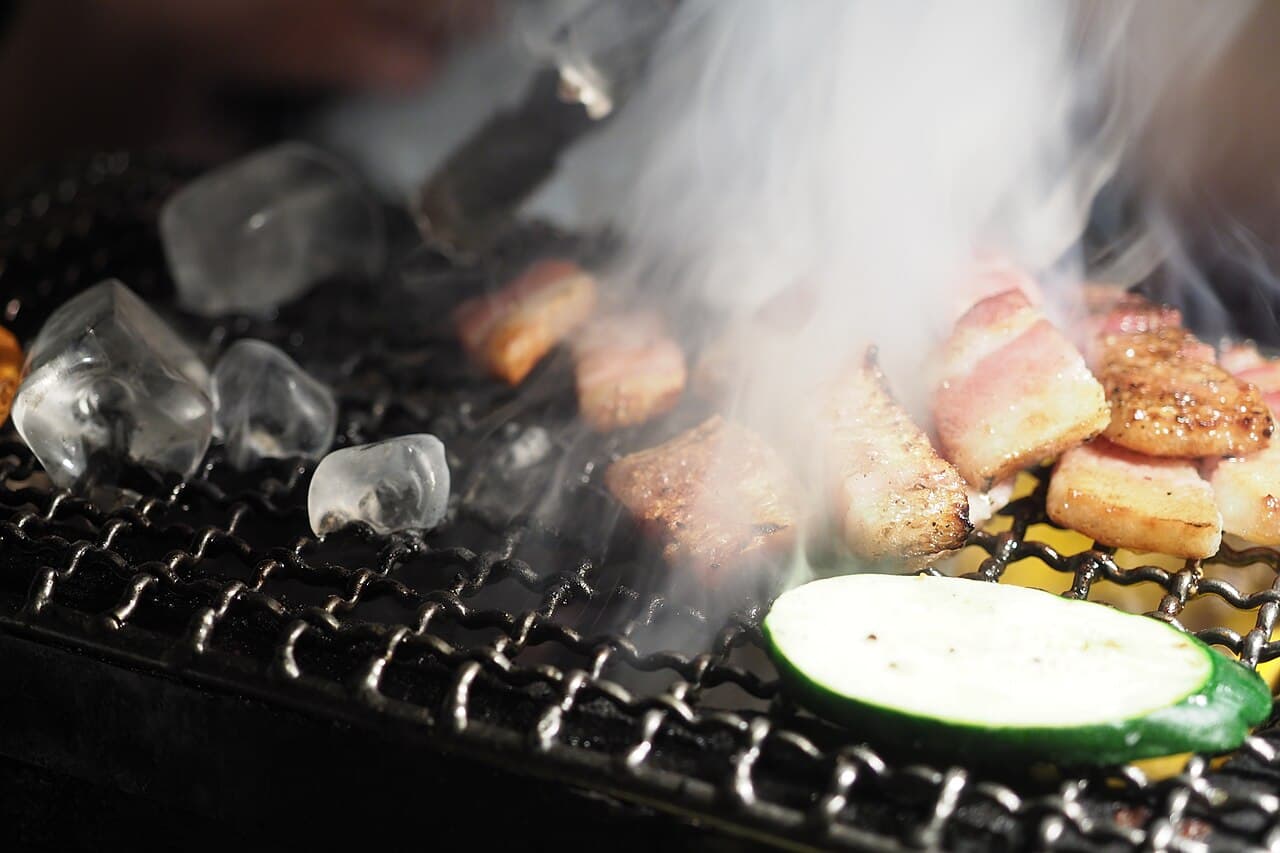
Halal tables we have visited — pinned by the editors, not by a score
All 169 tables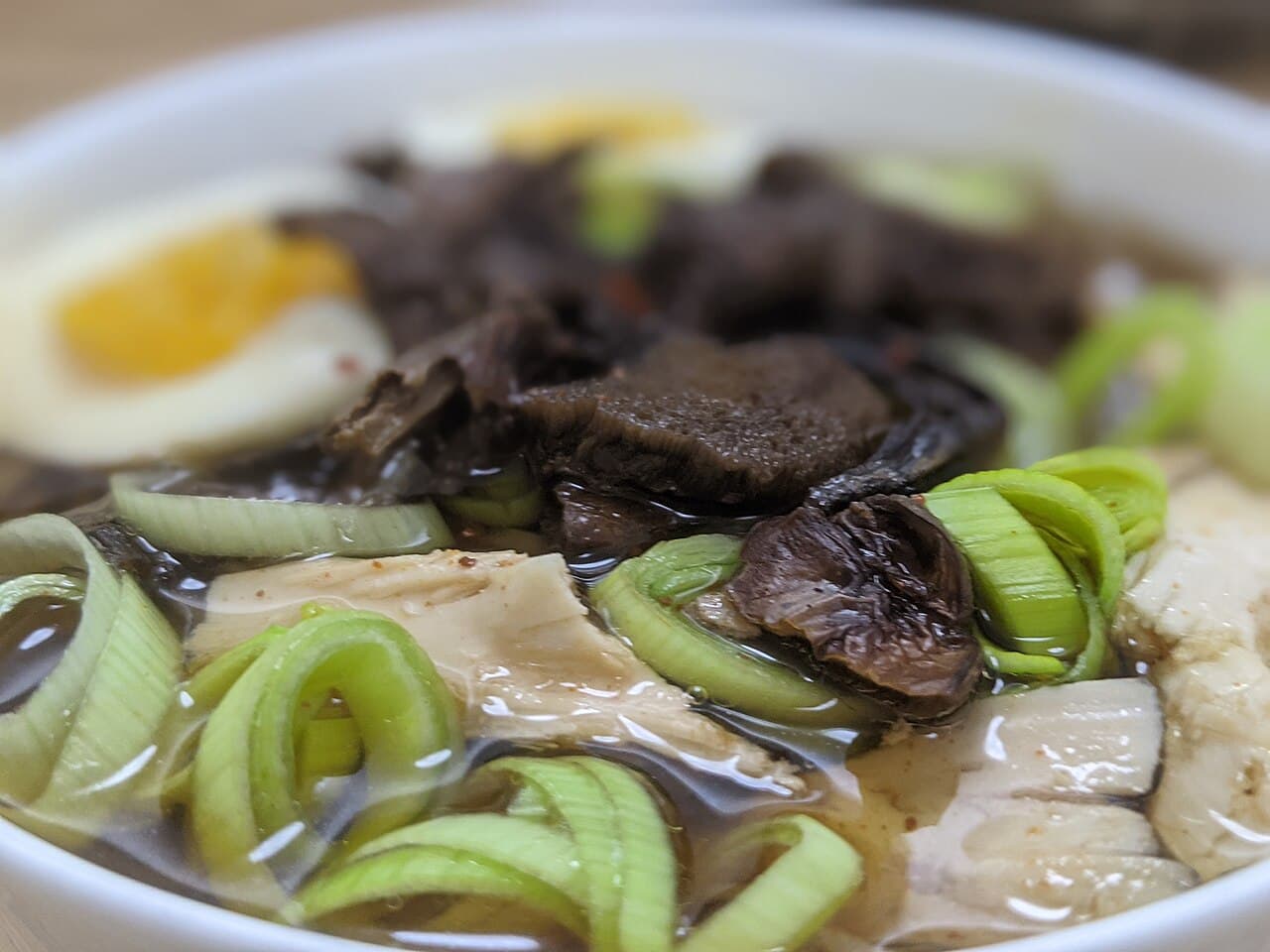 Gyumon Halal Ramen Asakusa: Wagyu Broth, No PorkPork-free wagyu beef ramen (broth from 20+ wagyu cuts & seasonings)Gyumon Halal Ramen Asakusa is a halal-certified, pork-free wagyu ramen kitchen.
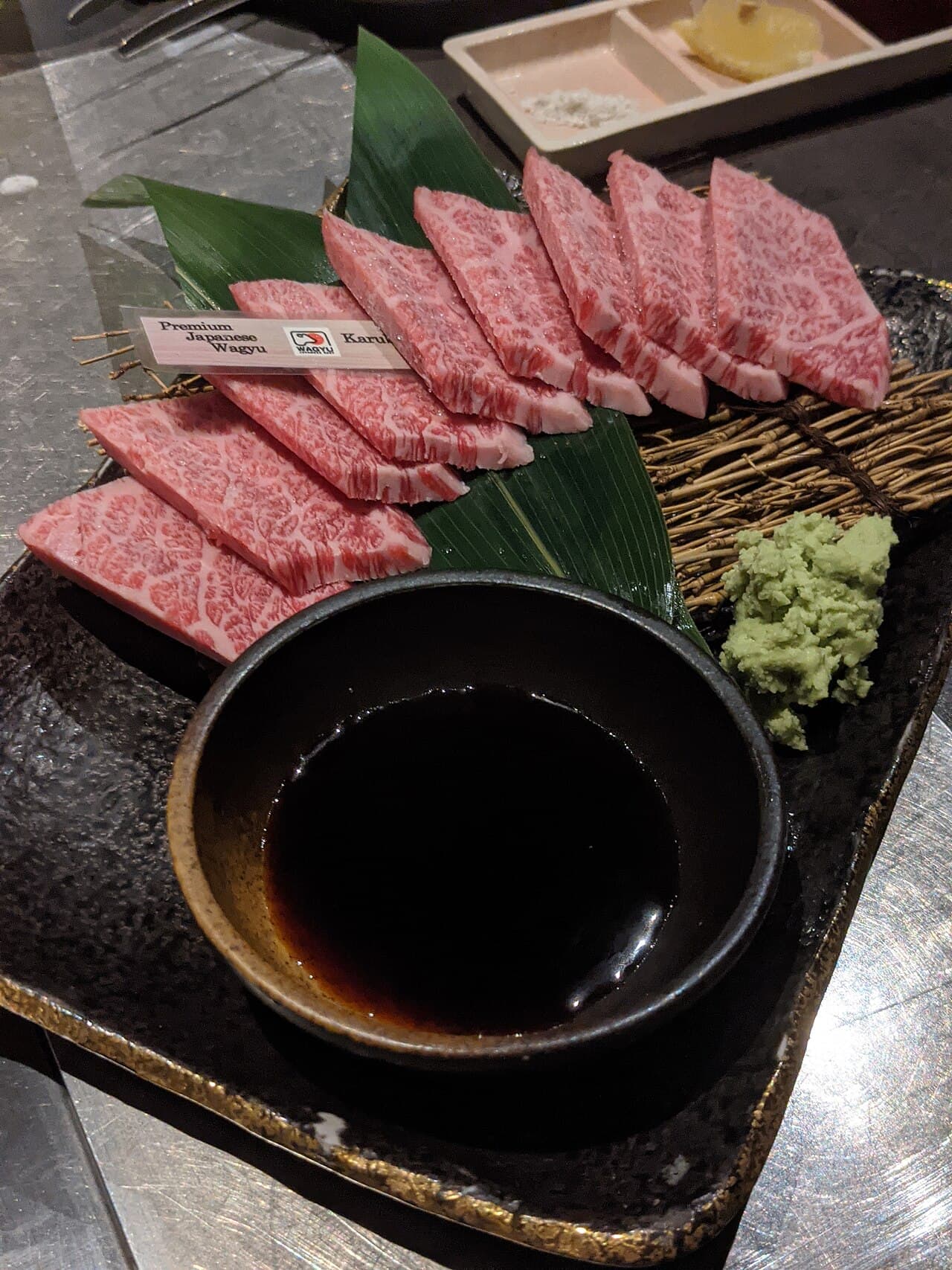
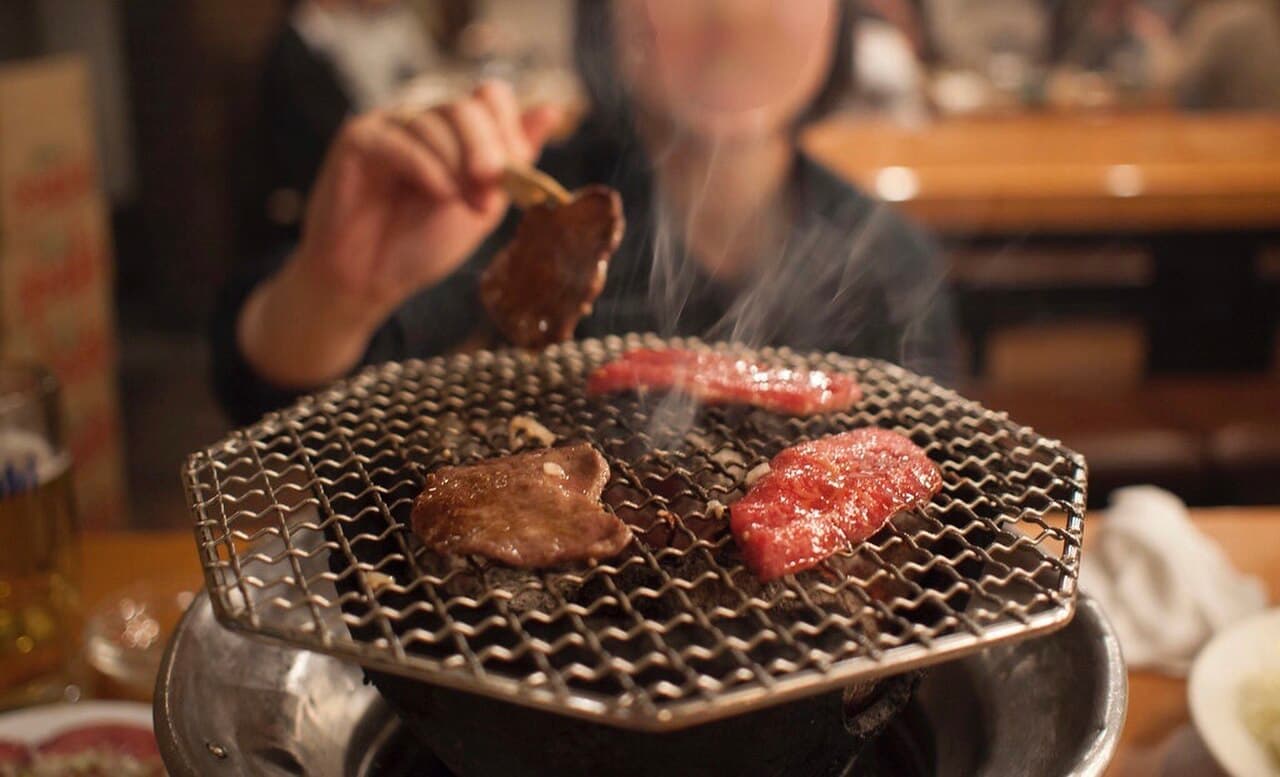 Gyumon Halal Wagyu YakinikuA5 halal-certified wagyu grilled over shichirin charcoalInside a creaky two-storey wooden folk house a short walk from Shibuya, A5 halal-certified wagyu sizzles over shichirin charcoal — with a prayer room upstairs.
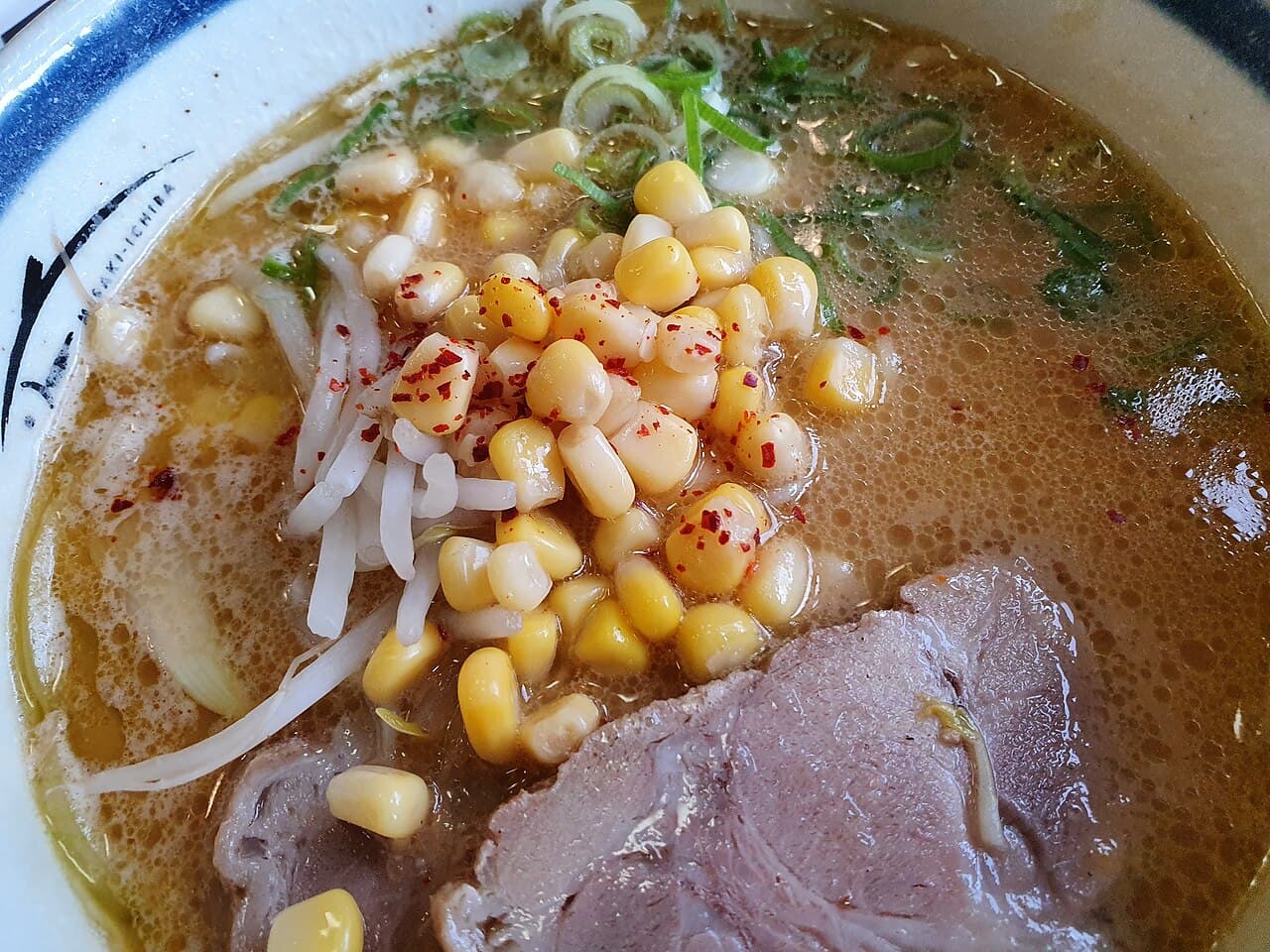 Honolu Halal Ramen (Shinjuku-Gyoenmae)Chicken paitan ramen — creamy broth from halal chicken simmered over 6 hoursA no-pork, no-alcohol ramen counter east of Shinjuku Gyoen where Japan Islamic Trust-certified halal chicken is coaxed into a tonkotsu-rich paitan that converts sceptics.
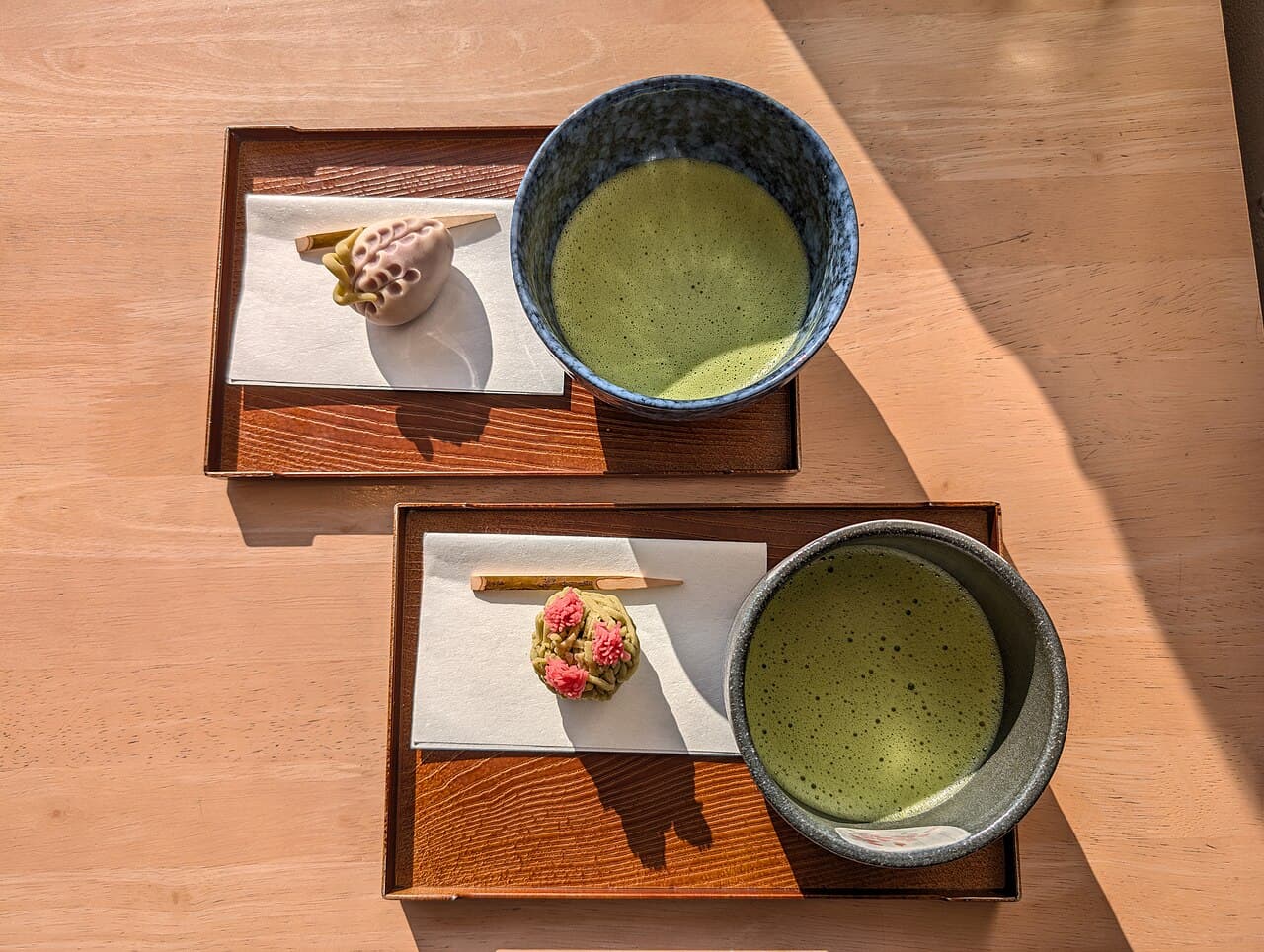 Tokyo Camii TC Cafe & Halal MarketA Muslim-friendly Turkish patisserie/cafe inside Japan's largest mosque, the Tokyo Camii & Diyanet Turkish Culture Center, serving halal confectionery alongside an attached halal market. The mosque is open to non-Muslim visitors outside prayer times.
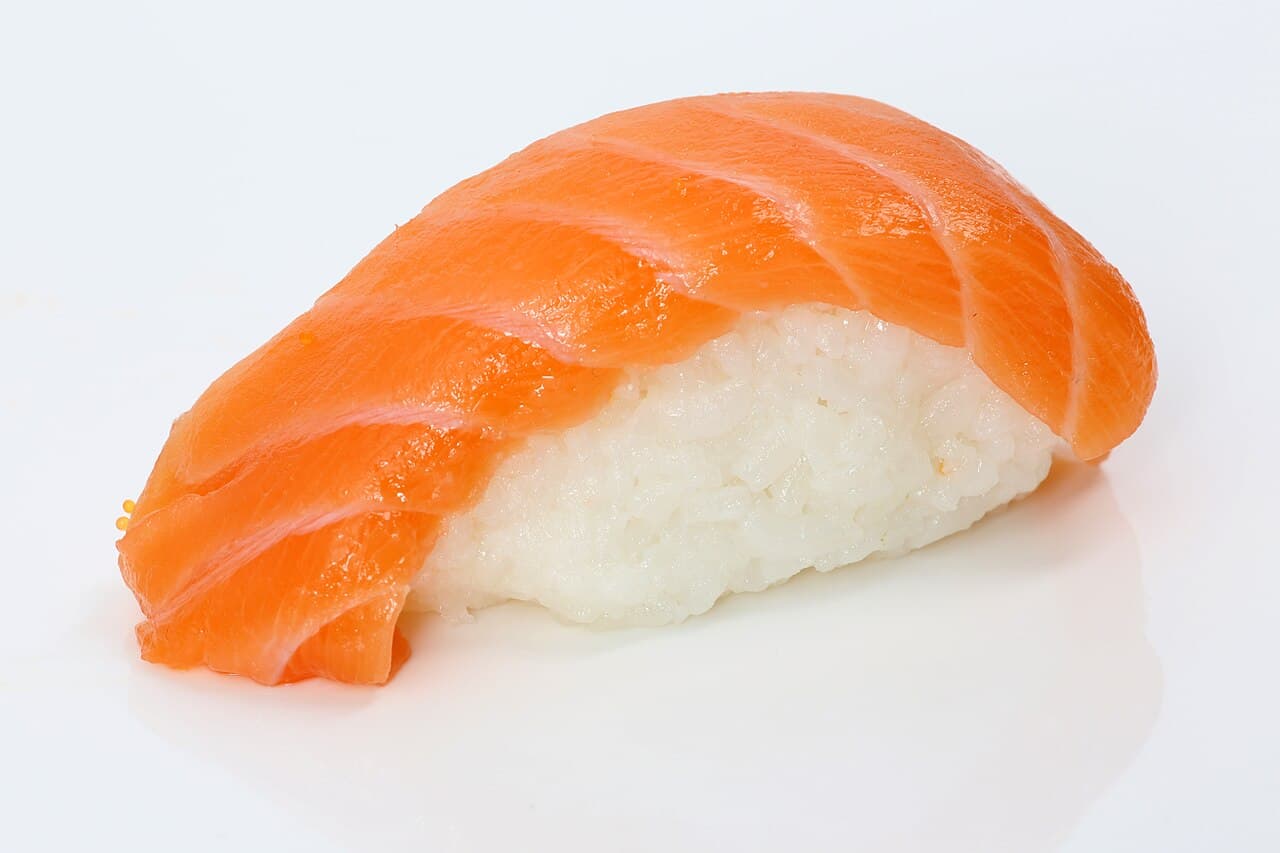 Asakusa Sushi KenJapan's first halal-certified sushi house, steps from Senso-ji, serving full Edomae nigiri — soy, fish and pickles all halal — with a second-floor prayer room built with the local mosque.
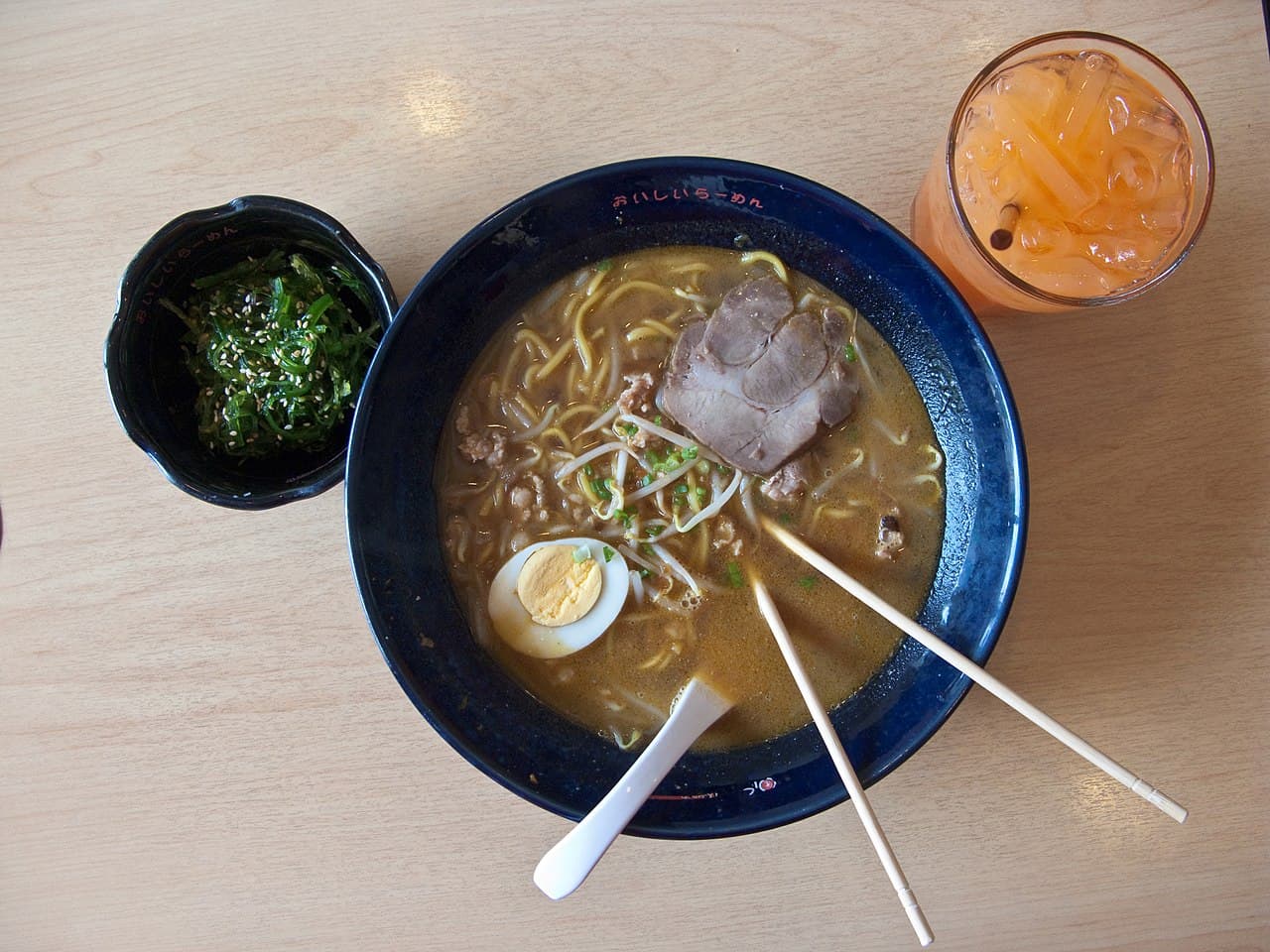 Halal Wagyu Ramen Shinjuku-teiThis flagship near Shinjuku-sanchome crowns a 100% halal-certified bowl with slices of seared A5 wagyu roast beef — pork- and alcohol-free, prayer space on hand.
Editor-visited & tasted
Every listing is editor-visited and tasted — never compiled from other people’s reviews.
Certified, Muslim-friendly, or marked unverified
Certified, Muslim-friendly, or unverified — three different promises, never blurred into one. Mirin, cooking sake and shared fryers asked about face to face, and dated.
Real booking & official links
Genuine Tabelog and official pages, working booking links — no dead ends.
The seasonal table — 旬の膳
All Japanese foodFind your restaurant by diet
Halal first — then gluten-free, pescatarian and kosher. Tap your precept and see every place we have actually confirmed, and how far that confirmation goes.
Also: Vegan · Vegetarian · Dairy-free · Nut-free — All dietary guides
Show-to-staff phrasebook
Hold your phone up to the staff. The exact Japanese for pork and alcohol — and for the two words that decide most meals in Japan: mirin (みりん) and cooking sake (料理酒).
Open the full phrasebookShow this card to staff
豚肉とお酒(アルコール)は食べられません。
I can't eat pork or alcohol.
And always ask —
みりんや料理酒は使っていますか?
Do you use mirin or cooking sake?
Explore Japanese food — the menu
See all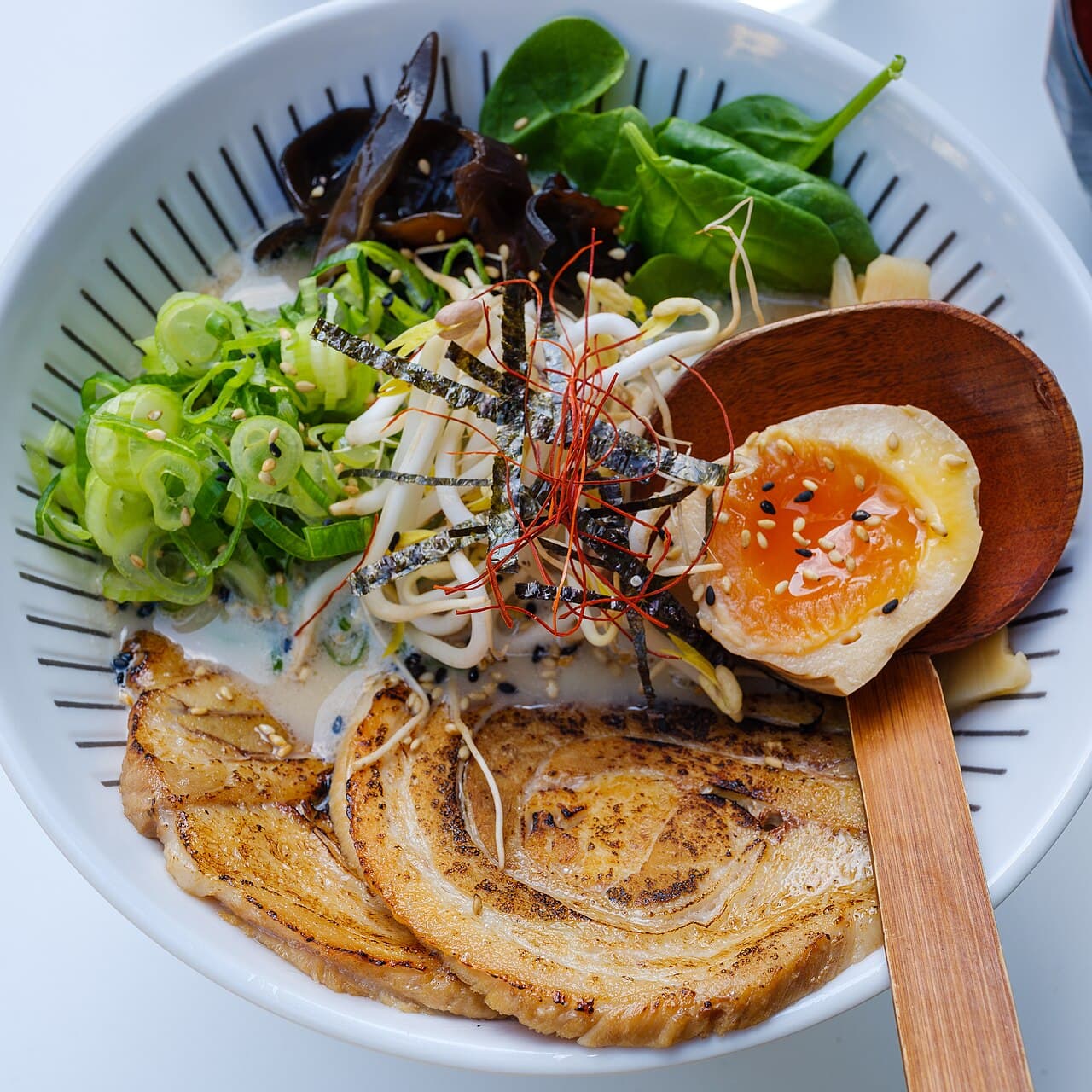
Editor’s picks — the 選 seal, our highest word
All 169 tables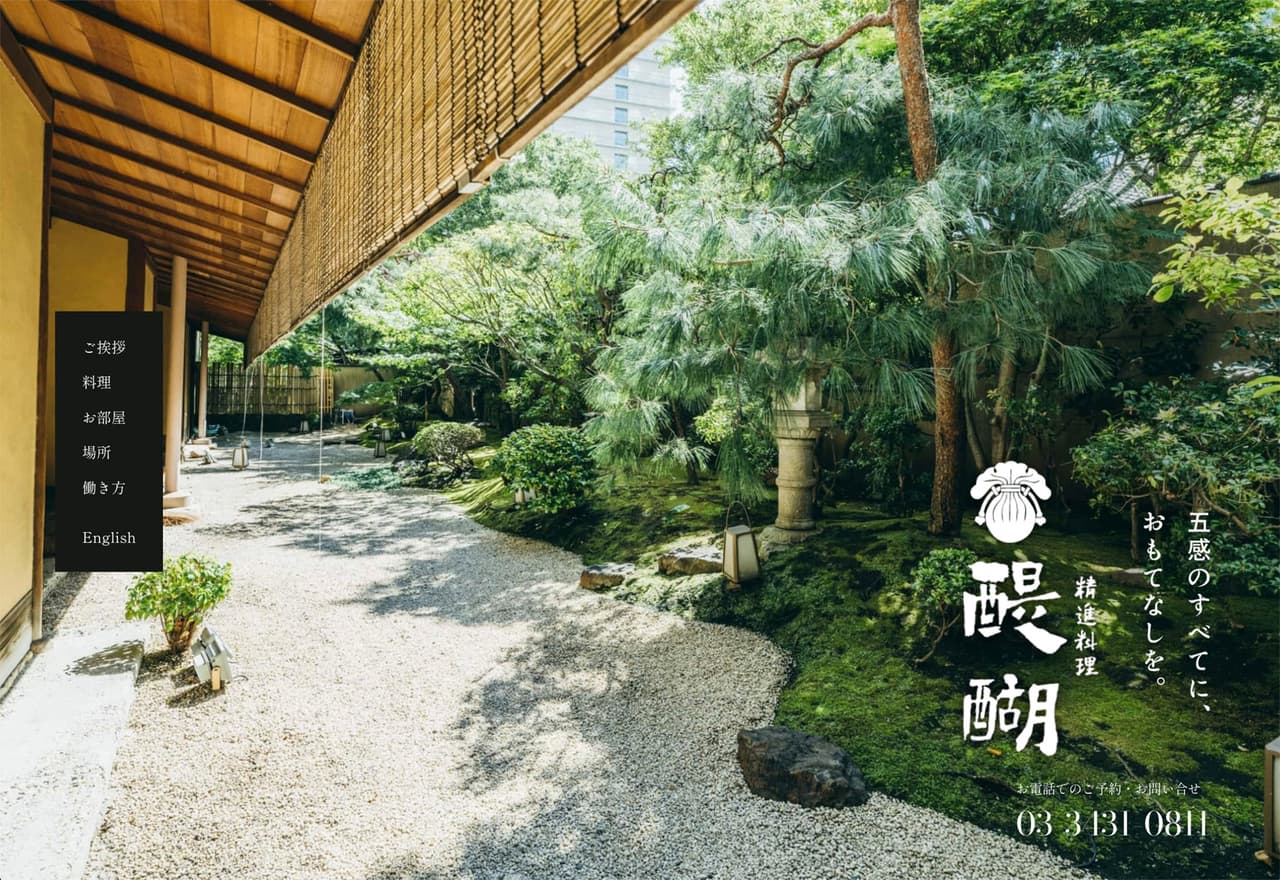 Shojin Ryori DaigoA one-Michelin-star Buddhist vegetarian kaiseki house at the foot of Mt. Atago, serving seasonal plant-based courses overlooking a garden since 1950.
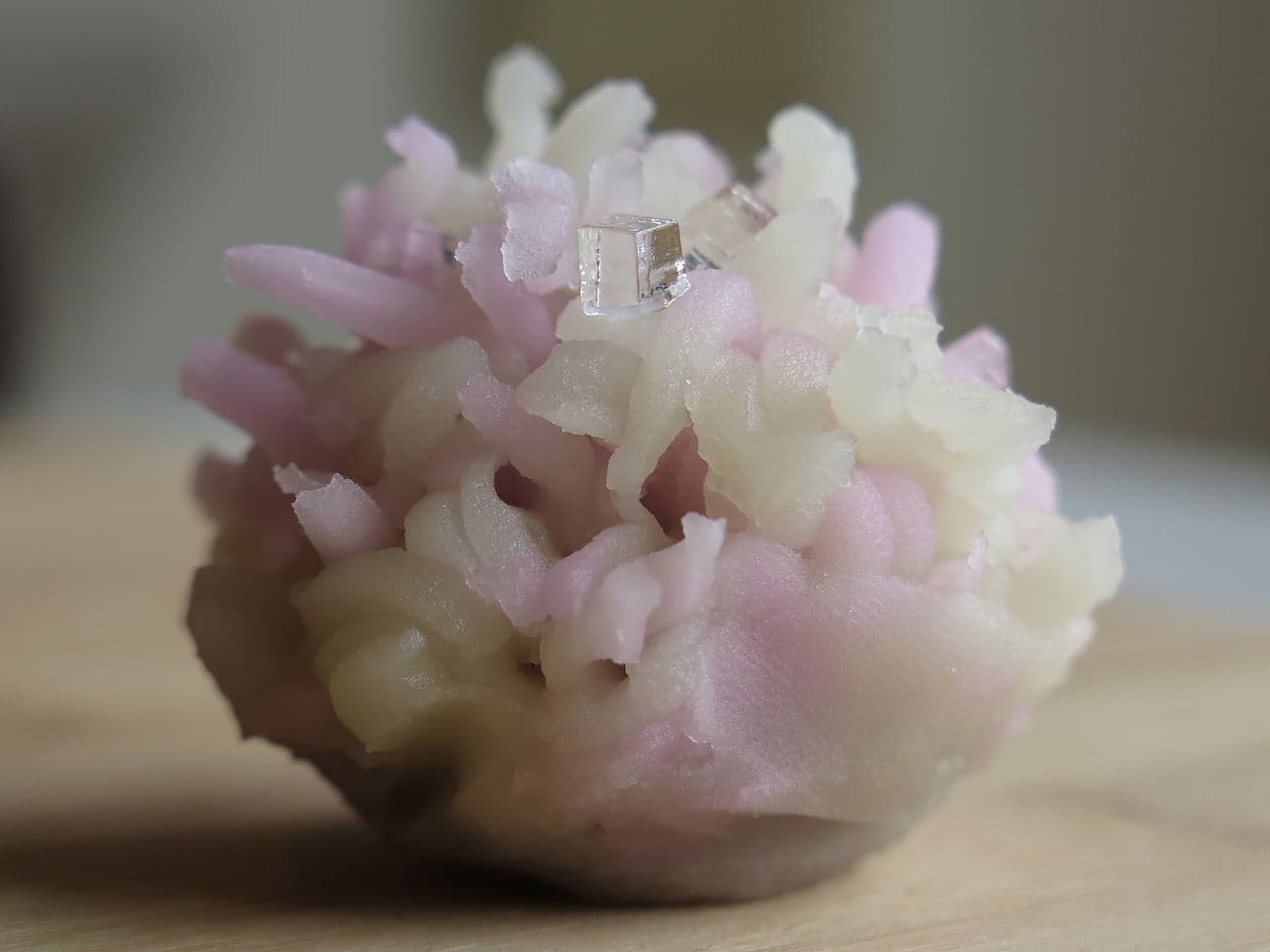 Sembikiya Fruit ParlourThe dine-in fruit parlour of Japan's oldest luxury fruit purveyor, founded in Nihonbashi in 1834, serving lavish parfaits of world-class fruit in a bright, elegant salon.
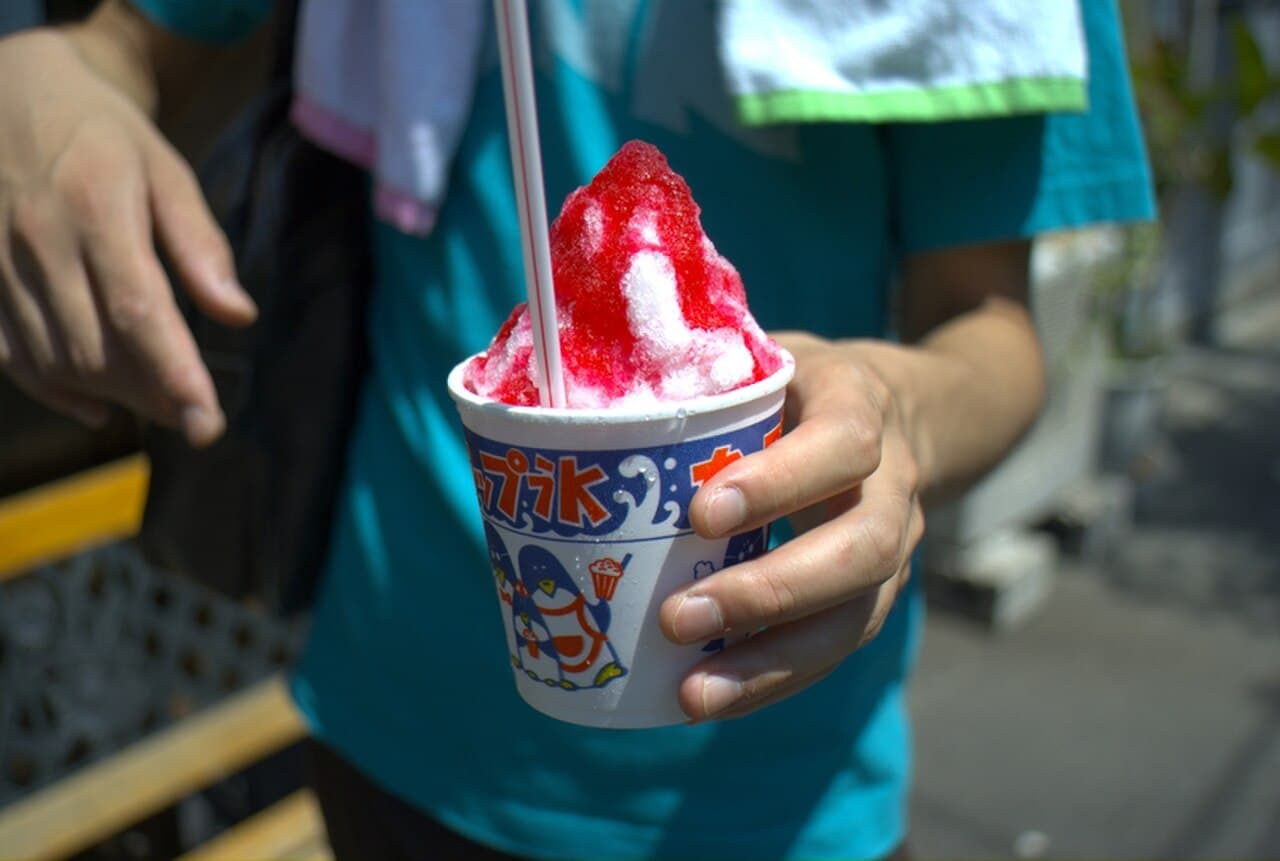 HimitsudoA pioneering kakigori specialist in old-town Yanaka, hand-shaving natural Nikko ice into fluffy mountains drenched in house-made seasonal fruit syrups — summer lines wrap the block.
 Mihashi UenoFounded in 1948 in front of Ueno Park, this beloved anmitsu parlour crowns chewy agar jelly with Hokkaido azuki anko and Okinawan brown-sugar syrup.
Explore by area — Akihabara · Mita · Atago · Nihonbashi · Yanaka · Ueno / Okachimachi · Tsukiji · Jimbocho