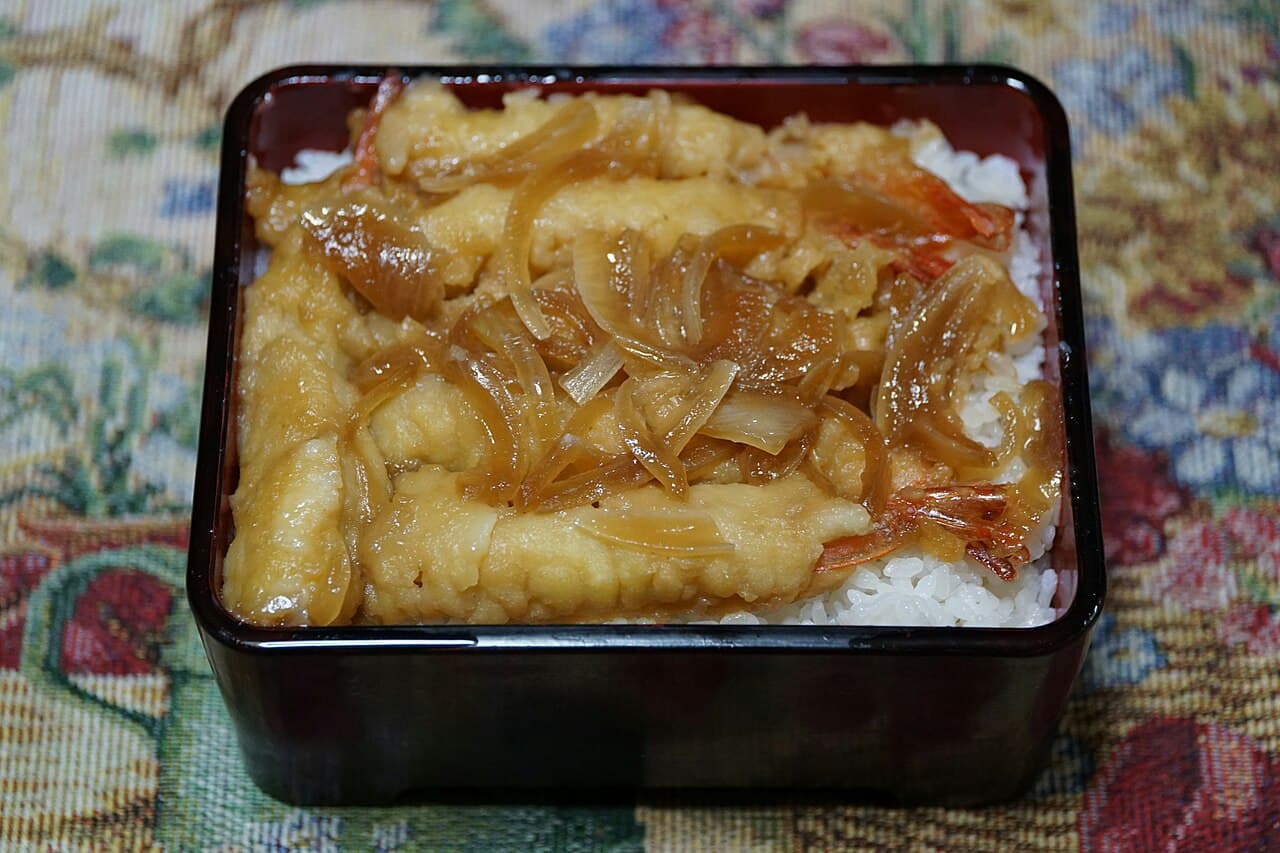
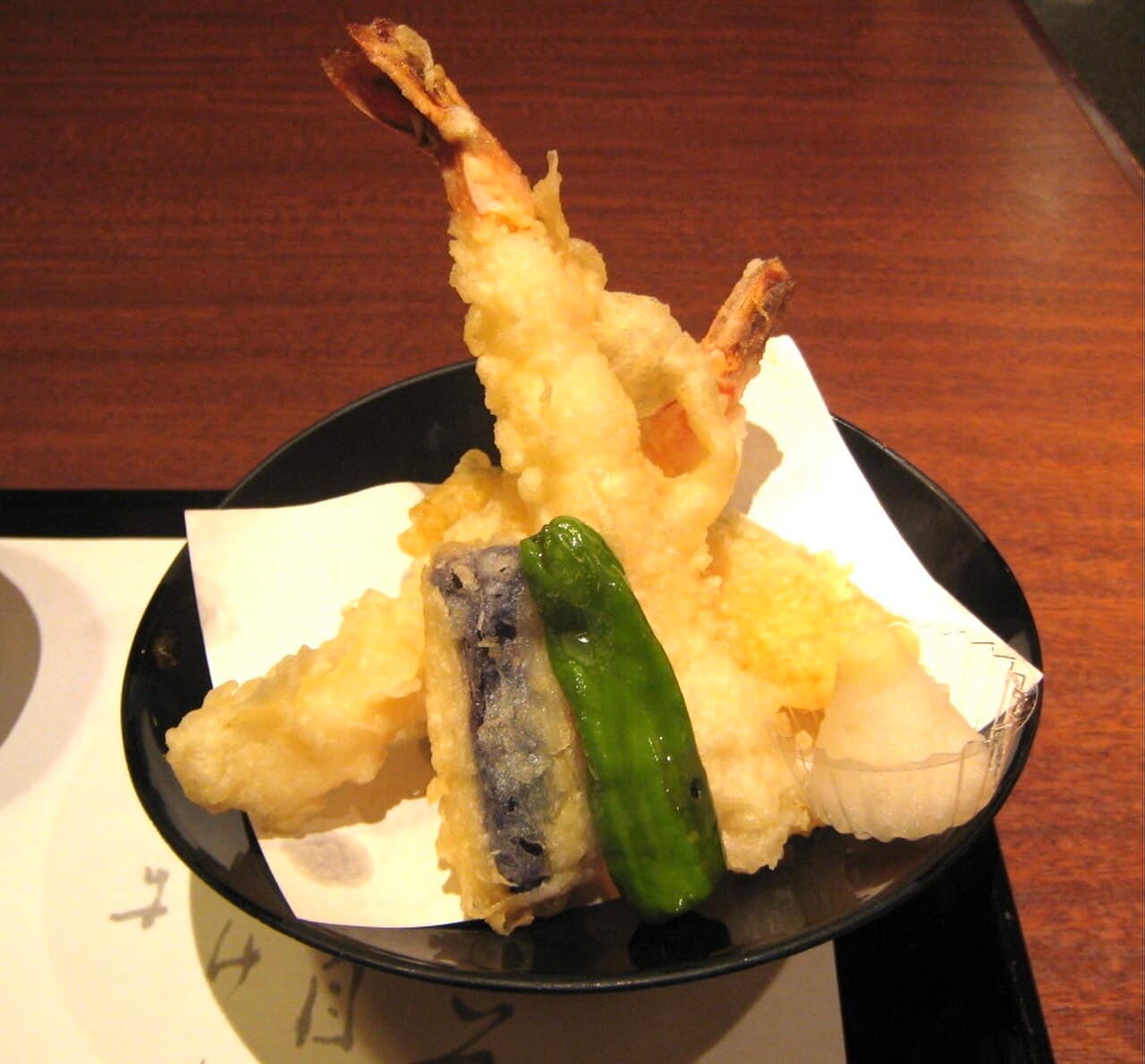
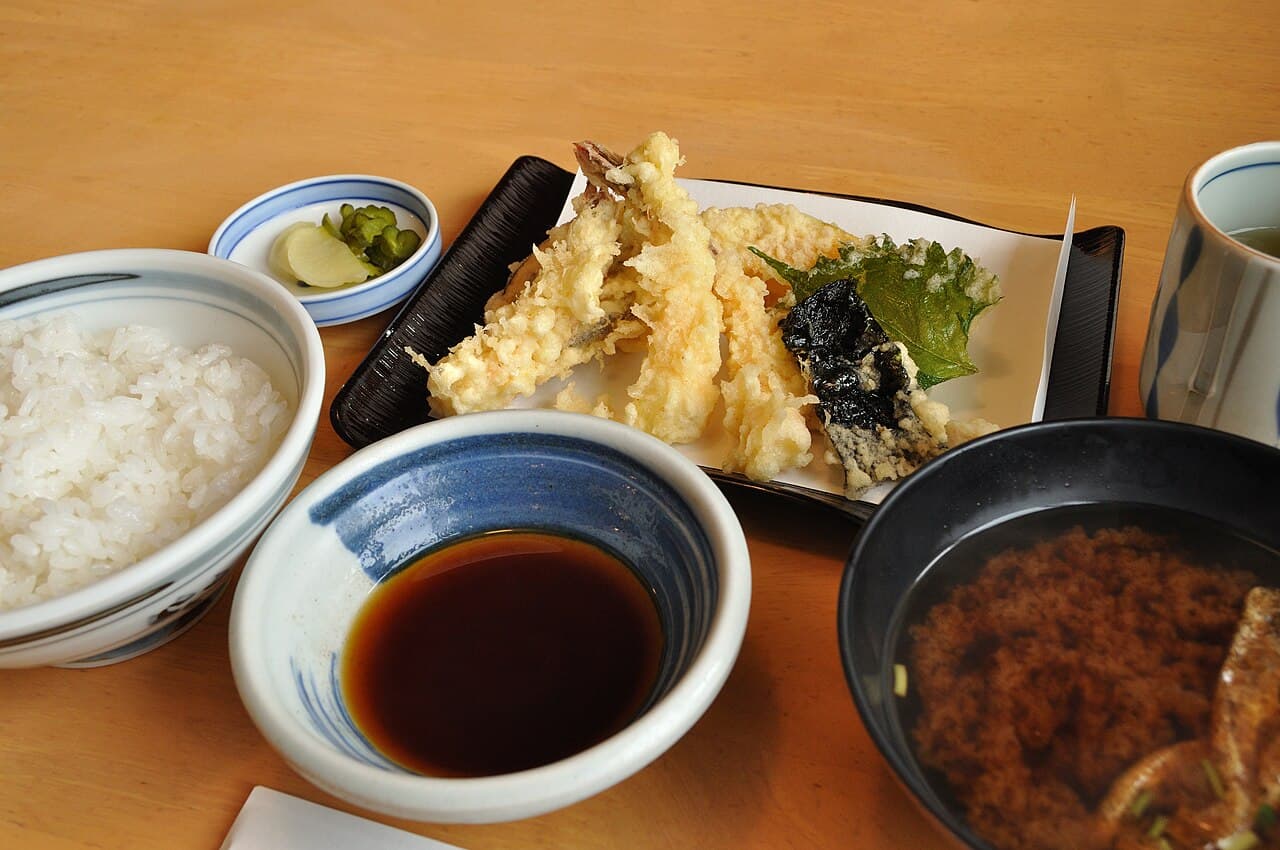
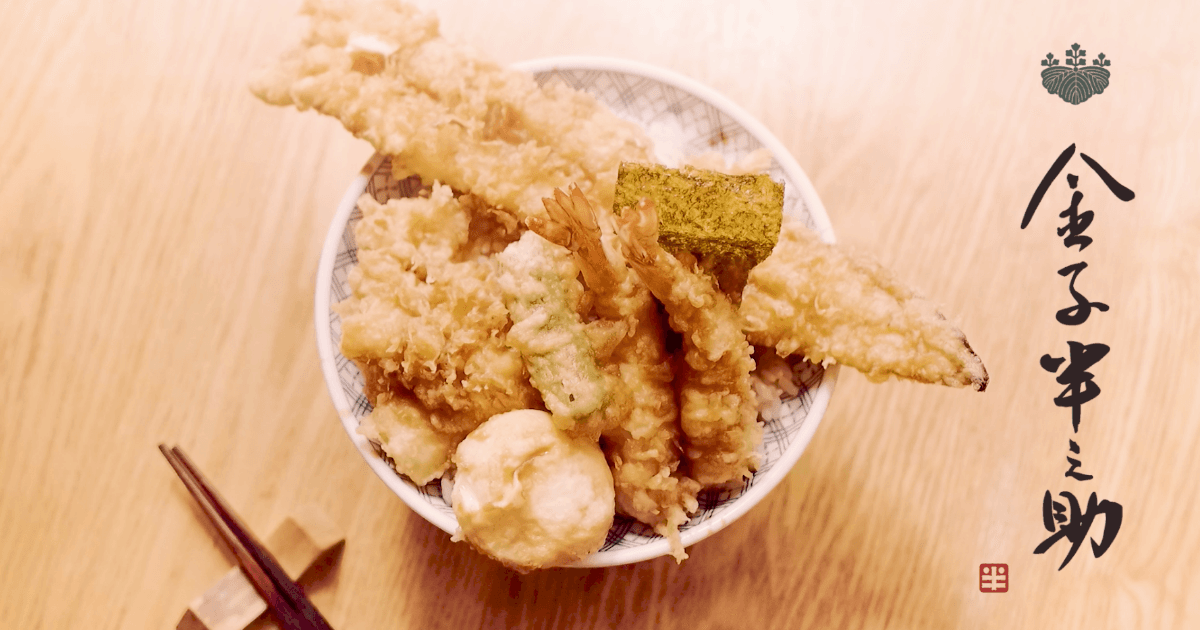
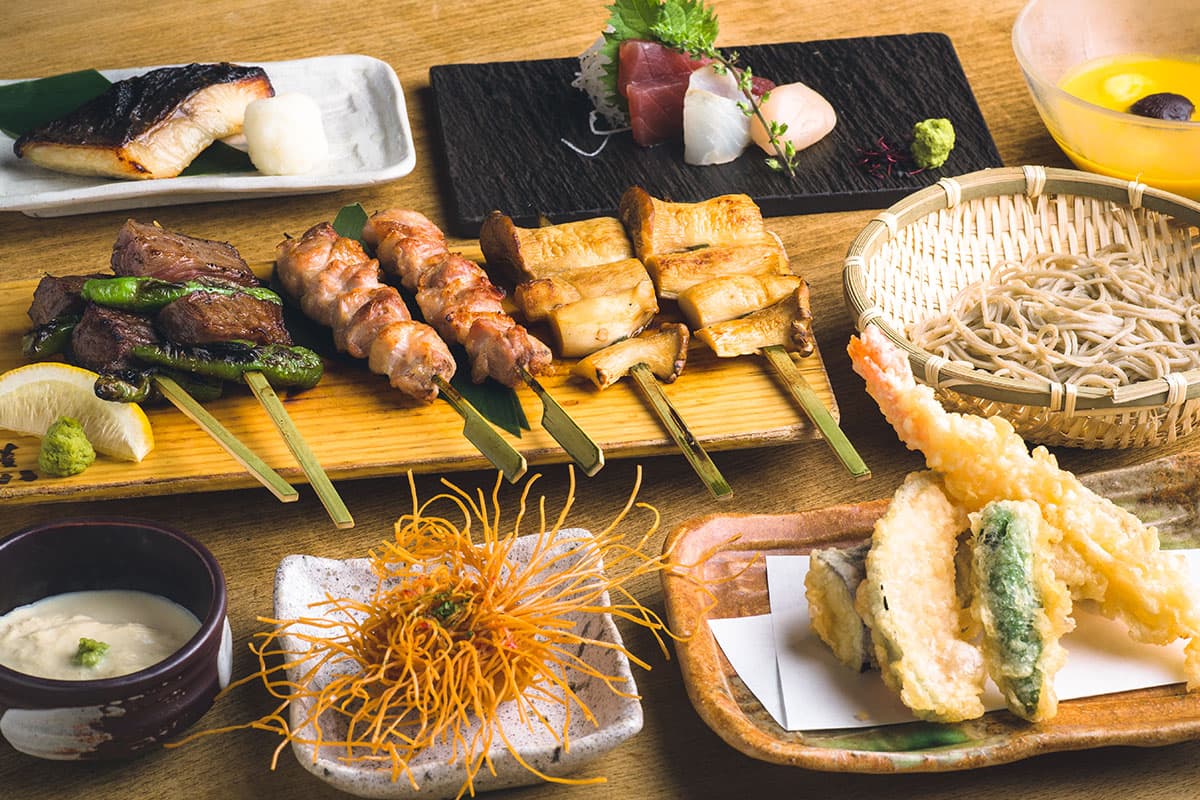
Tempura is seafood and vegetables in a light batter, fried in hot oil until barely crisp. A counter chef fries piece by piece and sets each one before you at its peak. Eaten with tentsuyu dipping sauce or simply a pinch of salt.
What it means
The technique arrived with 16th-century Portuguese traders, but Japan made it its own — refining the batter to a near-transparent crackle and elevating it to kappo haute cuisine. It's a lesson in Japanese restraint: the cook's skill is to add almost nothing, so the ingredient sings.
Why it's wonderful
Great tempura is shockingly light — no grease, just a clean crunch giving way to sweet prawn or tender vegetable. At a good counter, the rhythm of fry-and-serve is half the pleasure.
Standard batter is wheat (not gluten-free) and egg. Rice-flour, gluten-free and halal tempura counters now exist; vegetable courses suit vegetarians.
FAQ
What is Tempura?
Seafood and vegetables in a lace-light crisp.
Is Tempura vegetarian, vegan, halal or gluten-free?
Standard batter is wheat (not gluten-free) and egg. Rice-flour, gluten-free and halal tempura counters now exist; vegetable courses suit vegetarians.
💬Recipes and preparation vary by restaurant, so this is a general guide. If you're ever unsure, please confirm directly with the venue before you order — they'll appreciate the heads-up.
Where to try it — and book a table
Editor-picked spots for this dish. Each opens the listing we verified it against — hours, photos and how to get in touch.
Founded in 1924, this beloved tempura institution fries seasonal seafood and vegetables in pure sesame oil piece by piece — the accessible Ginza branch sits atop Matsuya department store.
★ Wagyu sirloin and tiger prawn tempura in rice-flour batter
A ten-seat counter beneath a canopy of cherry blossoms where every course — even the wagyu and prawn tempura — is fried in rice flour: fully gluten-free and halal.
A perpetually-queued Tabelog Top-100 udon shop near Shinjuku where every bowl of springy noodles is cut and boiled to order — try the cult carbonara udon.
The towering wooden-beamed izakaya that inspired Kill Bill's House of Blue Leaves, where lantern light conjures an Edo-era warehouse over plates of fresh soba and charcoal skewers.
★ Mori soba (cold buckwheat noodles) and tempura soba
Founded in 1884 and housed in a Tokyo-designated historic wooden building, this Kanda institution serves hand-cut soba in a bustling, time-worn dining hall.