Find a restaurant Every table here is one we’ve actually eaten at. Narrow by neighbourhood, craving, occasion, budget — or your diet — and find tonight’s restaurant in a single tap.
🕌 Halal🌾 Gluten-free🐟 Pescatarian✡️ Kosher🕌 Halal32 🌾 Gluten-free30 🐟 Pescatarian22 ✡️ Kosher1 🥬 Vegetarian66 🌱 Vegan56 🥛 Dairy-free28 🥜 Nut-free2
Area All Akasaka Akihabara Arashiyama, Kyoto Asakusa Atago Azabu Azabu-Juban Daikanyama Dotonbori, Osaka Ebisu Ginza Gion, Kyoto Hakata / Tenjin, Fukuoka Harajuku Iidabashi Ikebukuro Iriya (Taito) Jimbocho Jingumae Jiyugaoka Kagurazaka Kanda Karasuma, Kyoto Kichijoji Kinshicho / Sumida Kita-Kamakura, Kanagawa Kiyamachi, Kyoto Koenji Meguro Mita Nakameguro Nakano Naramachi, Nara Nihonbashi Ningyocho Nishi-Azabu Nishiazabu Ogikubo Otsuka Roppongi Ryogoku Sangenjaya / Daizawa Shibuya Shimogamo, Kyoto Shimokitazawa Shinjuku Shinsekai, Osaka Shirokane / Hiroo Takadanobaba Tokyo Station Toyosu Tsukiji Tsukishima Ueno / Okachimachi Uguisudani Yagenbori, Hiroshima Yanaka Yokohama Chinatown Yoyogi-Hachiman Yoyogi-Uehara Yurakucho Yushima (Ueno area) Cuisine All 100% buckwheat (juwari) soba 100% gluten-free cafe (lunch & sweets) 100% vegan CBD cafe & deli All-vegan cake & dessert cafe All-vegan cyberpunk burger bar All-you-can-eat sushi & A5 wagyu (halal course available) American pizza (gluten-free / vegan options) Cantonese cuisine Chanko-nabe (sumo hot pot) Classic izakaya Conveyor-belt (kaiten) sushi DIY okonomiyaki & monjayaki Dedicated gluten-free Japanese cafe (gyoza, karaage, ramen) Dedicated rice-flour gluten-free bakery Edomae sushi & seafood bowls Edomae sushi (est. 1889) Edomae sushi (omakase) Edomae tempura (seafood & vegetable) European-style Japanese curry Farm-to-table organic vegetables (GF options) Fruit parlour (parfaits & fruit desserts) Fruit parlour / parfait Fucha-ryori (Buddhist vegetarian cuisine) Gluten-free & halal tempura Gluten-free & vegan ohagi / wagashi cafe Gluten-free bakery & cafe Gluten-free brown-rice bakery Gluten-free comfort food Gluten-free kushiage (fried skewers) Gluten-free patisserie & cafe Gluten-free sweet-potato cafe & dessert Gyukatsu (beef cutlet) Hakata tonkotsu ramen Halal Edo-style sushi Halal Japanese curry Halal Sri Lankan curry & mazemen Halal chicken ramen Halal chicken-broth ramen Halal ramen Halal ramen (chicken paitan) Halal tendon (tempura rice bowl) Halal wagyu ramen Halal wagyu ramen & beef cutlet Halal wagyu steak & burger Halal wagyu yakiniku Halal yakiniku / wagyu Halal-certified Malaysian cuisine Halal-certified Uyghur & Japanese cuisine Halal-certified wagyu beef ramen Handmade juwari soba (100% buckwheat) Hawaiian bistro (GF options) Hiroshima-style okonomiyaki Hokkaido conveyor-belt (kaiten) sushi Indian vegetarian / vegan curry Izakaya (soba, yakitori, tempura) Japanese curry (halal-certified branch) Kaiseki Kaiseki & teppanyaki (wagyu, seafood) Kaiseki (seasonal Japanese course) Kaiseki with Kamakura vegetables (vegetarian shojin course on request) Kaisendon (seafood rice bowl) Kaisendon (seafood rice bowls) Kakigori (shaved ice) Kakinoha-zushi (persimmon-leaf sushi) / Nara regional cuisine Kanmidokoro (anmitsu & sweets) Kissaten (Japanese coffee house) Kosher Middle Eastern / Israeli deli Kushiage (fried skewers) Kushikatsu (deep-fried skewers) Matcha gelato & Japanese tea Miso soup & onigiri specialist Modern shojin-ryori Monjayaki Muslim-friendly & vegan cafe Muslim-friendly Indonesian cuisine Muslim-friendly Turkish cafe & halal confectionery Muslim-friendly kaiseki (Japanese course) Oden (Kanto-style) Okonomiyaki Okonomiyaki (Osaka style) Organic macrobiotic / vegan-vegetarian Japanese Organic vegan cafe Organic vegetarian/vegan Japanese (macrobiotic) Plant-based Chinese (mapo tofu) Plant-based Italian (vegan-friendly) Plant-based Japanese / vegan Plant-based cafe (vegan-friendly) Plant-based sushi Ramen (chuka soba) Ramen (shio / shoyu soba) Ramen (tantanmen / shoyu) Ramen (with a gluten-free option) Ramen (yuzu shio) Retro kissaten (coffee house) Seafood izakaya Seafood rice bowl (kaisendon) Shojin ryori (Buddhist vegetarian kaiseki) Shojin ryori (Zen temple cuisine) Shojin-ryori (Buddhist vegetarian) Soba (Edo-style) Soba (buckwheat noodles) Soba (handmade buckwheat noodles) Soba (sarashina) Standing sushi (tachigui) Sukiyaki / shabu-shabu Sukiyaki / shabu-shabu / wagyu Sushi (Edomae) Sushi (large, value-for-money neta) Taiwanese (with vegetarian / vegan options) Tempura Tempura (gluten-free, halal) Tempura / tendon Tendon (tempura rice bowl) Tofu & yuba cuisine Tofu kaiseki / yuba Tonkatsu (fried pork cutlet) Tonkatsu (multi-cut specialist) Tonkatsu (pork cutlet) Tonkatsu (reservation-only) Traditional Japanese sweets (anmitsu) Turkish (halal kebab) Turkish (kebab, mezze) Udon (handmade) Udon (kitsune udon specialist) Unagi (eel) Unagi (grilled eel) Vegan & gluten-free patisserie / gelato Vegan & gluten-free soy-milk ramen Vegan / plant-based Vegan Japanese / ramen bistro Vegan Middle Eastern / falafel Vegan Osaka street food Vegan bakery & cafe Vegan cafe & sweets Vegan cafe / pancakes Vegan cafe / plant-based Vegan cafe / plant-based Japanese Vegan course (reservation-only) Vegan creative Japanese Vegan izakaya Vegan medicinal ramen & soup curry Vegan natural-wine bar (small plates) Vegan ramen Vegan ramen / tantanmen Vegan soba (standing) Vegan soy-milk ramen Vegan, Mediterranean-influenced Vegetable-forward cafe (vegan & GF options) Vegetarian / vegan organic-vegetable cuisine Vegetarian/vegan set meals Yakiniku (Japanese BBQ) Yakitori Yakitori (grilled chicken skewers) Yakitori (omakase course) Yakitori (premium) Yakitori / cheap-eats izakaya Yoshoku & Japanese curry Yoshoku / omurice Scene All Anniversary Business Casual Date Private room Solo Budget All ¥ ¥¥ ¥¥¥ ¥¥¥¥ 🗣 English-friendly
169 places · 1–24
EN Akihabara · Japanese curry (halal-certified branch) · ¥
★ Customisable Japanese curry rice with halal toppings; pick your rice size and spice level
Permanently closed. CoCo Ichibanya's halal-certified Akihabara branch and its Shinjuku sister shop shut during the 2020 pandemic and have not reopened — as of 2026 there is no halal-certified CoCo Ichibanya in Japan. For halal Japanese curry and other options, see our halal fast-food chains guide and halal Tokyo guide.
✓ Last verified Jul 2026Mita · Plant-based Chinese (mapo tofu) · ¥¥
★ 100% plant-based mapo tofu and vegan gyoza
A dedicated vegan mapo tofu specialist near Tamachi, recreating Sichuan heat and richness with no animal products at all.
✓ Last verified Jul 2026Editor's Choice EN Atago · Shojin ryori (Buddhist vegetarian kaiseki) · ¥¥¥¥
★ Seasonal shojin kaiseki of vegetables, tofu and yuba
A one-Michelin-star Buddhist vegetarian kaiseki house at the foot of Mt. Atago, serving seasonal plant-based courses overlooking a garden since 1950.
✓ Last verified Jul 2026Editor's Choice EN Nihonbashi · Fruit parlour (parfaits & fruit desserts) · ¥¥¥
★ Sembikiya special fruit parfait
The dine-in fruit parlour of Japan's oldest luxury fruit purveyor, founded in Nihonbashi in 1834, serving lavish parfaits of world-class fruit in a bright, elegant salon.
✓ Last verified Jul 2026Editor's Choice Yanaka · Kakigori (shaved ice) · ¥¥
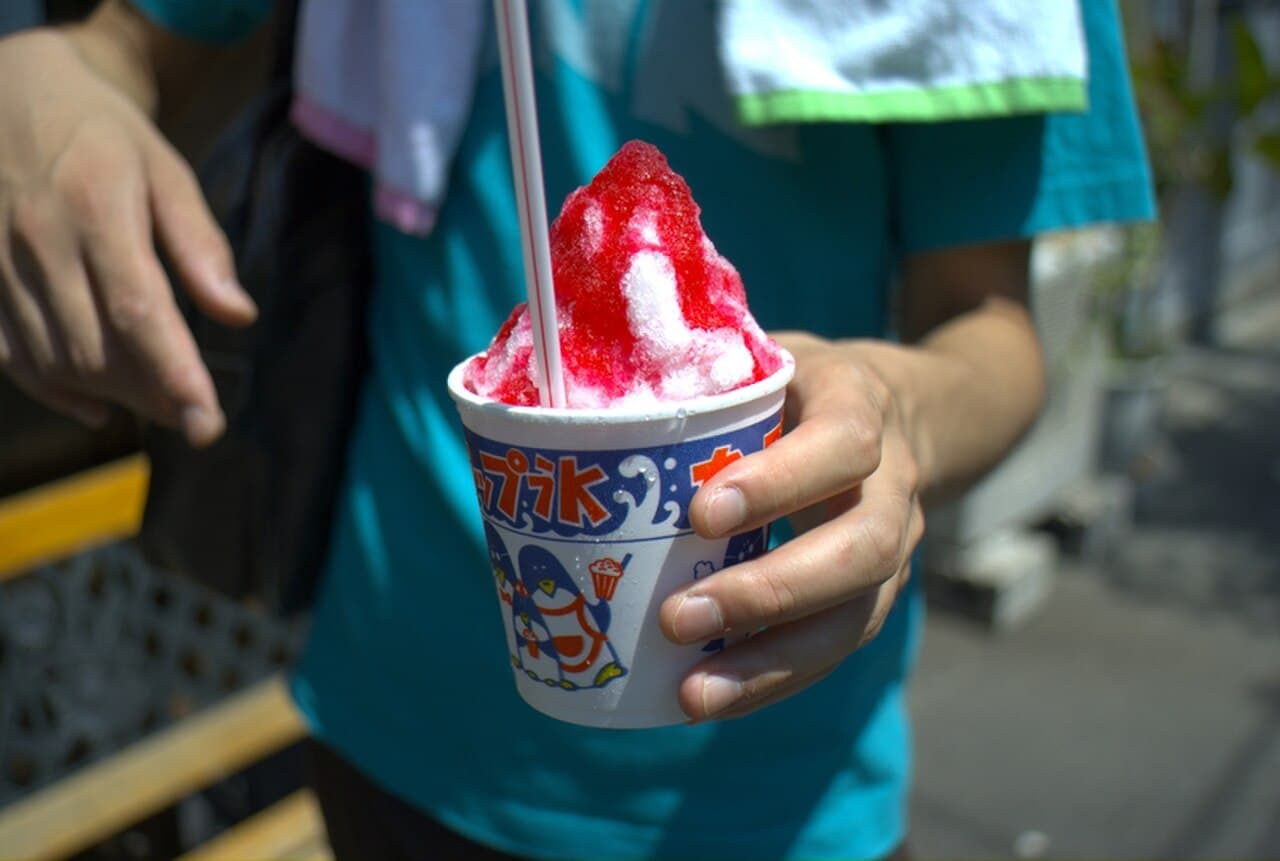
★ Seasonal fresh-fruit shaved ice with house-made syrup
A pioneering kakigori specialist in old-town Yanaka, hand-shaving natural Nikko ice into fluffy mountains drenched in house-made seasonal fruit syrups — summer lines wrap the block.
✓ Last verified Jul 2026Editor's Choice EN Ueno / Okachimachi · Kanmidokoro (anmitsu & sweets) · ¥
★ Anmitsu — agar jelly with azuki paste & brown-sugar syrup
Founded in 1948 in front of Ueno Park, this beloved anmitsu parlour crowns chewy agar jelly with Hokkaido azuki anko and Okinawan brown-sugar syrup.
✓ Last verified Jul 2026EN Tsukiji · Kaisendon (seafood rice bowl) · ¥¥
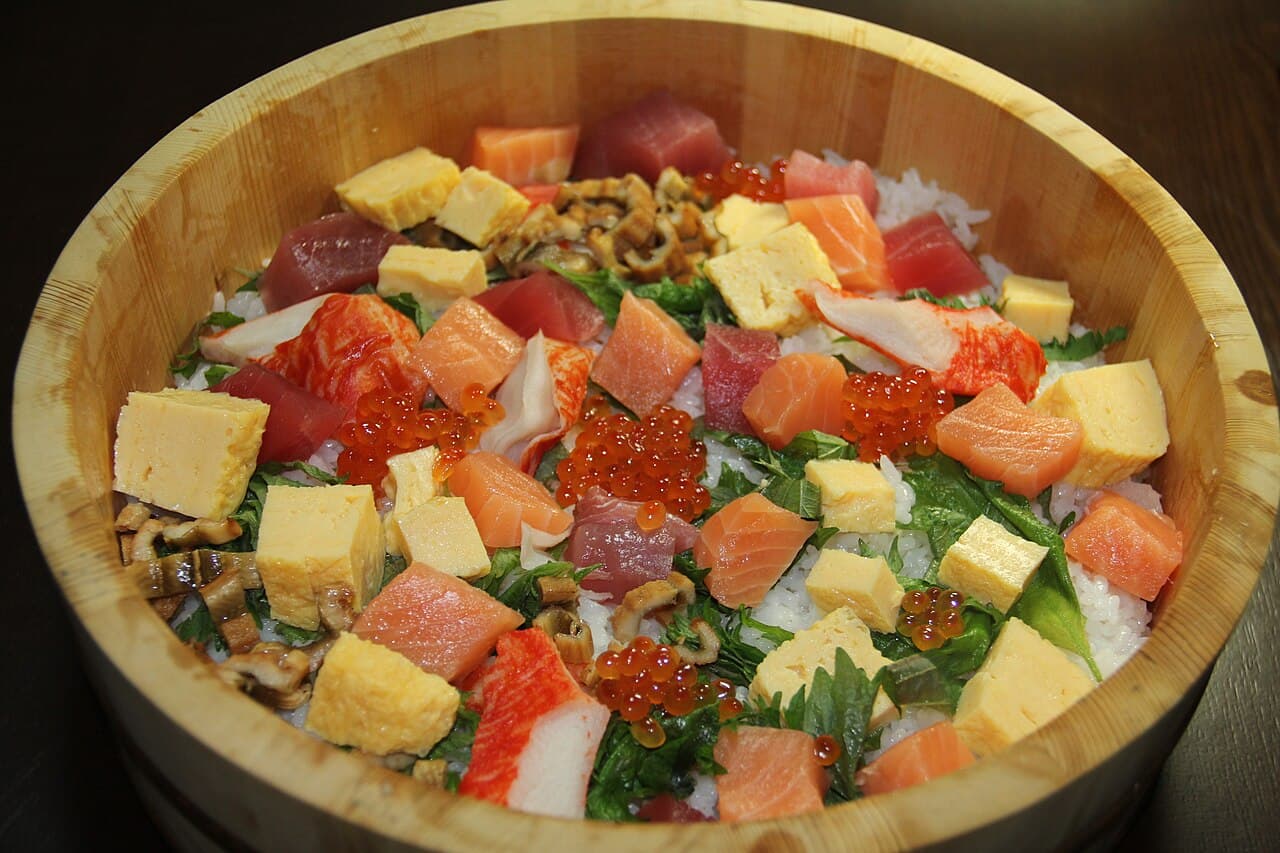
★ Assorted tuna seafood rice bowl
A no-frills counter in the Tsukiji Outer Market run by a fish wholesaler, piling market-fresh tuna and negitoro over rice from early morning.
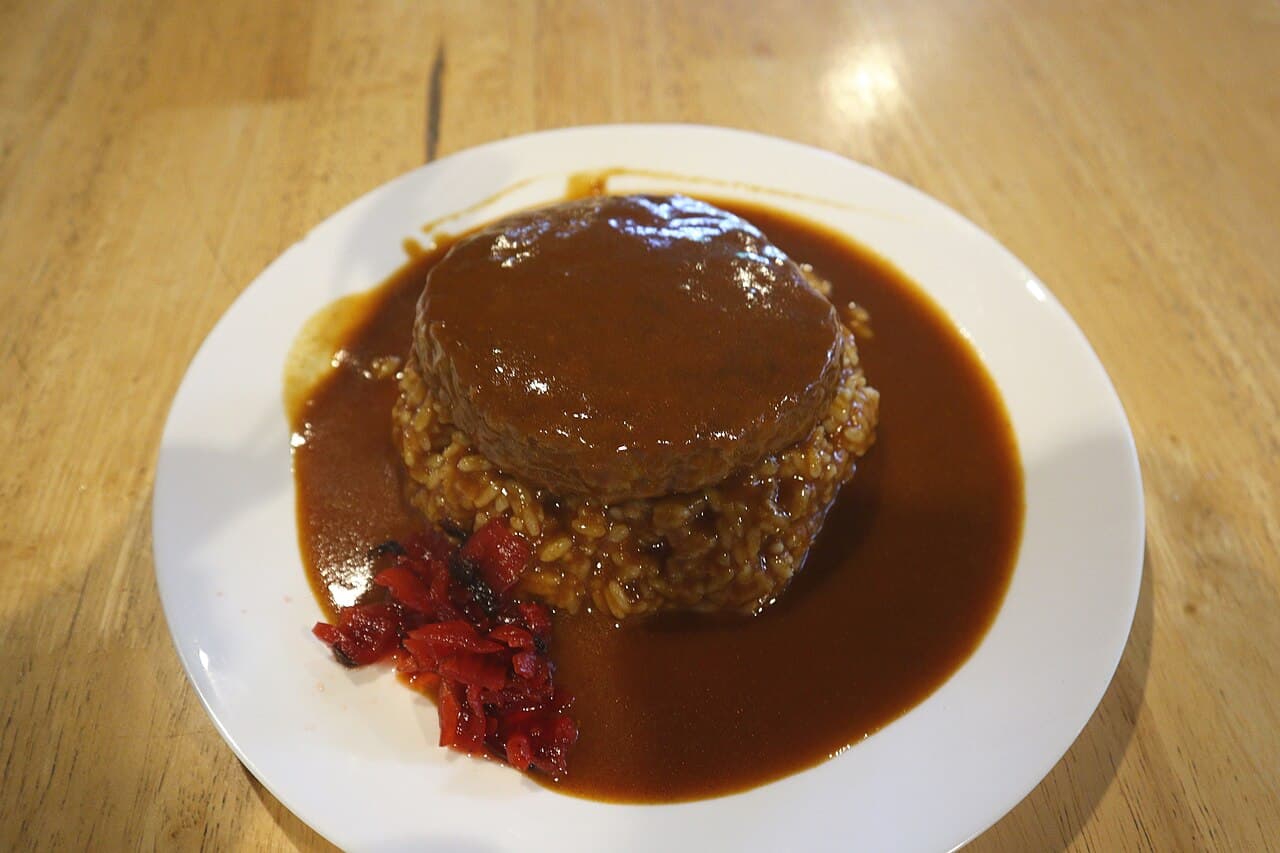
✓ Last verified Jul 2026Editor's Choice Jimbocho · European-style Japanese curry · ¥¥
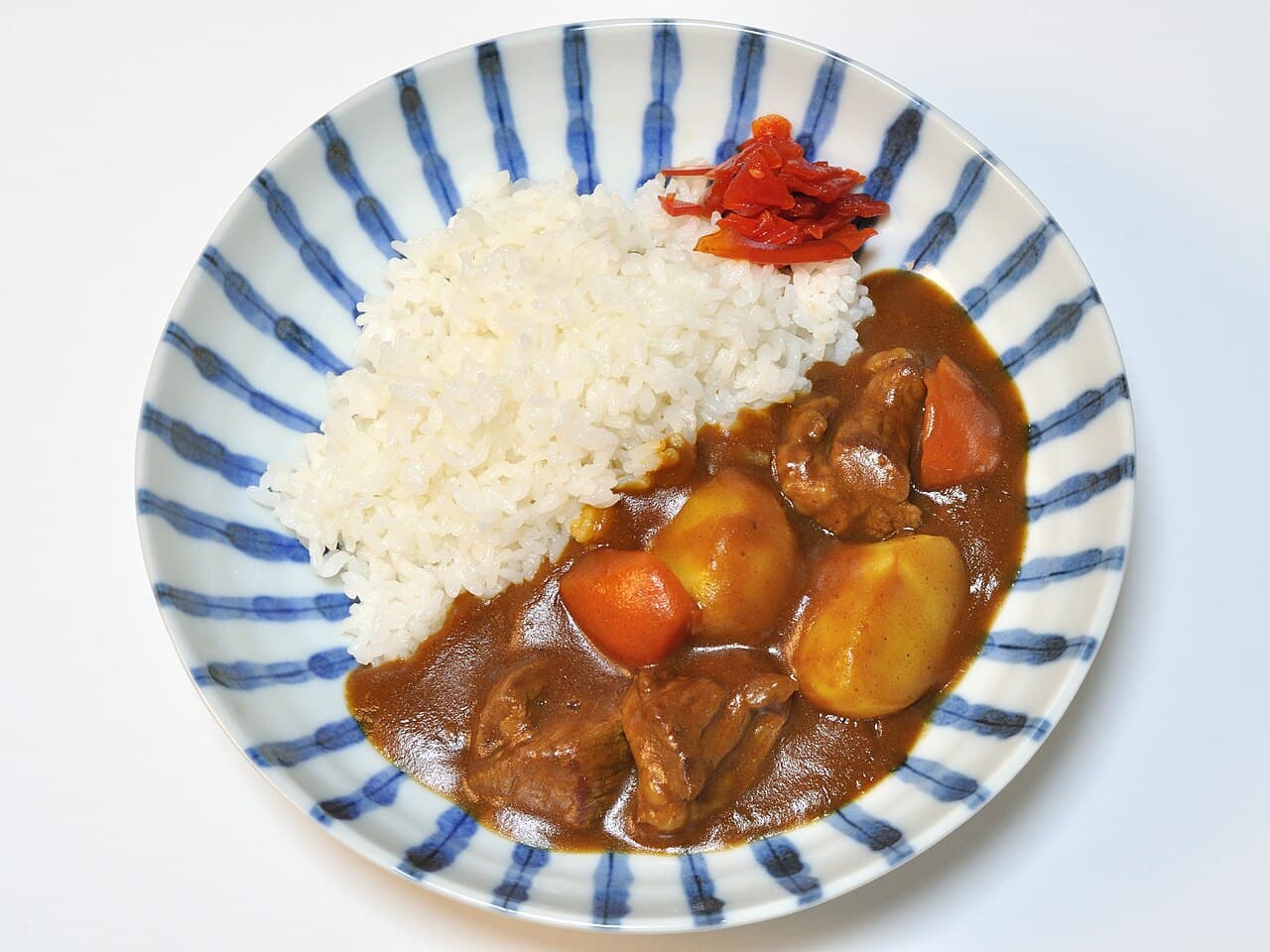
★ Beef curry with a secret spice blend & a whole boiled potato
The original champion of the Kanda Curry Grand Prix; this book-town flagship serves a rich, fruit-rounded European-style curry that starts with a whole steaming potato.
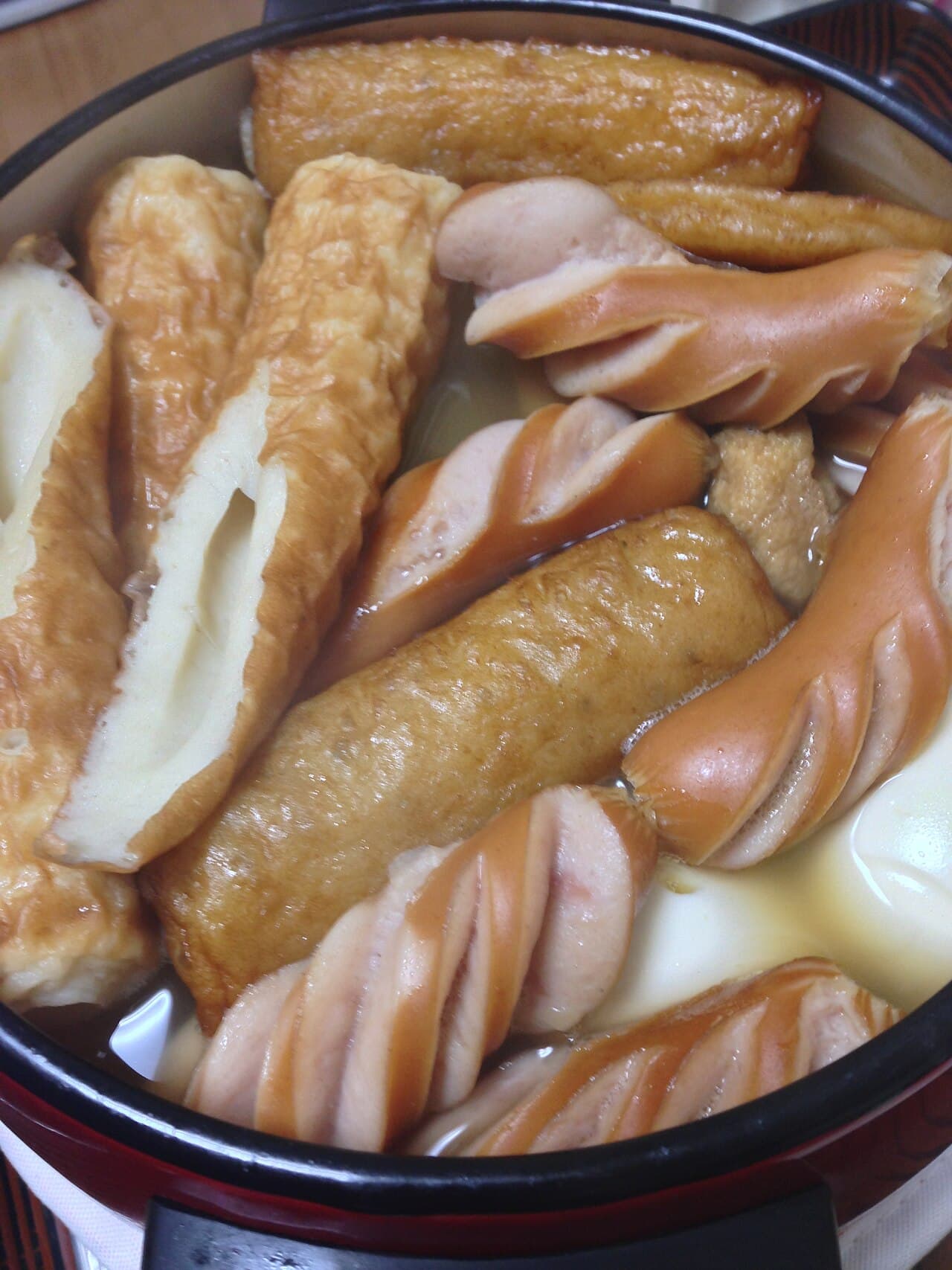
✓ Last verified Jul 2026Nihonbashi · Oden (Kanto-style) · ¥¥¥
★ Tomeshi — soy-cooked rice crowned with broth-soaked tofu
Founded in 1923, this Kanto-style oden institution simmers a decades-old dark dashi and is famous for tomeshi — broth-soaked tofu over soy-stained rice.
✓ Last verified Jul 2026EN Ueno / Okachimachi · Standing sushi (tachigui) · ¥¥
★ Tuna flight: akami, chutoro and otoro cut to order
A bustling standing sushi bar on the edge of Ameyoko where serious tuna cuts are sliced to order at pocket-money prices.
✓ Last verified Jul 2026Editor's Choice Ryogoku · Chanko-nabe (sumo hot pot) · ¥¥¥
★ Chanko-nabe in a chicken-and-pork-bone broth, sumo-stable style
Run by former ozeki Kirishima a minute from the sumo arena — wrestler-stable chanko-nabe served the way champions actually eat it.
✓ Last verified Jul 2026Kichijoji · Yoshoku / omurice · ¥¥
★ Rasupuru-style omurice
A 1972-founded Kichijoji yoshoku institution tucked in a station-side basement, beloved for its tender house-style omurice.
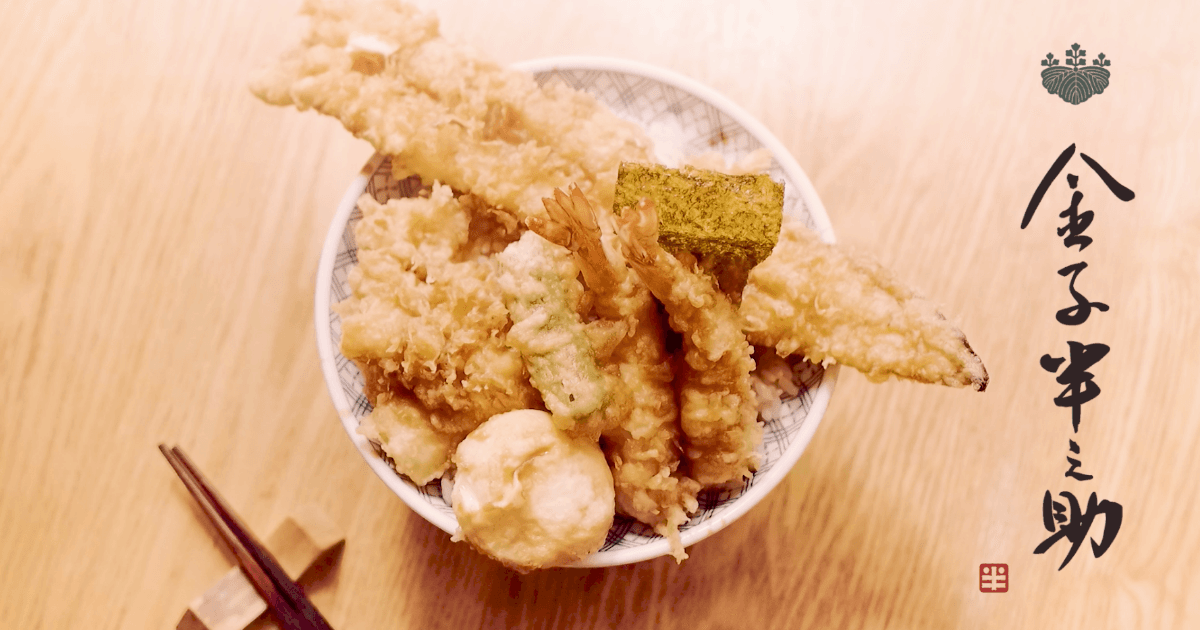
✓ Last verified Jul 2026Editor's Choice EN Nihonbashi · Tendon (tempura rice bowl) · ¥
★ Edomae tendon of conger eel, shrimp, squid & soft-fried egg in a secret sauce
The perpetually-queued Nihonbashi flagship whose overflowing Edomae tendon comes glossed in a closely-guarded family sauce for around ¥1,000.
✓ Last verified Jul 2026EN Asakusa · Gyukatsu (beef cutlet) · ¥¥
★ Rare-fried beef cutlet seared on your own hot stone, with grated yam
A tiny 20-seat counter near Kaminarimon where 60-second-fried beef cutlet arrives blushing-rare for you to sear to taste on your own sizzling stone.
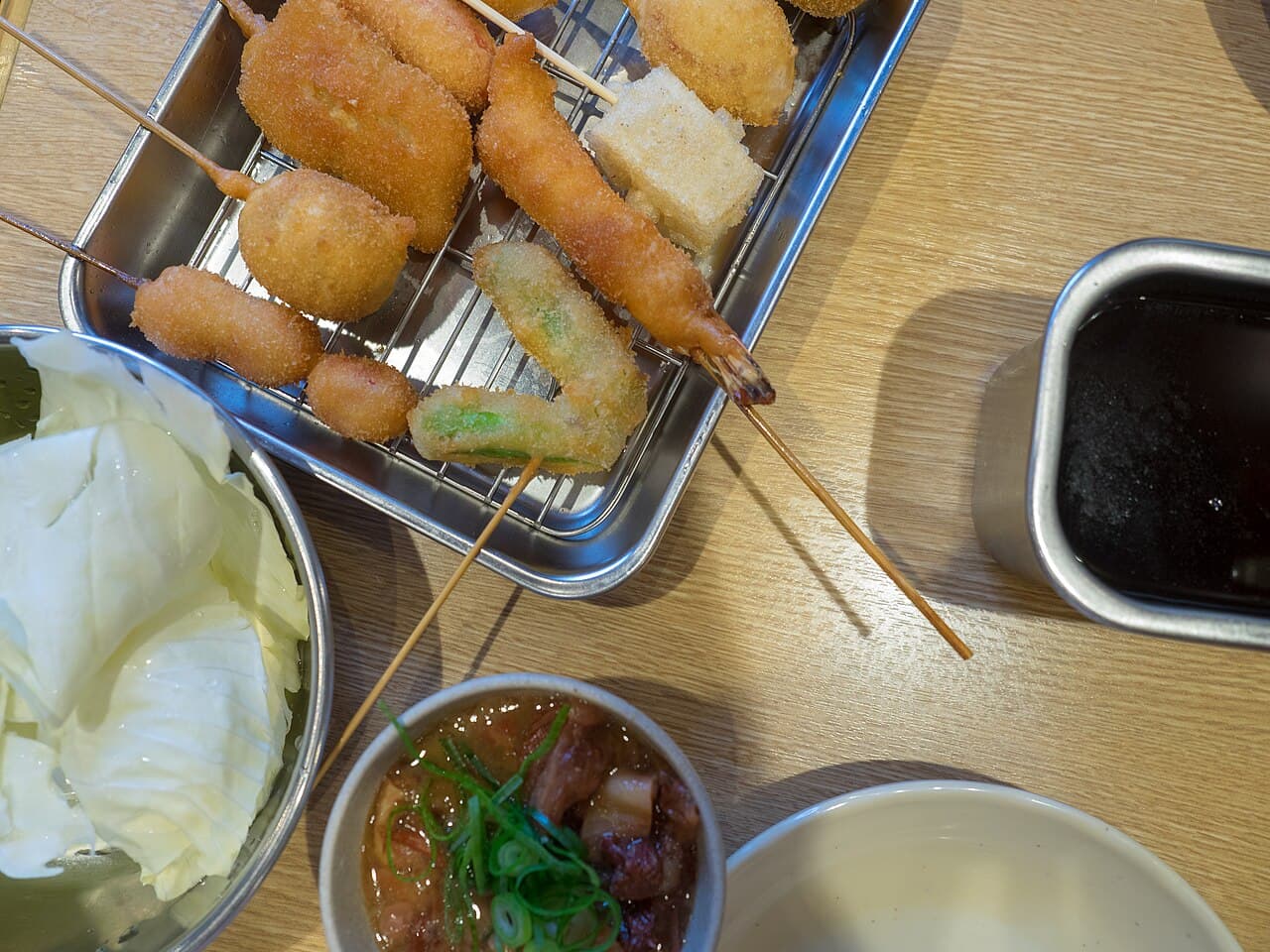
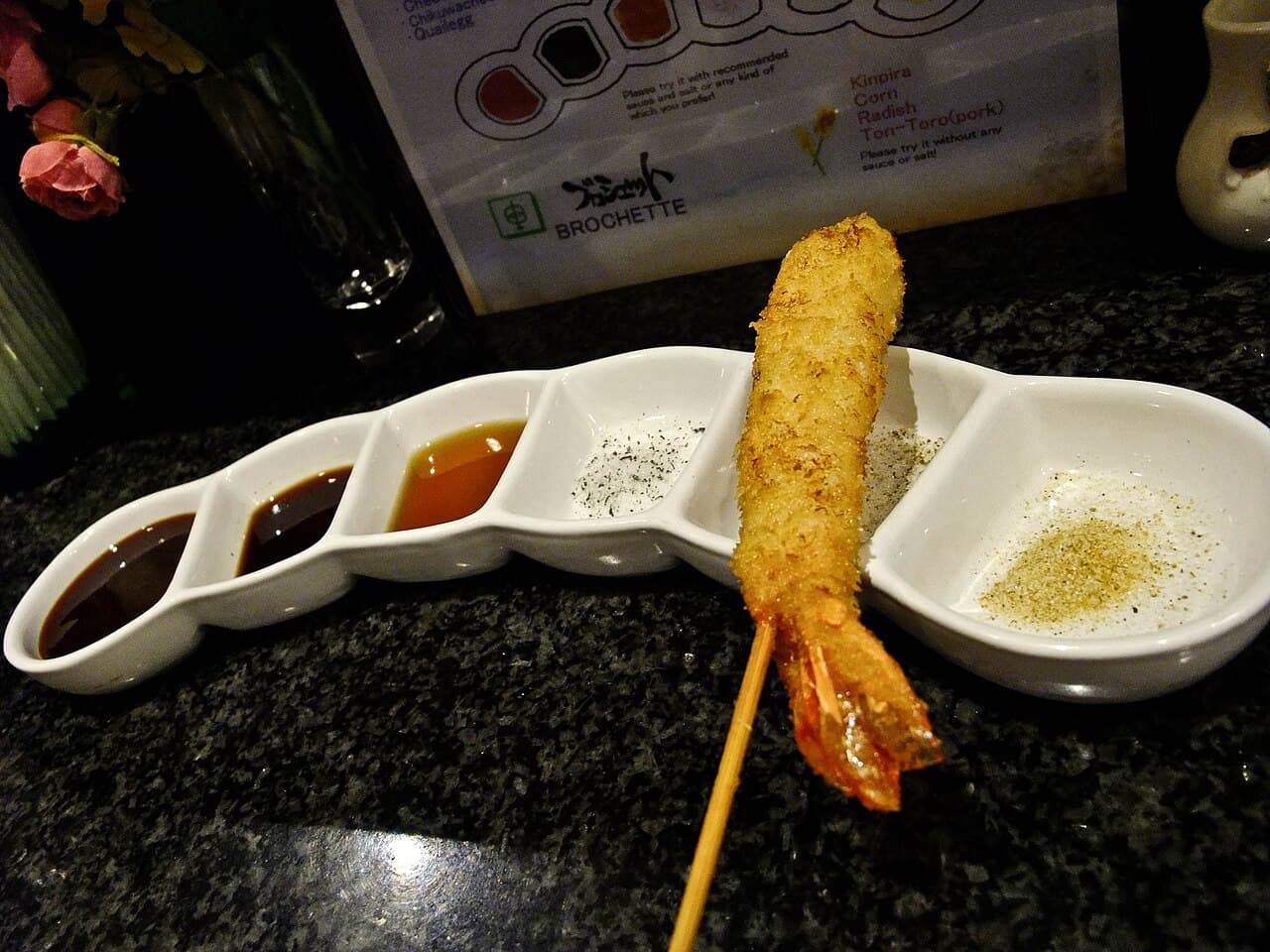
✓ Last verified Jul 2026Editor's Choice Yanaka · Kushiage (fried skewers) · ¥¥¥
★ Course of fried skewers served a few at a time
Kushiage served skewer-by-skewer inside a creaking 1909 three-storey wooden townhouse that is a registered National Tangible Cultural Property.
✓ Last verified Jul 2026EN Ginza · Gluten-free kushiage (fried skewers) · ¥¥¥¥
★ Rice-flour kushiage omakase course
A reservation-only Ginza counter where an entirely gluten-free kushiage omakase is fried in rice oil with rice-flour breadcrumbs — a rare safe haven for coeliacs.
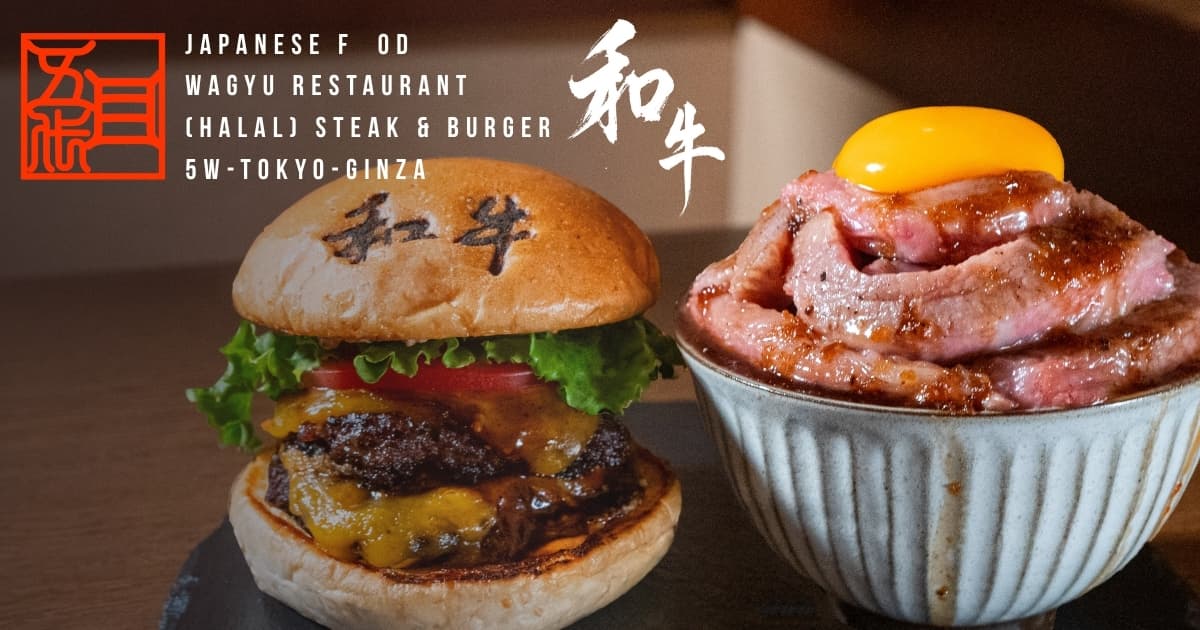
✓ Last verified Jul 2026EN Ginza · Halal wagyu steak & burger · ¥¥¥
★ Halal-certified Japanese wagyu steak
A fifth-generation wagyu family's alcohol-free basement grill in Ginza serving 100% halal-certified Japanese wagyu steaks and burgers, so every traveller can taste real wagyu. (The halal kitchen is the basement venue.)
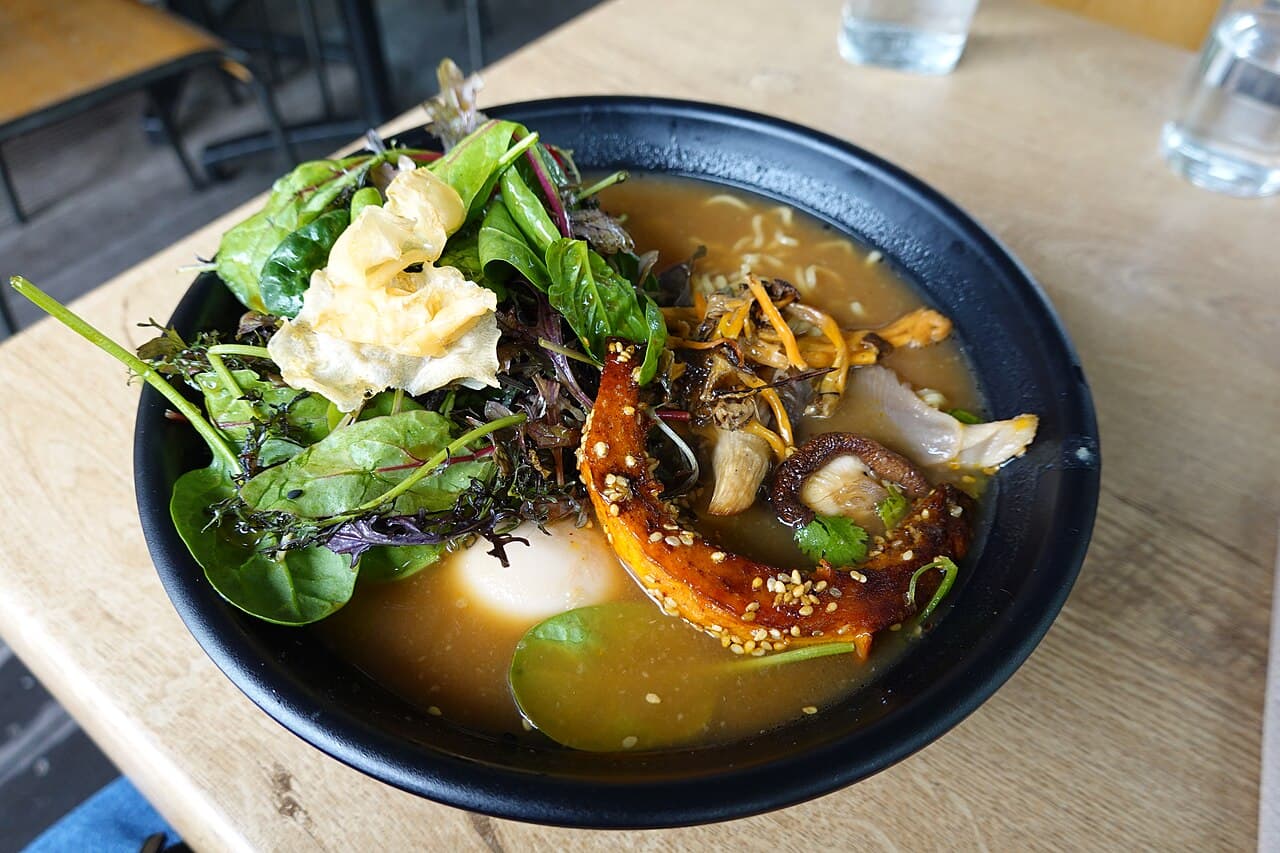
✓ Last verified Jul 2026EN Shimokitazawa · Vegan medicinal ramen & soup curry · ¥¥
★ Vegan curry ramen with sprouted brown rice
A tiny tatami-floored diner on the Shimokitazawa backstreets where every bowl of rich, medicinal-herb ramen is 100% plant-based and built on sprouted brown rice.
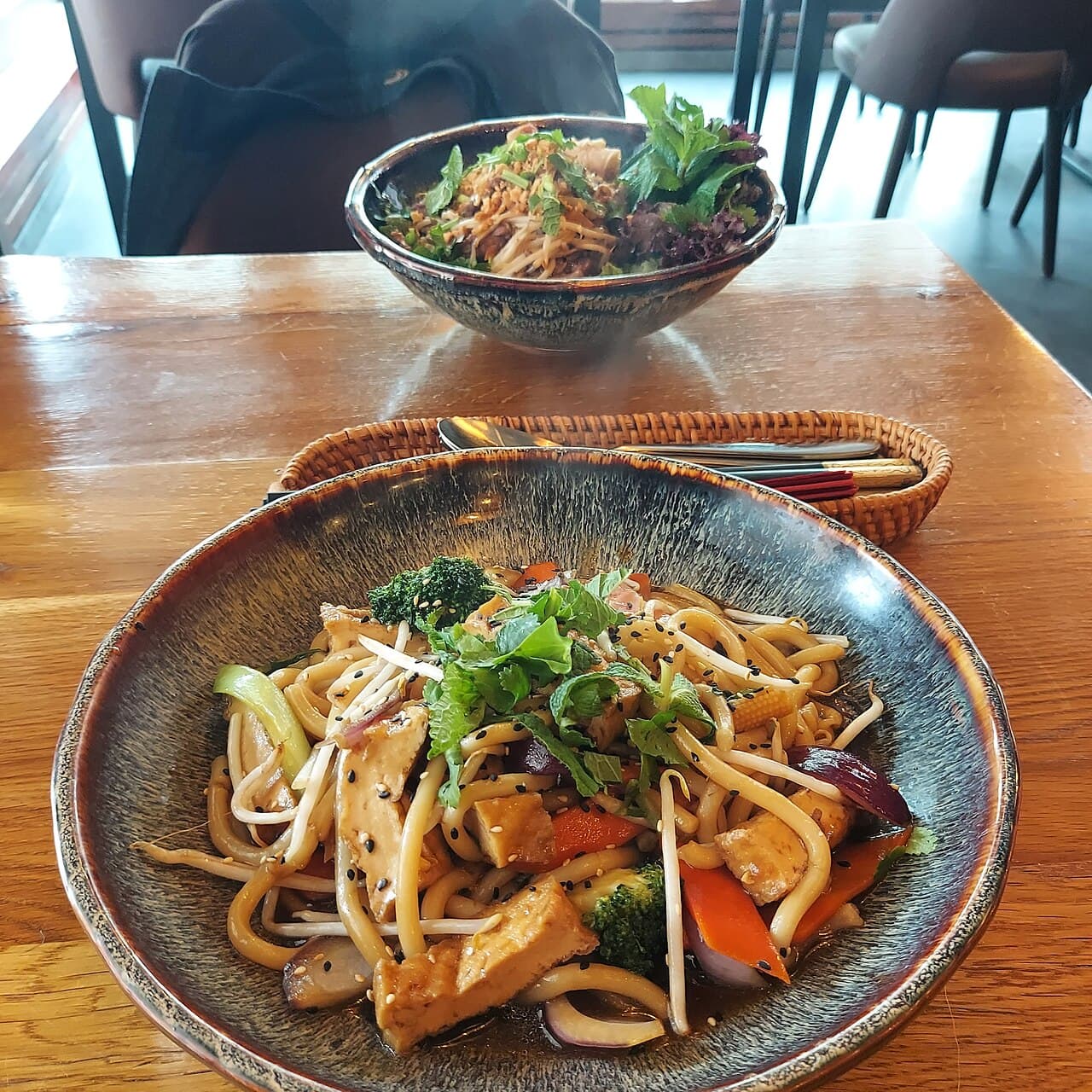
🥬 Vegetarian 🌱 Vegan 🌾 Gluten-free ✓ Last verified Jul 2026Editor's Choice Shinjuku · Udon (handmade) · ¥
★ Made-to-order udon, incl. cult carbonara udon & tempura
A perpetually-queued Tabelog Top-100 udon shop near Shinjuku where every bowl of springy noodles is cut and boiled to order — try the cult carbonara udon.
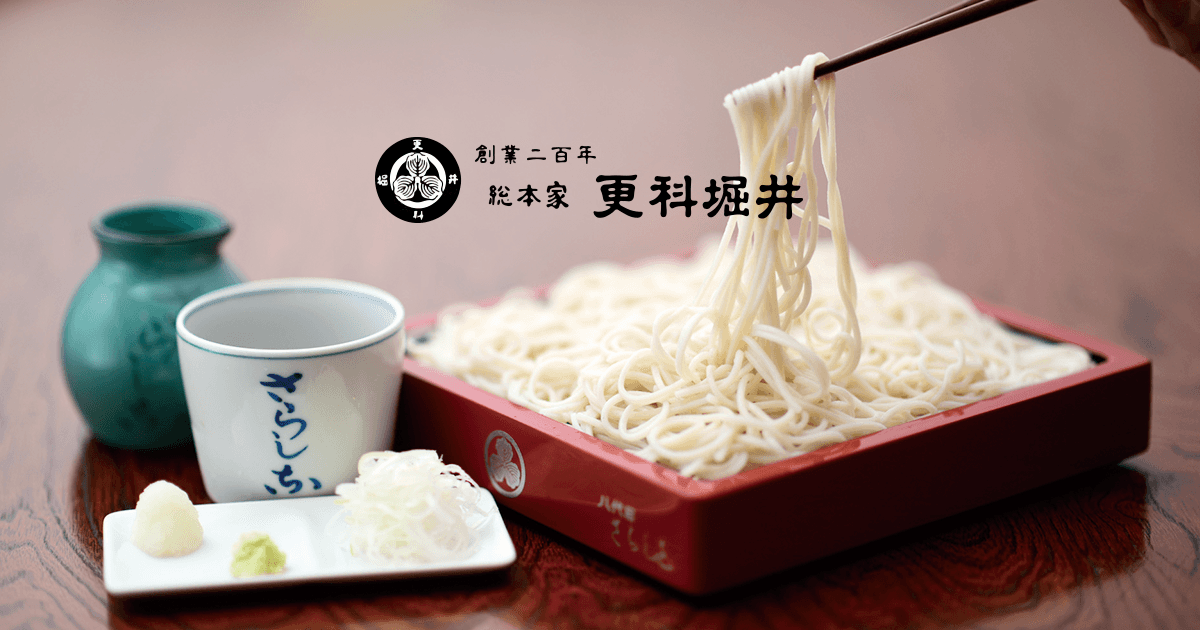
✓ Last verified Jul 2026Editor's Choice EN Azabu-Juban · Soba (sarashina) · ¥¥
★ Sarashina soba — pure-white refined buckwheat noodles
A 230-year-old Edo institution and the birthplace of silky, pure-white sarashina soba, served with a choice of light and dark dipping broths.
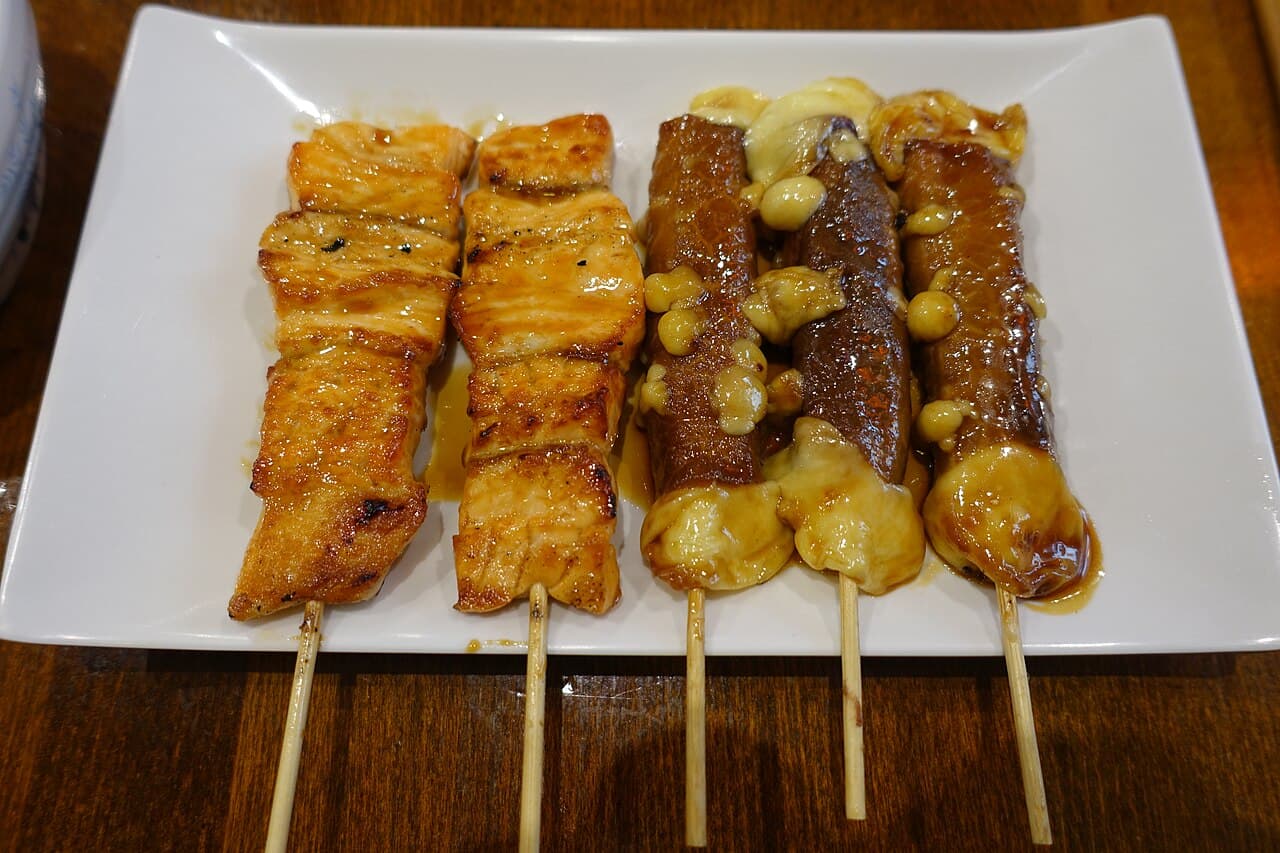
✓ Last verified Jul 2026Editor's Choice EN Ginza · Yakitori (premium) · ¥¥¥¥
★ Charcoal skewers of prized Okukuji Shamo chicken; liver pâté
A former Michelin-starred yakitori counter beneath Ginza, grilling rare Okukuji Shamo chicken skewer by skewer.
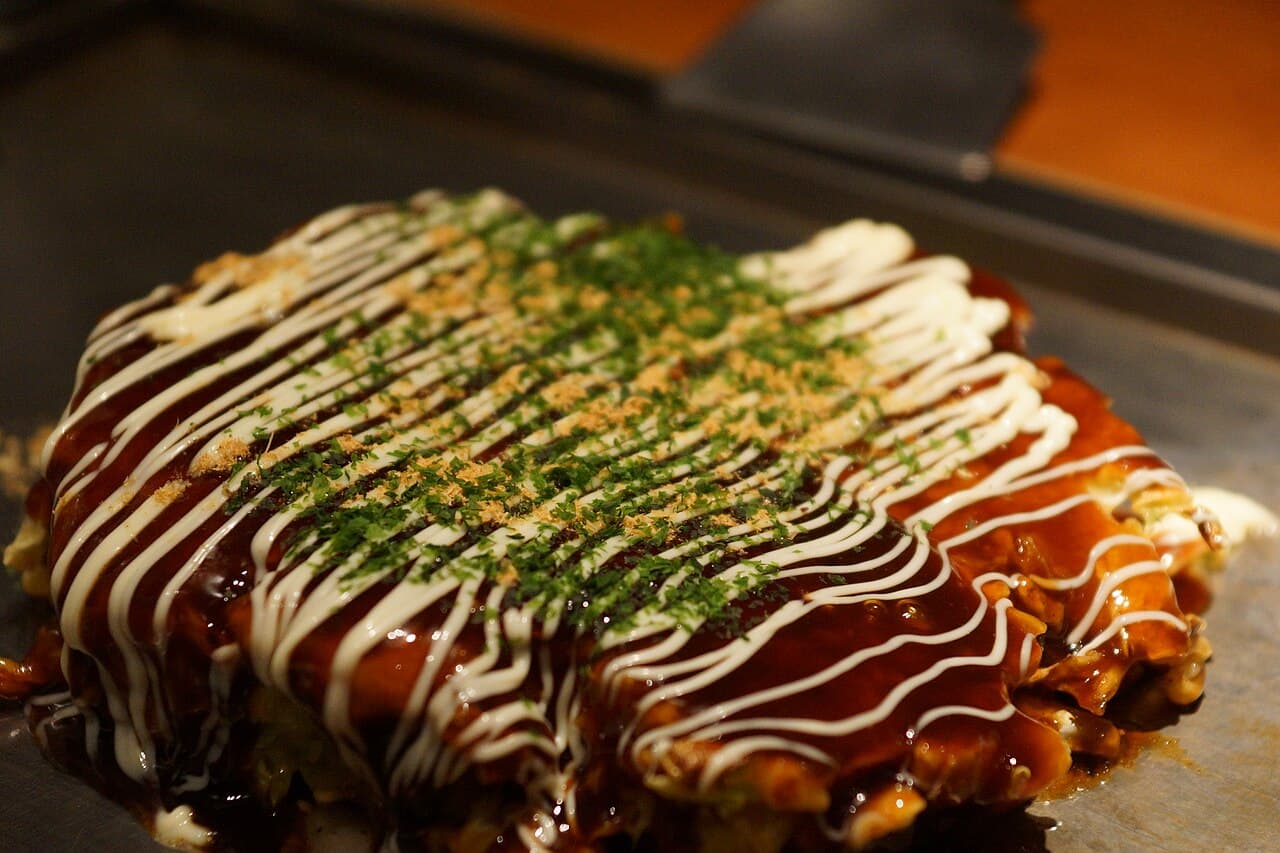
✓ Last verified Jul 2026EN Tokyo Station · Okonomiyaki (Osaka style) · ¥¥
★ Fluffy Osaka okonomiyaki on a secret chicken-bone, kombu & bonito dashi
Osaka's legendary Kiji recreated in a Tokyo Station basement, turning out fluffy dashi-rich okonomiyaki a minute from the platforms.
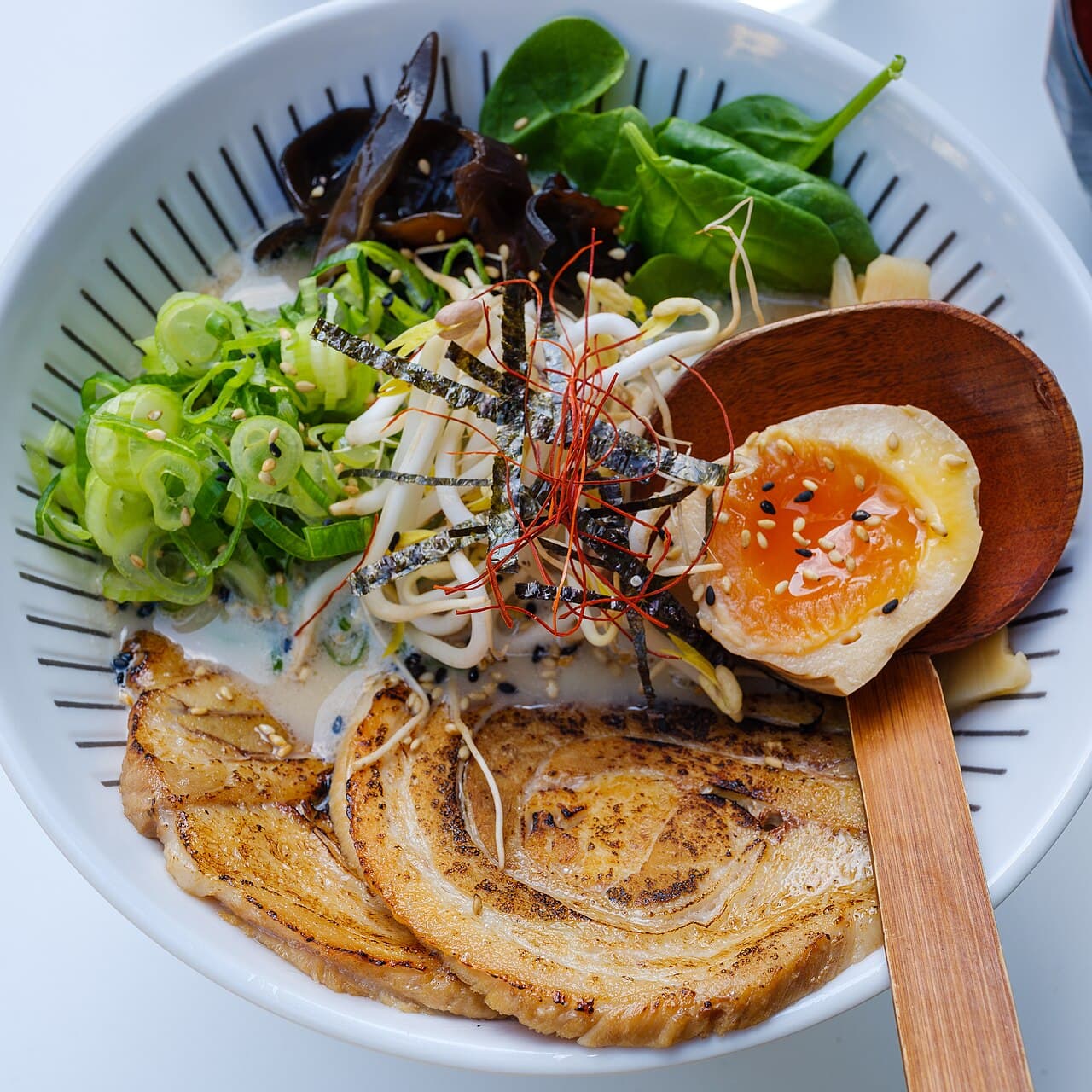
✓ Last verified Jul 2026Editor's Choice EN Ebisu · Ramen (yuzu shio) · ¥
★ Yuzu shio ramen in a golden chicken-and-dashi broth
The birthplace of light, citrus-bright yuzu shio ramen, served in a clear golden broth just minutes from Ebisu Station.
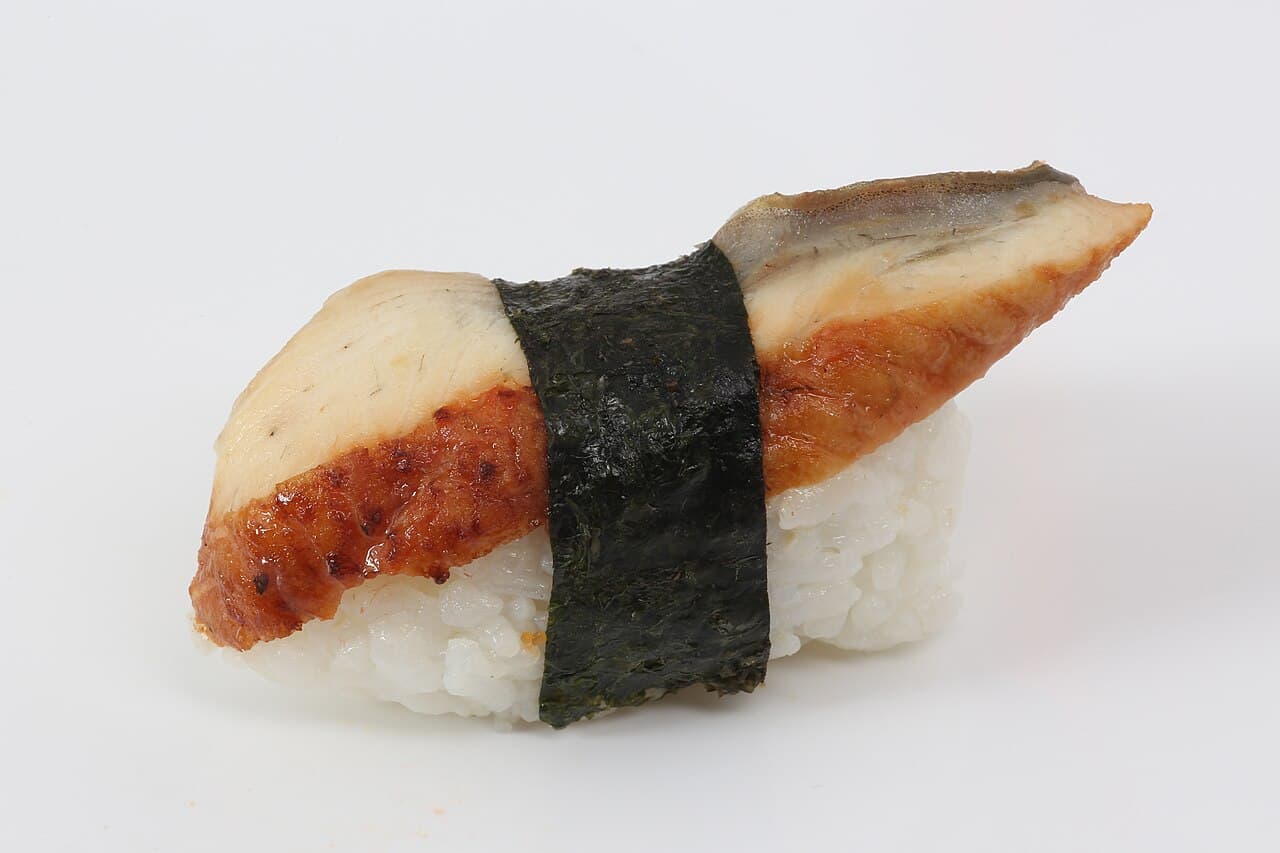
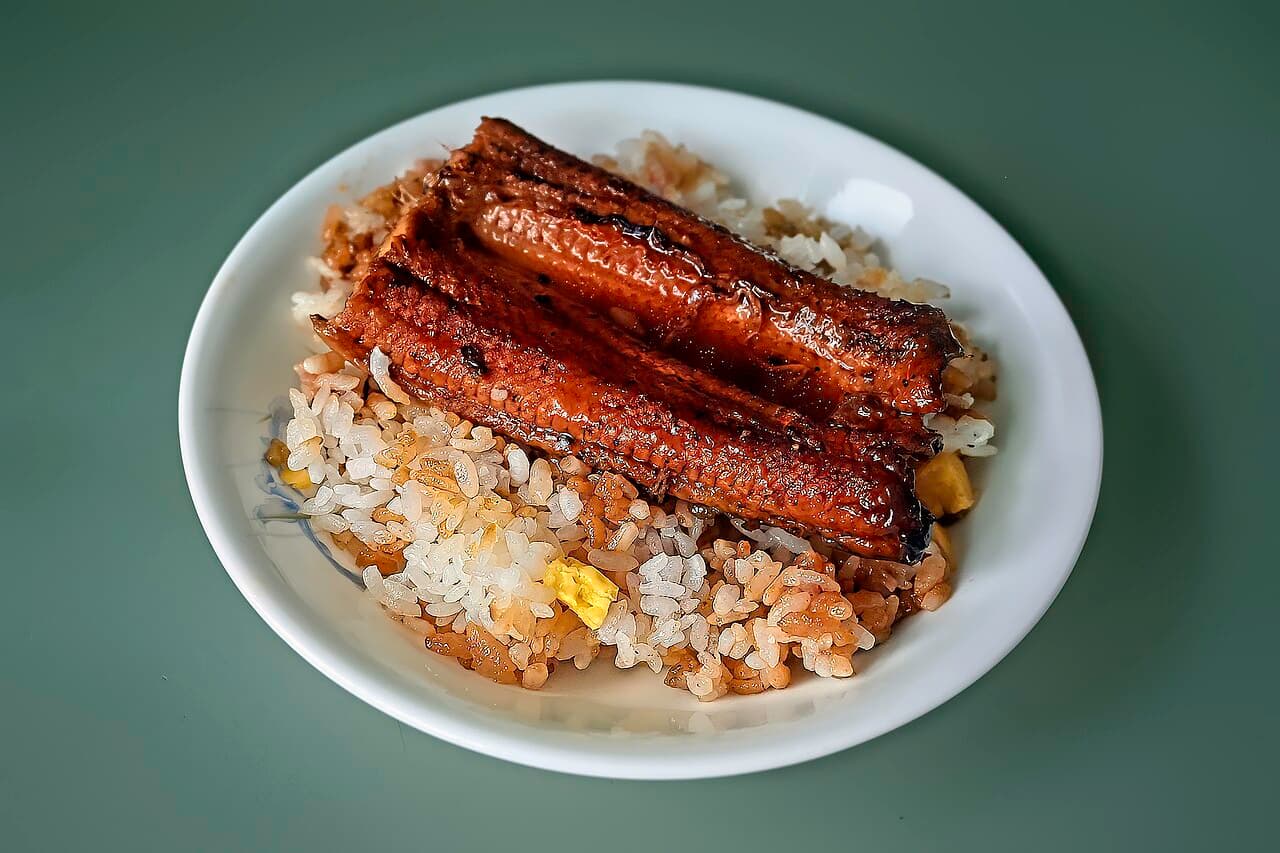
✓ Last verified Jul 2026Editor's Choice EN Ueno / Okachimachi · Unagi (eel) · ¥¥¥
★ Charcoal-grilled unaju in a sugar-free Edo-style sauce
An eel house dating back nine generations to the Edo period, serving Ueno's most storied unagi beside Shinobazu Pond.
✓ Last verified Jul 2026