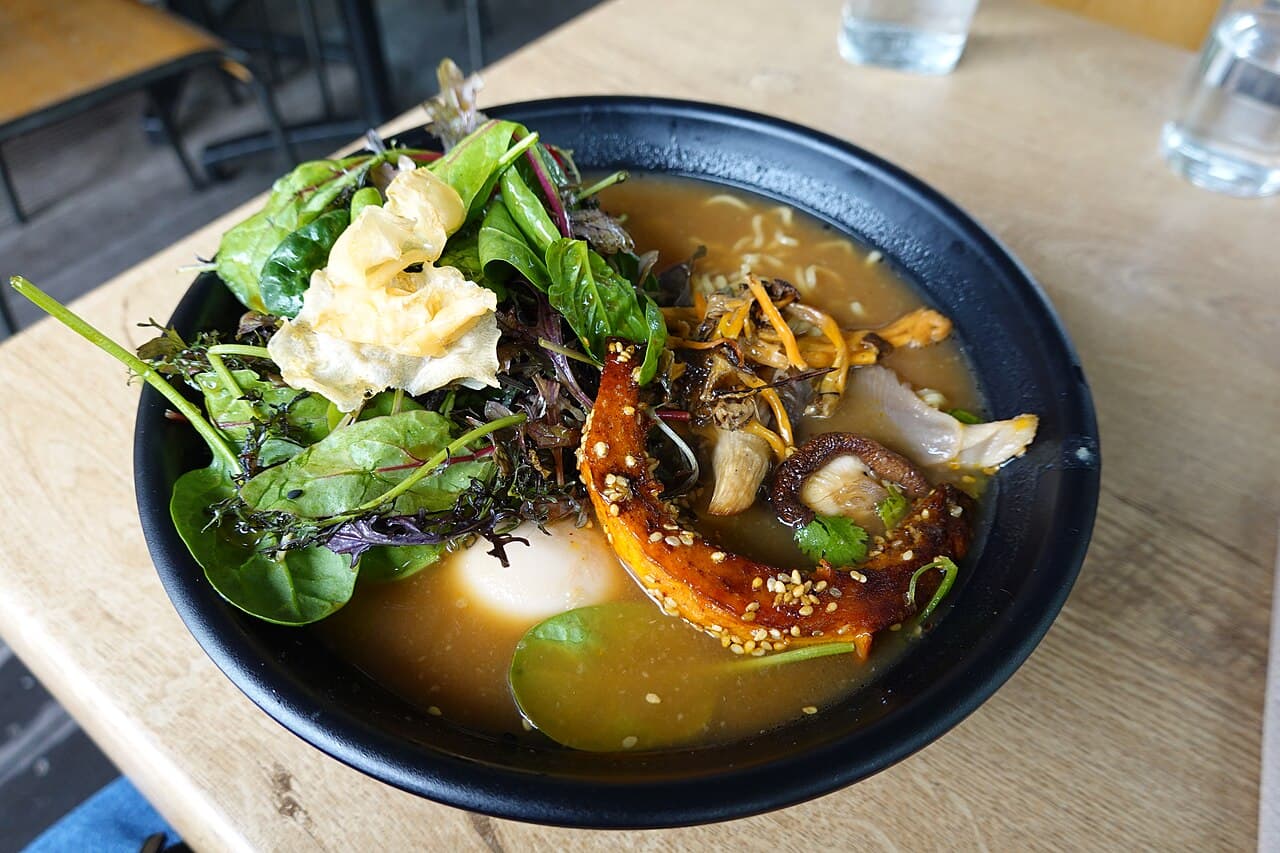
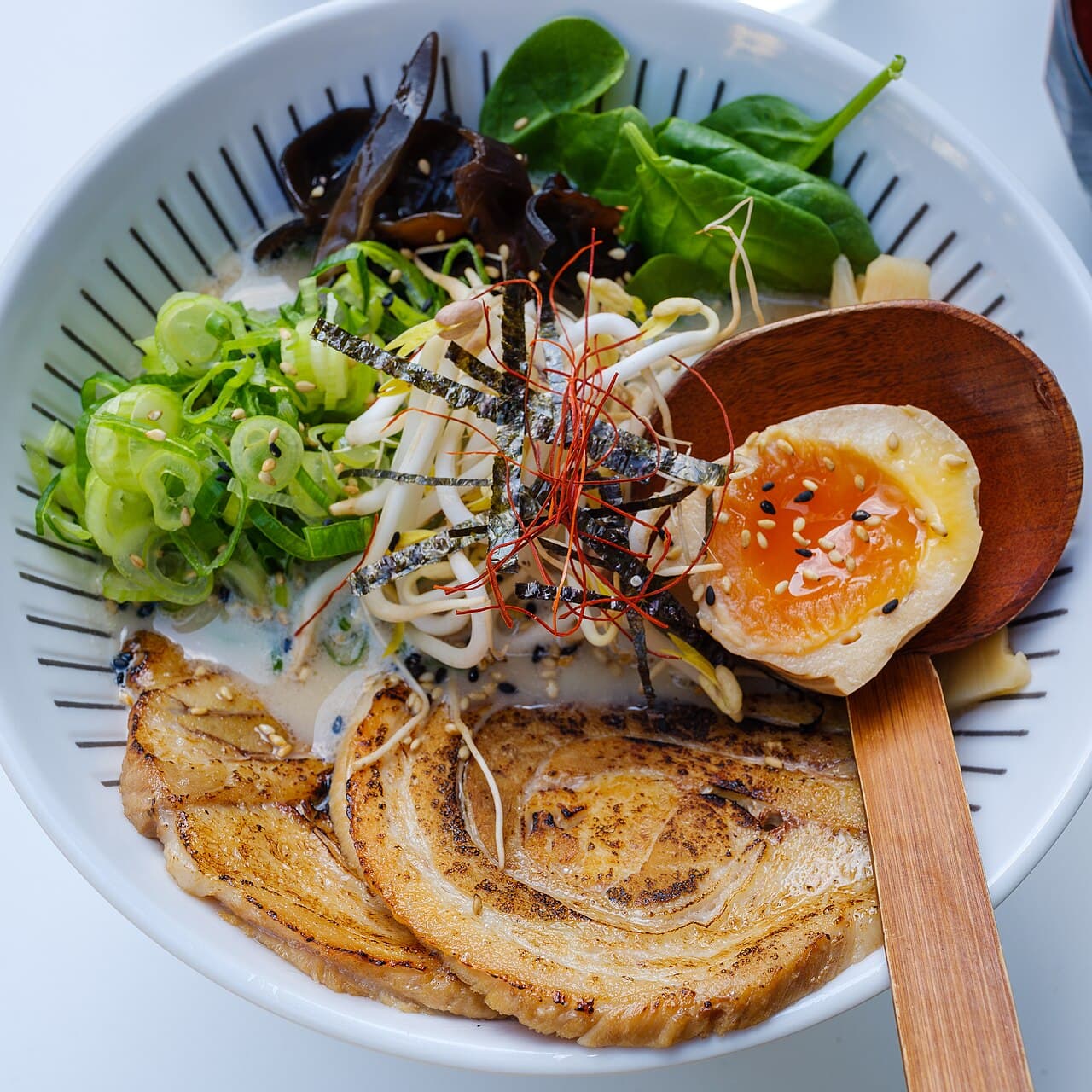
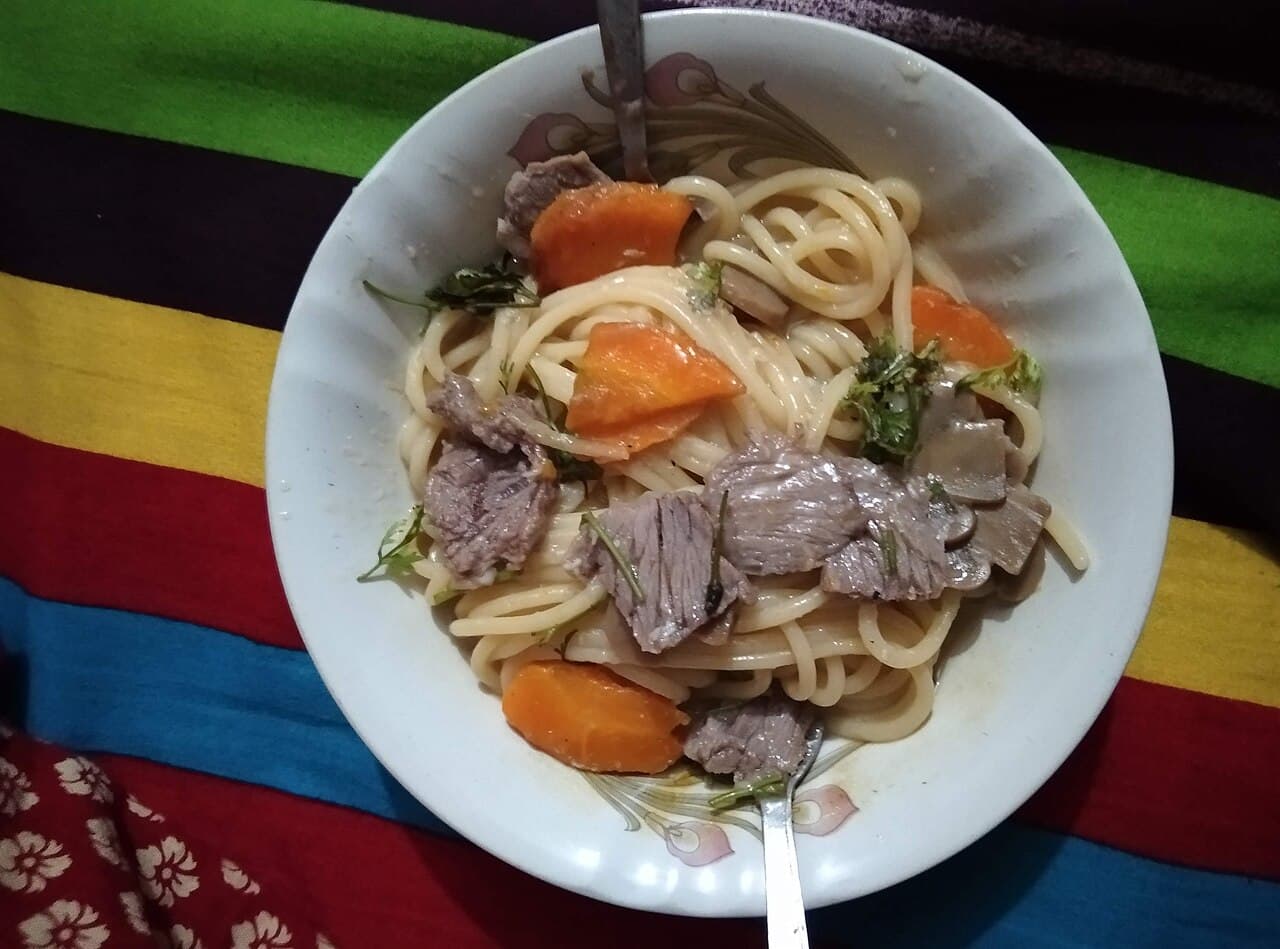
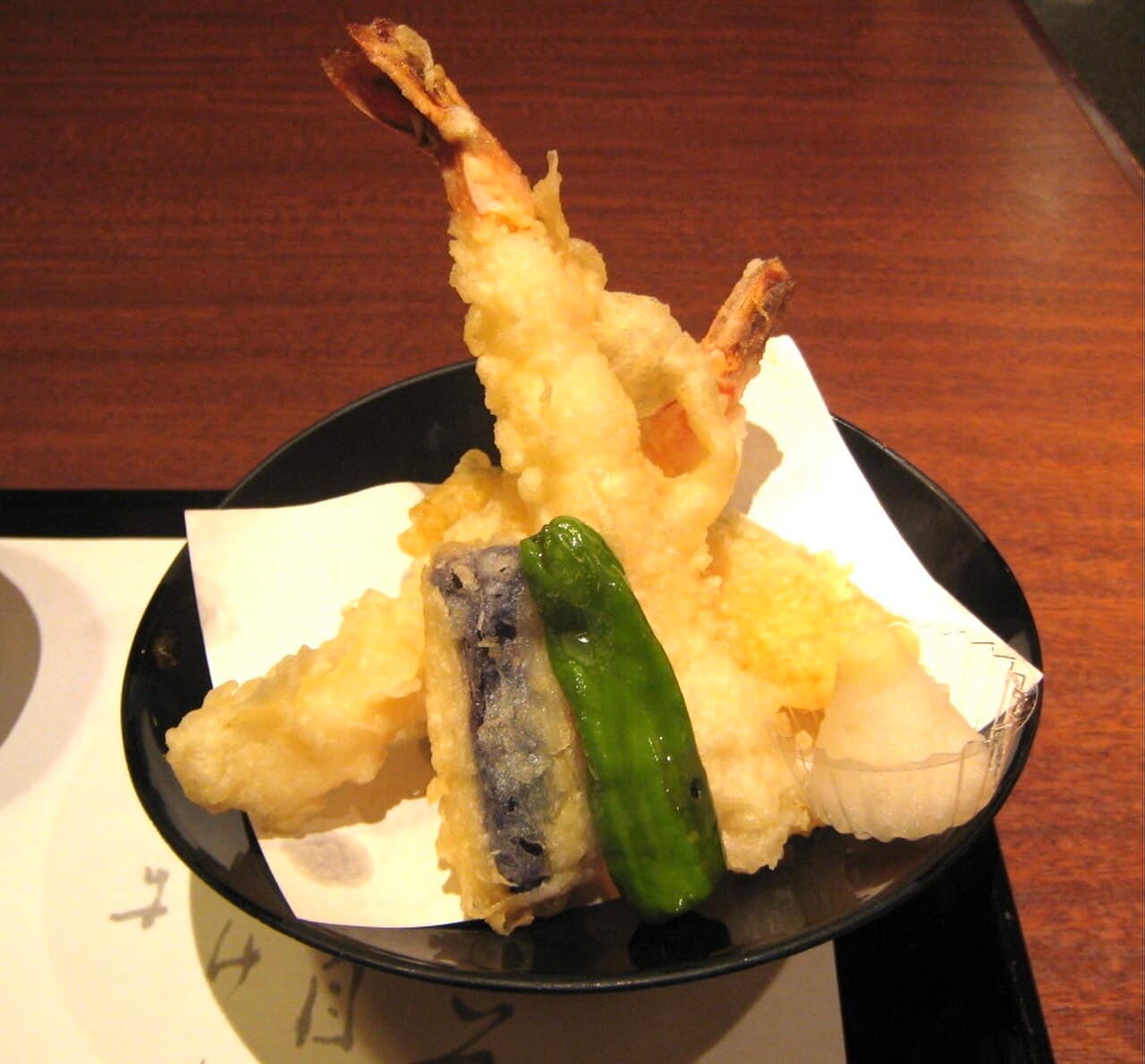
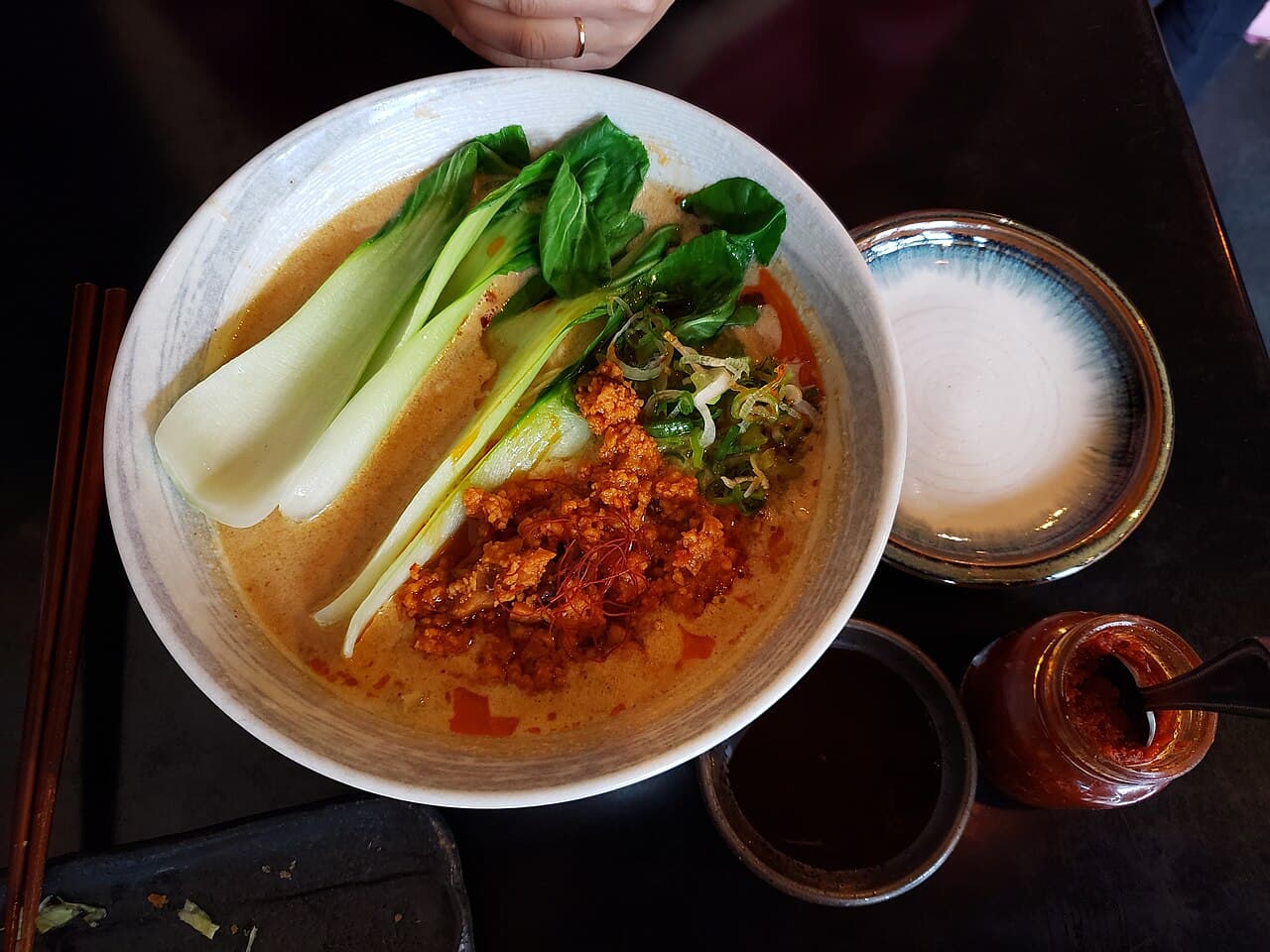
A tiny tatami-floored diner on the Shimokitazawa backstreets where every bowl of rich, medicinal-herb ramen is 100% plant-based and built on sprouted brown rice.
Can I eat here?
✓ Diets our editors confirmed in person· English menu / support
🥬
Show this to staff
Vegetarian
私はベジタリアンで、肉と魚は食べません。
Watashi wa bejitarian de, niku to sakana wa tabemasen.
I'm vegetarian — I don't eat meat or fish.
この料理に肉や魚のだしは入っていますか?Does this dish contain meat or fish stock?
Chabuzen Shimokitazawa is a doll's-house-sized diner tucked into a converted old house on the backstreets between Shimokitazawa and Shindaita, where the entire menu — ramen and soup curry — is built without a scrap of animal product or a single bottle of dashi.
The kitchen's backbone is a housemade brown rice yeast liquid, blended with vegetable stock, miso, soy milk, and soy sauce, then rounded out with garlic and ginger until it reads as rich as any Kyushu tonkotsu bowl. The signature is the Dragon ramen (¥1,200), a Kumamoto-style bowl the owner built out of his own craving for pork-bone ramen — order it and you'd be forgiven for forgetting there's no bone broth anywhere near it. The default noodle is a house-made organic pasta boiled in nothing but salt and baking soda to mimic classic kansui-alkalized ramen noodles; ask instead for gluten-free rice noodles or an ancient-grain spelt option (+¥100), and dietary restrictions go from tolerated to genuinely catered to.
Seating is tiny and deliberate: a three-stool counter facing the one-person kitchen, plus a handful of low chabudai tables on tatami, shoes off at the door — eight seats in total. It's the kind of room where the owner, who has run the place since 2008 and hand-painted the walls himself, tends every bowl personally; expect a short wait if it's full, since there's nowhere else to sit.
A few practical notes: it's cash only, no cards or e-money accepted, and there's a small surcharge if you linger past two hours. Menus are printed in English, Chinese, and Korean, so ordering isn't a guessing game, and the kitchen also flags a Muslim-friendly menu on request — though it's worth asking directly rather than assuming halal certification. It's closed Mondays; dinner runs from 5pm. Go hungry, go early, and bring cash.
✓ Last verified Jul 2026
Hours and details can change — please confirm before you visit.
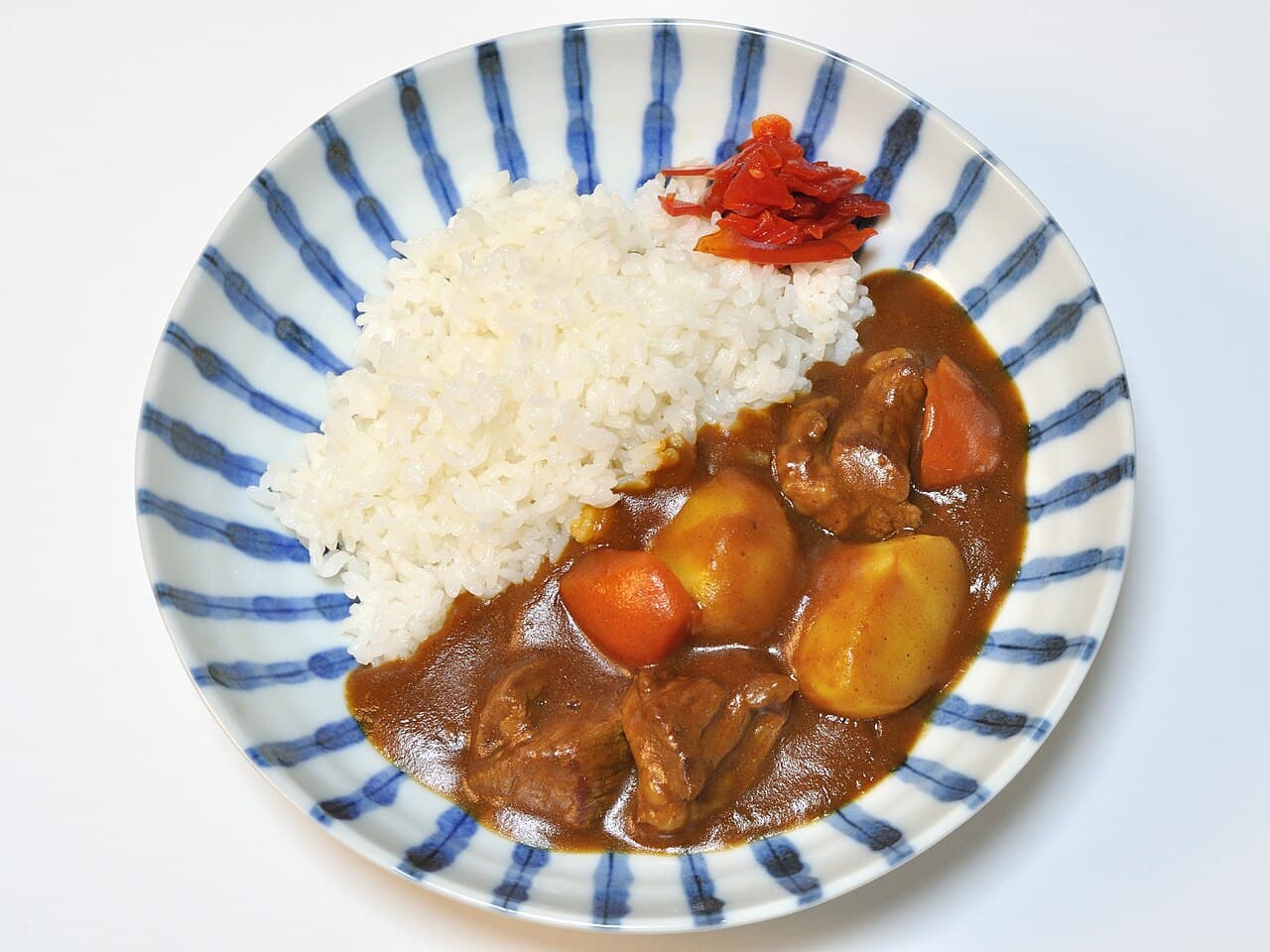
★ Customisable Japanese curry rice with halal toppings; pick your rice size and spice level
Permanently closed. CoCo Ichibanya's halal-certified Akihabara branch and its Shinjuku sister shop shut during the 2020 pandemic and have not reopened — as of 2026 there is no halal-certified CoCo Ichibanya in Japan. For halal Japanese curry and other options, see our halal fast-food chains guide and halal Tokyo guide.
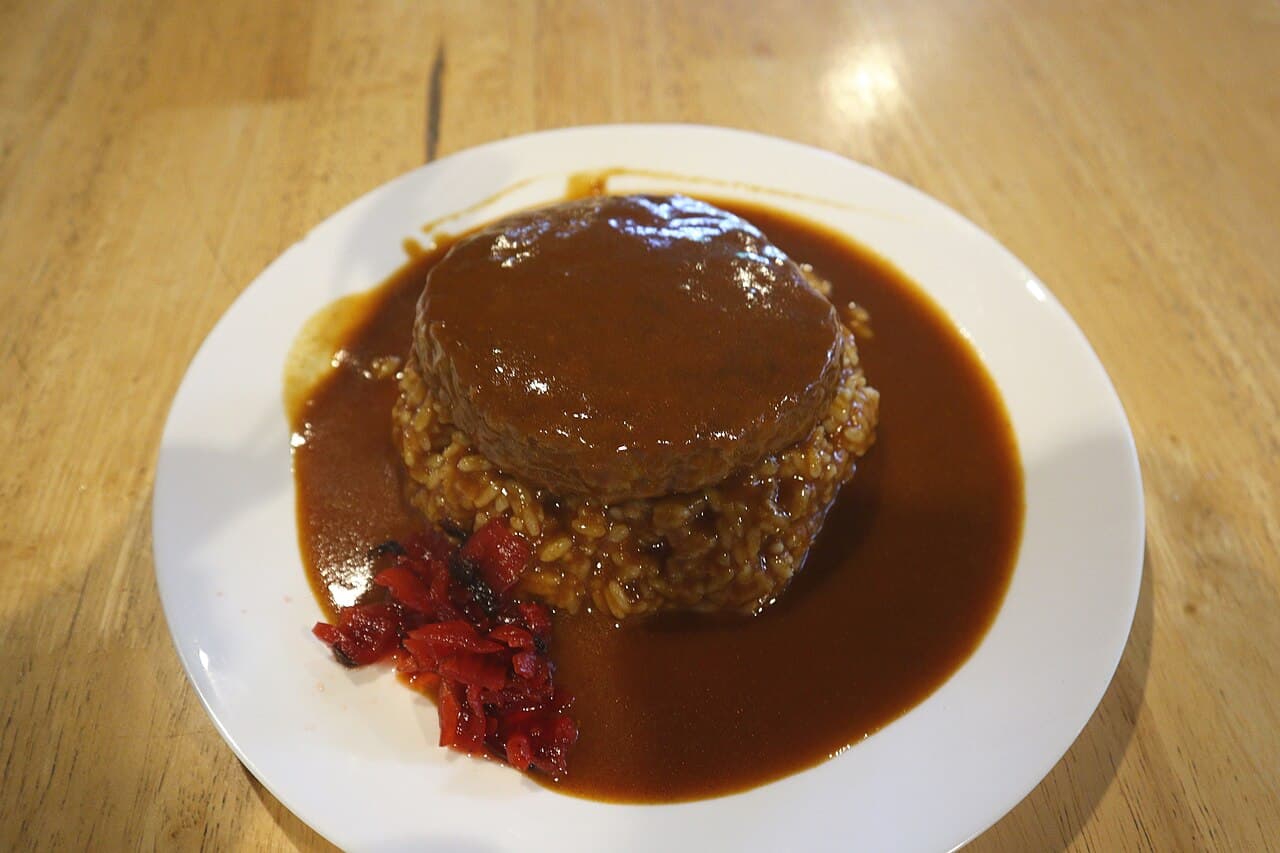
★ Beef curry with a secret spice blend & a whole boiled potato
The original champion of the Kanda Curry Grand Prix; this book-town flagship serves a rich, fruit-rounded European-style curry that starts with a whole steaming potato.
A Sri Lankan-Muslim owner's wholly halal-certified ramen shop where collagen-rich chicken broth meets a fiery soy-sauce kick, steps from Assalaam Mosque.
★ Vegan tempura soba and zaru soba with a plant-based broth
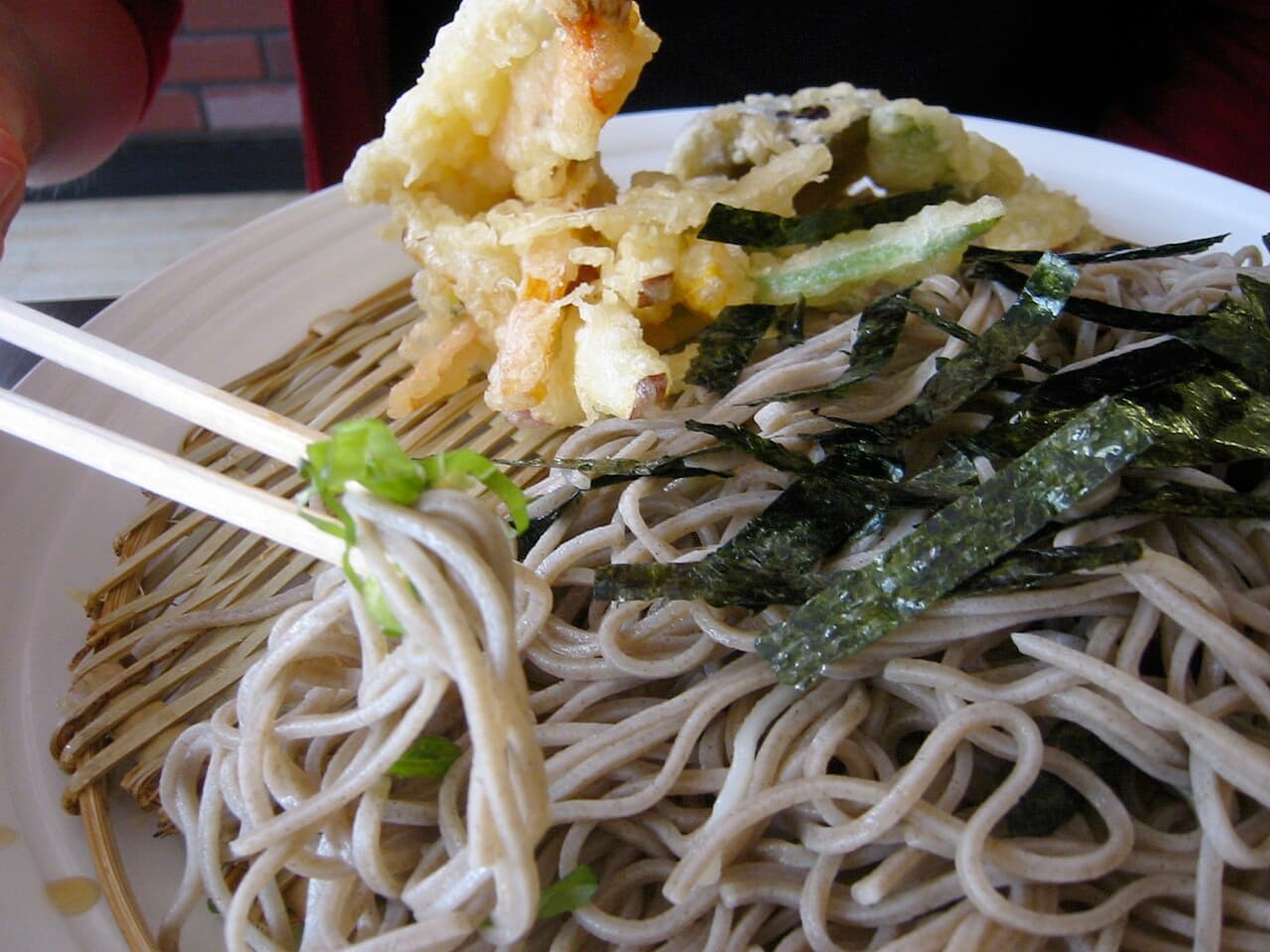
A small standing-style soba shop in Shimokitazawa (opened 2024) serving ni-hachi soba with a fully plant-based kombu broth and toppings, so there is no bonito or fish dashi. The noodles are ni-hachi (80% buckwheat, 20% wheat), so it is vegan but not gluten-free; it is daytime-only and closed early in the week, so check hours before visiting.
★ Plant-based croissants, cinnamon rolls and seasonal-vegetable tartines
A 100% vegan bakery and cafe opened in 2020 a minute from Setagaya-Daita Station, near Shimokitazawa, using locally sourced Japanese vegetables and wheat. All breads and pastries are made without eggs, milk or butter.