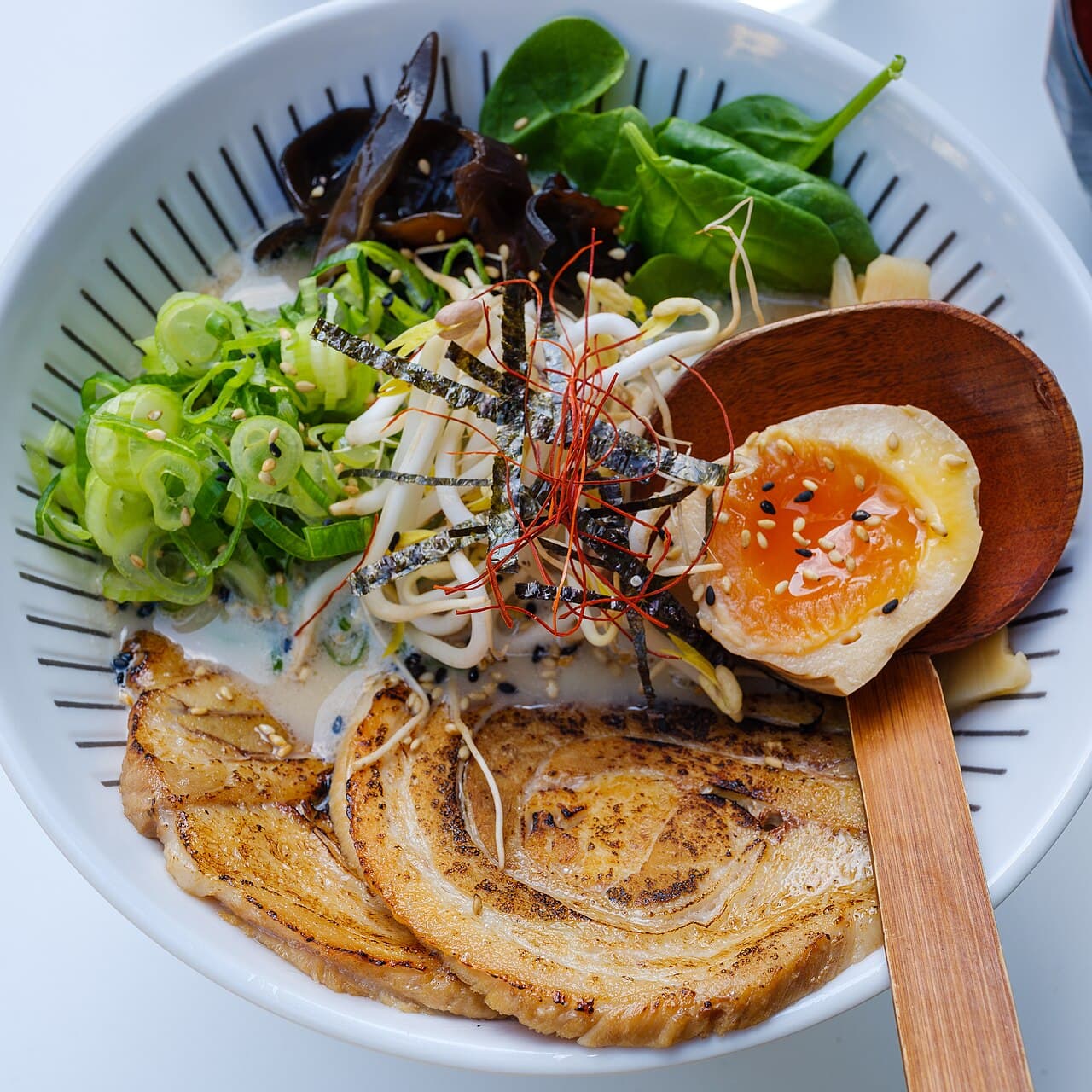
A bowl of broth, noodles and obsession.
What it is
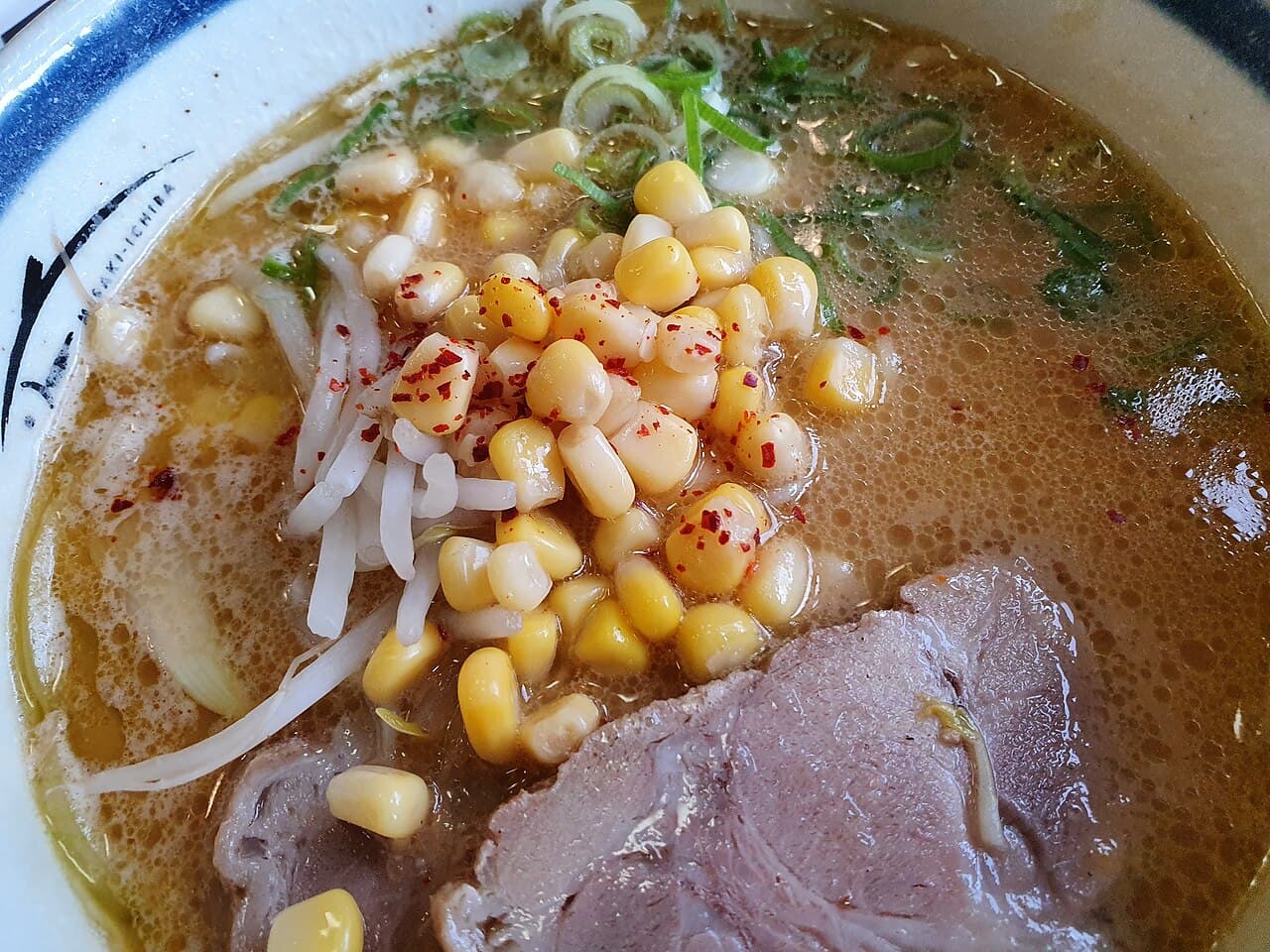
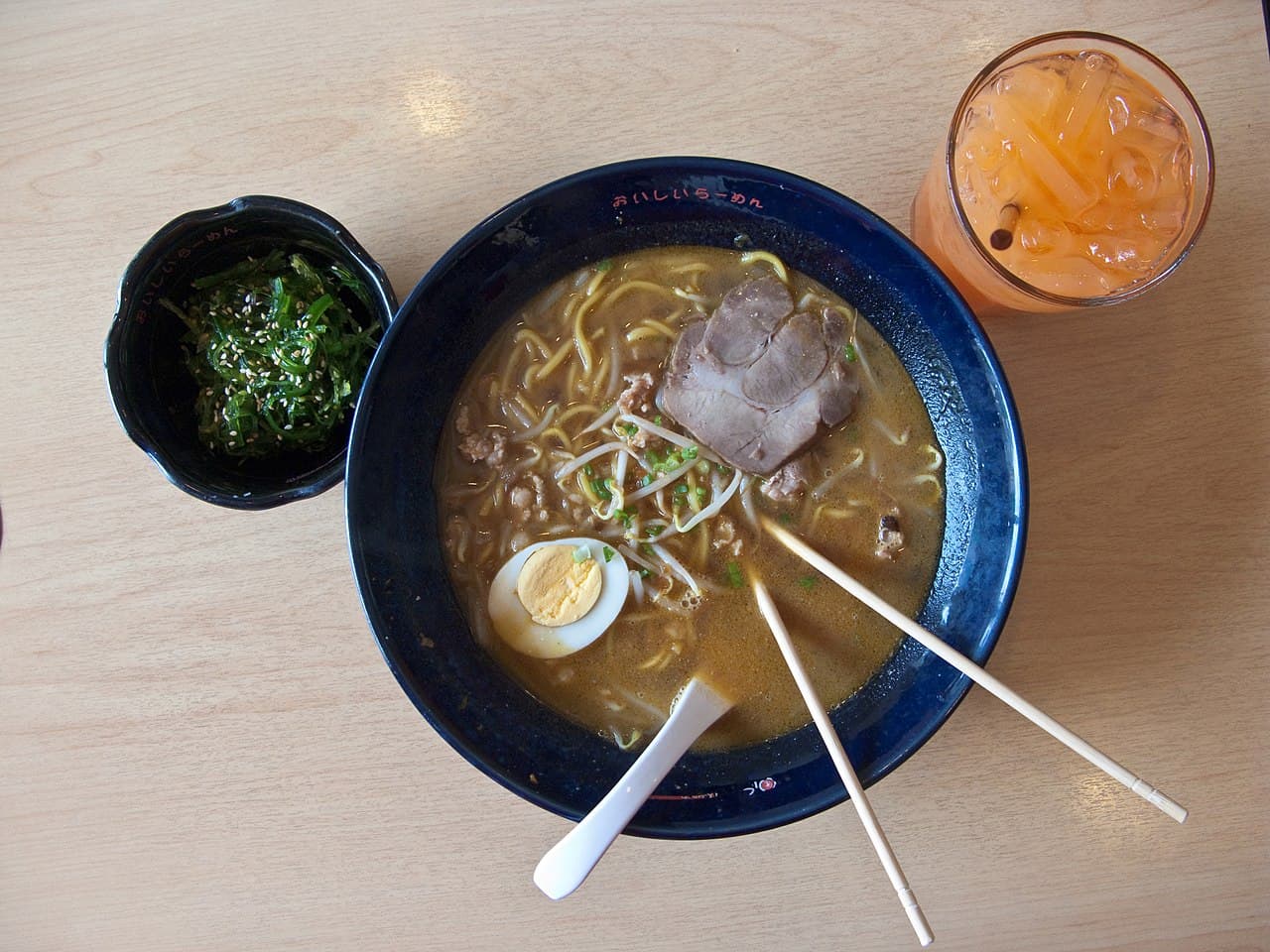
Ramen is wheat noodles in a seasoned broth, finished with toppings. Four classic tare (seasonings) define the style: shoyu (soy), shio (salt), miso, and the rich tonkotsu (pork bone). Regional schools run from Tokyo's clear shoyu to Hakata's creamy tonkotsu.
What it means
Though noodles came from China, ramen became thoroughly Japanese in the 20th century — postwar comfort food that grew into a craft culture. Today a single chef may devote a lifetime to one bowl, and devotees queue for hours. Ramen is Japan's most democratic obsession: cheap, personal, endlessly varied.
Why it's wonderful
The joy is in the balance — springy noodles, layered broth, the soft-yolk egg, the first aromatic steam. Slurping isn't rude; it cools the noodles and lifts the flavour. Finish in ten minutes, while it's perfect.
What to order
- Shoyu (soy) — the Tokyo classic
- Tonkotsu (pork bone) — rich & creamy
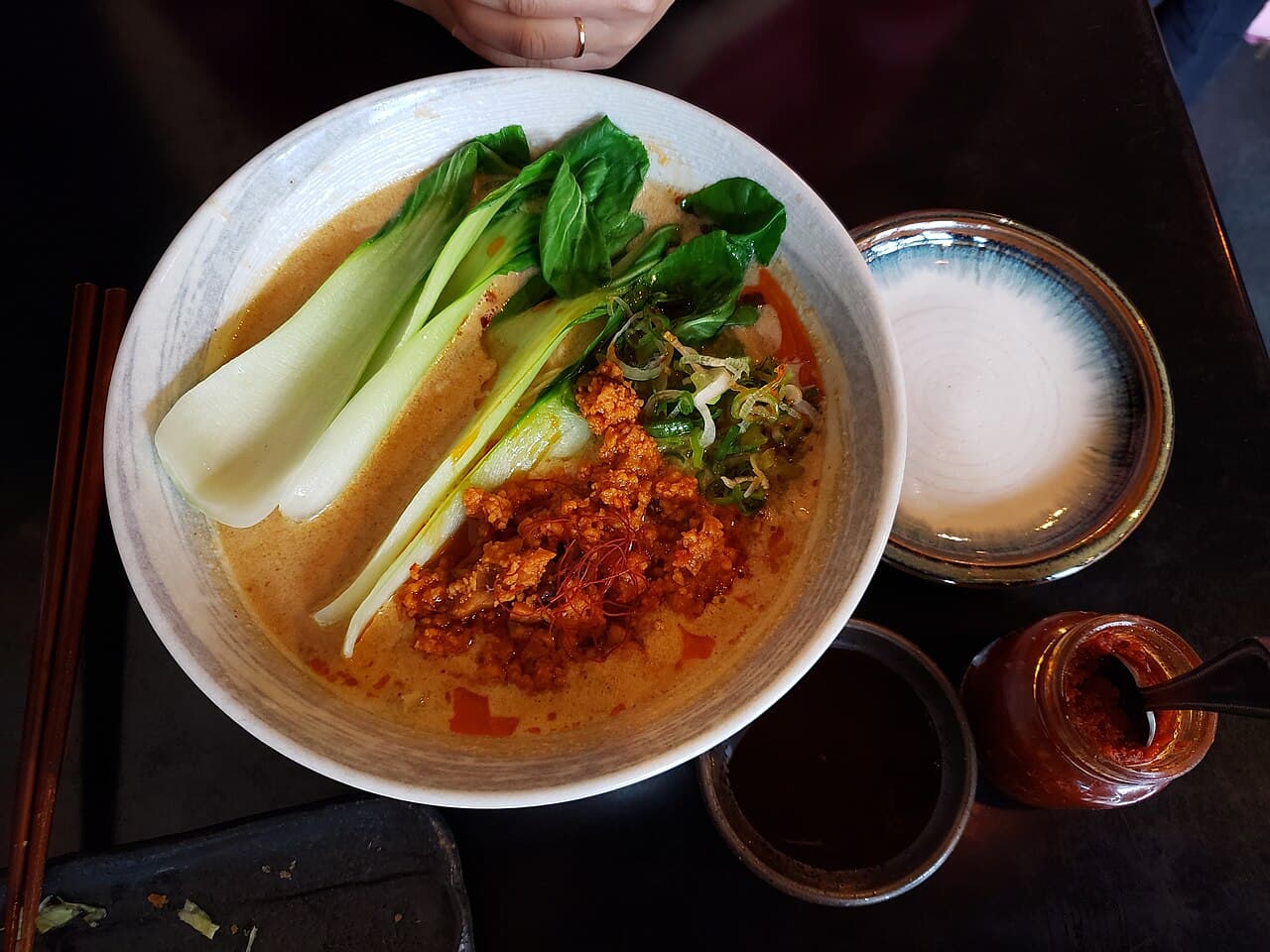
- Tantanmen — spicy sesame
- Kaedama (noodle refill) at tonkotsu shops
For special diets
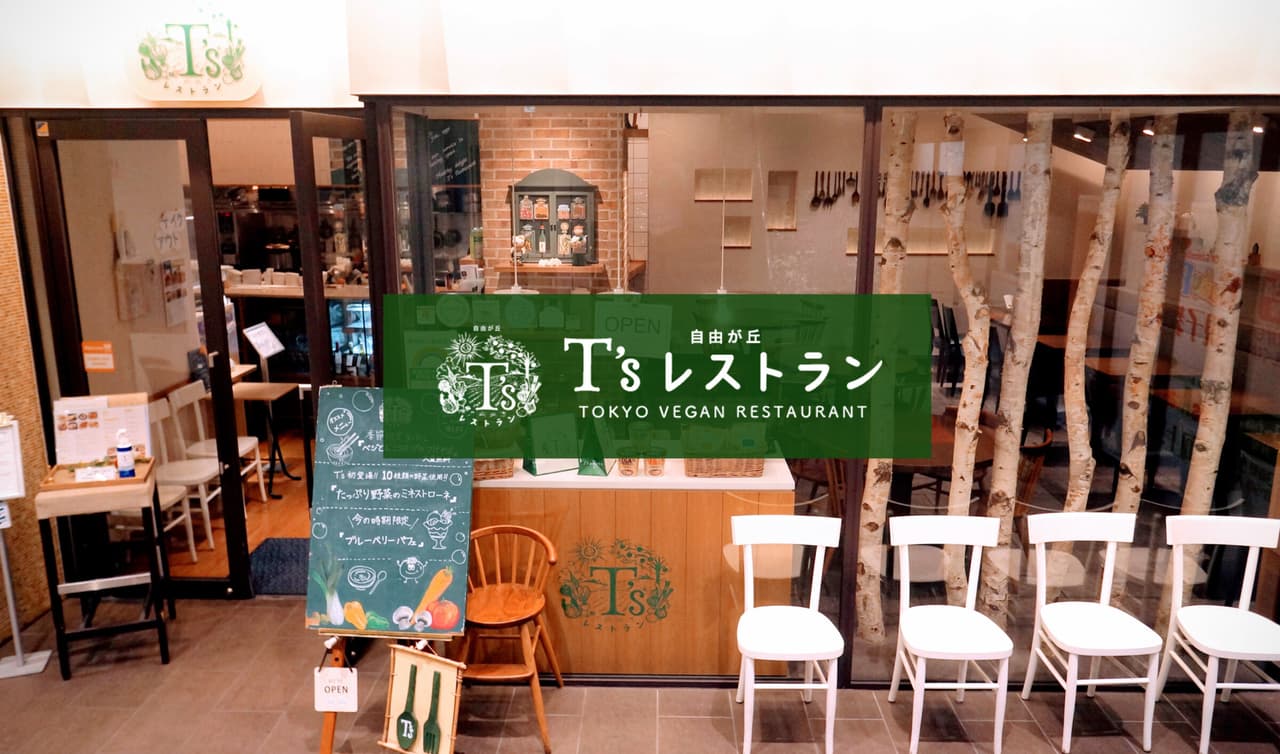
Traditionally pork-heavy, but Tokyo now has excellent fully-vegan and halal-chicken ramen.
FAQ
- What is Ramen?
- A bowl of broth, noodles and obsession.
- Is Ramen vegetarian, vegan, halal or gluten-free?
- Traditionally pork-heavy, but Tokyo now has excellent fully-vegan and halal-chicken ramen.
Recipes and preparation vary by restaurant, so this is a general guide. If you're ever unsure, please confirm directly with the venue before you order — they'll appreciate the heads-up.