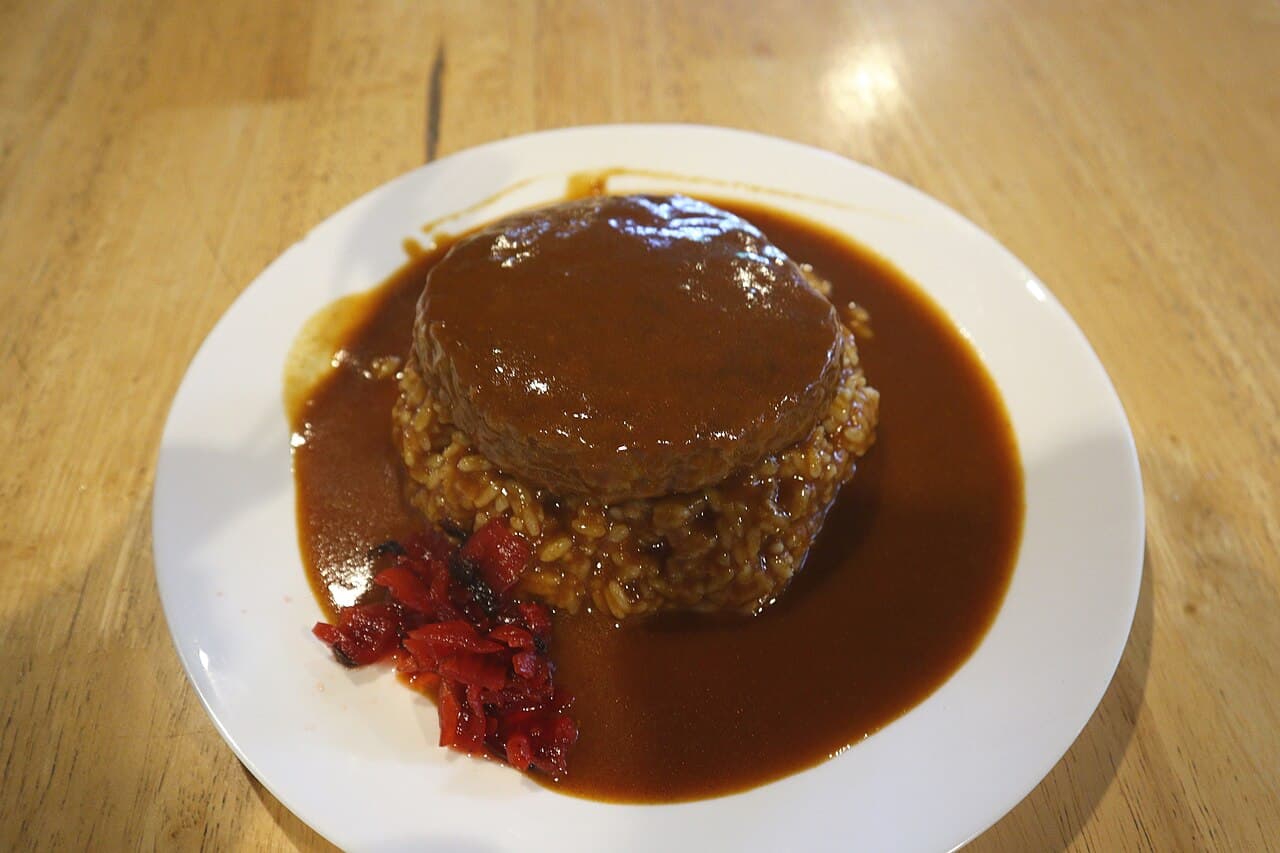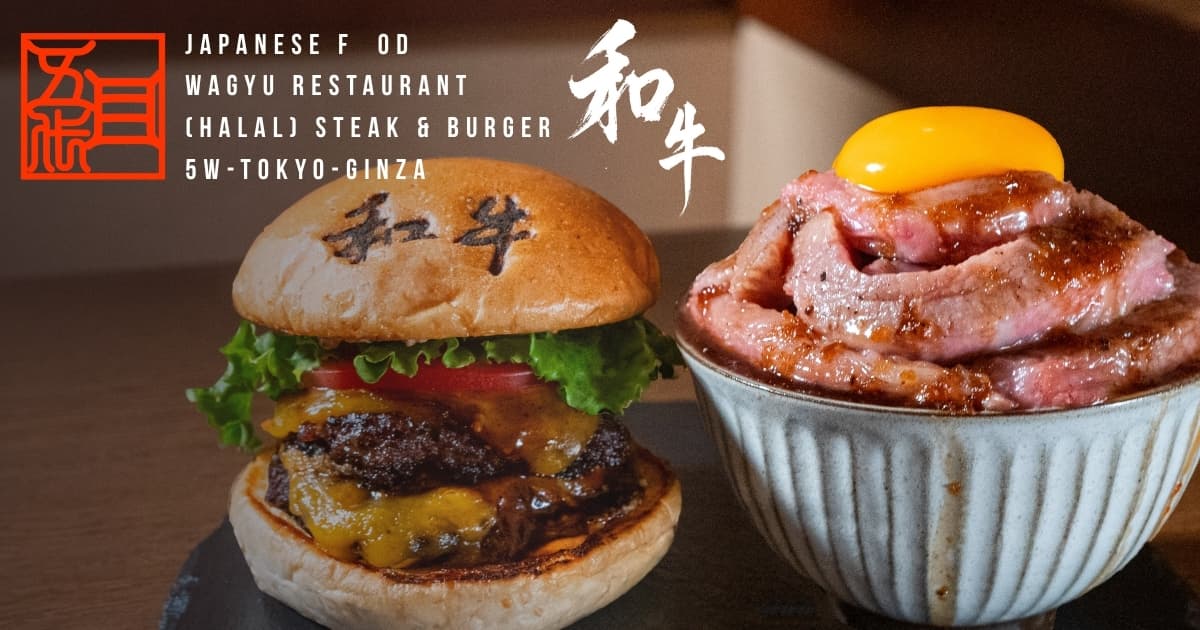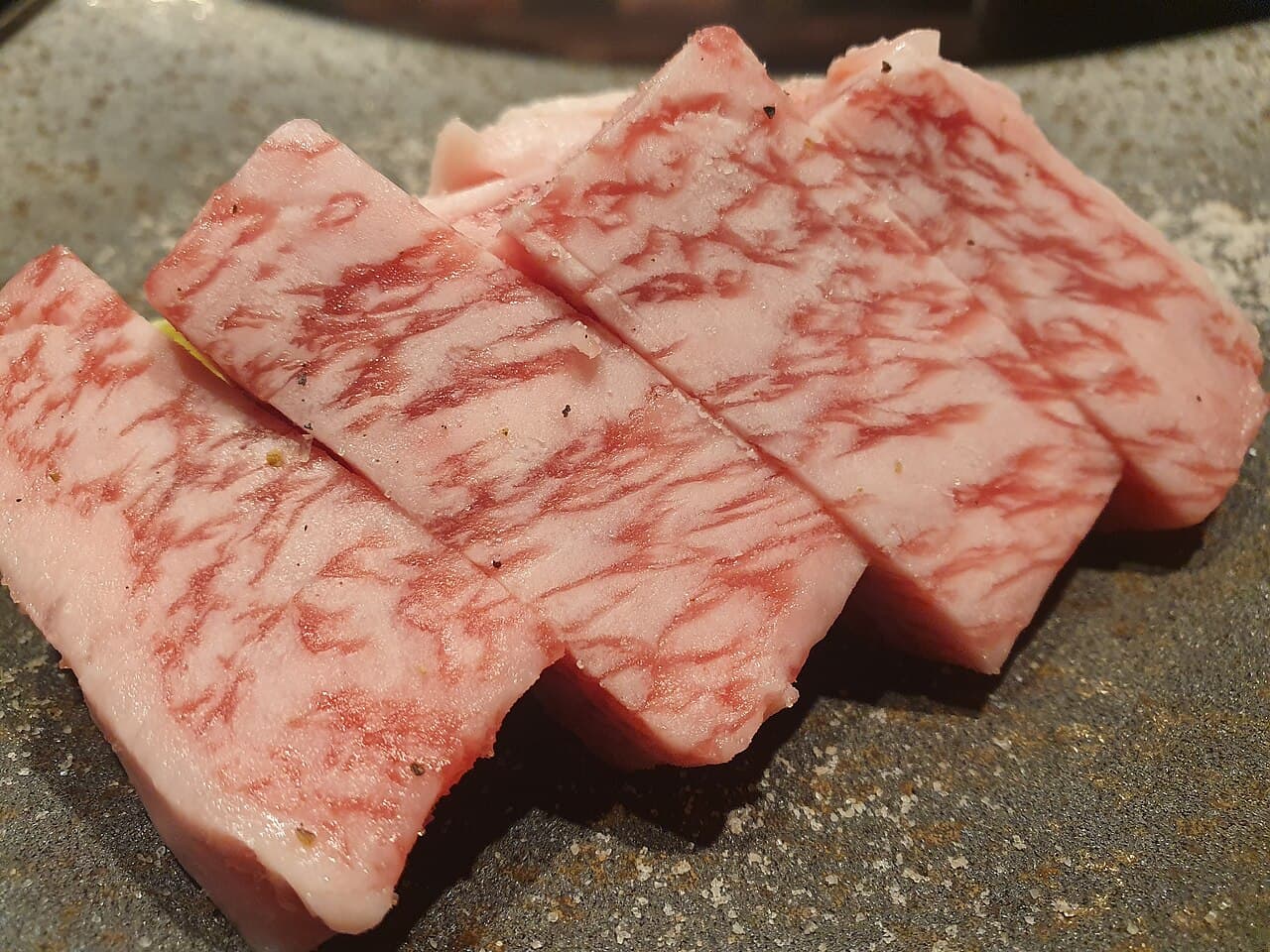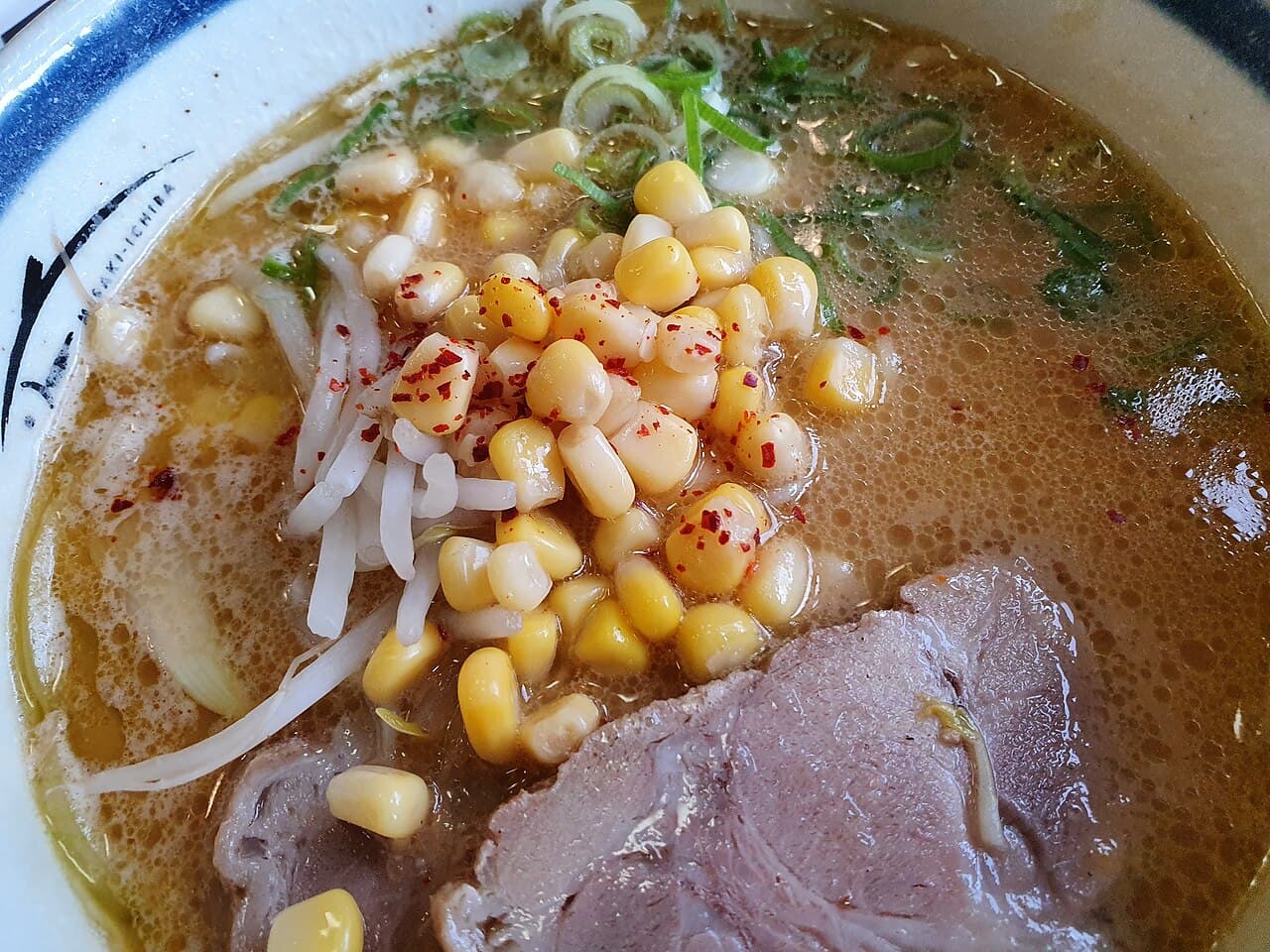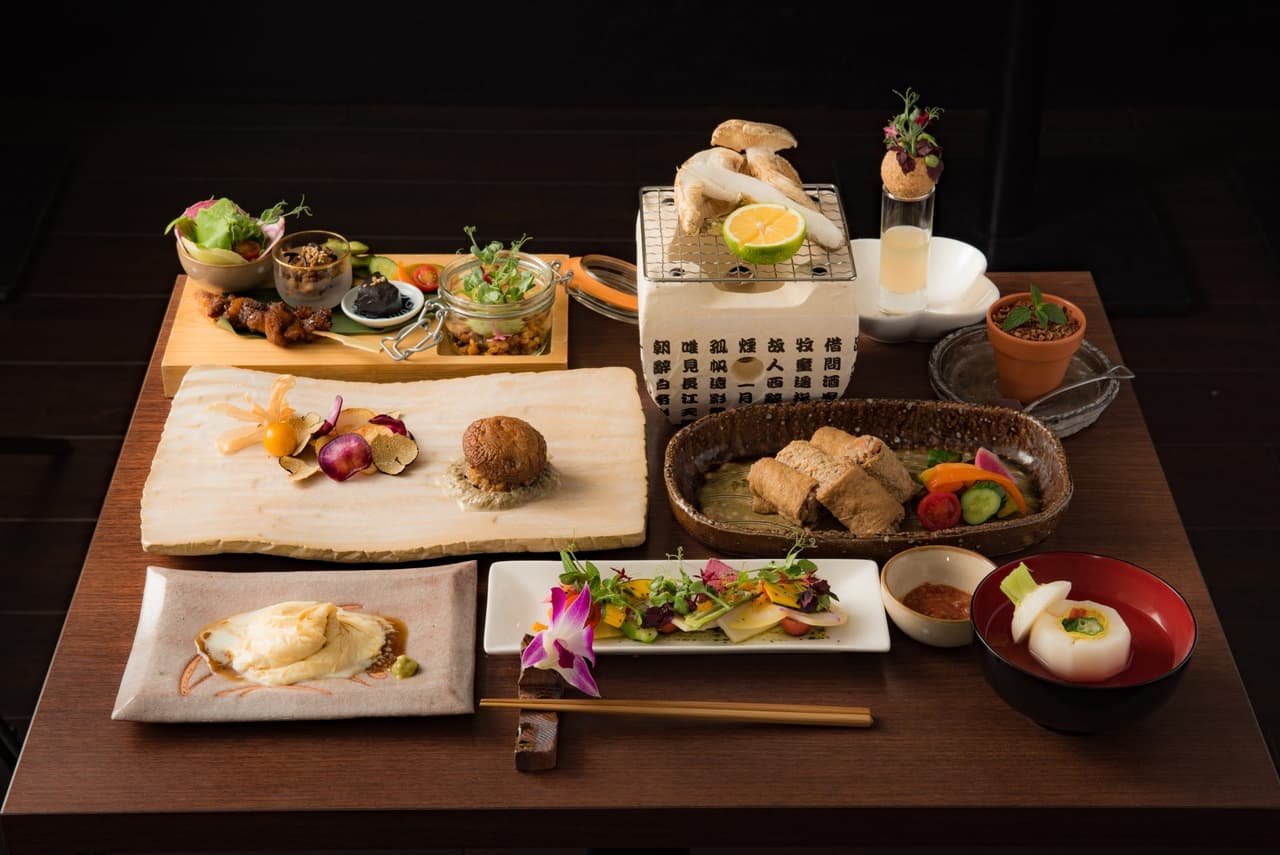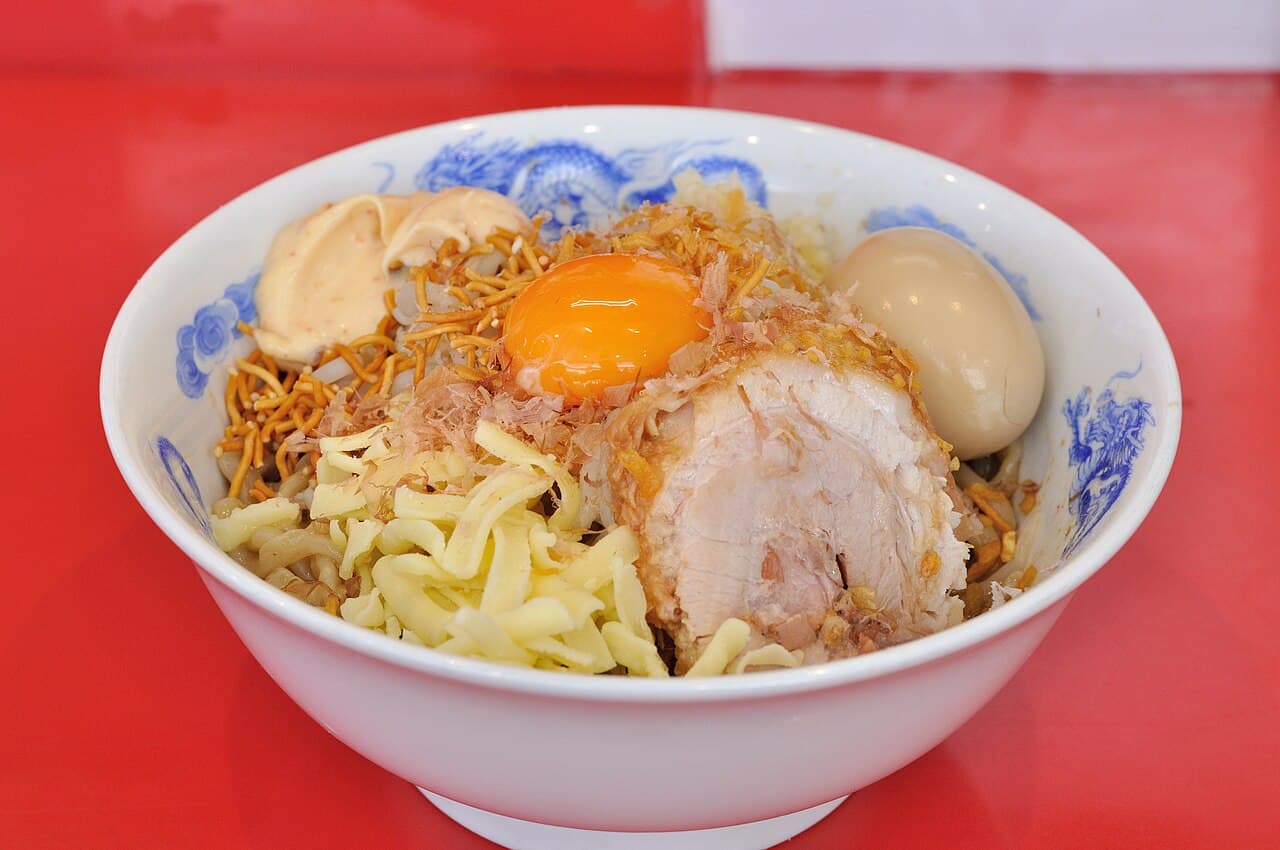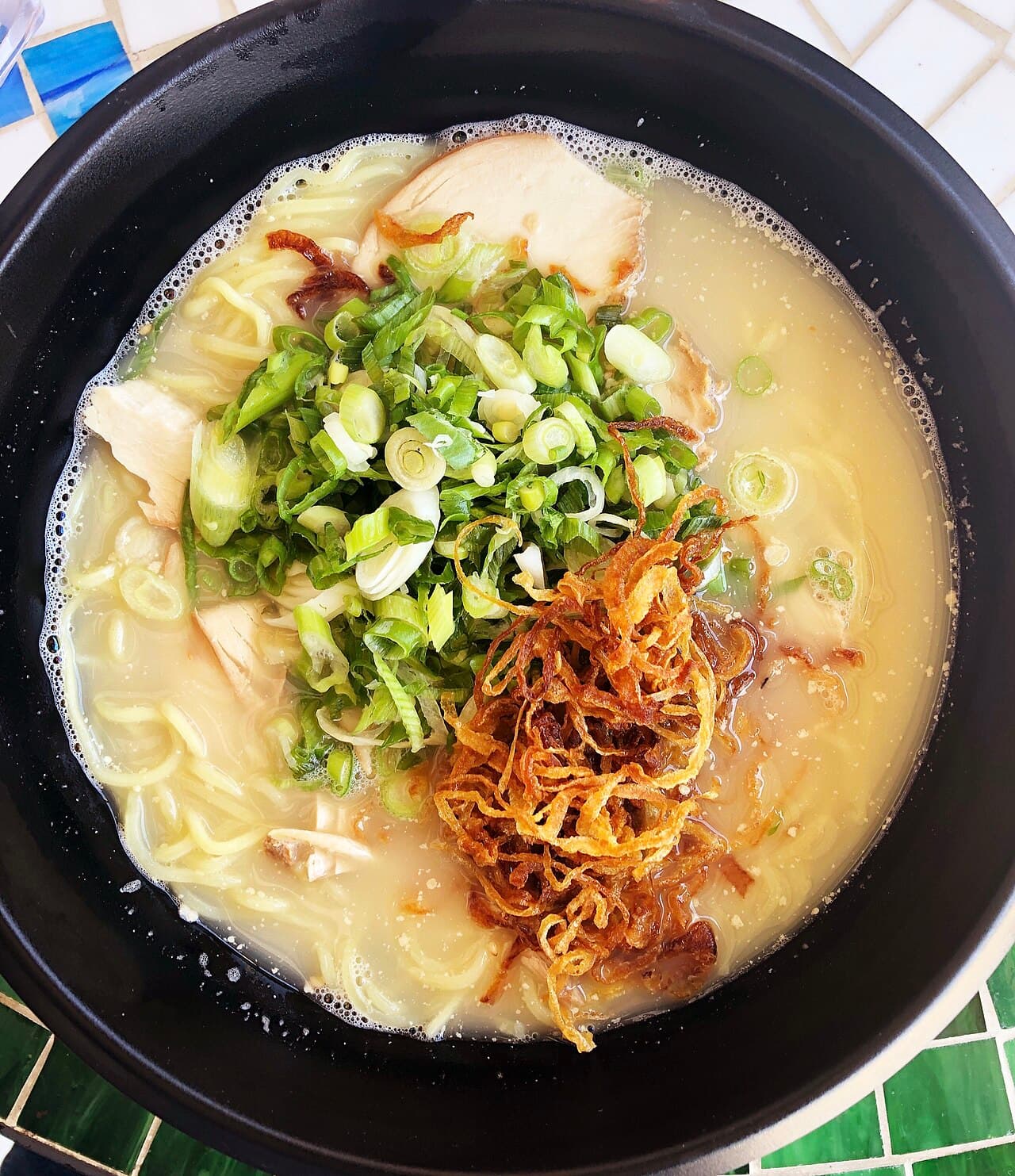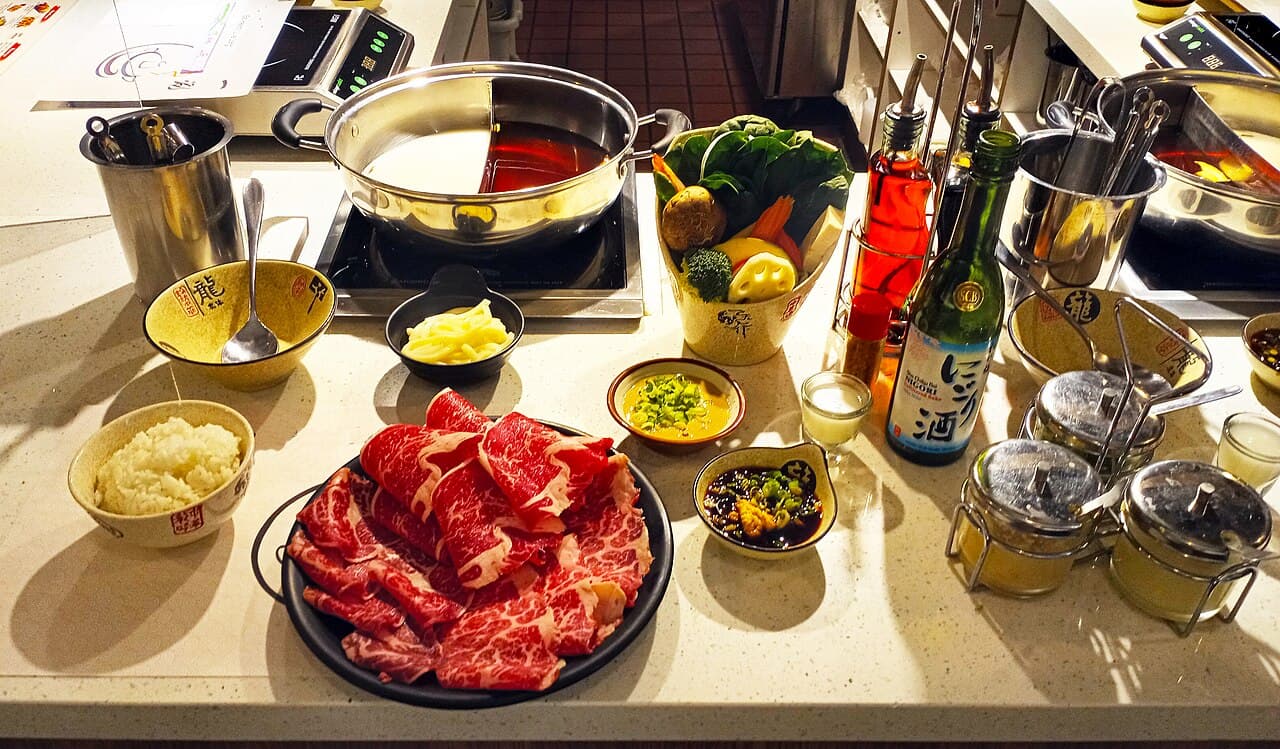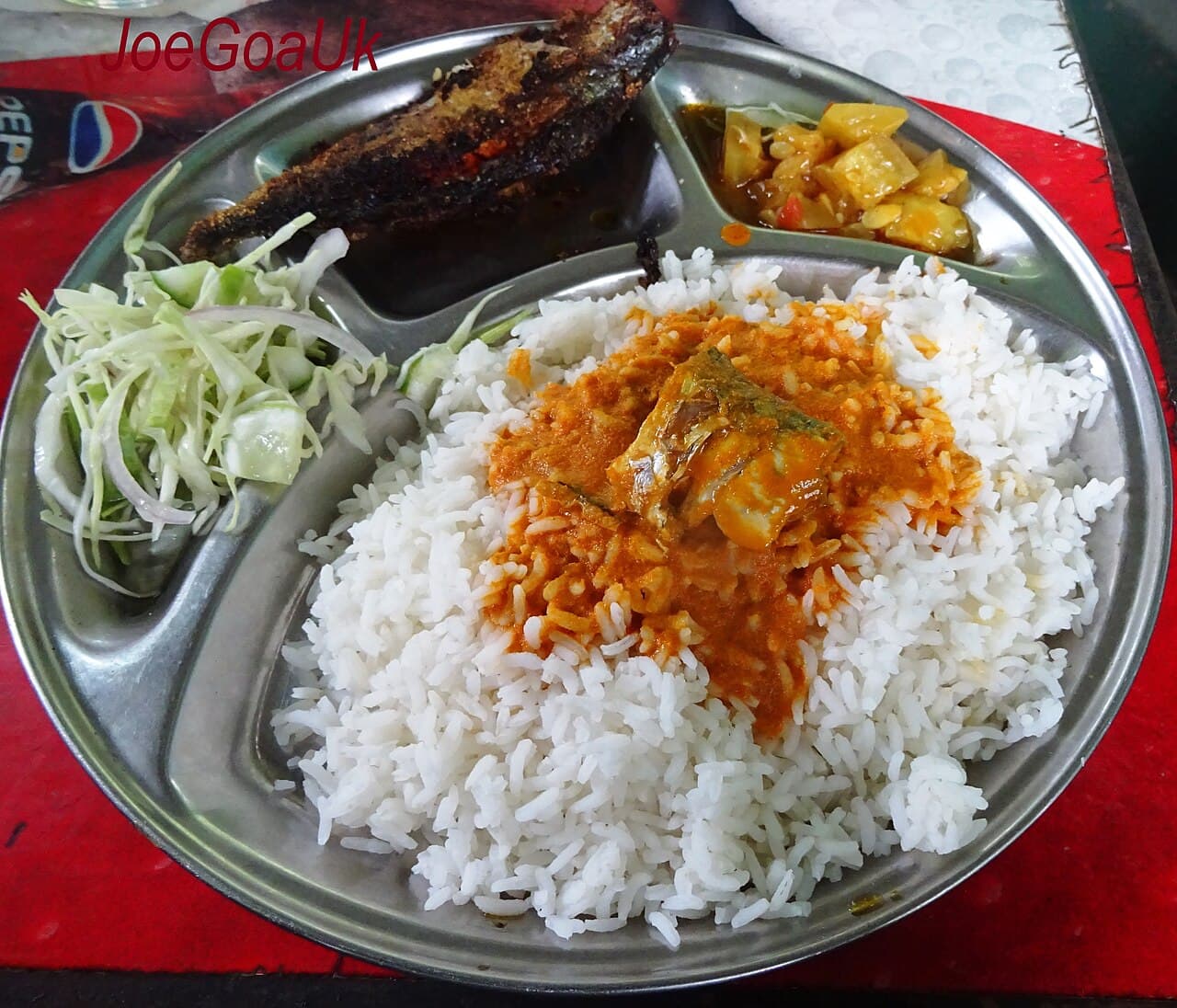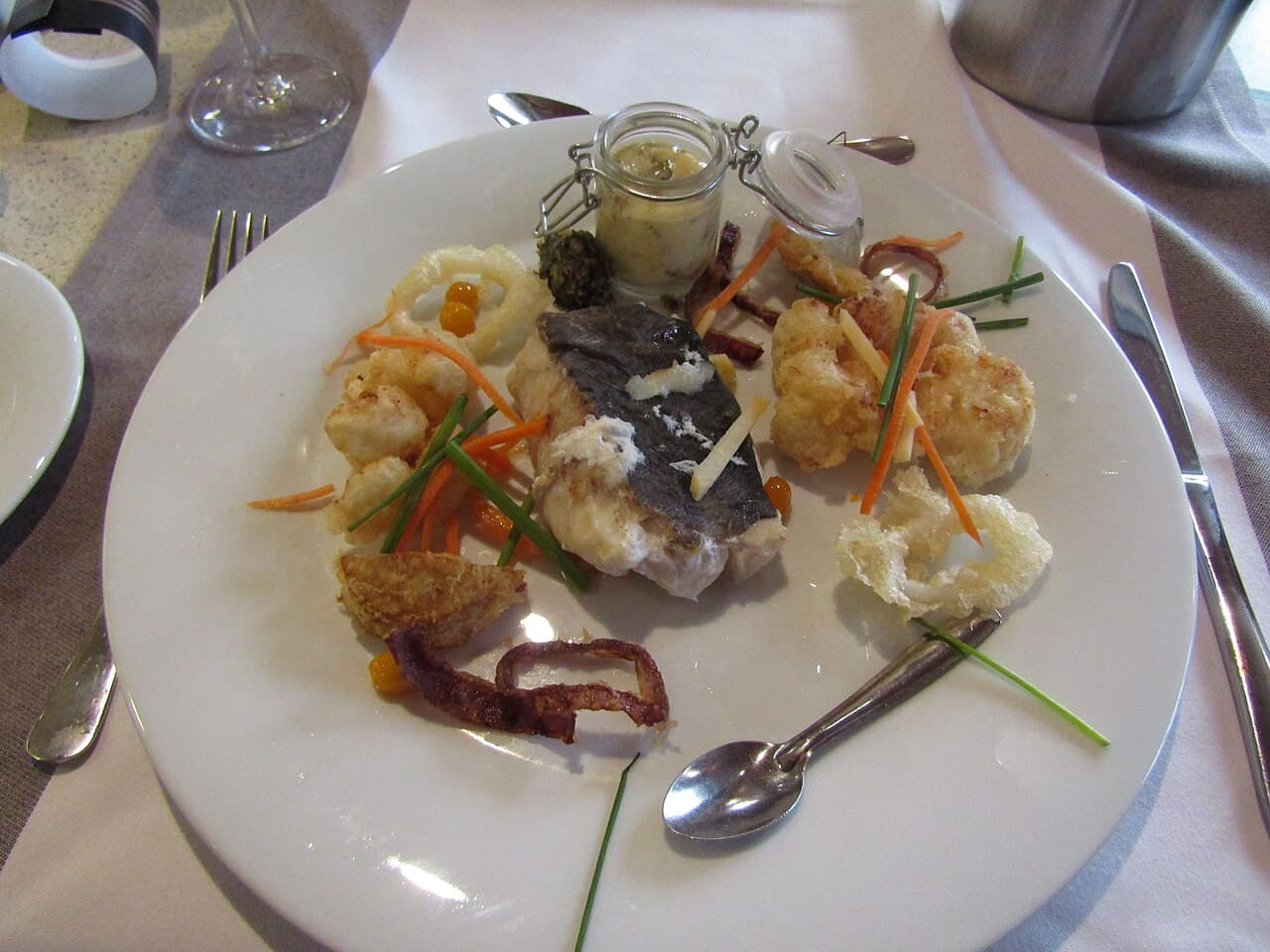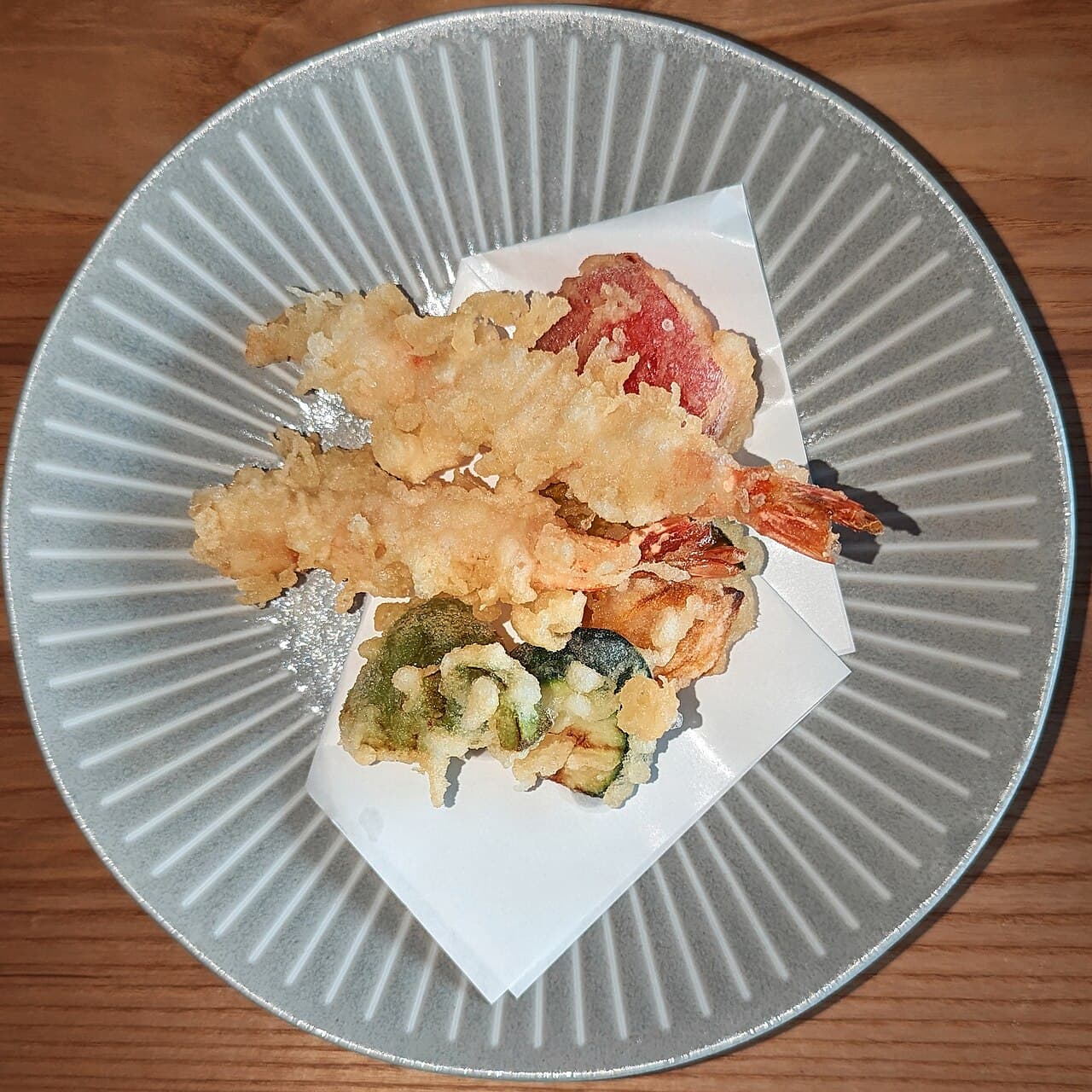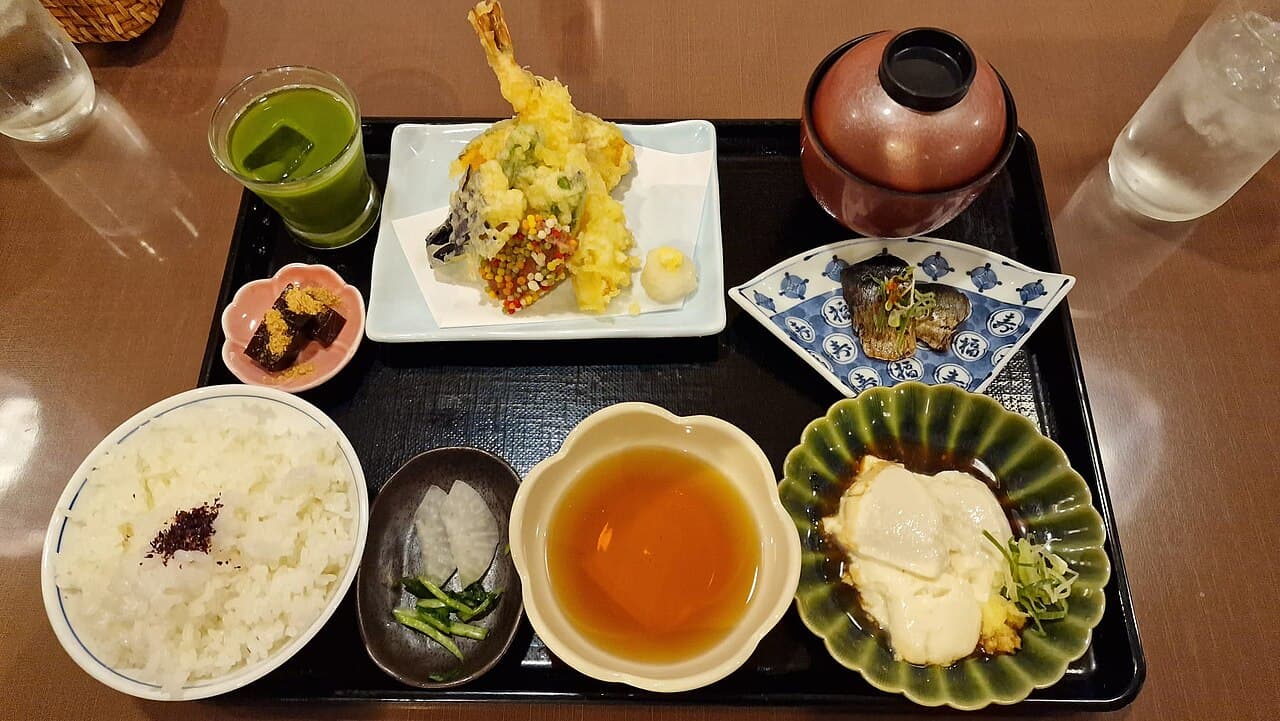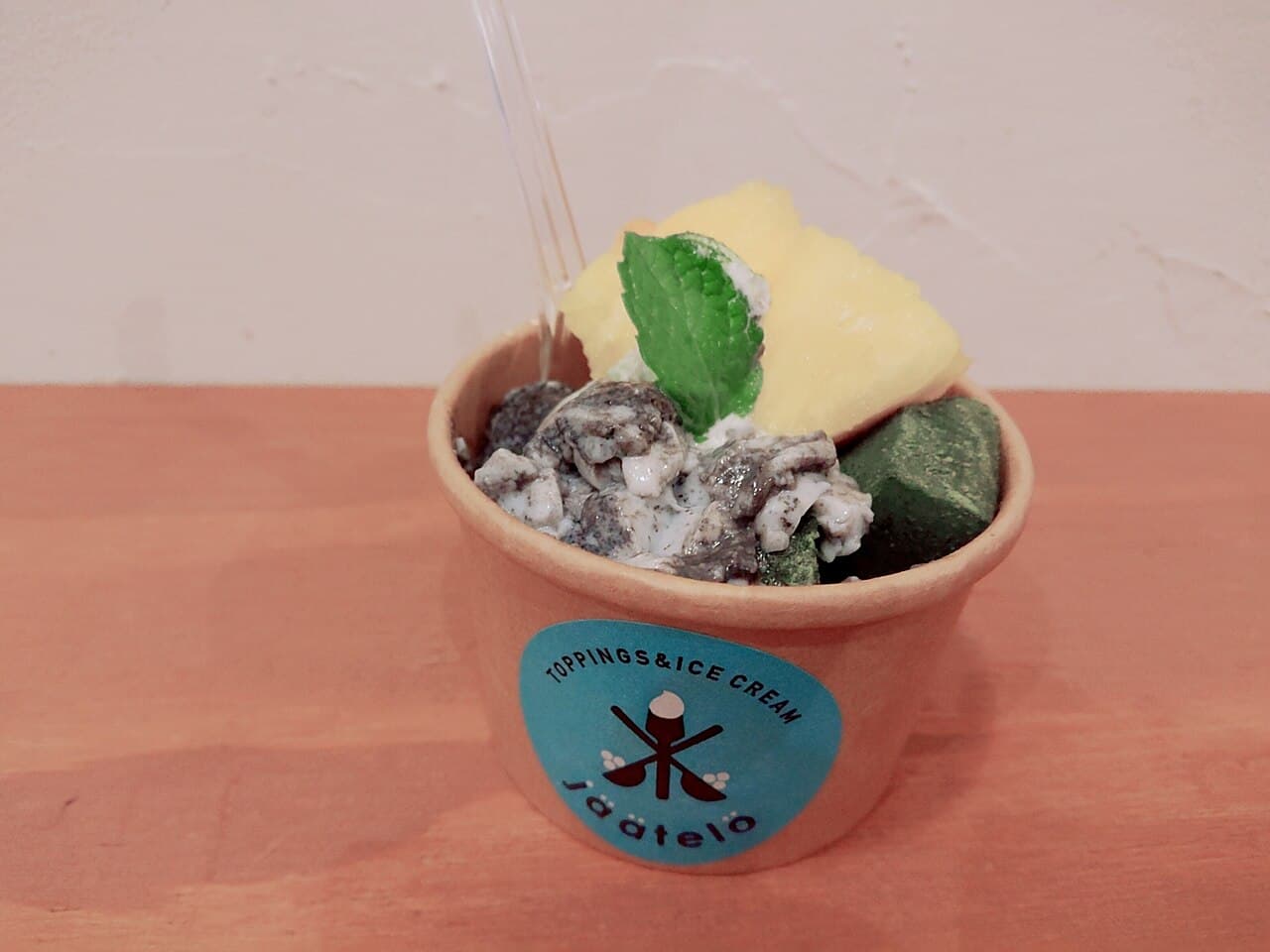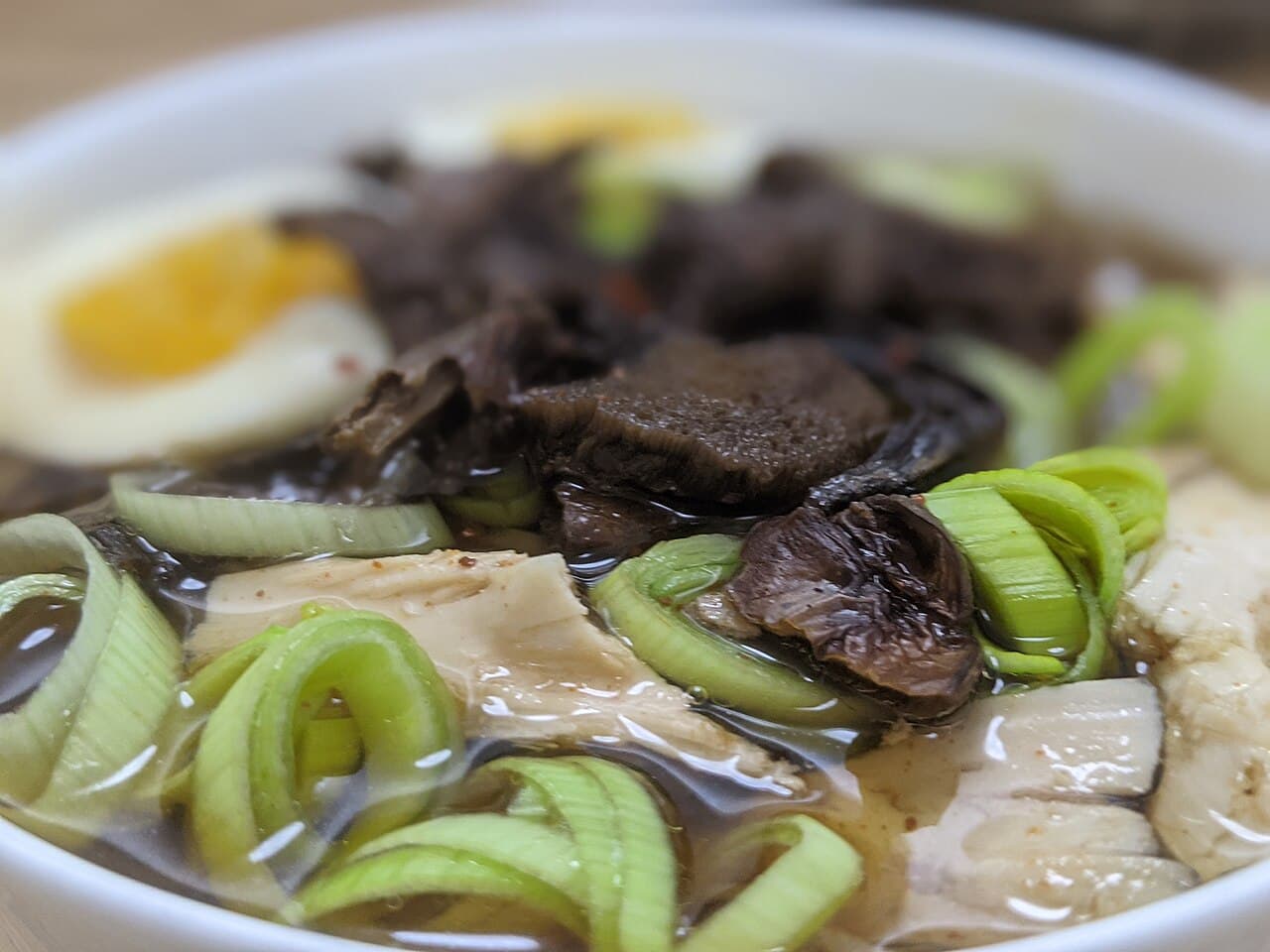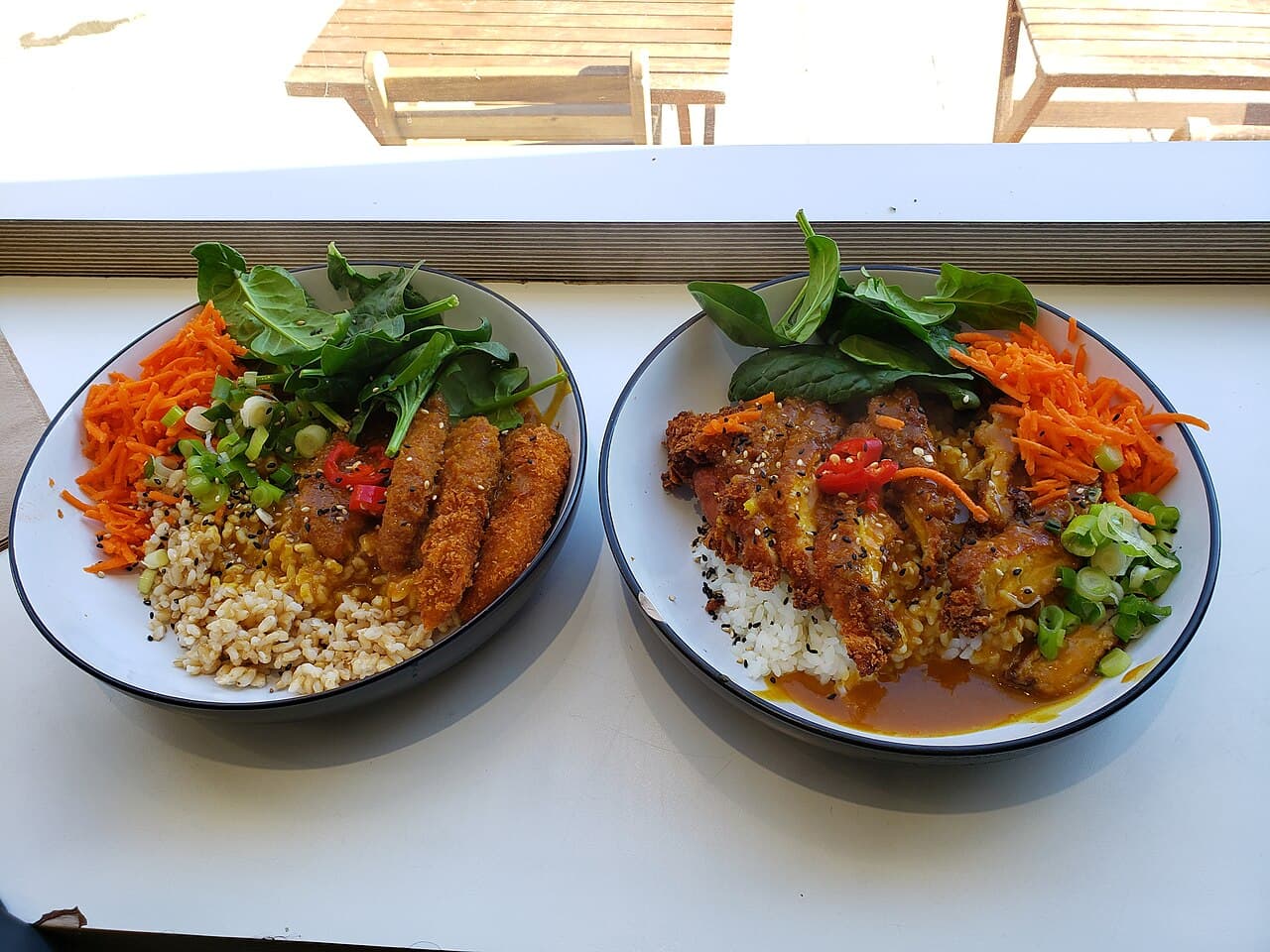
Permissible under Islamic law — watch for pork, alcohol, mirin and sake in seasoning.
What does “halal” actually mean here?
Japan has no single national halal authority — many private certifiers with different logos. Here’s what each claim really guarantees, and what to confirm yourself.
Halal-certified
Audited by a halal body: no pork, no alcohol, meat slaughtered to Islamic rules.
Still check: Which certifier issued it, and is it current? Japan has no single national logo — many private bodies exist.
Muslim-friendly
No pork or alcohol on request, often a halal menu — but not formally certified.
Still check: Confirm the meat is halal-sourced, and ask about shared fryers, grills and utensils.
Pork-free menu
No pork — but may still use alcohol, mirin, or non-halal meat.
Still check: Ask about cooking sake and mirin (alcohol), and where the meat comes from.
Self-described / unverified
A claim with no third-party check behind it.
Still check: Treat with caution — use the phrases below to confirm pork, alcohol and meat source yourself.
Always ask, even when certified
- Mirin & cooking sake — alcohol hidden in glazes, simmered dishes and teriyaki
- Shared fryers, grills and pots between pork and other foods
- Regular soy sauce & miso may contain trace alcohol
Halal in Japan
Halal means permissible under Islamic law: no pork or pork by-products, no alcohol, and meat (beef, chicken, lamb) slaughtered according to Islamic rules. Tokyo's halal scene has grown a lot — there are now halal-certified ramen, wagyu/yakiniku, and Japanese restaurants, plus many Muslim-friendly places.
The Japanese-specific traps are in the seasoning: mirin and cooking sake (both contain alcohol) flavour countless dishes, regular shoyu (soy sauce) is brewed with a little alcohol, and many ramen and tonkatsu use pork. Even "chicken" dishes may share a fryer or grill with pork.
Certified vs. Muslim-friendly
- Halal-certified: audited by a halal authority — the safest choice.
- Muslim-friendly: no pork/alcohol on request, but not formally certified.
We label both. Use the filter to find them, confirm certification level if it matters to you, and use the phrases below.
How to find halal food in Japan
Japan has no government halal authority — certification is issued by private bodies such as the Japan Muslim Association, the NPO Japan Halal Association and the Nippon Asia Halal Association, each with its own logo (as of July 2026). Look for the certificate near the entrance, and if the level matters to you, ask which body issued it and what it covers (kitchen, ingredients, alcohol policy).
On this site, start with the area hubs we keep verified — halal food in Tokyo, halal restaurants near Asakusa and halal restaurants in Osaka — or jump straight to a proven first meal: Gyumon halal ramen in Asakusa (wagyu broth, no pork), Honolu halal ramen by Shinjuku-Gyoen or Halal Wagyu Ramen Shinjuku-tei.
What to watch for in Japan
- Pork in ramen broth (tonkotsu), gyoza, tonkatsu, and as a hidden topping
- Mirin and cooking sake — alcohol used in glazes, simmered dishes, teriyaki
- Regular soy sauce and miso may contain trace alcohol
- Shared fryers/grills between pork and other meats
FAQ
- Is Japanese food Halal-friendly?
- Food permitted under Islamic law: no pork, no alcohol, meat slaughtered correctly. In Japan, look out for mirin, cooking sake and soy sauce (which can contain alcohol) and pork-based broths.
- What hidden ingredients should Halal travelers watch for in Japan?
- Pork in ramen broth (tonkotsu), gyoza, tonkatsu, and as a hidden topping / Mirin and cooking sake — alcohol used in glazes, simmered dishes, teriyaki / Regular soy sauce and miso may contain trace alcohol / Shared fryers/grills between pork and other meats
- How do I say I'm Halal in Japanese?
- 「豚肉とお酒(アルコール)は食べられません。」(Butaniku to osake (arukōru) wa taberaremasen.)
- How do I find halal restaurants in Japan?
- Look for a certificate from a private certification body — Japan has no government halal authority — such as the Japan Muslim Association or the NPO Japan Halal Association (as of July 2026), or start from our verified area hubs for Tokyo, Asakusa and Osaka.
- Is regular Japanese soy sauce (shoyu) halal?
- Traditionally brewed shoyu naturally contains roughly 2–3% alcohol from fermentation, so many Muslims avoid it. Halal-certified soy sauce (brewed to suppress alcohol) is made in Japan, and halal-certified restaurants use it (as of July 2026).
Show this card to staff
Halal
すみません。食べられないものがあります。
Sumimasen. Taberarenai mono ga arimasu.
I cannot eat
- 豚肉(豚由来すべて)butaniku · Pork (and all pork-derived)
- アルコール(酒・みりん・料理酒)arukōru (sake・mirin) · Alcohol (sake, mirin, cooking wine)
- ラード・ゼラチンrādo・zerachin · Lard & gelatin
- ハラルでない肉harāru de nai niku · Non-halal meat
これらを使わずに作っていただけますか?よろしくお願いします。
Kore-ra o tsukawazu ni tsukutte itadakemasu ka? Yoroshiku onegai shimasu.
Could you prepare my dish without these? Thank you so much.
This is a dietary need, not a certified-allergy menu — please let me know if a dish isn't possible.