The silky skin of soy milk — a delicacy of Kyoto and the temple.
What it is
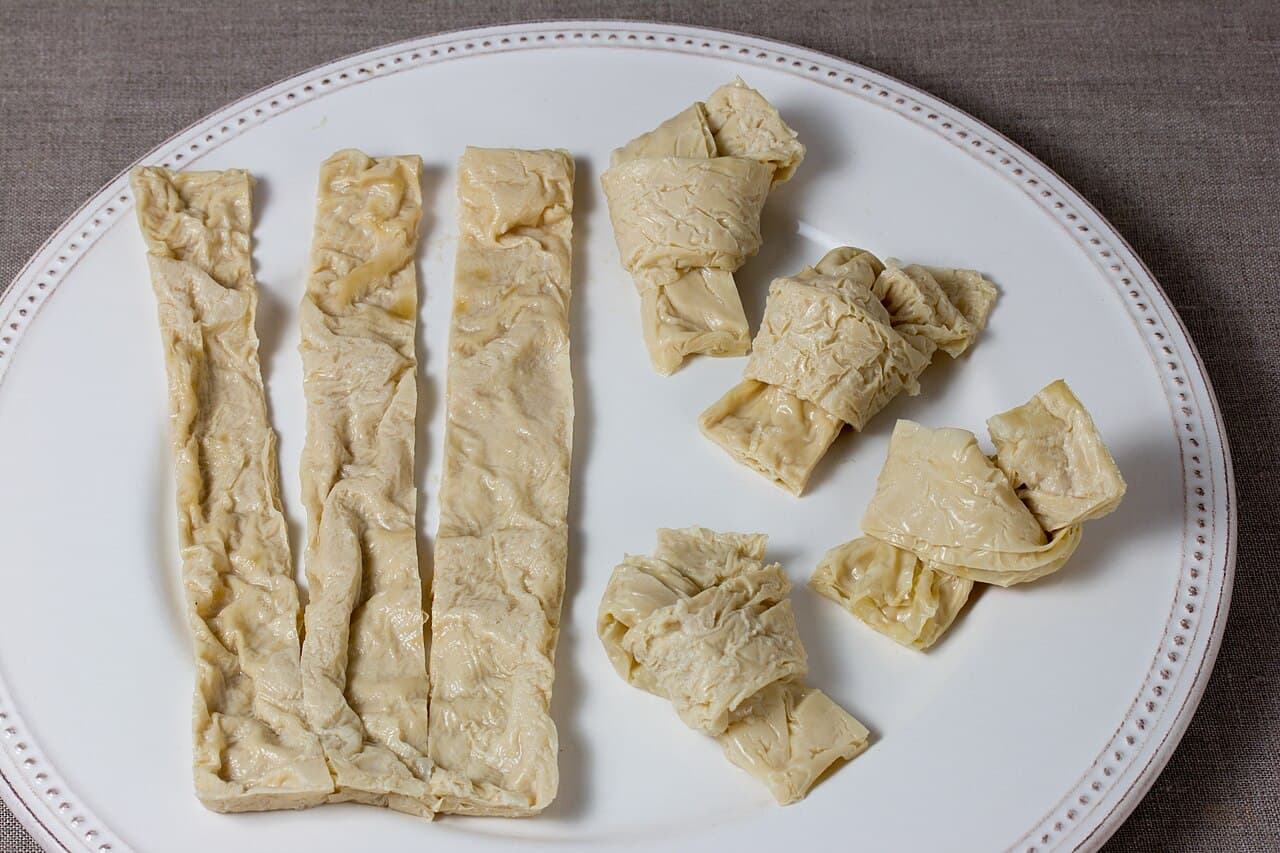
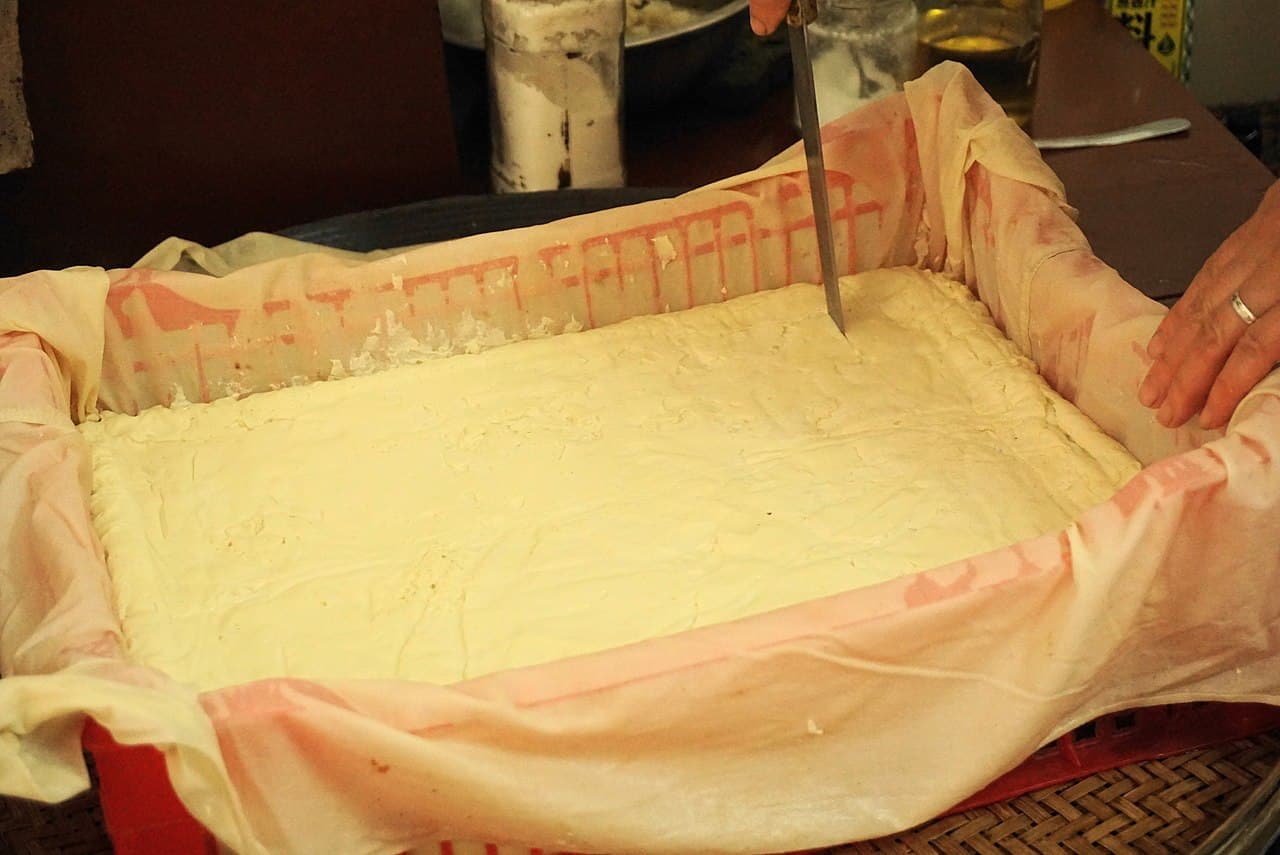
Yuba is the delicate skin that forms on warm soy milk, lifted in sheets and eaten fresh (kumiage), as sashimi, simmered, or fried. Silky and faintly sweet, it's prized in Kyoto cuisine and Buddhist temple cooking.
What it means
Born in temple kitchens as a protein-rich, entirely plant-based food, yuba became a refined delicacy. It embodies the Japanese art of coaxing luxury from the humblest ingredient — soybeans and patience.
Why it's wonderful
Fresh yuba has a melting, custard-like texture and pure soy sweetness — best with a few drops of good soy or a touch of wasabi. A quiet, elegant pleasure.
Pure soy — vegan and naturally gluten-free (use tamari for the dip).
FAQ
What is Yuba (tofu skin)?
The silky skin of soy milk — a delicacy of Kyoto and the temple.
Is Yuba (tofu skin) vegetarian, vegan, halal or gluten-free?
Pure soy — vegan and naturally gluten-free (use tamari for the dip).
💬Recipes and preparation vary by restaurant, so this is a general guide. If you're ever unsure, please confirm directly with the venue before you order — they'll appreciate the heads-up.
Where to try it — and book a table
Editor-picked spots for this dish. Each opens the listing we verified it against — hours, photos and how to get in touch.
★ Kinugoshi silken tofu, said to be invented here in Edo
Founded over 330 years ago, this Negishi institution claims to have invented silken tofu in Edo, and still serves a quiet tofu-kaiseki course beside the poet Shiki's old hermitage.
★ Kuchifuku set — nine seasonal vegan sides with rice and miso soup
A casual, affordable vegan cafeteria run by a Kamakura temple lineage beneath the Akihabara rail arches, where even garlic and onion are forsaken in true shojin style.
★ Tomeshi — soy-cooked rice crowned with broth-soaked tofu
Founded in 1923, this Kanto-style oden institution simmers a decades-old dark dashi and is famous for tomeshi — broth-soaked tofu over soy-stained rice.
★ 'Eel' sushi and namasu crafted entirely from tofu and burdock
A reservation-only tatami refuge where a chef who trained 25 years at Takayama's Kakusho turns the seasons into meat-free trompe-l'oeil — tofu that tastes like eel, burdock that becomes sushi.