Editor's Choice
- Anniversary
- Business
Founded over 330 years ago, this Negishi institution claims to have invented silken tofu in Edo, and still serves a quiet tofu-kaiseki course beside the poet Shiki's old hermitage.
Can I eat here?
Diets our editors confirmed in person
Show this to staff
Vegetarian
私はベジタリアンで、肉と魚は食べません。
Watashi wa bejitarian de, niku to sakana wa tabemasen.
I'm vegetarian — I don't eat meat or fish.
- この料理に肉や魚のだしは入っていますか?Does this dish contain meat or fish stock?
Reserve & verify
Details
- Address
- 2-5-12 Negishi, Taito-ku, Tokyo 110-0003
- Nearest station
- Uguisudani Stn (JR)
- Cuisine
- Tofu & yuba cuisine
- Price
- ¥¥
- Signature
- Kinugoshi silken tofu, said to be invented here in Edo
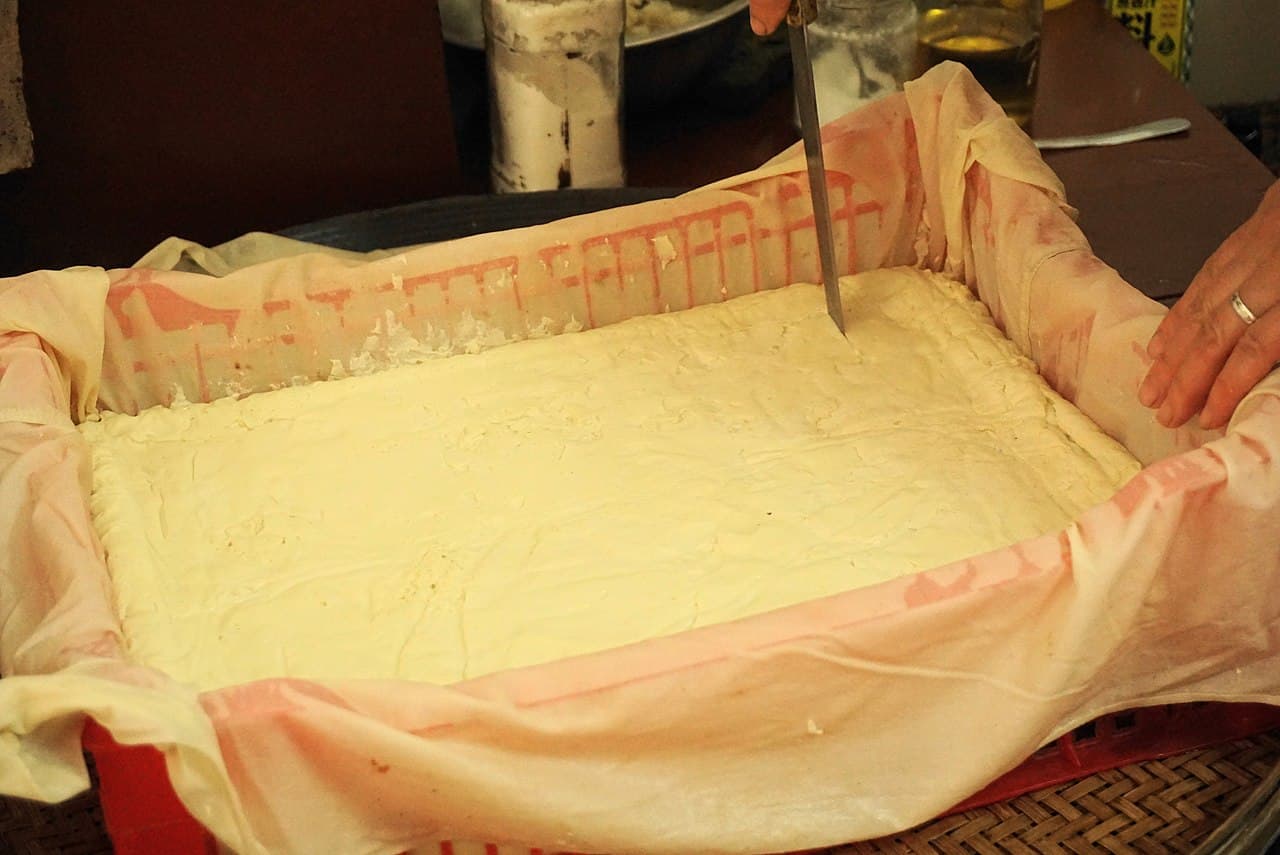
Sasanoyuki is a single-course tofu restaurant in Negishi that has been making kinugoshi (silken) tofu since 1691, when its founder, a Kyoto tofu maker named Tamaya Chubei, settled in what was then the edge of Edo and began serving a style of tofu no one in the city had tasted before.
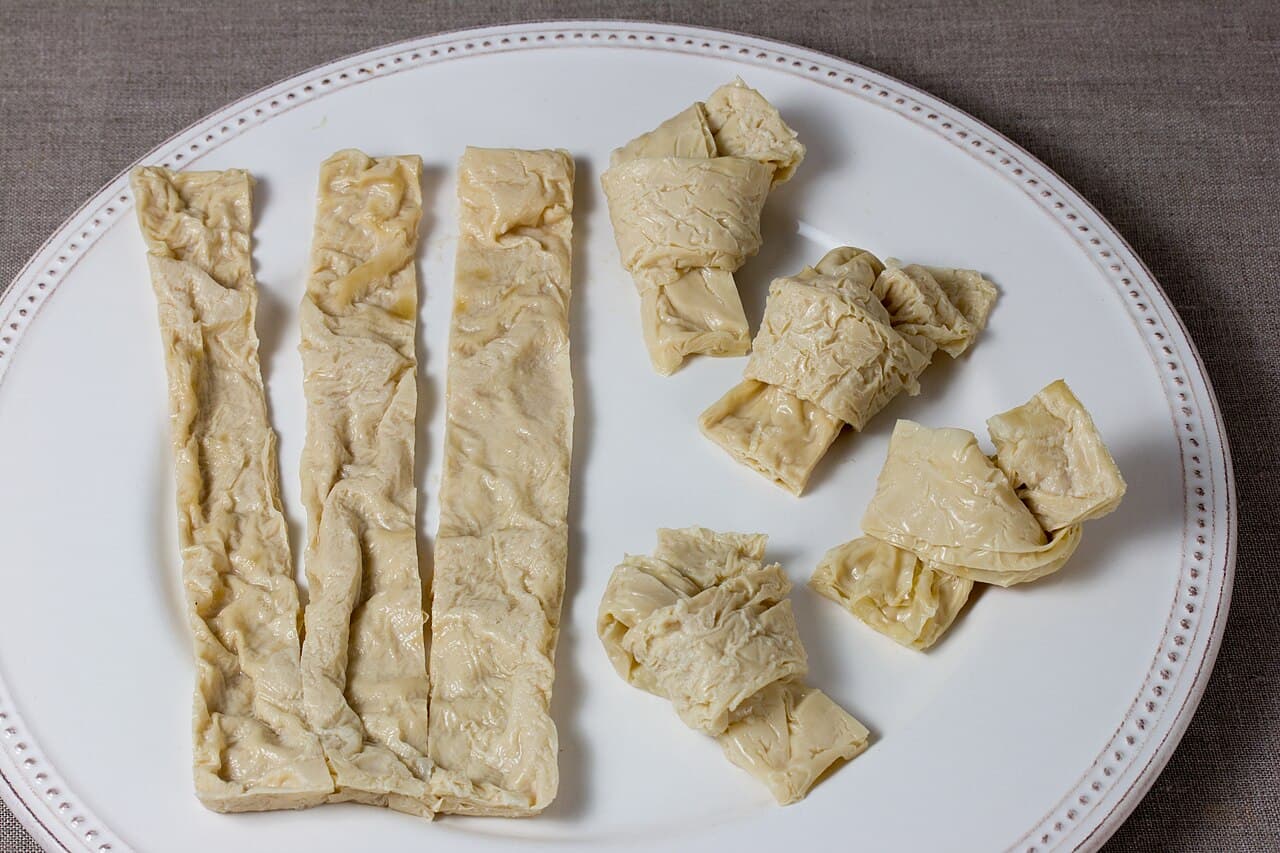
The name itself is part of the story: a court visitor once likened the tofu's texture to snow settling on bamboo leaves — sasa no yuki — and the shop has carried the phrase ever since. The current menu keeps to one format, a fixed 6,000-yen tofu-kaiseki course served at both lunch and dinner, built around two dishes that have anchored the table for centuries: silken tofu eaten plain, and ankake-dofu, tofu warmed under a light, starch-thickened sauce. It is a deliberately quiet kind of cooking — no elaborate seasoning, just very good tofu handled with restraint.
The building itself is new: after closing in December 2020 when its old wooden shop became structurally unsound, Sasanoyuki reopened in August 2024 a short walk away, next to Shiki-an, the preserved cottage where the haiku poet Masaoka Shiki lived out his final years. Shiki wrote a haiku namechecking the restaurant in 1897, and Natsume Soseki was a regular too — the literary connection is part of why food writers still send readers here rather than to flashier tofu-kaiseki rooms elsewhere in Tokyo.
Practical notes: reservations are recommended (call ahead; English phone support is limited), credit cards are accepted, and there is no English menu, though the course structure is simple enough to navigate with a little pointing. The kitchen is tofu-forward and vegetarian-friendly, but like most traditional Japanese kaiseki, some dishes may be finished with a bonito-based dashi — worth a quick check when you book if you keep a strict vegetarian diet.
Last verified Jul 2026
Hours and details can change — please confirm before you visit.