- Solo
- Casual
A casual, affordable vegan cafeteria run by a Kamakura temple lineage beneath the Akihabara rail arches, where even garlic and onion are forsaken in true shojin style.
Can I eat here?
Diets our editors confirmed in person· English menu / support
Show this to staff
Vegetarian
私はベジタリアンで、肉と魚は食べません。
Watashi wa bejitarian de, niku to sakana wa tabemasen.
I'm vegetarian — I don't eat meat or fish.
- この料理に肉や魚のだしは入っていますか?Does this dish contain meat or fish stock?
Reserve & verify
Details
- Address
- CHABARA, 8-2 Kanda Neribeicho, Chiyoda-ku, Tokyo
- Nearest station
- Akihabara Stn, 2 min
- Cuisine
- Shojin-ryori (Buddhist vegetarian)
- Price
- ¥
- English menu / support
- ✓
- Signature
- Kuchifuku set — nine seasonal vegan sides with rice and miso soup
Komaki Shokudo is a compact vegan cafeteria tucked into the brick arches of CHABARA, two minutes from Akihabara Station, where the kitchen follows the shojin-ryori discipline of the Kamakura Fushikian cooking school down to the smallest ingredient.
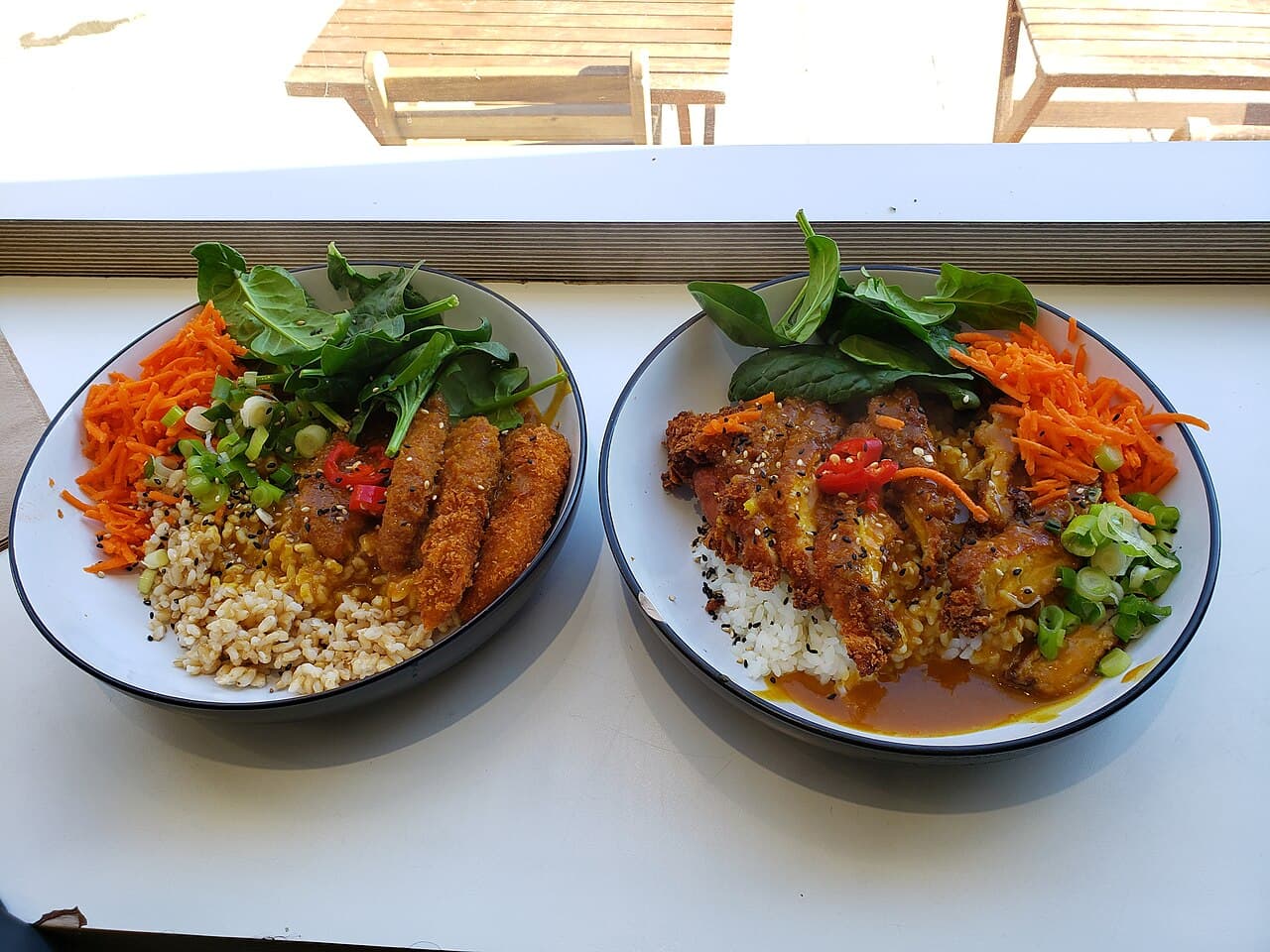
Owner Fujii Komaki, an ordained Rinzai Zen priest, opened the restaurant in 2013 and has held it to true shojin rules ever since: no meat, fish, dairy, or eggs, and no goshin — the five pungent roots (garlic, onion, leek, chive, asafoetida) that Buddhist cooking traditionally avoids. That makes it a rare full stop for vegans who also need to dodge allium, not just animal products. The flagship order is the Koufuku-Gozen (¥4,070 as of the restaurant's 2026 menu), an all-in-one feast of soy-meat karaage, fried kuruma-fu wheat gluten, curry, five rotating side dishes, pickles, a small dessert, and a drink, served with rice and miso soup; a second diner splitting the plate orders a ¥1,760 share set of rice, soup, and pickles rather than a full meal of their own. For a lighter, cheaper stop, the Komaki Set (¥2,310) pairs fried kuruma-fu with three daily side dishes, salad, and pickles, and the kitchen also runs a dedicated gluten-free menu, including a vegan, five-pungent-free ramen (¥2,800) built on rice-flour noodles. Seating is snug — twenty seats total, with a couple of curtained private rooms available for a ¥550-per-person surcharge.
Menus are printed bilingually in Japanese and English, and portions run generous for the price, which is part of why the lunch window (11:00–15:00, last order 14:30) gets busy with both tourists checking dietary boxes and neighborhood regulars. Reservations aren't strictly required, but the restaurant gives seating priority to bookings made through its own online form, so groups and anyone wanting a private room should reserve ahead. Credit cards are accepted, so there is no need to carry exact cash.
Last verified Jul 2026
Hours and details can change — please confirm before you visit.