- Anniversary
- Date
- Private room
- Business
A serene garden-side kaiseki house in temple-filled Kita-Kamakura, descended from a rice-ball shop founded in 1964 in front of Kencho-ji, a few minutes' walk from the station. Its everyday menu is seasonal kaiseki built on Kamakura vegetables, tofu and wheat gluten, but it will prepare a fish-free Buddhist shojin (vegetarian) course for vegetarian and Muslim guests when booked in advance — so reserve and state your needs rather than assuming the standard course is meat-free. Closed Thursdays.
Can I eat here?
Diets our editors confirmed in person
Show this to staff
Vegetarian
私はベジタリアンで、肉と魚は食べません。
Watashi wa bejitarian de, niku to sakana wa tabemasen.
I'm vegetarian — I don't eat meat or fish.
- この料理に肉や魚のだしは入っていますか?Does this dish contain meat or fish stock?
Reserve & verify

Details
- Nearest station
- Kita-Kamakura Stn
- Cuisine
- Kaiseki with Kamakura vegetables (vegetarian shojin course on request)
- Price
- ¥¥¥
- Signature
- Seasonal kaiseki of Kamakura vegetables, tofu and wheat gluten in a garden dining room
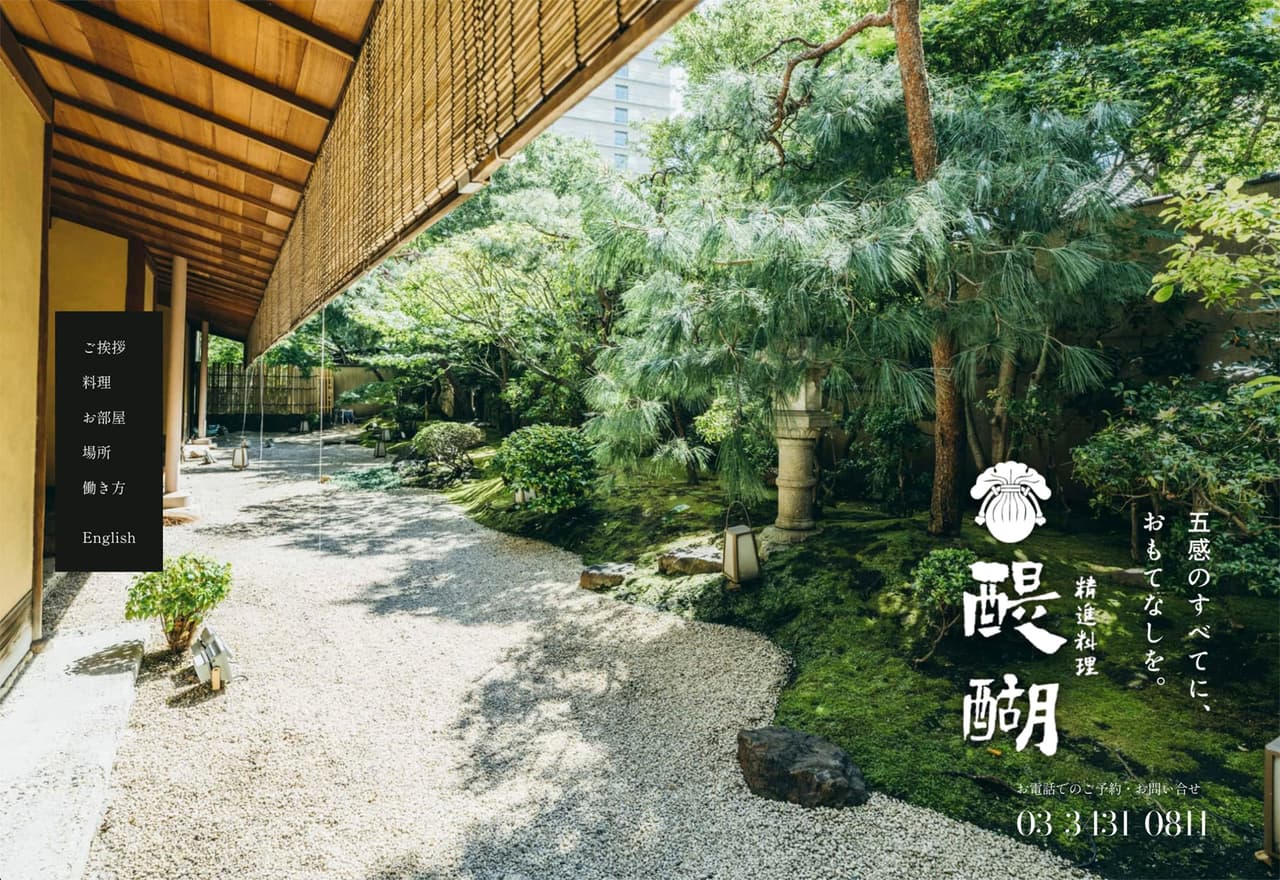
Hachi no Ki Shinkan is a kaiseki restaurant tucked among the temples of Kita-Kamakura, its dining rooms opening onto a private garden a few minutes' walk from Jochi-ji and Tokei-ji.
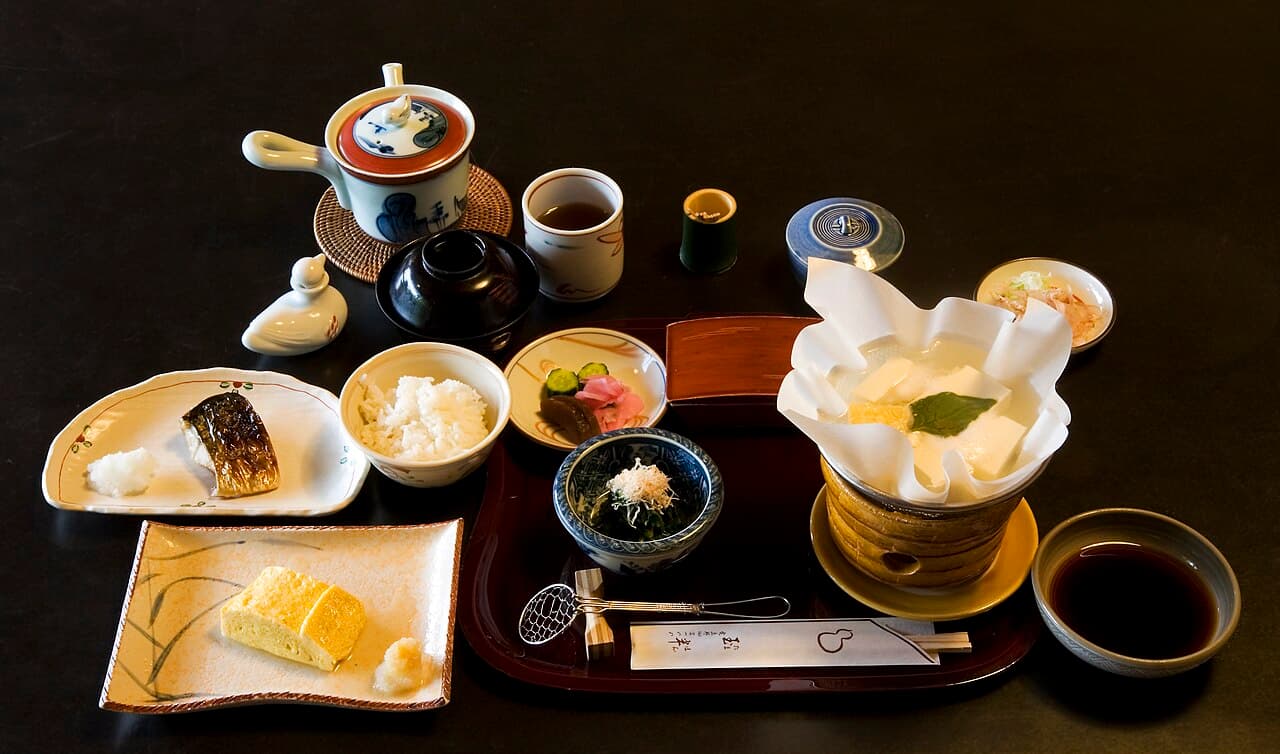
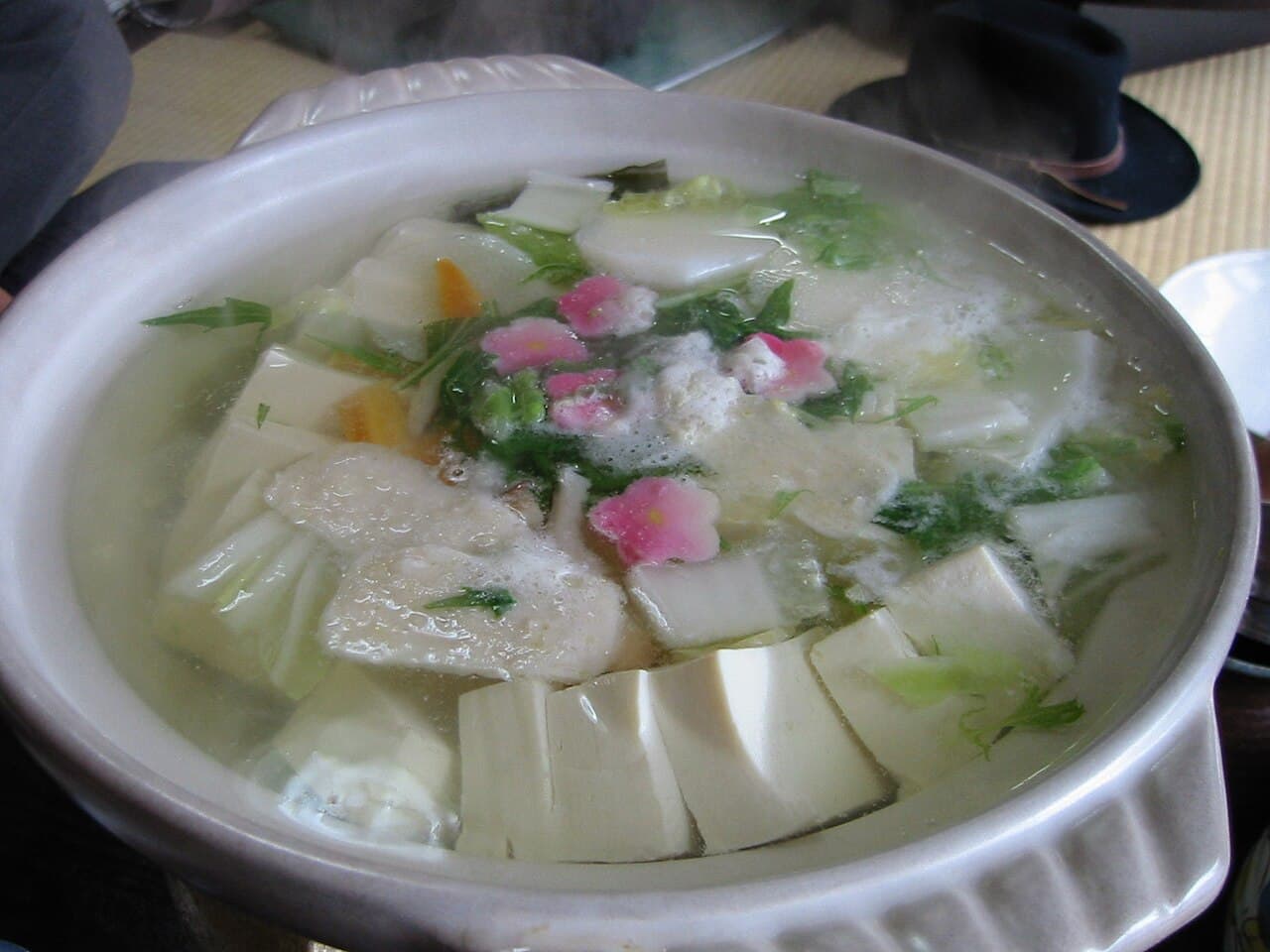
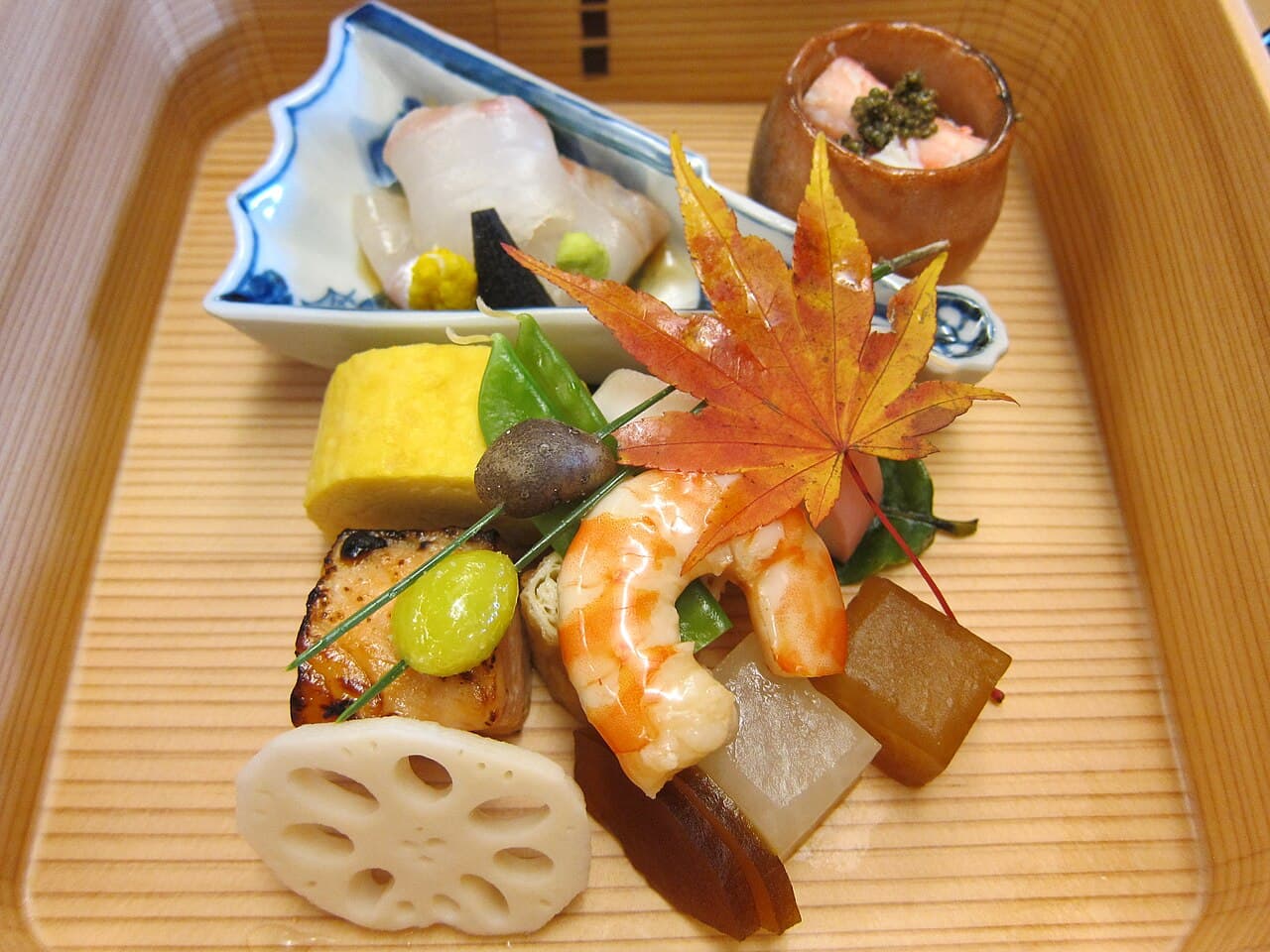
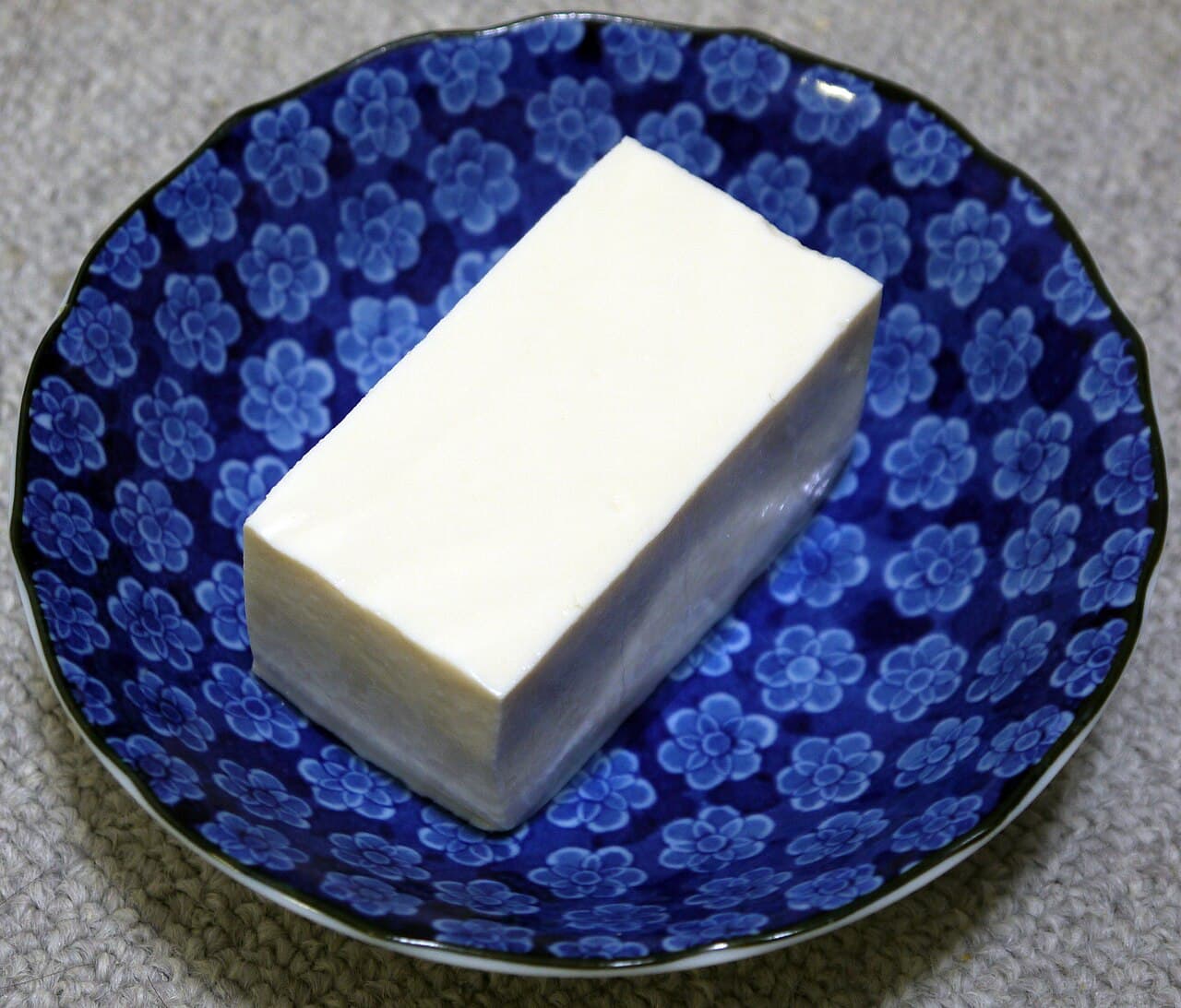
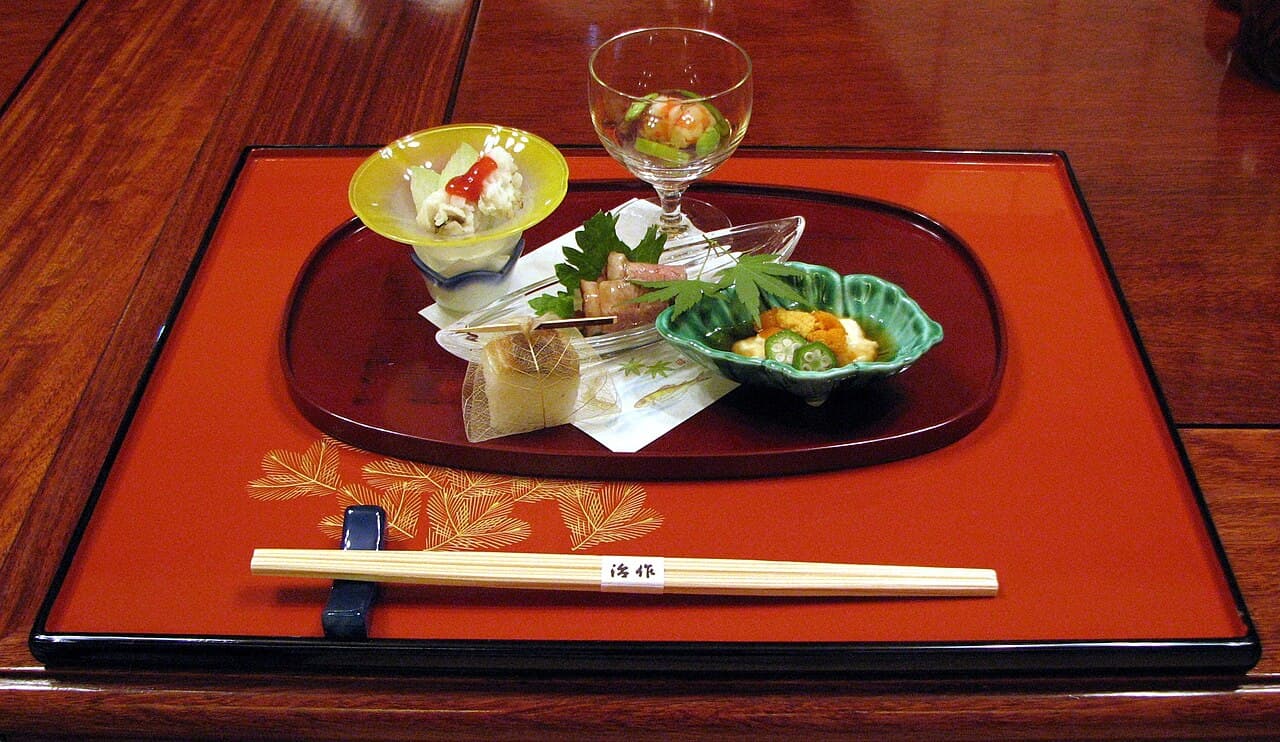
The kitchen traces its roots to 1964, when founder Chiba Ume began selling rice balls from a stall outside Kencho-ji; the business has since grown into a proper multi-course house, with 136 seats spread across two floors and several private rooms for parties who want the garden view to themselves. The everyday menu runs on Kamakura-grown vegetables, house tofu and wheat gluten (fu), built into set courses such as the shokado-style Matsukaze meal (about JPY 5,500), a lacquer-box progression from appetizer to dessert. Grilled fish and yuzu-marinated salmon round out the standard kaiseki.
One caveat worth knowing before you book: this is not a vegetarian-friendly kitchen in practice. The restaurant did list a shojin-style vegetarian set (saishoku-zen, JPY 3,960) built on a Buddhist-vegetarian base, but its own menu notes the dish's only stock is bonito dashi -- so even that course was never actually fish-free -- and the item has been discontinued since July 2025. There's currently no fish- or meat-free option on the printed menu, so vegetarian, vegan and Muslim travelers should call ahead and ask directly what the kitchen can adapt rather than assume anything is available.
A note on the neighborhood: the older Hachi no Ki honkan next door, which specialized in shojin ryori, closed in 2022 after 45 years. Shinkan, the building reviewed here, is the branch still operating today.
Dinner is reservation-only, best booked the day before through TableCheck or by phone, and the kitchen is closed Thursdays. There's no dedicated English menu, so a translation app or a Japanese-speaking companion will help when ordering. Cards and QR payments (PayPay, Rakuten Pay and the rest) are accepted, so there's no need to carry cash for what is otherwise a fairly traditional room.
Last verified Jul 2026
Hours and details can change — please confirm before you visit.