Carioca Building 4F, 5-4-8 Ginza, Chuo-ku, Tokyo 104-0061
Nearest station
Ginza Stn
Cuisine
Kaiseki
Price
¥¥¥¥
Signature
Seasonal omakase: grilled Ise lobster, ayu, eel, abalone
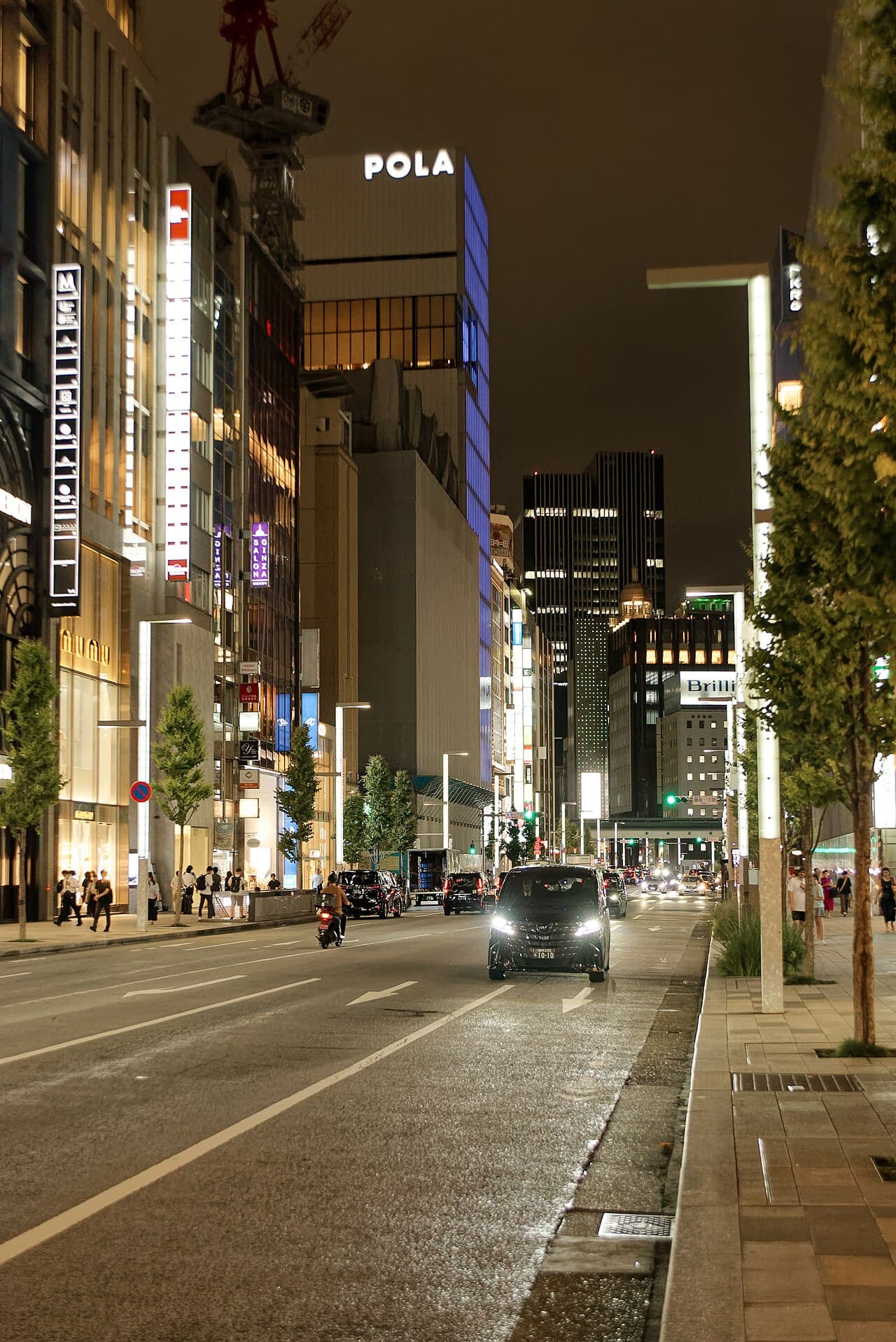
Ginza Kojyu is chef Toru Okuda's two-Michelin-star kaiseki counter, tucked on the fourth floor of the Carioca Building a minute's walk from Ginza Station -- one of Tokyo's most disciplined seats for the classic tasting-menu format.
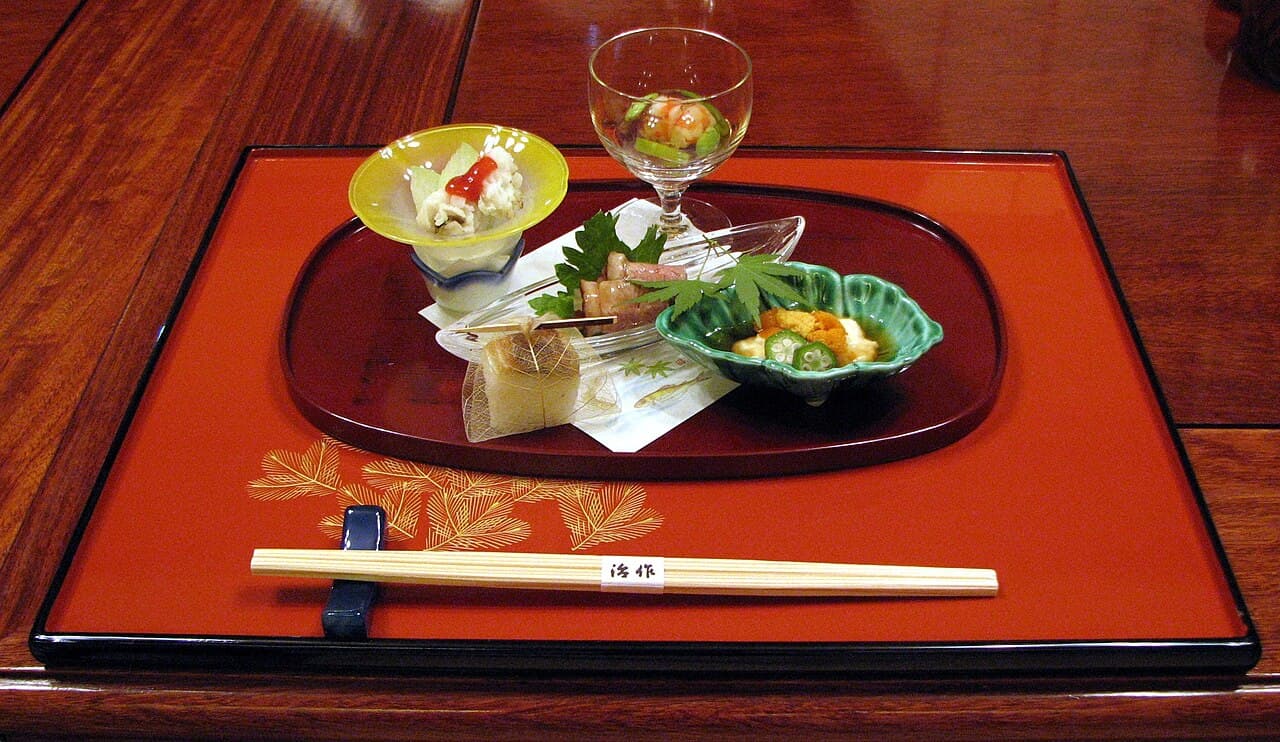
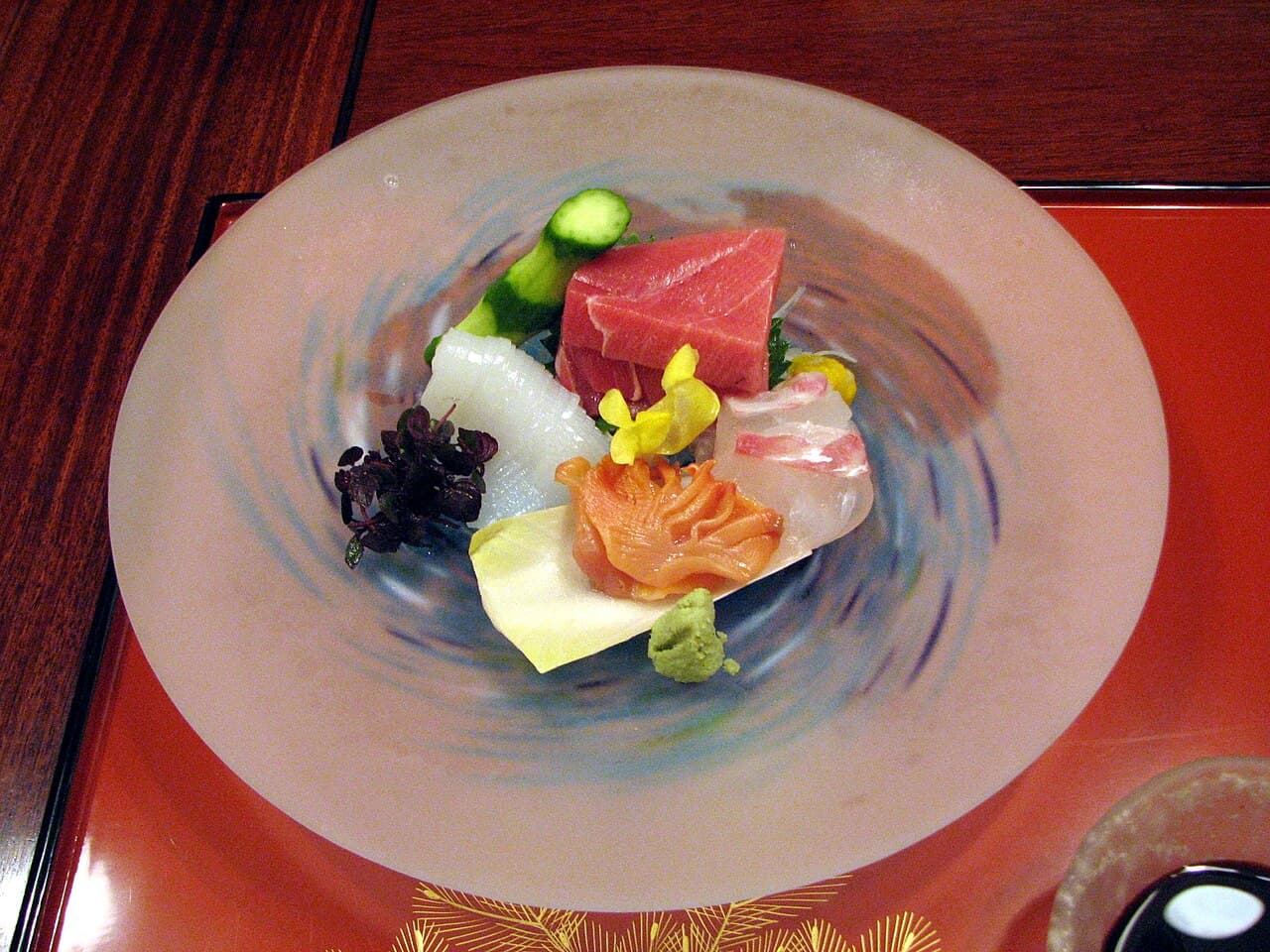
The room does a lot of the talking. The counter is hewn from hinoki cypress, and it seats the bulk of the room's twenty-two total covers, with two private rooms -- one for four, one for six -- tucked off to the side in the same understated wabi-sabi style Okuda is known for, with nothing to distract from the food. The omakase leans into peak-season ingredients over showmanship: grilled Ise lobster, river-caught ayu, eel, and abalone have all rotated through recent menus, plated with the restraint that built Okuda's reputation in the first place. Expect the pacing of a proper kaiseki meal -- courses built to trace the season from first bite to last, with dashi doing most of the quiet heavy lifting rather than any single showpiece dish.
Reservations are essential and not casual. Kojyu runs a mostly Japanese-speaking phone line, doesn't take bookings from overseas directly, and is closed Sundays and public holidays, so most overseas visitors go through a concierge service (a hotel concierge, or platforms like Pocket Concierge and byFood) rather than calling direct. There is no English menu, though guests report staff making an effort to talk non-Japanese speakers through each course as it arrives. Credit cards are accepted (Visa, Mastercard, JCB, Amex, Diners), so there's no need to carry cash. Tabelog lists the fixed-price courses at ¥27,500 for lunch and ¥38,500 for dinner, plus a 10% service charge -- other booking platforms quote higher, so treat those as a floor rather than a fixed number, and budget for an occasion rather than a quick stop. Flag any dietary restrictions well ahead of time: this is dashi-forward, seafood-heavy kaiseki with no separate vegetarian track.
✓ Last verified Jul 2026
Hours and details can change — please confirm before you visit.
★ Seasonal kaiseki of Kamakura vegetables, tofu and wheat gluten in a garden dining room
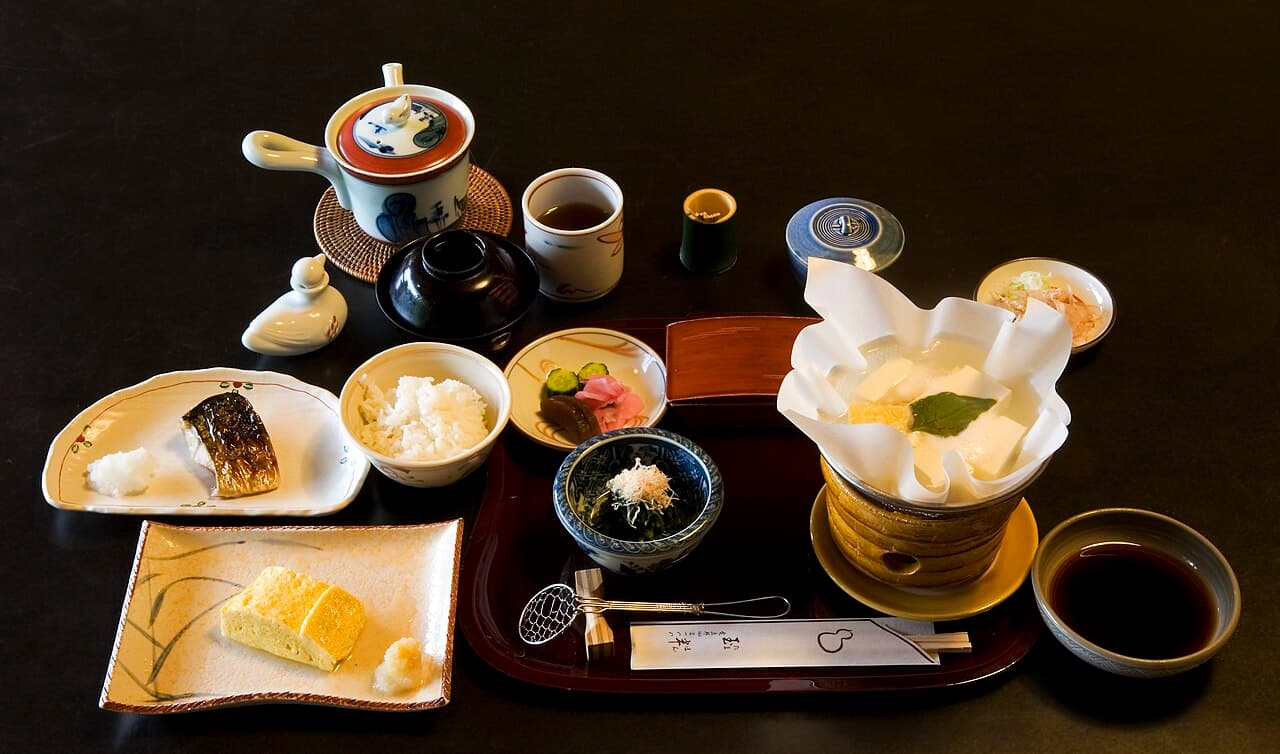
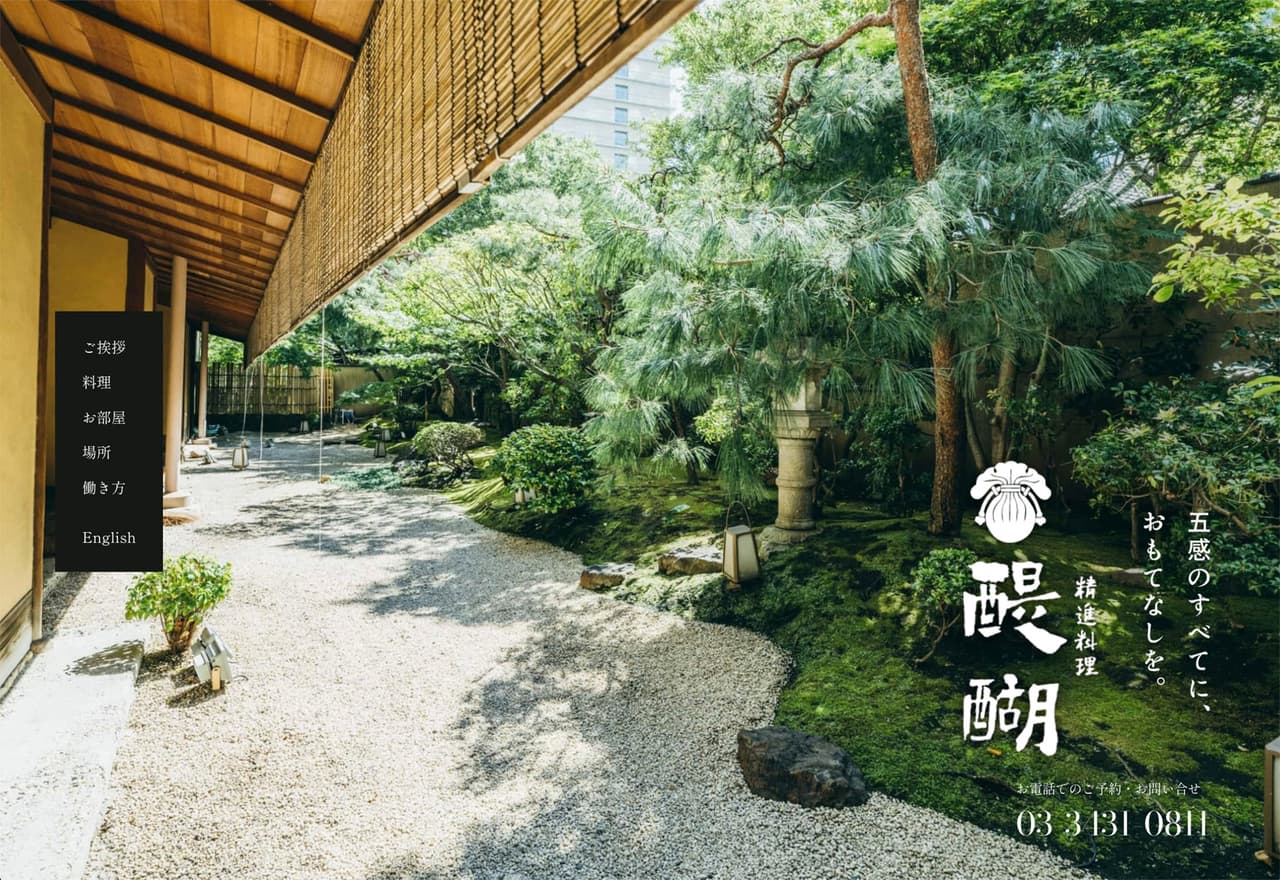
A serene garden-side kaiseki house in temple-filled Kita-Kamakura, descended from a rice-ball shop founded in 1964 in front of Kencho-ji, a few minutes' walk from the station. Its everyday menu is seasonal kaiseki built on Kamakura vegetables, tofu and wheat gluten, but it will prepare a fish-free Buddhist shojin (vegetarian) course for vegetarian and Muslim guests when booked in advance — so reserve and state your needs rather than assuming the standard course is meat-free. Closed Thursdays.
★ Silky oboro tofu and yuba in a seasonal multi-course meal
An upscale riverside tofu-kaiseki house in central Kyoto serving silky oboro tofu and yuba in seasonal multi-course form, with a full English menu and summer riverside (kawayuka) seating. It offers a dedicated fish-free vegan course ('Rokuhara') with no meat, shellfish, egg, dairy or fish — but you must order that specific course, since the standard tofu courses likely use bonito dashi.
★ Black wagyu and abalone cooked on the teppan, plus kaiseki courses
An upscale basement kaiseki-and-teppanyaki restaurant in Akasaka with private rooms, focused on black wagyu and seafood. It publishes a low-allergen menu excluding milk and tree nuts, but the kitchen is shared and trace cross-contamination is possible, so it is allergen-aware rather than allergen-free.
A three-Michelin-star Kagurazaka kaiseki restaurant serving a seasonal omakase course. Kaiseki traditionally includes some meat/dashi, so a pescatarian (seafood, no-meat) menu must be requested in advance and confirmed directly. Not gluten-free.
★ Seasonal Mie-Prefecture kaiseki course (halal version on request)
A counter-style kaiseki restaurant in Nishi-Azabu offering a dedicated multi-course menu made without pork, alcohol or mirin on advance request. Muslim-friendly / pork- and alcohol-free (not formally certified); book the halal course about a week ahead.
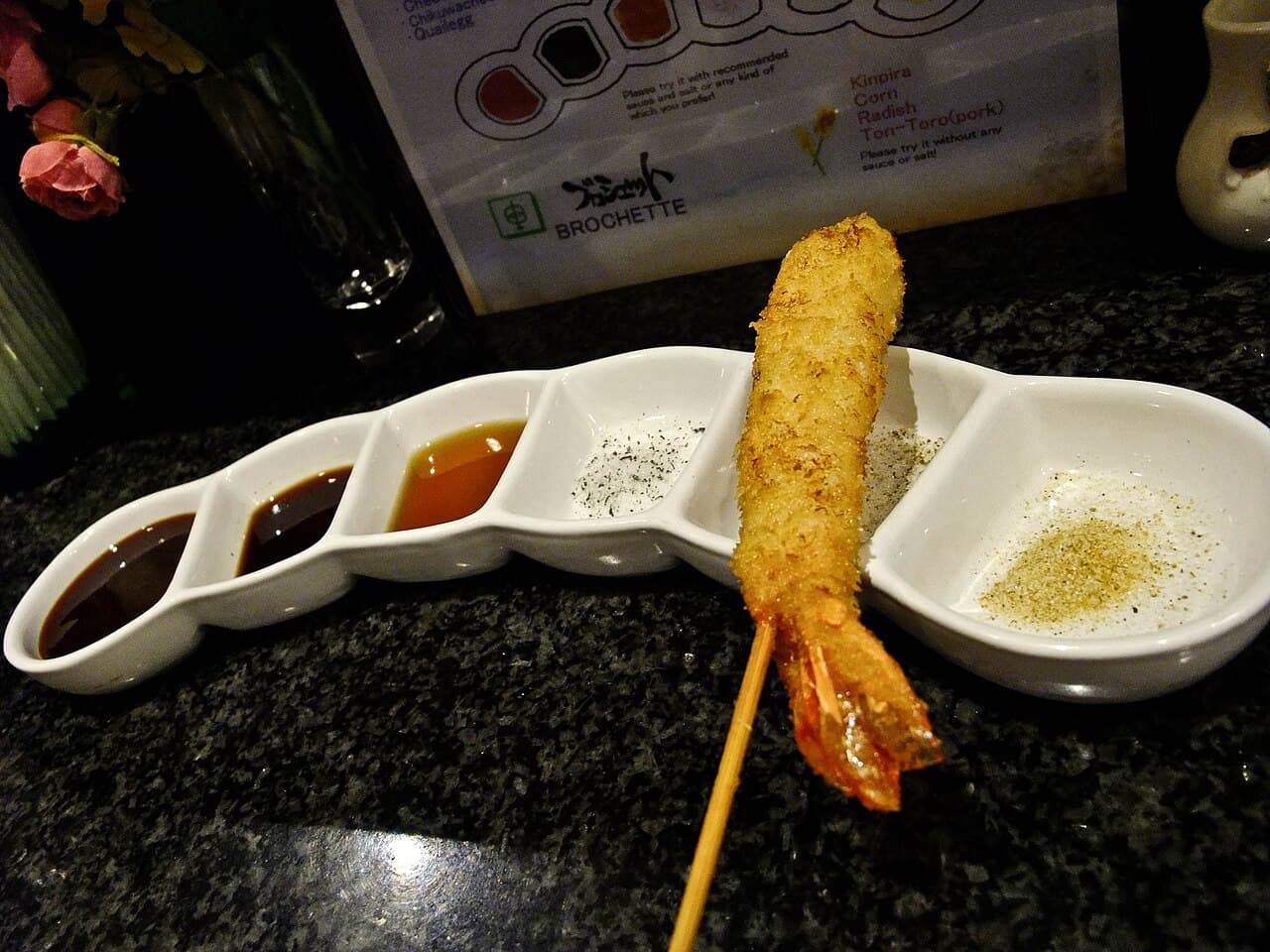
A reservation-only Ginza counter where an entirely gluten-free kushiage omakase is fried in rice oil with rice-flour breadcrumbs — a rare safe haven for coeliacs.
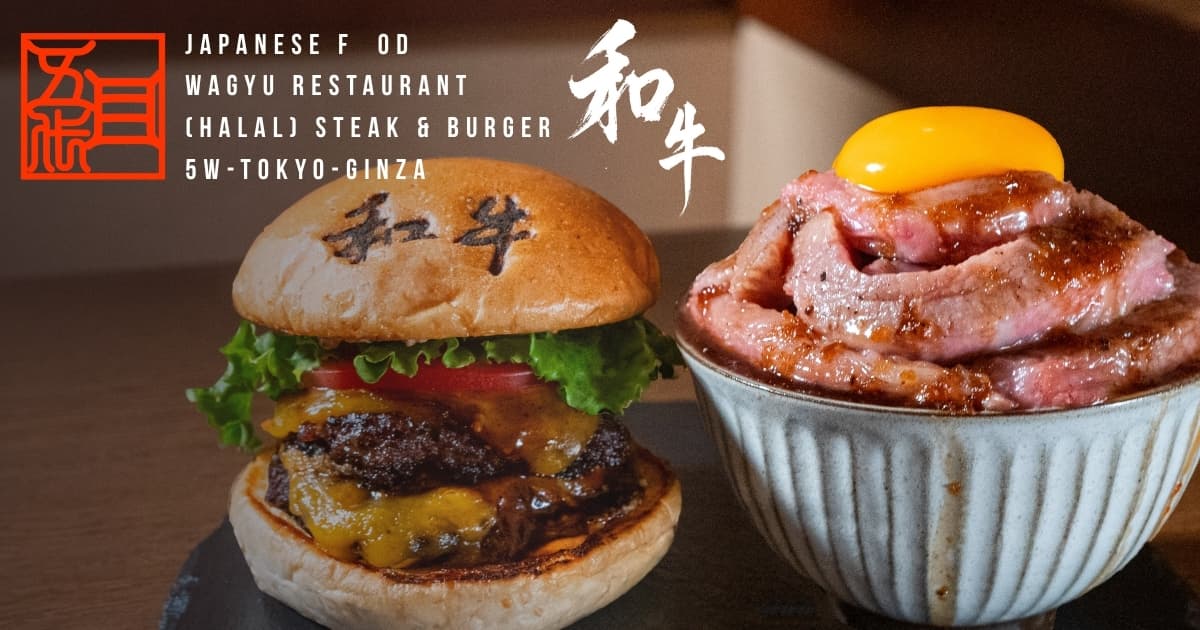
A fifth-generation wagyu family's alcohol-free basement grill in Ginza serving 100% halal-certified Japanese wagyu steaks and burgers, so every traveller can taste real wagyu. (The halal kitchen is the basement venue.)
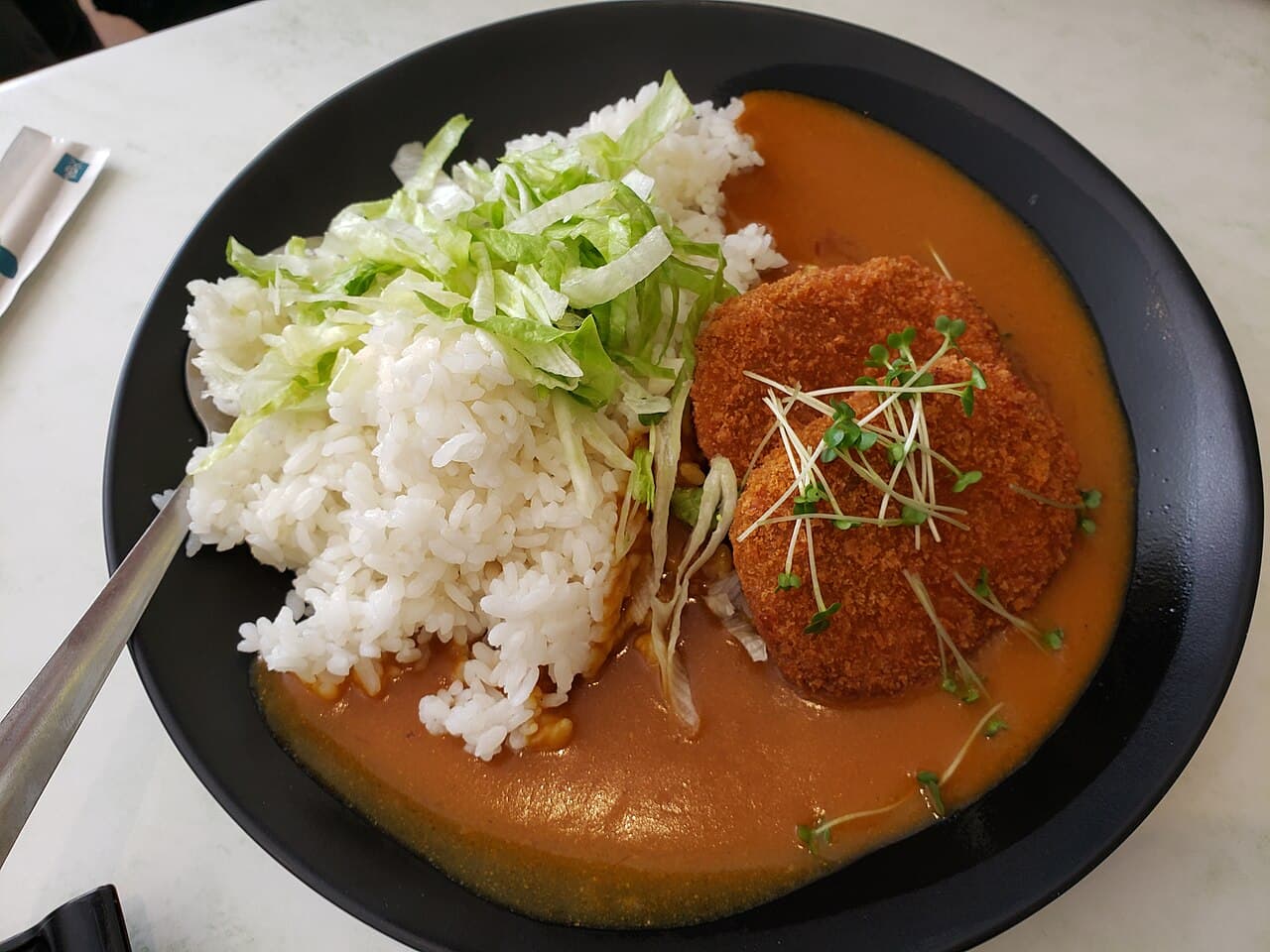
The 1947 Ginza institution that invented katsu curry itself, plating a crisp pork cutlet over rich Western-style curry at the very spot where the dish was born.
AIN SOPH.'s flagship spreads across four Ginza floors, where a ground-floor patisserie of vegan pudding gives way to refined plant-based courses upstairs.