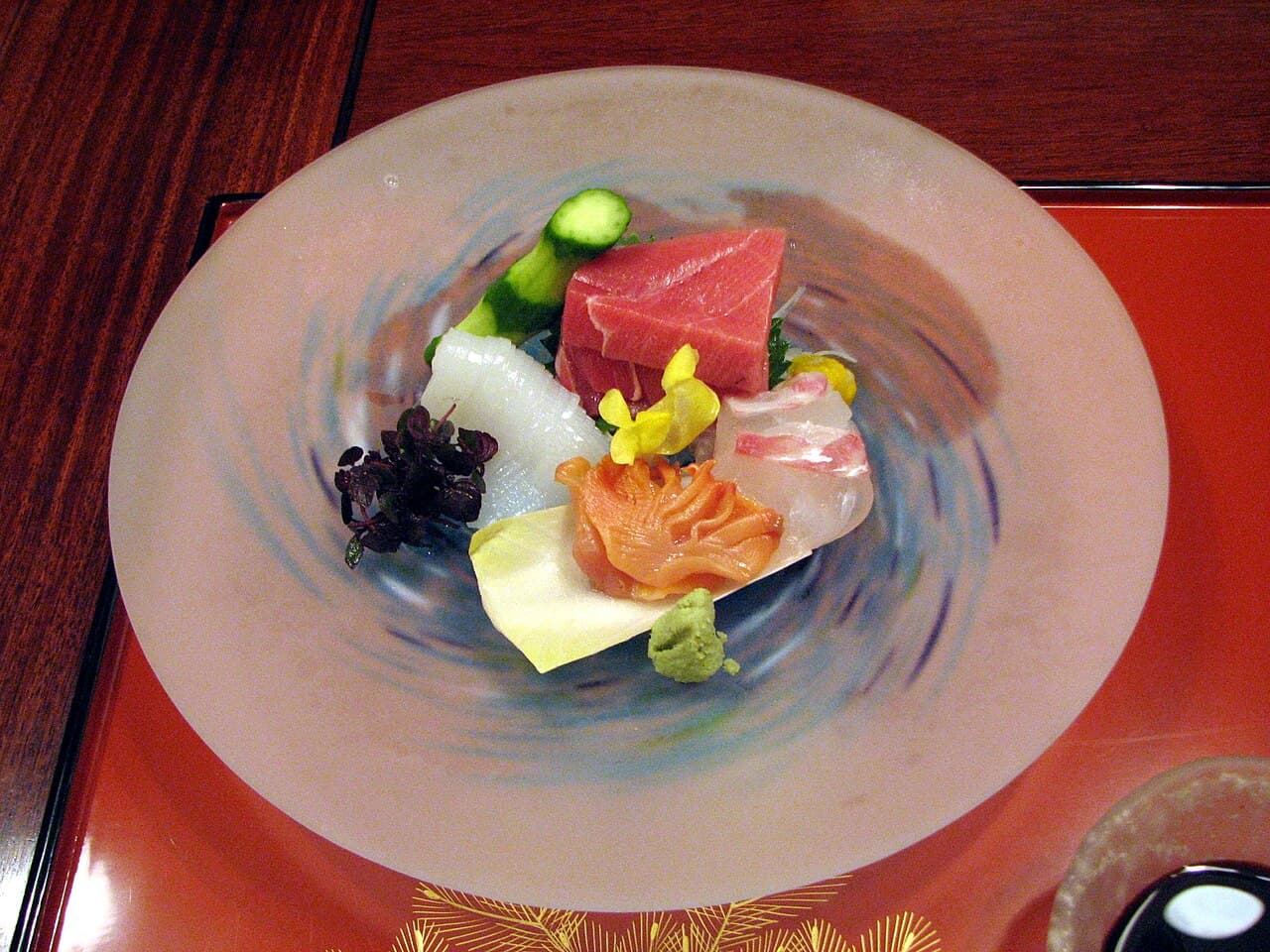
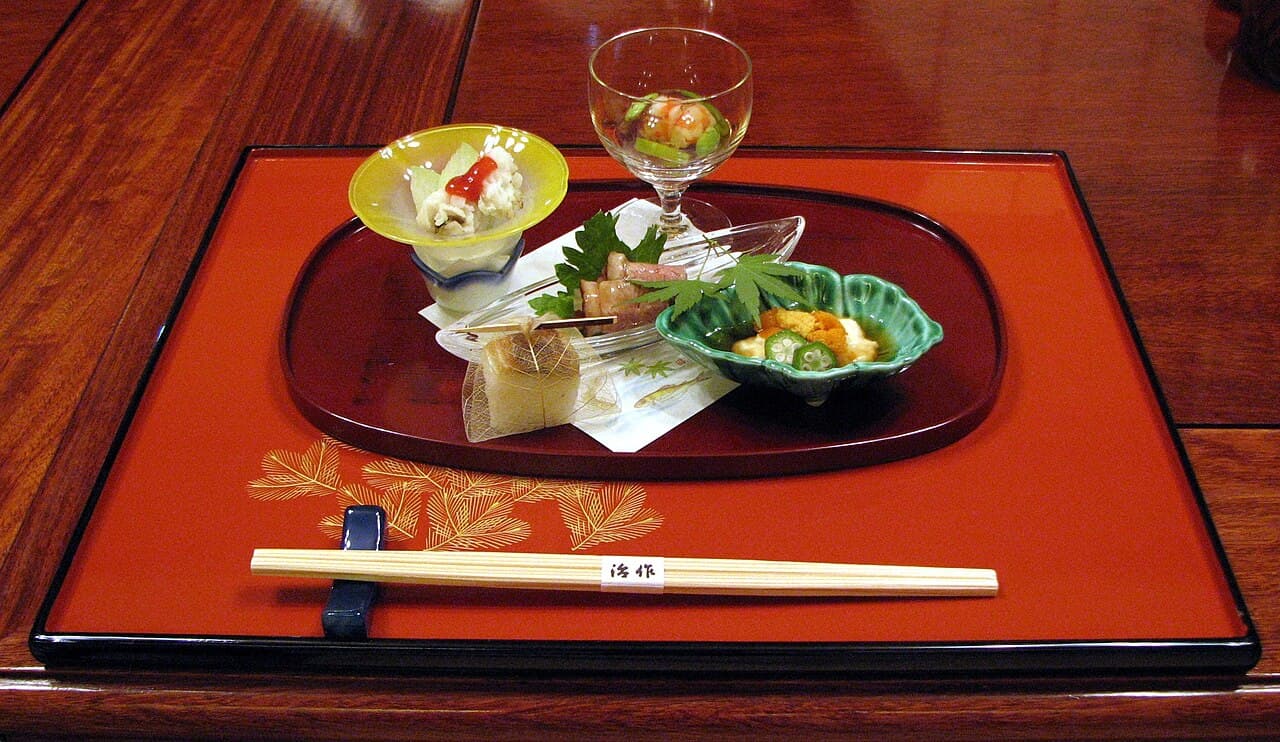
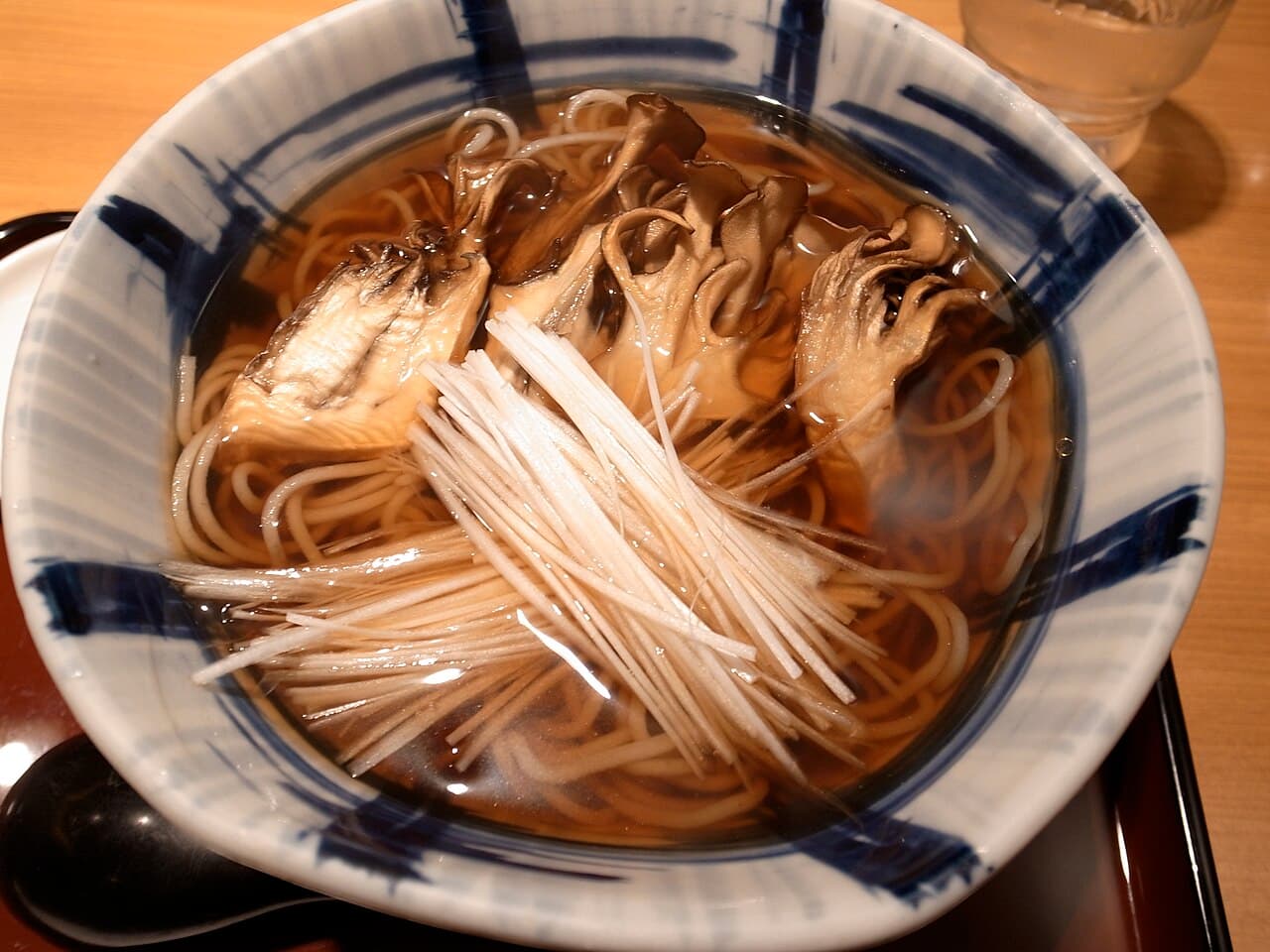
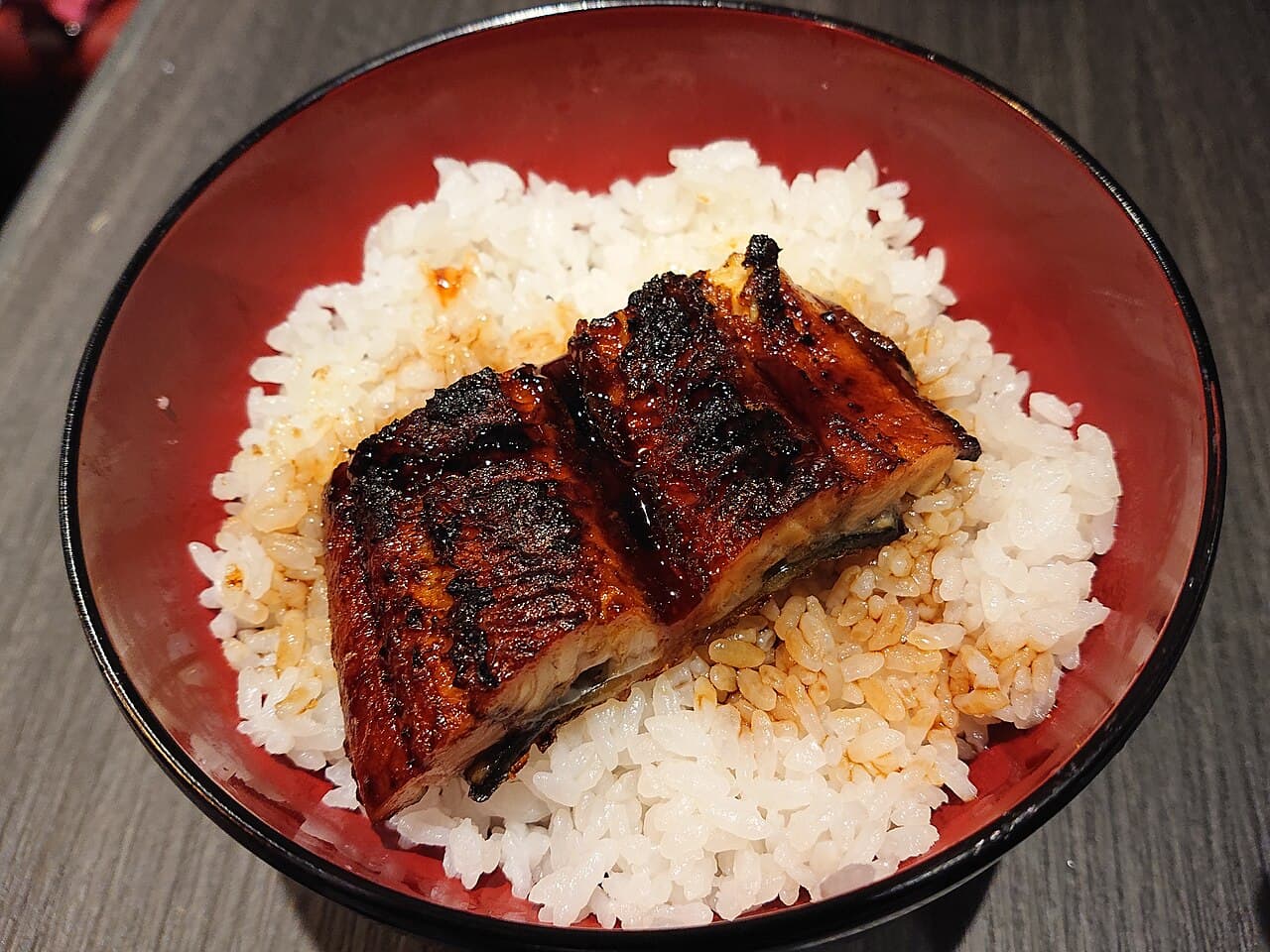
A three-Michelin-star Kagurazaka kaiseki restaurant serving a seasonal omakase course. Kaiseki traditionally includes some meat/dashi, so a pescatarian (seafood, no-meat) menu must be requested in advance and confirmed directly. Not gluten-free.
Can I eat here?
✓ Diets our editors confirmed in person· English menu / support
🐟
Show this to staff
Pescatarian
肉と鶏肉は食べませんが、魚介は大丈夫です。
Niku to toriniku wa tabemasen ga, gyokai wa daijōbu desu.
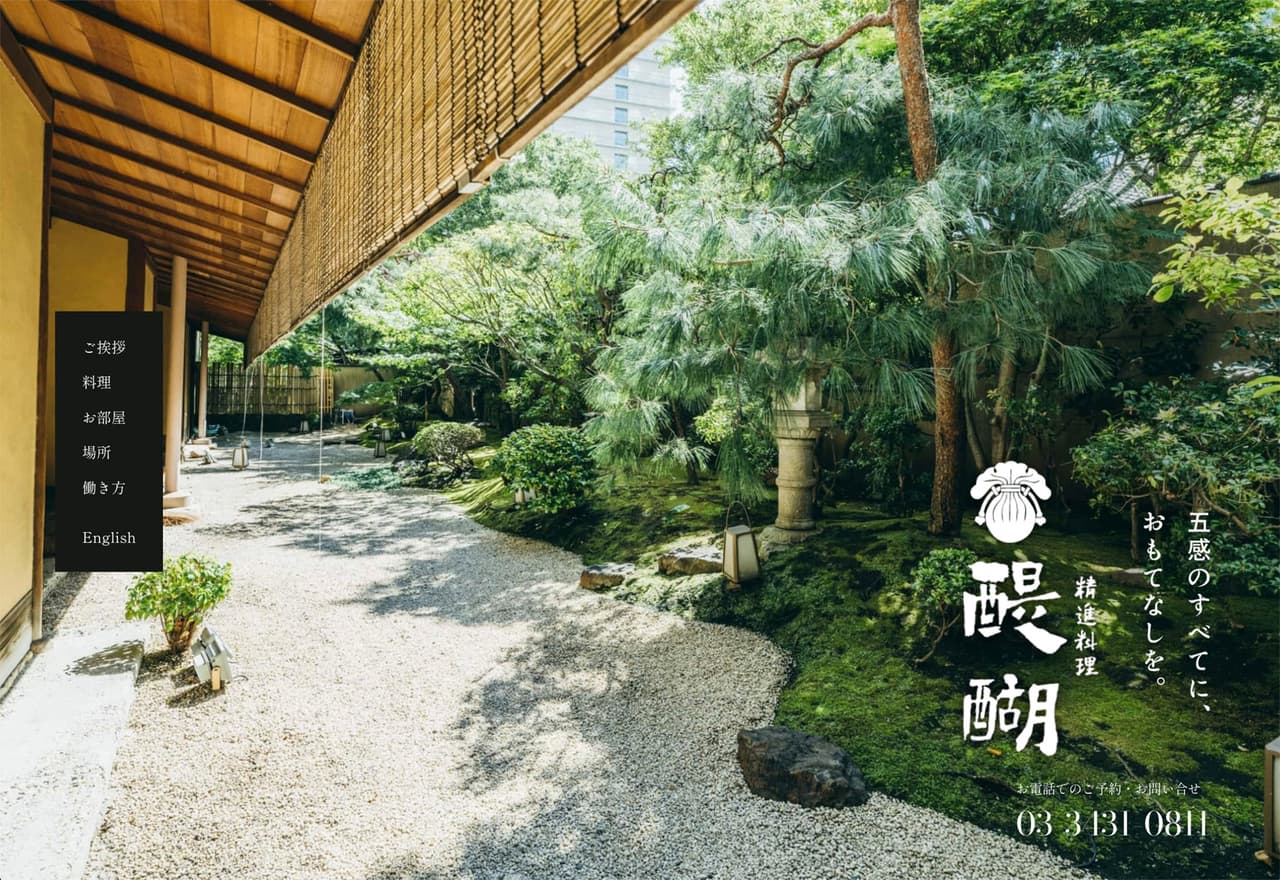
Kagurazaka Ishikawa is a three-Michelin-starred kaiseki restaurant tucked down a stone-paved lane behind Bishamonten Zenkokuji temple, in one of the quietest corners of Kagurazaka's old geisha quarter. The kitchen has held three stars continuously since 2009, and the restaurant's own description of its cooking explains why: a philosophy of avoiding ostentation and unnecessary decoration, where the ingredient itself, not the technique showing it off, is what's meant to hold your attention.
The room seats just 25: a seven-seat counter facing the kitchen, plus four private rooms for two to six guests, built from the same understated materials as the food that comes out of them. There's no fixed roster of showpiece dishes -- the single seasonal kaiseki course is rebuilt around whatever ingredient is at its peak that week, so no two visits a few months apart look quite the same.
A few practical notes before you try to book. Reservations for a given month open three months ahead, released on the 1st, and they fill fast. If you don't have a Japanese phone number or a hotel concierge to call for you, the Michelin Guide's own site offers free English-language online booking, which is the more reliable route for overseas guests. The restaurant closes Sundays, Mondays, and public holidays, and cancellations made the day before or on the day carry a fee, so book only when you're sure. Budget roughly ¥50,000–¥59,999 per person before drinks and the 10% service charge; credit cards are accepted, but there's no QR code or e-money payment.
One dietary note worth flagging: kaiseki courses like this traditionally weave in some meat and bonito-based dashi, so a pescatarian (seafood, no meat) version isn't automatic -- it needs to be requested and confirmed directly with the restaurant when you reserve, not assumed from the menu description alone.
✓ Last verified Jul 2026
Hours and details can change — please confirm before you visit.
★ Seasonal kaiseki of Kamakura vegetables, tofu and wheat gluten in a garden dining room
A serene garden-side kaiseki house in temple-filled Kita-Kamakura, descended from a rice-ball shop founded in 1964 in front of Kencho-ji, a few minutes' walk from the station. Its everyday menu is seasonal kaiseki built on Kamakura vegetables, tofu and wheat gluten, but it will prepare a fish-free Buddhist shojin (vegetarian) course for vegetarian and Muslim guests when booked in advance — so reserve and state your needs rather than assuming the standard course is meat-free. Closed Thursdays.
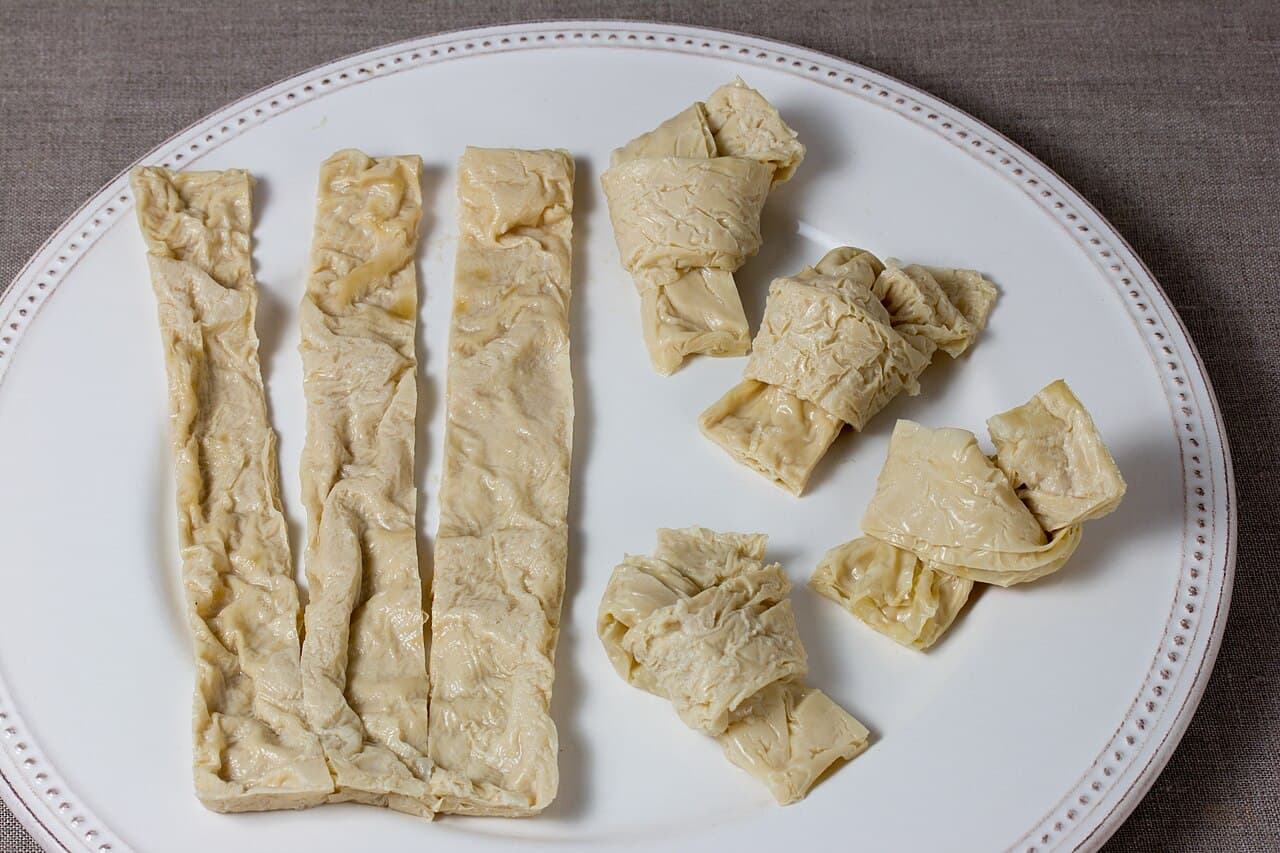
★ Silky oboro tofu and yuba in a seasonal multi-course meal
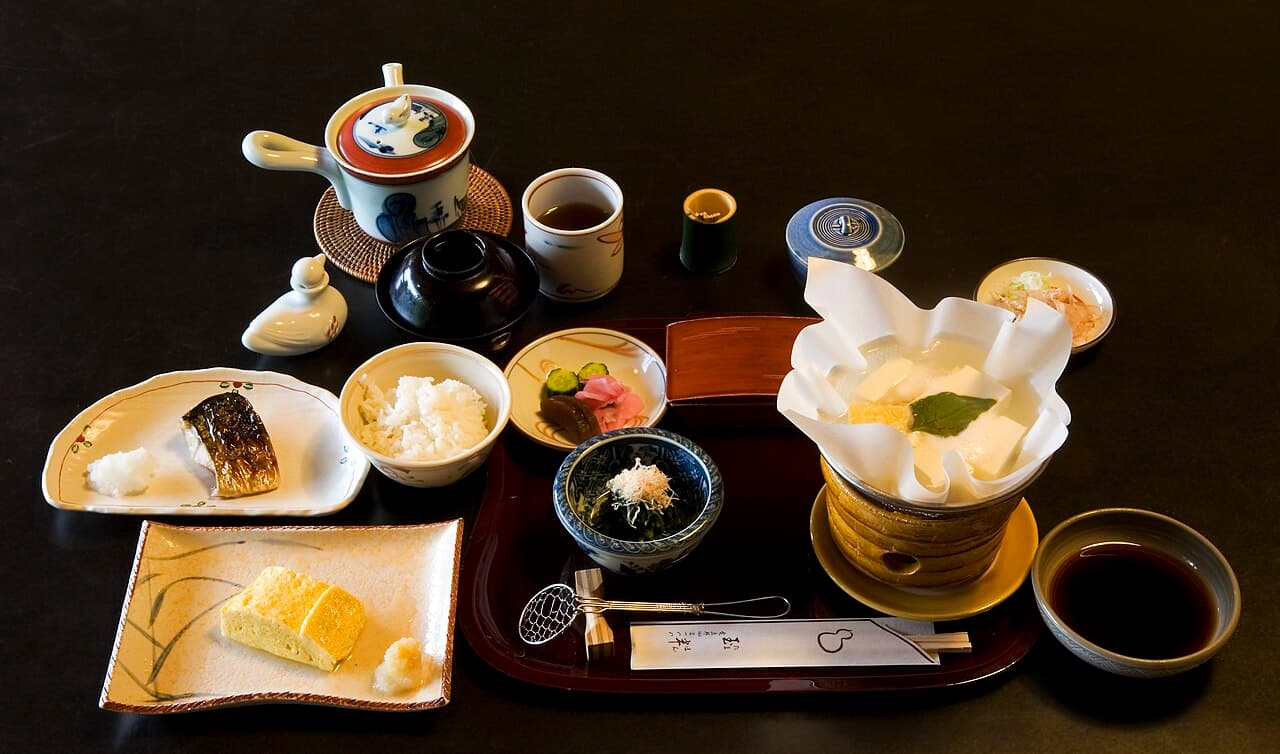
An upscale riverside tofu-kaiseki house in central Kyoto serving silky oboro tofu and yuba in seasonal multi-course form, with a full English menu and summer riverside (kawayuka) seating. It offers a dedicated fish-free vegan course ('Rokuhara') with no meat, shellfish, egg, dairy or fish — but you must order that specific course, since the standard tofu courses likely use bonito dashi.
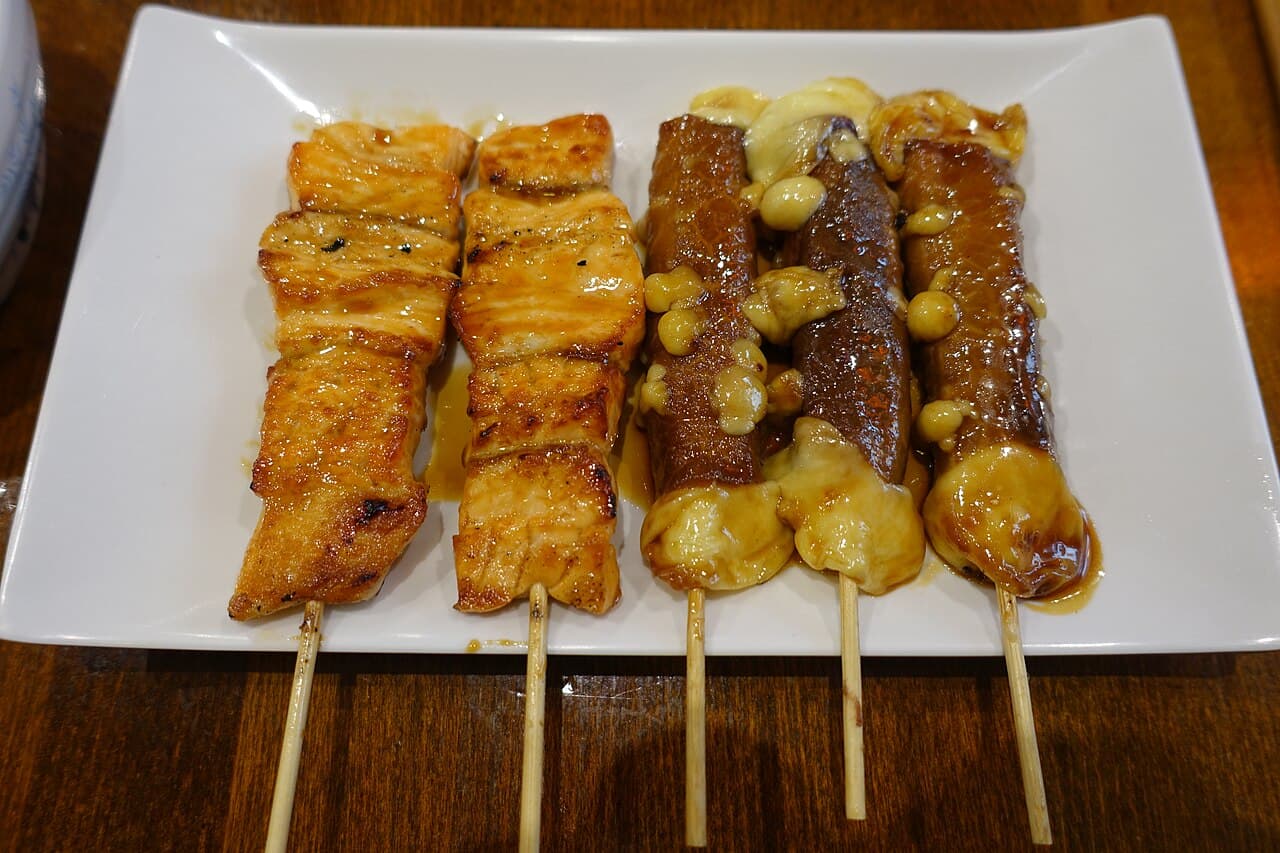
★ An omakase course built around premium heritage chickens grilled over charcoal
A charcoal-yakitori specialist near Ueno-Hirokoji ranked on Tabelog's Top-100 yakitori list for several years (Yakitori East 2023-2025), serving an omakase course built around premium heritage chickens such as Kagoshima black Satsuma. Reservation-focused and at the higher price tier.
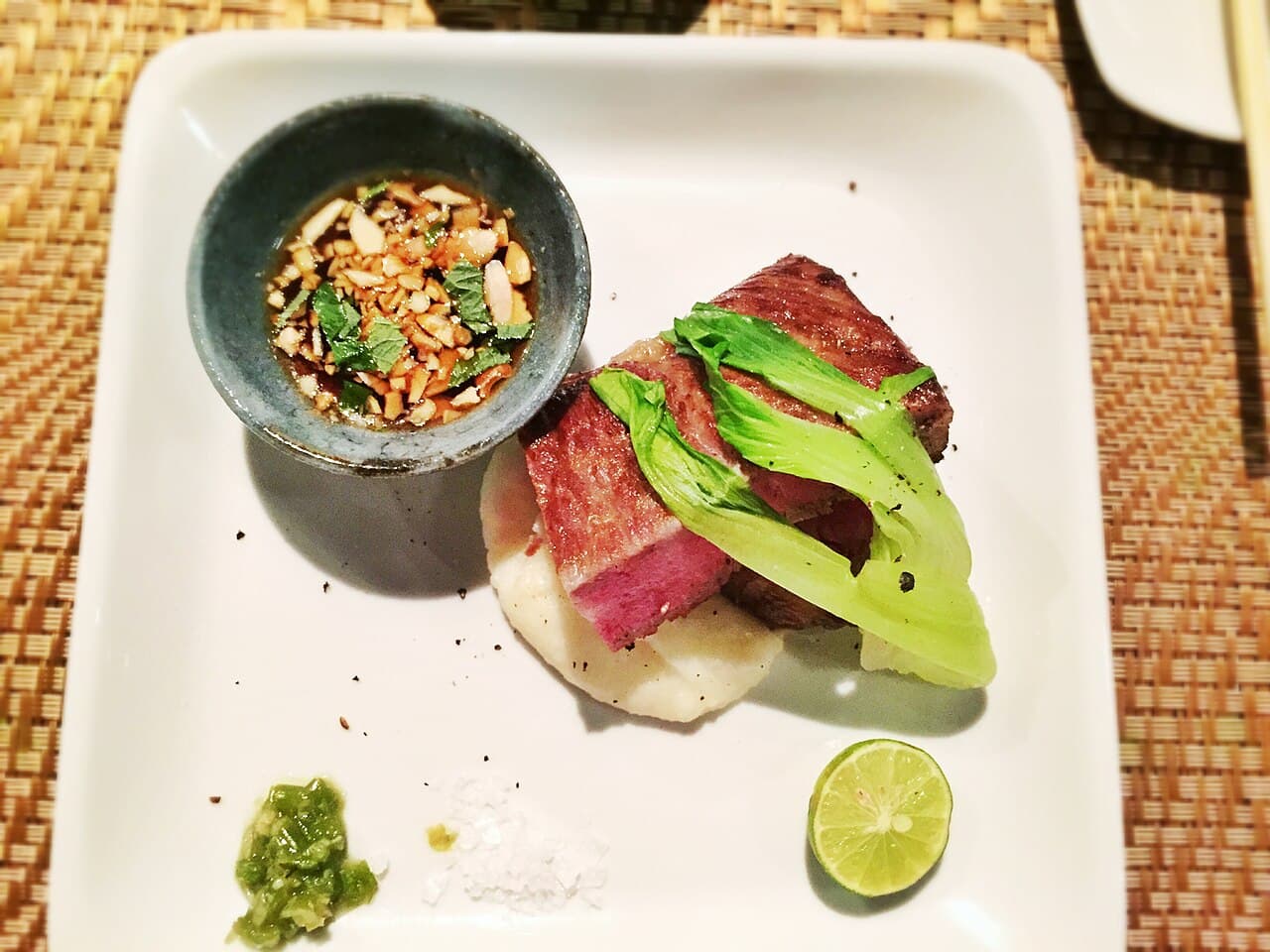
★ Black wagyu and abalone cooked on the teppan, plus kaiseki courses
An upscale basement kaiseki-and-teppanyaki restaurant in Akasaka with private rooms, focused on black wagyu and seafood. It publishes a low-allergen menu excluding milk and tree nuts, but the kitchen is shared and trace cross-contamination is possible, so it is allergen-aware rather than allergen-free.