Fish and seafood yes, meat no — arguably the easiest diet in Japan.
Pescatarian heaven
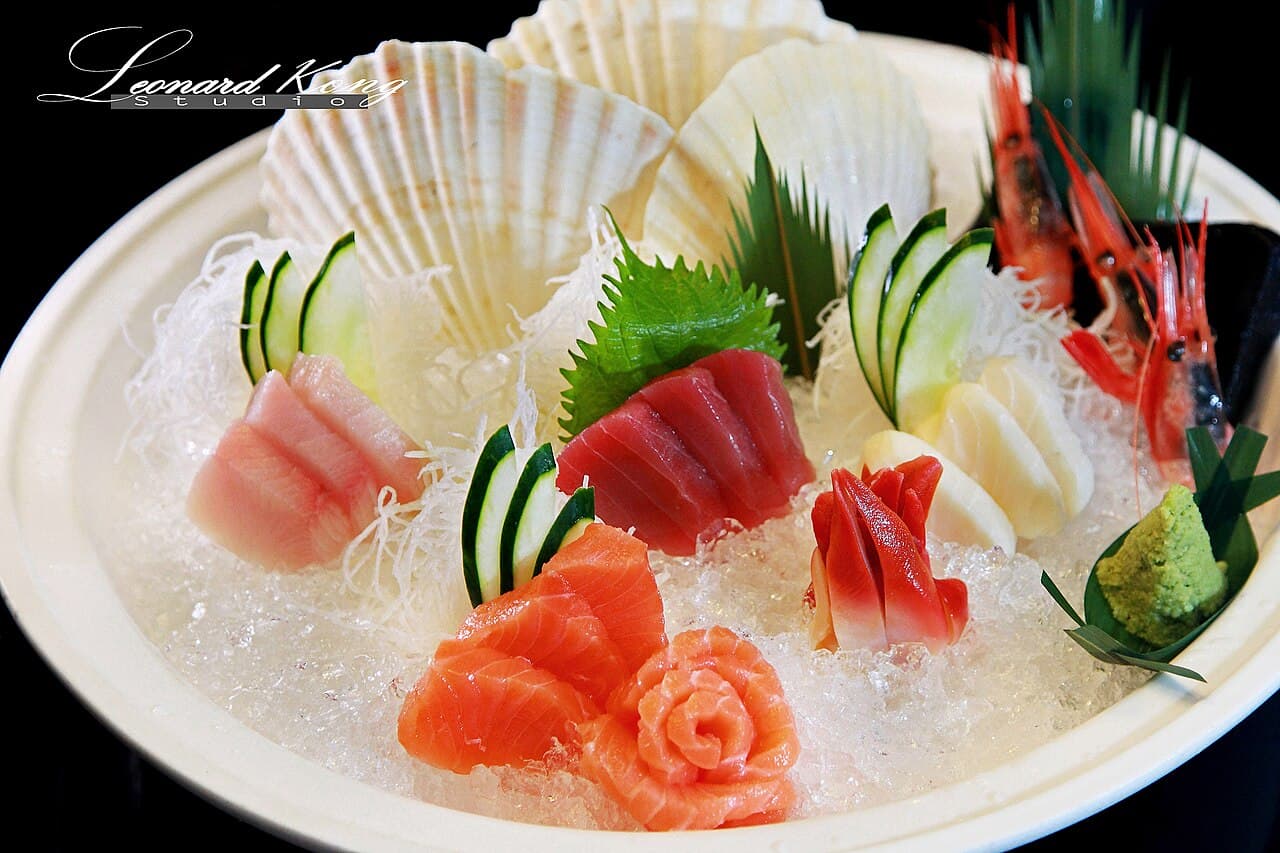
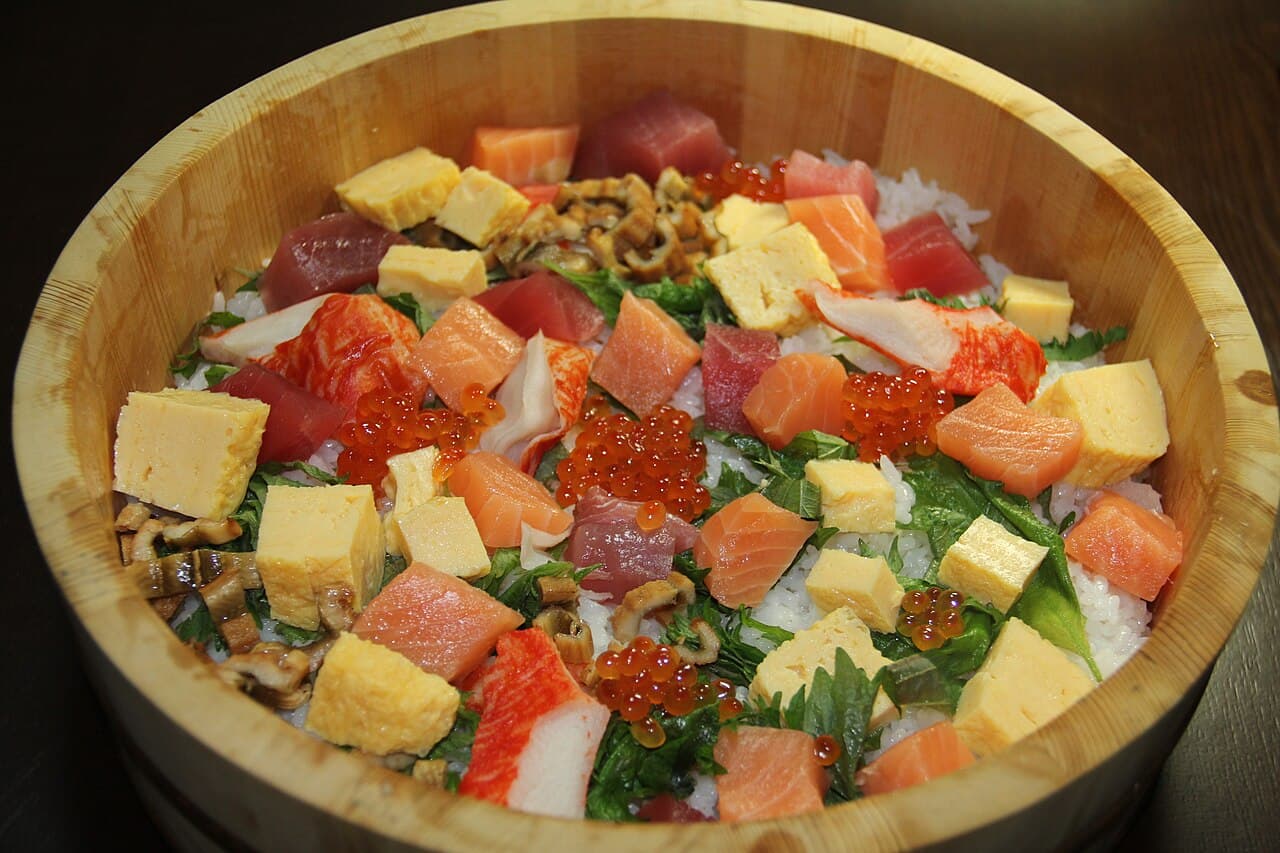
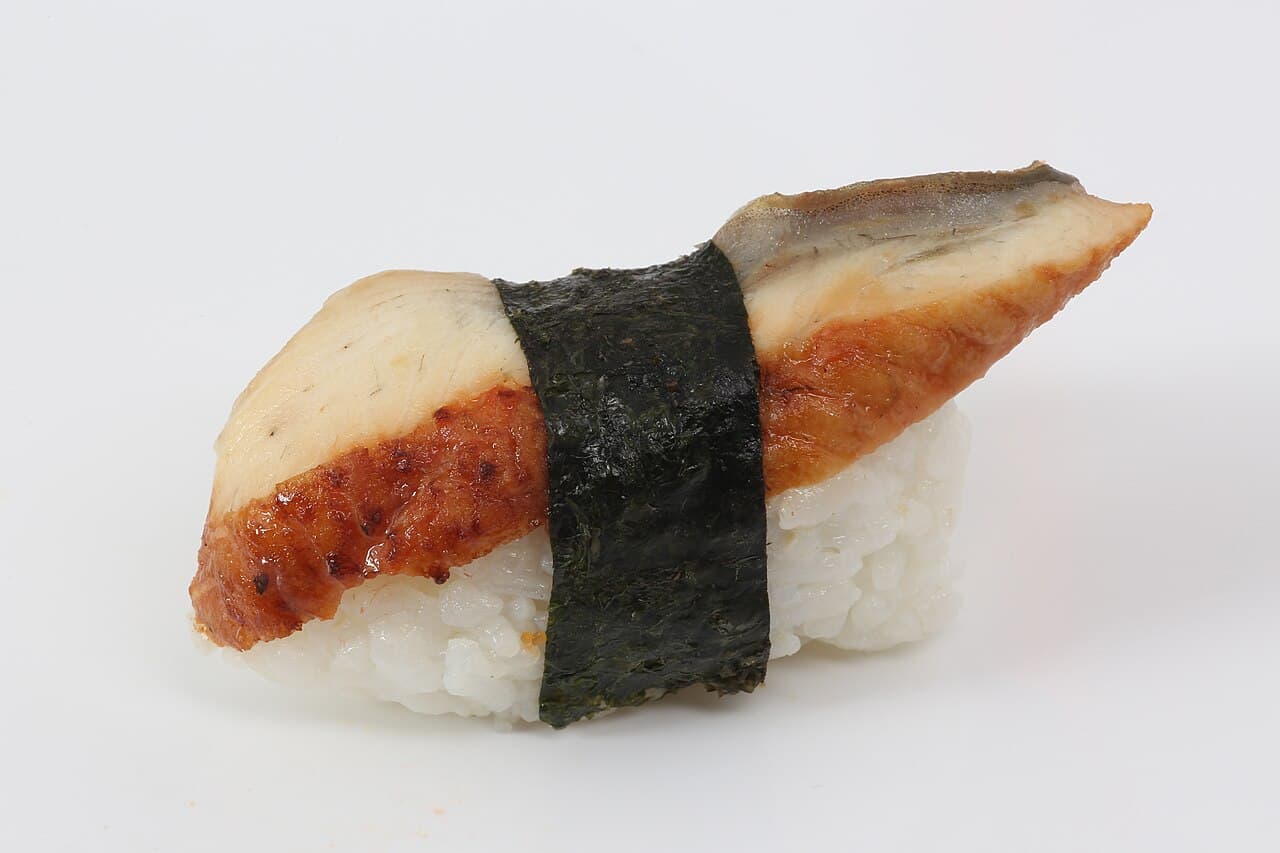
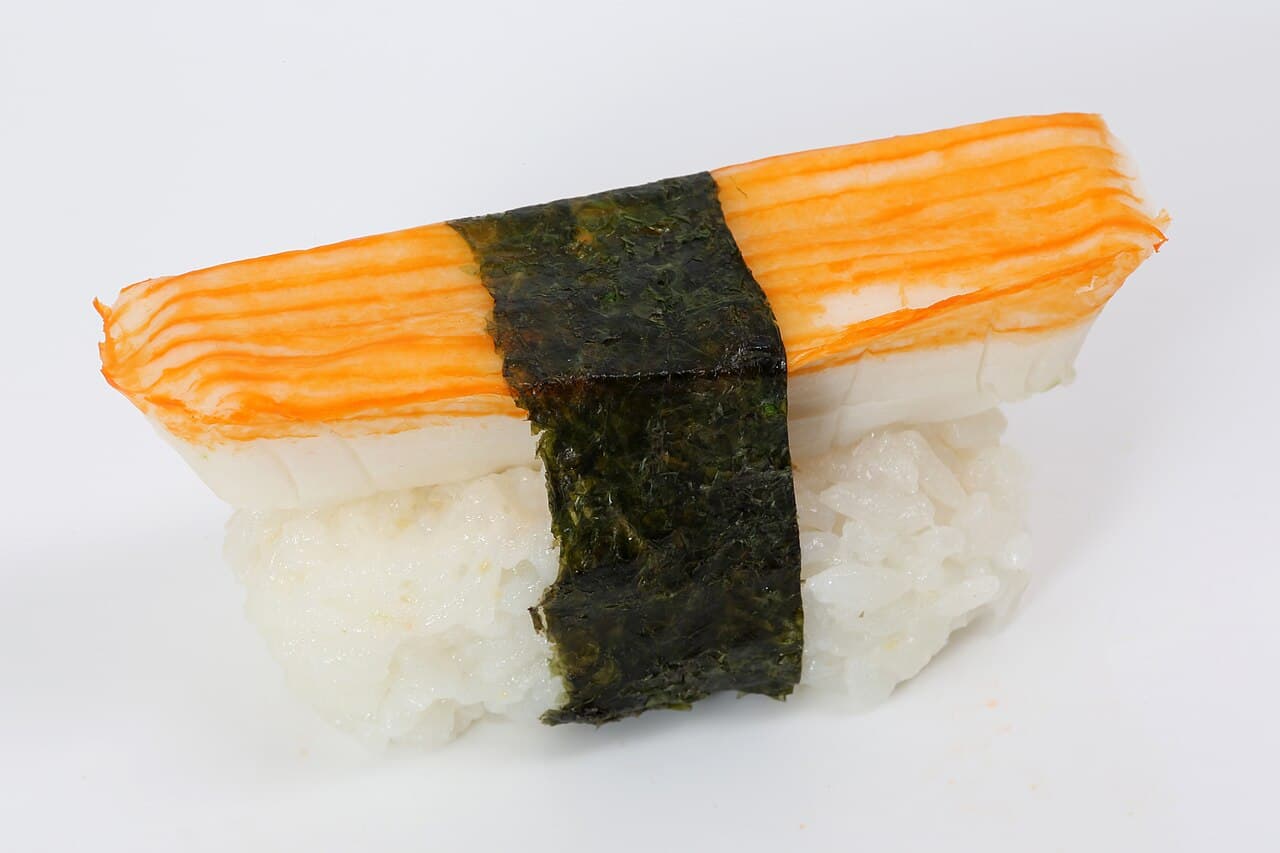
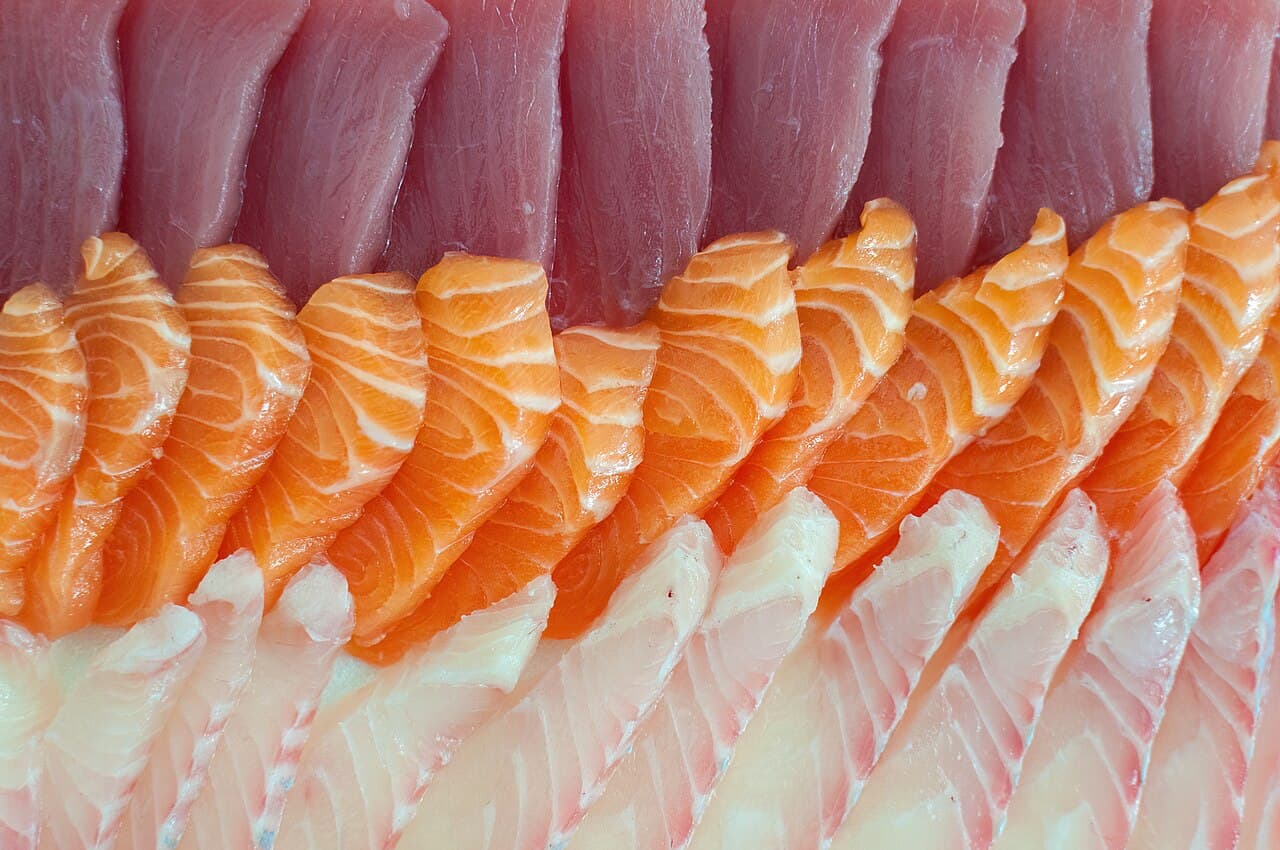
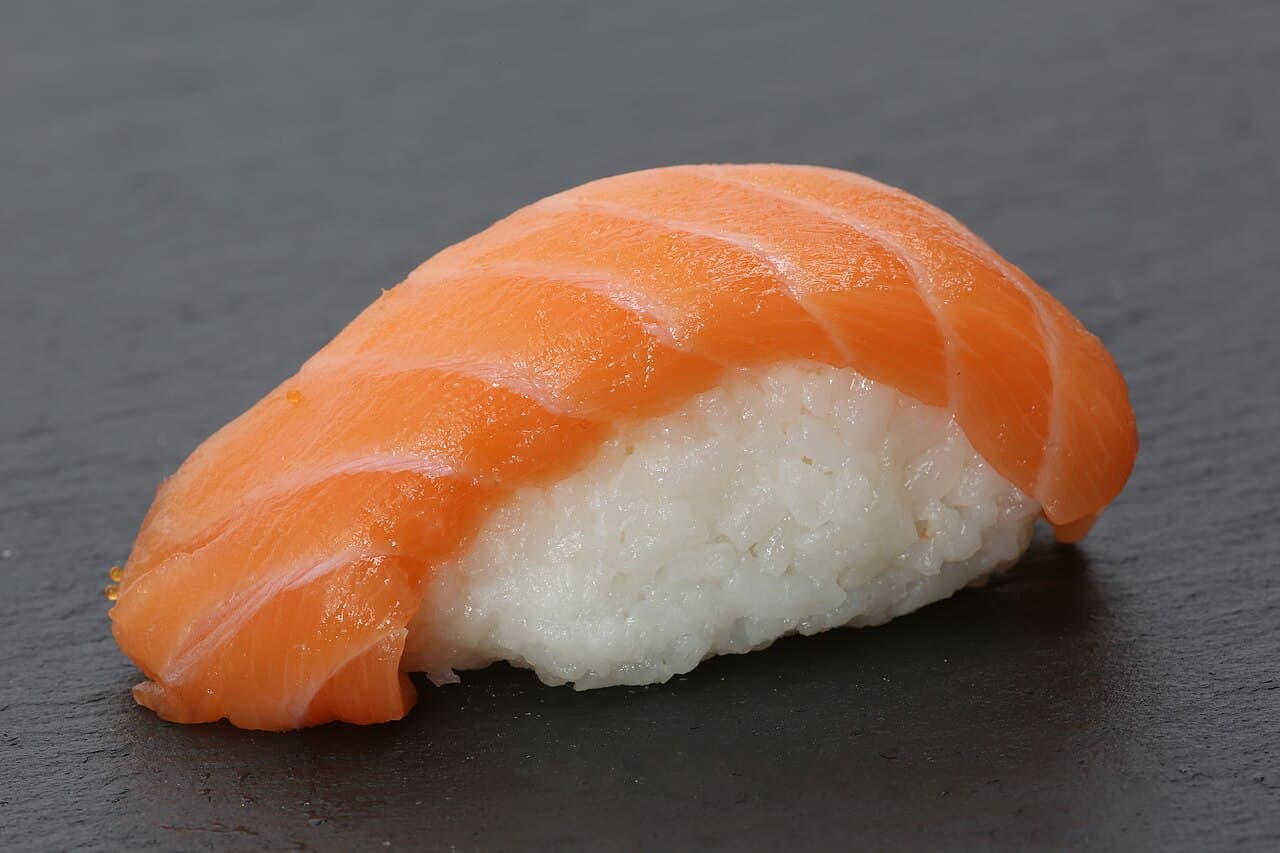
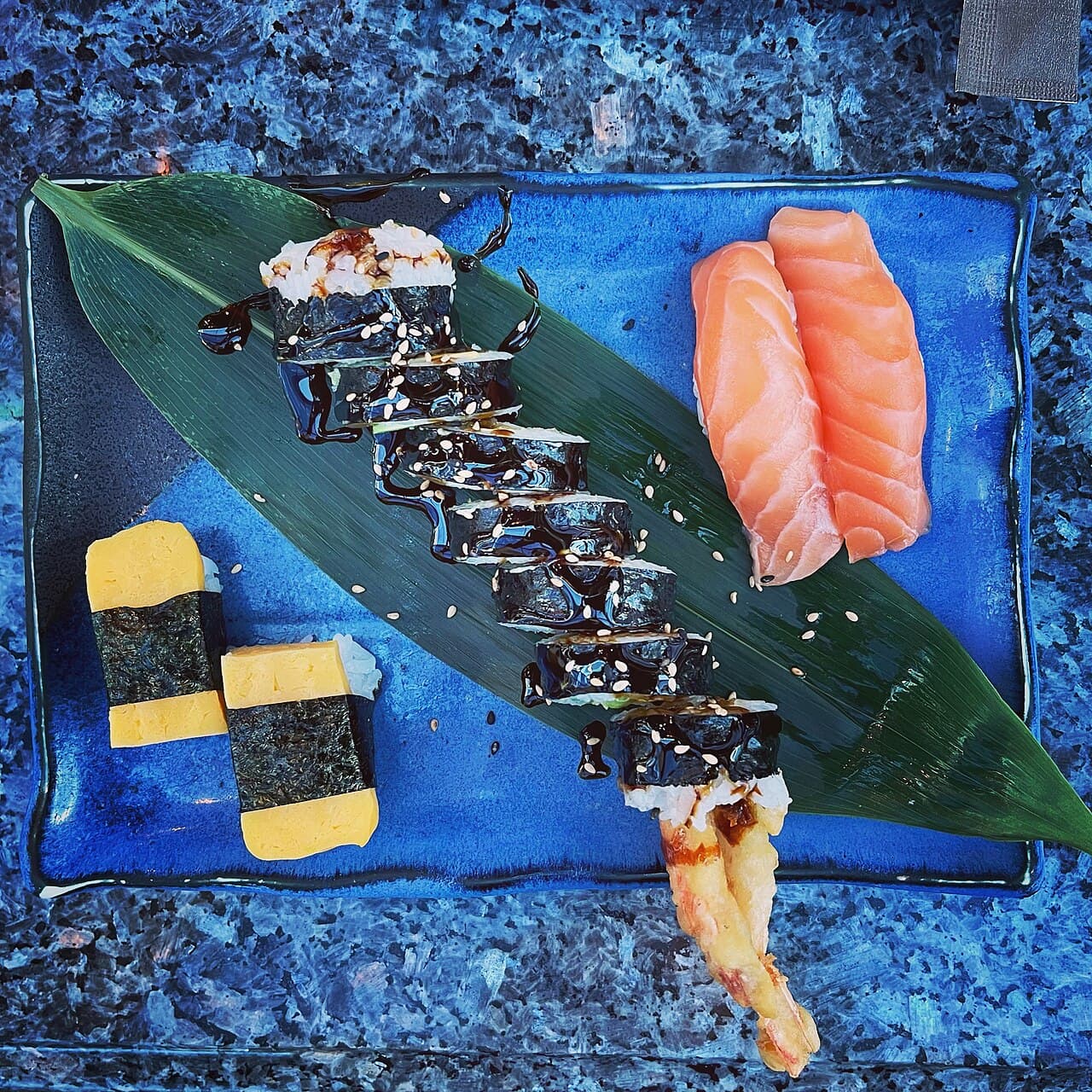
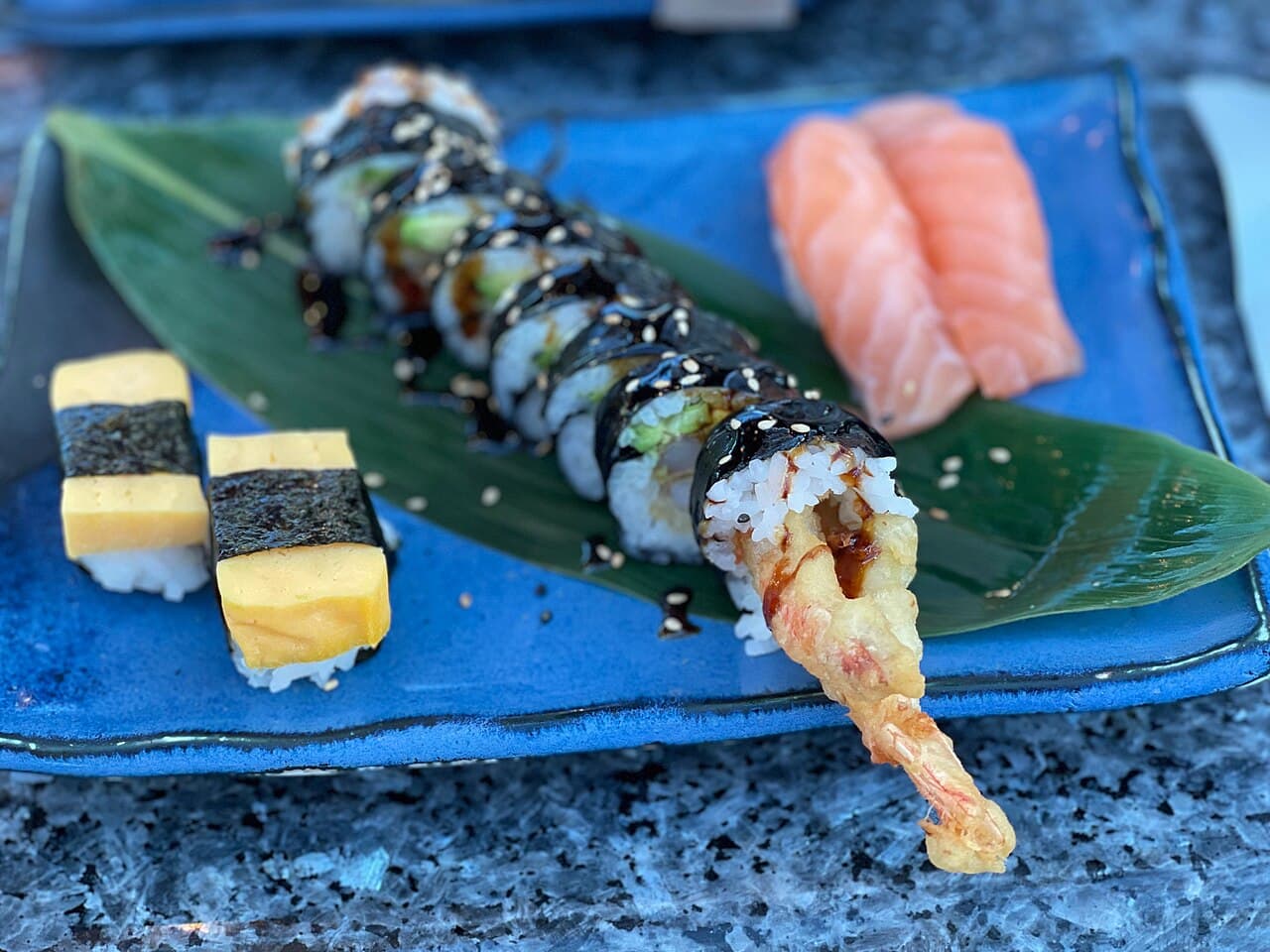
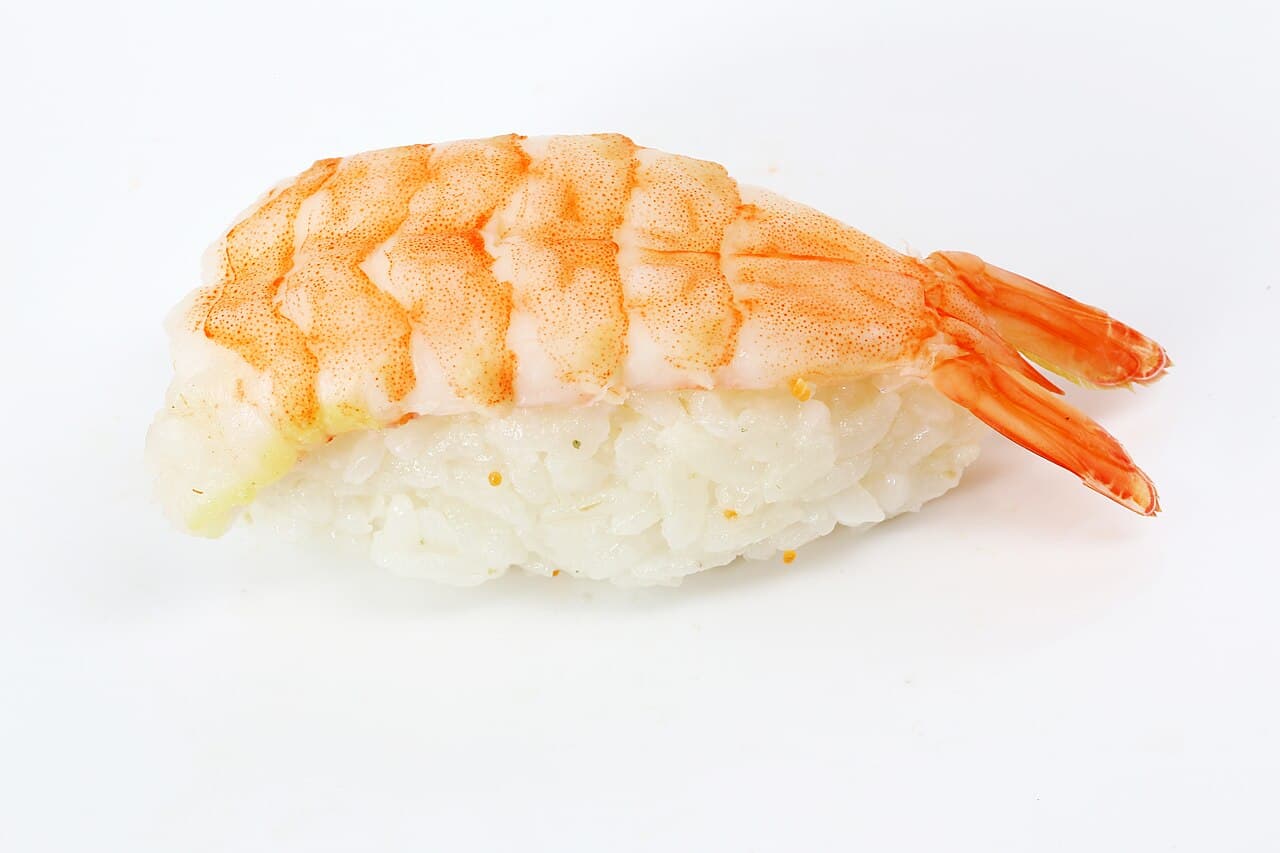
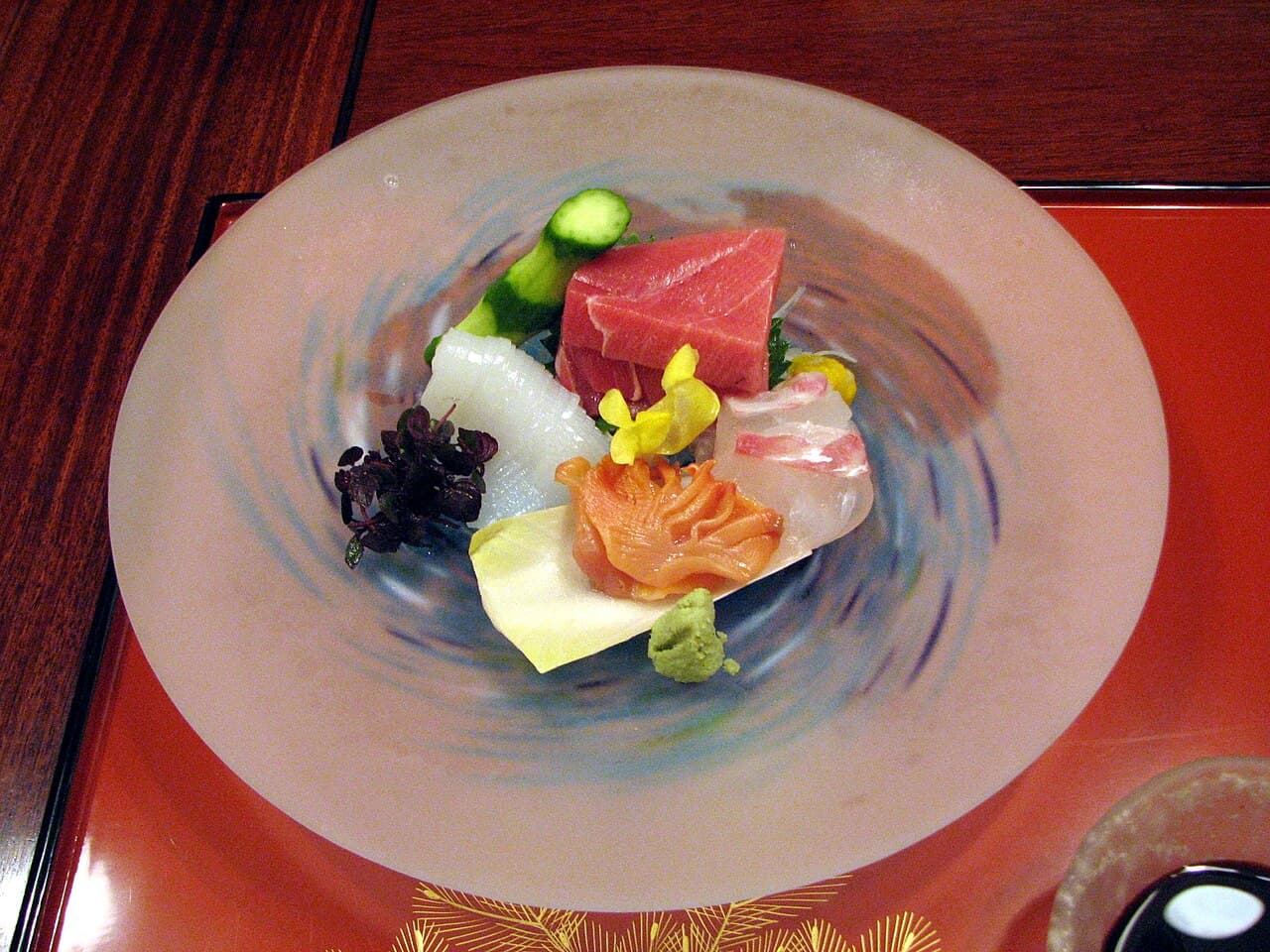
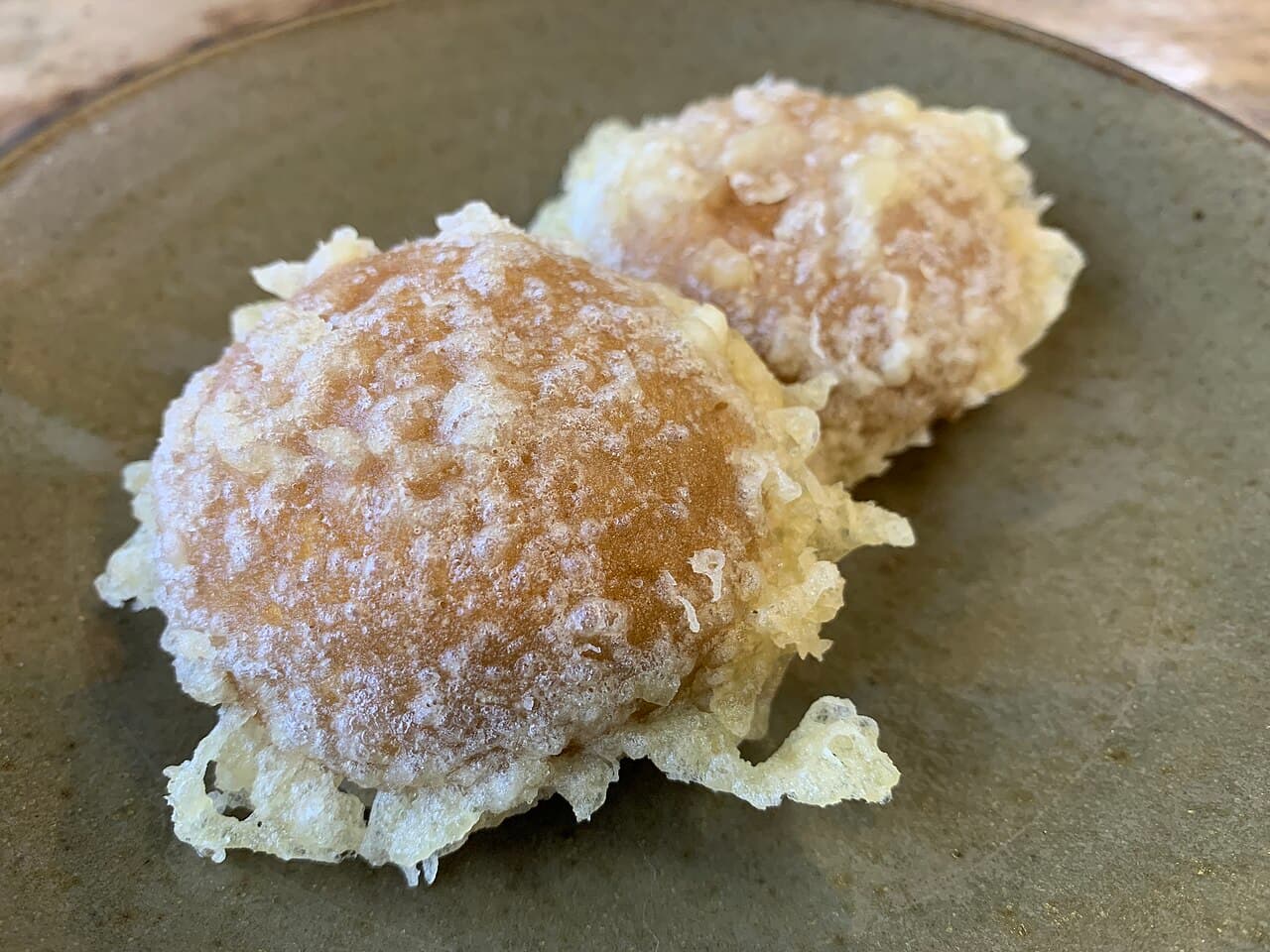
If you eat fish and seafood but not meat, Japan is one of the easiest countries in the world. Sushi, sashimi, grilled and simmered fish, seafood donburi, tempura (seafood and vegetable) and much of izakaya cooking are naturally yours.
The few things to watch: ramen and gyoza usually contain pork, dashi is fish-based (fine for you, not for vegetarians), and mixed dishes like fried rice or hot pots can hide chicken or pork. Otherwise, order freely.
Use the filter for venues that shine for seafood, and the phrases below to dodge stray meat.
What to watch for in Japan
Pork in ramen broth, gyoza and chashu
Chicken or pork in fried rice, hot pots and mixed izakaya plates
Meat-based stocks in some simmered dishes
FAQ
Is Japanese food Pescatarian-friendly?
No meat or poultry, but fish and seafood are fine. Japan is a paradise here — sushi, sashimi, grilled fish and seafood dominate — just watch for pork in broths and hidden meat in mixed dishes.
What hidden ingredients should Pescatarian travelers watch for in Japan?
Pork in ramen broth, gyoza and chashu / Chicken or pork in fried rice, hot pots and mixed izakaya plates / Meat-based stocks in some simmered dishes
How do I say I'm Pescatarian in Japanese?
「肉と鶏肉は食べませんが、魚介は大丈夫です。」(Niku to toriniku wa tabemasen ga, gyokai wa daijōbu desu.)
💬Recipes and preparation vary by restaurant, so this is a general guide. If you're ever unsure, please confirm directly with the venue before you order — they'll appreciate the heads-up.
A legendary fish izakaya tucked beneath the Yurakucho railway arches since 1946, run by Brit-owner Andy who hand-picks the catch at Toyosu Market each dawn.
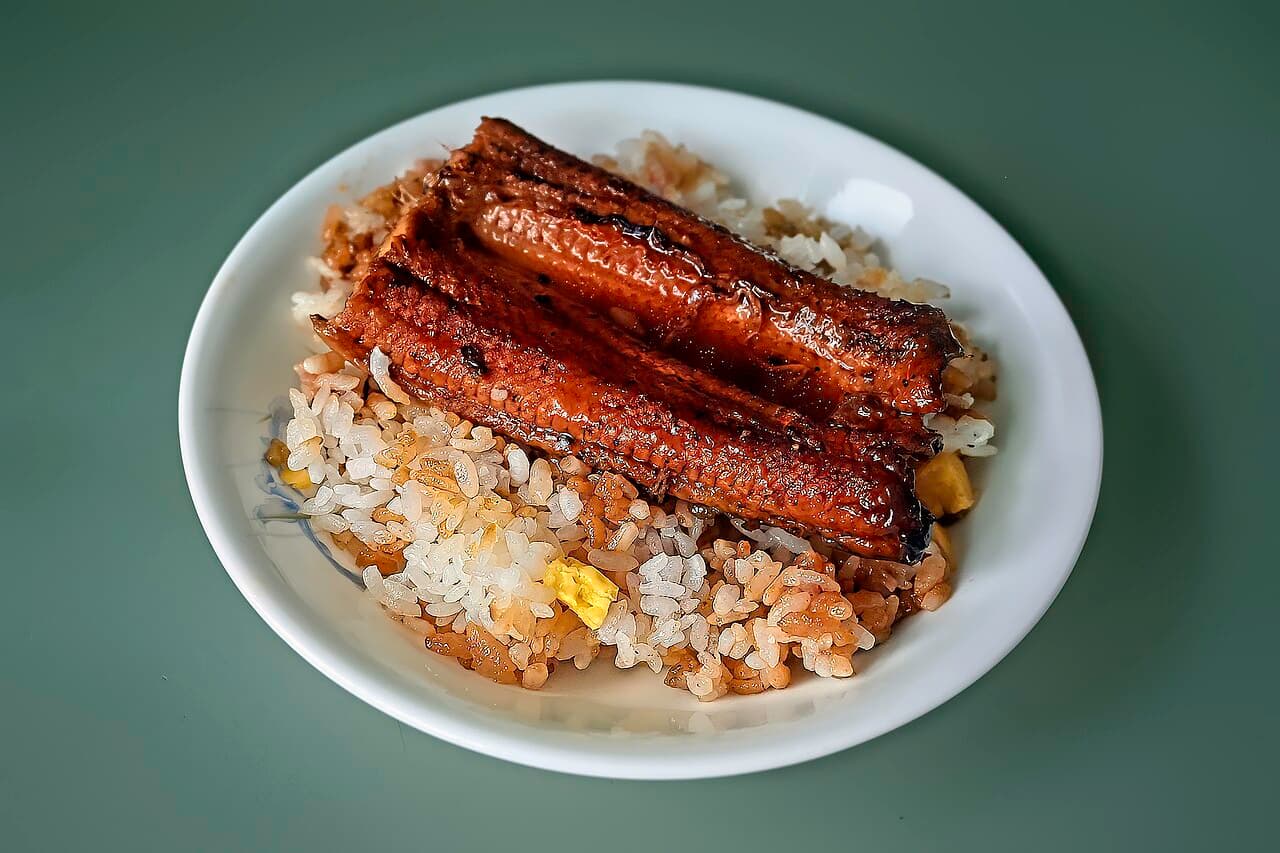
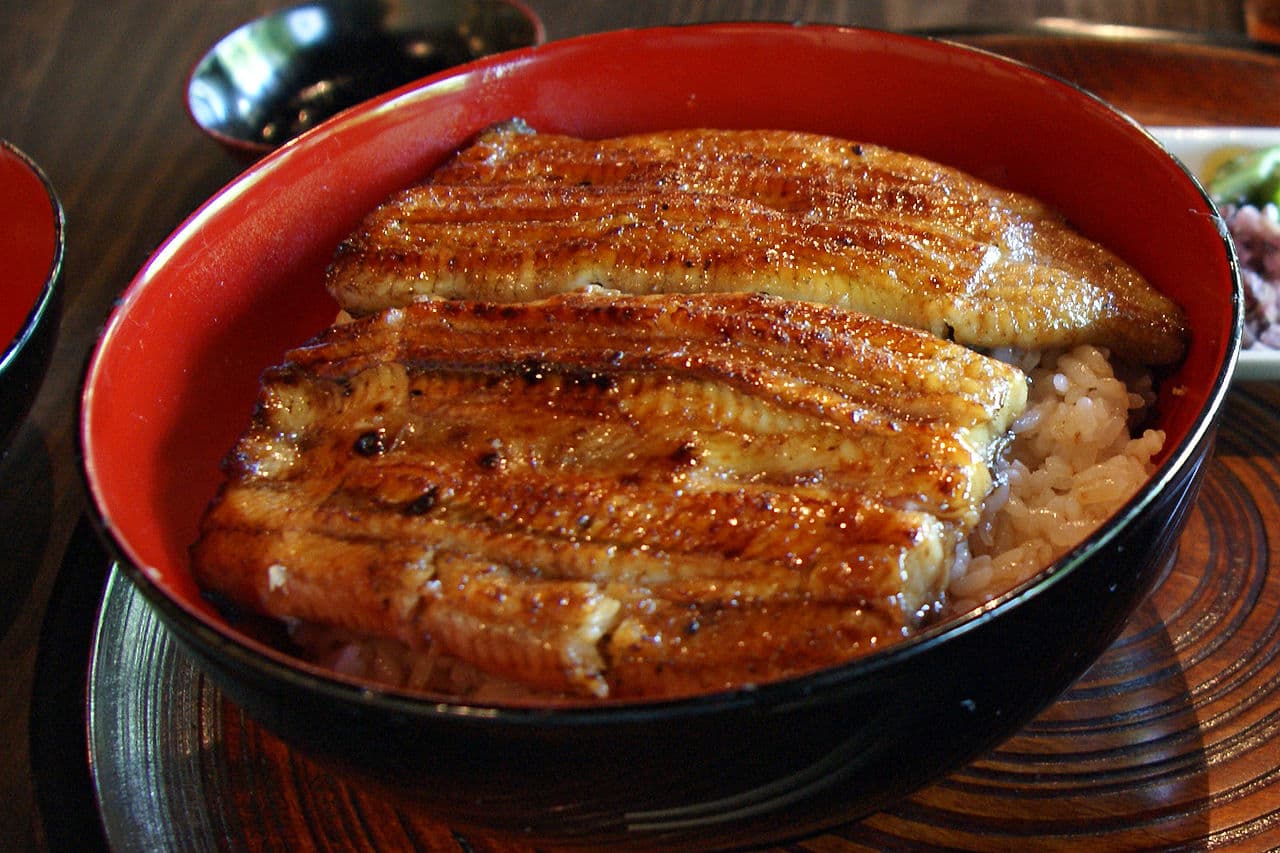
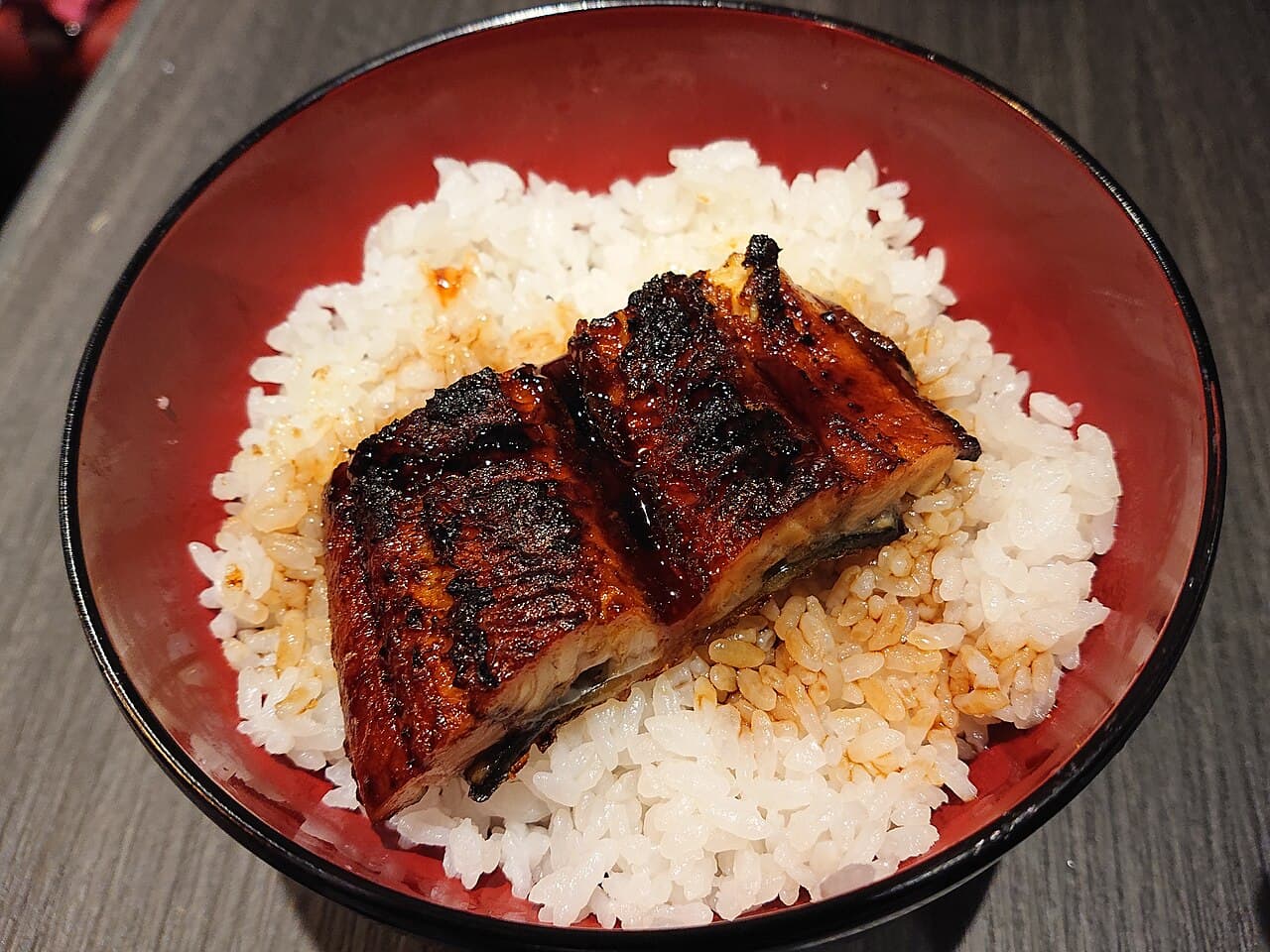
★ Unaju — Edomae eel steamed then charcoal-grilled
A Michelin-starred eel house with over 200 years of history, where the fifth-generation master steams and charcoal-grills Edomae unagi to melt-in-the-mouth perfection.
★ Edomae nigiri course — soy sauce to fish, all halal-certified
Japan's first halal-certified sushi house, steps from Senso-ji, serving full Edomae nigiri — soy, fish and pickles all halal — with a second-floor prayer room built with the local mosque.
★ Kakinoha-zushi — cured mackerel and salmon pressed onto vinegared rice and wrapped in a persimmon leaf
The Naramachi dining branch of Hiraso, a kakinoha-zushi house founded in Yoshino in 1861, where Nara's landlocked specialty — mackerel or salmon cured and pressed onto vinegared rice, then wrapped in a fragrant persimmon leaf — is served as a sit-down meal a short walk from Sarusawa Pond. Because the toppings are fish, it suits pescatarians but not vegetarians or vegans; the rice is seasoned with vinegar and ordinary soy accompanies it, so it is not gluten-free. Closed Mondays.
★ Silky oboro tofu and yuba in a seasonal multi-course meal
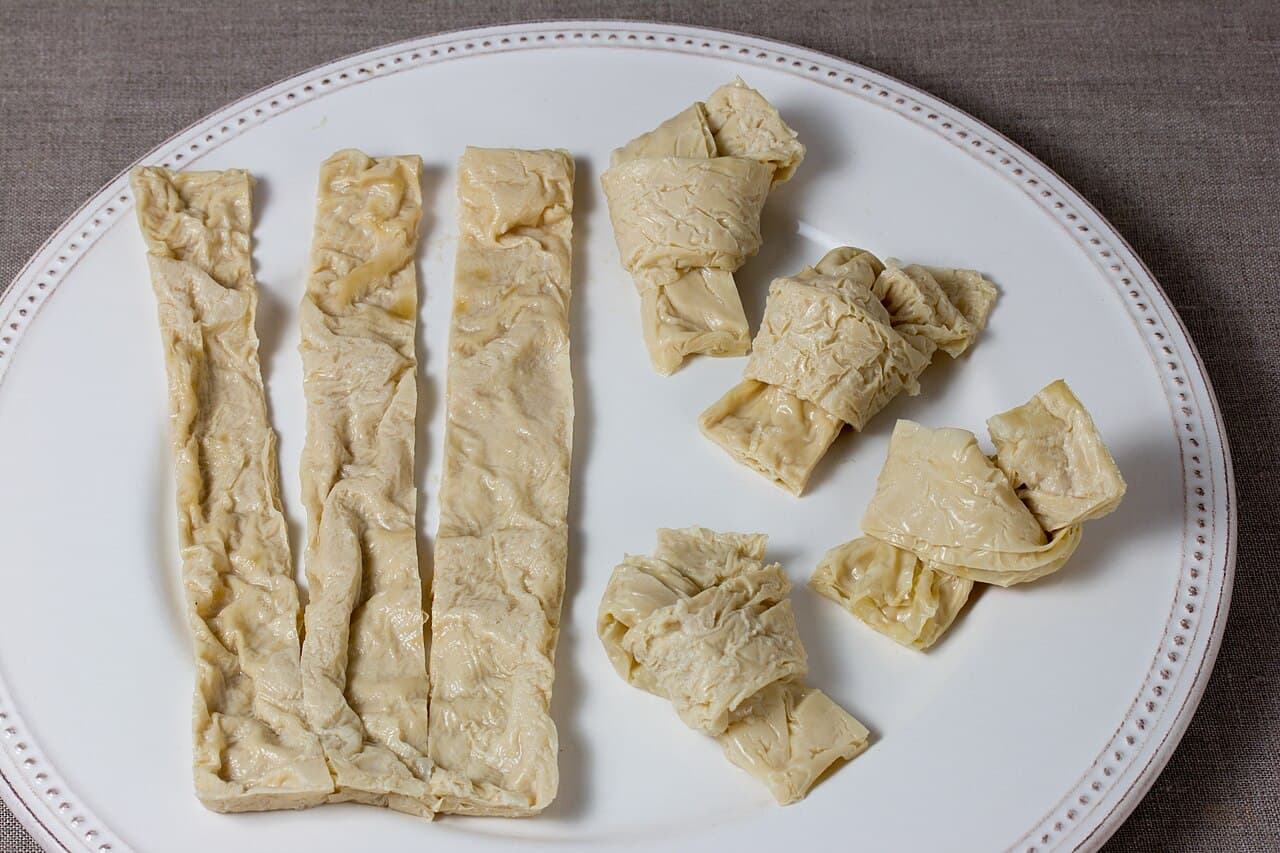
An upscale riverside tofu-kaiseki house in central Kyoto serving silky oboro tofu and yuba in seasonal multi-course form, with a full English menu and summer riverside (kawayuka) seating. It offers a dedicated fish-free vegan course ('Rokuhara') with no meat, shellfish, egg, dairy or fish — but you must order that specific course, since the standard tofu courses likely use bonito dashi.
★ The 'Zeitaku-don' bowl topped with tuna, uni and ikura, finished tableside as ochazuke with sea-bream dashi
A famous counter-only seafood-bowl shop where every bowl is fish over rice with no meat, so it suits pescatarians well; expect a queue, and note the soy sauce and dashi are not gluten-free.
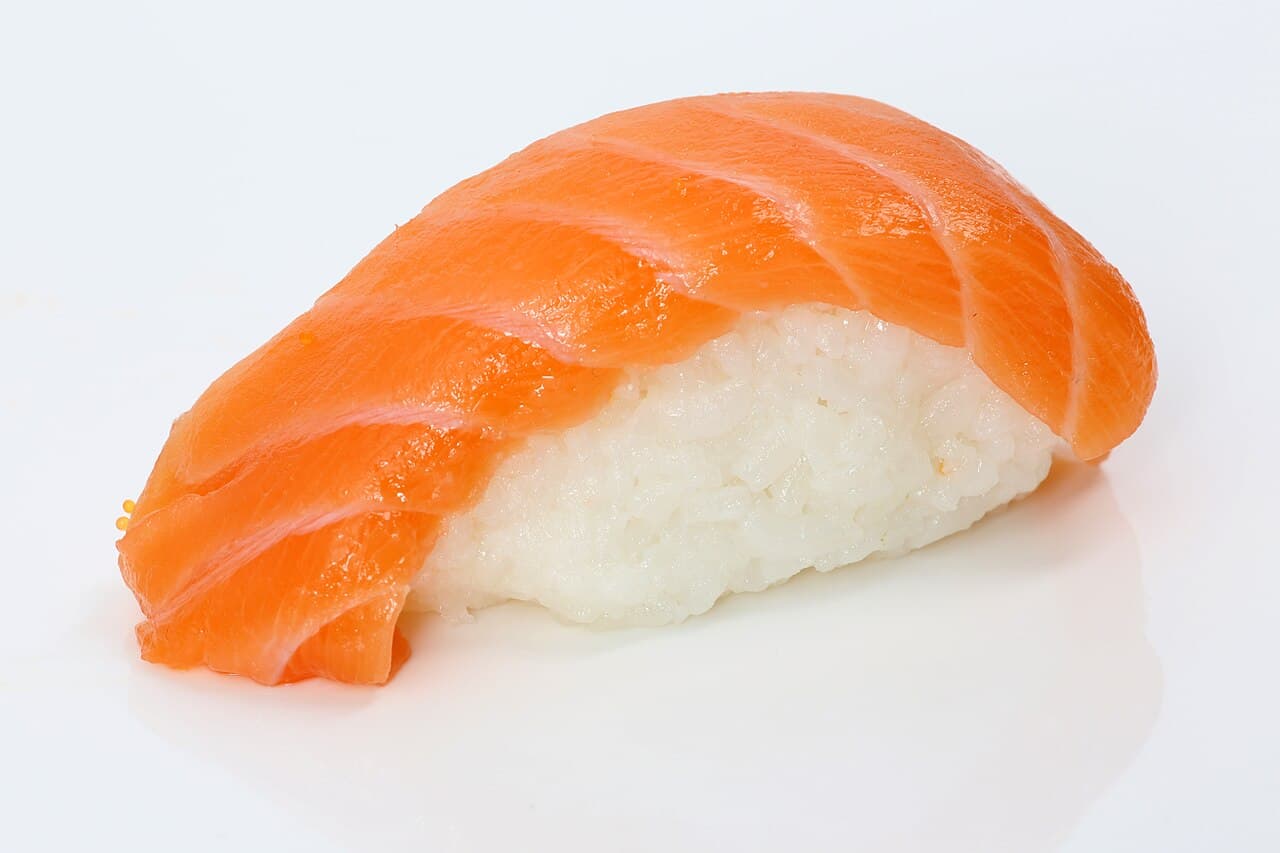
★ Premium nigiri like otoro and jumbo sweet shrimp at modest prices
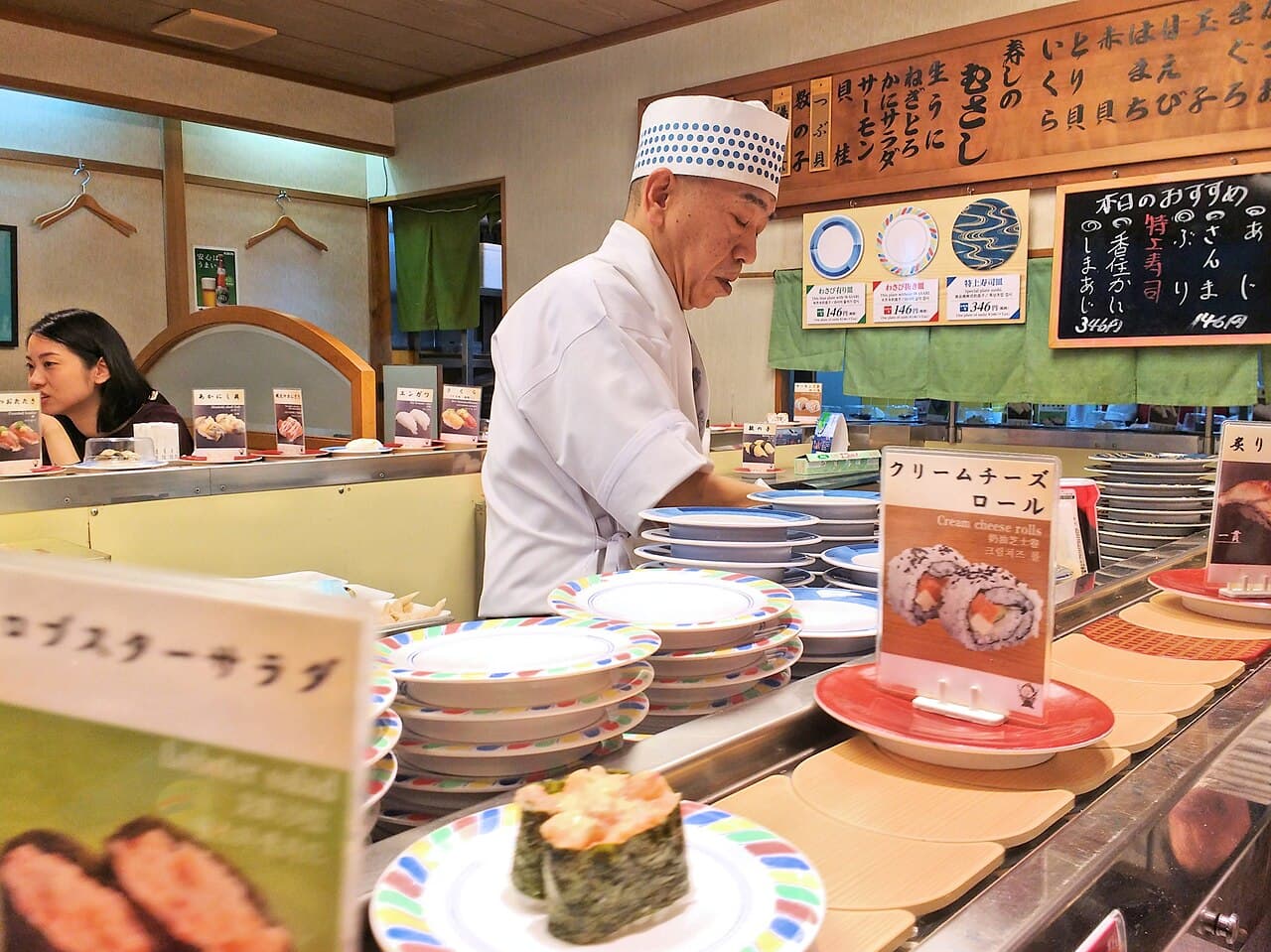
A popular conveyor-belt sushi restaurant on the 8th floor of Seibu Shibuya, praised for generous cuts of quality fish at modest prices; lines are common. Seafood-forward and good for solo diners, but not gluten-free.
A long-running, hugely popular sushi restaurant inside Shibuya Mark City known for large, value-for-money nigiri; expect a wait and use the ticket system. Seafood-forward and well-suited to pescatarians, though not gluten-free.
★ Edo-style omakase with multiple types of natural tuna
A respected Edomae sushi counter in the Tsukiji Outer Market founded by a third-generation fish wholesaler, with a lunch kaisendon/sushi range and pricier dinner omakase. Entirely seafood-focused, ideal for pescatarians.
★ Fresh Hokkaido (Nemuro) seafood nigiri at reasonable prices
A Hokkaido-based kaiten-sushi chain on the 5th floor of KITTE by Tokyo Station, serving fresh Nemuro seafood. It is naturally seafood-forward (no meat needed) and easy for solo diners, though the dishes are not gluten-free.
A busy Tsukiji Outer Market kaisendon specialist offering around 30 seafood rice bowls made with fish bought daily at Toyosu — the raw-seafood-over-rice bowls are naturally pescatarian. Typically eaten with wheat-containing soy sauce, so not gluten-free unless you request/bring tamari.
A long-established (1889) Edomae sushi house in the Tsukiji Outer Market that stayed open after the market's relocation, serving classic nigiri sets and sashimi. As seafood-and-rice sushi it is naturally pescatarian; not gluten-free (soy sauce contains wheat).
A famous Toyosu Market sushi counter (relocated from old Tsukiji) serving a chef's-selection omakase noted for its premium tuna. Pure seafood-and-rice sushi makes it naturally pescatarian; early market hours and not gluten-free (soy sauce contains wheat).
A three-Michelin-star Kagurazaka kaiseki restaurant serving a seasonal omakase course. Kaiseki traditionally includes some meat/dashi, so a pescatarian (seafood, no-meat) menu must be requested in advance and confirmed directly. Not gluten-free.
An acclaimed Ginza Edomae sushi counter (chef Hiroyuki Sato) known for a nigiri-only course showcasing aged bluefin tuna. As pure seafood-and-rice sushi it is naturally pescatarian; not gluten-free (soy/vinegar). Cards only; reservations open about two months ahead.
★ Julienned carrot kakiage and prawn / anago tempura
A two-Michelin-star Ginza tempura counter celebrated for exceptionally light frying and its signature julienned-carrot kakiage. Courses are built only on seafood and vegetables (no meat), making it naturally pescatarian; the wheat-flour batter means it is not gluten-free.