Toyosu Market Block 6, 3F, 6-5-1 Toyosu, Koto-ku, Tokyo
Nearest station
Shijo-mae Stn (Yurikamome)
Cuisine
Sushi (Edomae)
Price
¥¥¥
English menu / support
✓
Signature
Omakase course of Edomae sushi (chef's choice)
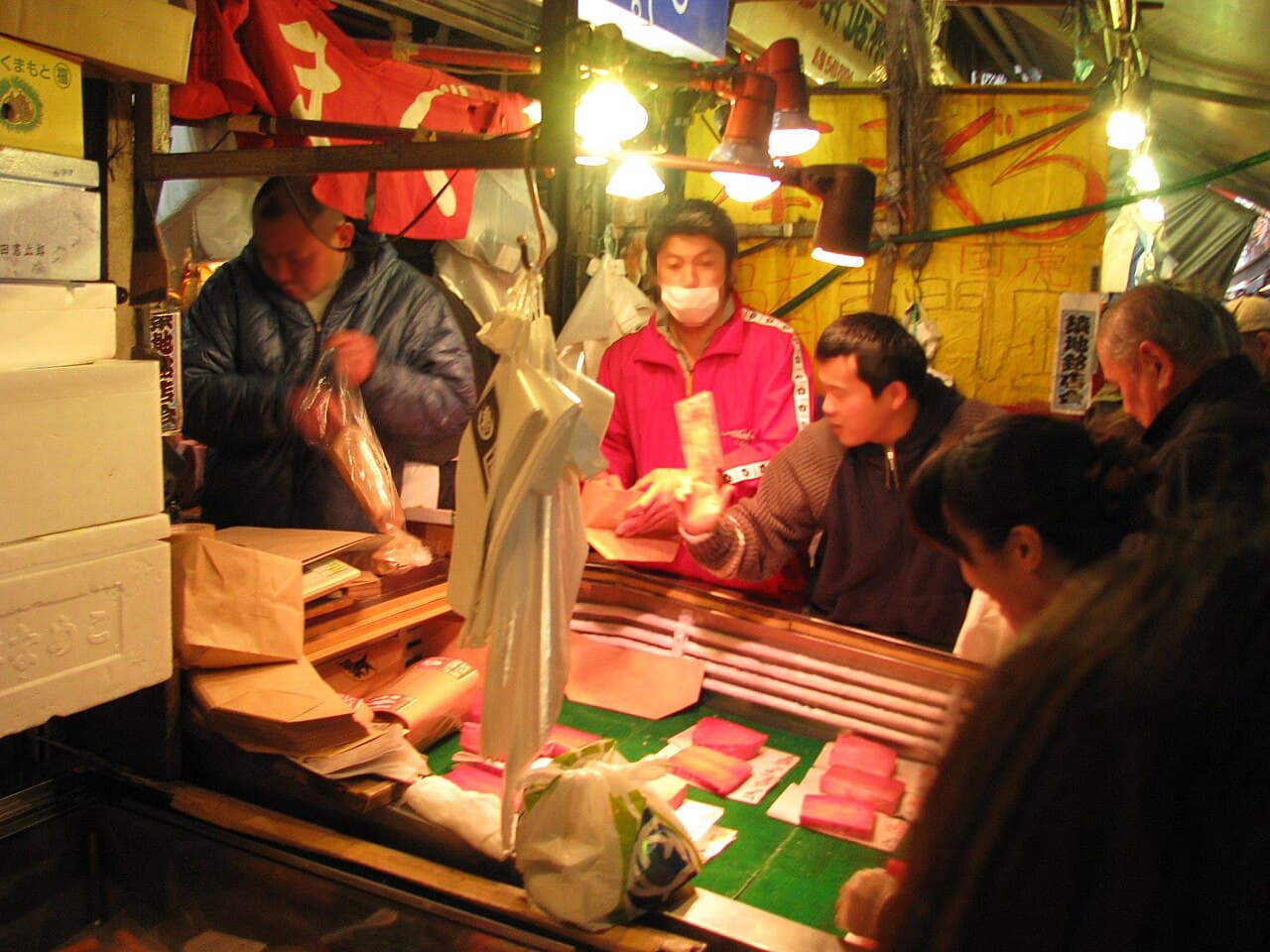
Sushi Dai is the queue-before-dawn sushi counter that followed the fish market from Tsukiji to Toyosu and never lost the following that made it famous there — a dozen-odd counter seats one floor above the wholesale block it has fed for decades. The appeal hasn't changed with the address: a chef building each piece to order, and a set omakase that reads like a running tally of whatever moved through the market that morning.
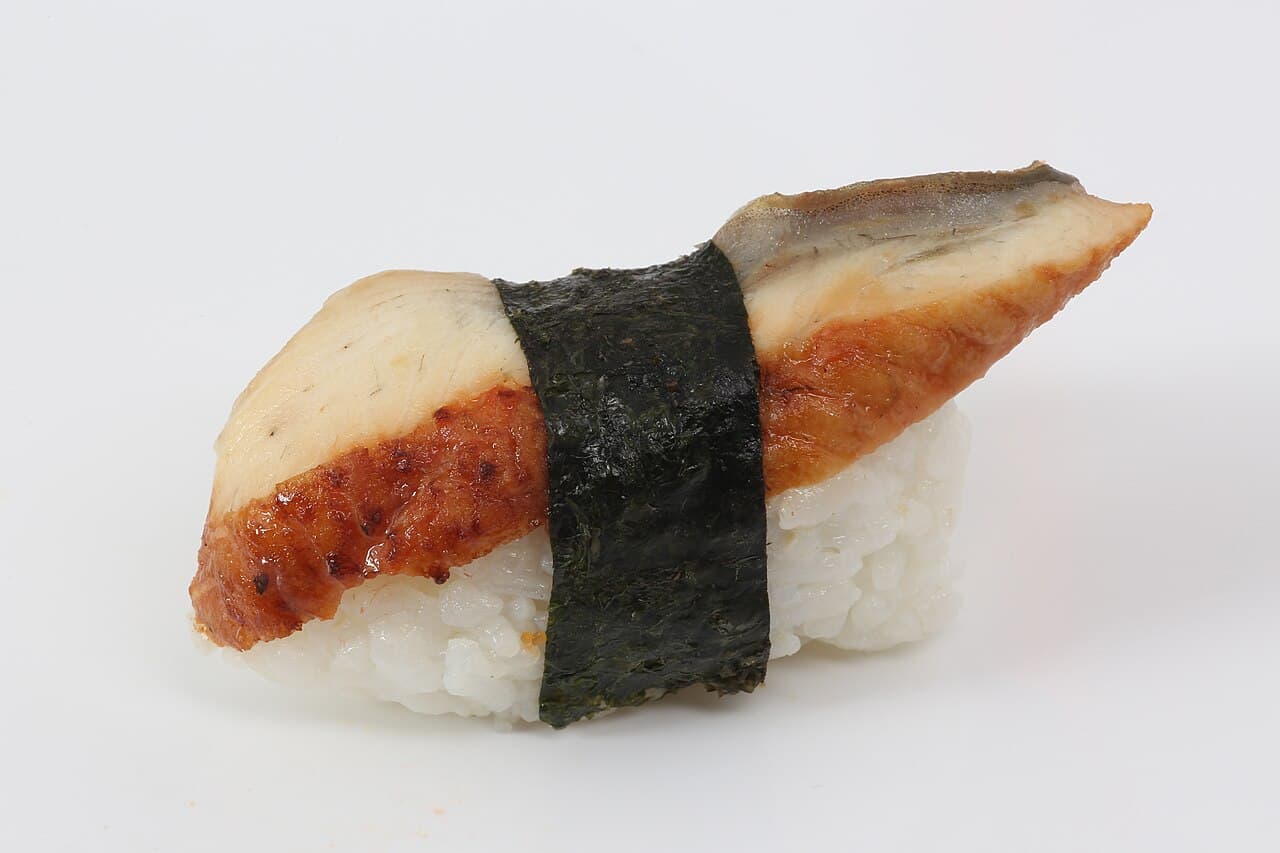
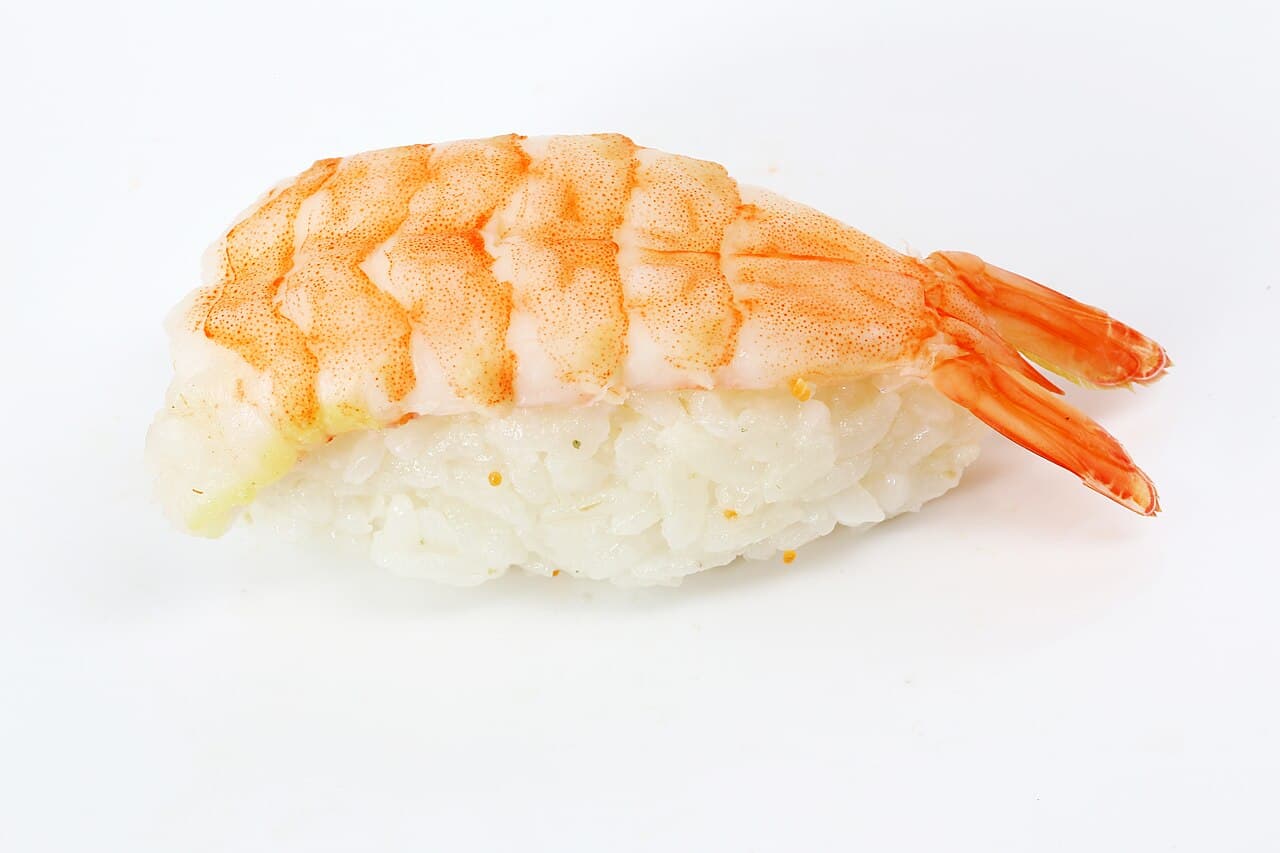
The course itself is fixed rather than à la carte — miso soup, a slice of tamago, a hand roll, roughly nine pieces of nigiri, and one final piece the diner picks from whatever's left on the counter. It runs about ¥4,500–5,000, and the fish is the entire show: no starters, no dessert, just the freshest cuts a market restaurant can justify. Sushi Dai carried a Michelin Guide Tokyo mention from 2015 to 2017 and never really lost the crowd that came with it, which is why the line still forms well before opening.
That line is the actual test. There's no reservation system — arrivals are seated in batches of roughly a dozen as tables turn over, so thirty people ahead of you works out to something like an hour and a half. Staff keep an English menu on hand and can talk visitors through the set, so language isn't the barrier; timing is. Show up at 5 a.m. and you might sit within the hour; arrive at 8 and you're gambling on whether the day's catch outlasts the queue.
A practical note: it's cash only, and it's closed Sundays, public holidays, and the market's own closure days (Wednesdays, most weeks) — plus it sells out, often by mid-morning, so waiting is no guarantee of a seat. Worth knowing too: the miso soup and much of the set lean on dashi, so this reads as a pescatarian stop rather than a strictly vegetarian one.
More on this style: for the difference between sashimi and sushi and how Japan's health ministry keeps raw fish safe (the anisakis basics), see our sashimi guide.
✓ Last verified Jul 2026
Hours and details can change — please confirm before you visit.
★ Edomae nigiri course — soy sauce to fish, all halal-certified
Japan's first halal-certified sushi house, steps from Senso-ji, serving full Edomae nigiri — soy, fish and pickles all halal — with a second-floor prayer room built with the local mosque.
★ Kakinoha-zushi — cured mackerel and salmon pressed onto vinegared rice and wrapped in a persimmon leaf
The Naramachi dining branch of Hiraso, a kakinoha-zushi house founded in Yoshino in 1861, where Nara's landlocked specialty — mackerel or salmon cured and pressed onto vinegared rice, then wrapped in a fragrant persimmon leaf — is served as a sit-down meal a short walk from Sarusawa Pond. Because the toppings are fish, it suits pescatarians but not vegetarians or vegans; the rice is seasoned with vinegar and ordinary soy accompanies it, so it is not gluten-free. Closed Mondays.
★ Plant-based nigiri and sushi sets using vegetable alternatives to fish
A sit-down plant-based sushi restaurant in Shoto (near Shibuya) where every piece is made without seafood or animal products, so there is no fish dashi to worry about. It is not gluten-free (soy sauce and some components contain wheat); reservations are recommended and the venue opened its permanent location in late 2025.
★ Premium nigiri like otoro and jumbo sweet shrimp at modest prices
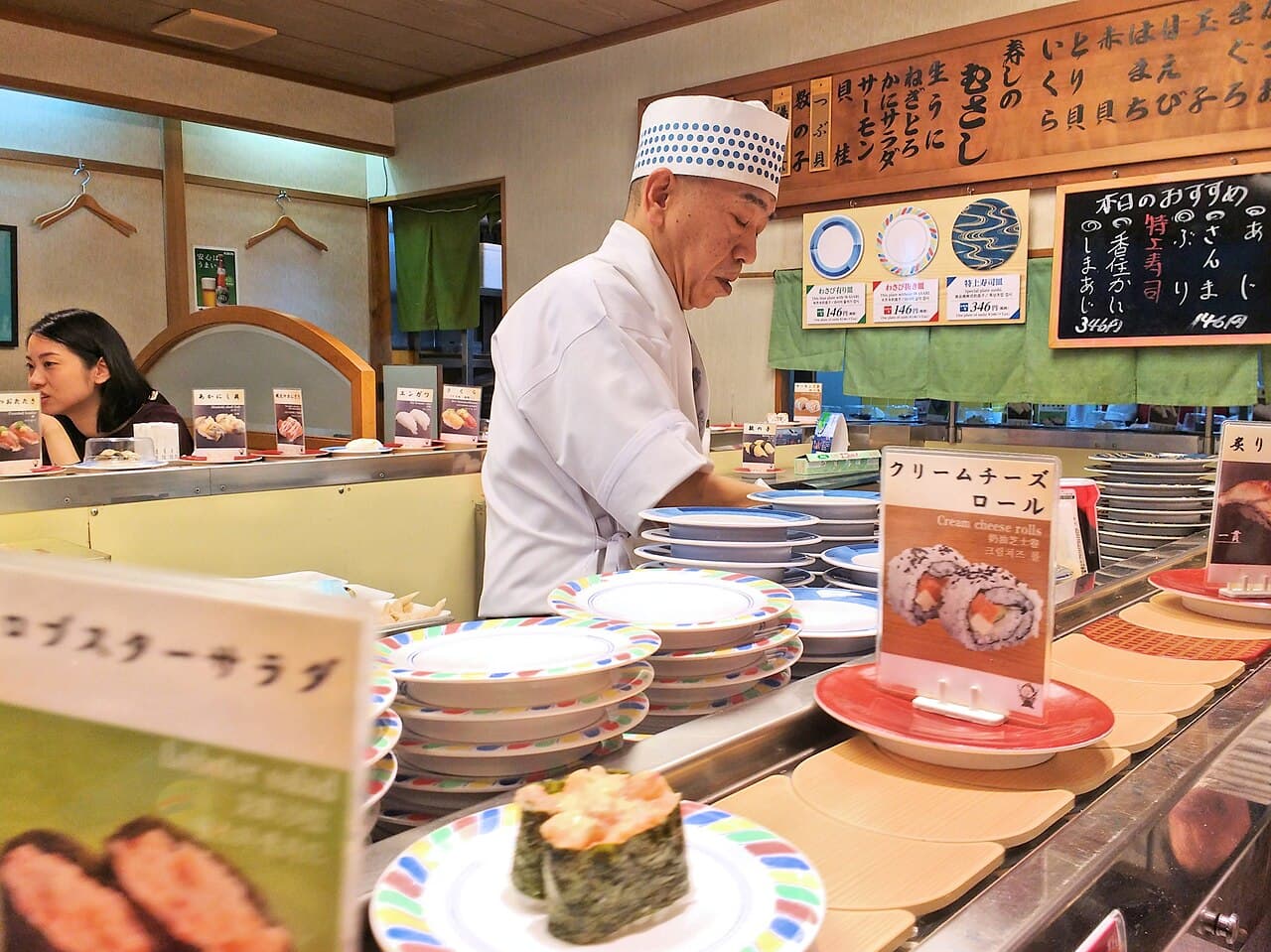
A popular conveyor-belt sushi restaurant on the 8th floor of Seibu Shibuya, praised for generous cuts of quality fish at modest prices; lines are common. Seafood-forward and good for solo diners, but not gluten-free.
A famous Toyosu Market sushi counter (relocated from old Tsukiji) serving a chef's-selection omakase noted for its premium tuna. Pure seafood-and-rice sushi makes it naturally pescatarian; early market hours and not gluten-free (soy sauce contains wheat).