Japan's first halal-certified sushi house, steps from Senso-ji, serving full Edomae nigiri — soy, fish and pickles all halal — with a second-floor prayer room built with the local mosque.
Can I eat here?
✓ Diets our editors confirmed in person· English menu / support
Matsu Royal Bldg, 2-11-4 Asakusa, Taito-ku, Tokyo 111-0032
Nearest station
Asakusa Stn (TX A1), 1 min
Cuisine
Halal Edo-style sushi
Price
¥¥¥
English menu / support
✓
Signature
Edomae nigiri course — soy sauce to fish, all halal-certified
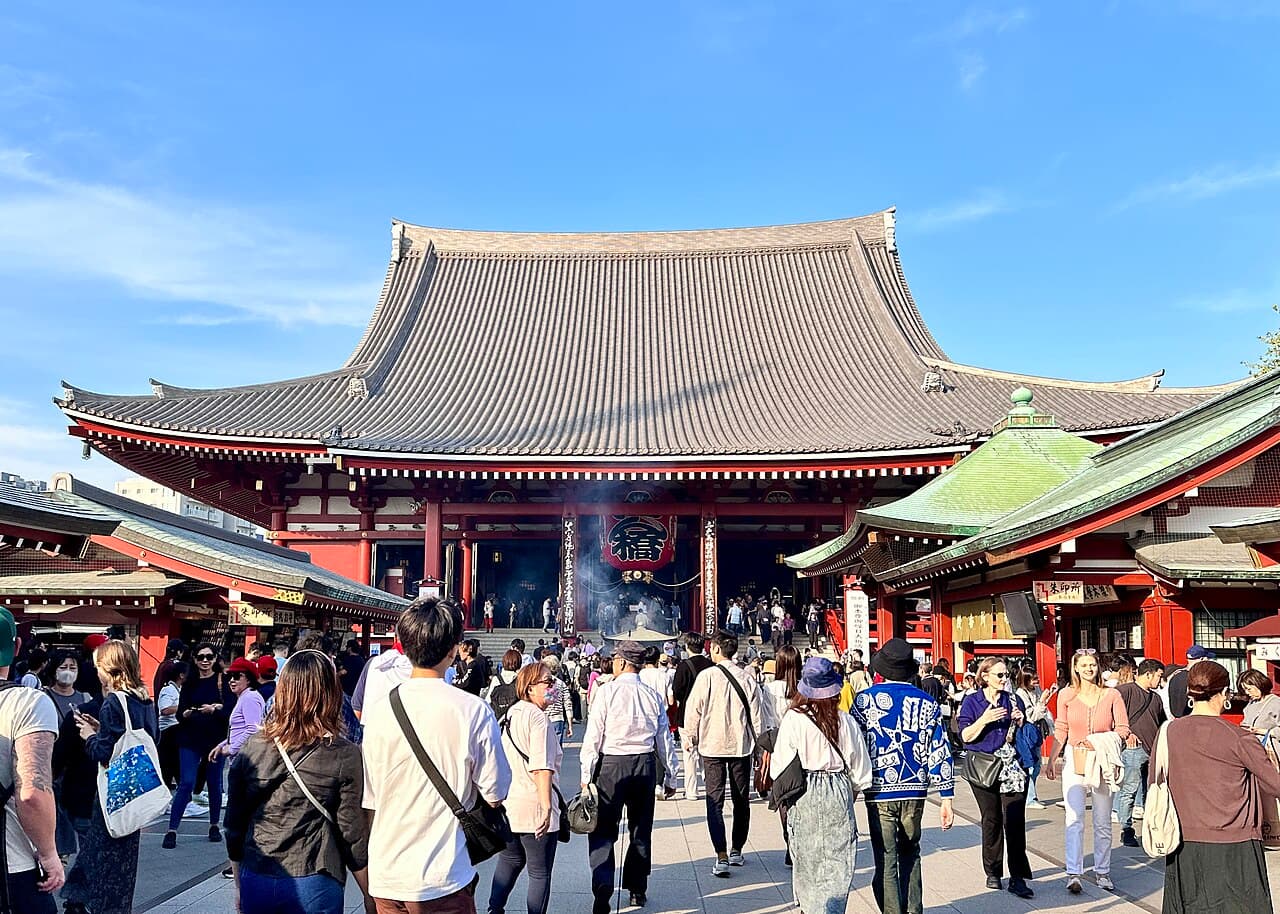
Asakusa Sushi Ken is Tokyo's original halal-certified sushi counter — full Edomae nigiri, four minutes from Sensō-ji, built from the ground up so nothing on the menu needs an asterisk. That distinction matters: plenty of Tokyo restaurants advertise themselves as "Muslim-friendly," meaning pork is off the menu, but Sushi Ken went further and had the kitchen itself certified.
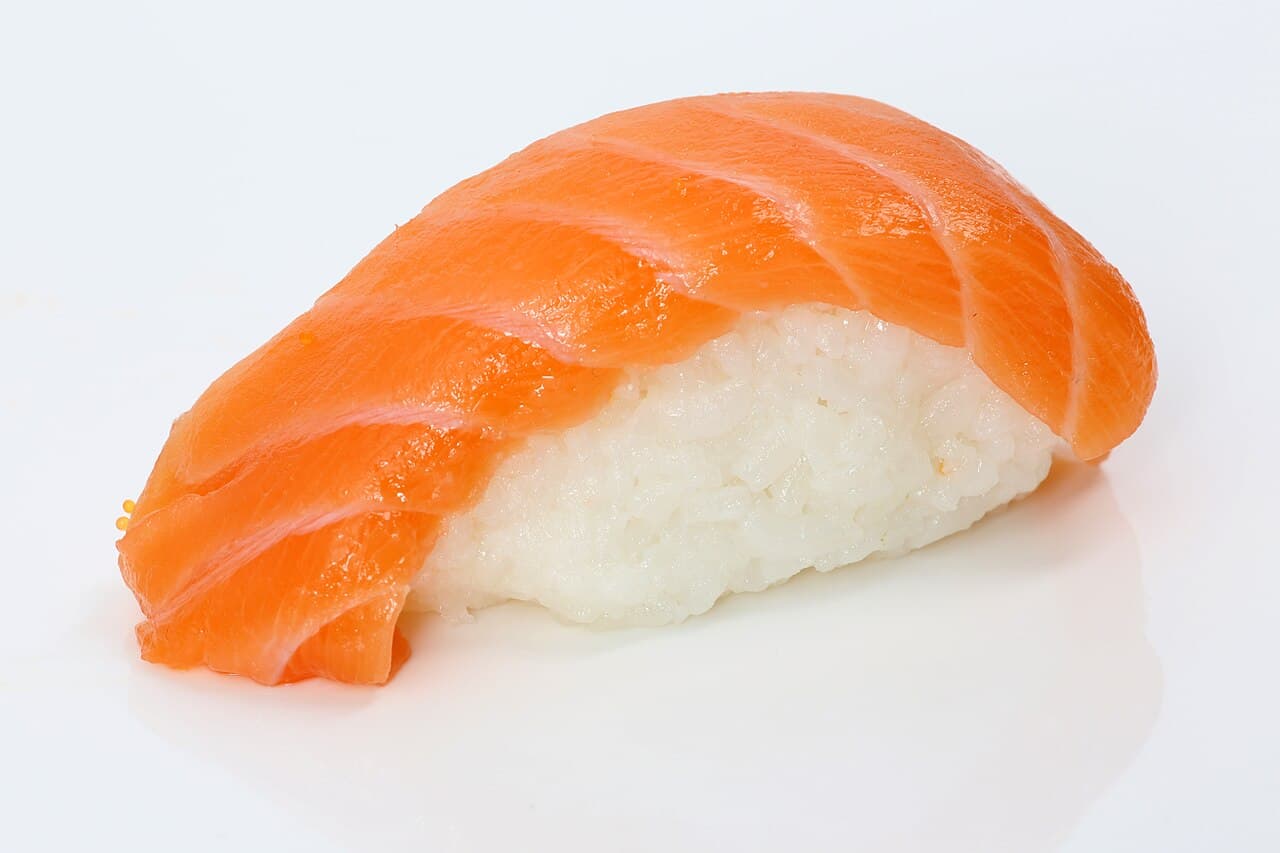
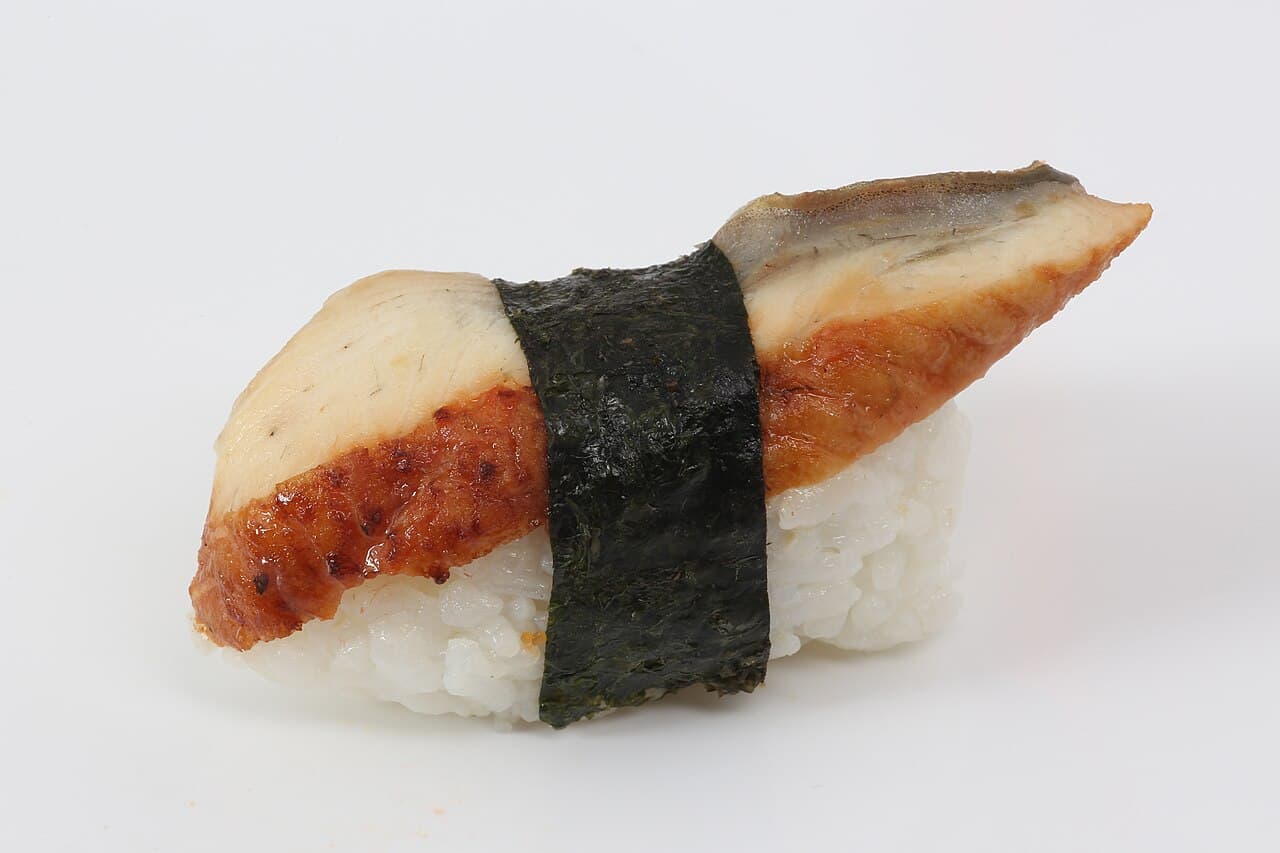
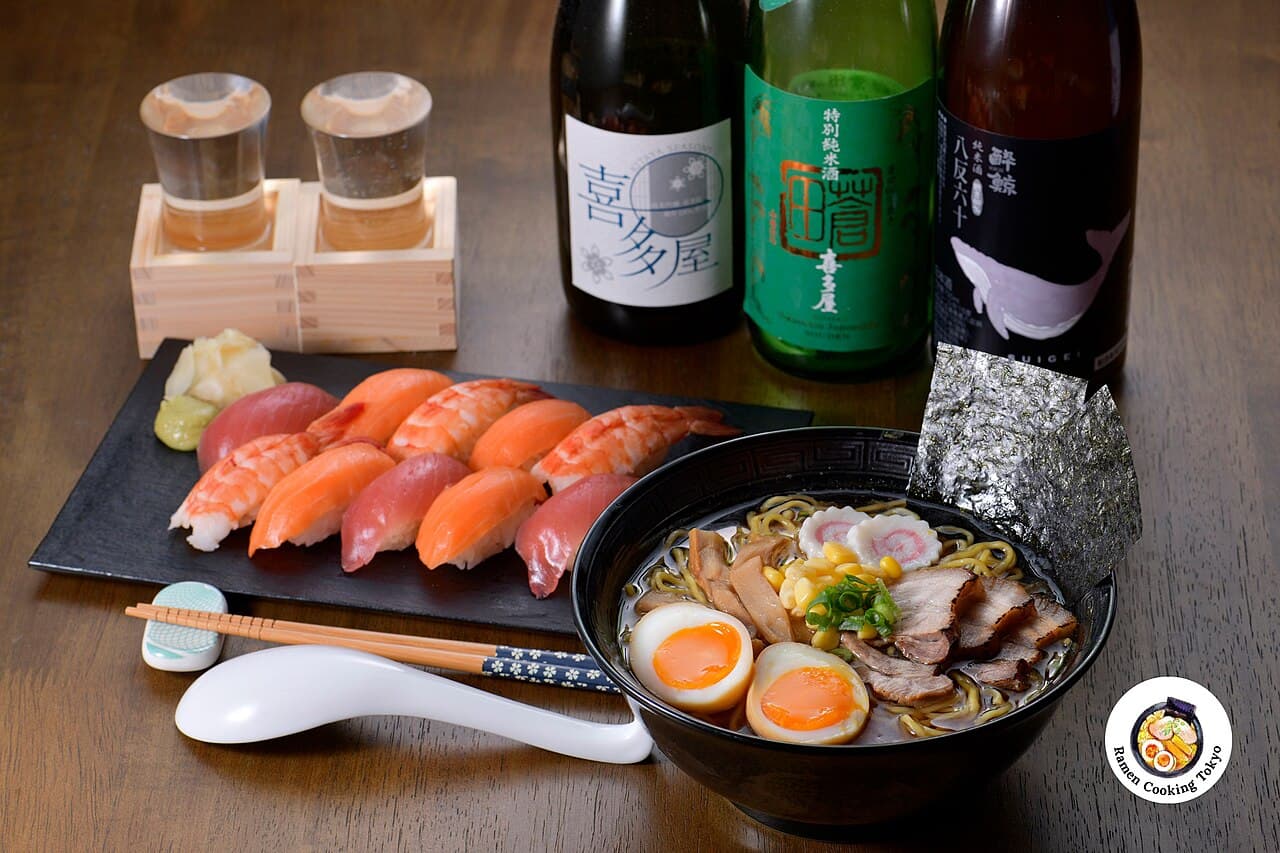
Every component is halal, not just the fish: the soy sauce, the vinegar in the rice, even the pickled ginger are certified, and there's no pork or alcohol anywhere in the kitchen. The rice itself is seasoned with akazu, the reddish rice vinegar Edo-period sushi shops used before white rice vinegar became standard — a small, old-school touch that shows up as a deeper, less sweet tang under the fish. The lunch set (¥1,800) is the easiest entry: nine pieces of nigiri plus a rolled tamagoyaki and miso soup; the 1.5-portion version (¥3,000) stretches that to thirteen pieces of whatever's in season — usually tuna, salmon, shrimp, and a rotating white fish — with one roll. It's counter seating in a classic wood-and-noren dining room, the kind of place where the chef works close enough to watch.
The detail that sets it apart: a small prayer room on the second floor, set up with help from the nearby Okachimachi Mosque — something almost no sushi restaurant in Tokyo offers.
Reserve a few days ahead through the restaurant's own site or Tabelog if you want a specific seating time, especially for dinner; walk-ins happen but aren't guaranteed. Cards (Visa, Mastercard, Amex, JCB) and contactless/QR payment are all accepted, so this isn't a cash-only stop. Closed Wednesdays.
✓ Last verified Jul 2026
Hours and details can change — please confirm before you visit.
★ Customisable Japanese curry rice with halal toppings; pick your rice size and spice level
Permanently closed. CoCo Ichibanya's halal-certified Akihabara branch and its Shinjuku sister shop shut during the 2020 pandemic and have not reopened — as of 2026 there is no halal-certified CoCo Ichibanya in Japan. For halal Japanese curry and other options, see our halal fast-food chains guide and halal Tokyo guide.
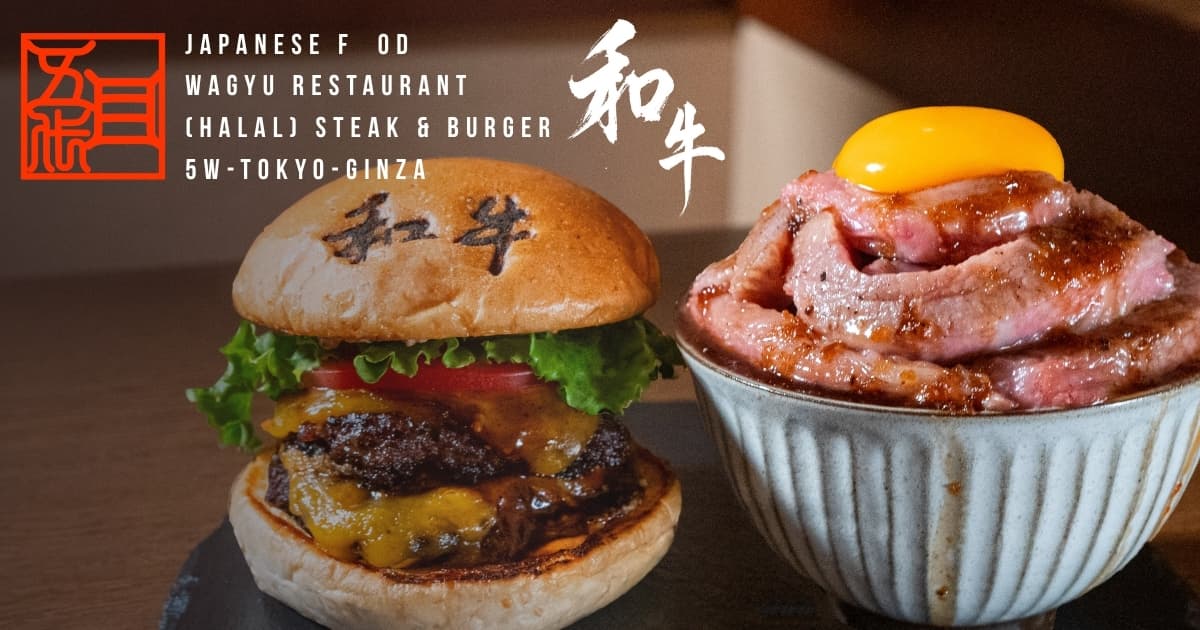
A fifth-generation wagyu family's alcohol-free basement grill in Ginza serving 100% halal-certified Japanese wagyu steaks and burgers, so every traveller can taste real wagyu. (The halal kitchen is the basement venue.)
A Sri Lankan-Muslim owner's wholly halal-certified ramen shop where collagen-rich chicken broth meets a fiery soy-sauce kick, steps from Assalaam Mosque.
A long-running Akasaka basement where all-halal Turkish grills, char-licked kebabs and midweek belly dancing give Muslim diners a festive night out steps from the station.
★ No.7 Premium Matcha Gelato — the world's richest
This 1848-founded tea house teams up with Shizuoka's Nanaya to serve matcha gelato in seven escalating intensities, climaxing in a near-black No. 7 so concentrated it tastes like eating pure tea leaves.
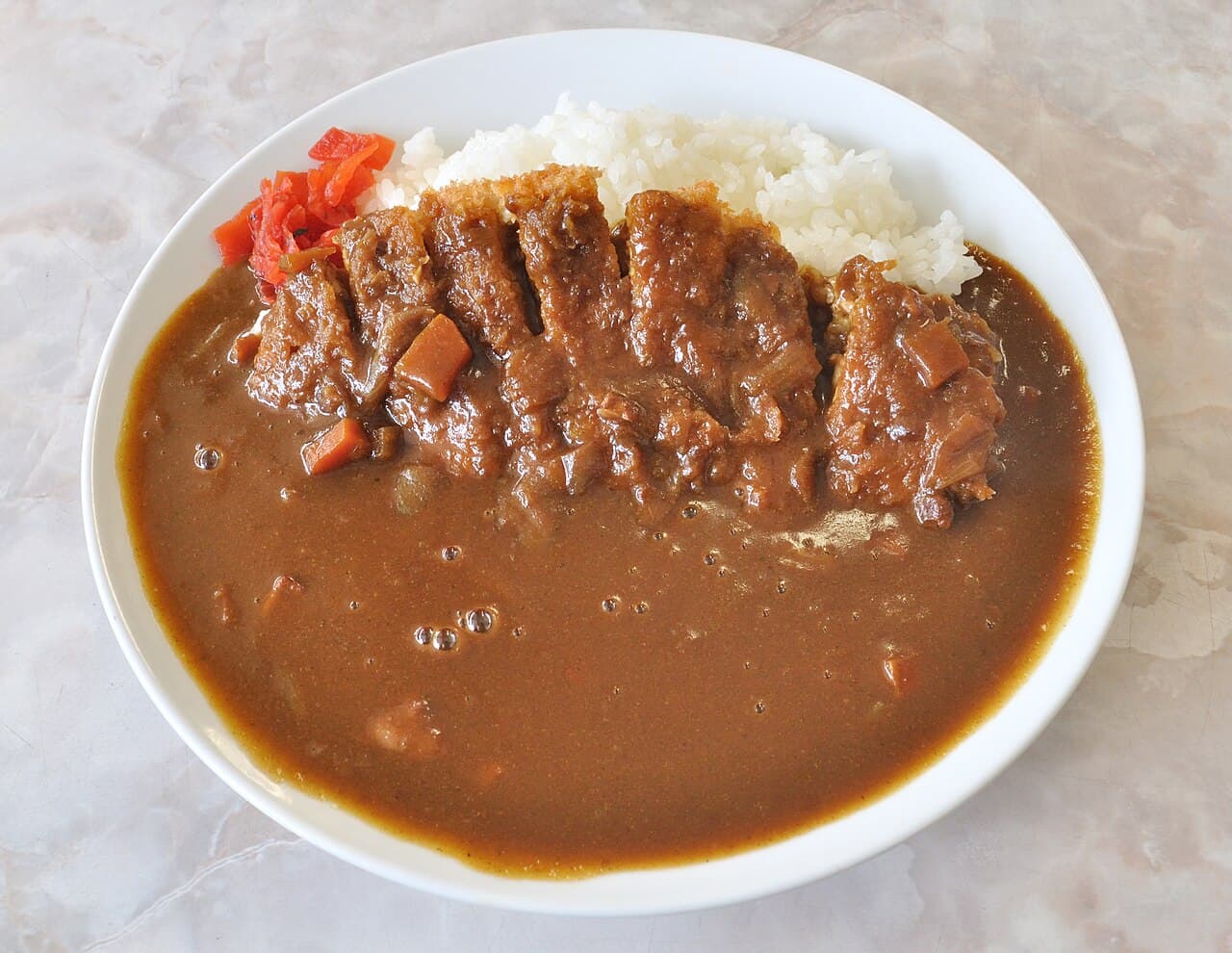
A two-minute stroll from Senso-ji, this all-halal kitchen ladles rich Japanese curry over crisp cutlets and even Kobe wagyu, so Muslim travellers never have to skip Japan's comfort dish.