A Sri Lankan-Muslim owner's wholly halal-certified ramen shop where collagen-rich chicken broth meets a fiery soy-sauce kick, steps from Assalaam Mosque.
Can I eat here?
✓ Diets our editors confirmed in person· English menu / support
1F Shato Motoasakusa, 3-10-3 Motoasakusa, Taito-ku, Tokyo
Nearest station
Shin-Okachimachi Stn
Cuisine
Halal chicken-broth ramen
Price
¥
English menu / support
✓
Signature
Spicy shoyu chicken ramen
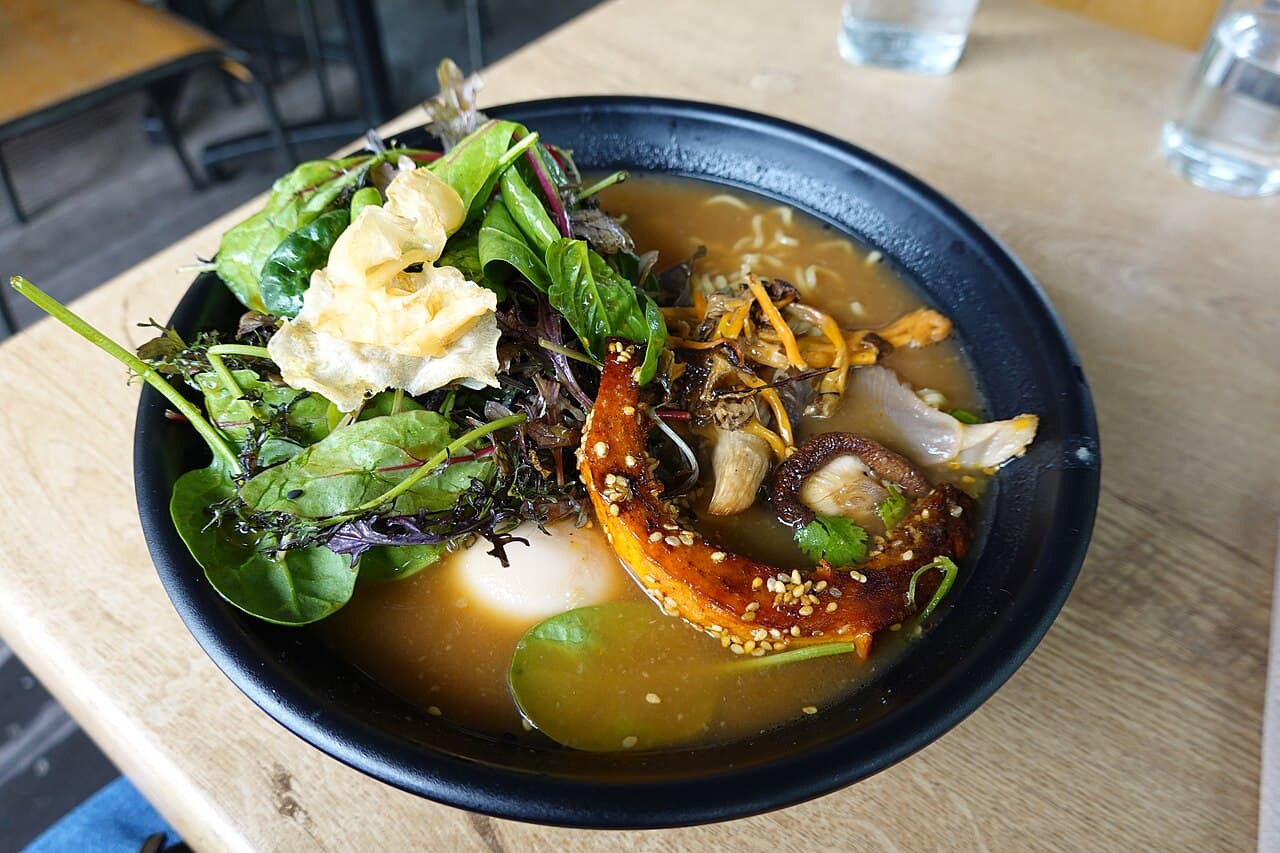
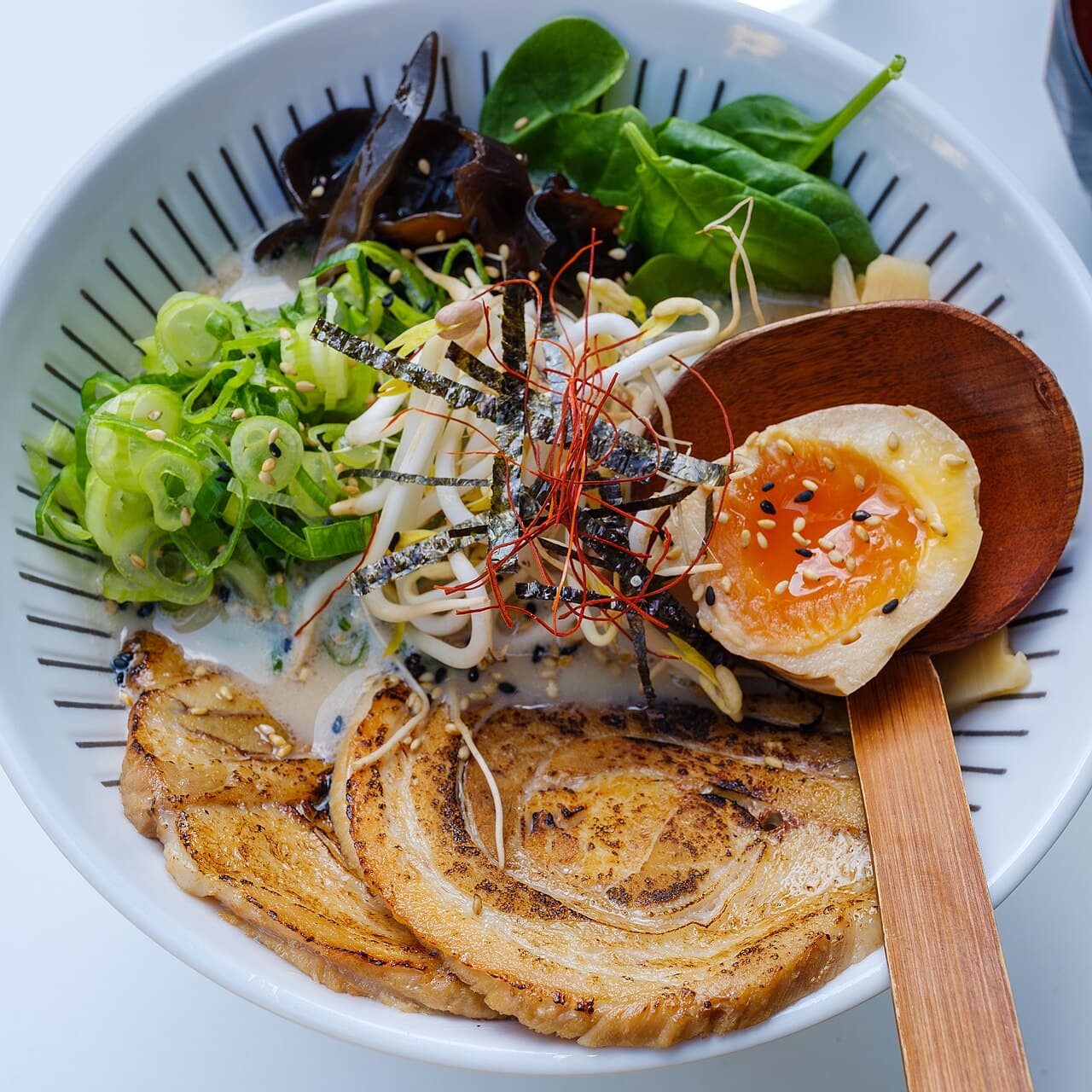
Ayam-Ya Okachimachi is a fully halal-certified ramen counter tucked into a quiet corner of Taito-ku, run by a Sri Lankan Muslim owner whose recipe reportedly renders the flavor of one whole chicken into every bowl of broth.
The house order is noko tori soba, a collagen-rich chicken paitan available in shio or shoyu, and the spicy shoyu version -- broth with a fiery kick -- has become something of a cult favorite among regulars, with halal karaage worth ordering on the side. For a drier plate, the Jakarta mazesoba trades broth for a tangle of sauced noodles. None of this is an afterthought dressed up as halal: Ayam-Ya holds a 3-star all-halal certification from the Japan Halal Foundation plus recognition from Malaysia's MHC, meaning no alcohol is served and every ingredient on the menu is vetted -- a step beyond the merely muslim-friendly labeling that covers a lot of Tokyo ramen, and one of only a handful of shops in the city that can say the same. A prayer space was added when the shop relocated to its current Motoasakusa address, and Assalaam Mosque is close enough to walk to before or after a bowl.
It is a small, 42-seat room with an English menu and baby chairs on hand, so solo diners and families both fit in easily. Reservations are not required for a couple of people but are requested for parties of five or more, and the shop is cash-only, so come with yen. Open daily for lunch (11:30-15:00) and dinner (17:00-22:00), a few minutes on foot from Shin-Okachimachi Station -- close enough to Ueno and Akihabara to fold into a day of sightseeing without a detour.
✓ Last verified Jul 2026
Hours and details can change — please confirm before you visit.
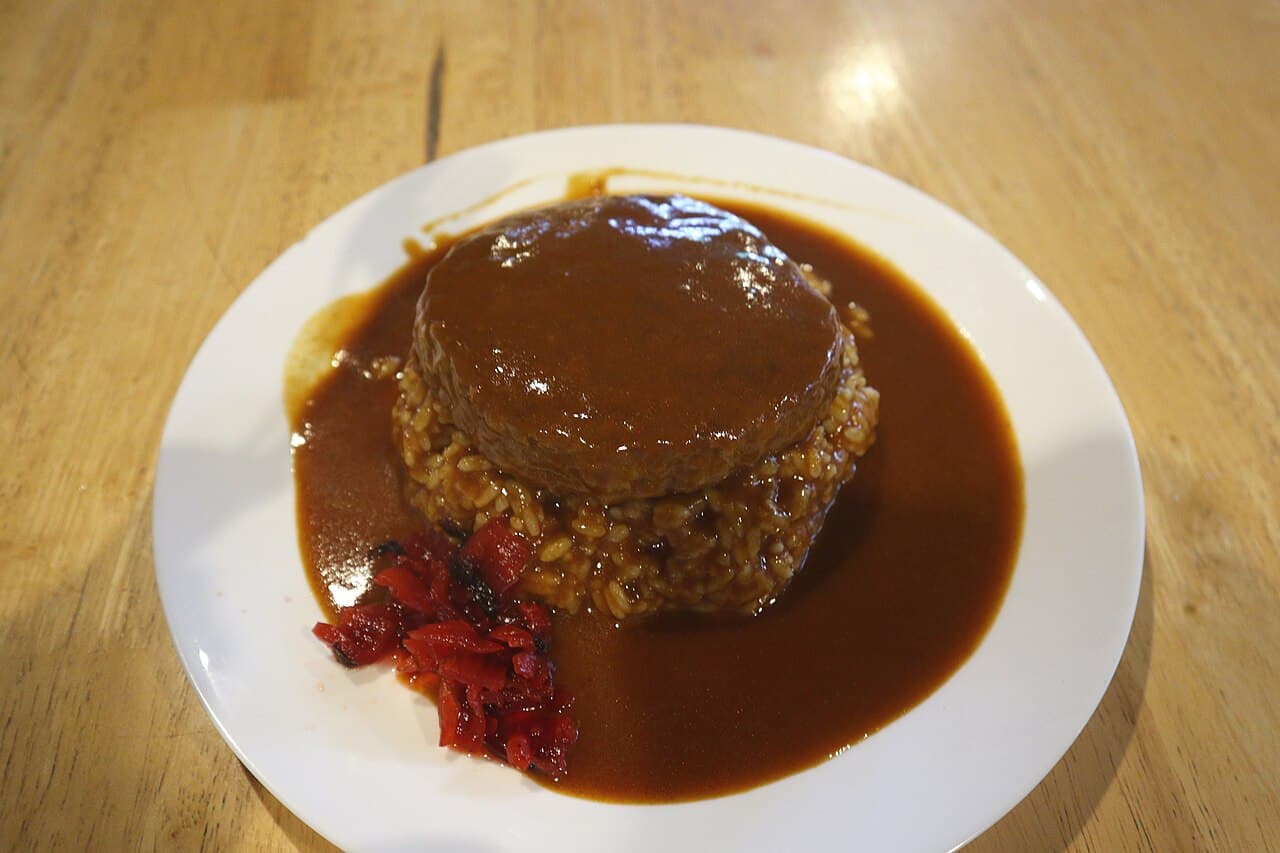
★ Customisable Japanese curry rice with halal toppings; pick your rice size and spice level
Permanently closed. CoCo Ichibanya's halal-certified Akihabara branch and its Shinjuku sister shop shut during the 2020 pandemic and have not reopened — as of 2026 there is no halal-certified CoCo Ichibanya in Japan. For halal Japanese curry and other options, see our halal fast-food chains guide and halal Tokyo guide.
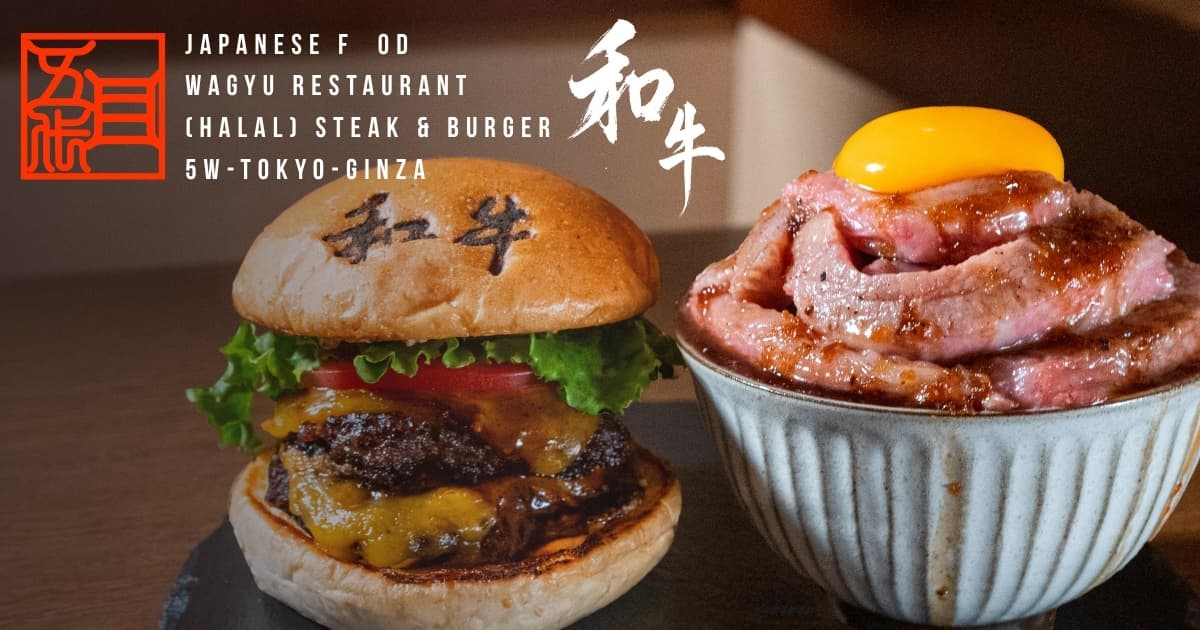
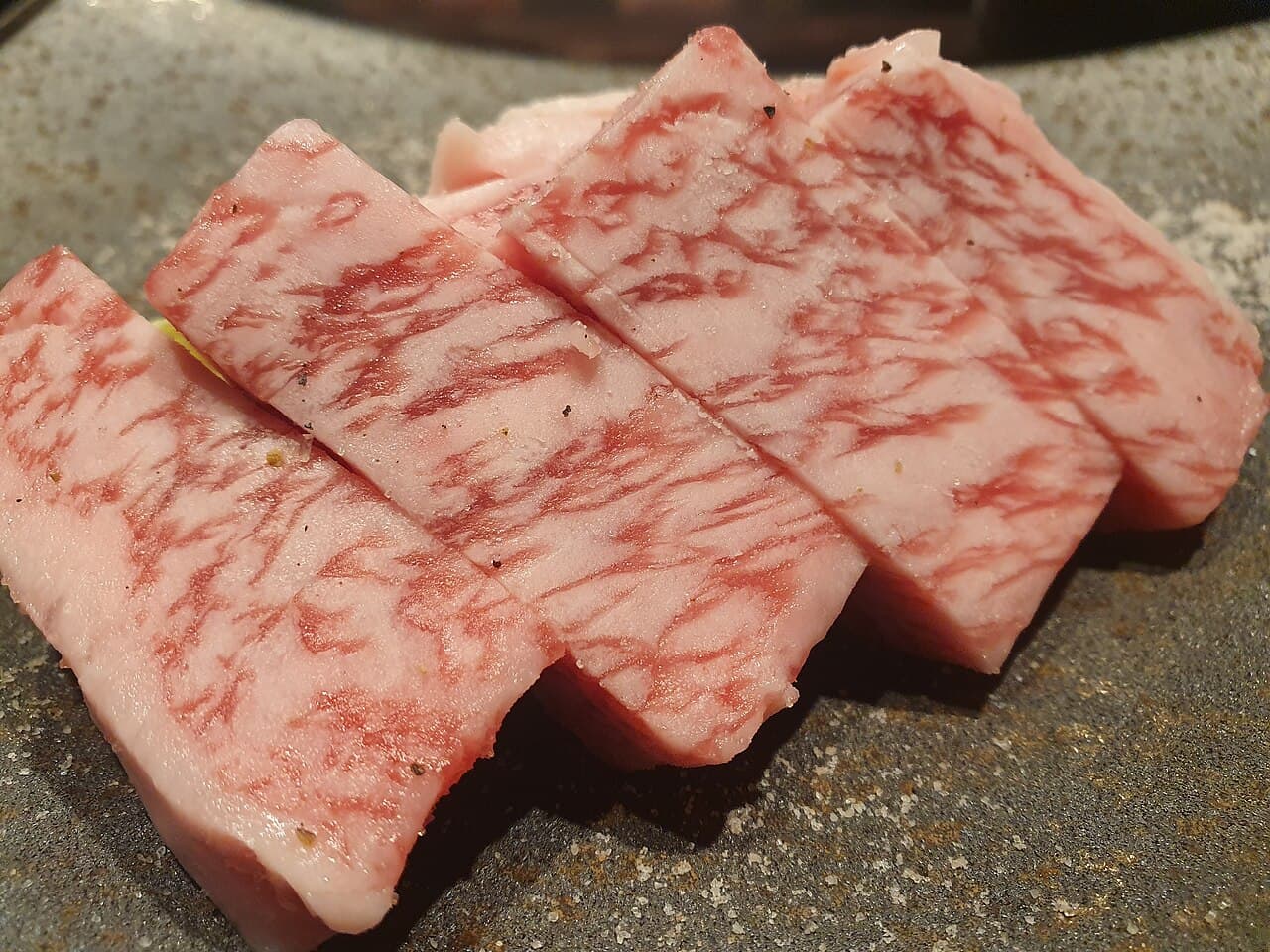
A fifth-generation wagyu family's alcohol-free basement grill in Ginza serving 100% halal-certified Japanese wagyu steaks and burgers, so every traveller can taste real wagyu. (The halal kitchen is the basement venue.)
A tiny tatami-floored diner on the Shimokitazawa backstreets where every bowl of rich, medicinal-herb ramen is 100% plant-based and built on sprouted brown rice.
A long-running Akasaka basement where all-halal Turkish grills, char-licked kebabs and midweek belly dancing give Muslim diners a festive night out steps from the station.
★ An omakase course built around premium heritage chickens grilled over charcoal
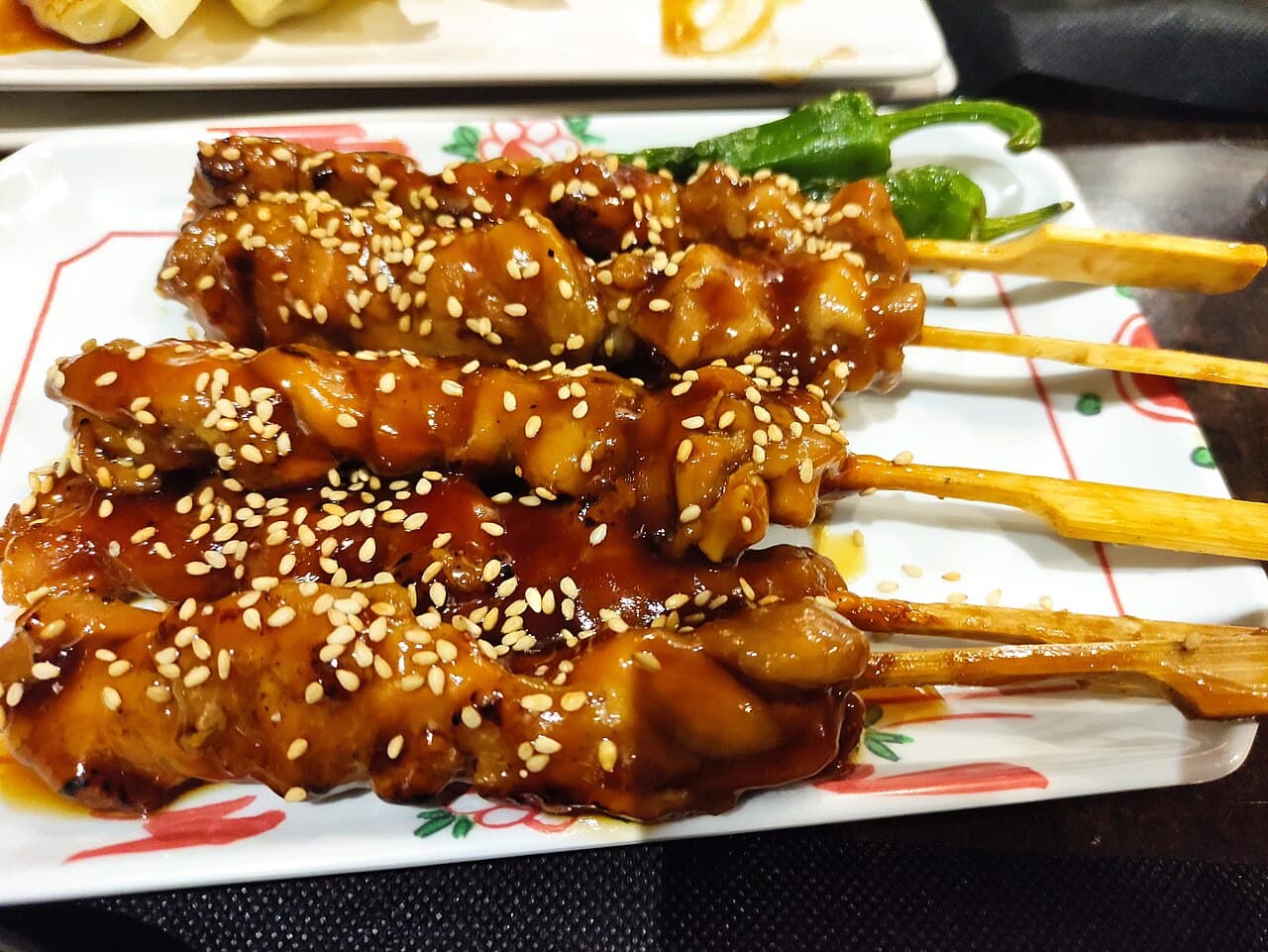
A charcoal-yakitori specialist near Ueno-Hirokoji ranked on Tabelog's Top-100 yakitori list for several years (Yakitori East 2023-2025), serving an omakase course built around premium heritage chickens such as Kagoshima black Satsuma. Reservation-focused and at the higher price tier.
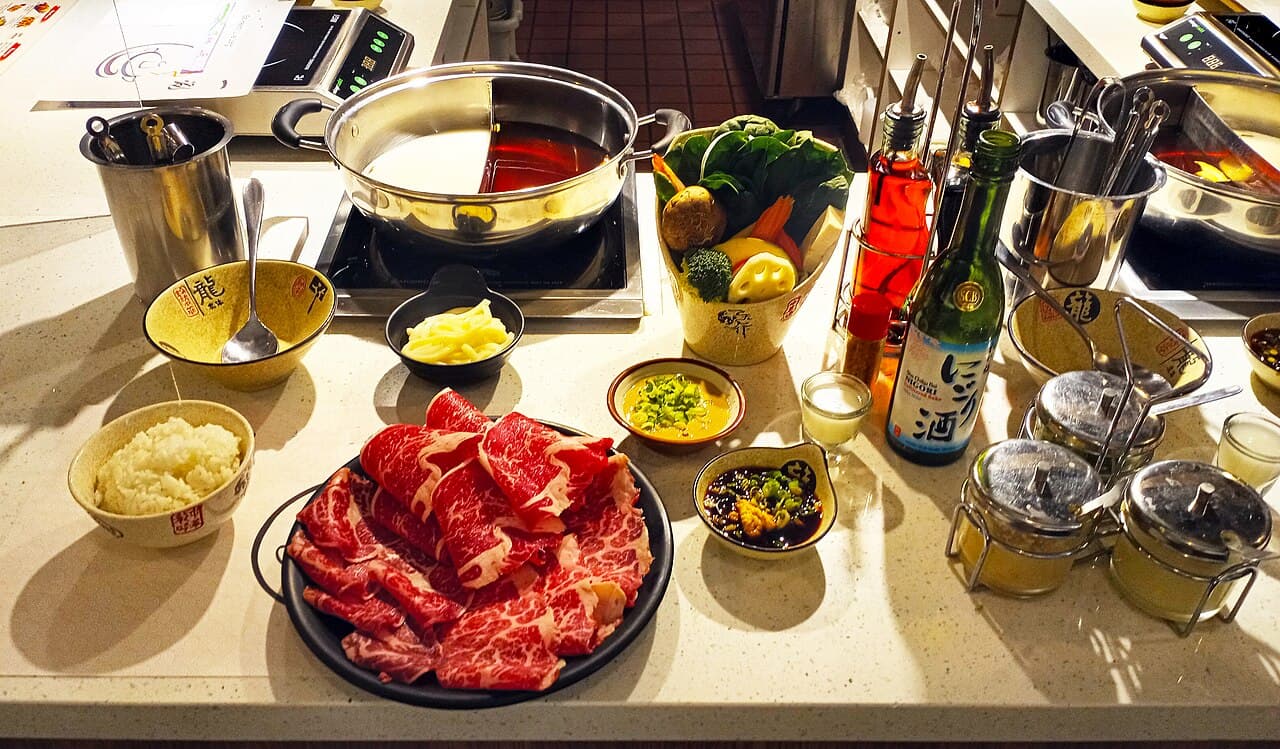
★ Lamb shabu-shabu simmered from lamb neck bones for six hours, plus Uyghur dishes
A halal-CERTIFIED (NAHA / Nippon Asia Halal Association) restaurant run by a Uyghur Muslim owner; a fully alcohol-free venue with a prayer room serving Uyghur and Japanese dishes.