1F Ueno Matsuzakaya-mae Bldg, 4-4-1 Ueno, Taito-ku, Tokyo
Nearest station
Ueno-Hirokoji Stn
Cuisine
Standing sushi (tachigui)
Price
¥¥
English menu / support
✓
Signature
Tuna flight: akami, chutoro and otoro cut to order
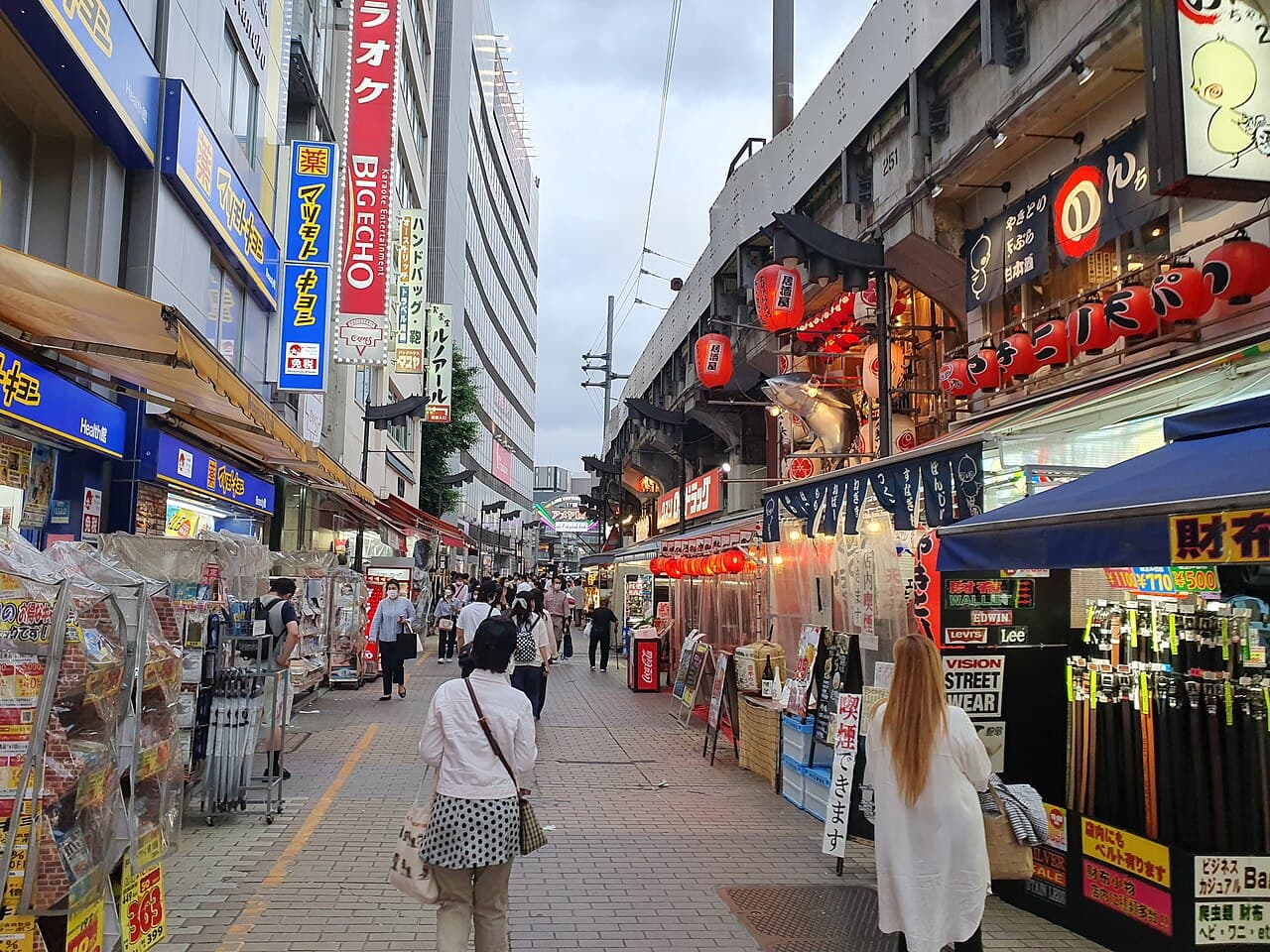
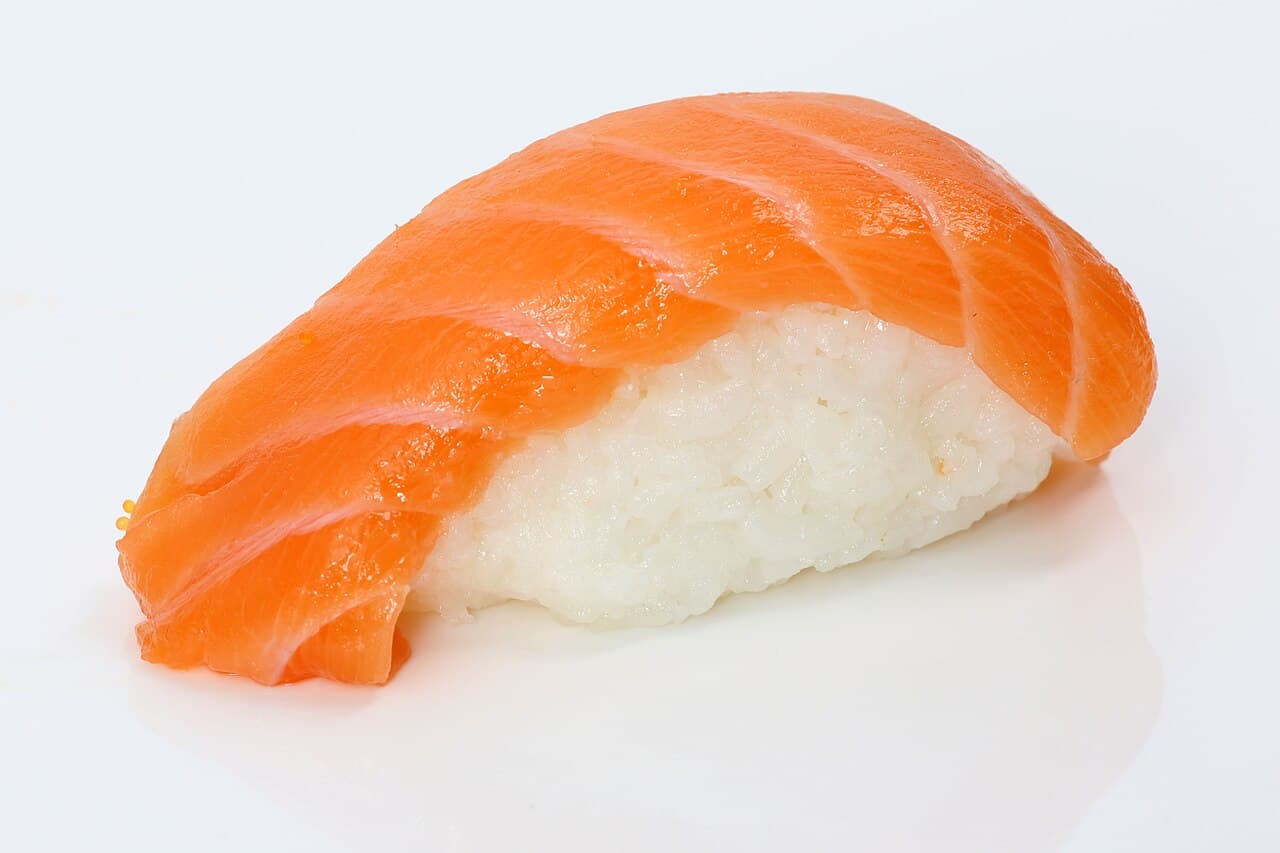
Maguro-bito Ueno is a stand-up sushi counter that opened in December 2020 in the shadow of Ueno Matsuzakaya, one block off the tangle of stalls at Ameyoko's edge — the kind of place where you eat elbow-to-elbow with strangers between trains rather than book a table.
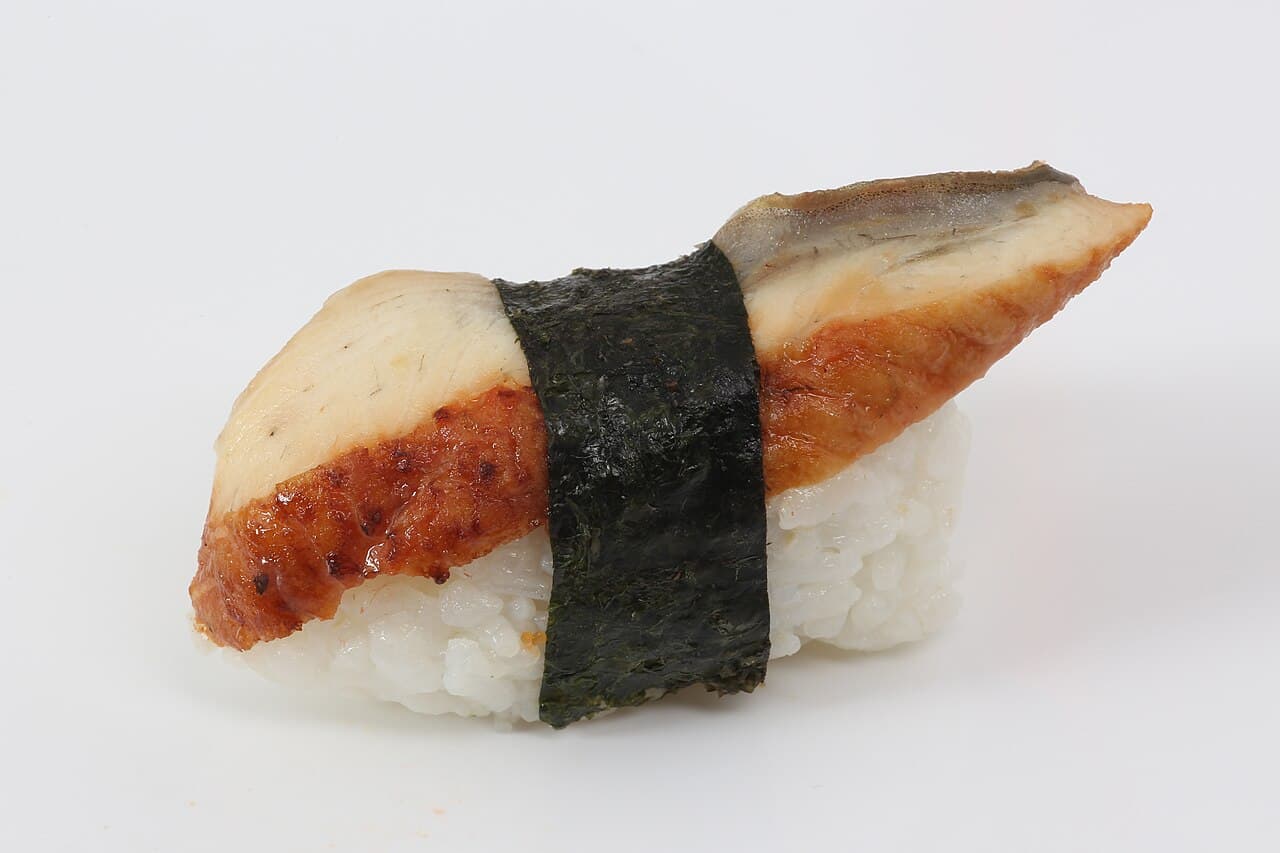
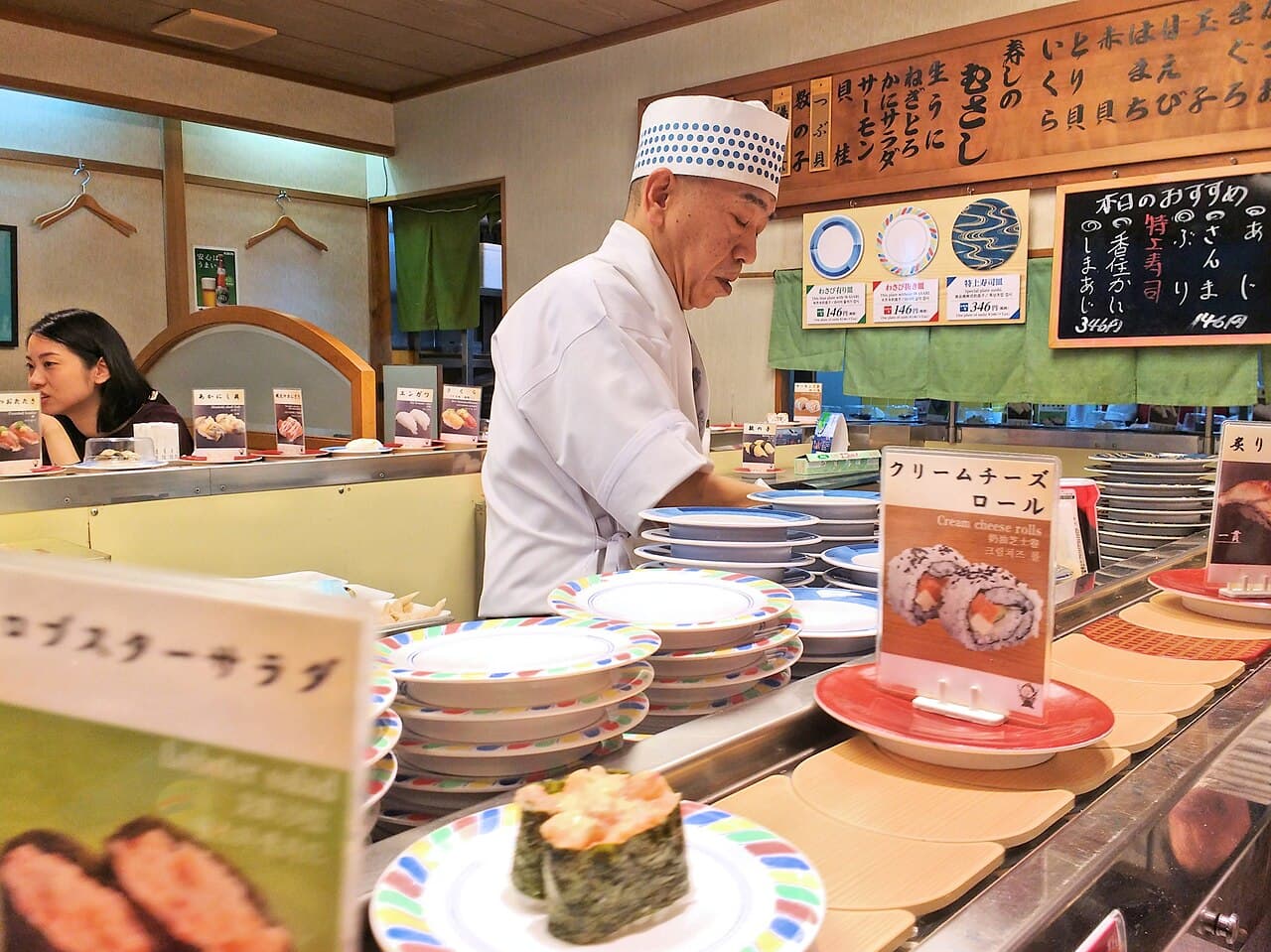
The whole draw is the tuna, sourced through Yamayuki, one of Toyosu Market's most respected wholesale tuna dealers, with fish trucked in from roughly 50 ports around the country. Nigiri starts around 80 yen a piece and works up through akami, chutoro, and a seared otoro that's a house favorite. The two chefs working the eight-to-ten-seat counter will dress cuts with salt, ponzu, or yuzu-kosho on request rather than sticking to soy alone — a small touch that sets it apart from a standard conveyor-belt joint, fitting since the chain itself pivoted from kaiten-zushi to this stand-and-eat format across a handful of small Tokyo branches during the pandemic years.
A few things worth knowing before you go. There is no reservation system, so arrive hungry and be ready to stand shoulder-to-shoulder during busy lunch and after-work hours. Pricing is posted clearly per piece, so pointing at the case works even without much Japanese. Payment is cashless-friendly — card, e-money, and QR codes are all accepted, no coin-hunting required. It is entirely seafood-based, which suits pescatarian travelers looking for a no-meat option, though this is straightforward nigiri rather than a vegetarian or allergen-controlled kitchen. Open daily 11:30–22:00 (last order 21:40), it sits a one-minute walk from Ueno-Hirokoji Station, an easy stop to fold into an afternoon around Ameyoko before the market stalls close.
✓ Last verified Jul 2026
Hours and details can change — please confirm before you visit.
★ Edomae nigiri course — soy sauce to fish, all halal-certified
Japan's first halal-certified sushi house, steps from Senso-ji, serving full Edomae nigiri — soy, fish and pickles all halal — with a second-floor prayer room built with the local mosque.
★ Kakinoha-zushi — cured mackerel and salmon pressed onto vinegared rice and wrapped in a persimmon leaf
The Naramachi dining branch of Hiraso, a kakinoha-zushi house founded in Yoshino in 1861, where Nara's landlocked specialty — mackerel or salmon cured and pressed onto vinegared rice, then wrapped in a fragrant persimmon leaf — is served as a sit-down meal a short walk from Sarusawa Pond. Because the toppings are fish, it suits pescatarians but not vegetarians or vegans; the rice is seasoned with vinegar and ordinary soy accompanies it, so it is not gluten-free. Closed Mondays.
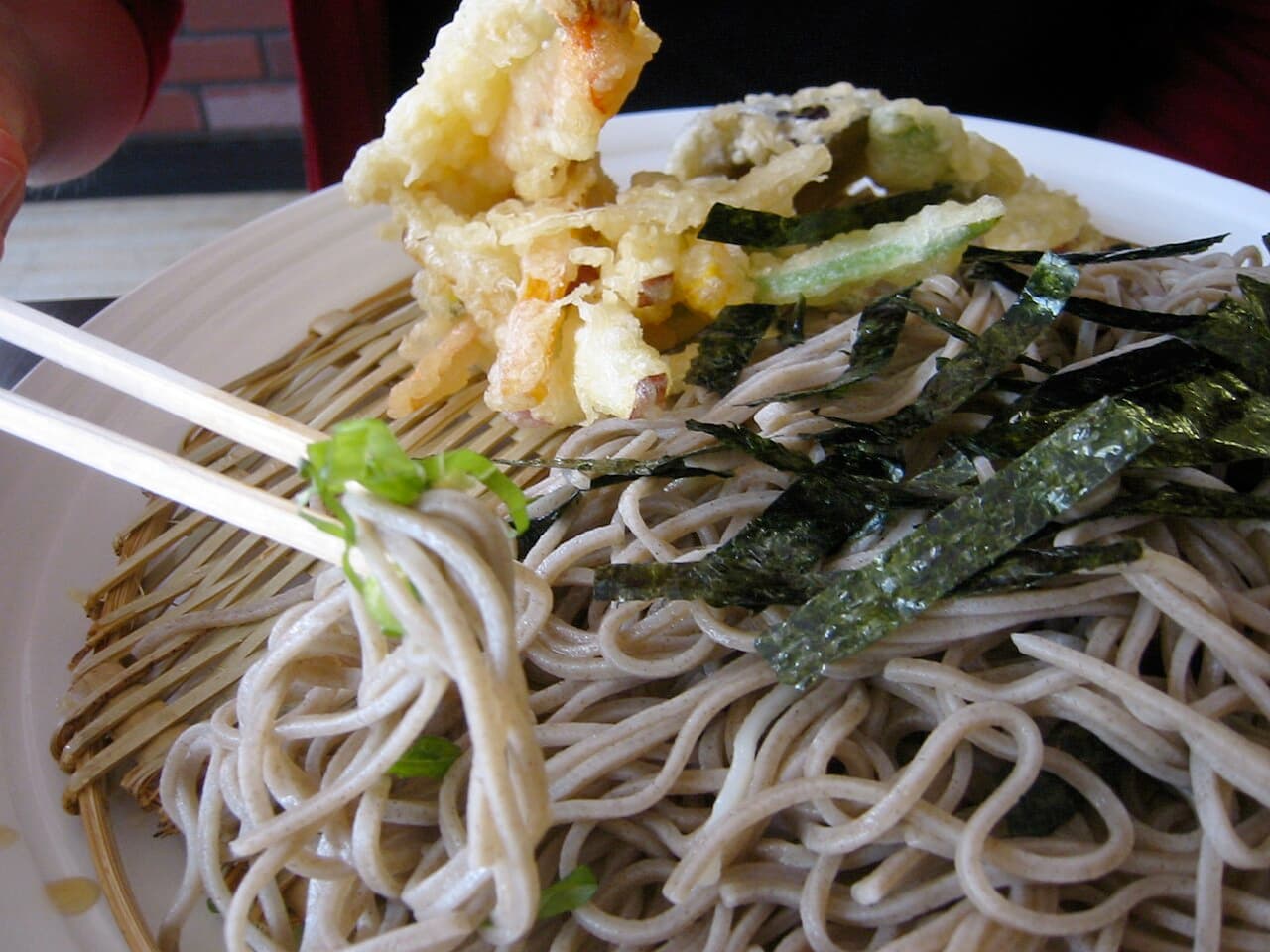
★ Vegan tempura soba and zaru soba with a plant-based broth
A small standing-style soba shop in Shimokitazawa (opened 2024) serving ni-hachi soba with a fully plant-based kombu broth and toppings, so there is no bonito or fish dashi. The noodles are ni-hachi (80% buckwheat, 20% wheat), so it is vegan but not gluten-free; it is daytime-only and closed early in the week, so check hours before visiting.
★ Plant-based nigiri and sushi sets using vegetable alternatives to fish
A sit-down plant-based sushi restaurant in Shoto (near Shibuya) where every piece is made without seafood or animal products, so there is no fish dashi to worry about. It is not gluten-free (soy sauce and some components contain wheat); reservations are recommended and the venue opened its permanent location in late 2025.
A Sri Lankan-Muslim owner's wholly halal-certified ramen shop where collagen-rich chicken broth meets a fiery soy-sauce kick, steps from Assalaam Mosque.
★ An omakase course built around premium heritage chickens grilled over charcoal
A charcoal-yakitori specialist near Ueno-Hirokoji ranked on Tabelog's Top-100 yakitori list for several years (Yakitori East 2023-2025), serving an omakase course built around premium heritage chickens such as Kagoshima black Satsuma. Reservation-focused and at the higher price tier.
★ Lamb shabu-shabu simmered from lamb neck bones for six hours, plus Uyghur dishes
A halal-CERTIFIED (NAHA / Nippon Asia Halal Association) restaurant run by a Uyghur Muslim owner; a fully alcohol-free venue with a prayer room serving Uyghur and Japanese dishes.