The Naramachi dining branch of Hiraso, a kakinoha-zushi house founded in Yoshino in 1861, where Nara's landlocked specialty — mackerel or salmon cured and pressed onto vinegared rice, then wrapped in a fragrant persimmon leaf — is served as a sit-down meal a short walk from Sarusawa Pond. Because the toppings are fish, it suits pescatarians but not vegetarians or vegans; the rice is seasoned with vinegar and ordinary soy accompanies it, so it is not gluten-free. Closed Mondays.
Can I eat here?
✓ Diets our editors confirmed in person
🐟
Show this to staff
Pescatarian
肉と鶏肉は食べませんが、魚介は大丈夫です。
Niku to toriniku wa tabemasen ga, gyokai wa daijōbu desu.
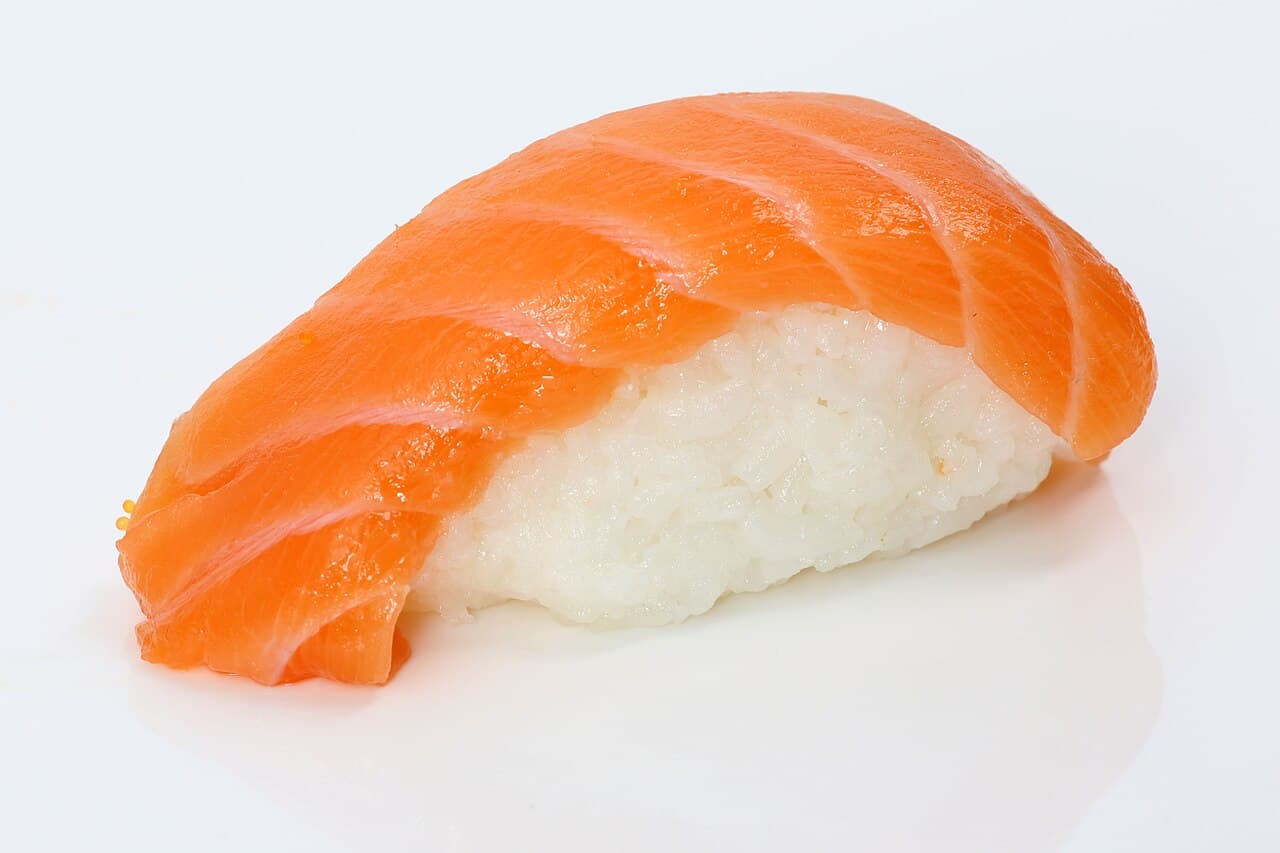
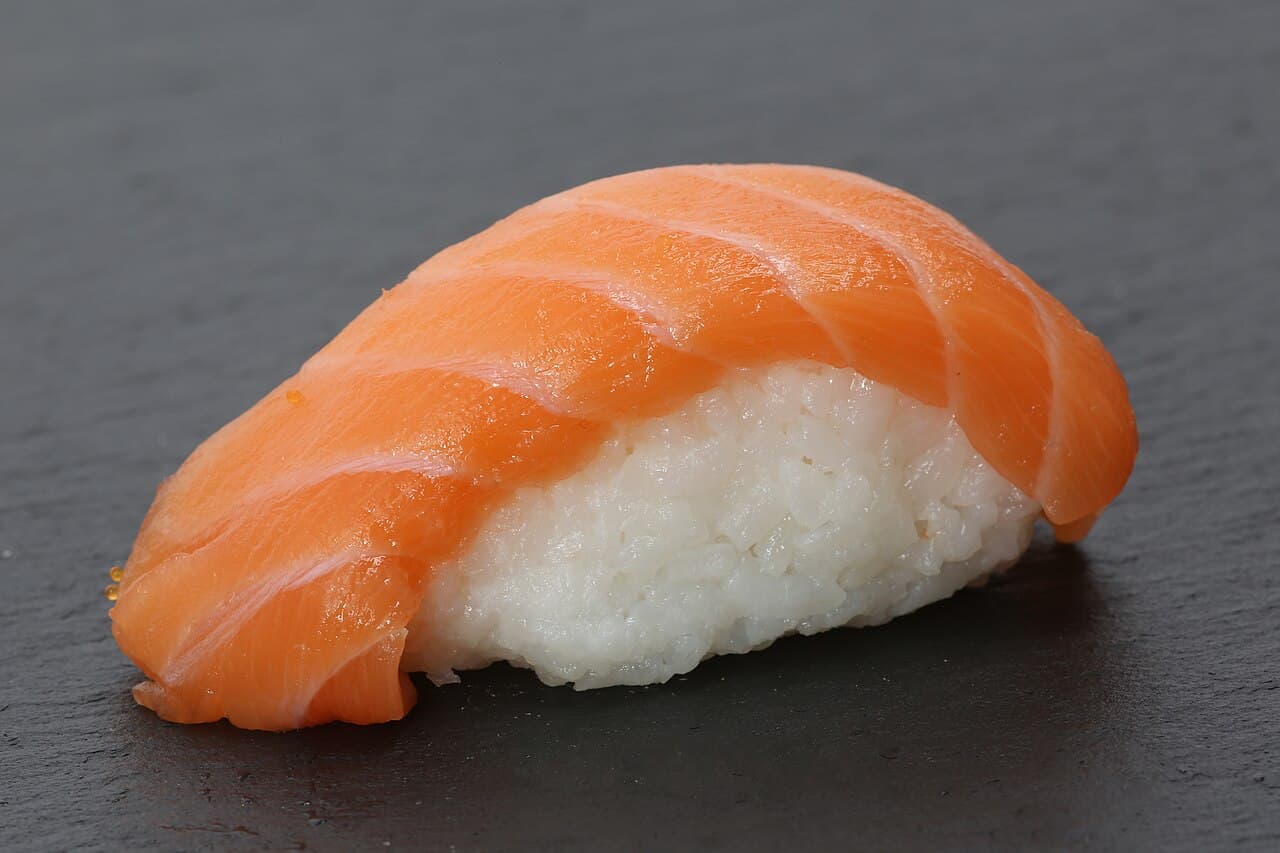
Kakinoha-zushi — cured mackerel and salmon pressed onto vinegared rice and wrapped in a persimmon leaf
Kakinoha-zushi Hiraso's Naramachi branch is the sit-down dining outpost of a sushi house that has pressed mackerel and salmon onto vinegared rice and wrapped it in persimmon leaves since 1861, when the original shop opened in the mountain town of Yoshino. This particular branch, tucked about 100 meters south of Sarusawa Pond, opened in 1968 and has become one of the more atmospheric places in Naramachi to sit down properly with the dish rather than grab it to go — diners take tatami-mat seats in a building where, on quiet afternoons, you can hear the bells of Kofuku-ji temple drifting over the rooftops.
The kakinoha-zushi teishoku (around ¥1,500) pairs a plate of the leaf-wrapped sushi with miso soup and is the easiest way to taste the shop's signature technique: the leaf isn't just packaging, it lightly cures and perfumes the rice and fish over the pressing time, a method landlocked Nara relied on long before refrigeration made fresh seafood practical this far from the coast. For a longer sit-down meal, the daytime "Mahoroba" set (about ¥2,790) rounds out the sushi with chagayu (tea-simmered rice porridge) and other Nara specialties, while the hanare annex runs an evening kaiseki-style course.
A few practical notes: the restaurant takes credit cards (Visa, Mastercard, JCB, Amex, Diners) but not e-money or QR payments, and phone reservations are really only necessary for lunch parties of ten or more — walk-ins are the norm otherwise. It's closed Mondays (the following day if Monday is a holiday). Because everything here turns on cured fish and standard soy sauce, it's a solid pescatarian stop but not a fit for vegetarian, vegan, or gluten-free diets.
✓ Last verified Jul 2026
Hours and details can change — please confirm before you visit.
★ Edomae nigiri course — soy sauce to fish, all halal-certified
Japan's first halal-certified sushi house, steps from Senso-ji, serving full Edomae nigiri — soy, fish and pickles all halal — with a second-floor prayer room built with the local mosque.
★ Plant-based nigiri and sushi sets using vegetable alternatives to fish
A sit-down plant-based sushi restaurant in Shoto (near Shibuya) where every piece is made without seafood or animal products, so there is no fish dashi to worry about. It is not gluten-free (soy sauce and some components contain wheat); reservations are recommended and the venue opened its permanent location in late 2025.
★ Premium nigiri like otoro and jumbo sweet shrimp at modest prices
A popular conveyor-belt sushi restaurant on the 8th floor of Seibu Shibuya, praised for generous cuts of quality fish at modest prices; lines are common. Seafood-forward and good for solo diners, but not gluten-free.
★ Seasonal set meals built from pesticide-free vegetables, rice and house seasonings
A small lunch-focused vegetarian restaurant a few minutes from JR Nara Station, run by a committed-vegan chef who uses pesticide-free and organic vegetables with no meat, fish or seafood — a reassuring option in a city where most cooking still leans on bonito dashi. Most dishes are plant-based and dairy-free; strict vegans should still confirm egg and honey when ordering. It is effectively lunch-only (around 11:00–14:30) and closed Mondays and public holidays, so plan around its hours.