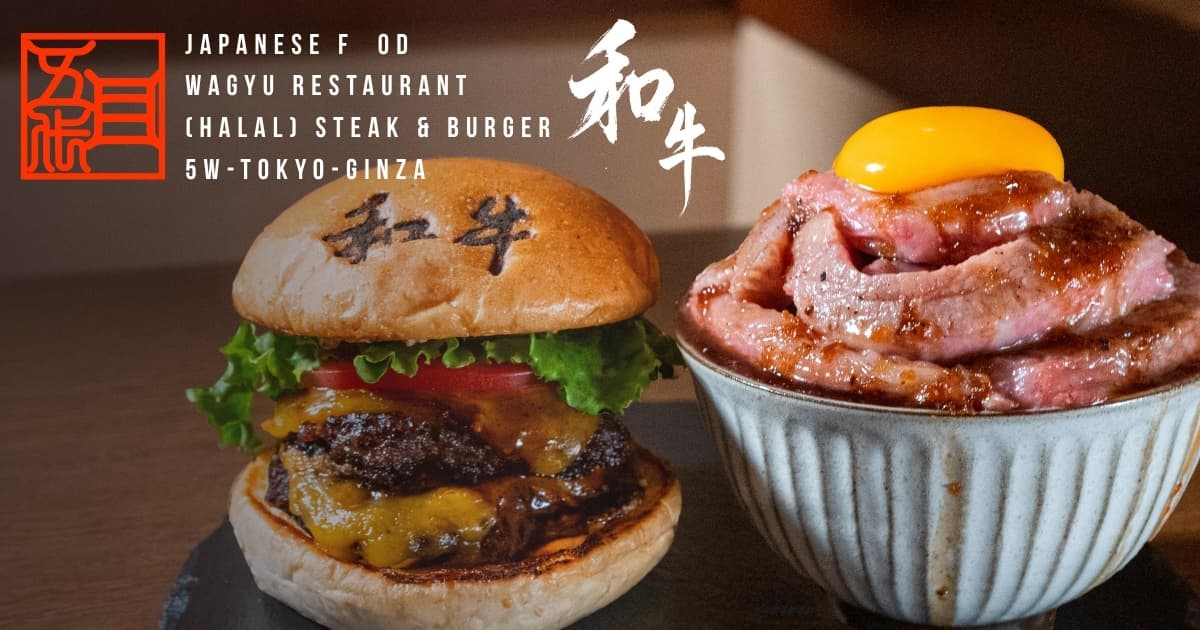
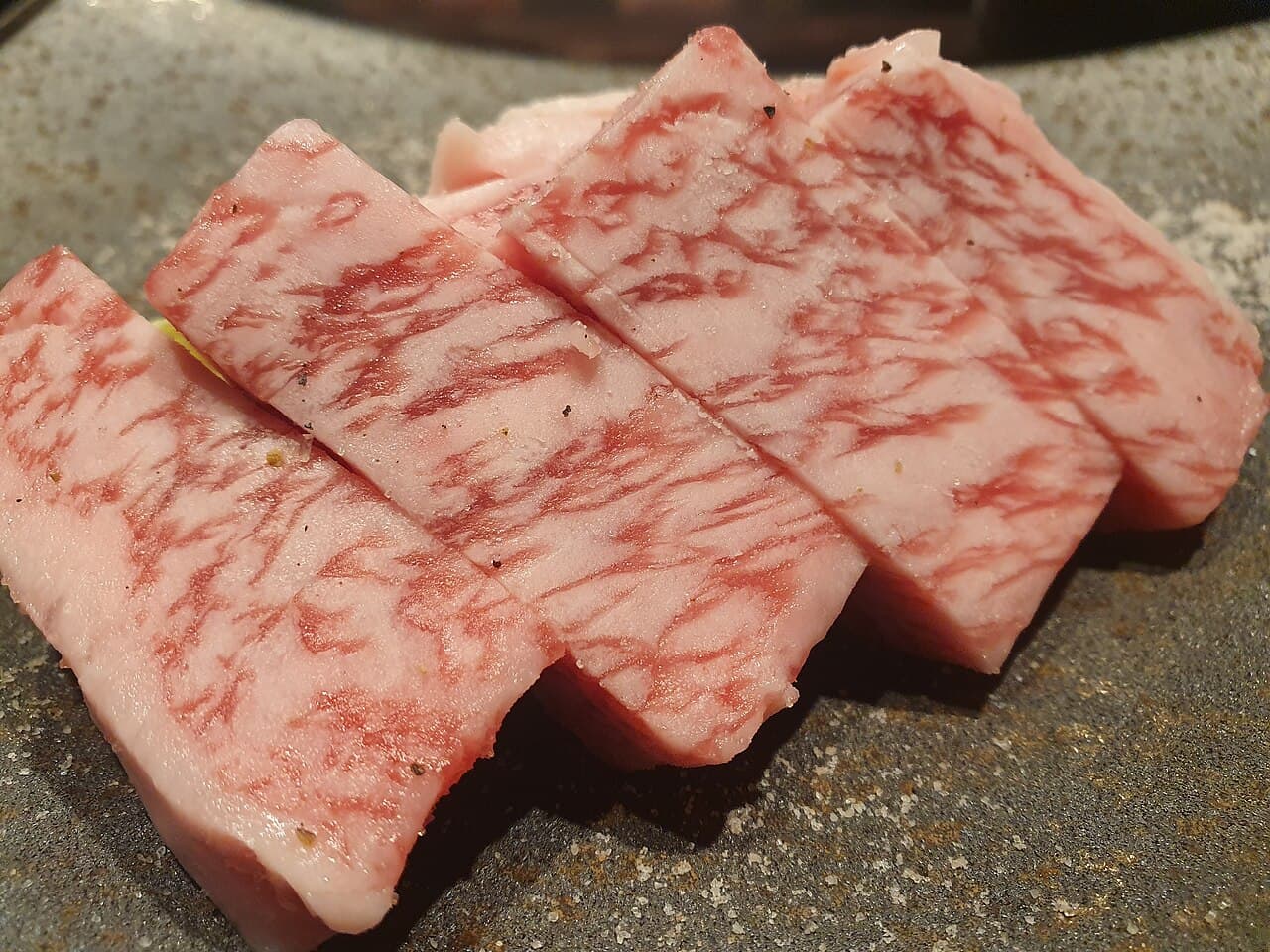
A fifth-generation wagyu family's alcohol-free basement grill in Ginza serving 100% halal-certified Japanese wagyu steaks and burgers, so every traveller can taste real wagyu. (The halal kitchen is the basement venue.)
Can I eat here?
✓ Diets our editors confirmed in person· English menu / support
Godaime Wagyu Tokyo is the halal-certified basement grill where a fifth-generation Ginza meat family finally lets travellers who avoid alcohol and pork order real Japanese wagyu without qualifiers or substitutions.
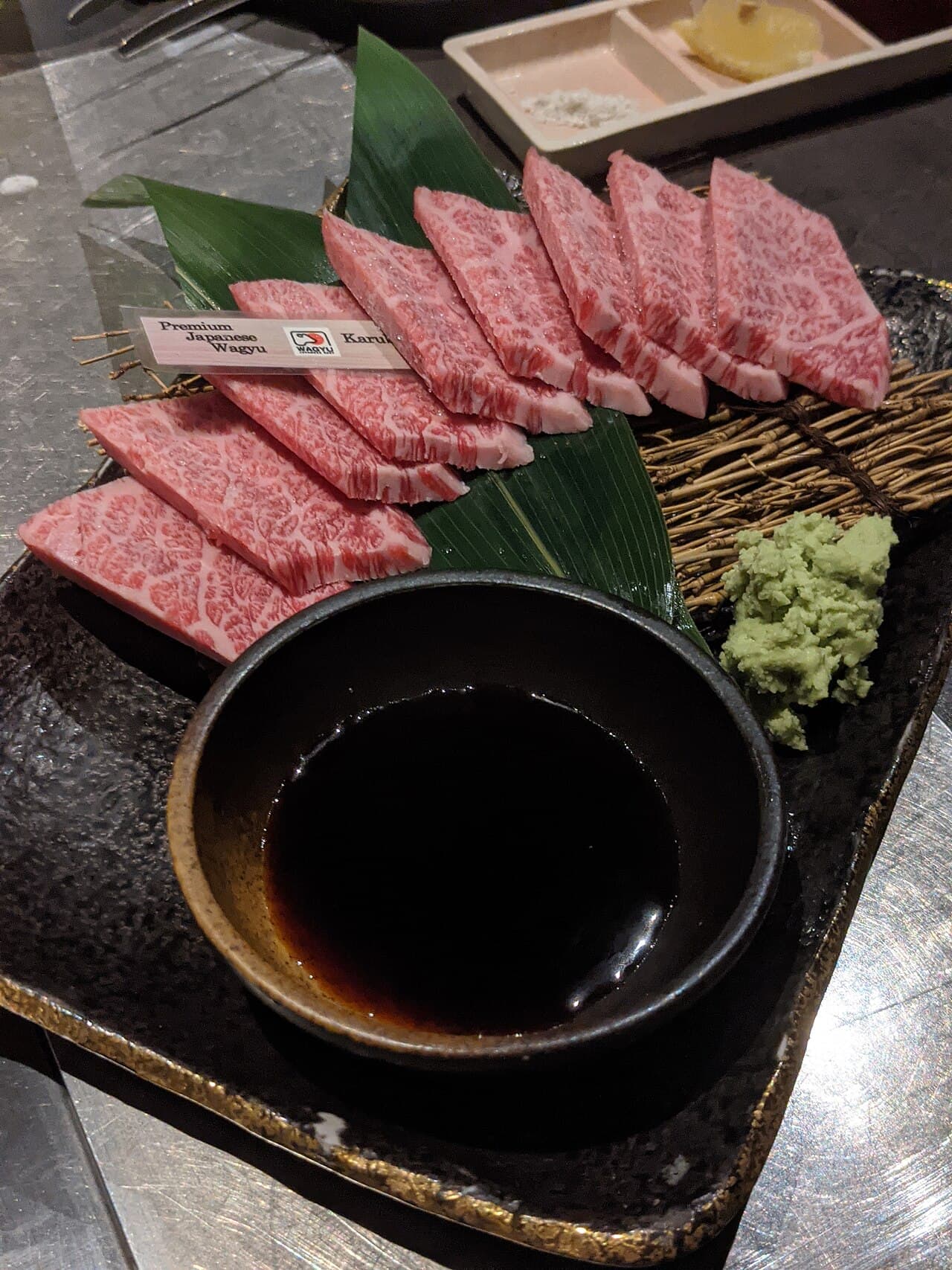
The family has been in the meat business since 1962, and it shows in the sourcing: the wagyu here is hand-selected from cattle processed at halal-certified slaughterhouses in Japan, rather than a halal-friendly menu bolted onto a standard steakhouse. Order the signature wagyu steak if you want to taste what the fifth generation is proud of, or try the wagyu burger — reviews on it are split, with some travellers calling it the best bite of their trip and others finding it overpriced for what arrives, so treat it as a fun lunch order rather than the main event. The room itself sits below street level inside THE FORME GINZA building: 28 seats split between counter and table, nothing alcoholic on the menu, and an on-site prayer room for Muslim guests, which is rare enough in central Tokyo to be worth planning a visit around on its own.
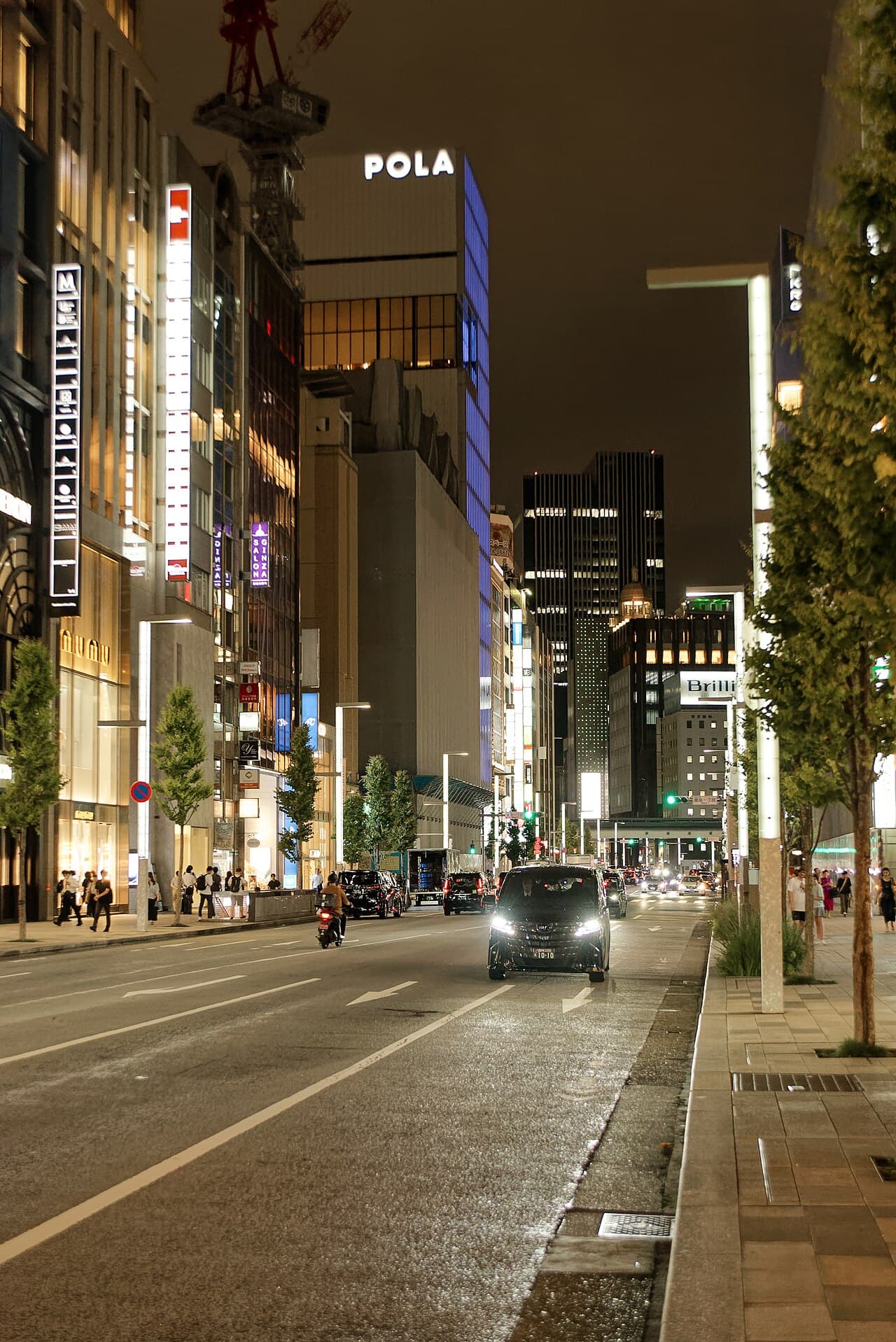
Staff speak English, Chinese, and Korean, and the menu comes translated, so there's no language barrier at the table. It's open daily from 11:00 to 23:00 (last order 22:45), closed only over the New Year holidays, and a short walk from Tsukijishijo Station on the Toei Oedo Line — easy to fold into a Ginza shopping day or a Tsukiji morning. Reservations can be made online through the official site or TableCheck, or via Instagram DM; walk-ins are possible but not guaranteed, so booking ahead is the safer bet if you want a table.
✓ Last verified Jul 2026
Hours and details can change — please confirm before you visit.
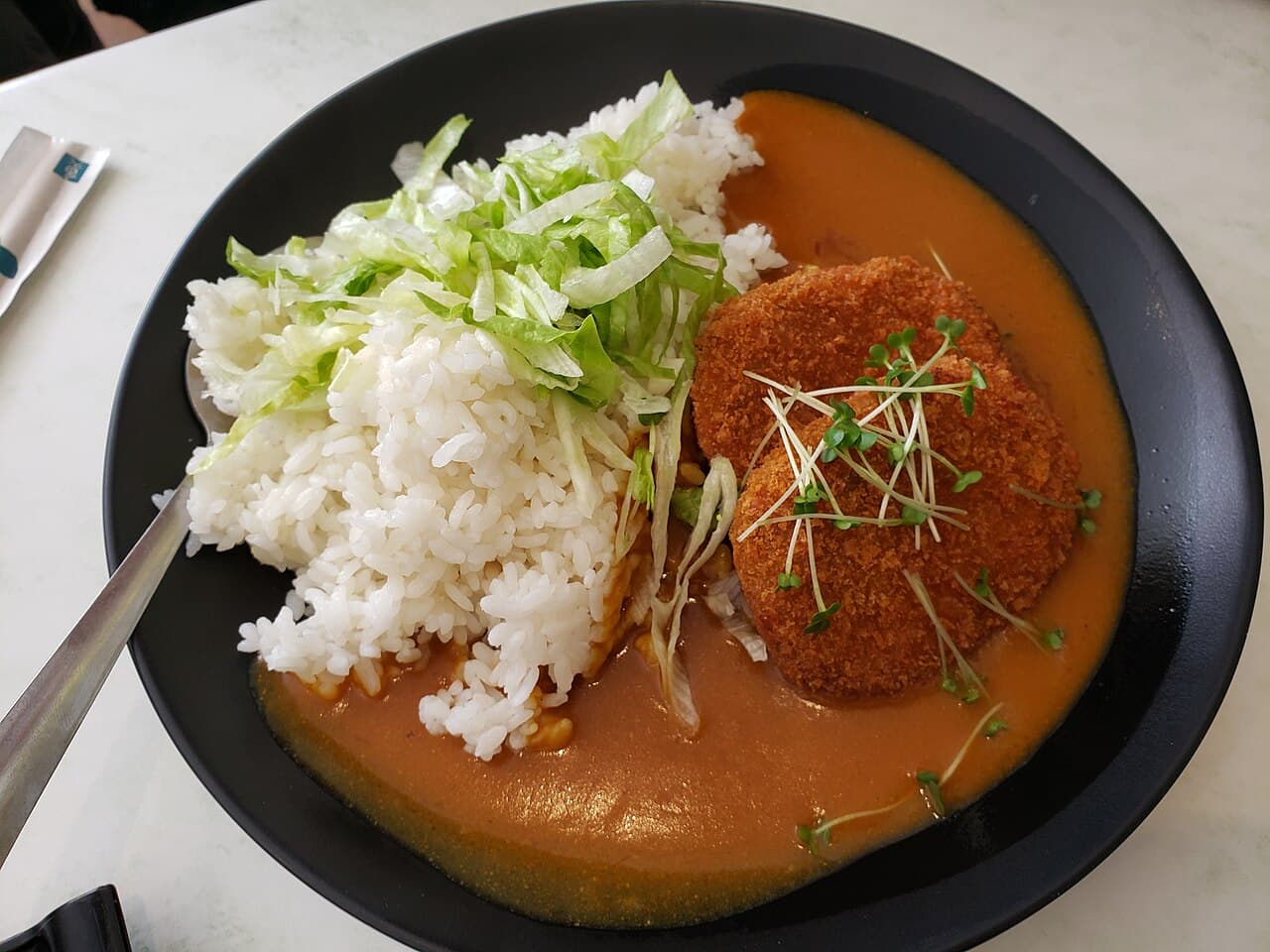
★ Customisable Japanese curry rice with halal toppings; pick your rice size and spice level
Permanently closed. CoCo Ichibanya's halal-certified Akihabara branch and its Shinjuku sister shop shut during the 2020 pandemic and have not reopened — as of 2026 there is no halal-certified CoCo Ichibanya in Japan. For halal Japanese curry and other options, see our halal fast-food chains guide and halal Tokyo guide.
A Sri Lankan-Muslim owner's wholly halal-certified ramen shop where collagen-rich chicken broth meets a fiery soy-sauce kick, steps from Assalaam Mosque.
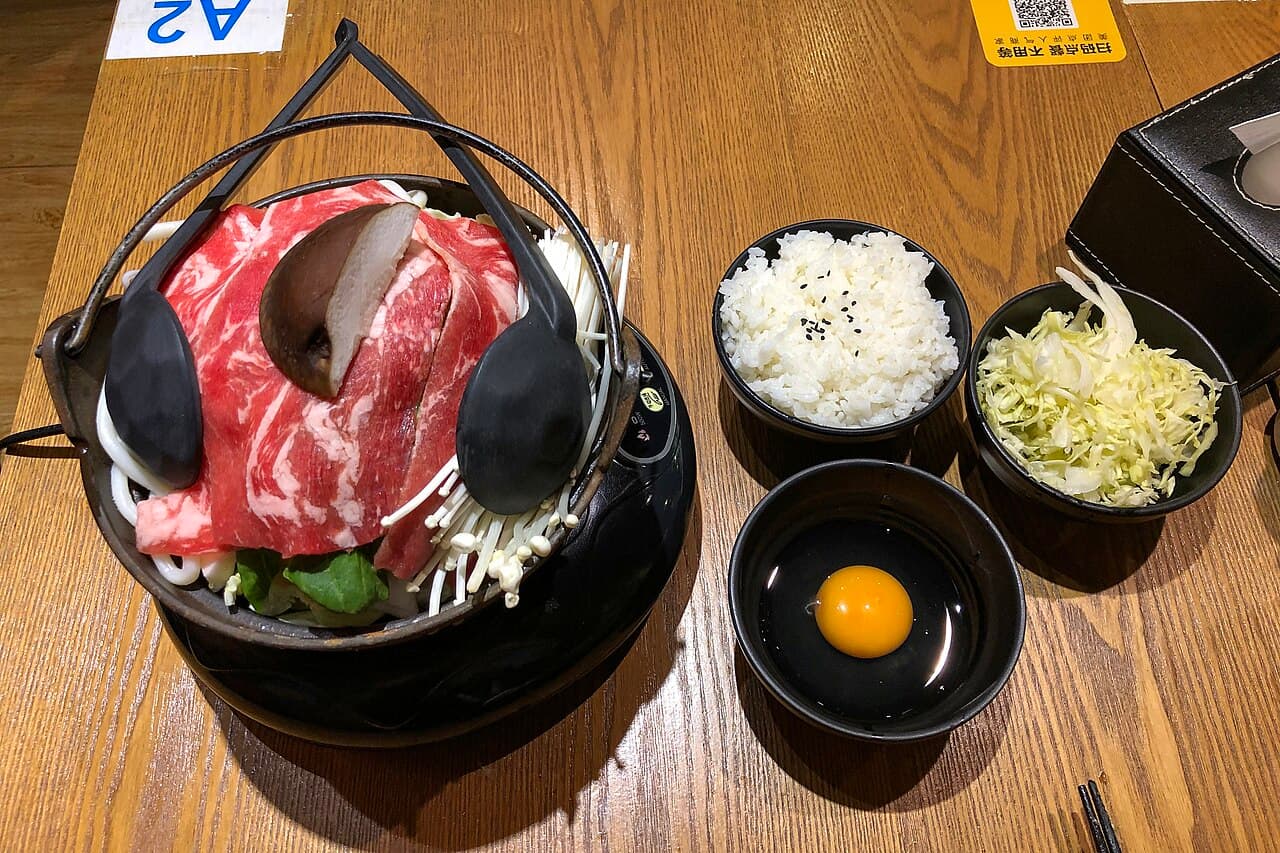
★ Kuroge wagyu sukiyaki, simmered tableside in house warishita
Founded in 1895, this Tabelog Top-100 sukiyaki house simmers exquisitely marbled Kuroge wagyu in its signature warishita while kimono-clad staff tend the pot at your table.
A long-running Akasaka basement where all-halal Turkish grills, char-licked kebabs and midweek belly dancing give Muslim diners a festive night out steps from the station.
This flagship near Shinjuku-sanchome crowns a 100% halal-certified bowl with slices of seared A5 wagyu roast beef — pork- and alcohol-free, prayer space on hand.
A reservation-only Ginza counter where an entirely gluten-free kushiage omakase is fried in rice oil with rice-flour breadcrumbs — a rare safe haven for coeliacs.
The 1947 Ginza institution that invented katsu curry itself, plating a crisp pork cutlet over rich Western-style curry at the very spot where the dish was born.
AIN SOPH.'s flagship spreads across four Ginza floors, where a ground-floor patisserie of vegan pudding gives way to refined plant-based courses upstairs.