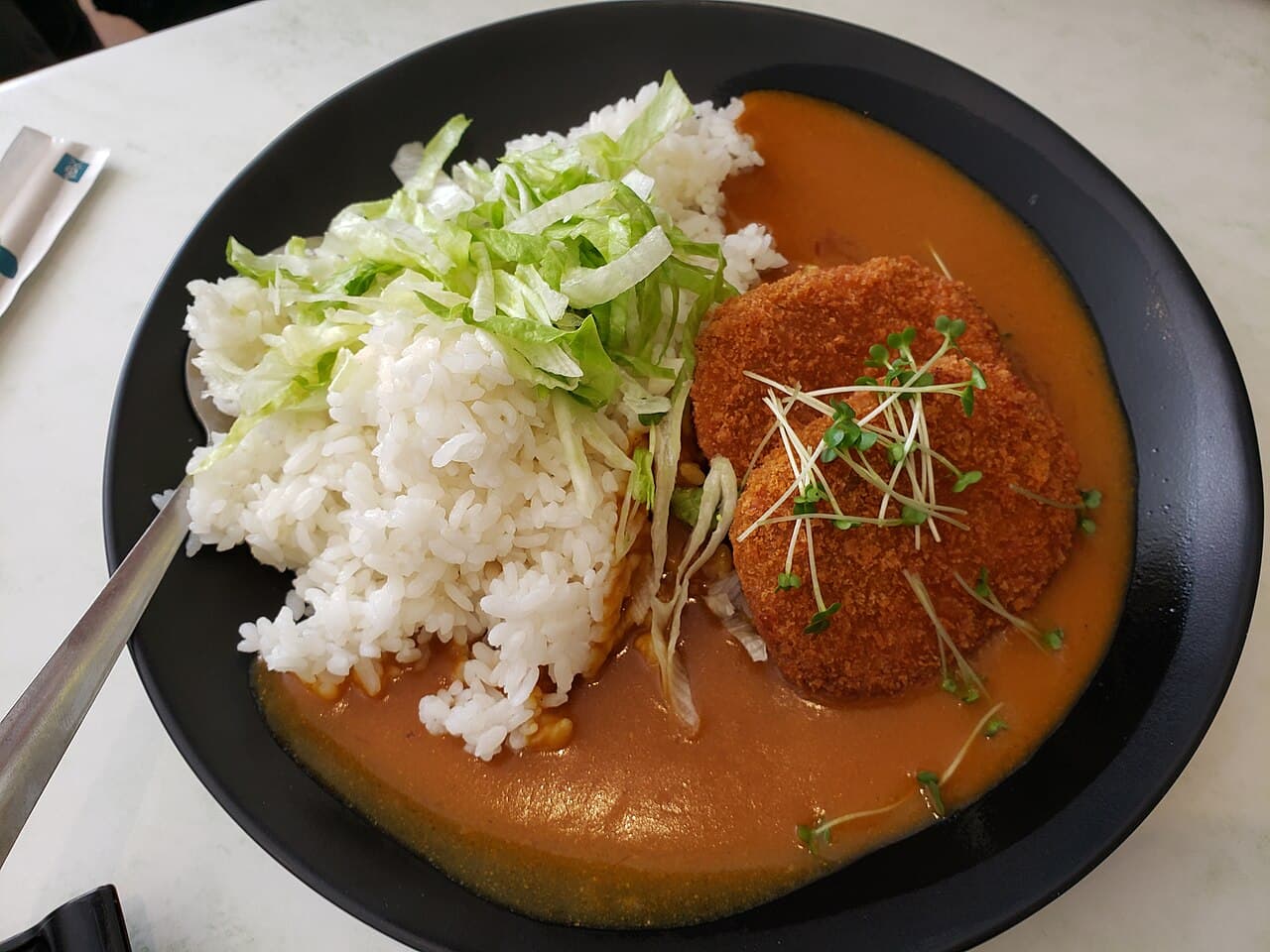
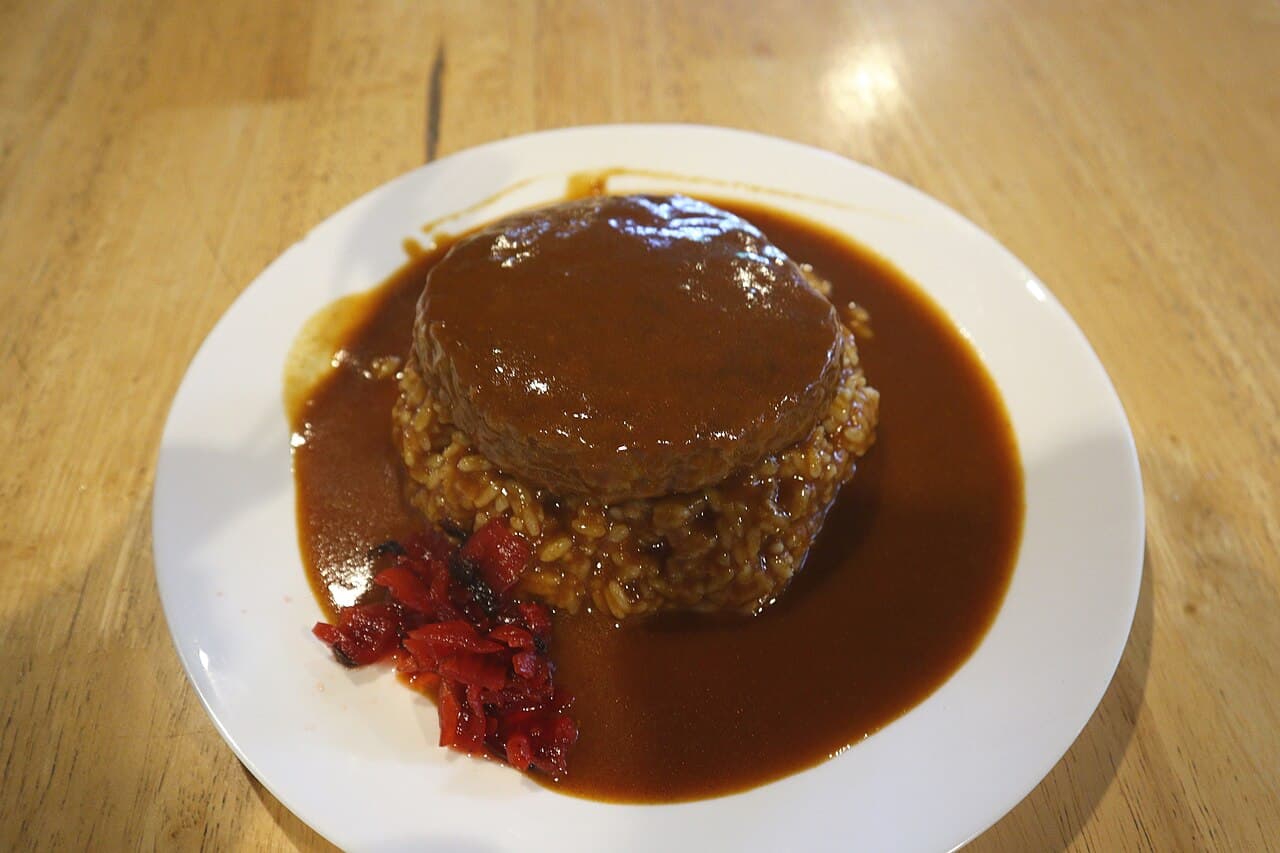
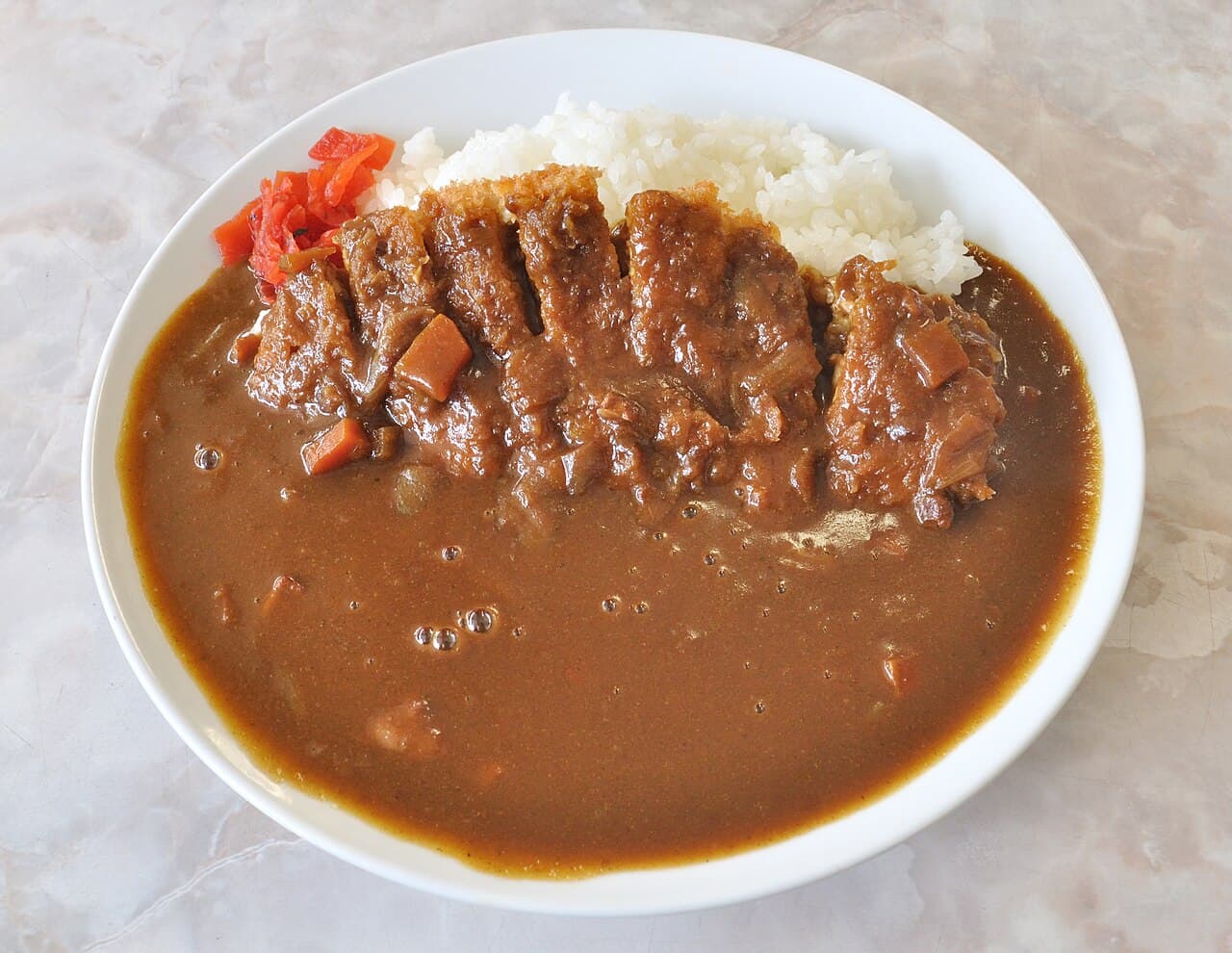
The 1947 Ginza institution that invented katsu curry itself, plating a crisp pork cutlet over rich Western-style curry at the very spot where the dish was born.
Can I eat here?
We haven’t confirmed specific diets here yet — use the phrasebook to show staff what you can and can’t eat.
Okura Annex Bldg. 2F, 3-4-4 Ginza, Chuo-ku, Tokyo 104-0061
Nearest station
Ginza-itchome Stn (Exit 8), 2 min
Cuisine
Yoshoku & Japanese curry
Price
¥¥
English menu / support
✓
Signature
Katsu curry ('Chiba-san's Cutlet Curry')
Ginza Swiss is the restaurant that, by its own long-standing claim, invented katsu curry: breaded pork cutlet laid over a dark, slow-built Western-style curry sauce. The restaurant itself opened in 1947 in postwar Ginza, and the dish followed a year later — as the story goes, former Yomiuri Giants player Shigeru Chiba asked the kitchen to put a pork cutlet on his curry rice, and it stuck. Nearly eighty years on, it's still the restaurant's headline order.
The signature dish is Chiba-san's Cutlet Curry (around ¥3,500): a thick-cut pork cutlet over rice and the restaurant's own Western-style curry sauce. The room itself is compact and unfussy: 42 seats split between counter stools and a couple of semi-private tables, non-smoking, with free Wi-Fi. Despite the name, it isn't a Swiss restaurant — it opened after the war to introduce Western-style (yoshoku) cooking to a wider audience, and that's still what's on the menu. It's two minutes on foot from Ginza-itchome Station, tucked into the Okura Annex building's second floor.
A few practical notes: as of late 2025 Ginza Swiss dropped its regular closing day and now runs seven days a week, 11:00–21:00 (last order 20:30). Reservations are worth making, especially for dinner — tables after 5pm are limited to course or party bookings, while walk-in seating earlier in the day is easier but still worth a call to 03-3563-3206. Cards, IC transit cards, and PayPay are all accepted, so there's no need to carry cash. The restaurant was also picked for Tabelog's "Tabelog 100" list for Yoshoku (East Japan) in 2025 — a reminder that this isn't a nostalgia act trading only on its origin story, but a kitchen still cooking at the level that started the whole katsu curry lineage.
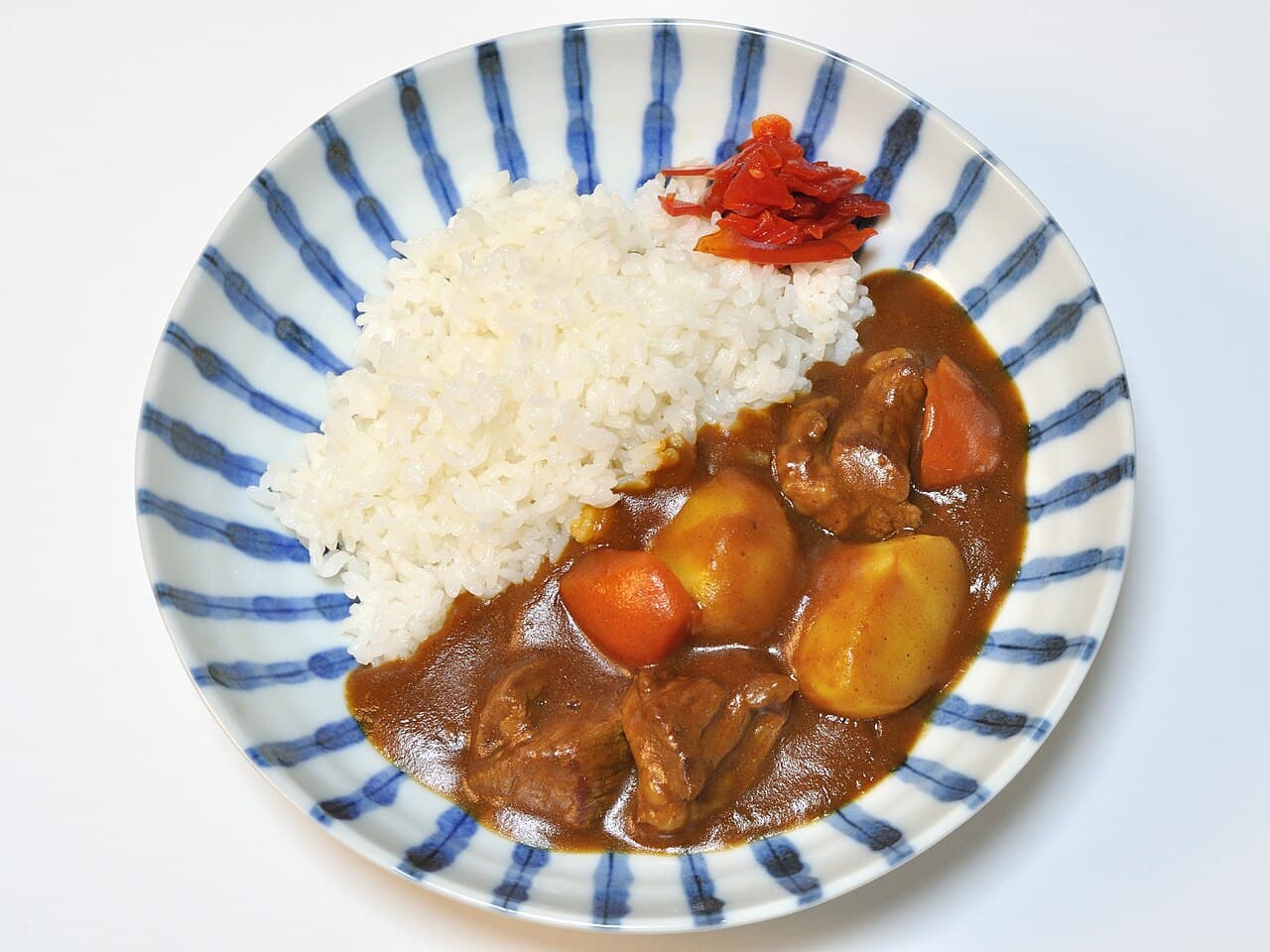
More on this dish: for the roux's Meiji-era British-navy origins, ordering customs (spice level, rice size) and other Tokyo curry houses, see our Japanese curry guide.
✓ Last verified Jul 2026
Hours and details can change — please confirm before you visit.
★ Customisable Japanese curry rice with halal toppings; pick your rice size and spice level
Permanently closed. CoCo Ichibanya's halal-certified Akihabara branch and its Shinjuku sister shop shut during the 2020 pandemic and have not reopened — as of 2026 there is no halal-certified CoCo Ichibanya in Japan. For halal Japanese curry and other options, see our halal fast-food chains guide and halal Tokyo guide.
★ Beef curry with a secret spice blend & a whole boiled potato
The original champion of the Kanda Curry Grand Prix; this book-town flagship serves a rich, fruit-rounded European-style curry that starts with a whole steaming potato.
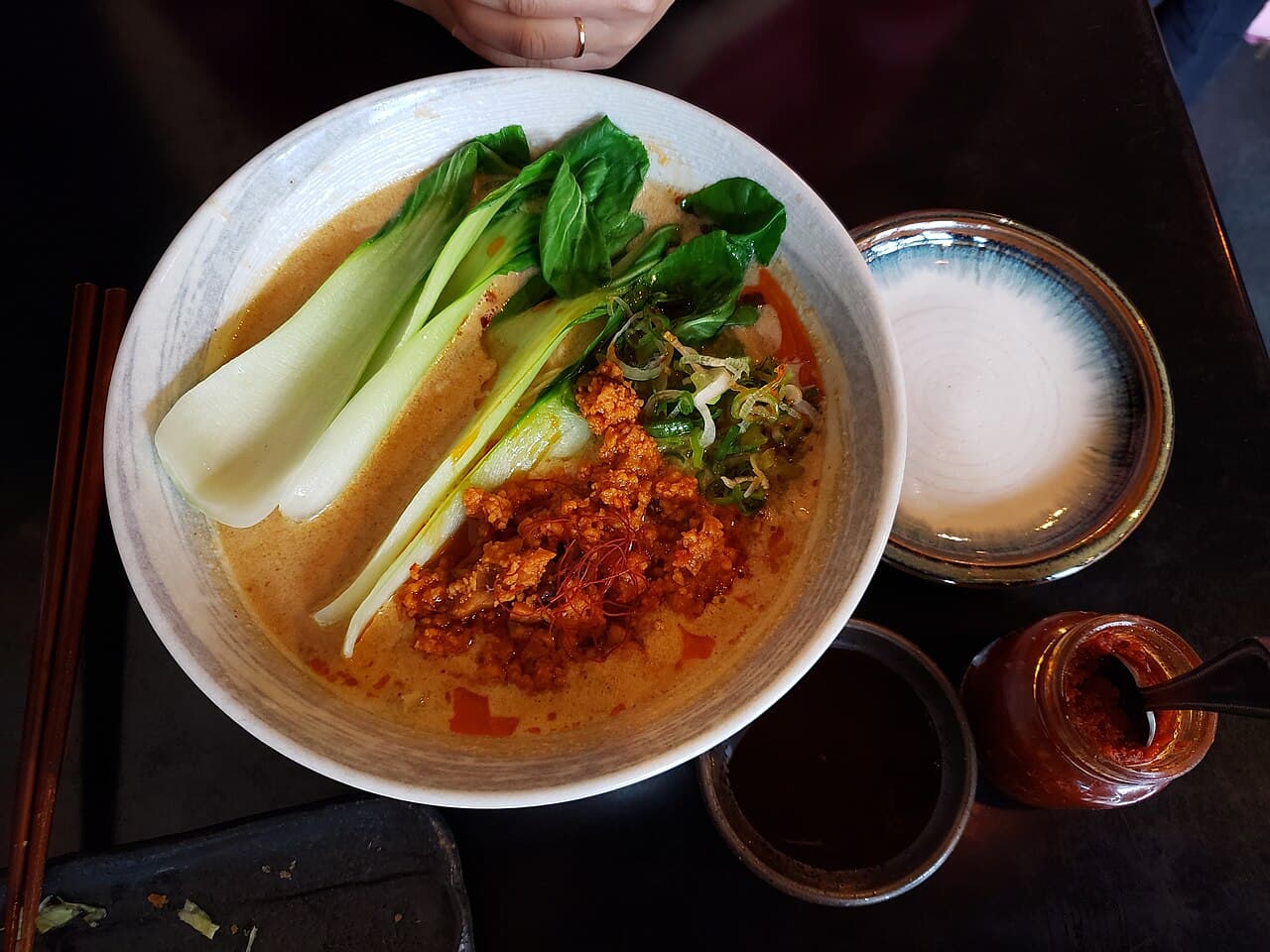
A tiny tatami-floored diner on the Shimokitazawa backstreets where every bowl of rich, medicinal-herb ramen is 100% plant-based and built on sprouted brown rice.
A two-minute stroll from Senso-ji, this all-halal kitchen ladles rich Japanese curry over crisp cutlets and even Kobe wagyu, so Muslim travellers never have to skip Japan's comfort dish.
★ Organic vegetable curries and tandoor naan with vegan, vegetarian and halal options
The Shibuya outpost of the long-running Nataraj natural-Indian vegetarian group, offering spice-rich organic vegetable curries, tandoor naan and clearly labelled vegan, vegetarian and halal menus in the heart of Shibuya.
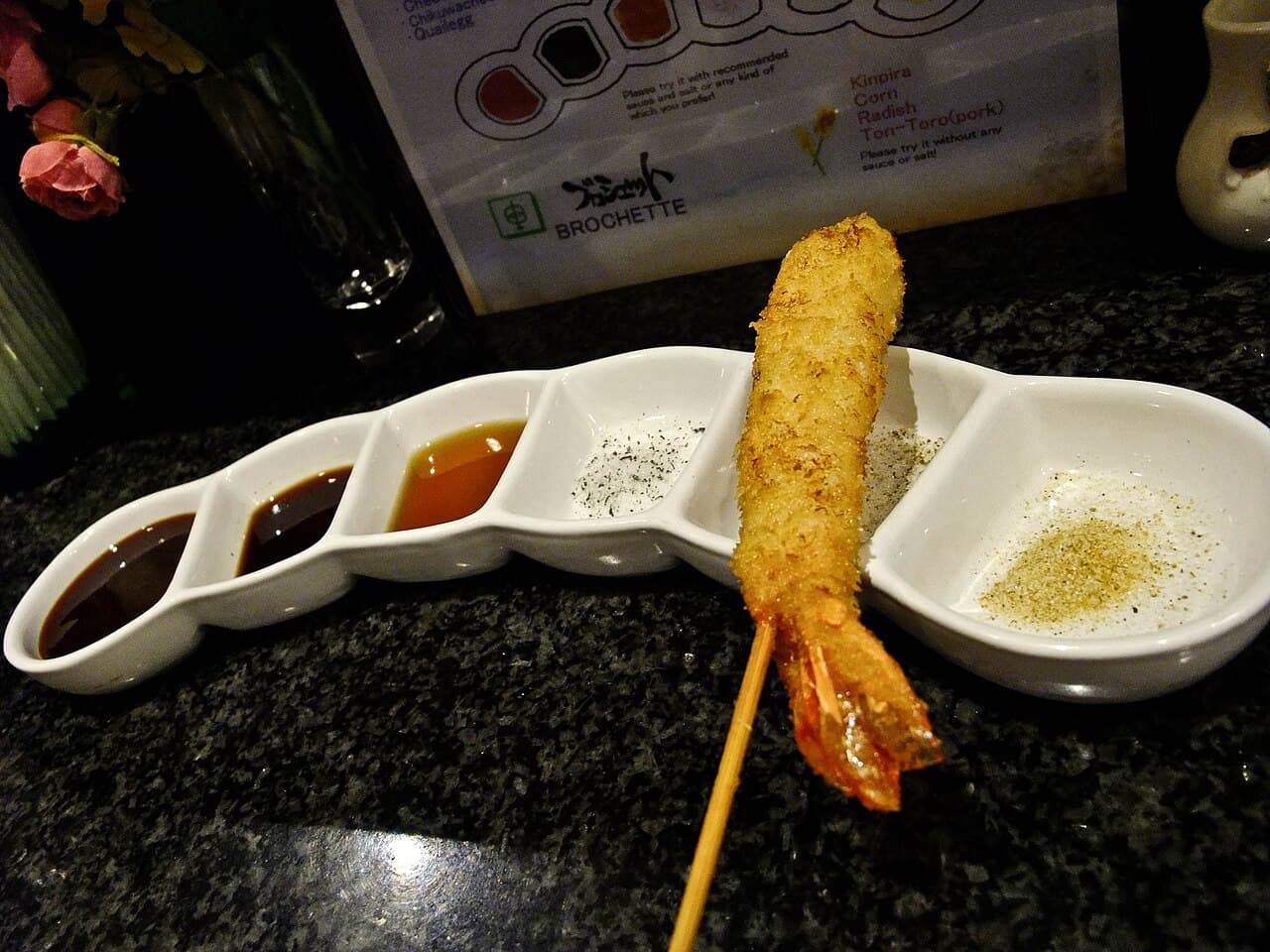
A reservation-only Ginza counter where an entirely gluten-free kushiage omakase is fried in rice oil with rice-flour breadcrumbs — a rare safe haven for coeliacs.
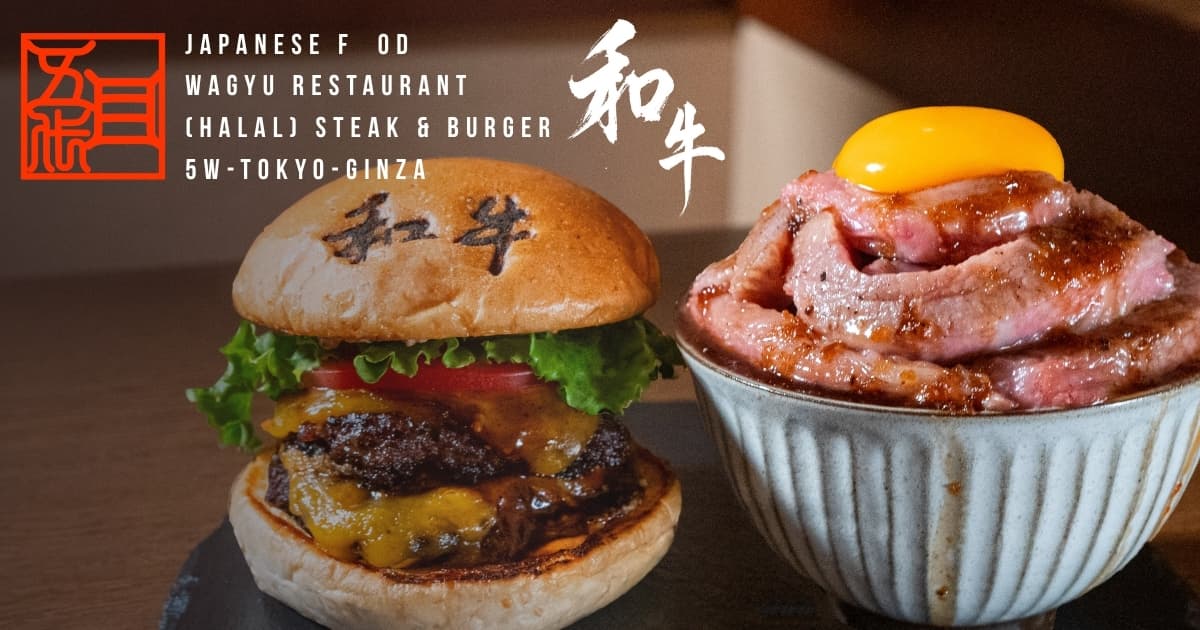
A fifth-generation wagyu family's alcohol-free basement grill in Ginza serving 100% halal-certified Japanese wagyu steaks and burgers, so every traveller can taste real wagyu. (The halal kitchen is the basement venue.)
AIN SOPH.'s flagship spreads across four Ginza floors, where a ground-floor patisserie of vegan pudding gives way to refined plant-based courses upstairs.