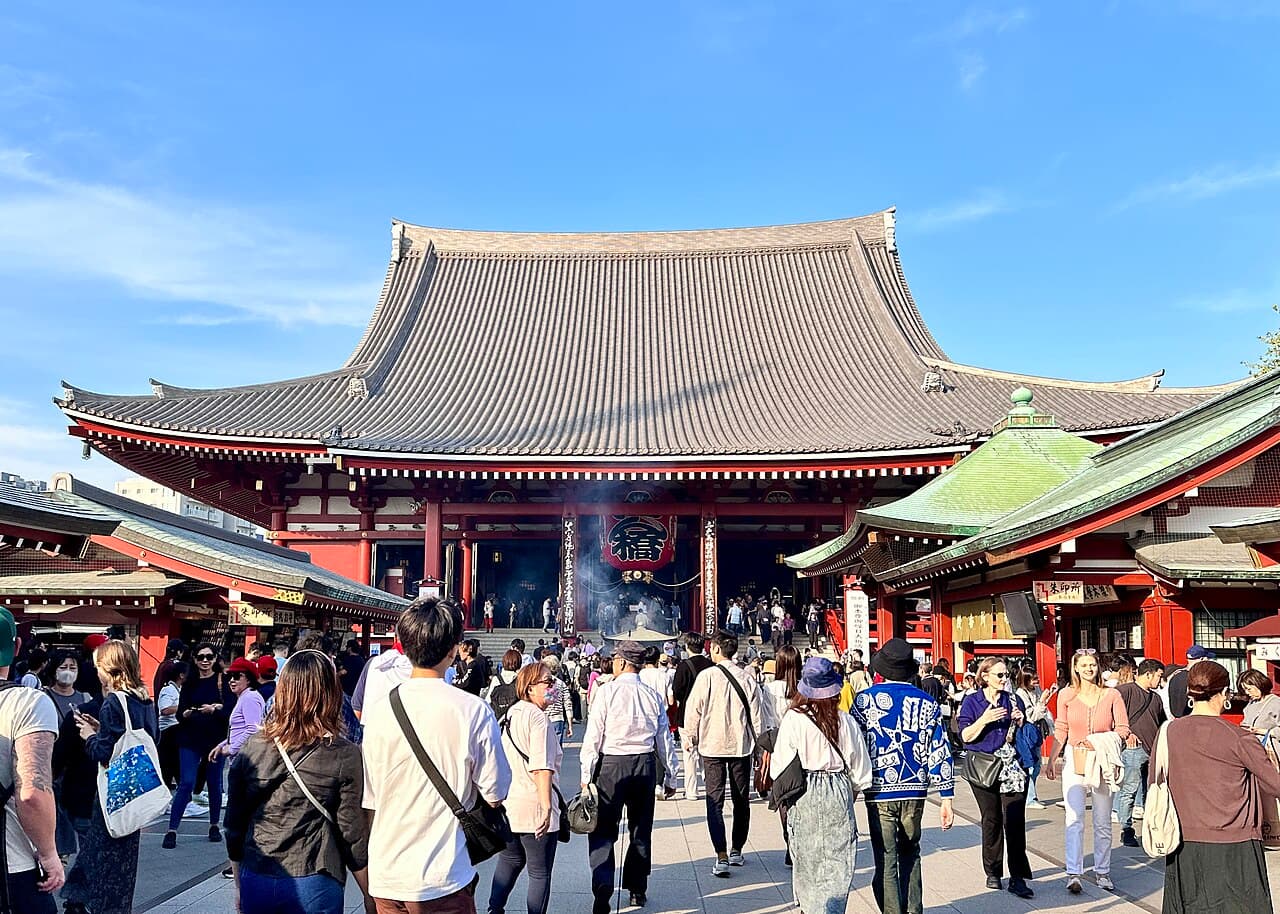
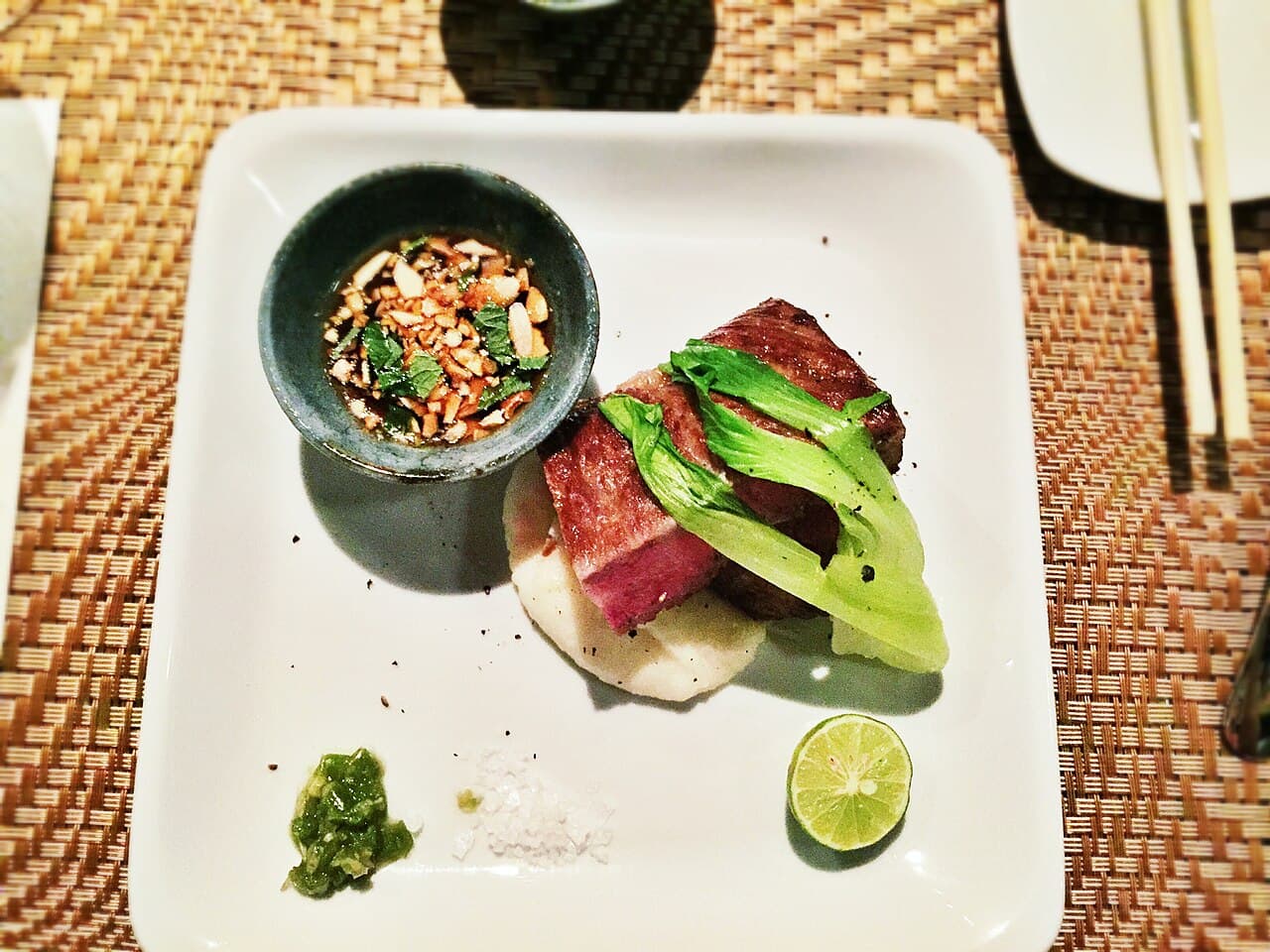
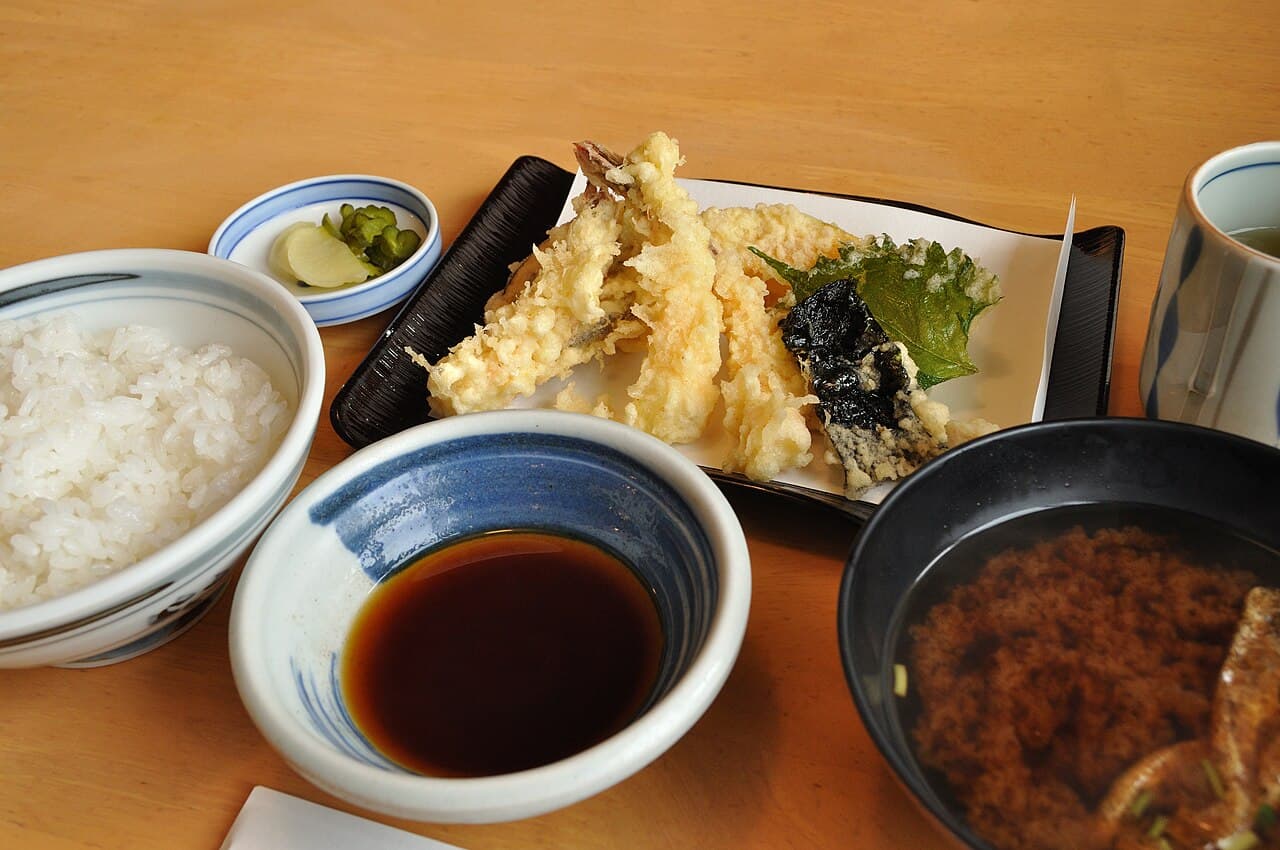
A two-minute stroll from Senso-ji, this all-halal kitchen ladles rich Japanese curry over crisp cutlets and even Kobe wagyu, so Muslim travellers never have to skip Japan's comfort dish.
Can I eat here?
✓ Diets our editors confirmed in person· English menu / support
Halal Japanese Curry Yoshi's Passion sits two minutes on foot from Senso-ji, and every bowl of curry that leaves the kitchen is made without pork or alcohol, built specifically so Muslim travellers don't have to skip one of Japan's most comforting dishes.
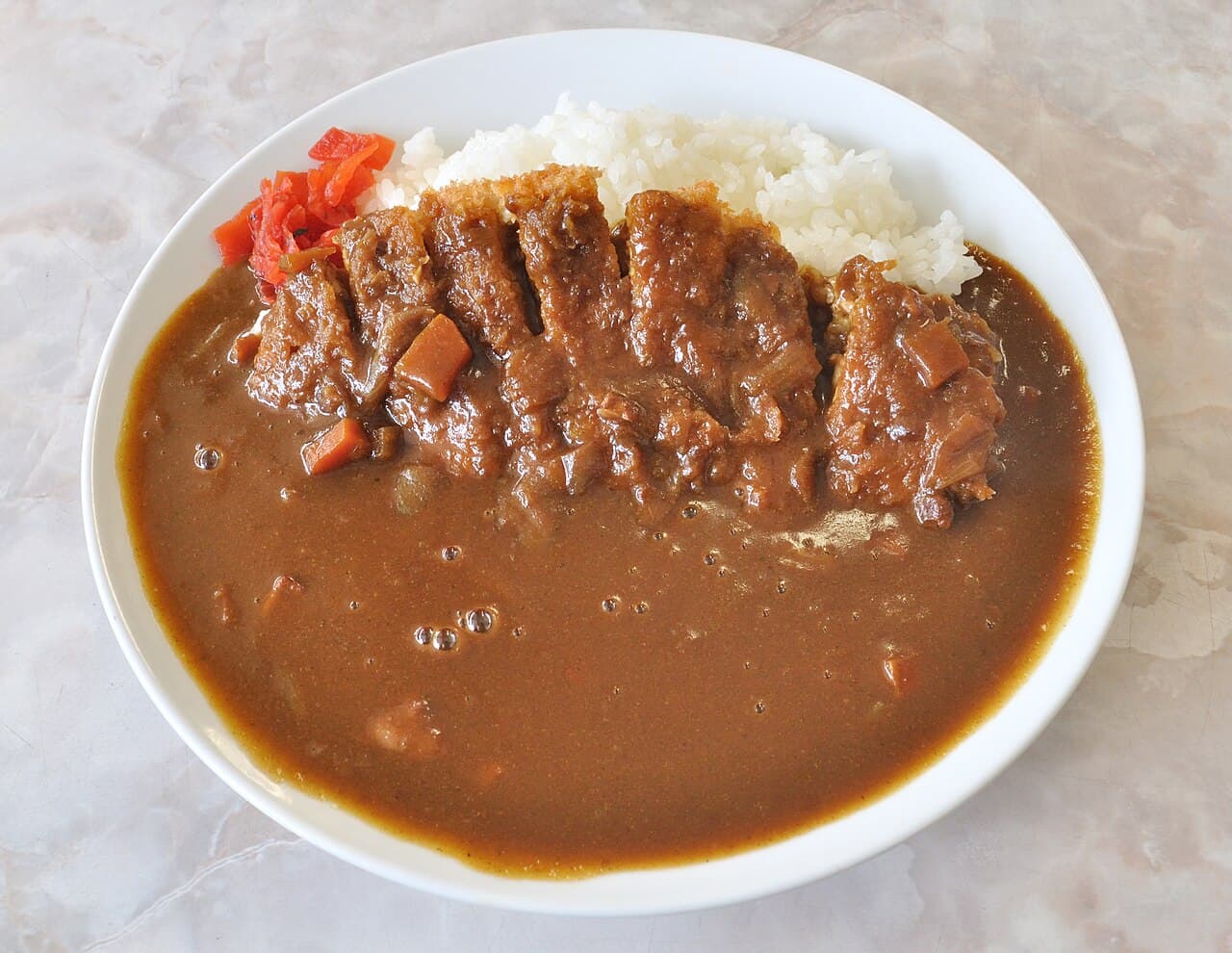
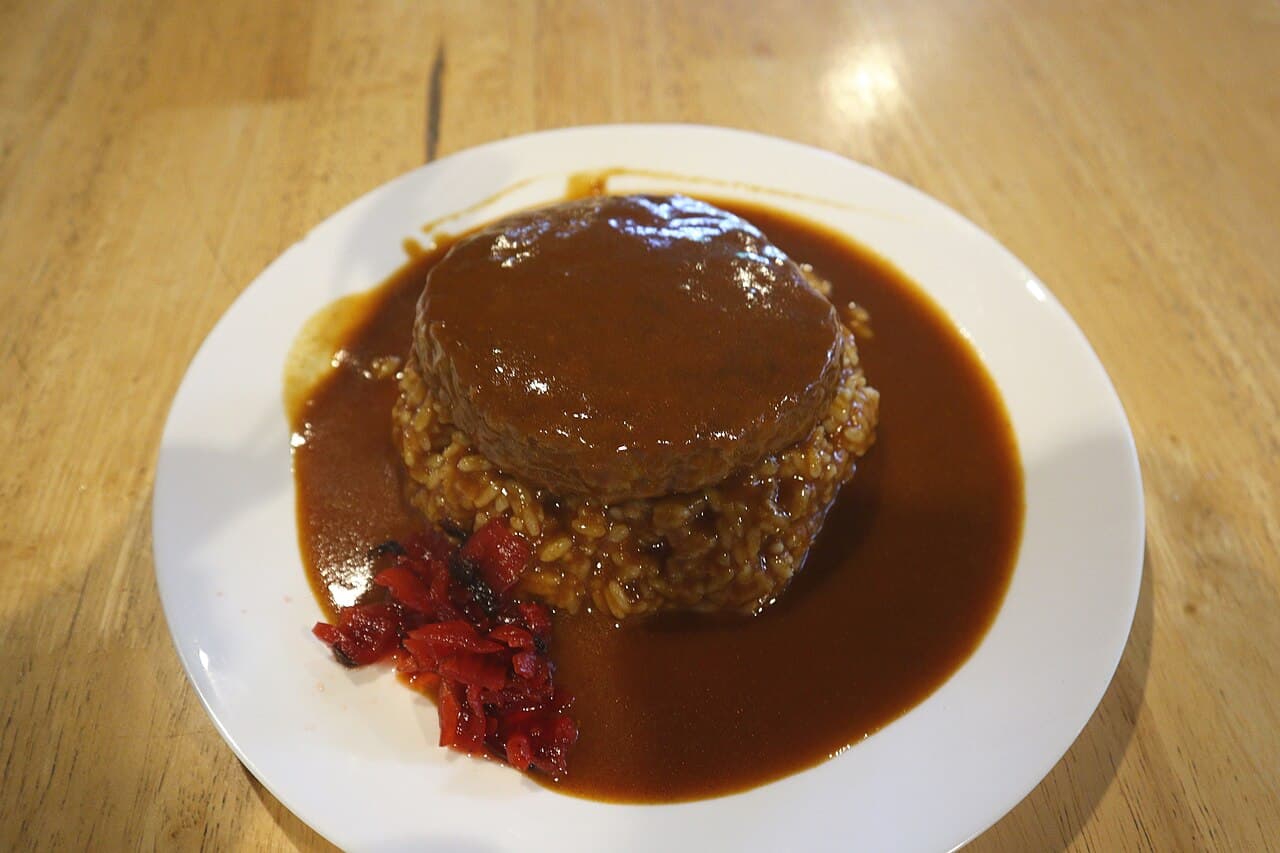
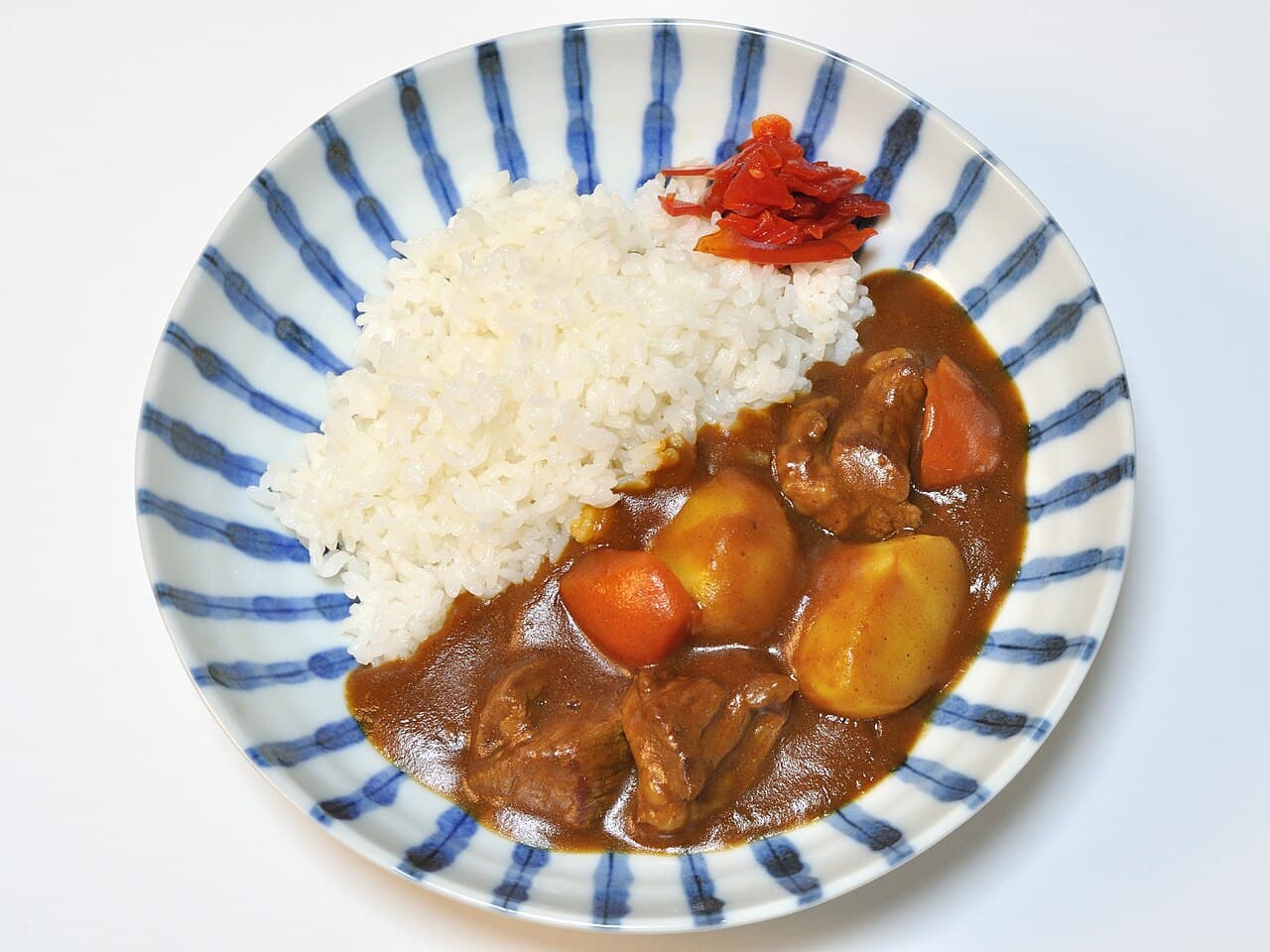
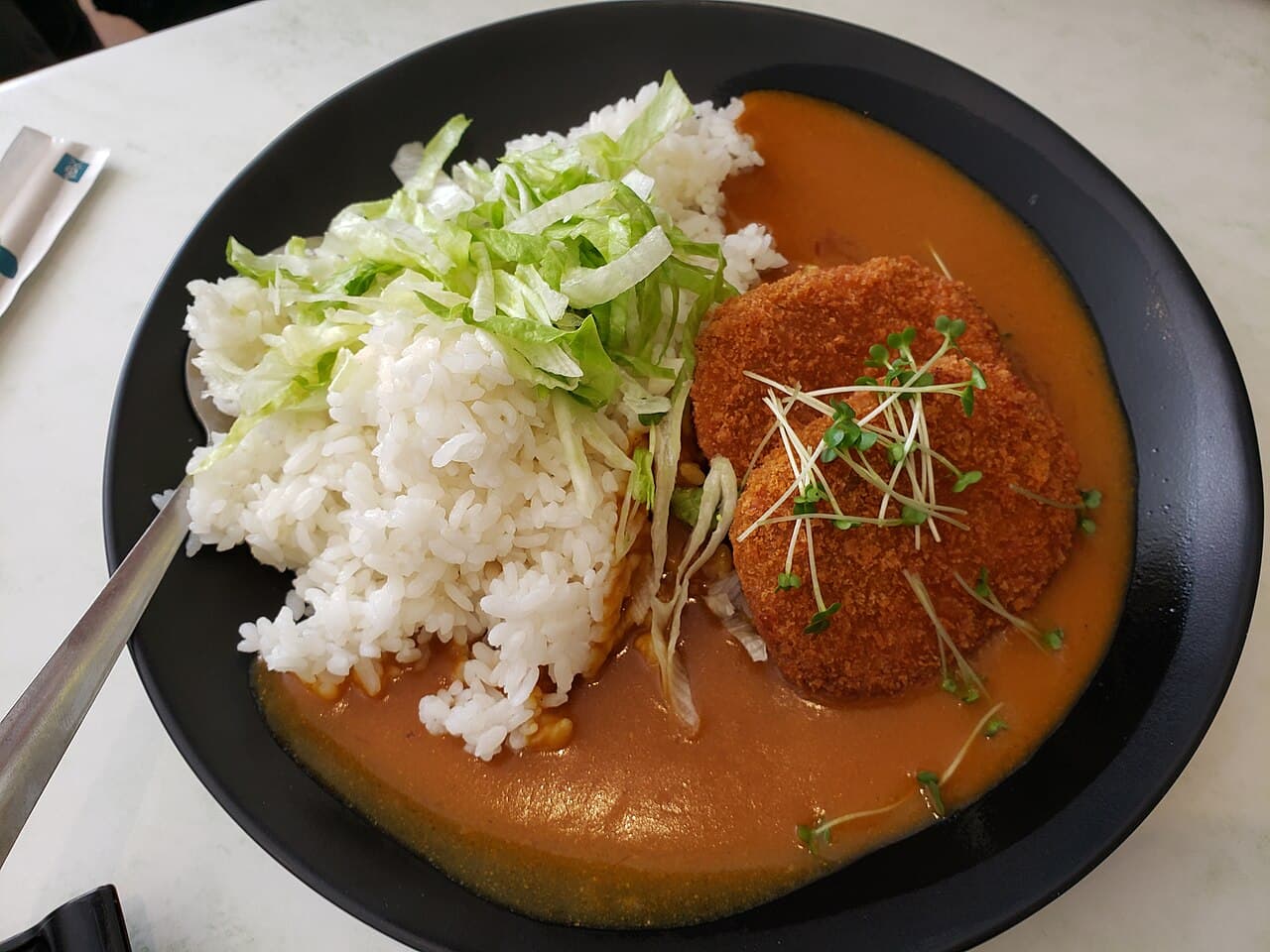
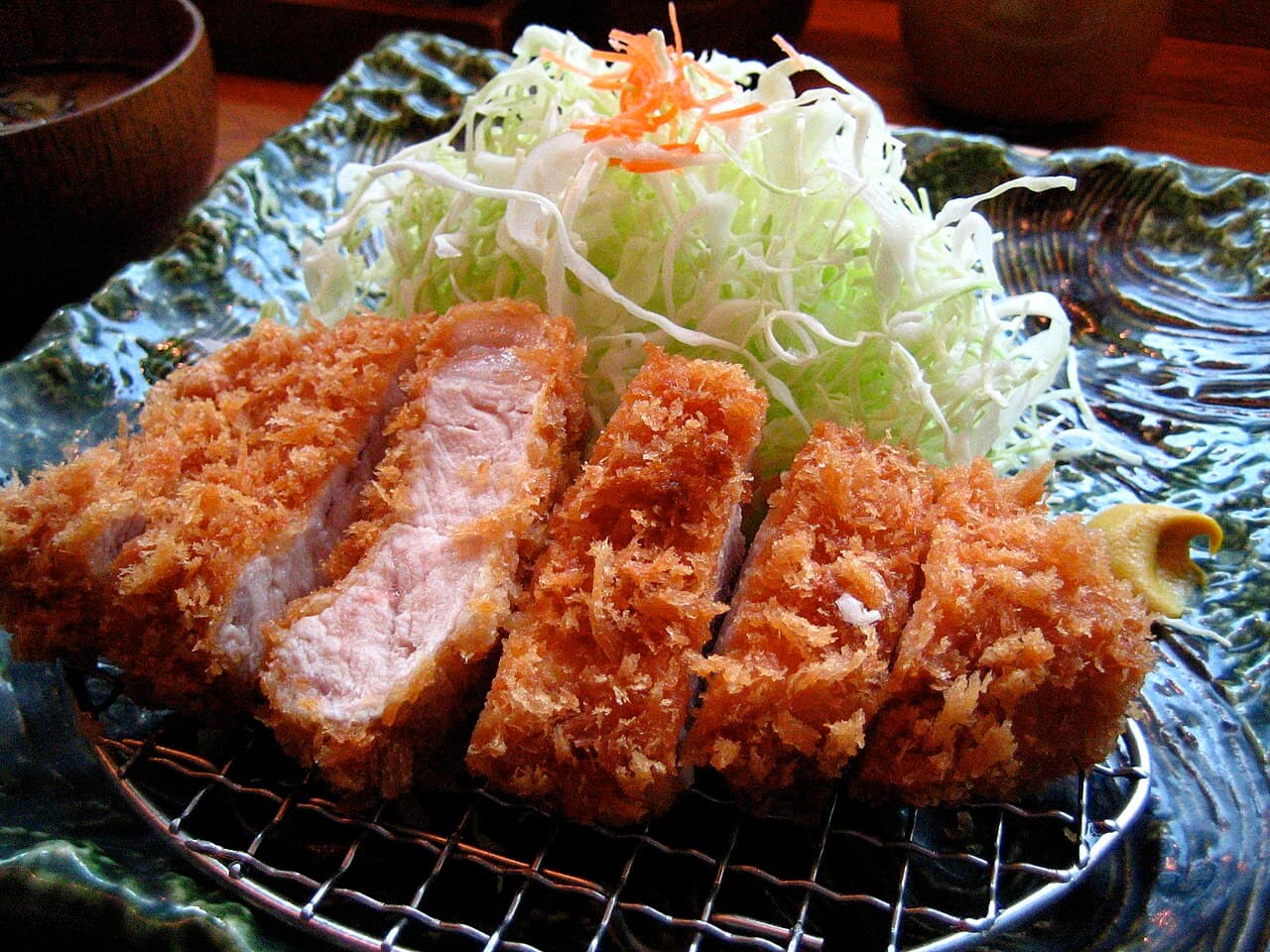
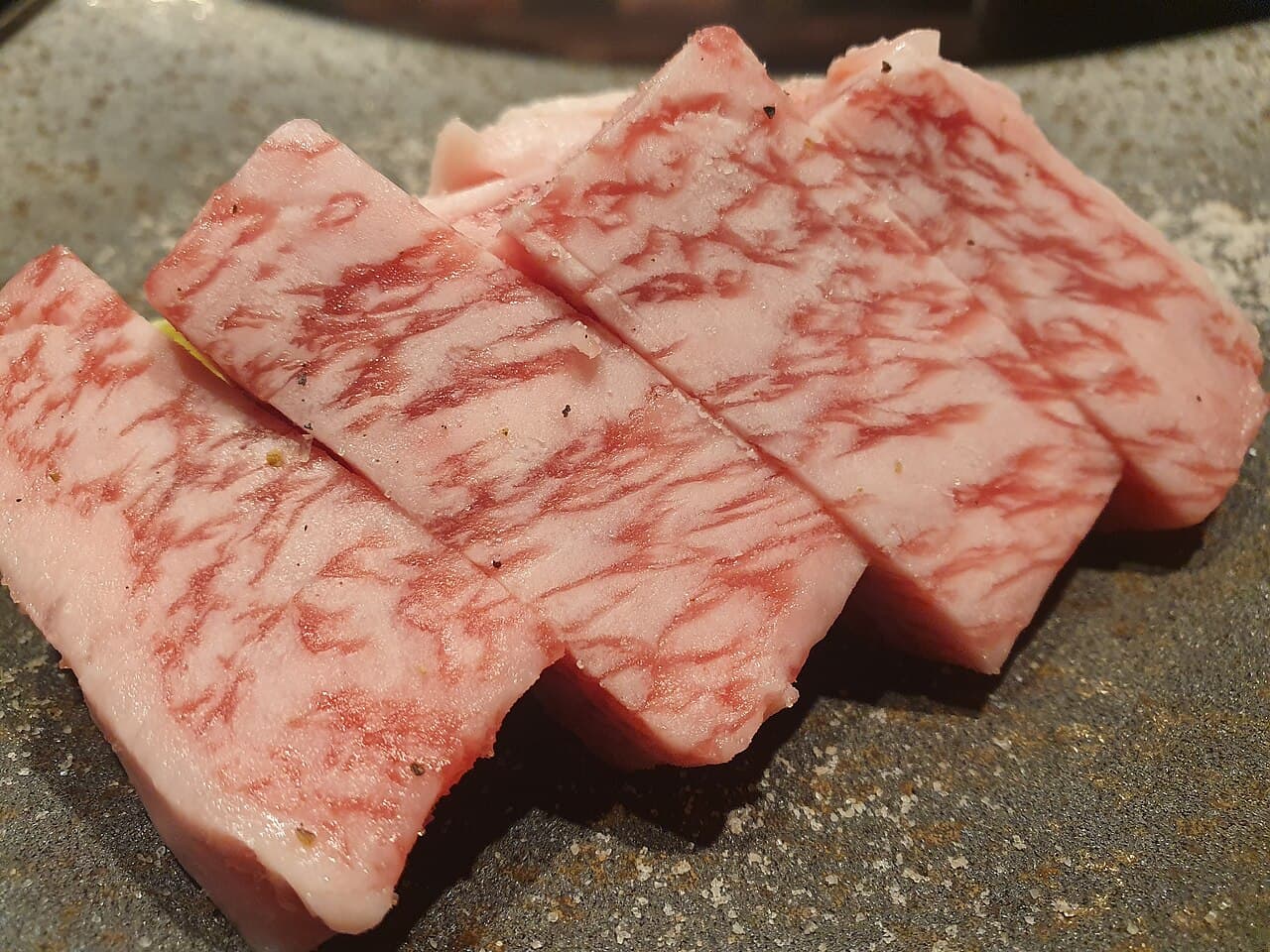
Owner Yoshi Nakatani opened the restaurant in October 2024 after struggling to find a Japanese curry that kept its usual depth of flavour without the pork fat many recipes lean on. He already ran Nagomi, a halal Kobe beef restaurant elsewhere in Tokyo, and brought that same beef here for the menu's showpiece: a Halal Kobe Beef Curry, thick and dark, ladled over rice with wagyu sliced tender enough to eat with a spoon. Chicken, mutton, and prawn curries sit alongside it at friendlier prices, and a breaded wagyu cutlet version covers anyone craving katsu curry specifically. Crucially, the kitchen holds certified halal status rather than simply leaving pork off the menu, and serves no alcohol at all — worth knowing if you're comparing it against places that are merely halal-friendly.
The room is small and casual; reviewers describe it as cozy and welcoming, and it reads as a solo-diner-friendly stop rather than a destination for a long group dinner, a good match for a quick bowl between temple visits. English menus are on hand, so there's no need to guess at ingredients from a Japanese-only board.
Practical note: it's open daily from 11am to 10pm, about a five-to-ten-minute walk from Asakusa Station, and reservations run through the restaurant's own website rather than a third-party platform — worth booking ahead if you're arriving during the lunch rush that follows Senso-ji's morning crowds.
More on this dish: for the roux's Meiji-era British-navy origins, ordering customs (spice level, rice size) and other Tokyo curry houses, see our Japanese curry guide.
✓ Last verified Jul 2026
Hours and details can change — please confirm before you visit.
★ Customisable Japanese curry rice with halal toppings; pick your rice size and spice level
Permanently closed. CoCo Ichibanya's halal-certified Akihabara branch and its Shinjuku sister shop shut during the 2020 pandemic and have not reopened — as of 2026 there is no halal-certified CoCo Ichibanya in Japan. For halal Japanese curry and other options, see our halal fast-food chains guide and halal Tokyo guide.
★ Beef curry with a secret spice blend & a whole boiled potato
The original champion of the Kanda Curry Grand Prix; this book-town flagship serves a rich, fruit-rounded European-style curry that starts with a whole steaming potato.
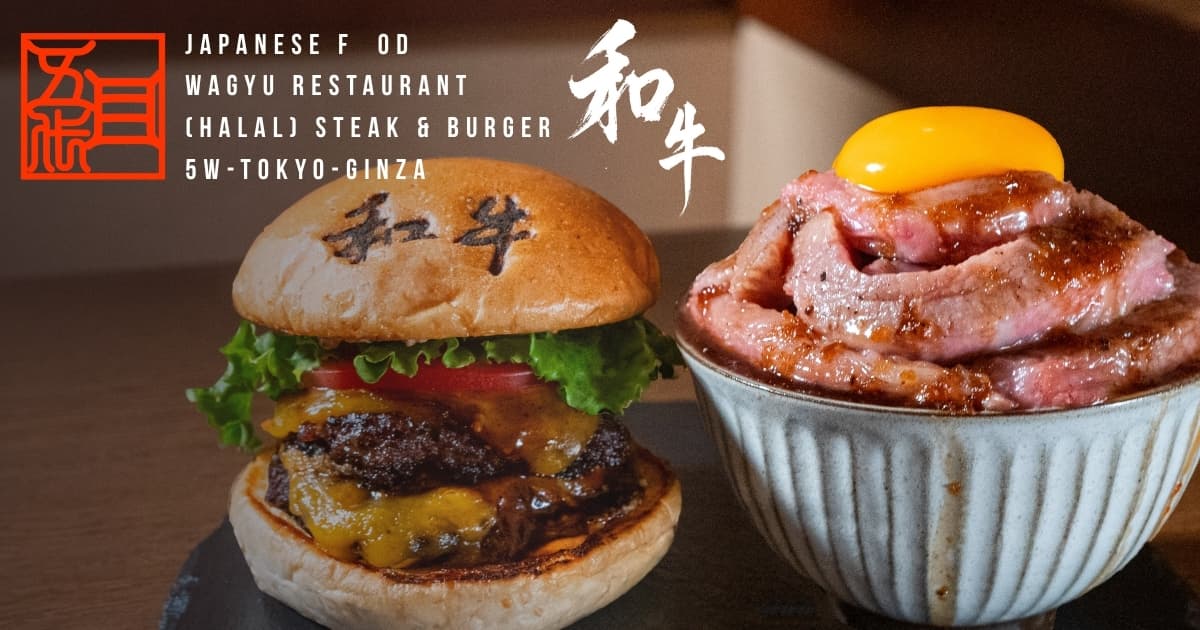
A fifth-generation wagyu family's alcohol-free basement grill in Ginza serving 100% halal-certified Japanese wagyu steaks and burgers, so every traveller can taste real wagyu. (The halal kitchen is the basement venue.)
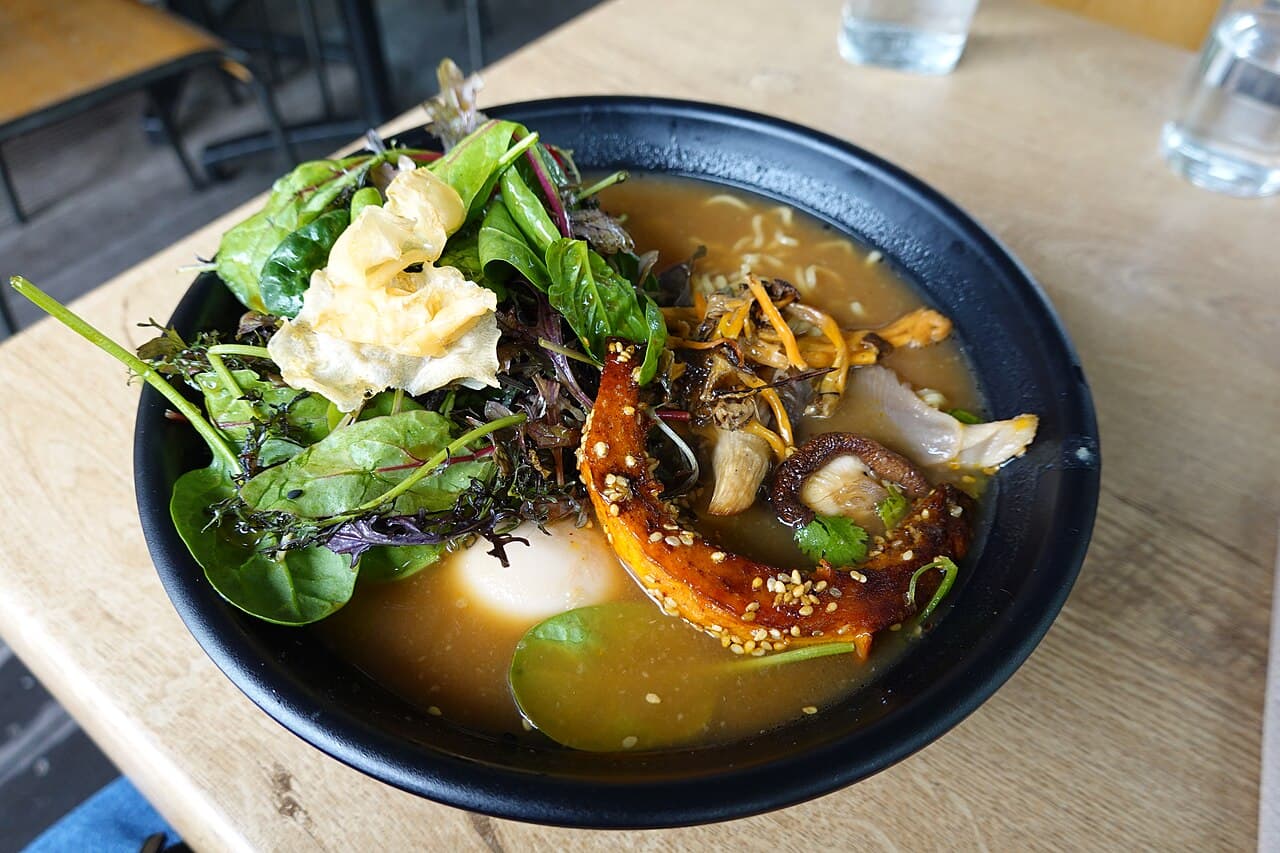
A tiny tatami-floored diner on the Shimokitazawa backstreets where every bowl of rich, medicinal-herb ramen is 100% plant-based and built on sprouted brown rice.
A Sri Lankan-Muslim owner's wholly halal-certified ramen shop where collagen-rich chicken broth meets a fiery soy-sauce kick, steps from Assalaam Mosque.
The 1947 Ginza institution that invented katsu curry itself, plating a crisp pork cutlet over rich Western-style curry at the very spot where the dish was born.
★ No.7 Premium Matcha Gelato — the world's richest
This 1848-founded tea house teams up with Shizuoka's Nanaya to serve matcha gelato in seven escalating intensities, climaxing in a near-black No. 7 so concentrated it tastes like eating pure tea leaves.
★ Wagyu sirloin and tiger prawn tempura in rice-flour batter
A ten-seat counter beneath a canopy of cherry blossoms where every course — even the wagyu and prawn tempura — is fried in rice flour: fully gluten-free and halal.