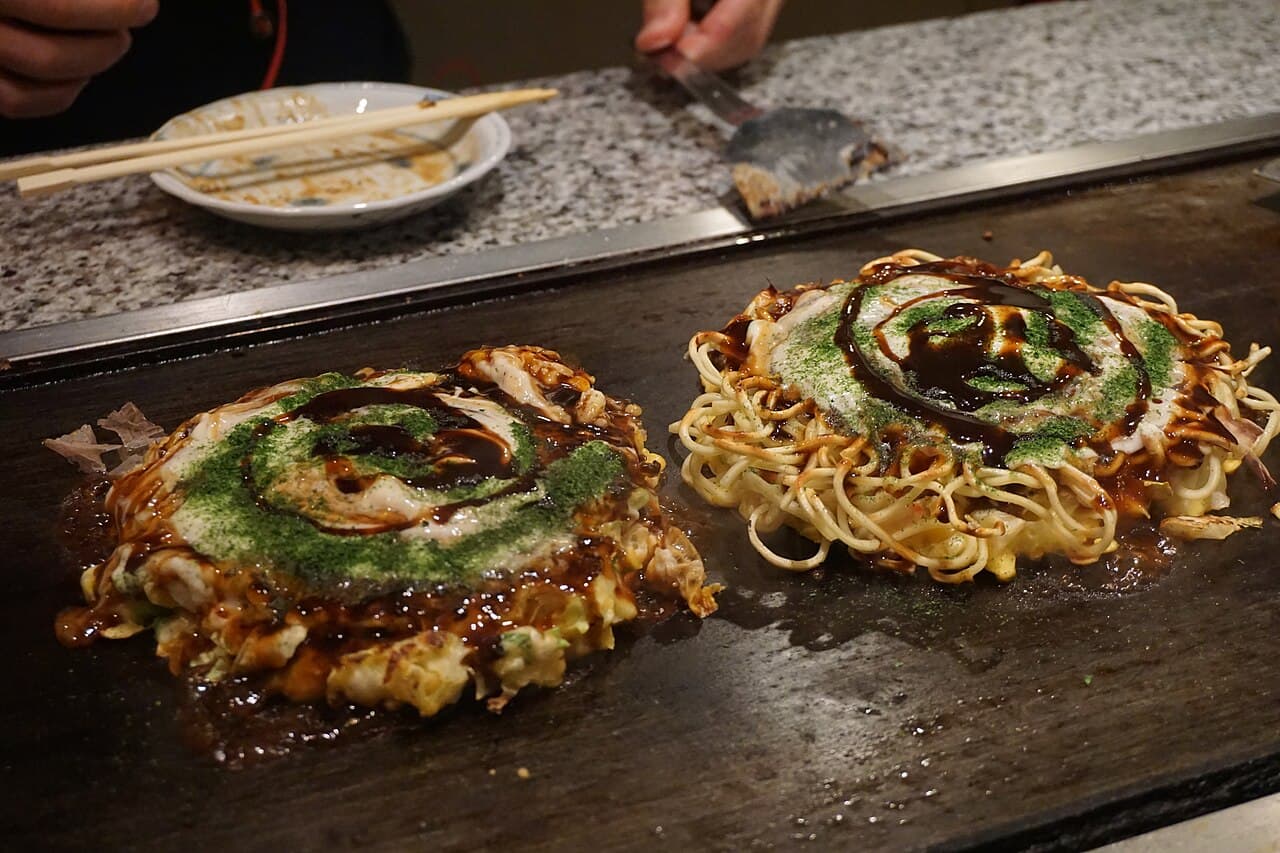
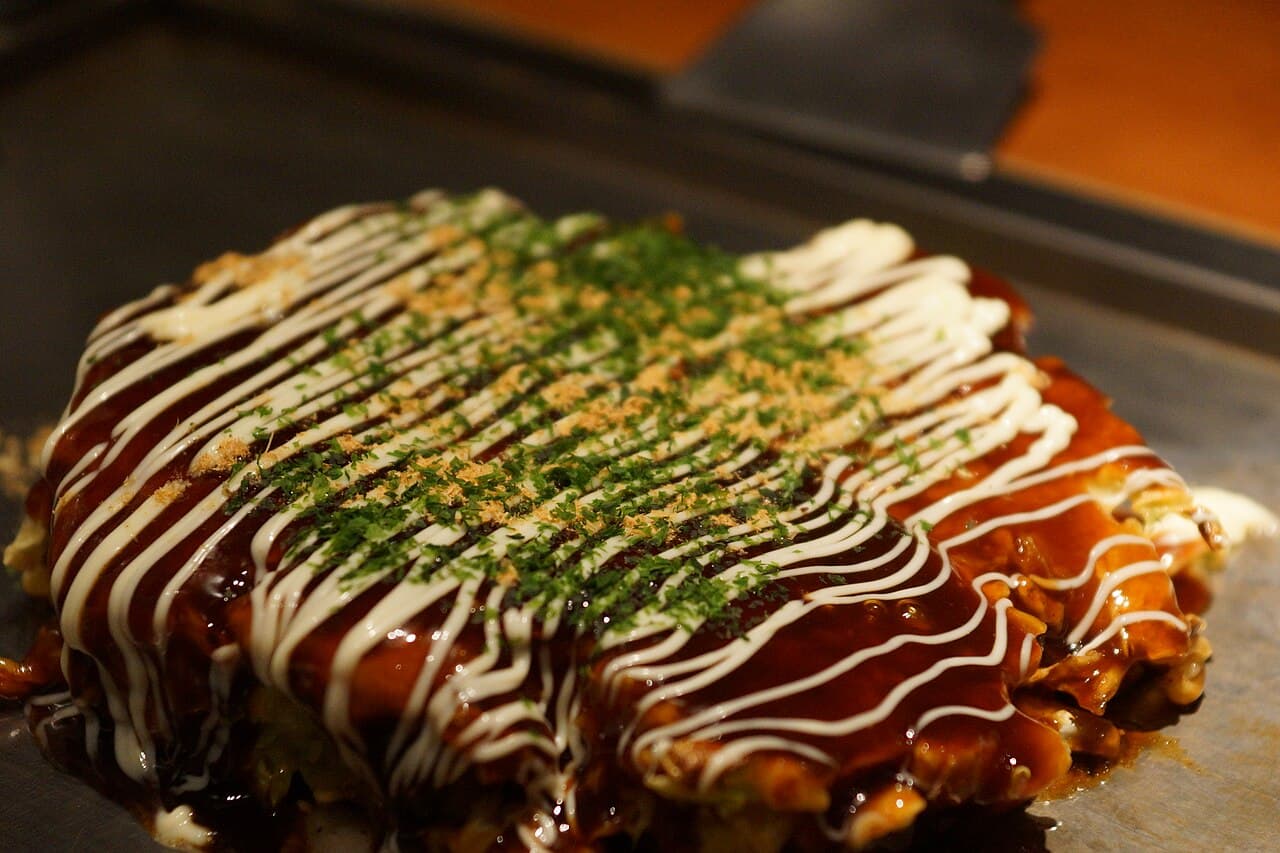
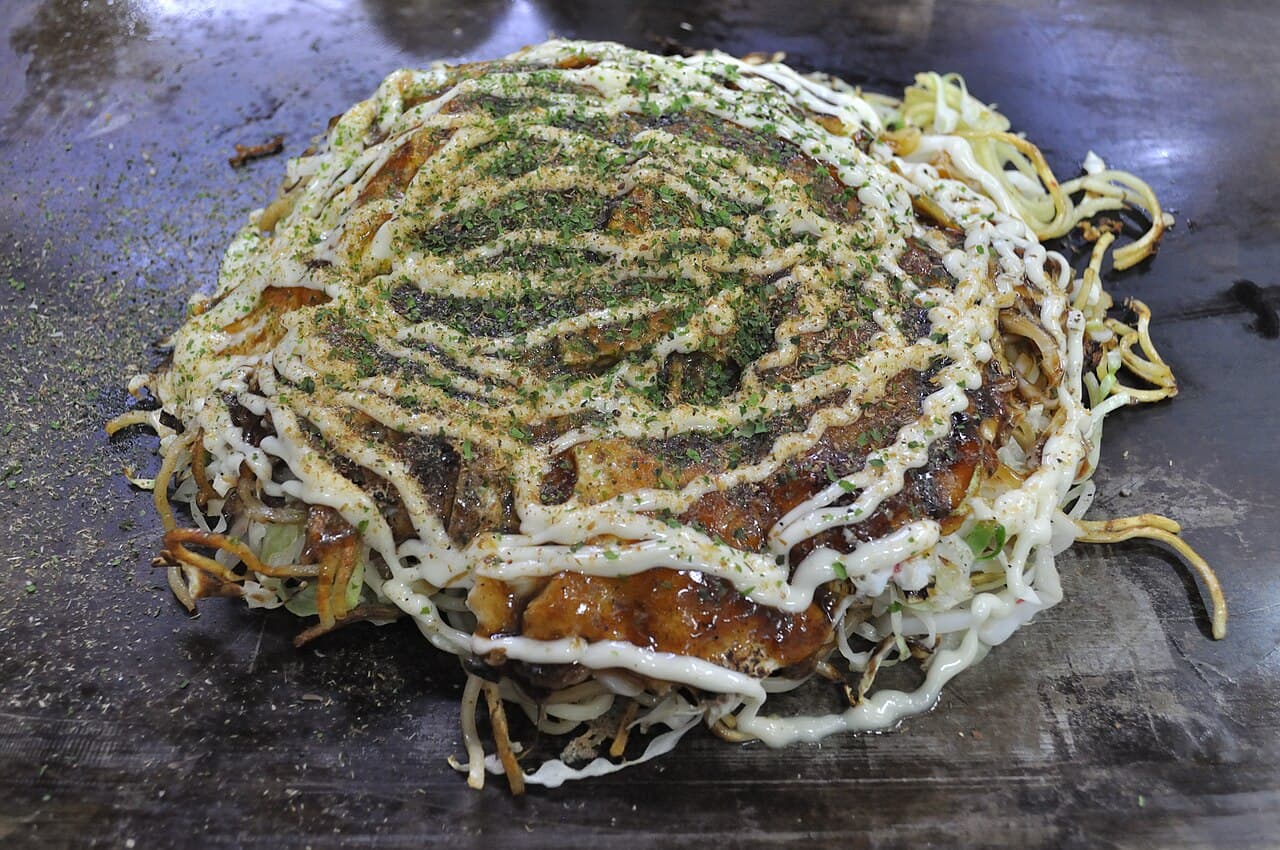
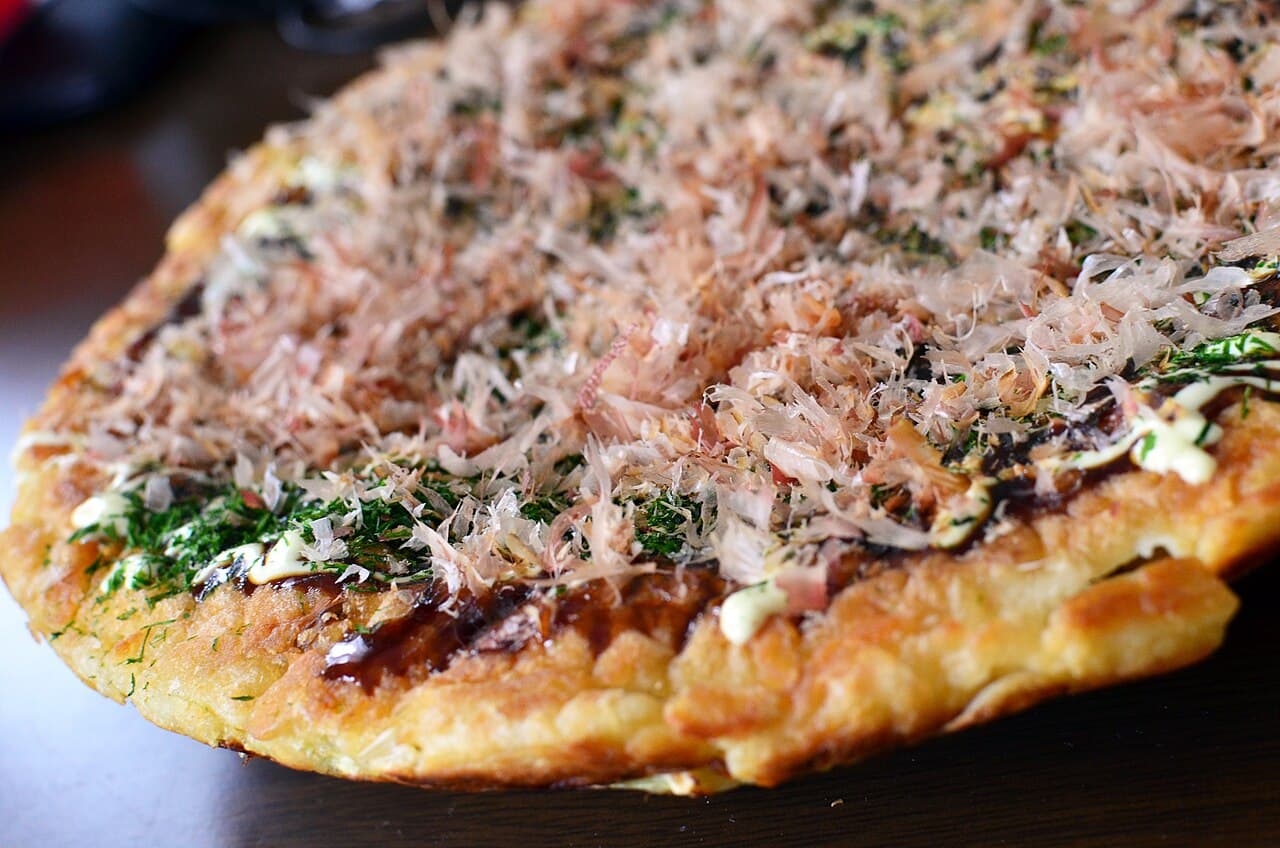
Sometaro is Asakusa's okonomiyaki institution, serving since 1937 in a creaky wooden house where you grill your own pancake at a low tatami-side griddle.
The oldest name in Tokyo okonomiyaki
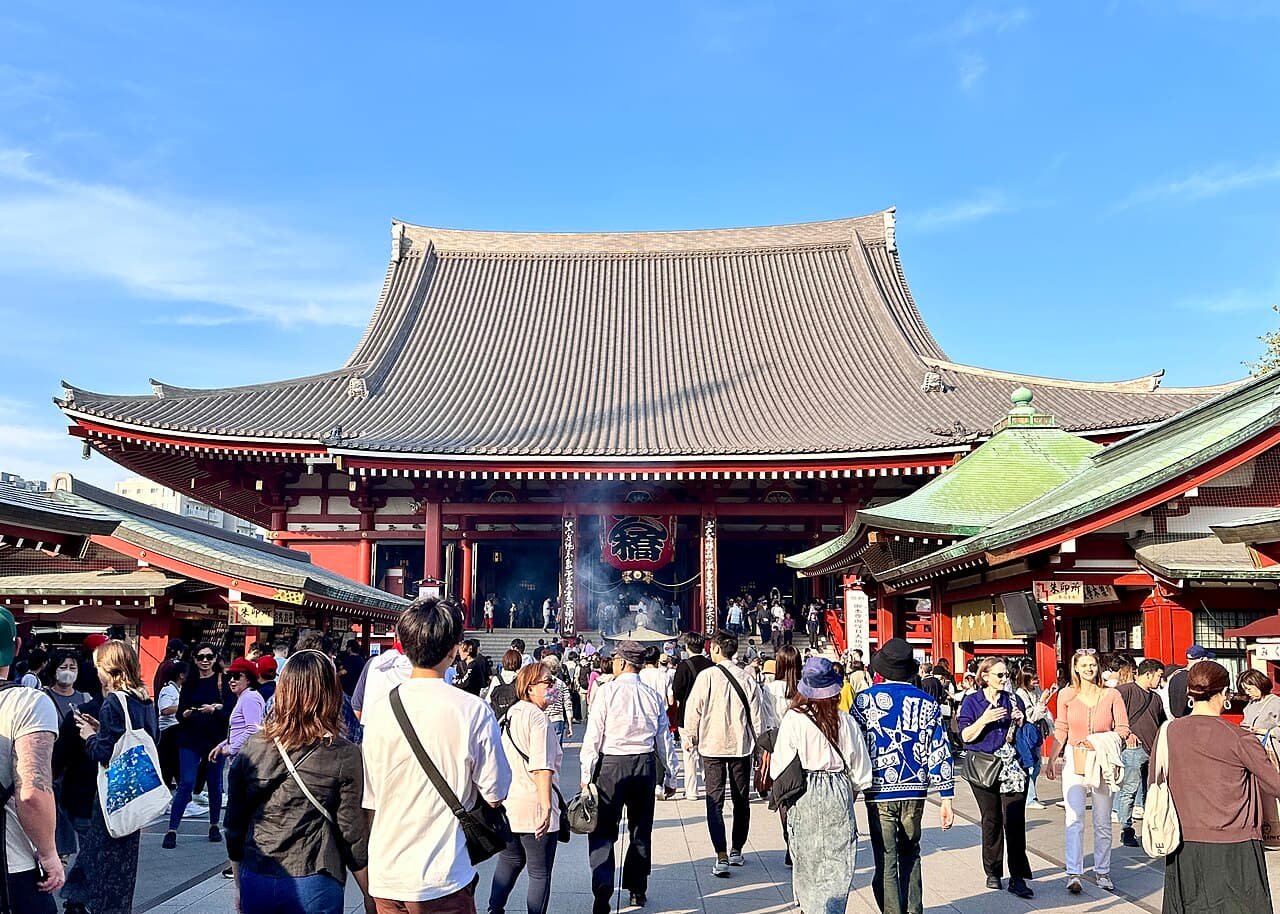
Founded in 1937, Sometaro is widely cited as one of the oldest okonomiyaki restaurants still operating in Japan. The original shop was lost in the wartime air raids; the two-story wooden house that replaced it at 2-2-2 Nishi-Asakusa — about three minutes from Tawaramachi Station and a ten-minute walk from Senso-ji's crowds — has aged into its own soot-darkened old-Showa mood, handwritten paper menus and all. Order the house Osome-yaki, the signature shumai-ten (shumai dumplings deep-fried in batter), yakisoba off the same griddle, and a sweet anko-maki (red-bean roll) to finish.
How a visit works
You leave your shoes at the entrance and sit on tatami at low tables, each fitted with its own iron griddle. The format is cook-it-yourself, but staff will step in and cook for you if you ask, and an English picture menu is available. Budget about ¥1,000 for lunch and ¥2,000–2,999 for a fuller evening; payment is cash only (both as of July 2026). Closed Tuesdays and Wednesdays (as of July 2026); weekday service splits into lunch and dinner around an afternoon break, weekends run straight through — confirm ahead for Friday dinner, which some listings show as lunch-only. From July through September no reservations are taken at all (walk-in only); the rest of the year booking is limited to weekday groups of 3+ or weekend groups of 8+ on the ¥2,800 course. One honest warning: there is no air-conditioning, and the tabletop griddles make midsummer visits genuinely hot. The menu centers on pork and seafood, so ask staff about meat-free options before ordering.
Yes — Sometaro accepts cash only (as of July 2026); no cards, e-money or QR payment are taken.
Do I need a reservation at Sometaro?
Not for small groups. From July through September Sometaro takes no reservations at all, so everyone walks in. The rest of the year, reservations are limited to weekday groups of 3+ or weekend/holiday groups of 8+ on the ¥2,800 course.
✓ Last verified Jul 2026
Hours and details can change — please confirm before you visit.
★ Soba nikutama — layered okonomiyaki with a mountain of sweet steamed cabbage, crisp noodles and pork
Often called Hiroshima's greatest okonomiyaki, this tiny Yagenbori counter has earned a place on Tabelog's national 'Okonomiyaki 100' list for six different years. The Hiroshima style is built in layers — a crepe-thin batter, a towering pile of slow-steamed cabbage, fresh noodles griddled crisp and pork belly — so it is not suitable for vegetarian, vegan, halal or gluten-free diets (wheat batter and noodles, pork, and a shared griddle). It opens late afternoon, closes Mondays, and queues form before opening.
★ Yamaimo-yaki — okonomiyaki bound with grated mountain yam
A Dotonbori okonomiyaki institution founded in 1945, now third-generation and a multi-year Michelin Bib Gourmand, famous for its 'yamaimo-yaki' bound with grated mountain yam. Long waits are common; it is not suitable for vegan, vegetarian, halal or gluten-free diets, as dishes use flour, egg, pork and bonito-based dashi.
★ Cook-your-own okonomiyaki with a gluten-free rice-flour batter option
A large, tourist-friendly DIY okonomiyaki spot in Harajuku that offers a gluten-free rice-flour batter on request, with an English menu and vegan/vegetarian options. You cook on a shared griddle where wheat batter is also used, so ask staff about cross-contamination if you are highly sensitive.
★ No.7 Premium Matcha Gelato — the world's richest
This 1848-founded tea house teams up with Shizuoka's Nanaya to serve matcha gelato in seven escalating intensities, climaxing in a near-black No. 7 so concentrated it tastes like eating pure tea leaves.
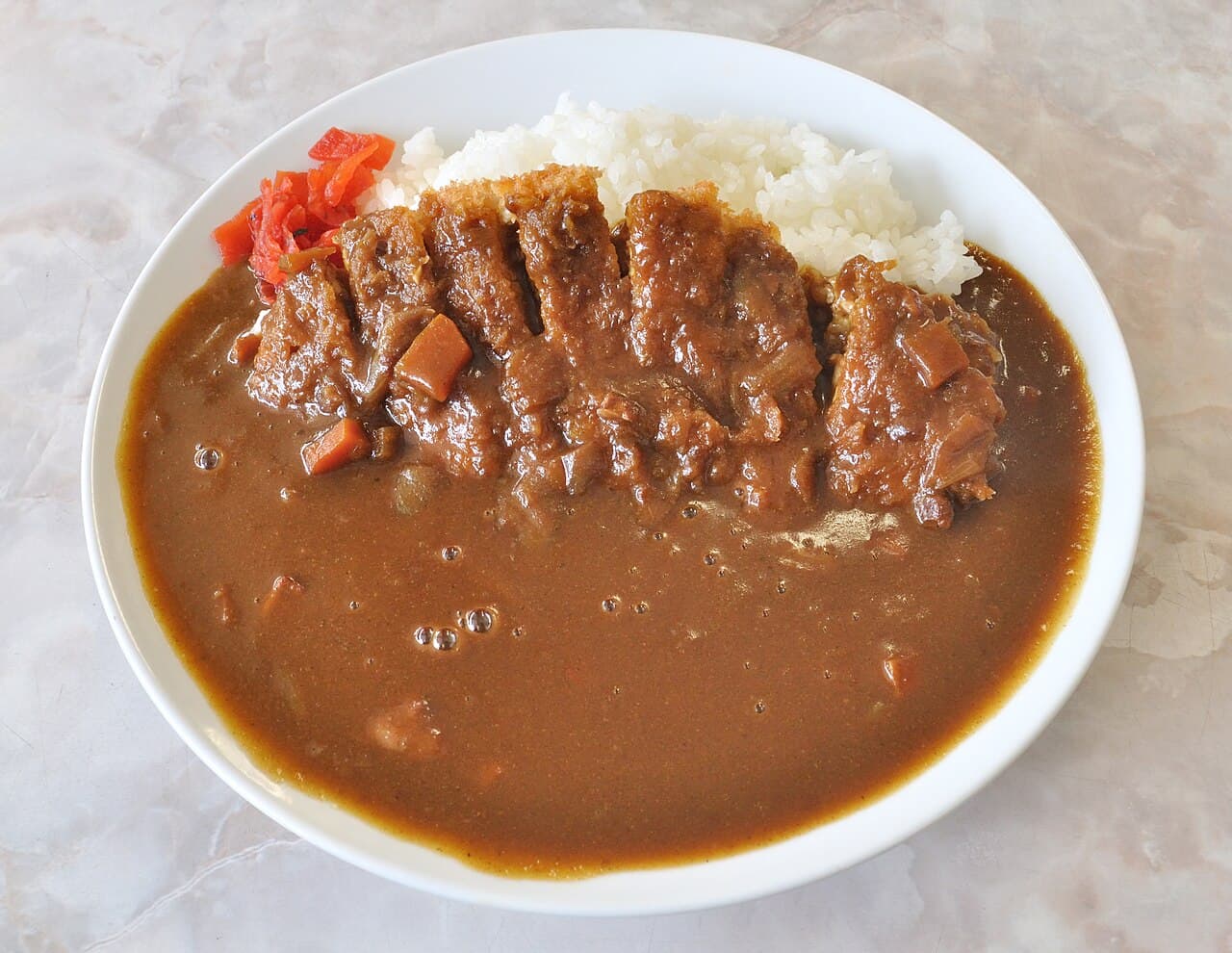
A two-minute stroll from Senso-ji, this all-halal kitchen ladles rich Japanese curry over crisp cutlets and even Kobe wagyu, so Muslim travellers never have to skip Japan's comfort dish.
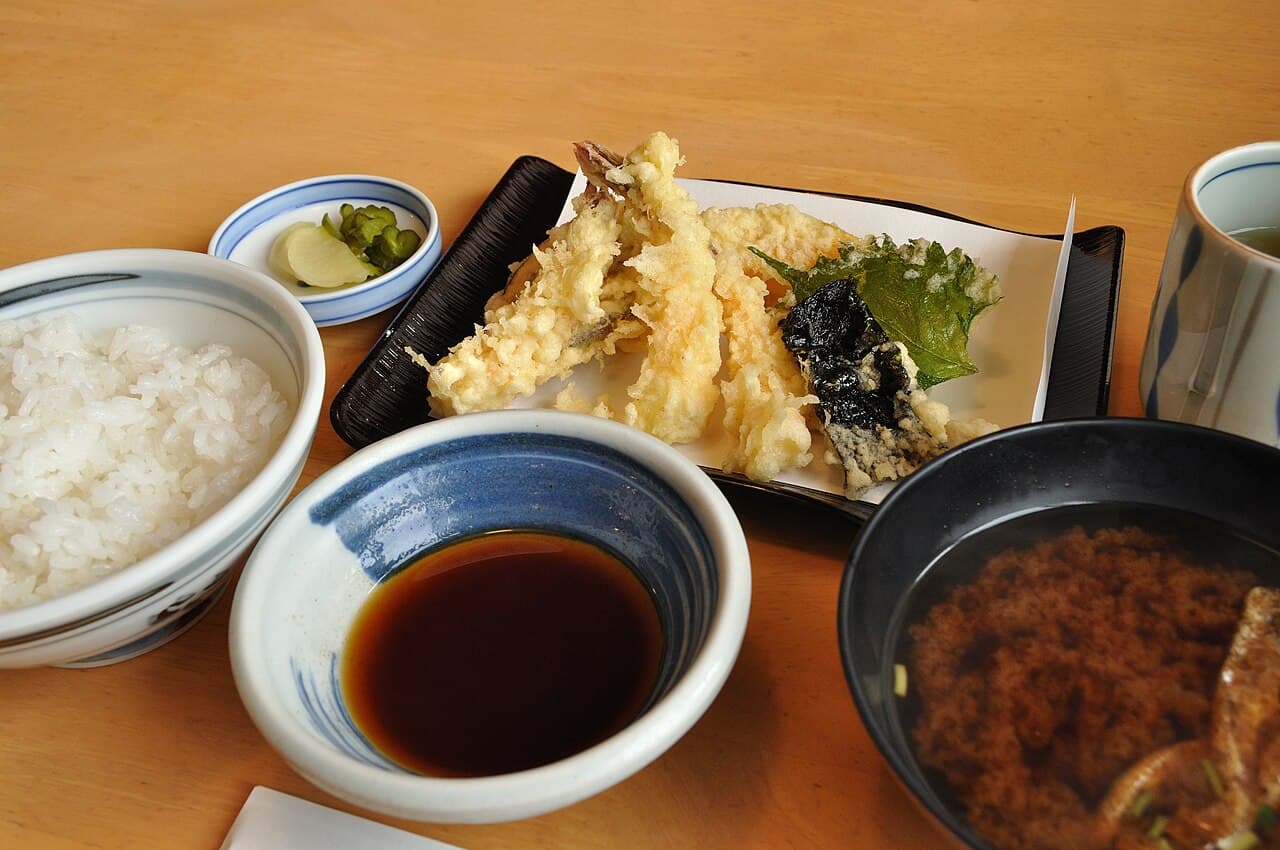
★ Wagyu sirloin and tiger prawn tempura in rice-flour batter
A ten-seat counter beneath a canopy of cherry blossoms where every course — even the wagyu and prawn tempura — is fried in rice flour: fully gluten-free and halal.