Editor's Choice
- Solo
- Casual
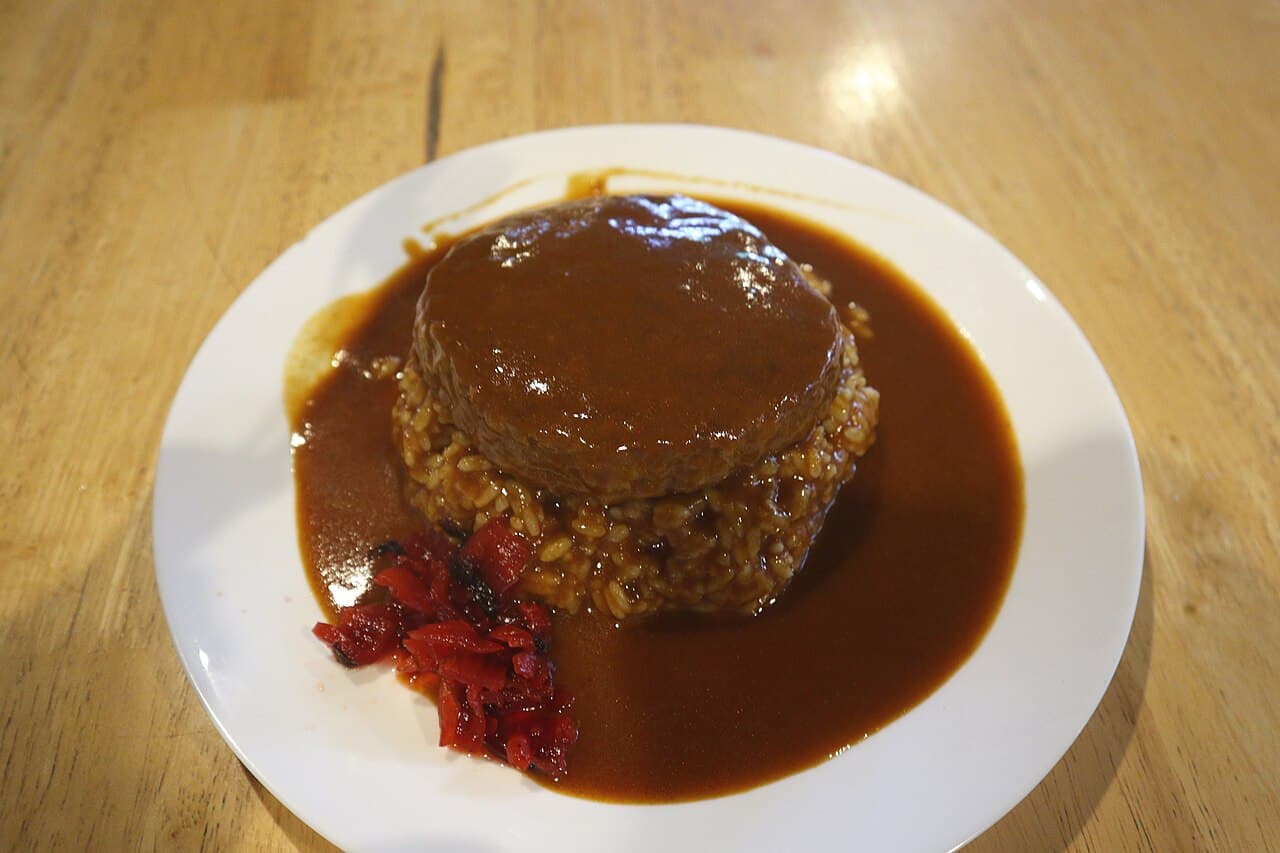
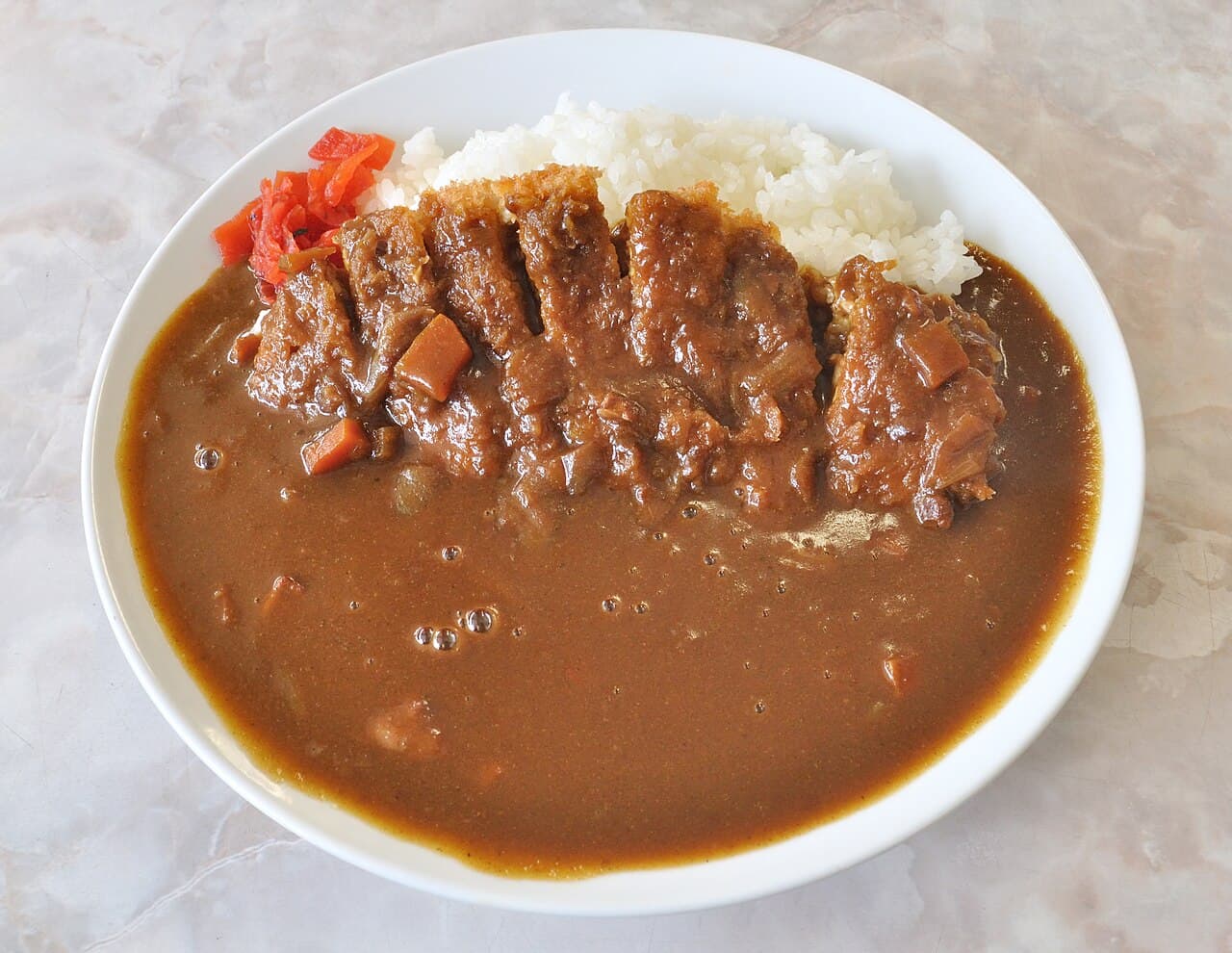
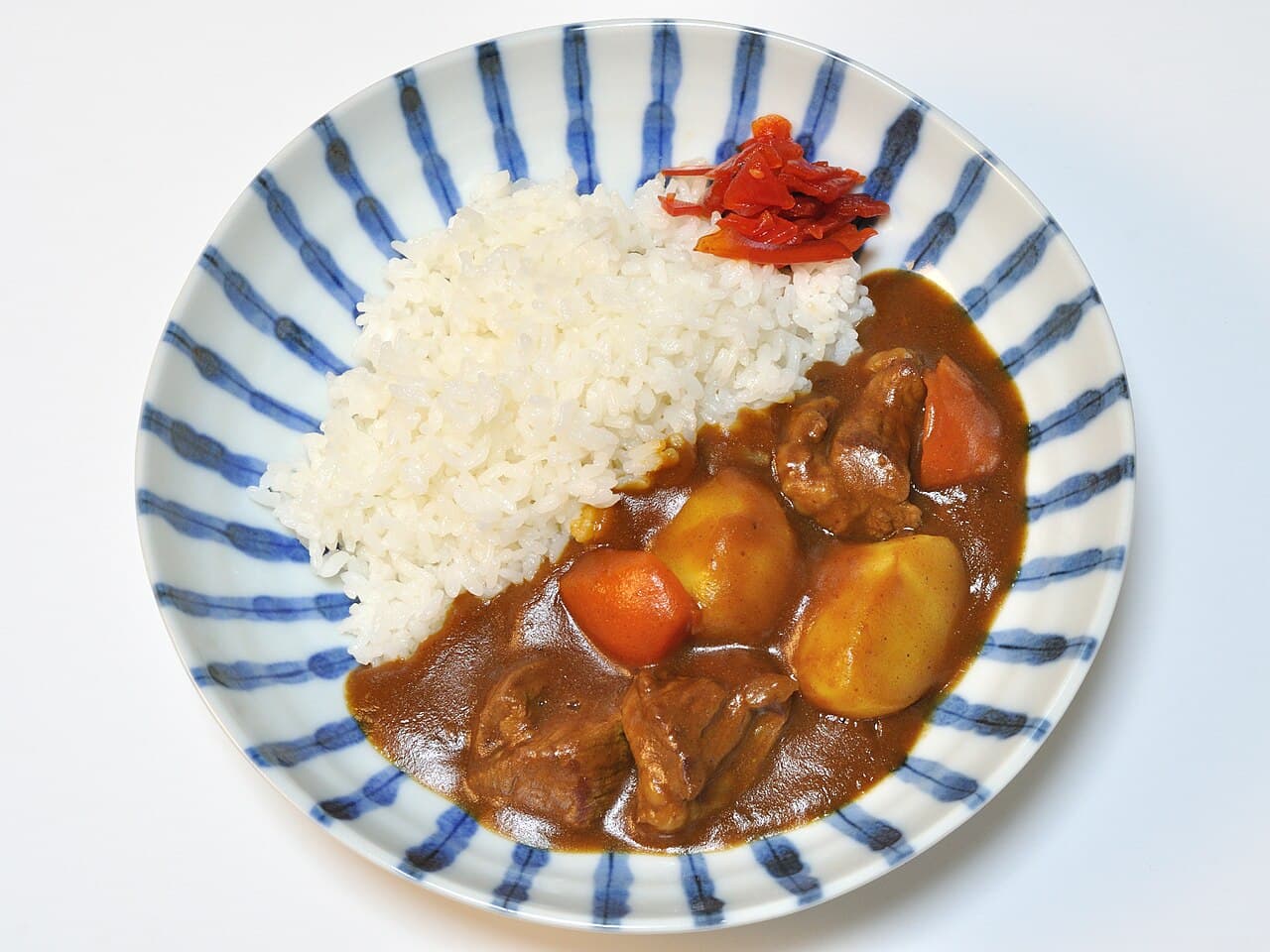
The original champion of the Kanda Curry Grand Prix; this book-town flagship serves a rich, fruit-rounded European-style curry that starts with a whole steaming potato.
Can I eat here?
We haven’t confirmed specific diets here yet — use the phrasebook to show staff what you can and can’t eat.
PhrasebookReserve & verify
Details
- Address
- 2F Kanda Kosho Center Bldg, 2-3 Kanda-Jimbocho, Chiyoda-ku, Tokyo
- Nearest station
- Jimbocho Stn
- Cuisine
- European-style Japanese curry
- Price
- ¥¥
- Signature
- Beef curry with a secret spice blend & a whole boiled potato
Bondy is a European-style curry restaurant (yofu kare) in Jimbocho, Tokyo's used-bookstore district in Chiyoda ward. Opened in 1973 by founder Koichi Murata, who studied art in France and brought back French brown-sauce technique to combine with Japanese curry tradition, Bondy is one of the shops credited with helping define the "European-style curry" style that later spread across Tokyo. The Bondy name won the inaugural Kanda Curry Grand Prix in 2011 — though the official contest record credits that win to the group's Kanda Ogawa-cho branch rather than this Jimbocho shop specifically — and the Jimbocho location, as the original 1973 restaurant, remains a fixture of the neighborhood's dense curry-shop cluster.
The restaurant sits on the second floor of the Kanda Kosho Center, a used-bookshop building, about a one-minute walk from Jimbocho Station (served by the Hanzomon, Toei Mita, and Toei Shinjuku lines). It's walk-in only — Bondy does not take reservations — and lunchtime queues down the stairwell are routine, so plan to arrive outside the noon peak or be ready to wait.
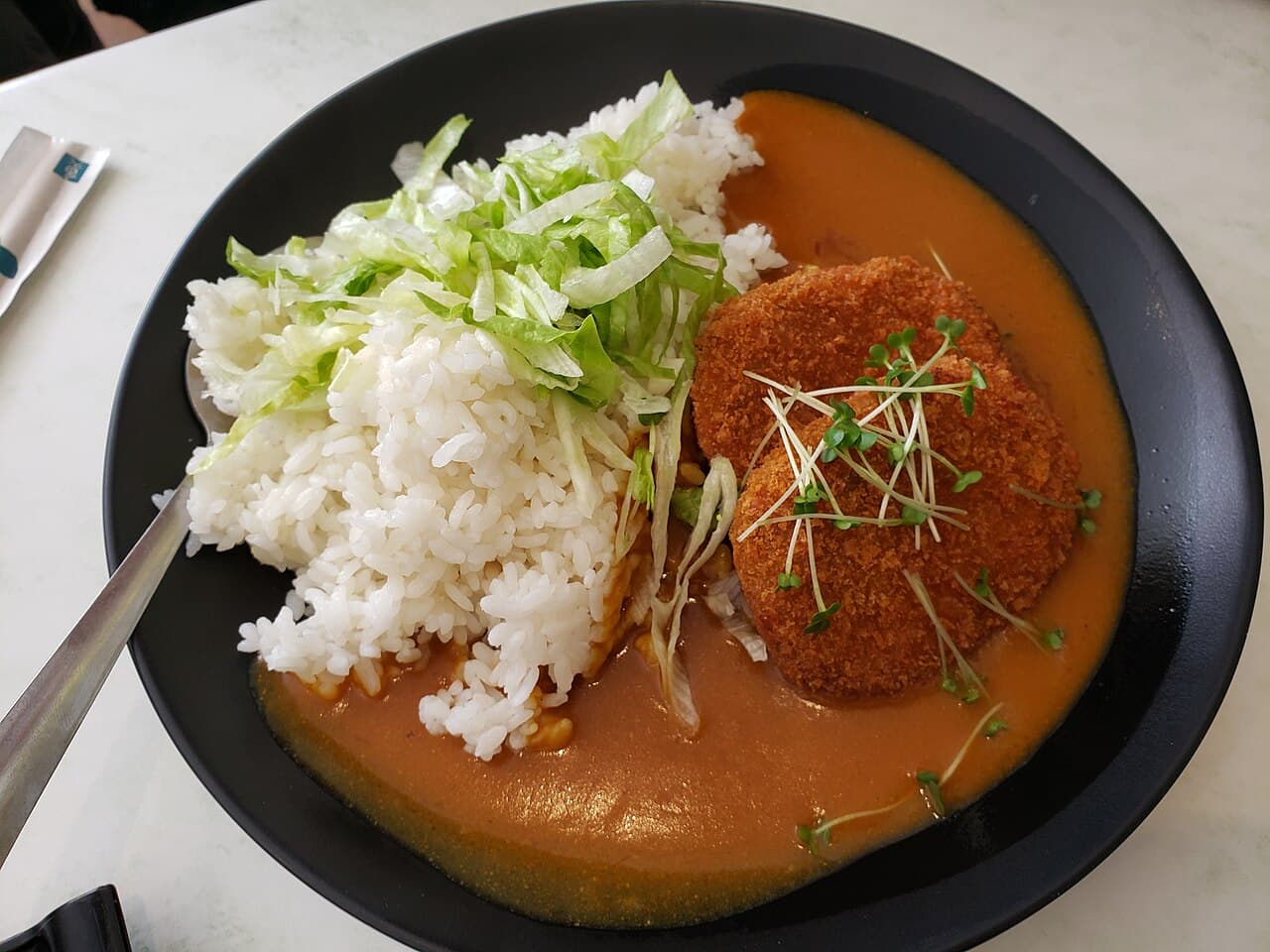
The menu runs to roughly a dozen curry varieties: beef, chicken, pork, shrimp, mushroom, cheese, and a vegetable curry among them. The beef curry (around ¥1,800) is the signature order; curries typically arrive with rice, a layer of melted cheese, kappazuke pickles, and umeboshi, plus a side of boiled potatoes. Tabelog lists the overall per-person budget at roughly ¥1,000–¥1,999.
On dietary restrictions: Bondy is not a certified vegan, vegetarian, or halal establishment, and no gluten-free option is advertised — the roux is flour-thickened, and the kitchen doesn't publish allergen or cross-contamination information. A vegetable curry appears on the menu, but whether its base stock is entirely meat-free isn't confirmed publicly, so vegetarian and vegan diners should ask staff directly before ordering. The menu is primarily in Japanese; no dedicated English menu is confirmed, though photo-based ordering and pointing generally work for non-Japanese speakers.
More on this dish: for the roux's Meiji-era British-navy origins, ordering customs (spice level, rice size) and other Tokyo curry houses, see our Japanese curry guide.
Last verified Jul 2026
Hours and details can change — please confirm before you visit.