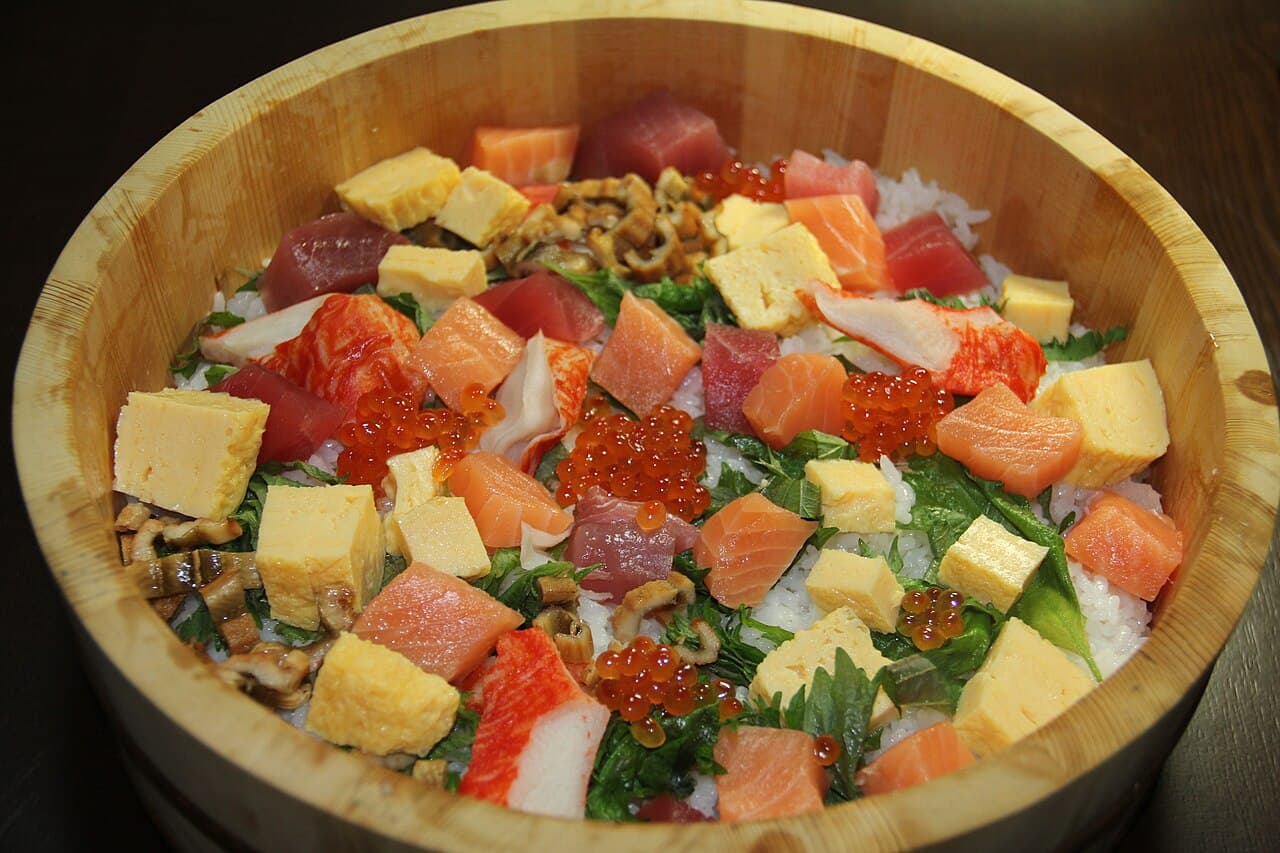
Nihonbashi Kaisendon Tsujihan (Honten) — The 'Zeitaku-don' bowl topped with tuna, uni and ikura, finished tableside as ochazuke with sea-bream dashi

Nihonbashi Kaisendon Tsujihan (Honten)

© Nihonbashi Kaisendon Tsujihan (Honten)

A famous counter-only seafood-bowl shop where every bowl is fish over rice with no meat, so it suits pescatarians well; expect a queue, and note the soy sauce and dashi are not gluten-free.

Can I eat here?

Diets our editors confirmed in person· English menu / support

Show this to staff

Pescatarian

肉と鶏肉は食べませんが、魚介は大丈夫です。

Niku to toriniku wa tabemasen ga, gyokai wa daijōbu desu.

I don't eat meat or poultry, but seafood is fine.

Reserve & verify
Details

Nearest station
Nihonbashi Stn
Cuisine
Seafood rice bowl (kaisendon)
Price
¥¥
English menu / support
Signature
The 'Zeitaku-don' bowl topped with tuna, uni and ikura, finished tableside as ochazuke with sea-bream dashi

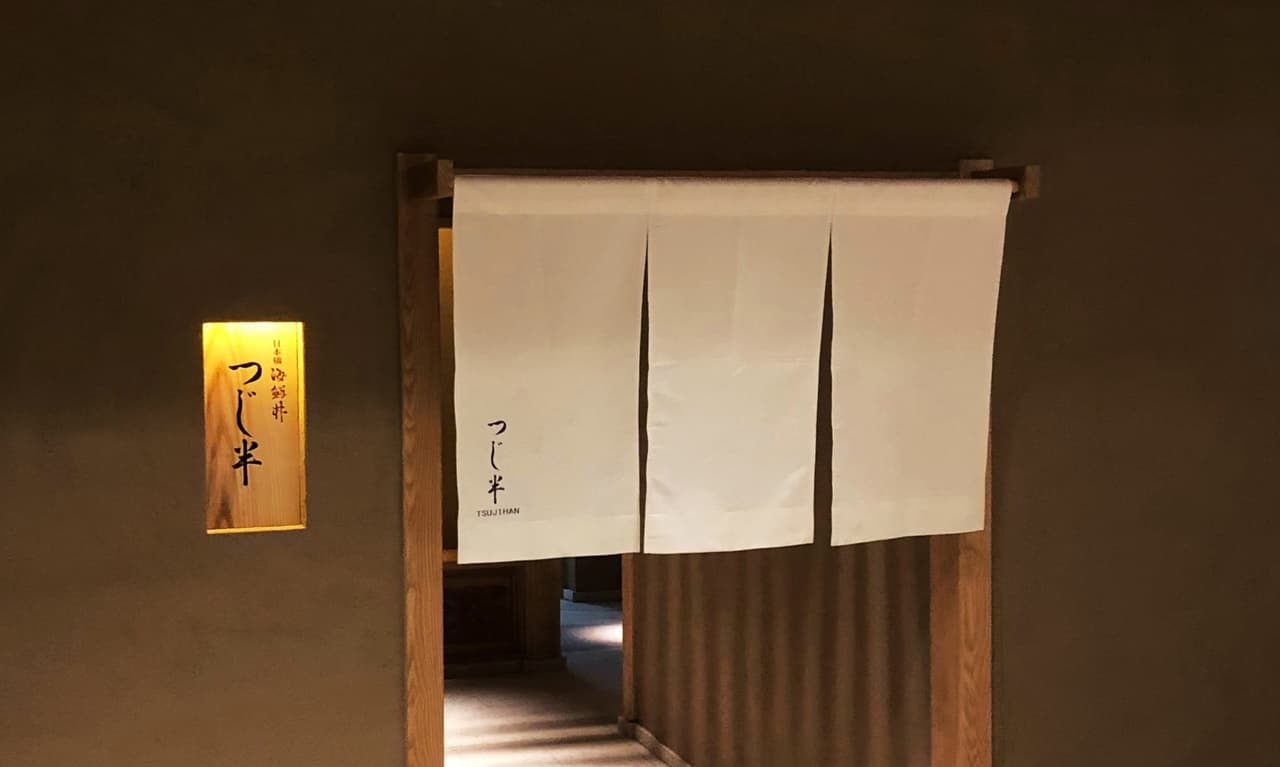
Tsujihan (つじ半), formally Nihonbashi Kaisendon Tsujihan, is a specialty kaisendon (seafood rice bowl) counter down a narrow lane about a two-minute walk from Nihombashi Station's Exit B3 (address: 3-1-15 Nihonbashi, Chuo-ku, Tokyo). It opened on September 13, 2012 as a side project from the teams behind Tsujita, a well-known tsukemen noodle shop, and Kaneko Hannosuke, a popular tempura restaurant — a pedigree that helped it build a following quickly. The Nihonbashi shop is the original location; the concept has since grown to around ten branches, including Akasaka, Roppongi, Kagurazaka, and Muromachi in Tokyo, plus outposts in Saitama and Gunma prefectures and overseas locations in Taipei and Hong Kong (a former Shin-Misato branch appears to have since closed).

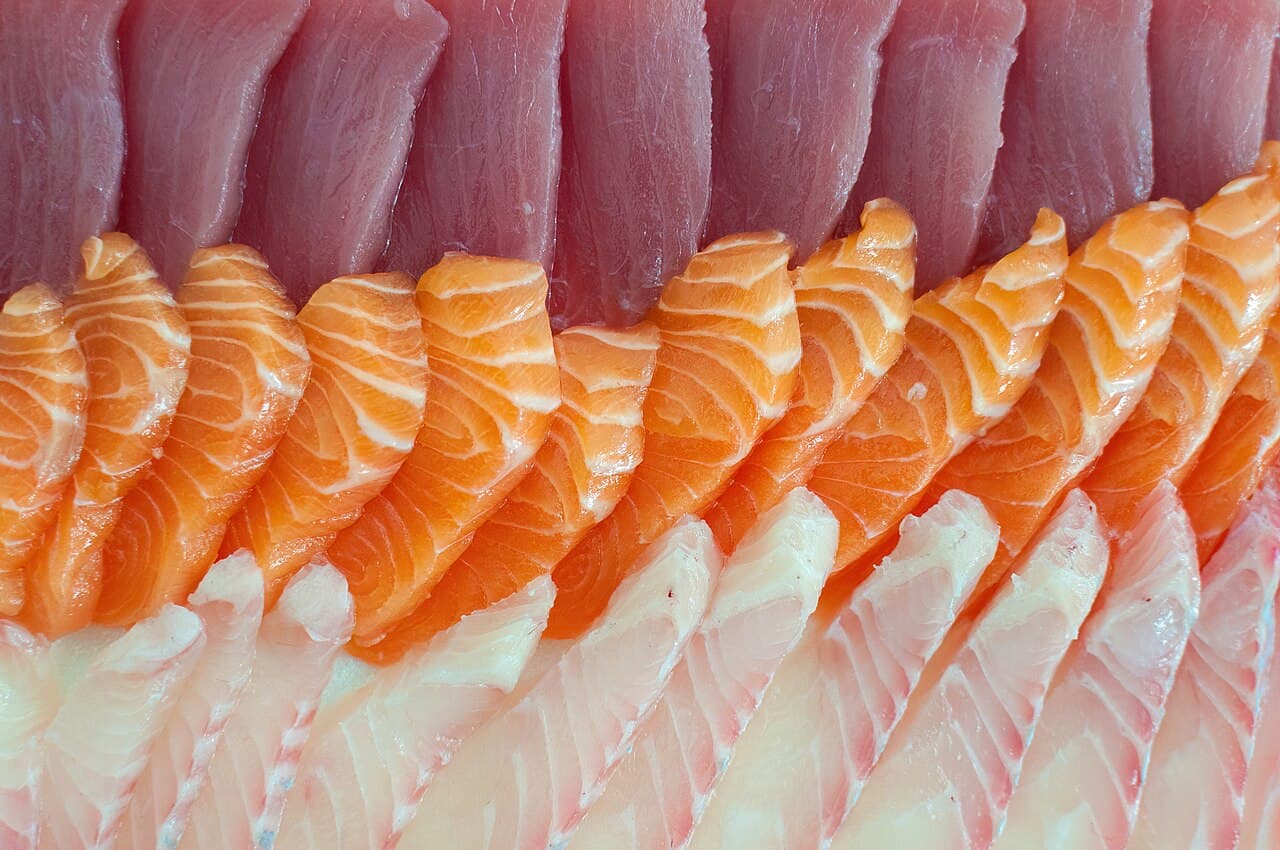
There's only one dish on the menu — a tiered donburi called the "zeitaku-don," piled with sashimi-grade tuna, salmon, uni, ikura, and other seasonal cuts — served at a compact 12-seat L-shaped counter. Per the restaurant's own pricing as of April 2025, it comes in four grades: "ume" (¥1,350), "take" (¥1,850), "matsu" (¥2,500), and the premium "tokujō" (¥3,900). Multiple visitor accounts suggest the entry-level "ume" — not a pricier grade — is actually the most commonly ordered option and the shop's own recommendation for first-timers. A signature touch: staff pour warm sea-bream dashi over the leftover rice and scraps near the end of the meal, turning the second half into an ochazuke.

There's no reservation system — it's walk-in only, and lines regularly run past an hour during lunch and dinner peaks, with waits of up to two hours reported at busy times; the restaurant stops seating once full, even before its posted close. Hours differ by day: Monday–Friday it's roughly 11am–9pm (last order 8:30pm), while Saturday–Sunday it opens earlier and closes a bit later, around 10am–9:30pm (last order 9pm) — treat these as approximate, since posted hours have shifted over time and the shop keeps irregular (not fixed-weekly) closed days, so calling ahead is worthwhile. Reports on English support are mixed: some visitors describe a workable English menu and staff able to help in English, while other accounts describe more limited spoken English from staff — expect at minimum to be able to order independently, with conversational support less certain.

On dietary restrictions: this is a raw-fish-and-rice menu with no vegan options built in, no confirmed halal certification, and no stated gluten-free labeling for the soy-based sauces used — travelers with strict dietary needs should contact the restaurant directly beforehand or plan on a different venue.

Last verified Jul 2026

Hours and details can change — please confirm before you visit.
UMAMI HUNT Editorial
  • Japan-based editorial team
  • Primary sources, cited
  • Variable facts dated

The UMAMI HUNT editorial desk. We work from primary sources and date every claim that can change.

More like this

Tsukiji · Kaisendon (seafood rice bowl) · ¥¥

Tsukiji Kanno

Assorted tuna seafood rice bowl

A no-frills counter in the Tsukiji Outer Market run by a fish wholesaler, piling market-fresh tuna and negitoro over rice from early morning.

  • Pescatarian
Last verified Jul 2026
  • Solo
  • Casual

Kichijoji · Yoshoku / omurice · ¥¥

Rasupuru

Rasupuru-style omurice

A 1972-founded Kichijoji yoshoku institution tucked in a station-side basement, beloved for its tender house-style omurice.

Last verified Jul 2026
  • Casual
  • Solo

Yurakucho · Seafood izakaya · ¥¥¥

Andy's Shin Hinomoto

Daily fresh sashimi platters from Toyosu Market

A legendary fish izakaya tucked beneath the Yurakucho railway arches since 1946, run by Brit-owner Andy who hand-picks the catch at Toyosu Market each dawn.

  • Pescatarian
Last verified Jul 2026
  • Business
  • Casual
  • Date

Shibuya · Gluten-free brown-rice bakery · ¥

GEN-TEN Gluten-free Bakery

Brown-rice (genmai) bread and gluten-free taiyaki

A dedicated gluten-free, rice-flour bakery counter in the basement of Shibuya Scramble Square, making breads, taiyaki and sweets with no wheat, additives or white sugar, and many items are vegan and dairy-free. It is a grab-and-go bakery rather than a sit-down meal, and as a dedicated GF facility cross-contamination risk is low though not certified celiac-safe.

  • Gluten-free
  • Vegan
  • Dairy-free
Last verified Jul 2026
  • Casual
  • Solo

Iidabashi · Seafood rice bowl (kaisendon) · ¥¥

Kaisendon Tonari, Iidabashi: 7-Seafood Rice Bowl

A seven-seafood bowl eaten three ways: hand-rolled in nori, as a rice bowl, then finished as ochazuke with a long-simmered fish-bone dashi

Kaisendon Tonari in Iidabashi serves a seven-seafood bowl eaten three ways.

  • Pescatarian
Last verified Jul 2026
  • Solo
  • Casual
  • Business

Akasaka · Kaiseki & teppanyaki (wagyu, seafood) · ¥¥¥¥

SHARI Akasaka (Teppanyaki Mitaki)

Black wagyu and abalone cooked on the teppan, plus kaiseki courses

An upscale basement kaiseki-and-teppanyaki restaurant in Akasaka with private rooms, focused on black wagyu and seafood. It publishes a low-allergen menu excluding milk and tree nuts, but the kitchen is shared and trace cross-contamination is possible, so it is allergen-aware rather than allergen-free.

  • Dairy-free
  • Nut-free
Last verified Jul 2026
  • Business
  • Anniversary
  • Date
  • Private room

More in Nihonbashi

Nihonbashi · Fruit parlour (parfaits & fruit desserts) · ¥¥¥

Sembikiya Fruit Parlour

Sembikiya special fruit parfait

The dine-in fruit parlour of Japan's oldest luxury fruit purveyor, founded in Nihonbashi in 1834, serving lavish parfaits of world-class fruit in a bright, elegant salon.

  • Vegetarian
Last verified Jul 2026
  • Date
  • Anniversary

Nihonbashi · Oden (Kanto-style) · ¥¥¥

Nihonbashi Otako

Tomeshi — soy-cooked rice crowned with broth-soaked tofu

Founded in 1923, this Kanto-style oden institution simmers a decades-old dark dashi and is famous for tomeshi — broth-soaked tofu over soy-stained rice.

Last verified Jul 2026
  • Solo
  • Casual

Nihonbashi · Tendon (tempura rice bowl) · ¥

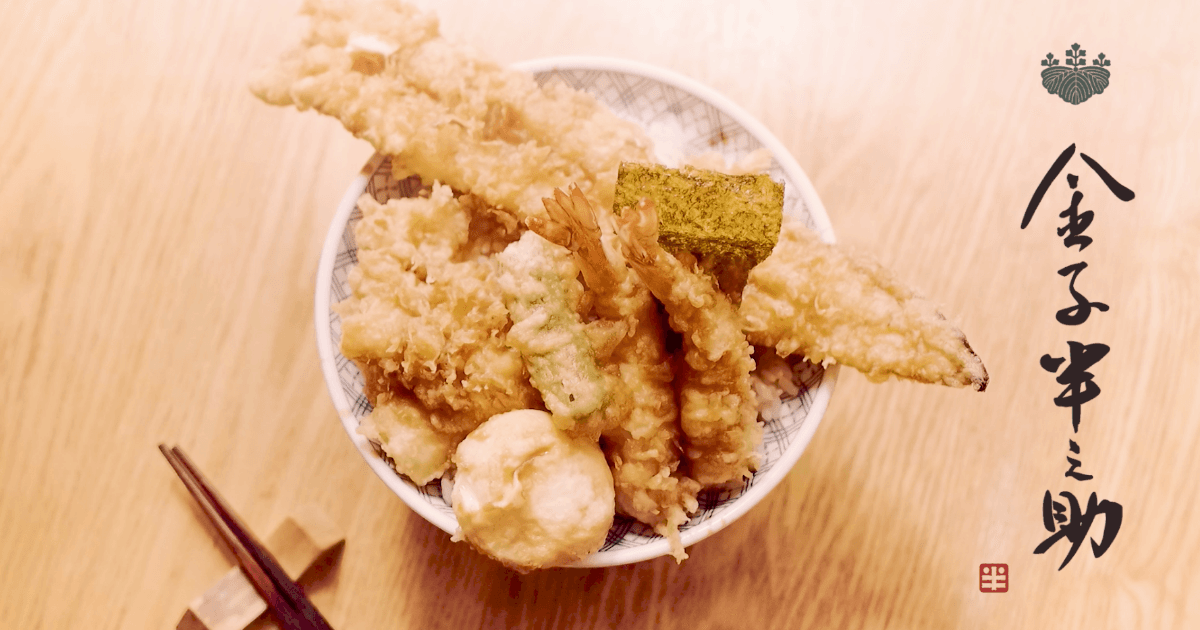
Kaneko Hannosuke

Edomae tendon of conger eel, shrimp, squid & soft-fried egg in a secret sauce

The perpetually-queued Nihonbashi flagship whose overflowing Edomae tendon comes glossed in a closely-guarded family sauce for around ¥1,000.

Last verified Jul 2026
  • Solo
  • Casual

Nihonbashi · 100% buckwheat (juwari) soba · ¥

Juwari Soba Tokyo Basso

Three styles of juwari soba (inaka, sarashina, dattan)

A specialist serving juwari (100% buckwheat) soba with no wheat flour, so the noodles themselves are naturally gluten-free. Note the standard dipping sauce/soba-yu and a shared kitchen mean it is not certified celiac-safe; confirm the tsuyu if you are highly sensitive.

  • Gluten-free
Last verified Jul 2026
  • Casual
  • Solo