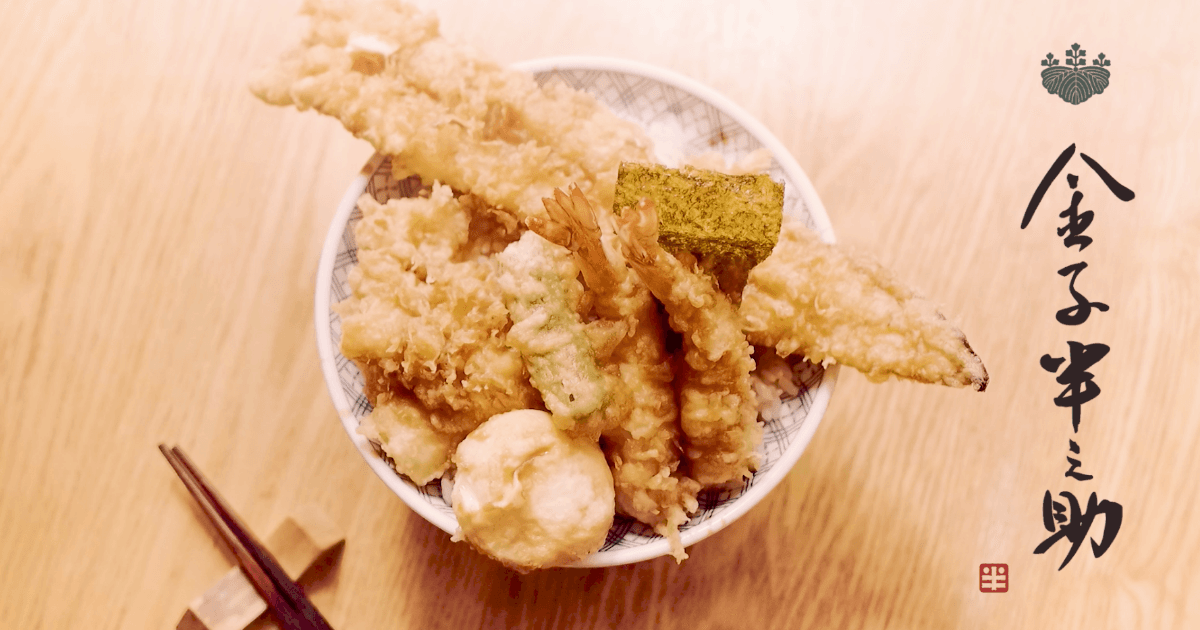
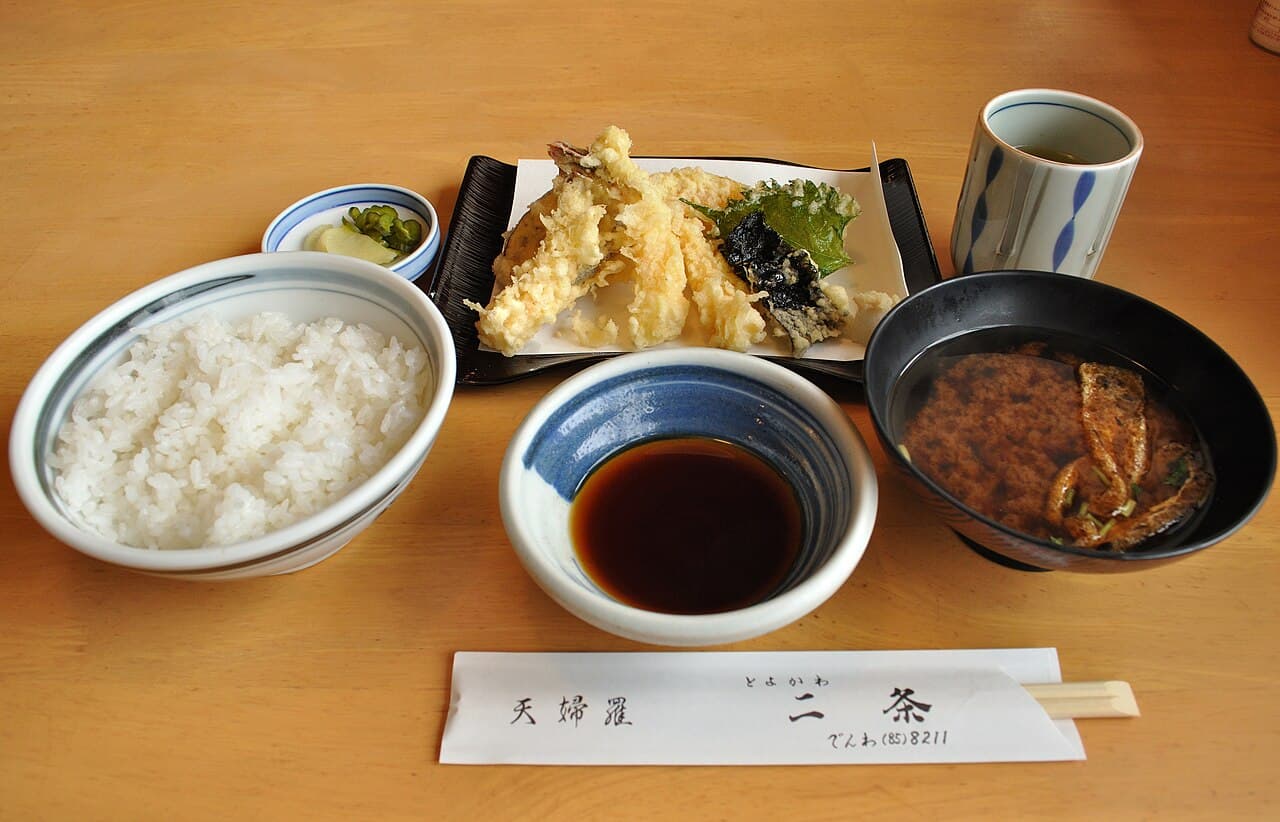
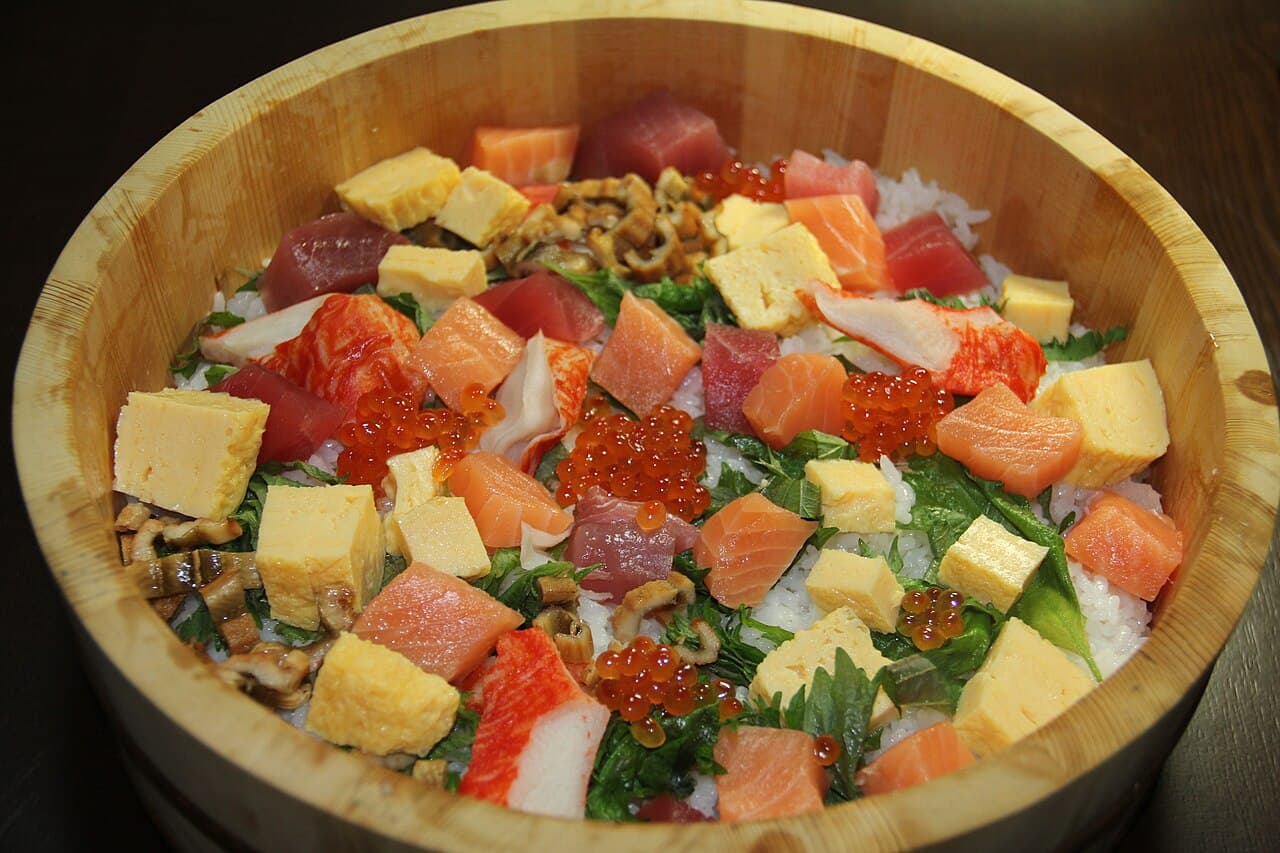
Edomae tendon of conger eel, shrimp, squid & soft-fried egg in a secret sauce
Kaneko Hannosuke's Nihonbashi honten is the original branch behind the ¥980 tendon that regularly pulls a line out the door — a six-seat ground-floor counter facing the fryers, plus fourteen more seats upstairs, for a total of twenty places at any given moment.
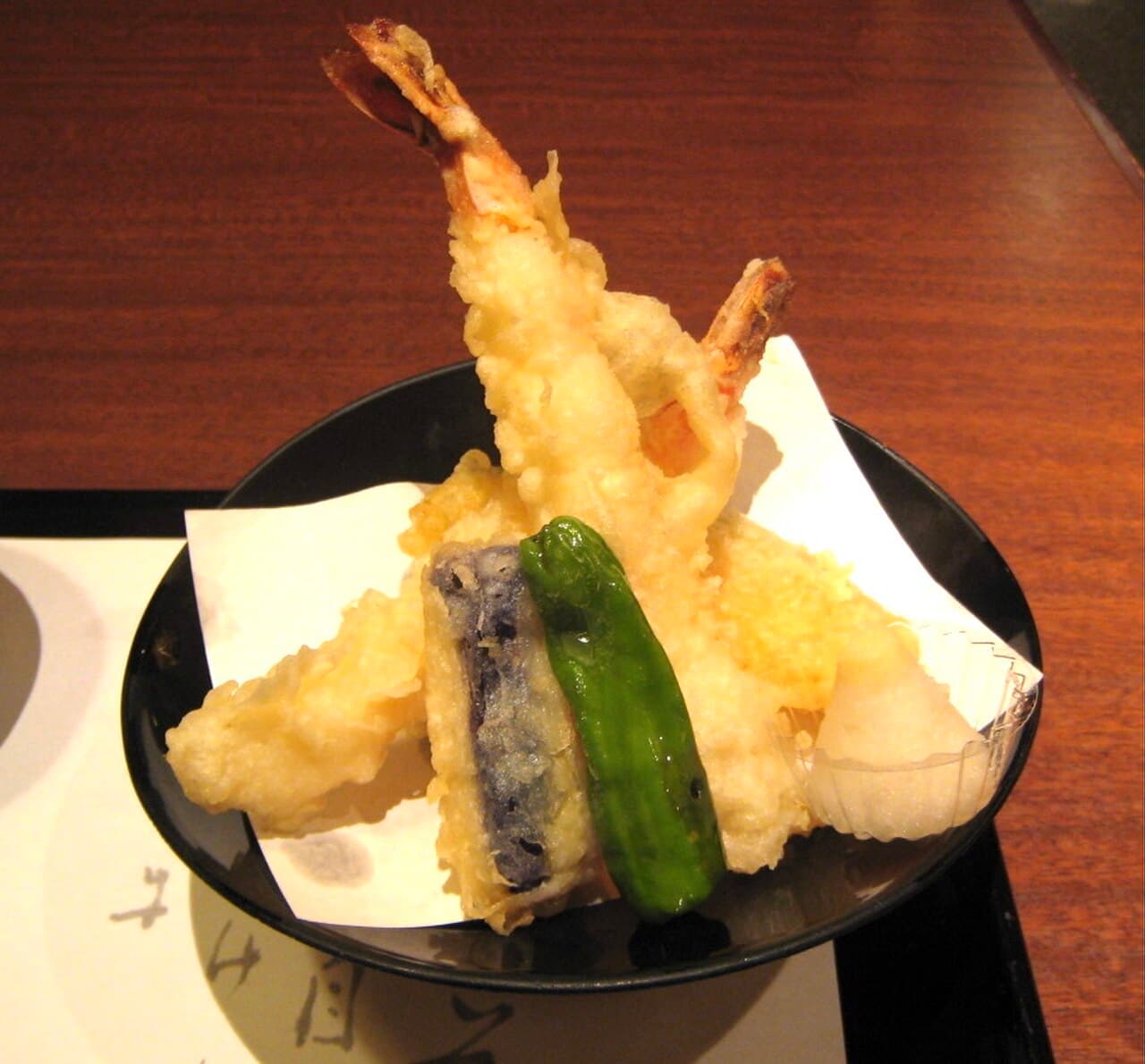
The bowl itself is famously unfussy: a mound of rice under conger eel, shrimp, chopped squid, and a soft-cooked egg tempura, finished with a few drops of a nitsume-style sauce the family has kept close for decades. Ask for kisu (whiting) instead of the saltwater conger eel if you'd rather skip the stronger, oilier fish — it's the only substitution on offer, since this is a one-dish menu built around add-ons like extra rice or miso soup rather than a bowl you can customize around allergies or dietary restrictions. Staff work the line itself, taking orders from customers still queuing outside so the kitchen can start frying the moment a seat opens — part of why a shop this small manages to turn tables quickly despite the crowd.
A few practical things worth knowing before you go: the Nihonbashi flagship does not take reservations (that's a Tsukiji-branch-only option), so arriving early — ideally right at opening, 11am on weekdays or 10am on weekends and holidays — is the only real way to shorten a wait that regularly runs from thirty minutes to well over an hour. Menu items are translated into English, though staff speak little of it themselves, so pointing at the board works fine. Credit cards, IC cards like Suica, and PayPay are all accepted, so there's no need to carry exact cash. The meal itself takes five minutes; the queue in front of it is the real commitment, and Tokyo diners keep showing up for it anyway.
✓ Last verified Jul 2026
Hours and details can change — please confirm before you visit.
The towering wooden-beamed izakaya that inspired Kill Bill's House of Blue Leaves, where lantern light conjures an Edo-era warehouse over plates of fresh soba and charcoal skewers.
Founded in 1924, this beloved tempura institution fries seasonal seafood and vegetables in pure sesame oil piece by piece — the accessible Ginza branch sits atop Matsuya department store.
★ Wagyu sirloin and tiger prawn tempura in rice-flour batter
A ten-seat counter beneath a canopy of cherry blossoms where every course — even the wagyu and prawn tempura — is fried in rice flour: fully gluten-free and halal.
★ Brown-rice (genmai) bread and gluten-free taiyaki
A dedicated gluten-free, rice-flour bakery counter in the basement of Shibuya Scramble Square, making breads, taiyaki and sweets with no wheat, additives or white sugar, and many items are vegan and dairy-free. It is a grab-and-go bakery rather than a sit-down meal, and as a dedicated GF facility cross-contamination risk is low though not certified celiac-safe.
The dine-in fruit parlour of Japan's oldest luxury fruit purveyor, founded in Nihonbashi in 1834, serving lavish parfaits of world-class fruit in a bright, elegant salon.
★ Tomeshi — soy-cooked rice crowned with broth-soaked tofu
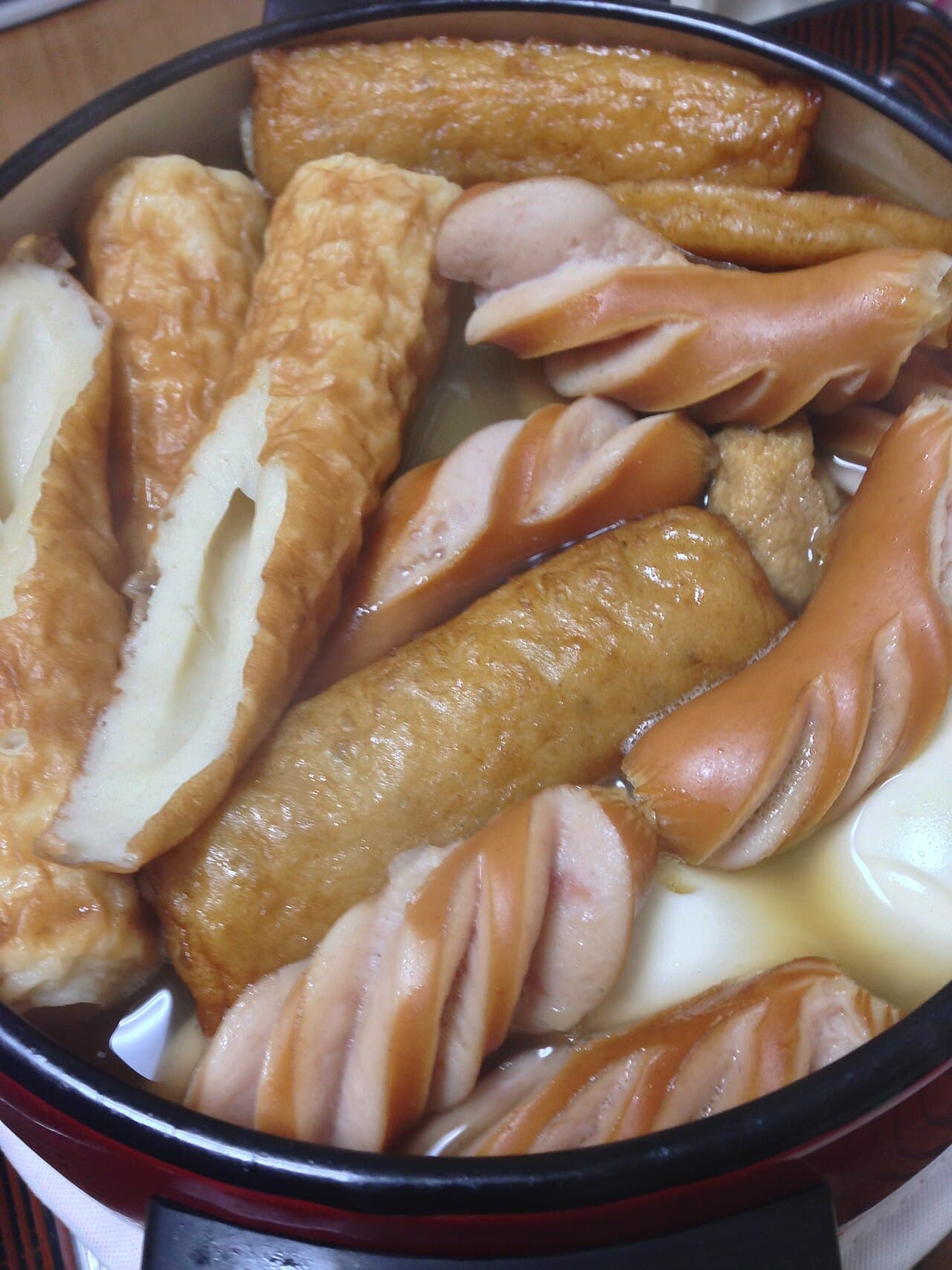
Founded in 1923, this Kanto-style oden institution simmers a decades-old dark dashi and is famous for tomeshi — broth-soaked tofu over soy-stained rice.
★ The 'Zeitaku-don' bowl topped with tuna, uni and ikura, finished tableside as ochazuke with sea-bream dashi
A famous counter-only seafood-bowl shop where every bowl is fish over rice with no meat, so it suits pescatarians well; expect a queue, and note the soy sauce and dashi are not gluten-free.
★ Three styles of juwari soba (inaka, sarashina, dattan)
A specialist serving juwari (100% buckwheat) soba with no wheat flour, so the noodles themselves are naturally gluten-free. Note the standard dipping sauce/soba-yu and a shared kitchen mean it is not certified celiac-safe; confirm the tsuyu if you are highly sensitive.