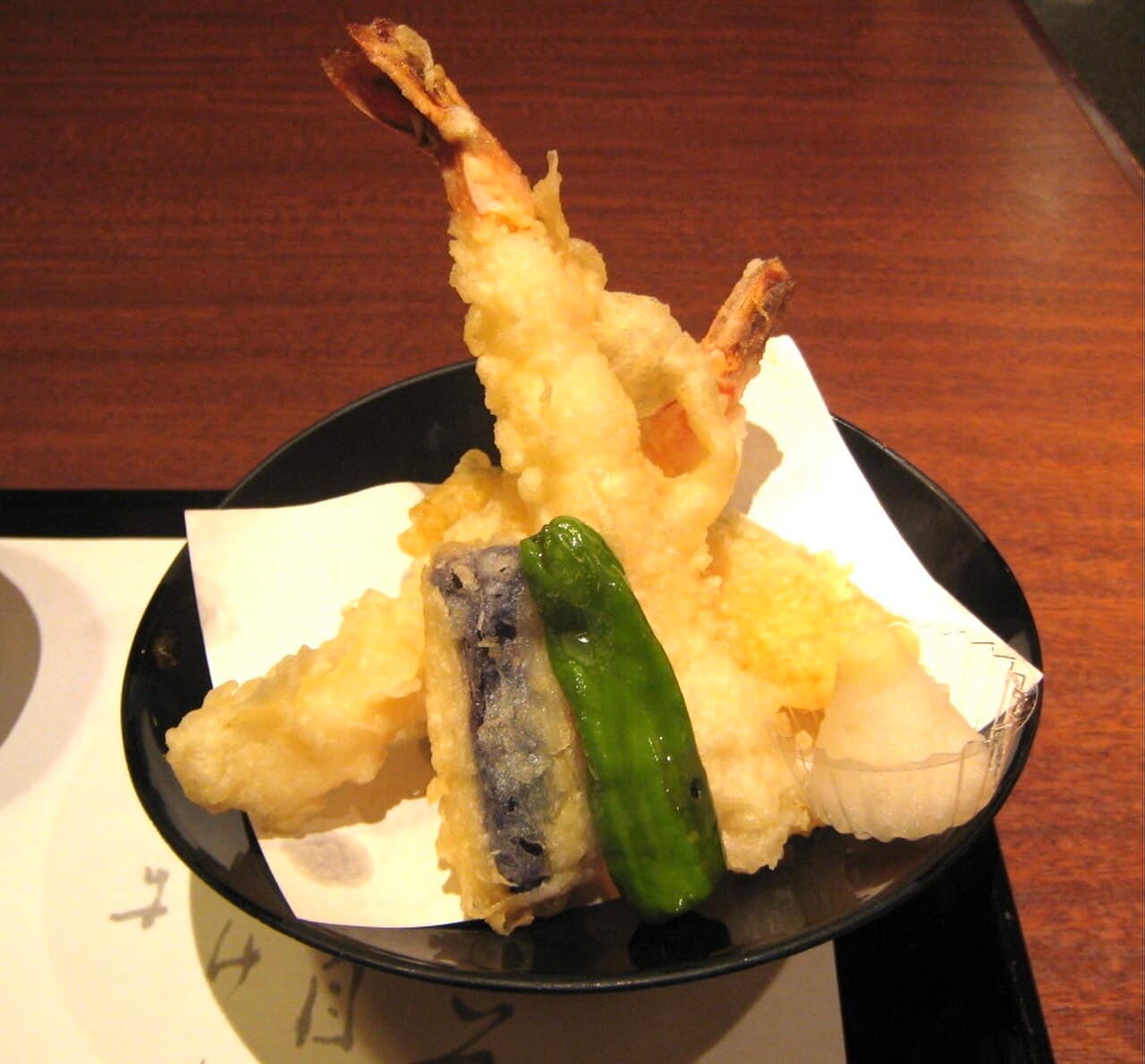
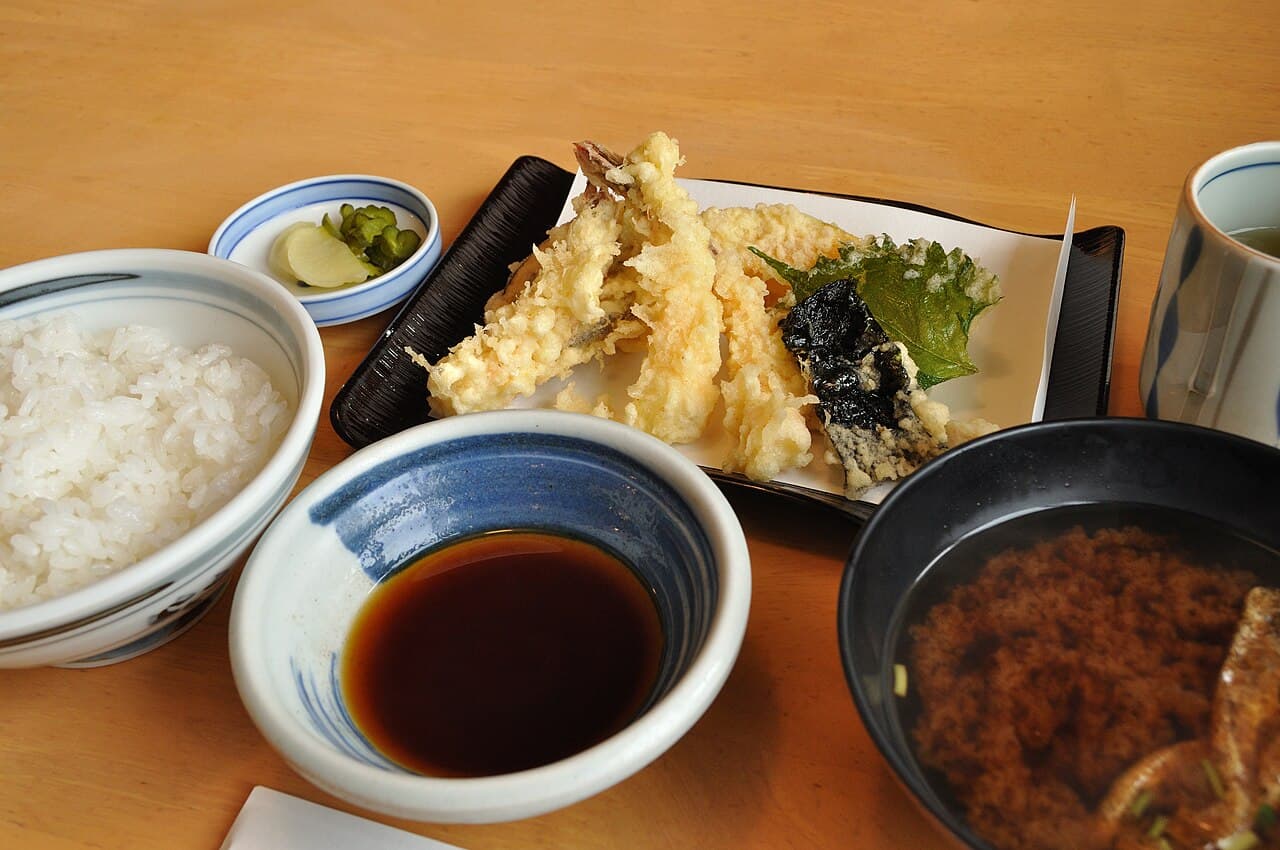
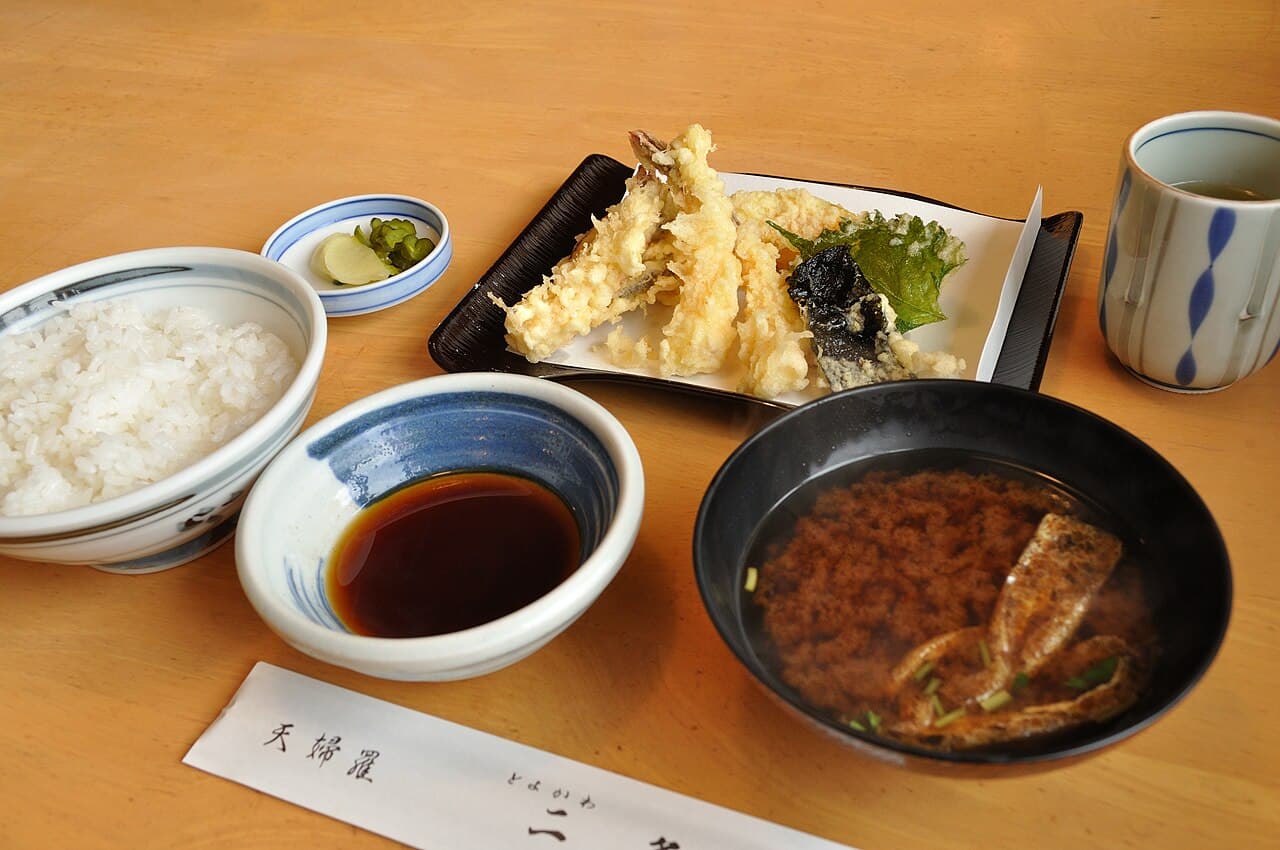
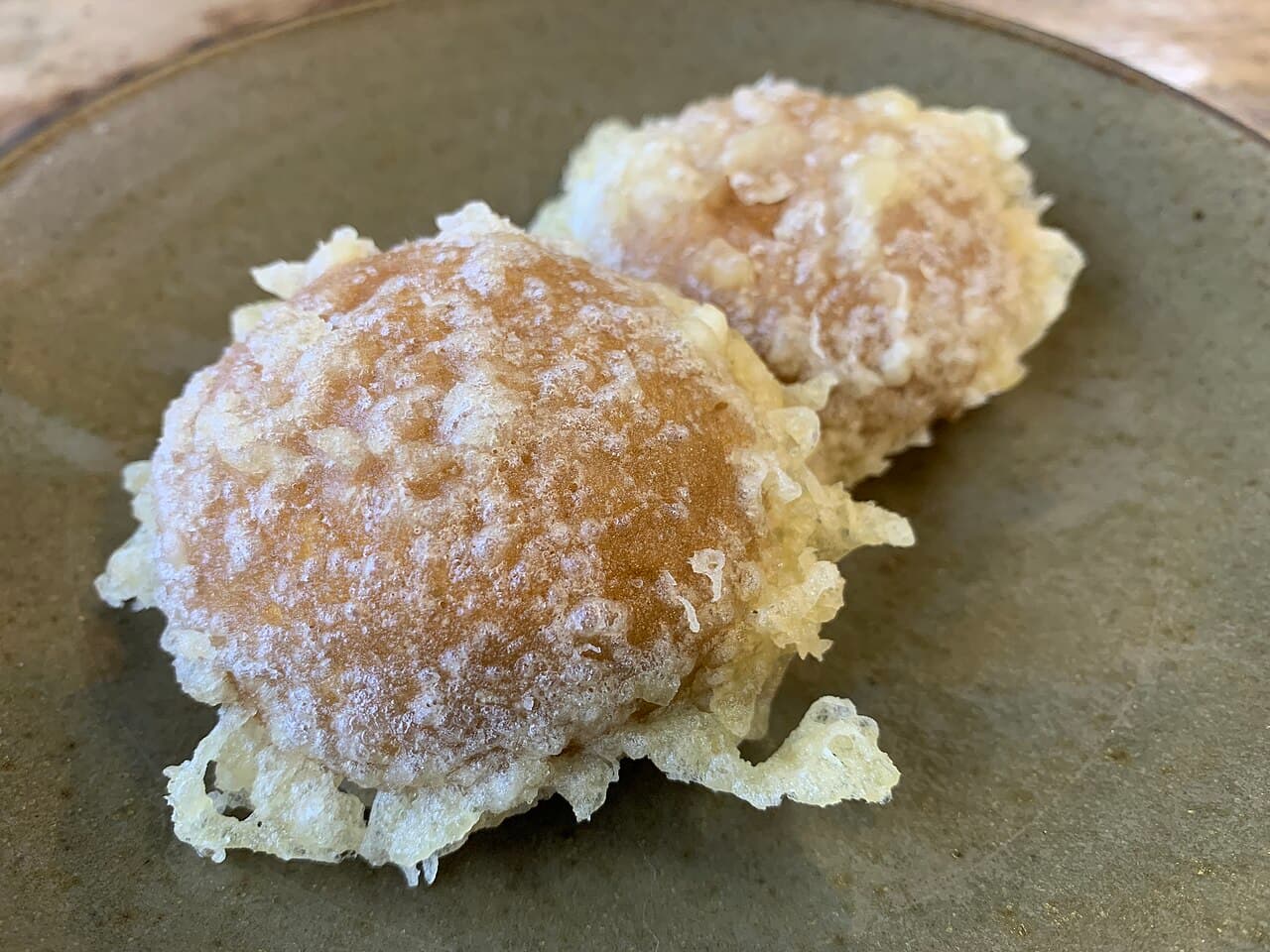
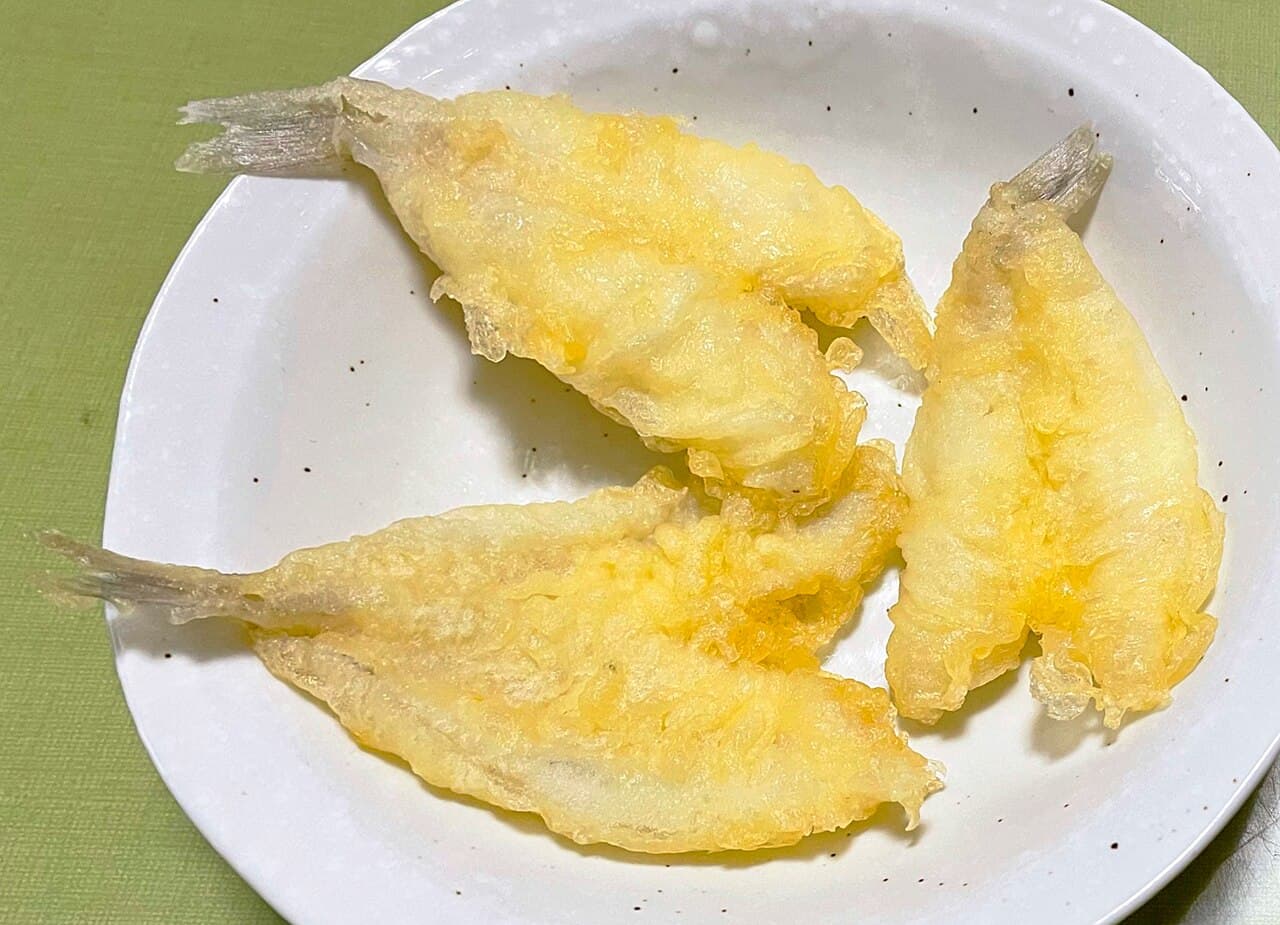
Founded in 1924, this beloved tempura institution fries seasonal seafood and vegetables in pure sesame oil piece by piece — the accessible Ginza branch sits atop Matsuya department store.
Can I eat here?
We haven’t confirmed specific diets here yet — use the phrasebook to show staff what you can and can’t eat.
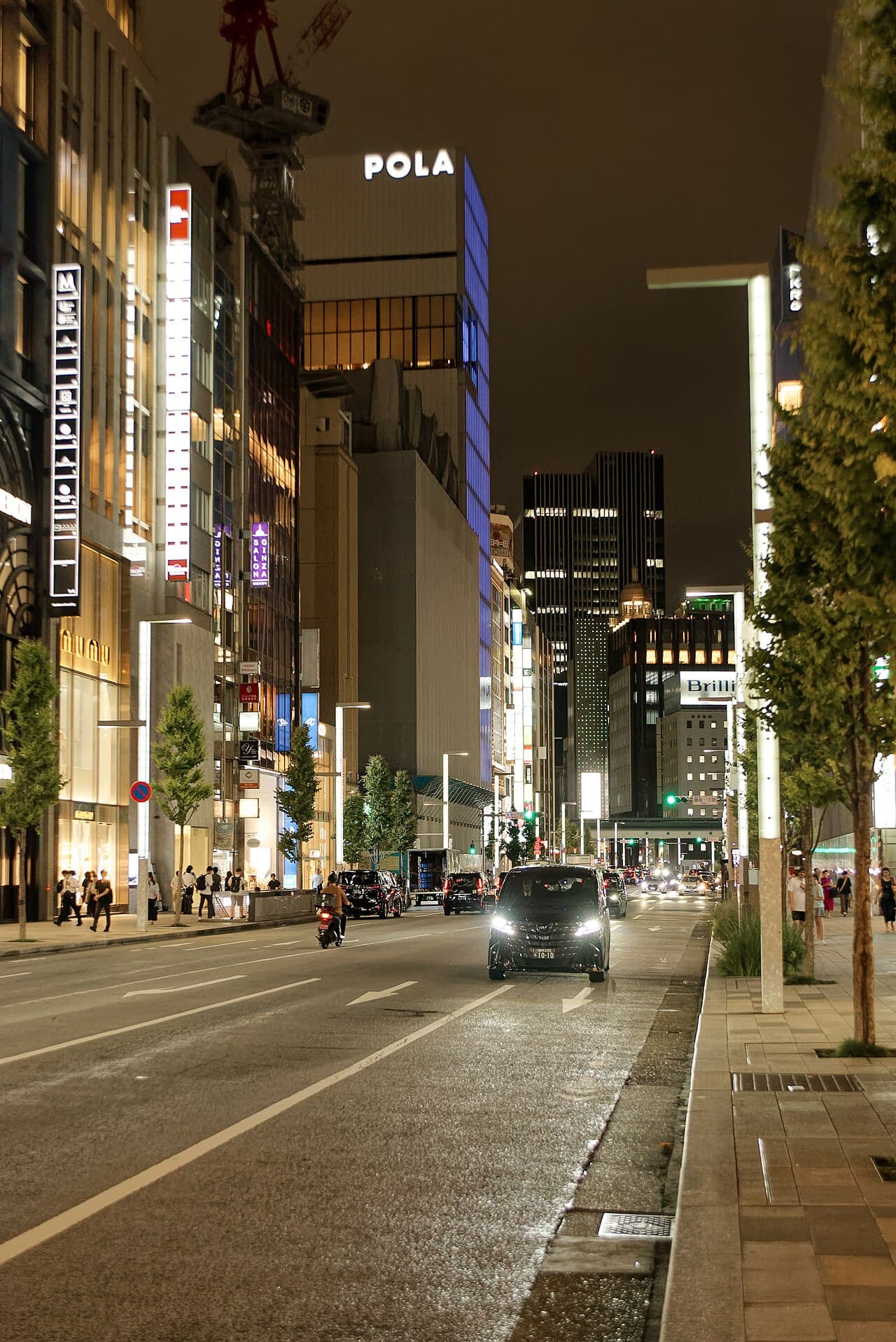
Tempura Tsunahachi is a hundred-year-old Edomae tempura house, and its Ginza branch carries that lineage to the eighth floor of Matsuya department store, one minute's walk from Ginza Station -- an easy detour for anyone already shopping the store's floors below.
The original shop opened in Shinjuku in 1924 under founder Kyuzo Shimura, and the Ginza kitchen still follows his defining rule: every piece is fried to order in front of the guest, in a specially blended 100% sesame oil that gives the batter its dry, audible crackle rather than the heavier crunch you get from vegetable-oil tempura. Shrimp and seasonal fish come in from the Toyosu market, and the kitchen works through the day's vegetables piece by piece rather than staging a tray in advance -- worth requesting one of the eight counter seats if that's the draw, since watching the cook work the oil is half the point. The room also holds 32 table seats and a private room, which is why it turns up as often for client lunches as for dates; the mix of scenes it can host is part of what keeps it in steady rotation.
Lunch is the value move, with set courses starting under 3,000 yen that climb toward 6,000-yen-plus tasting menus by evening (prices shift slightly by branch, so treat these as a guide rather than a quote). An English menu and English-capable staff make it an easy stop for visitors, credit cards are accepted, and phone reservations (03-3567-1374) are worth making for dinner -- the counter tends to have more give at lunch. Hours run 11:00-22:00 (last order 21:00) Monday through Saturday, trimmed to 21:30 (last order 20:30) on Sundays and holidays.
✓ Last verified Jul 2026
Hours and details can change — please confirm before you visit.
The towering wooden-beamed izakaya that inspired Kill Bill's House of Blue Leaves, where lantern light conjures an Edo-era warehouse over plates of fresh soba and charcoal skewers.
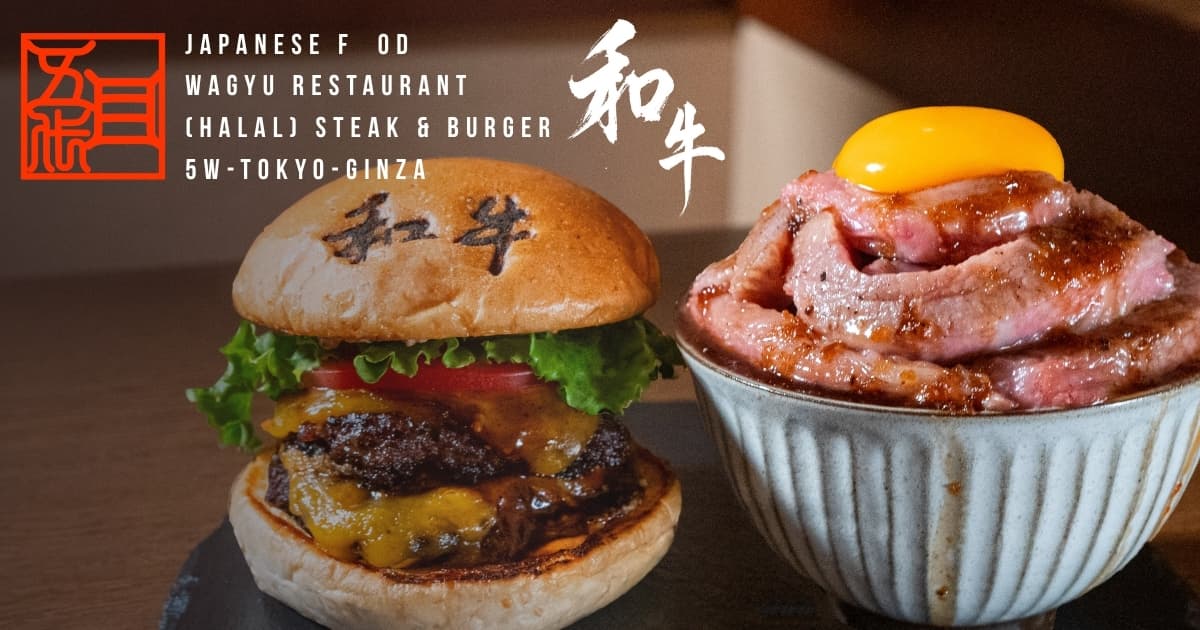
★ Wagyu sirloin and tiger prawn tempura in rice-flour batter
A ten-seat counter beneath a canopy of cherry blossoms where every course — even the wagyu and prawn tempura — is fried in rice flour: fully gluten-free and halal.
★ Tempura fried in 100% gluten-free rice-flour batter with house-made gluten-free soy sauce and broth; wagyu and seafood tempura bowls are highlights
A counter tempura restaurant whose entire menu is gluten-free (rice-flour batter plus house-made GF soy sauce and broth) and which is halal certified. It is not a separate dedicated GF facility, so highly sensitive celiacs should confirm cross-contact directly; vegetarian tempura courses are also offered.
★ Julienned carrot kakiage and prawn / anago tempura
A two-Michelin-star Ginza tempura counter celebrated for exceptionally light frying and its signature julienned-carrot kakiage. Courses are built only on seafood and vegetables (no meat), making it naturally pescatarian; the wheat-flour batter means it is not gluten-free.
★ Old-school Edomae tendon, sesame-oil-fried tempura in dark sweet sauce
An 1887-founded Asakusa institution near Senso-ji serving old-school Edomae tendon, its tempura fried in sesame oil and lacquered in a dark sweet sauce.
A reservation-only Ginza counter where an entirely gluten-free kushiage omakase is fried in rice oil with rice-flour breadcrumbs — a rare safe haven for coeliacs.
A fifth-generation wagyu family's alcohol-free basement grill in Ginza serving 100% halal-certified Japanese wagyu steaks and burgers, so every traveller can taste real wagyu. (The halal kitchen is the basement venue.)
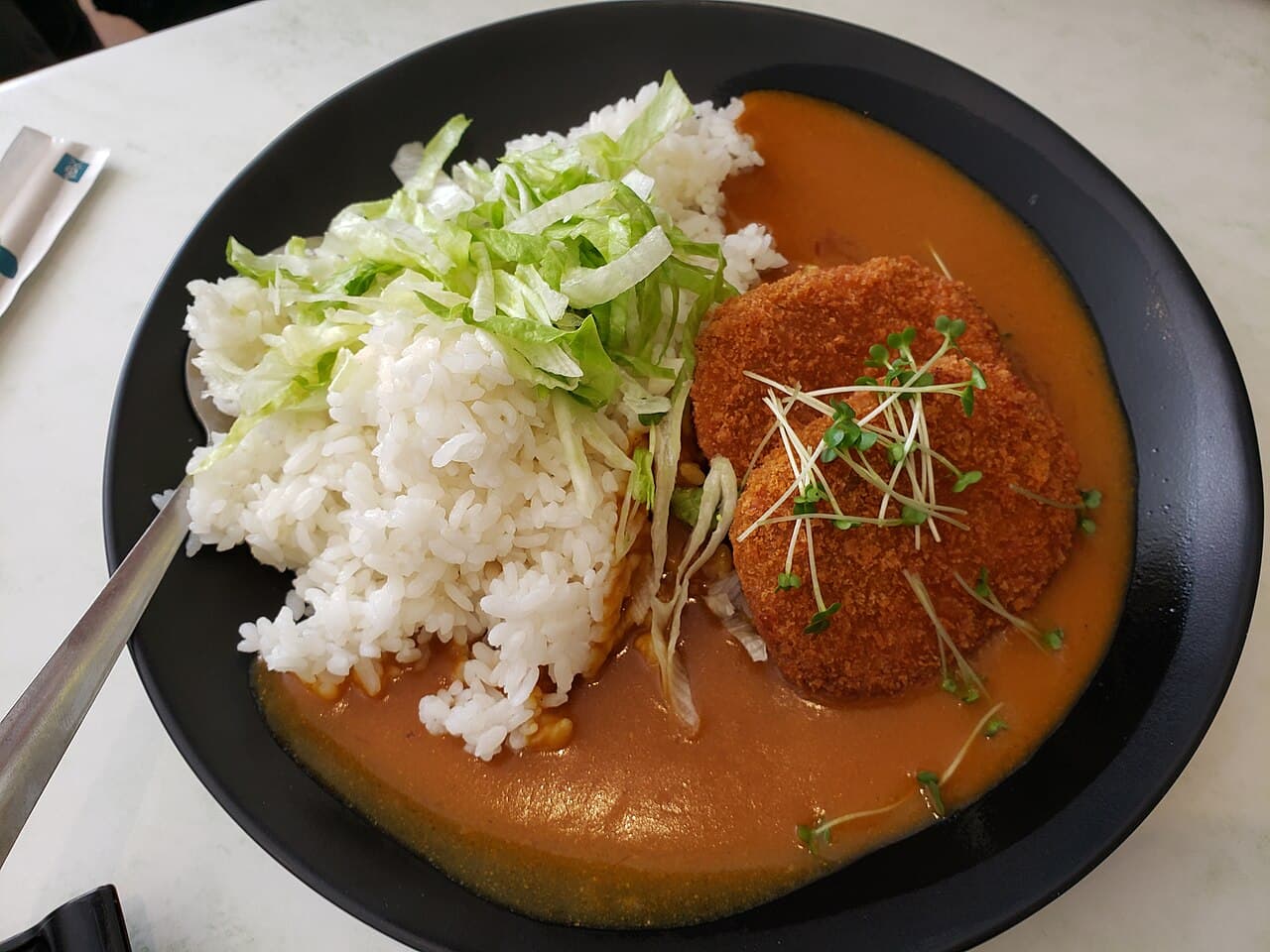
The 1947 Ginza institution that invented katsu curry itself, plating a crisp pork cutlet over rich Western-style curry at the very spot where the dish was born.