An 1887-founded Asakusa institution near Senso-ji serving old-school Edomae tendon, its tempura fried in sesame oil and lacquered in a dark sweet sauce.
Can I eat here?
We haven’t confirmed specific diets here yet — use the phrasebook to show staff what you can and can’t eat.
Old-school Edomae tendon, sesame-oil-fried tempura in dark sweet sauce
Daikokuya Tempura has been frying tendon on this same Asakusa backstreet since 1887, and by most accounts the tare recipe hasn't changed since the Meiji era either.
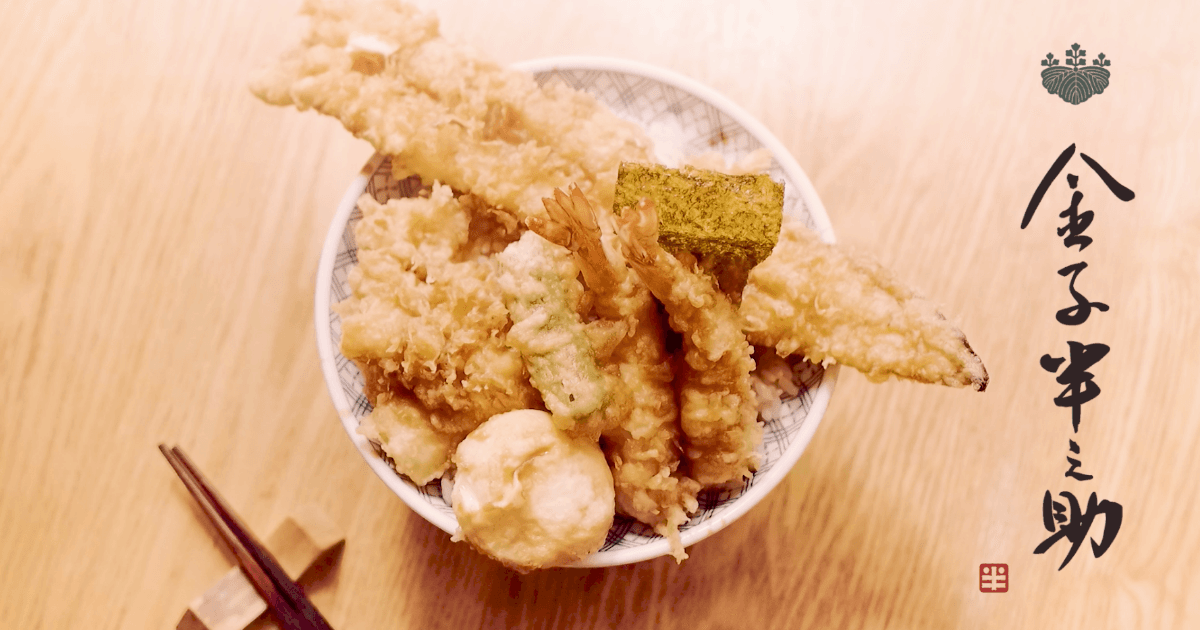
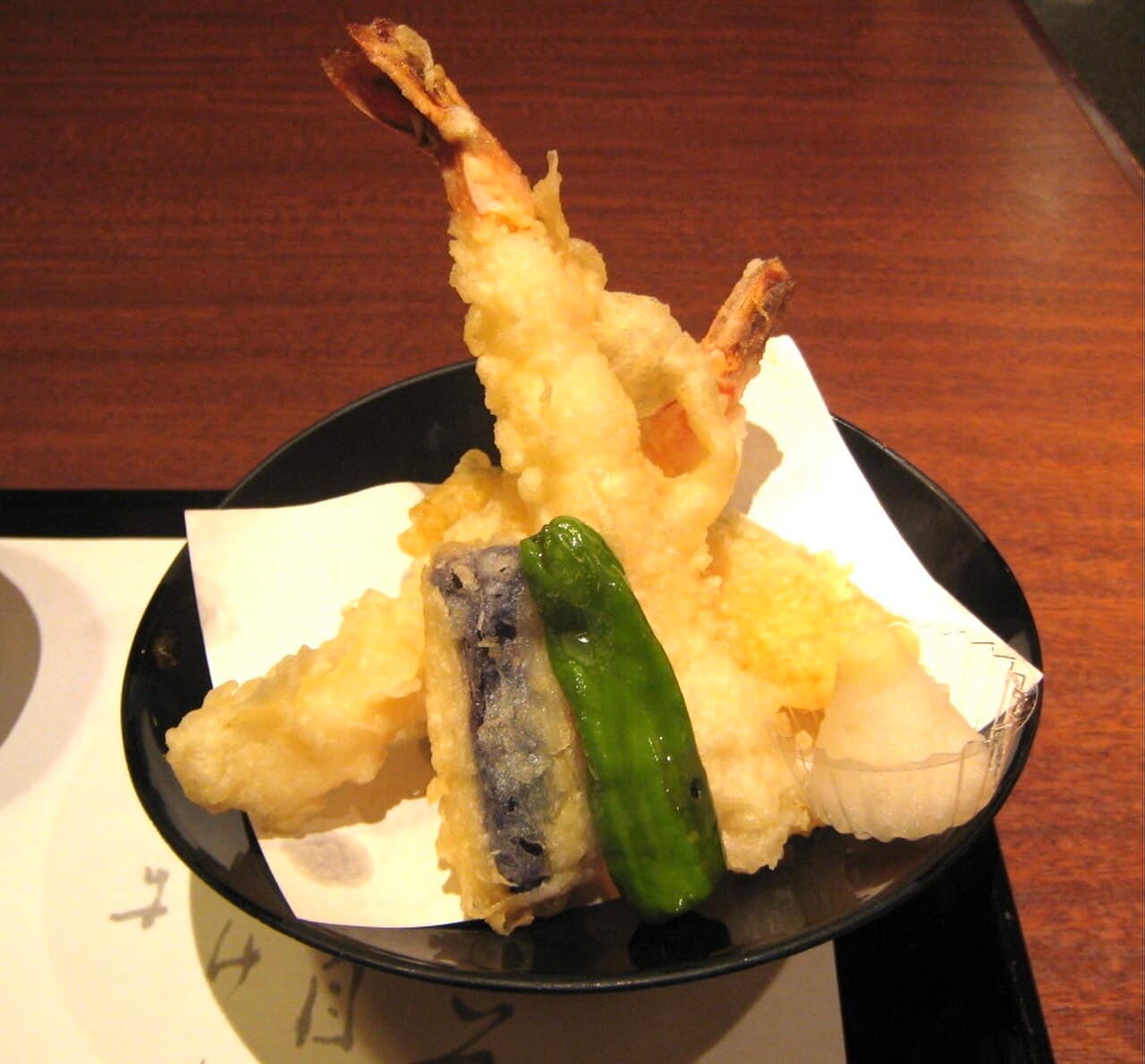
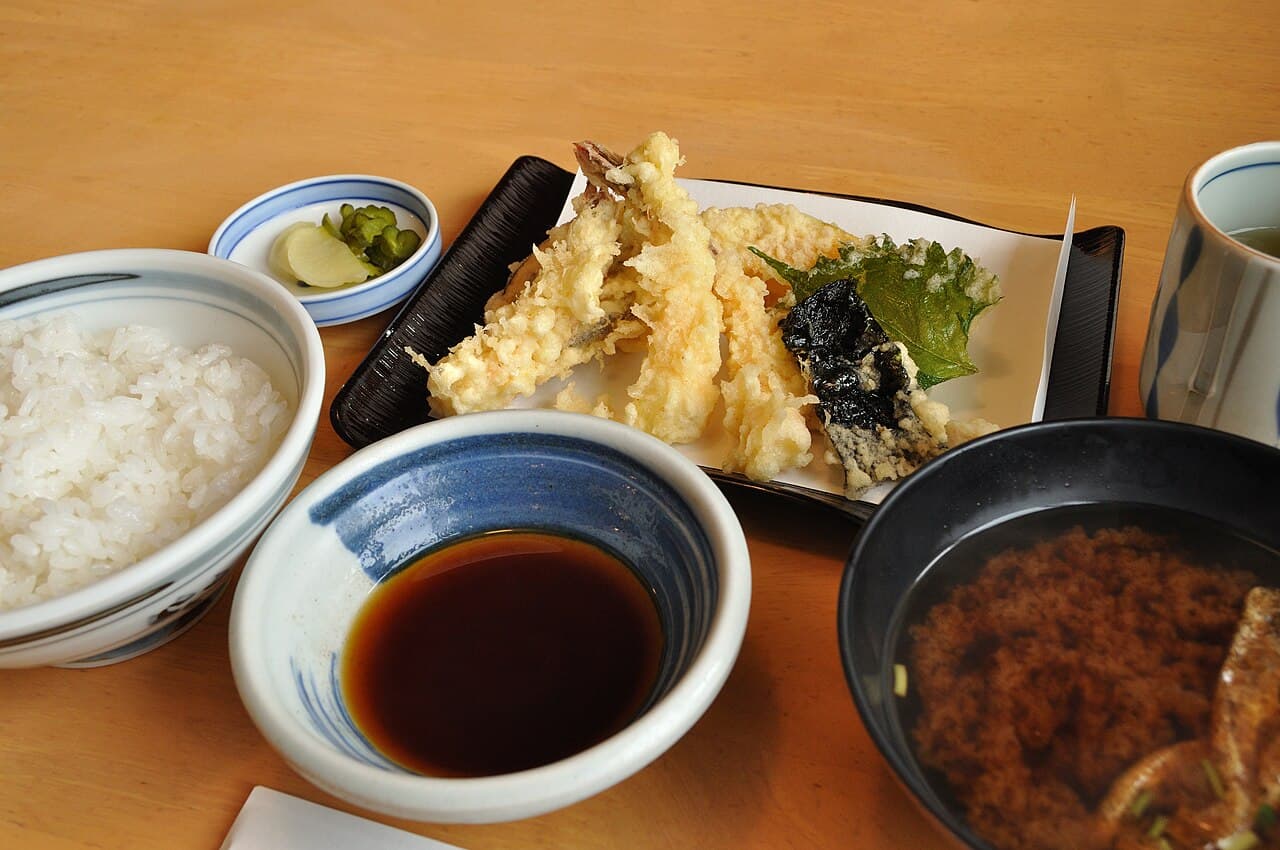
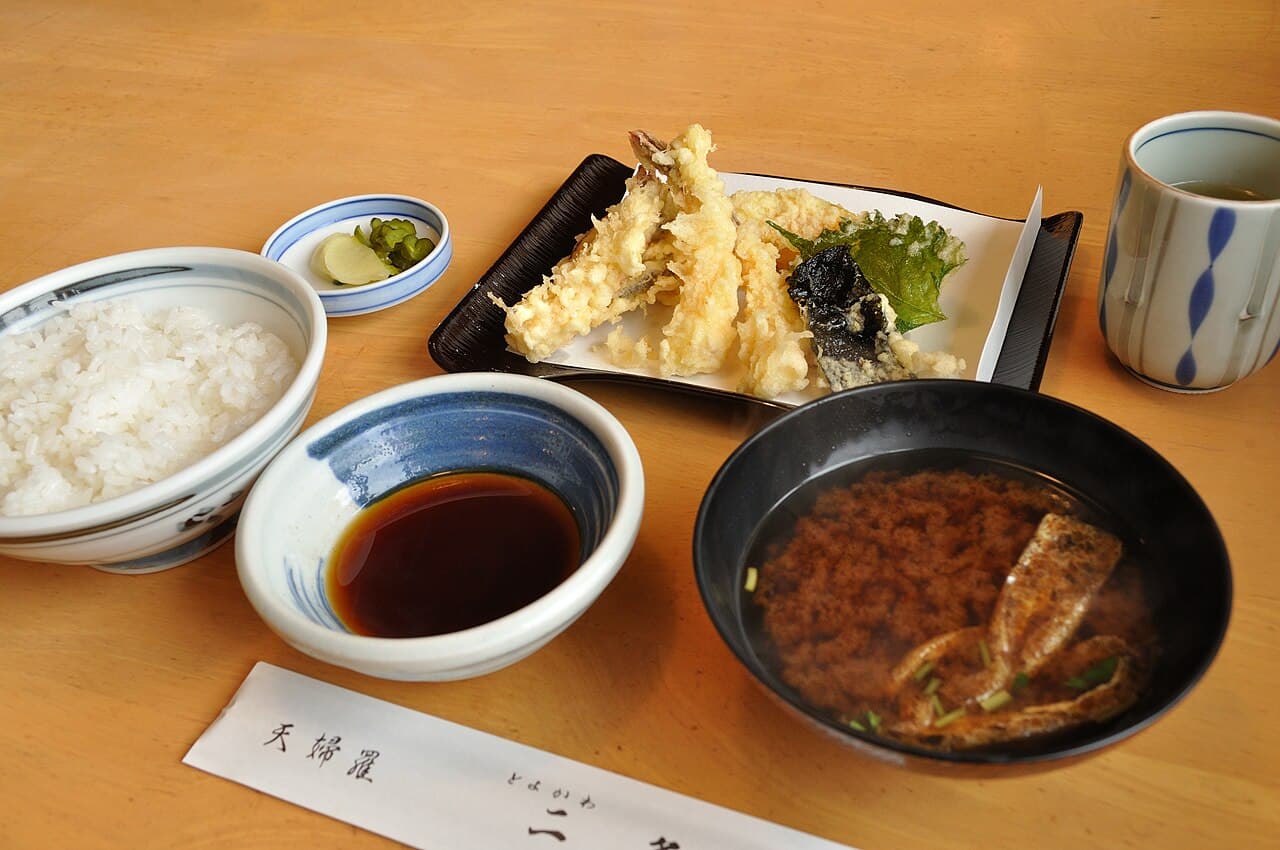
The signature bowl is the ebi tendon: two substantial tiger prawns, a piece of anago eel, and a scatter of shishito pepper, eggplant, and nori laid over rice, all fried in sesame oil rather than the neutral oils most modern tempura counters use. The result is a darker, softer batter, more deeply flavored than the pale, cracker-crisp tempura you'll find elsewhere in Tokyo, then finished with a sweet, thick house sauce that leans savory rather than delicate. It's not everyone's ideal texture — some diners come expecting shatter-crisp tempura and find it heavier than that — but it's the dish this restaurant has been serving, essentially unchanged, for well over a century.
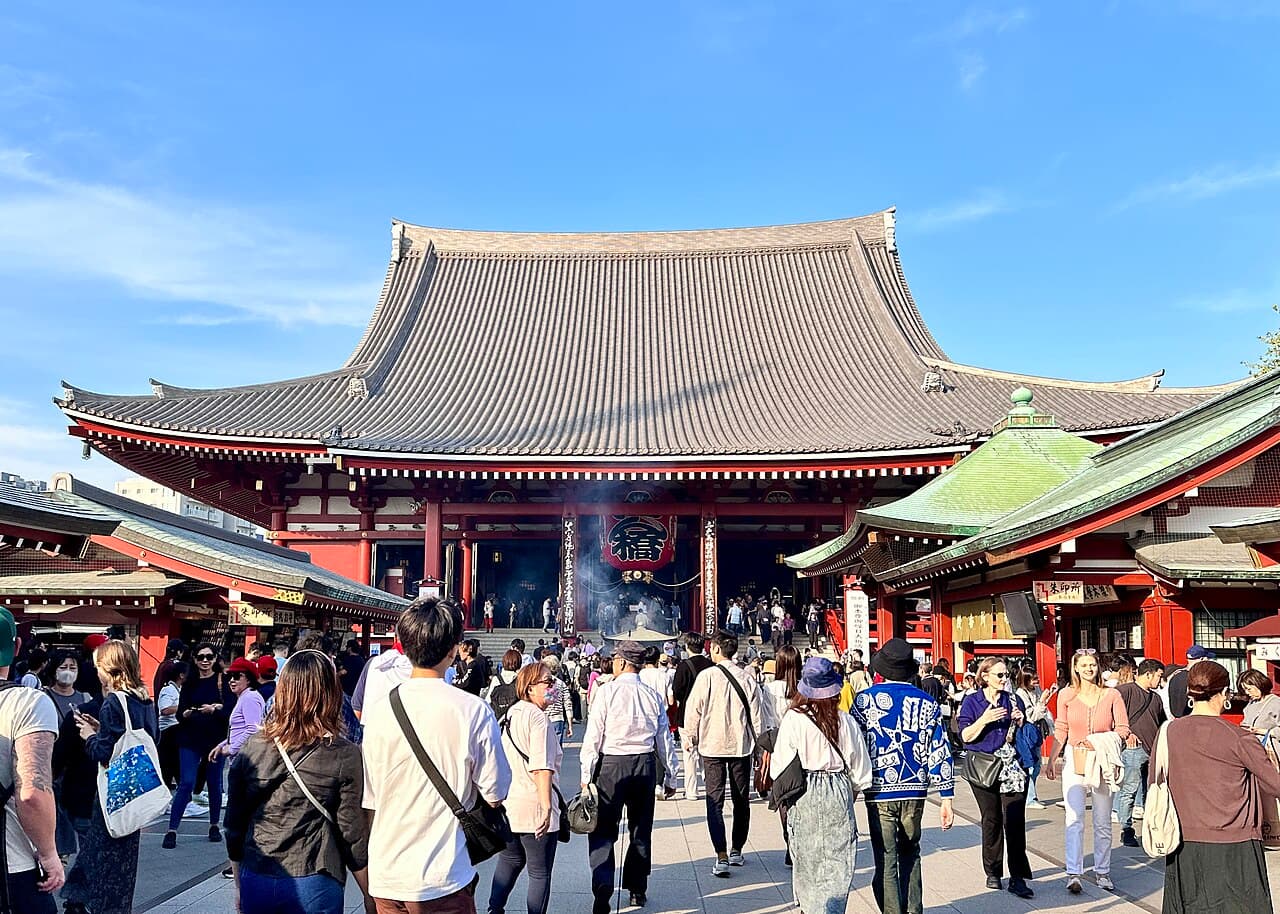
The room matches the food's age: sliding wooden doors open onto a narrow, amber-toned Showa-era interior spread across two floors that seat around 40, with staff in traditional uniform and tatami seating. It sits a short walk from Senso-ji, on one of the quieter lanes off the main tourist path, and the queue outside — tourists mixed with Asakusa regulars — is often the first sign you've found it.
Bring cash; cards aren't accepted, and there's no reservation system, so plan around the line. Weekday mornings the wait runs 10–20 minutes; weekend lunches can stretch past 45. The menu itself is in Japanese, but ask and staff will bring out a laminated English translation.
✓ Last verified Jul 2026
Hours and details can change — please confirm before you visit.
The towering wooden-beamed izakaya that inspired Kill Bill's House of Blue Leaves, where lantern light conjures an Edo-era warehouse over plates of fresh soba and charcoal skewers.
Founded in 1924, this beloved tempura institution fries seasonal seafood and vegetables in pure sesame oil piece by piece — the accessible Ginza branch sits atop Matsuya department store.
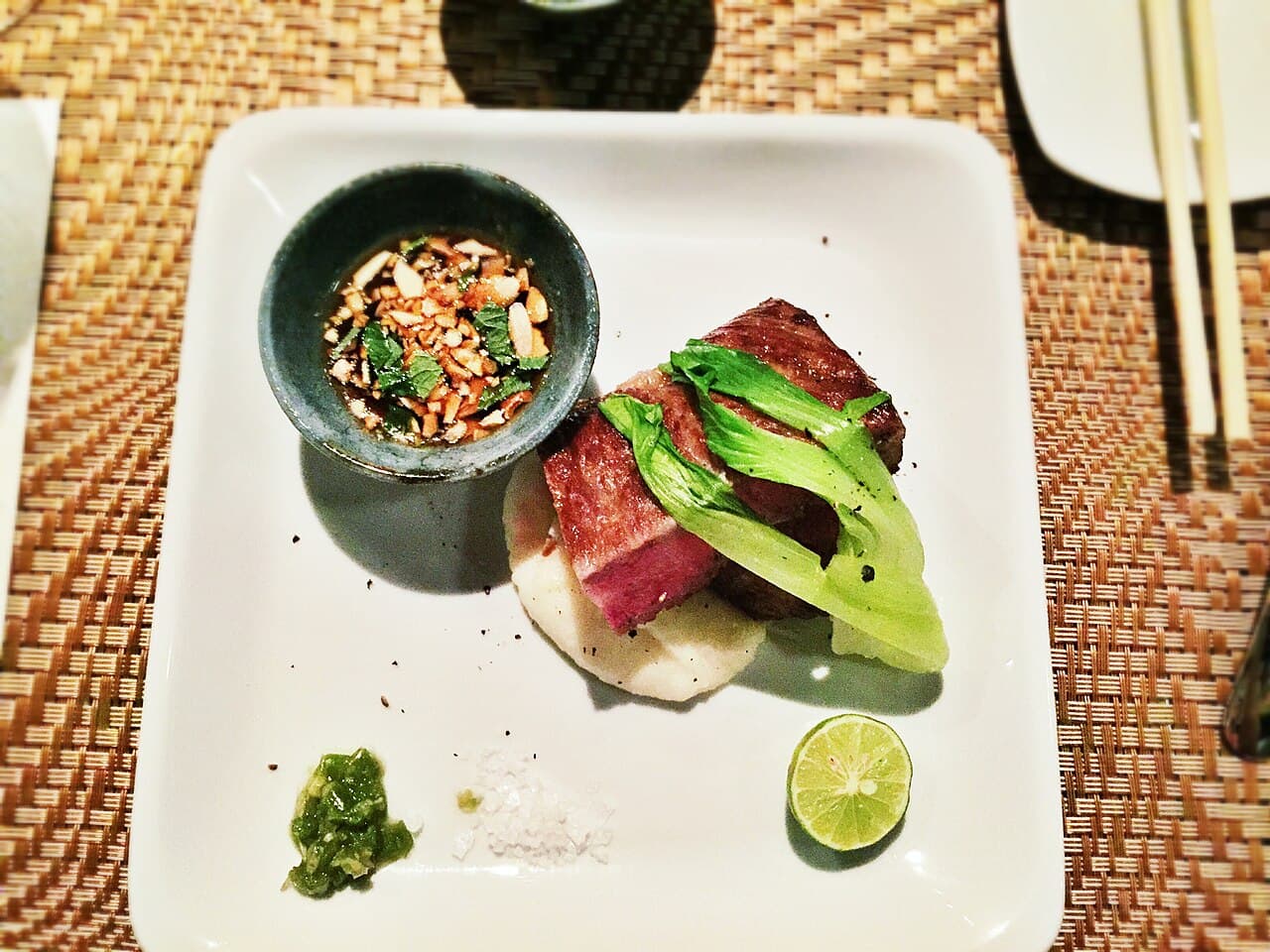
★ Wagyu sirloin and tiger prawn tempura in rice-flour batter
A ten-seat counter beneath a canopy of cherry blossoms where every course — even the wagyu and prawn tempura — is fried in rice flour: fully gluten-free and halal.
★ Tempura fried in 100% gluten-free rice-flour batter with house-made gluten-free soy sauce and broth; wagyu and seafood tempura bowls are highlights
A counter tempura restaurant whose entire menu is gluten-free (rice-flour batter plus house-made GF soy sauce and broth) and which is halal certified. It is not a separate dedicated GF facility, so highly sensitive celiacs should confirm cross-contact directly; vegetarian tempura courses are also offered.
★ Julienned carrot kakiage and prawn / anago tempura
A two-Michelin-star Ginza tempura counter celebrated for exceptionally light frying and its signature julienned-carrot kakiage. Courses are built only on seafood and vegetables (no meat), making it naturally pescatarian; the wheat-flour batter means it is not gluten-free.
★ No.7 Premium Matcha Gelato — the world's richest
This 1848-founded tea house teams up with Shizuoka's Nanaya to serve matcha gelato in seven escalating intensities, climaxing in a near-black No. 7 so concentrated it tastes like eating pure tea leaves.
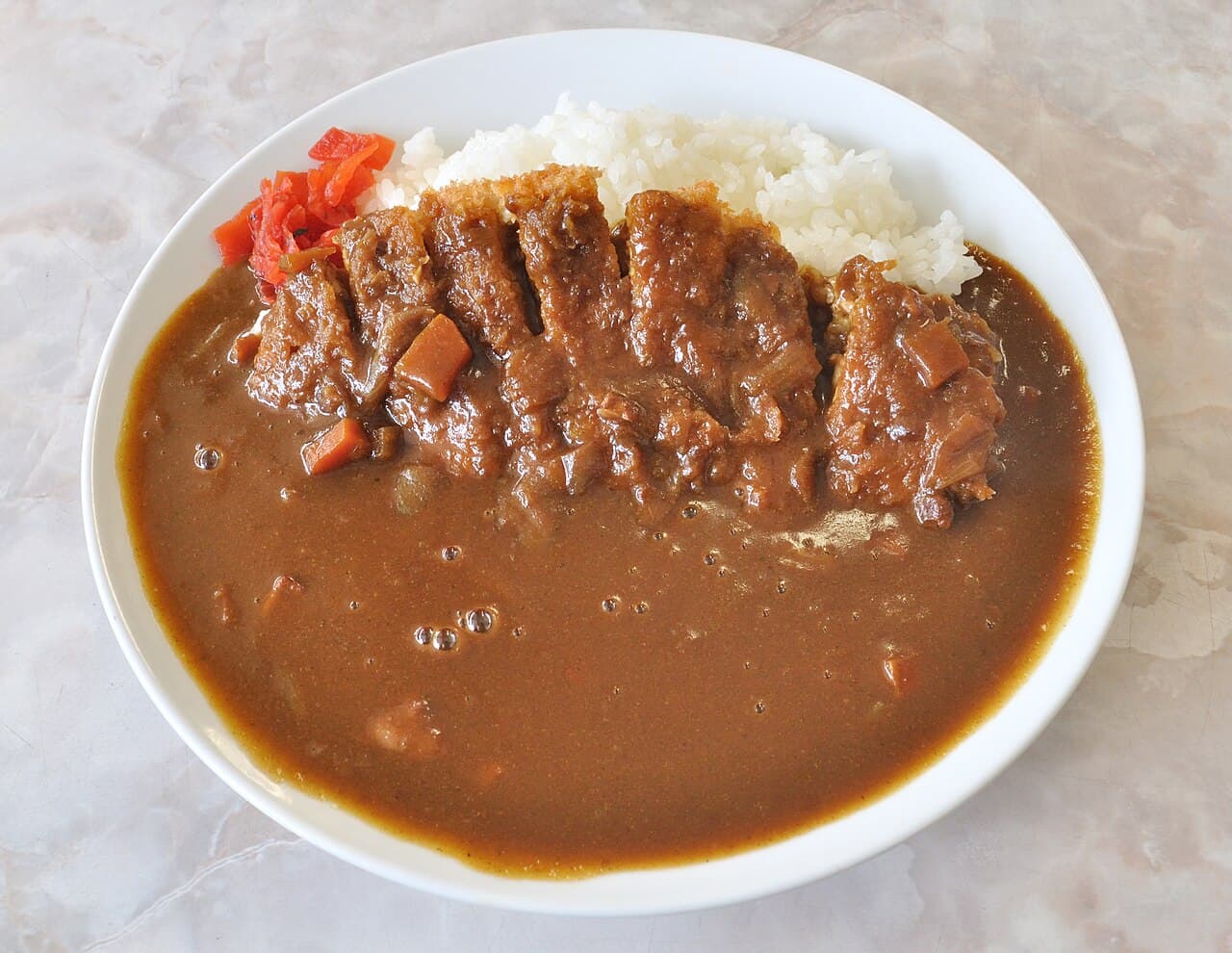
A two-minute stroll from Senso-ji, this all-halal kitchen ladles rich Japanese curry over crisp cutlets and even Kobe wagyu, so Muslim travellers never have to skip Japan's comfort dish.