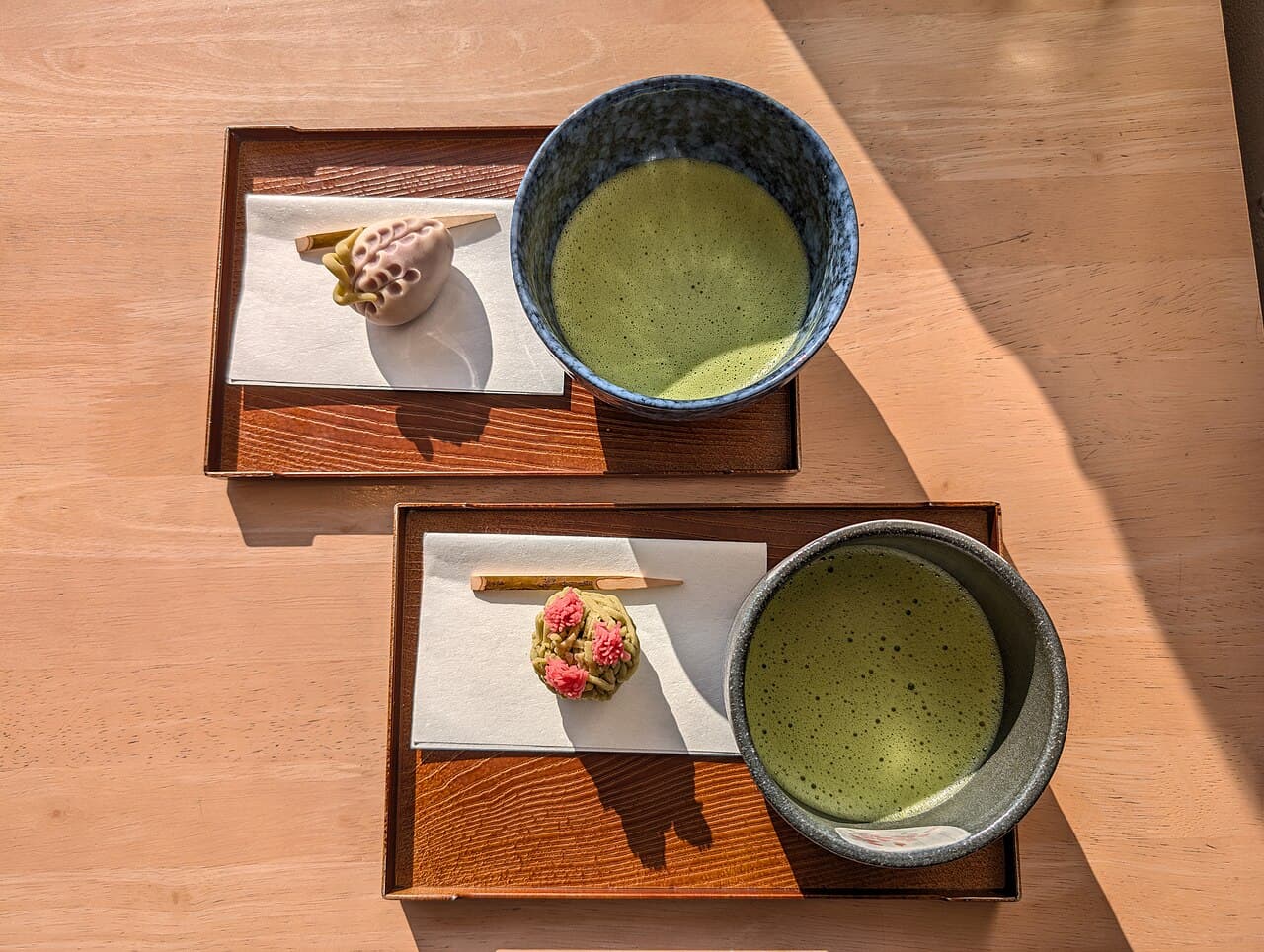
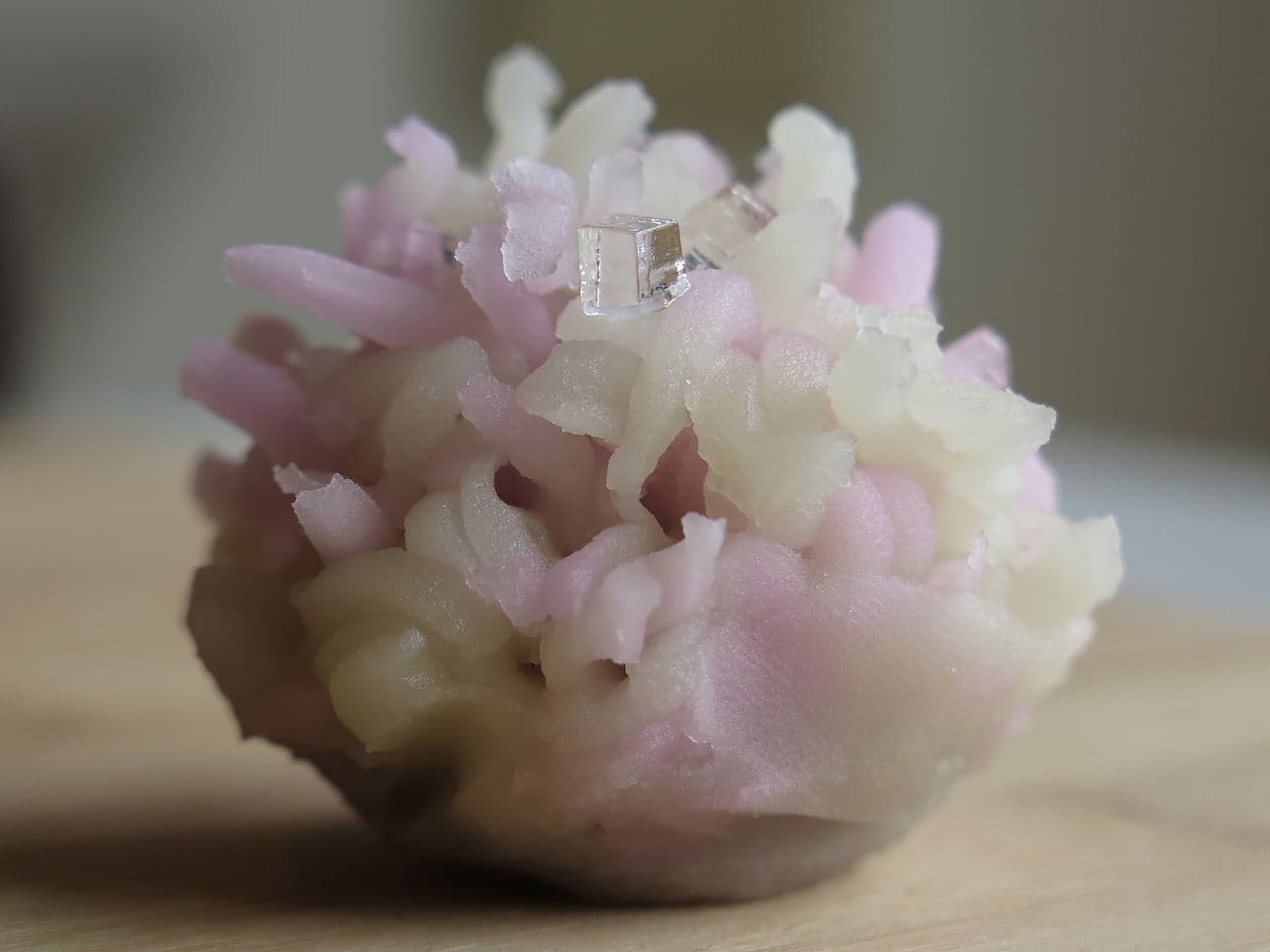
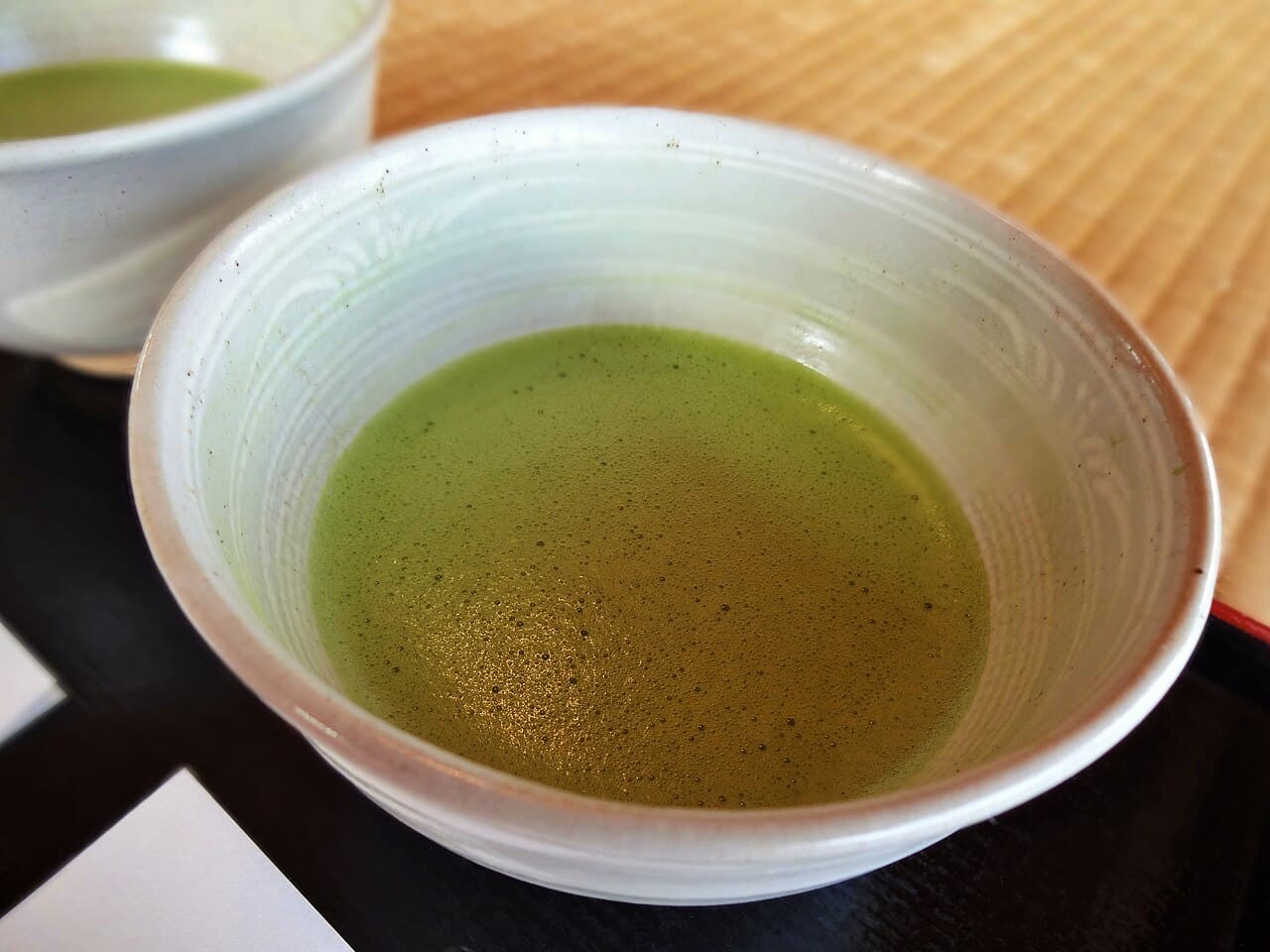
Matcha is stone-ground green tea, whisked with hot water to a frothy, vivid bowl. It's traditionally paired with wagashi — refined seasonal sweets of bean paste, rice and agar, shaped to evoke flowers, leaves and the time of year.
What it means
Matcha sits at the heart of the tea ceremony (chado), a centuries-old practice of hospitality and presence. The slight bitterness of the tea is balanced by the sweet, and the moment is meant to be savoured slowly. Wagashi are edible poems to the season.
Why it's wonderful
It's a pause made delicious: the grassy depth of good matcha, the gentle sweetness of nerikiri or mochi, and a beautiful object you almost don't want to eat. A perfect, calm finish to a day of exploring.
Many wagashi are plant-based (bean paste, rice, agar). Watch for gelatin or dairy in modern desserts; matcha itself is vegan.
FAQ
What is Matcha & wagashi?
Whisked green tea and jewel-like seasonal sweets.
Is Matcha & wagashi vegetarian, vegan, halal or gluten-free?
Many wagashi are plant-based (bean paste, rice, agar). Watch for gelatin or dairy in modern desserts; matcha itself is vegan.
💬Recipes and preparation vary by restaurant, so this is a general guide. If you're ever unsure, please confirm directly with the venue before you order — they'll appreciate the heads-up.
Where to try it — and book a table
Editor-picked spots for this dish. Each opens the listing we verified it against — hours, photos and how to get in touch.
The Shinjuku birthplace of the cloud-soft 'Heavenly Vegan Pancakes' that draw queues from vegans and non-vegans alike, with gluten-free options on the same menu.
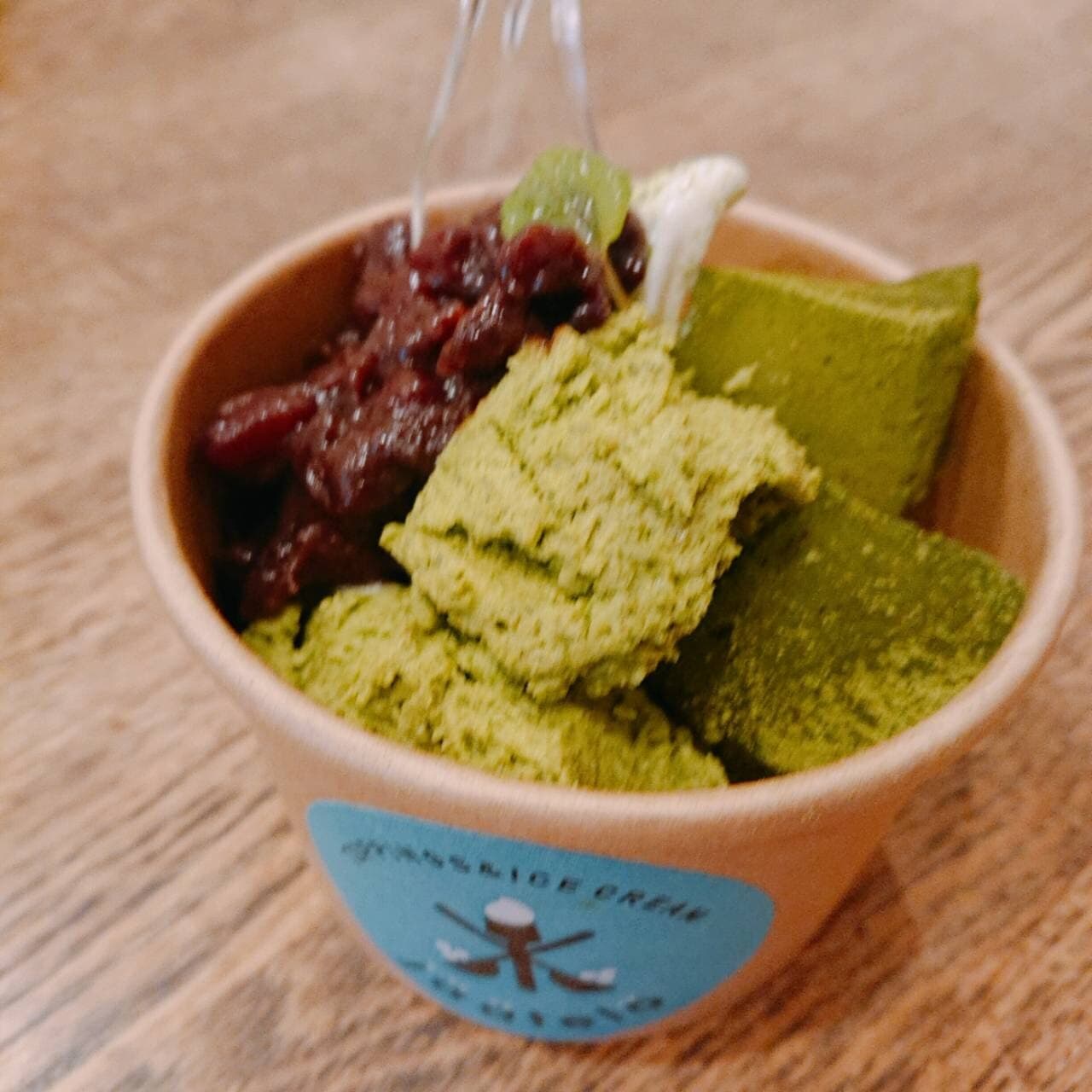
★ No.7 Premium Matcha Gelato — the world's richest
This 1848-founded tea house teams up with Shizuoka's Nanaya to serve matcha gelato in seven escalating intensities, climaxing in a near-black No. 7 so concentrated it tastes like eating pure tea leaves.
AIN SOPH.'s flagship spreads across four Ginza floors, where a ground-floor patisserie of vegan pudding gives way to refined plant-based courses upstairs.
The dine-in fruit parlour of Japan's oldest luxury fruit purveyor, founded in Nihonbashi in 1834, serving lavish parfaits of world-class fruit in a bright, elegant salon.
A hushed, wood-warmed Shibuya kissaten since 1989 whose charcoal-roasted hand-drip coffee, served in carefully chosen antique cups, is said to have inspired Blue Bottle's founder.