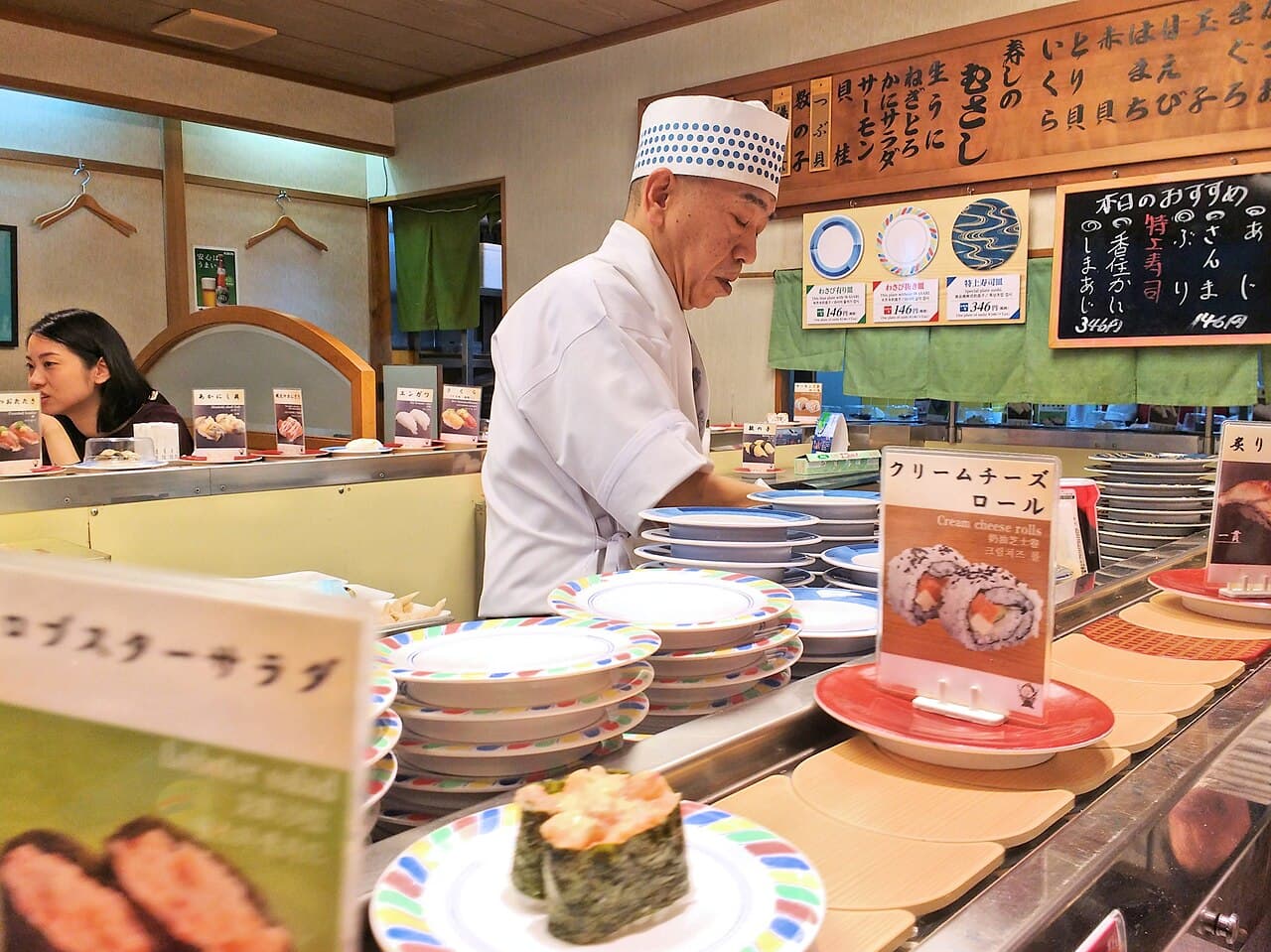
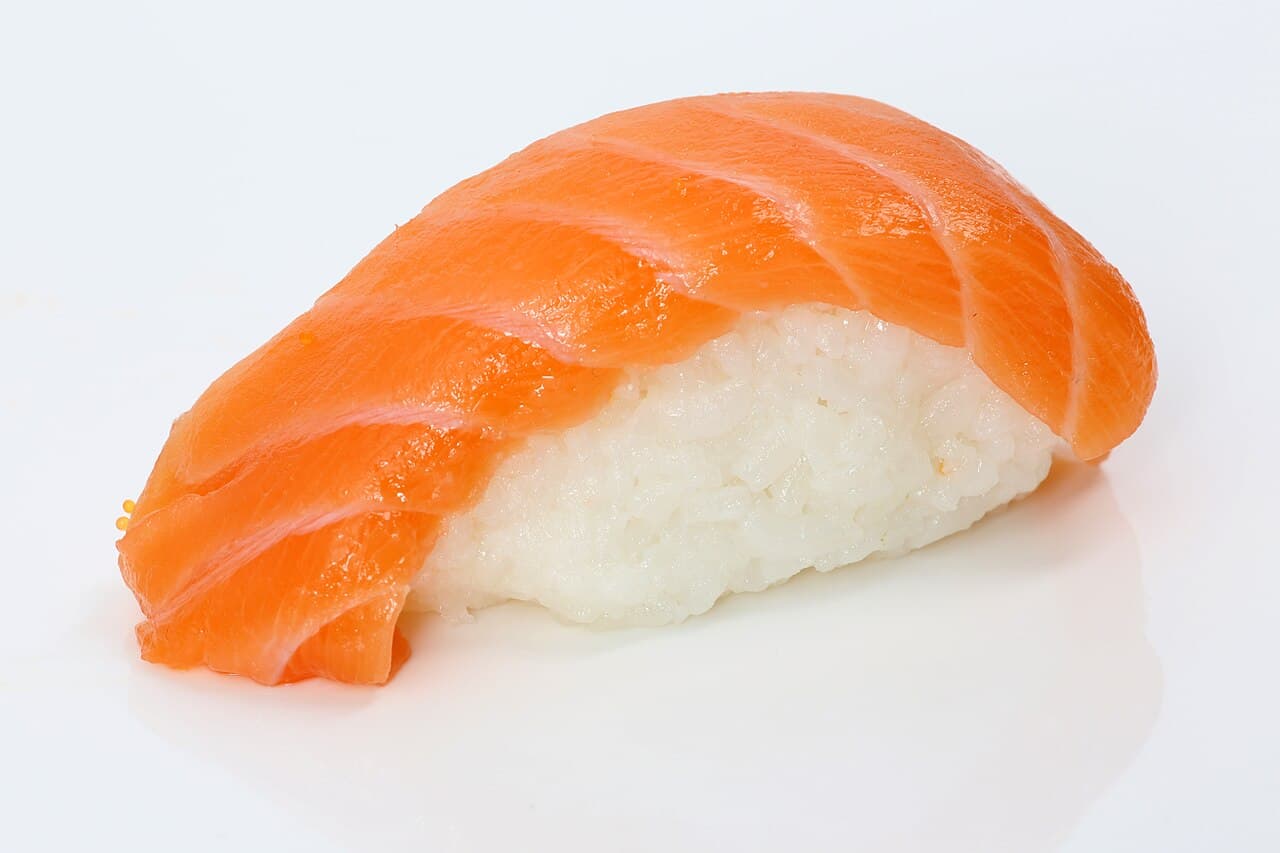
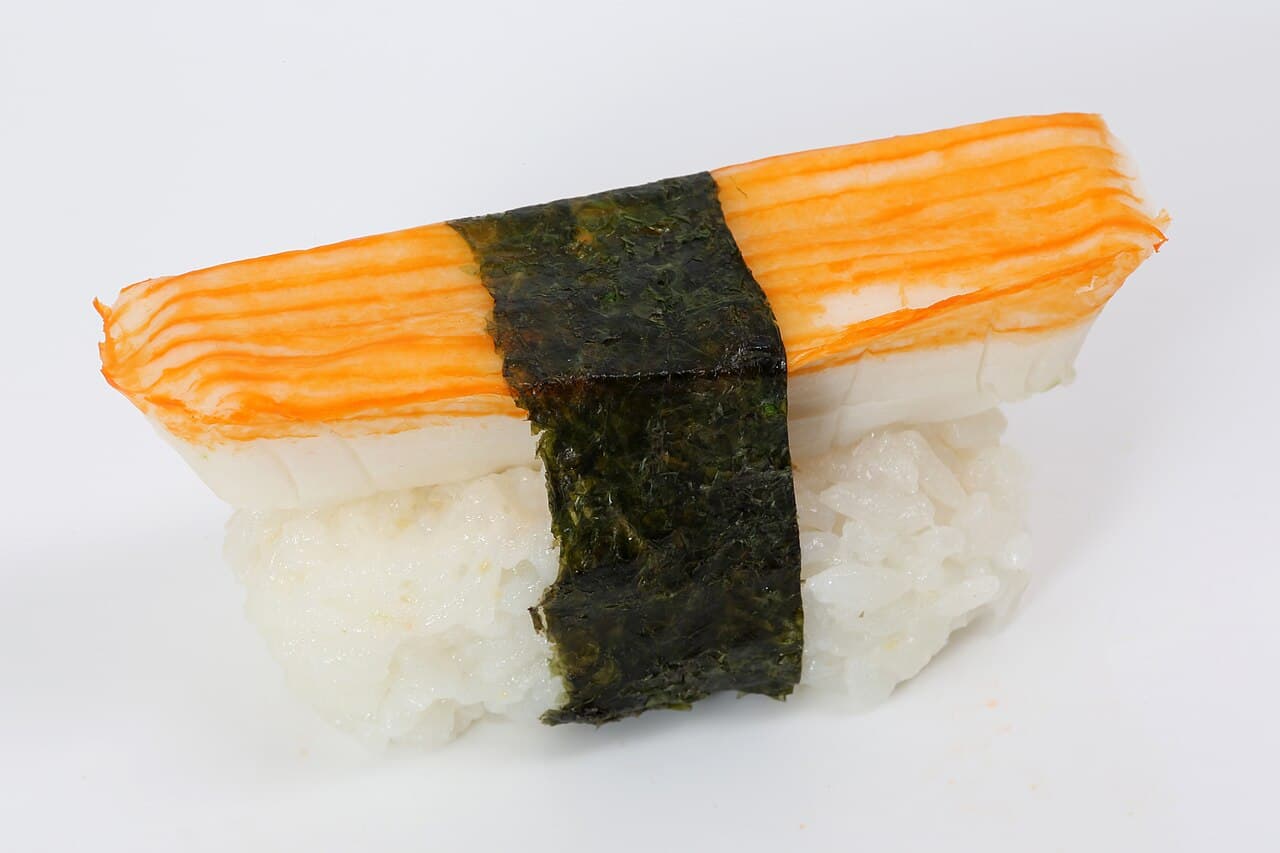
An acclaimed Ginza Edomae sushi counter (chef Hiroyuki Sato) known for a nigiri-only course showcasing aged bluefin tuna. As pure seafood-and-rice sushi it is naturally pescatarian; not gluten-free (soy/vinegar). Cards only; reservations open about two months ahead.
Can I eat here?
✓ Diets our editors confirmed in person· English menu / support
🐟
Show this to staff
Pescatarian
肉と鶏肉は食べませんが、魚介は大丈夫です。
Niku to toriniku wa tabemasen ga, gyokai wa daijōbu desu.
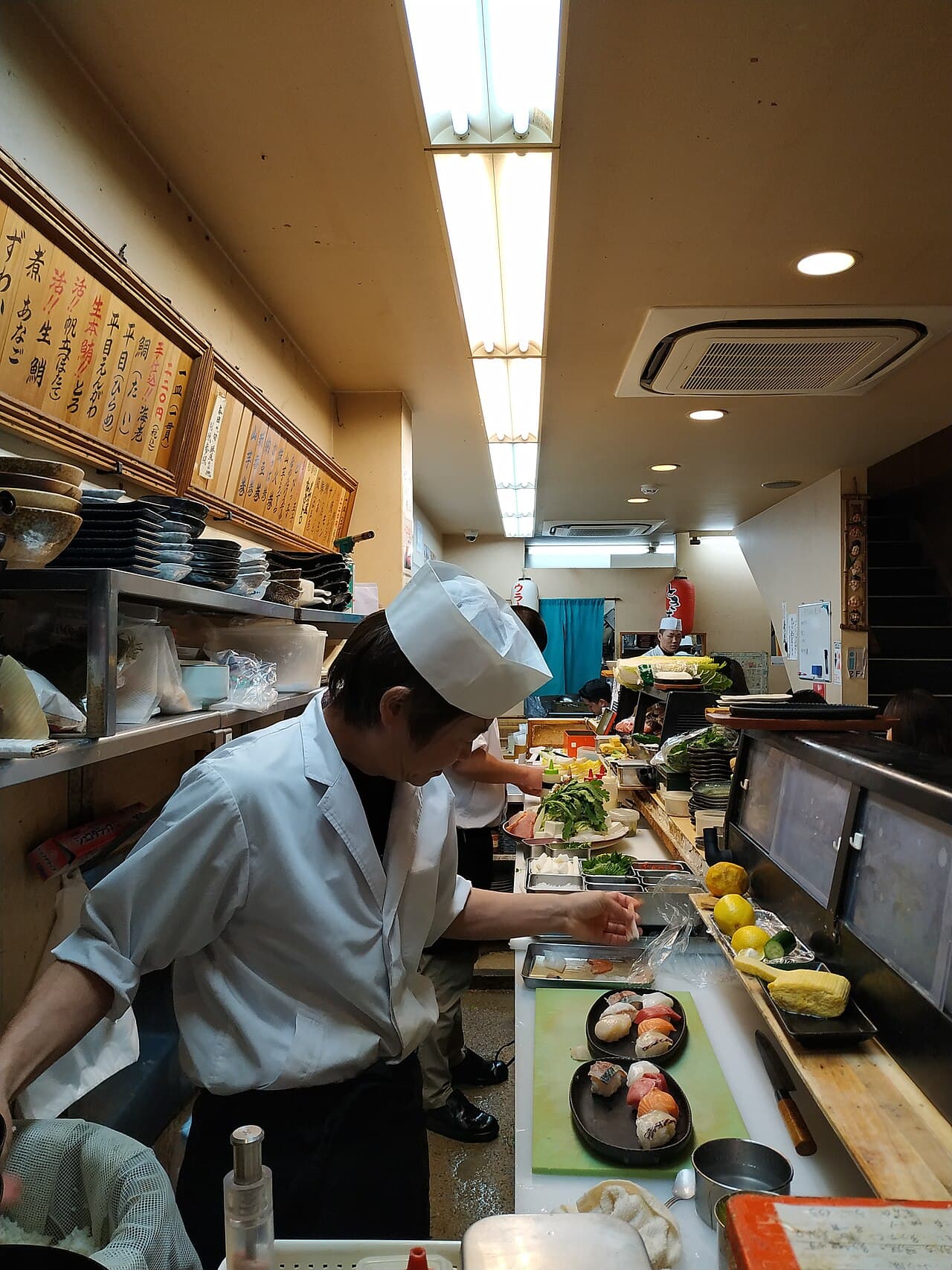
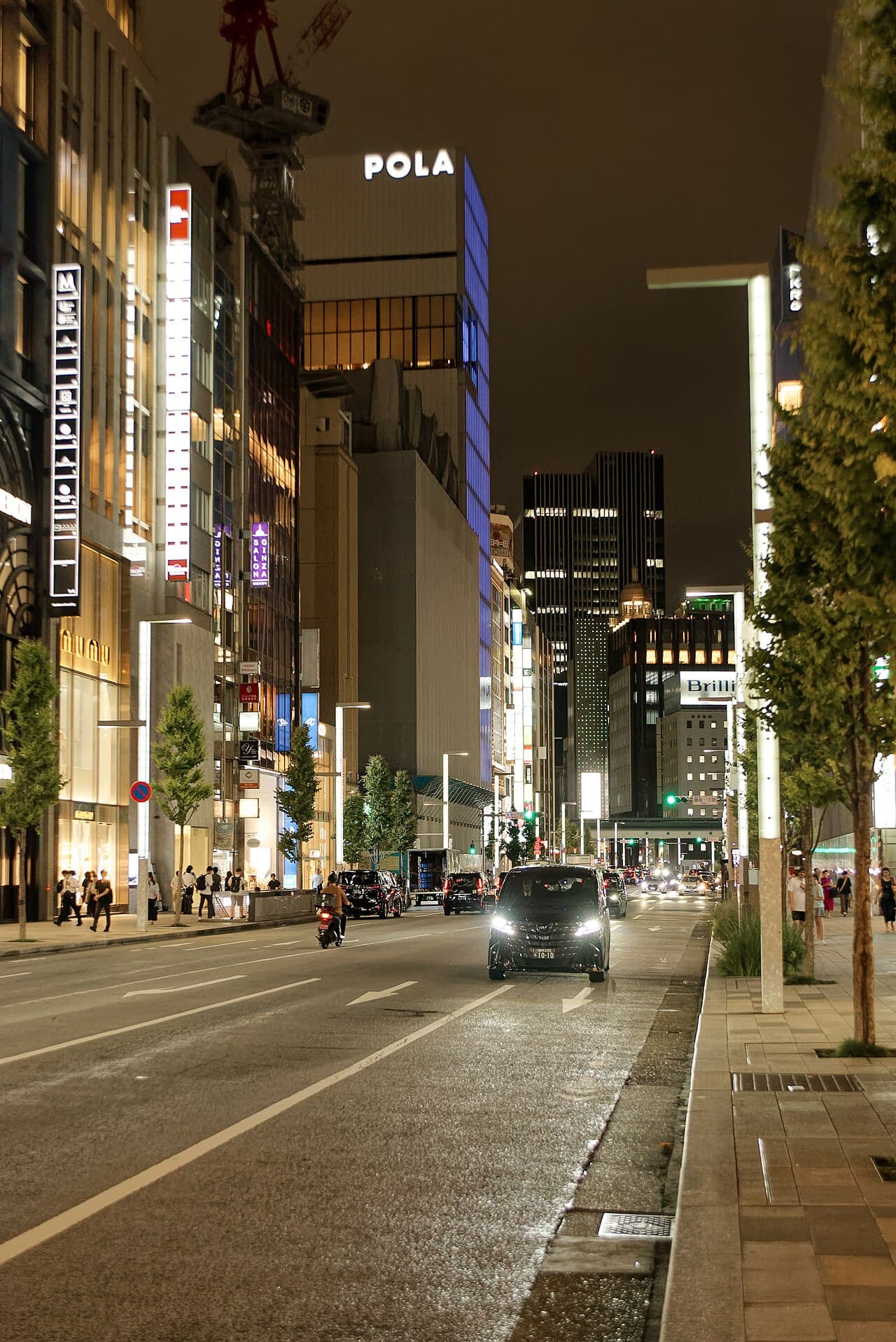
Hakkoku is a nigiri-only Edomae sushi counter tucked into a Ginza office building, where chef Hiroyuki Sato serves one thing and refines it endlessly.
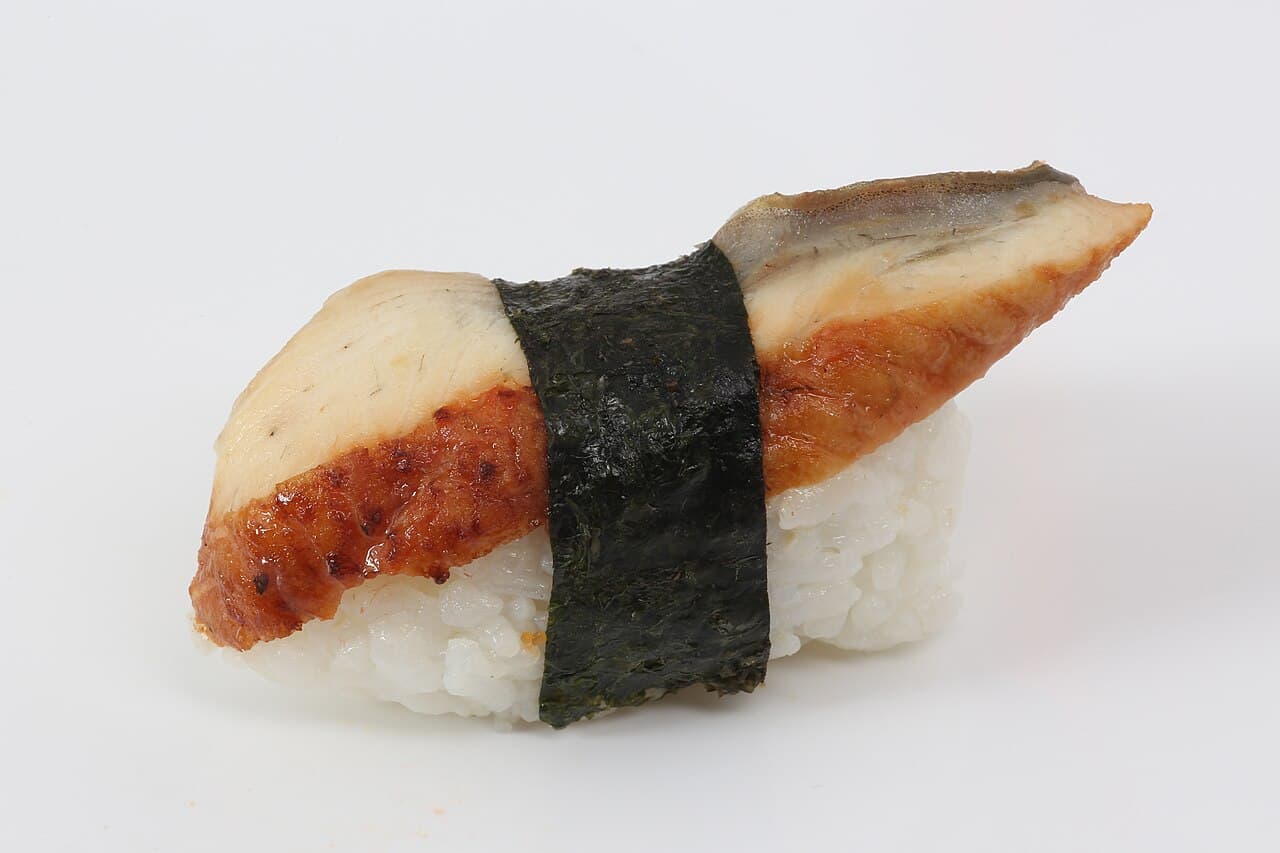
Sato became head chef of Sushi Tokami in 2013 — steering that restaurant to a Michelin star within about a year — before opening Hakkoku on his own in February 2018. The room reflects that same discipline: three small private counters, each seating just six, because Sato has said six is the most he can properly watch over in a single sitting. White wood counters set against a black waiting area give the space an understated, tailored feel rather than a flashy one. The course itself skips the usual parade of appetizers — it opens with a hand roll, moves through roughly 25 pieces of nigiri built around tuna from a trusted Toyosu specialist and dressed in red-vinegar rice, and pauses only once, midway, for a small vegetable bite to reset the palate. Because it is essentially just fish and rice, the course sits comfortably with pescatarian diners, though the soy sauce and the vinegared rice keep it off any strict gluten-free list.
A practical note: Hakkoku takes cards only, no cash, and reservations are online-only, opening up to two months ahead — there is no walking in and no phoning to book. Cancelling close to your date carries a fee, so confirm before you commit. Sato speaks English and the restaurant keeps an English menu on hand, which makes first-time booking and ordering straightforward even without Japanese.
✓ Last verified Jul 2026
Hours and details can change — please confirm before you visit.
★ Edomae nigiri course — soy sauce to fish, all halal-certified
Japan's first halal-certified sushi house, steps from Senso-ji, serving full Edomae nigiri — soy, fish and pickles all halal — with a second-floor prayer room built with the local mosque.
★ Kakinoha-zushi — cured mackerel and salmon pressed onto vinegared rice and wrapped in a persimmon leaf
The Naramachi dining branch of Hiraso, a kakinoha-zushi house founded in Yoshino in 1861, where Nara's landlocked specialty — mackerel or salmon cured and pressed onto vinegared rice, then wrapped in a fragrant persimmon leaf — is served as a sit-down meal a short walk from Sarusawa Pond. Because the toppings are fish, it suits pescatarians but not vegetarians or vegans; the rice is seasoned with vinegar and ordinary soy accompanies it, so it is not gluten-free. Closed Mondays.
★ An omakase course built around premium heritage chickens grilled over charcoal
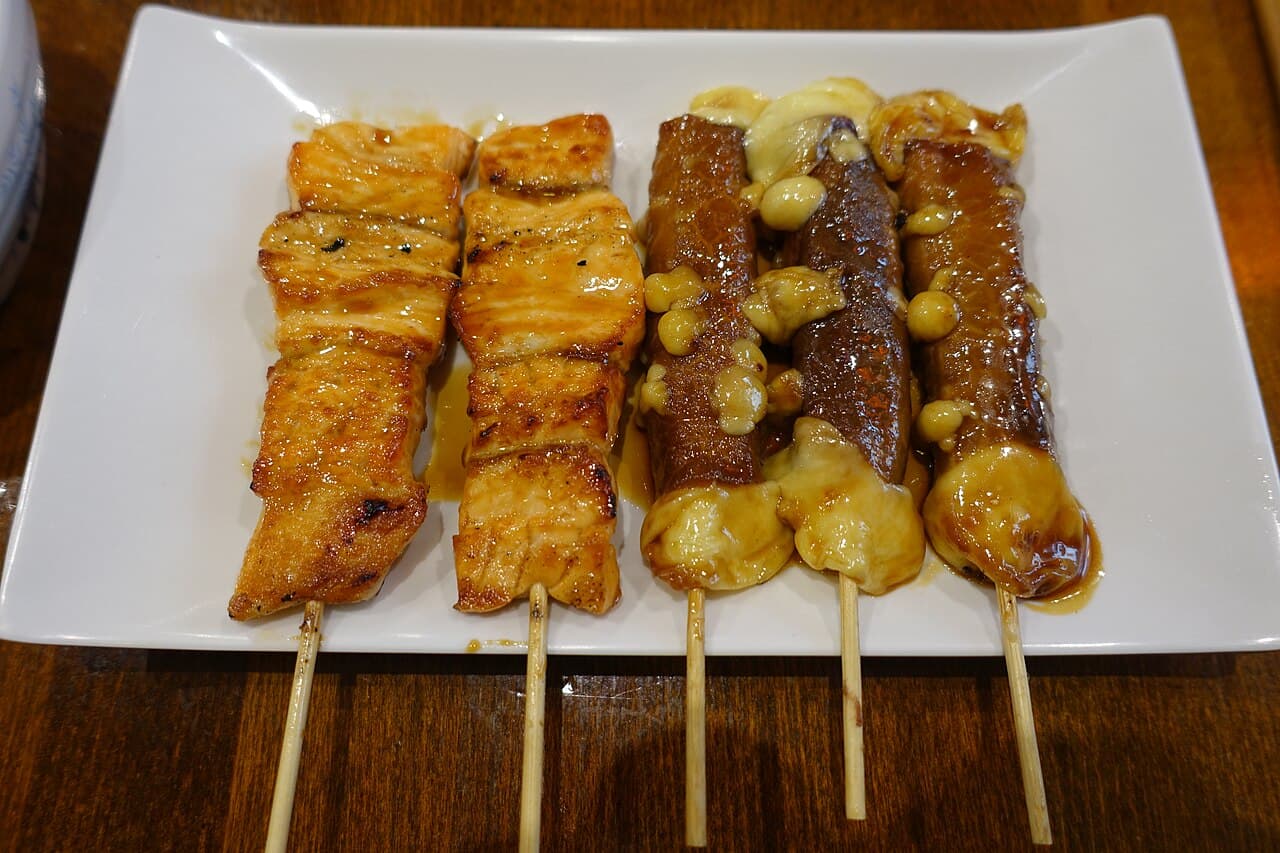
A charcoal-yakitori specialist near Ueno-Hirokoji ranked on Tabelog's Top-100 yakitori list for several years (Yakitori East 2023-2025), serving an omakase course built around premium heritage chickens such as Kagoshima black Satsuma. Reservation-focused and at the higher price tier.
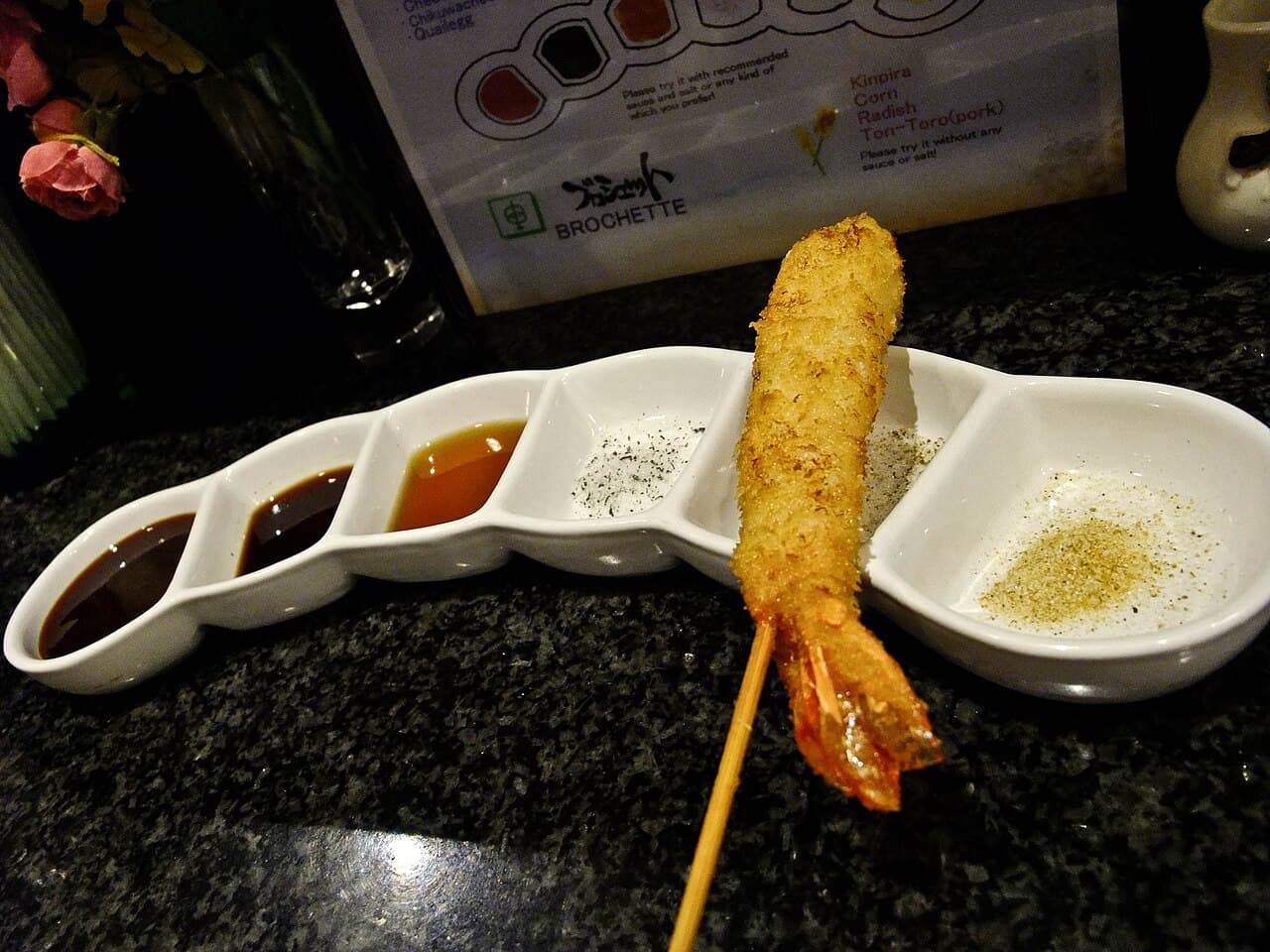
A reservation-only Ginza counter where an entirely gluten-free kushiage omakase is fried in rice oil with rice-flour breadcrumbs — a rare safe haven for coeliacs.
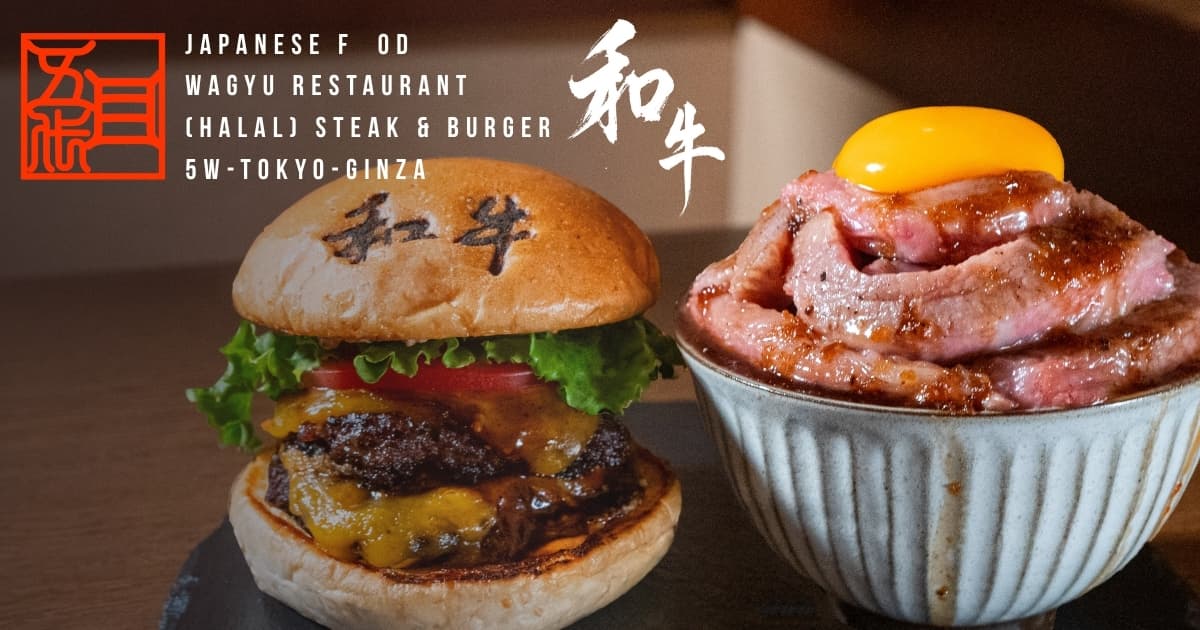
A fifth-generation wagyu family's alcohol-free basement grill in Ginza serving 100% halal-certified Japanese wagyu steaks and burgers, so every traveller can taste real wagyu. (The halal kitchen is the basement venue.)
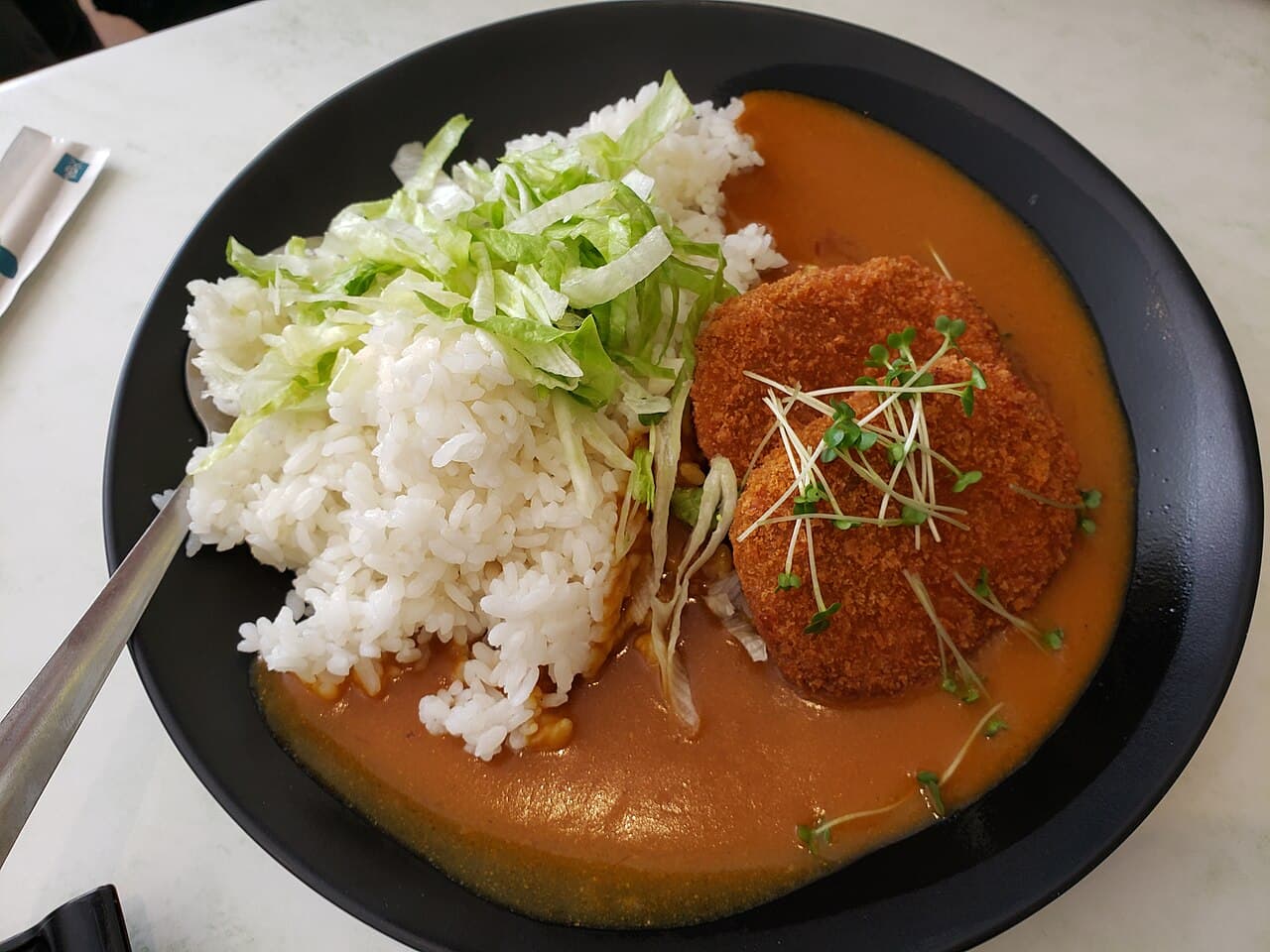
The 1947 Ginza institution that invented katsu curry itself, plating a crisp pork cutlet over rich Western-style curry at the very spot where the dish was born.