Japan's rice wine — the drink that frames the meal.
What it is
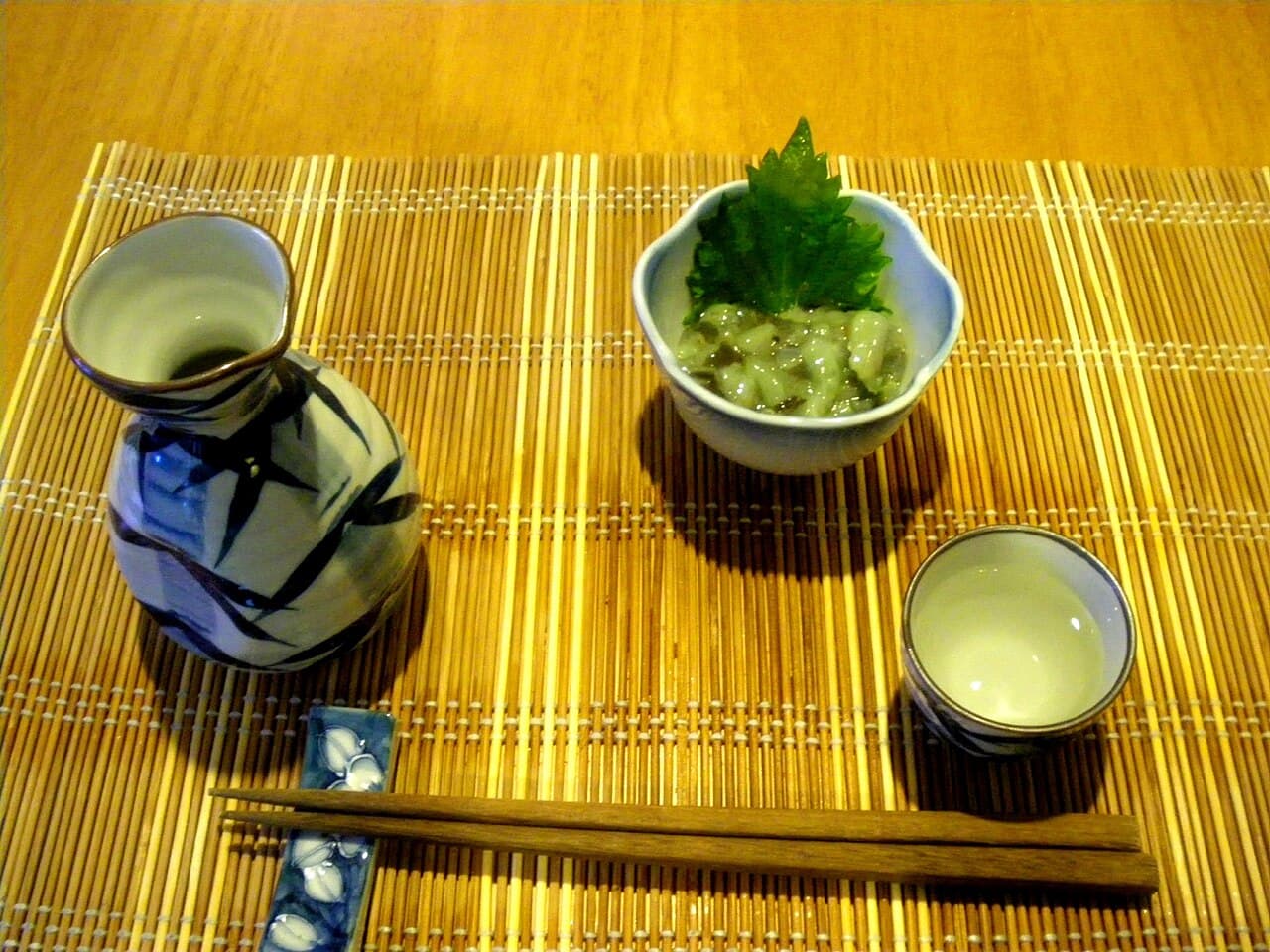
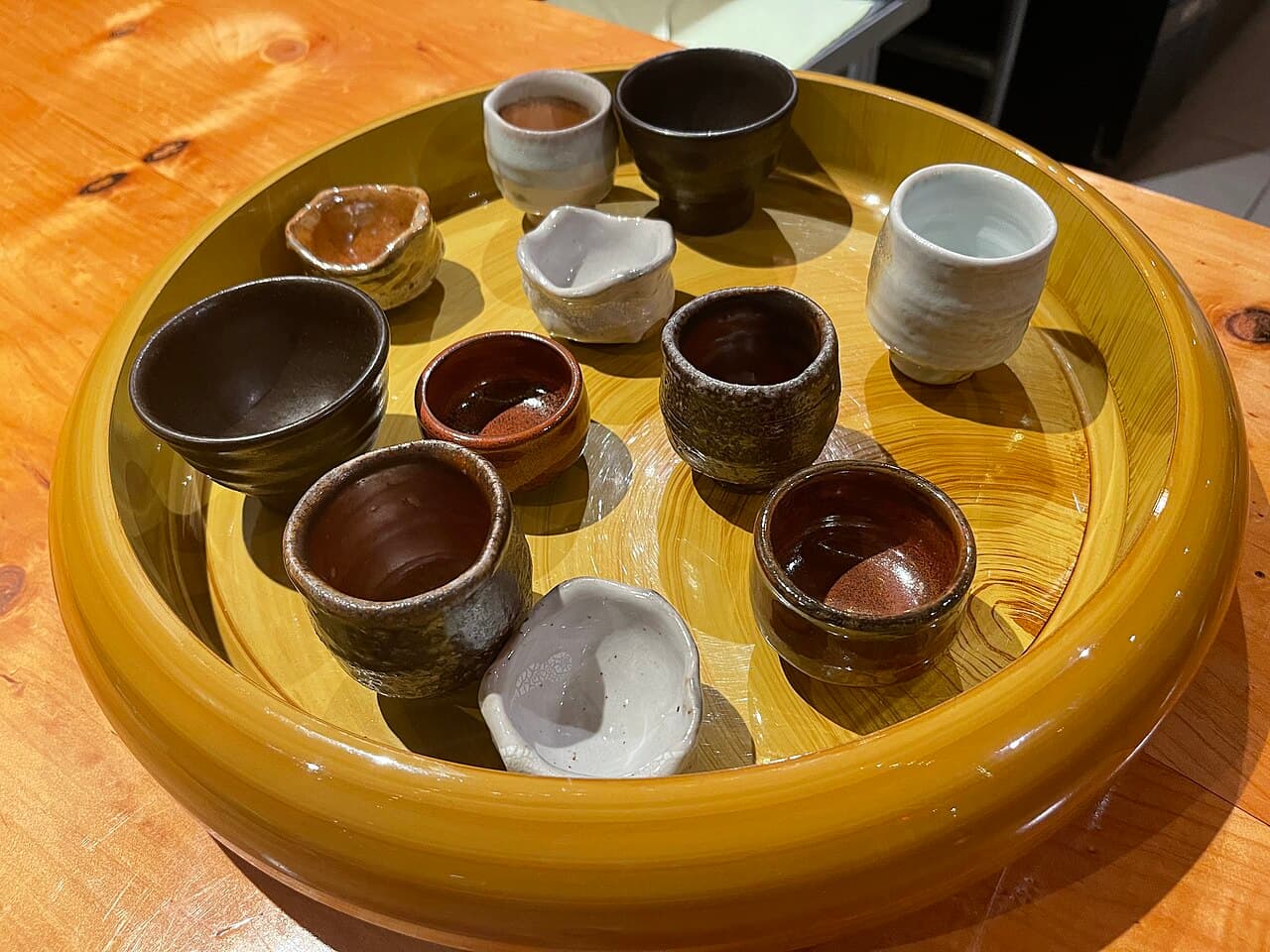
Sake (nihonshu) is brewed from rice, water and koji — closer to beer in process but wine-like in strength. Served chilled, warm or at room temperature depending on the style, in tiny cups poured for one another.
What it means
Sake is woven into Japanese ritual, from shrine offerings to New Year toasts. At the table, pouring for your companions (never your own cup) is a small act of care that defines the meal's warmth.
Why it's wonderful
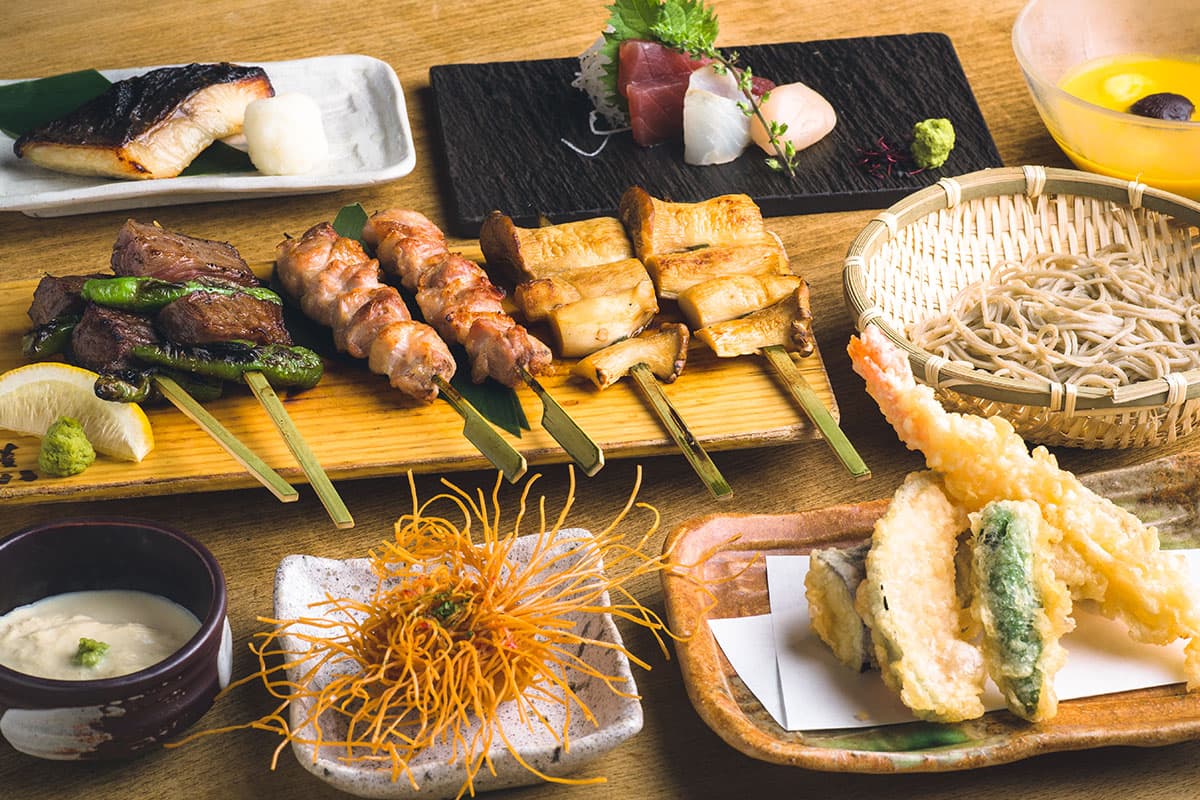
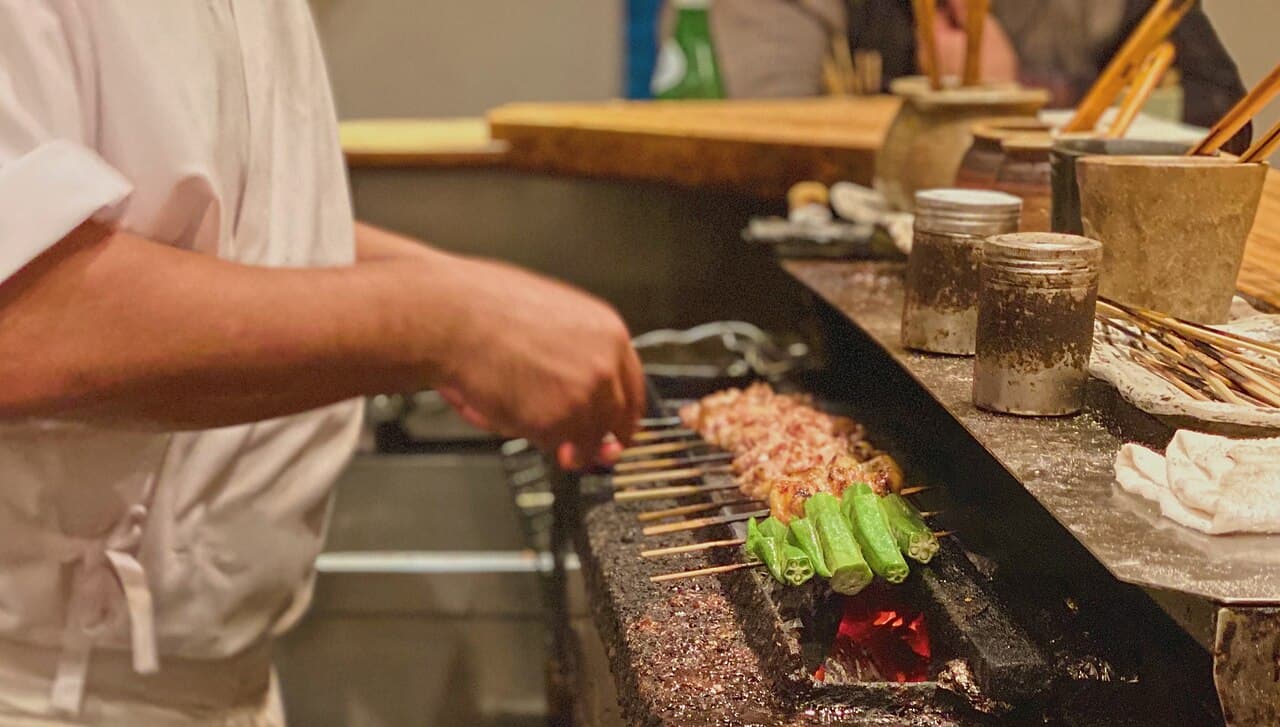
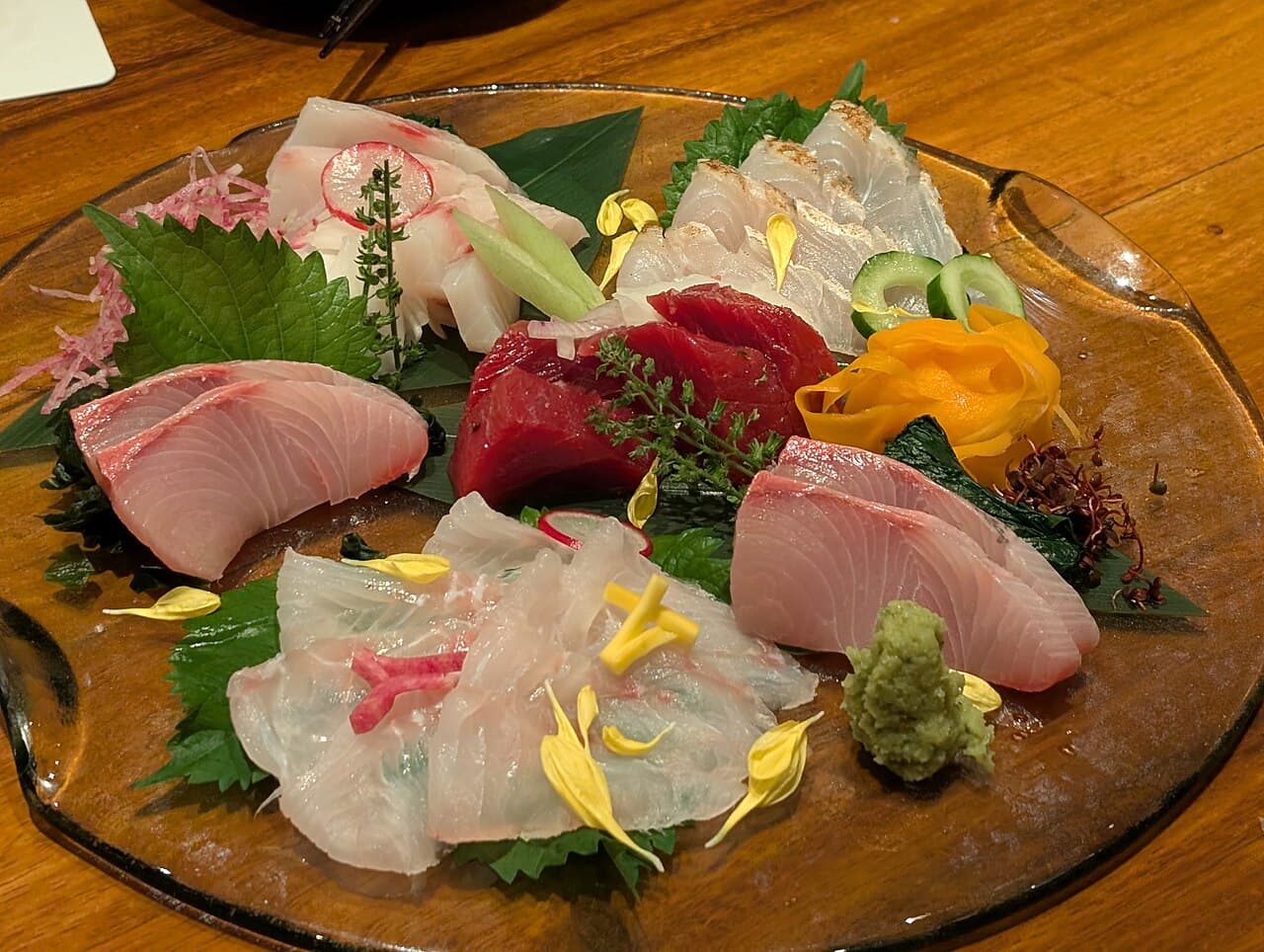
The range is vast: fruity and floral ginjo, rich junmai, sparkling or aged. Pair it with sashimi, grilled fish or izakaya plates and the food and drink lift each other.
Made from rice — usually vegan. (Note: alcohol; not for halal or alcohol-free diets.)
FAQ
What is Sake (nihonshu)?
Japan's rice wine — the drink that frames the meal.
Is Sake (nihonshu) vegetarian, vegan, halal or gluten-free?
Made from rice — usually vegan. (Note: alcohol; not for halal or alcohol-free diets.)
💬Recipes and preparation vary by restaurant, so this is a general guide. If you're ever unsure, please confirm directly with the venue before you order — they'll appreciate the heads-up.
Where to try it — and book a table
Editor-picked spots for this dish. Each opens the listing we verified it against — hours, photos and how to get in touch.
A legendary fish izakaya tucked beneath the Yurakucho railway arches since 1946, run by Brit-owner Andy who hand-picks the catch at Toyosu Market each dawn.
The towering wooden-beamed izakaya that inspired Kill Bill's House of Blue Leaves, where lantern light conjures an Edo-era warehouse over plates of fresh soba and charcoal skewers.
★ Seasonal shojin kaiseki paired with sake and wine, refreshed every three weeks
A refined Roppongi shojin restaurant led by chef Daisuke Nomura, formerly of two-Michelin-starred Daigo, pairing plant-based Zen cuisine with carefully chosen sake and wine.
★ Inexpensive charcoal skewers including chicken and motsu (offal)
A near-century-old institution (founded 1928) at the entrance to Inokashira Park, where smoky charcoal skewers cost around 100 yen and the lantern-lit corner building is a Kichijoji landmark. It is a no-frills, often cash-only local favourite rather than a fine-dining venue.
★ Vegan kara-age (plant-based 'fried chicken') and vegan gyoza
A fully plant-based izakaya in the basement of Shibuya PARCO serving vegan 'fried chicken', gyoza and lemon sours, with no meat, fish, eggs, dairy or honey, so the fish-dashi trap does not apply. It is not gluten-free, as the mock-meat batters and soy sauce contain wheat.
★ Carefully measured Akita sake (a single brand) paired with classic seasonal izakaya fare
A roughly century-old Yushima tavern (reopened as a bar in 1924) run by the same sake-merchant family for generations, pouring a single Akita sake brand; a selection on Tabelog's Izakaya East 100 and a study in classic izakaya manners.