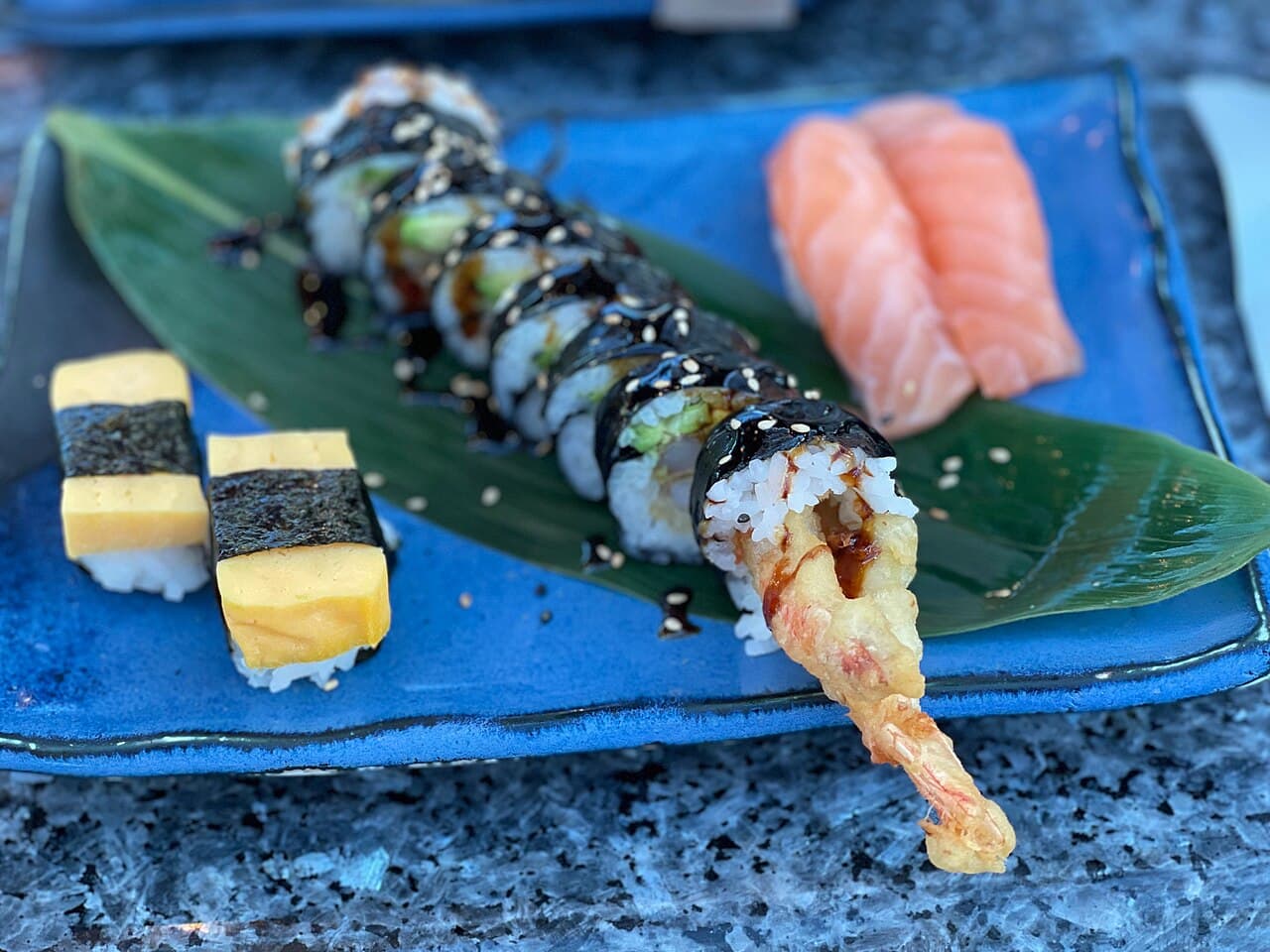
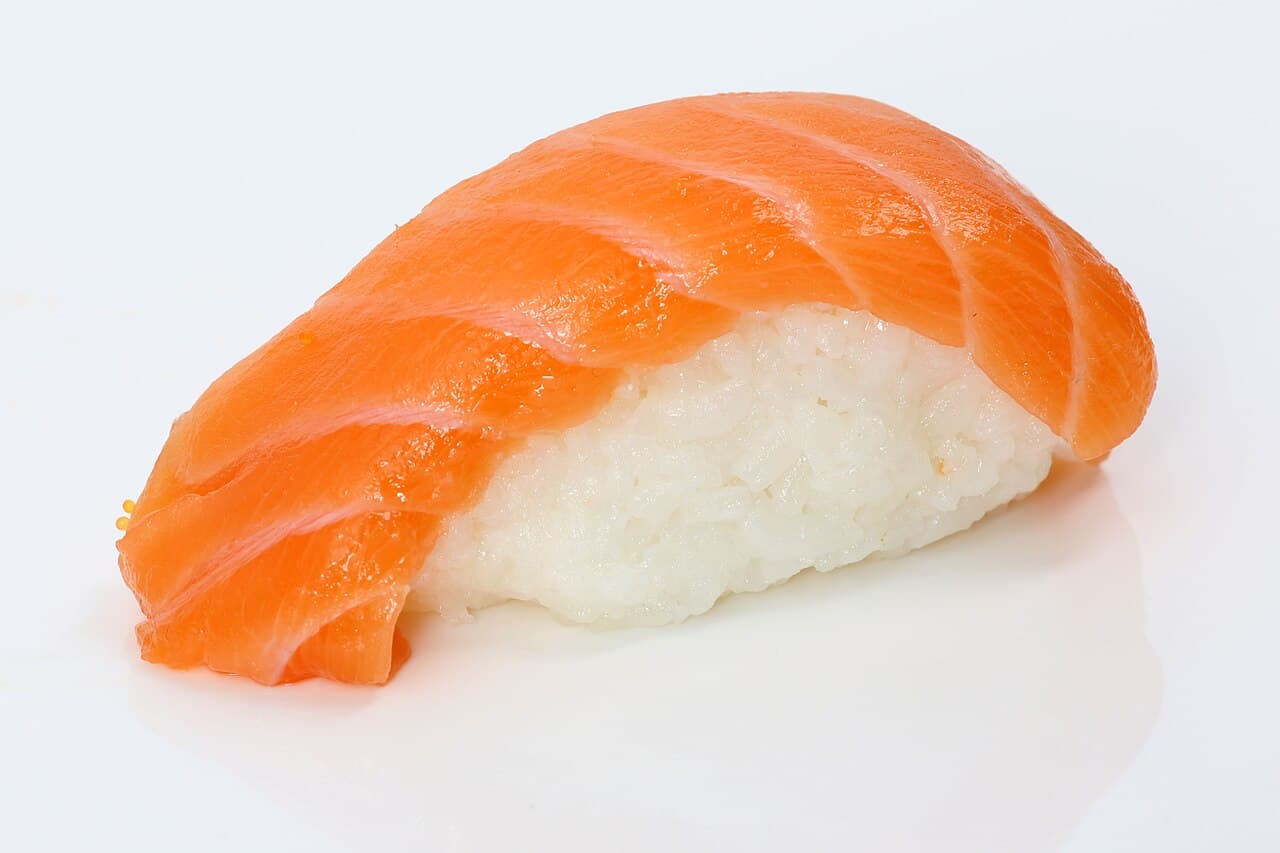
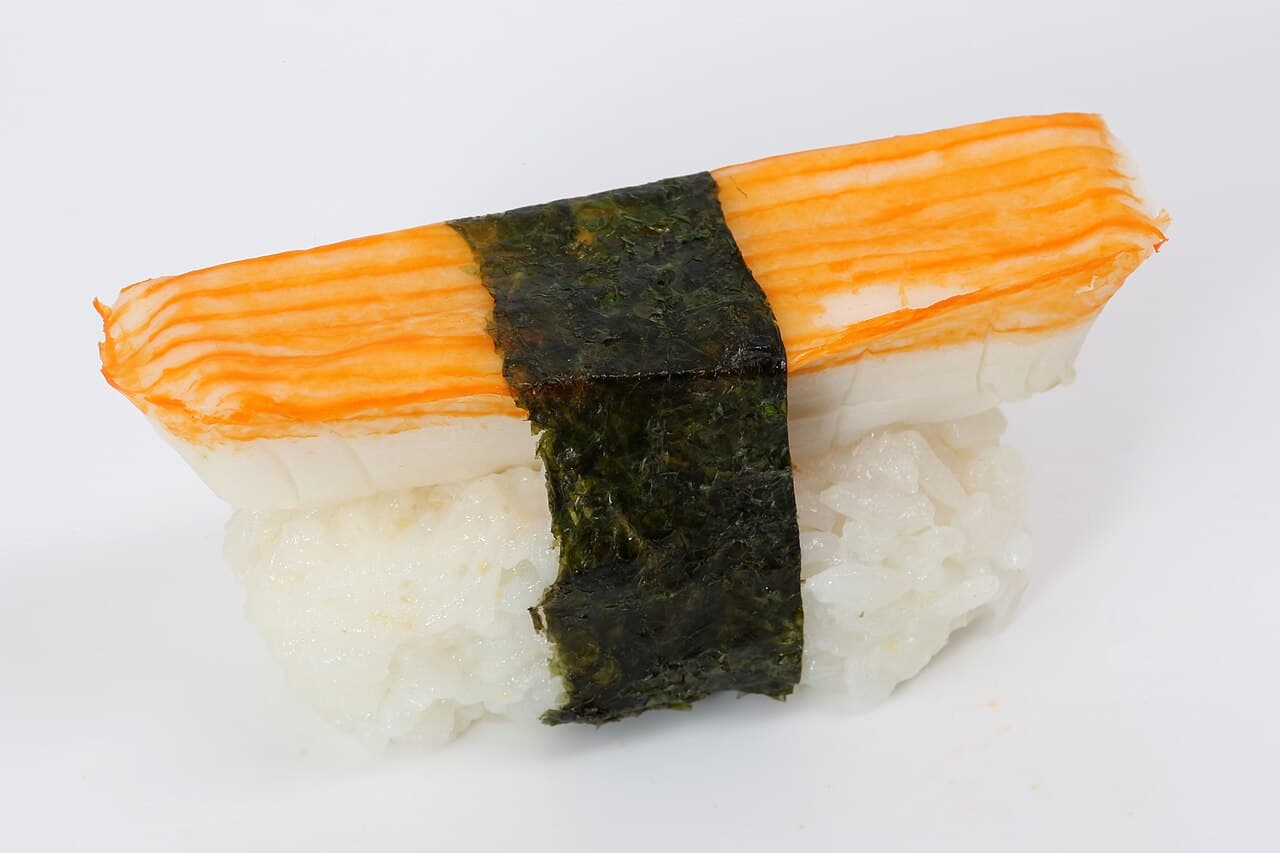
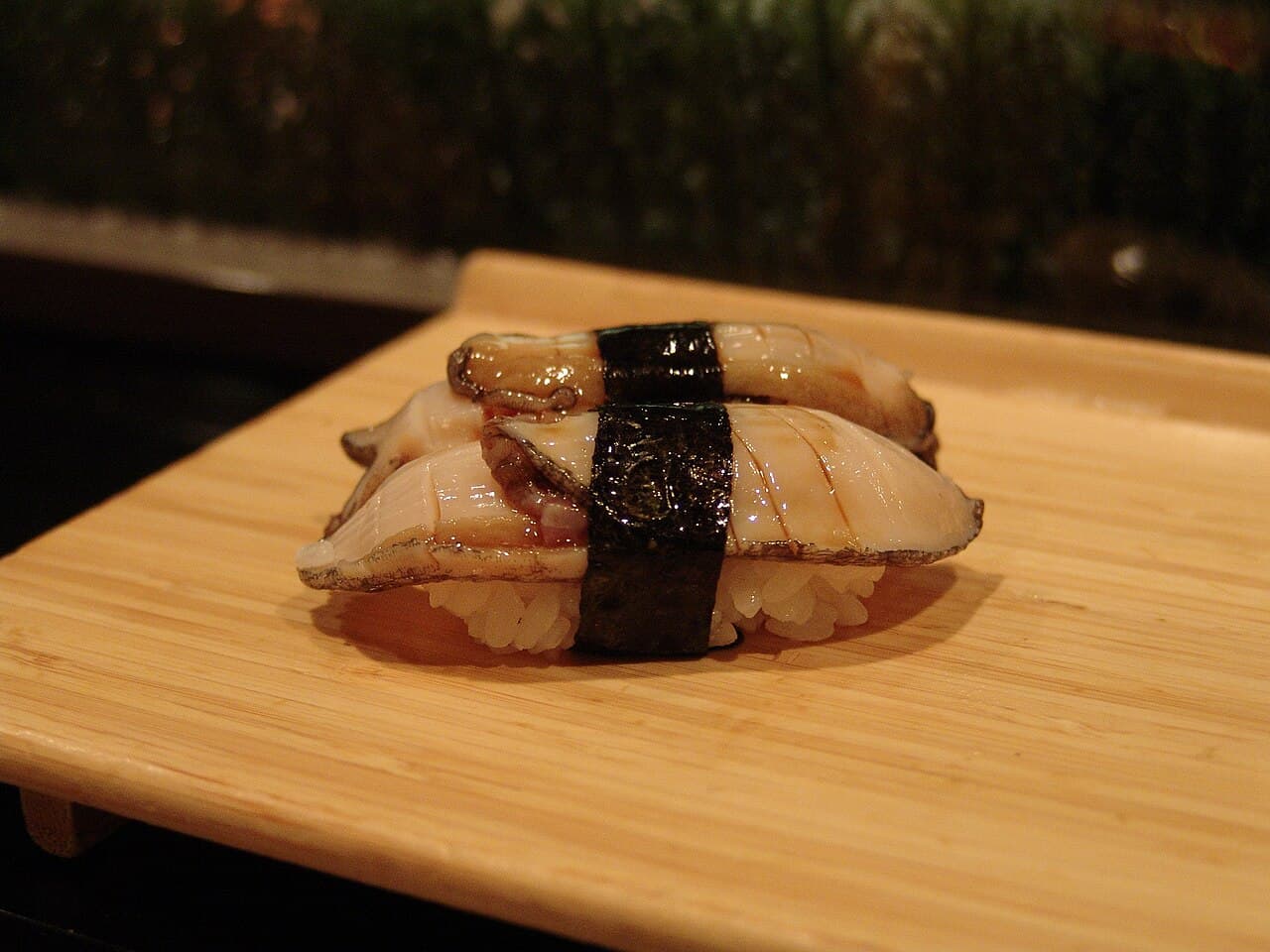
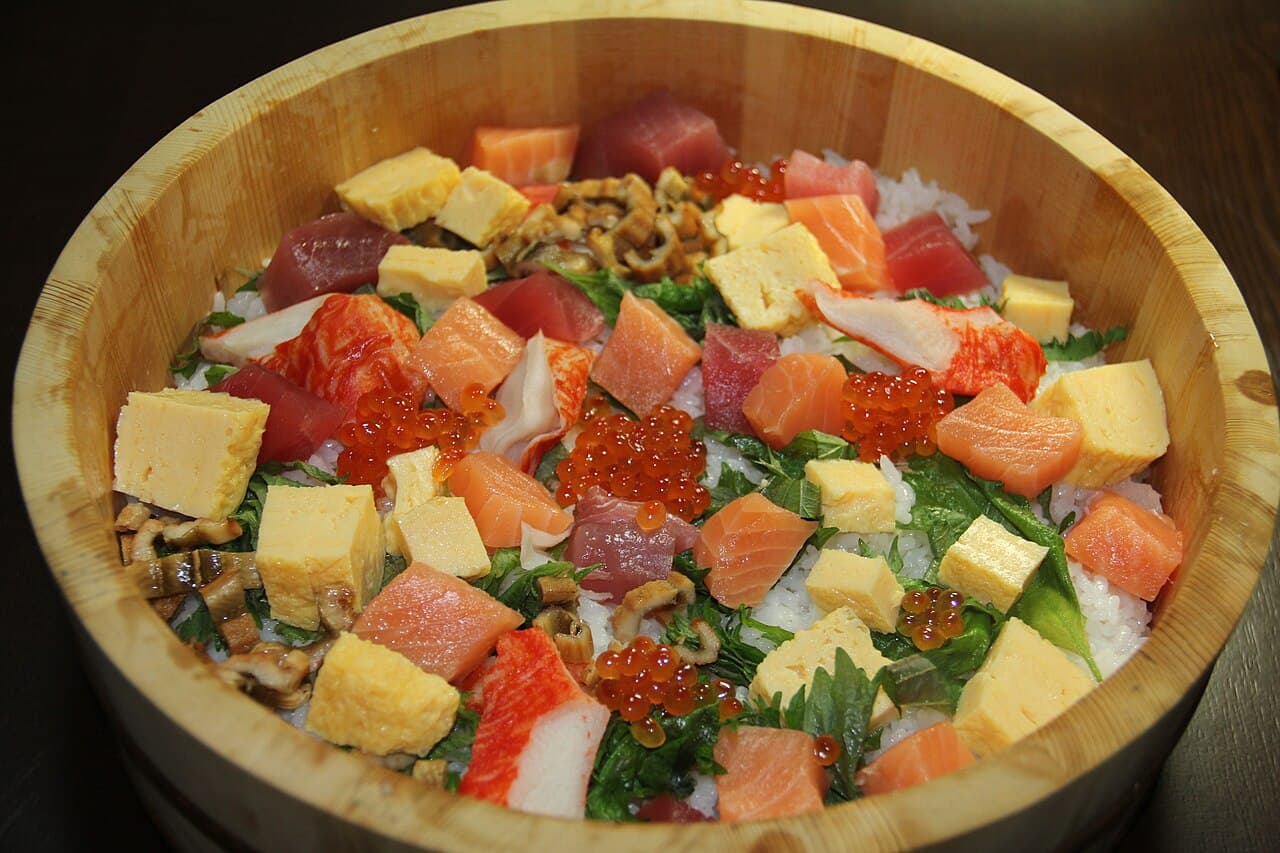
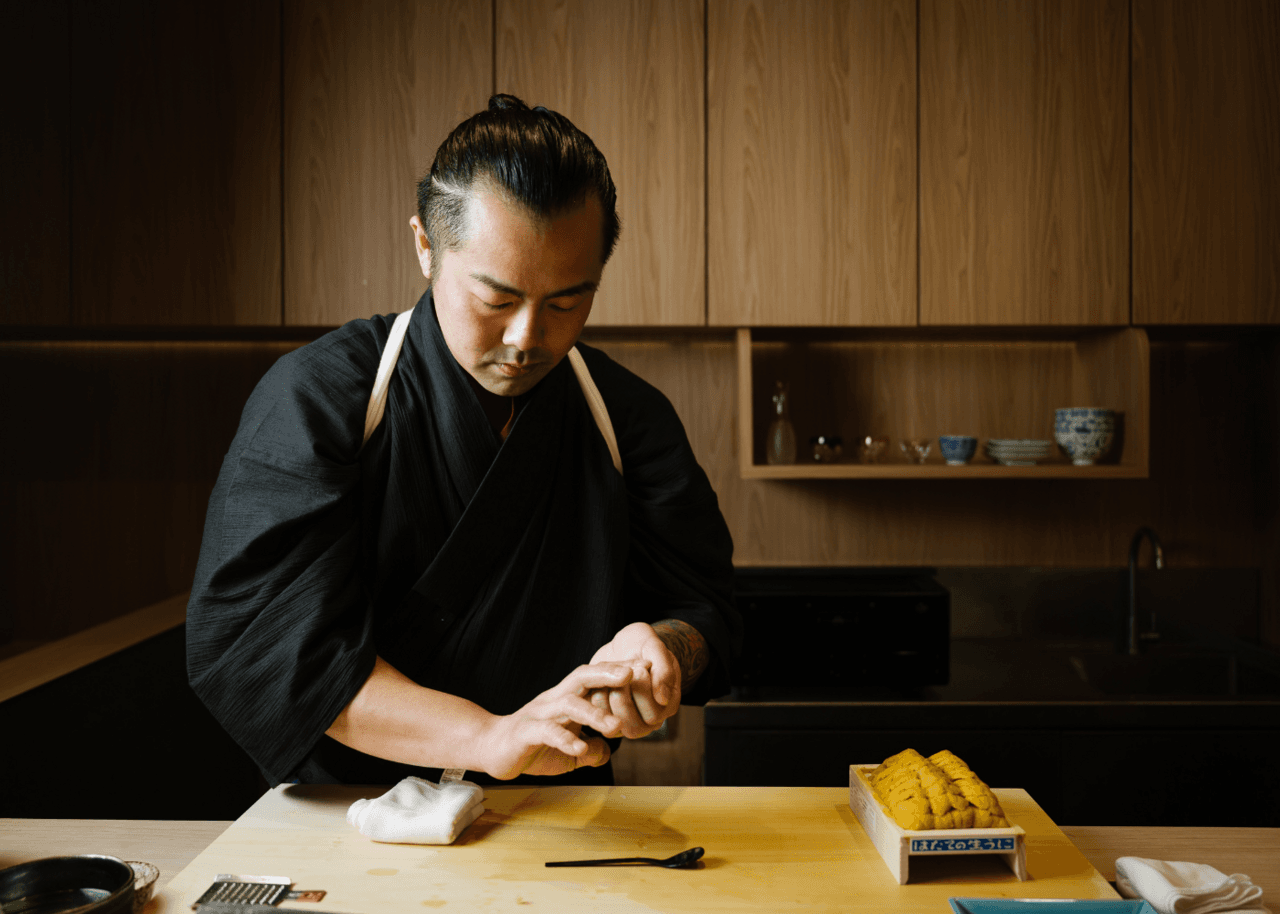
A long-established (1889) Edomae sushi house in the Tsukiji Outer Market that stayed open after the market's relocation, serving classic nigiri sets and sashimi. As seafood-and-rice sushi it is naturally pescatarian; not gluten-free (soy sauce contains wheat).
Can I eat here?
✓ Diets our editors confirmed in person· English menu / support
🐟
Show this to staff
Pescatarian
肉と鶏肉は食べませんが、魚介は大丈夫です。
Niku to toriniku wa tabemasen ga, gyokai wa daijōbu desu.
Tsukiji Sushisei Honten (also romanized "Sushisay" on the parent company's own website, tsukijisushisay.co.jp) is the flagship shop of the Sushisei group, an Edomae sushi house tracing its roots to 1889 (Meiji 22), when it started as a stall serving workers at the old Nihonbashi fish market. It later followed the market to Tsukiji and now sits inside the Tsukiji Outer Market, a short walk from where the wholesale market itself operated before its 2018 move to Toyosu. The group has since grown to more than twenty branches around Japan, but the Tsukiji honten remains the historical anchor.
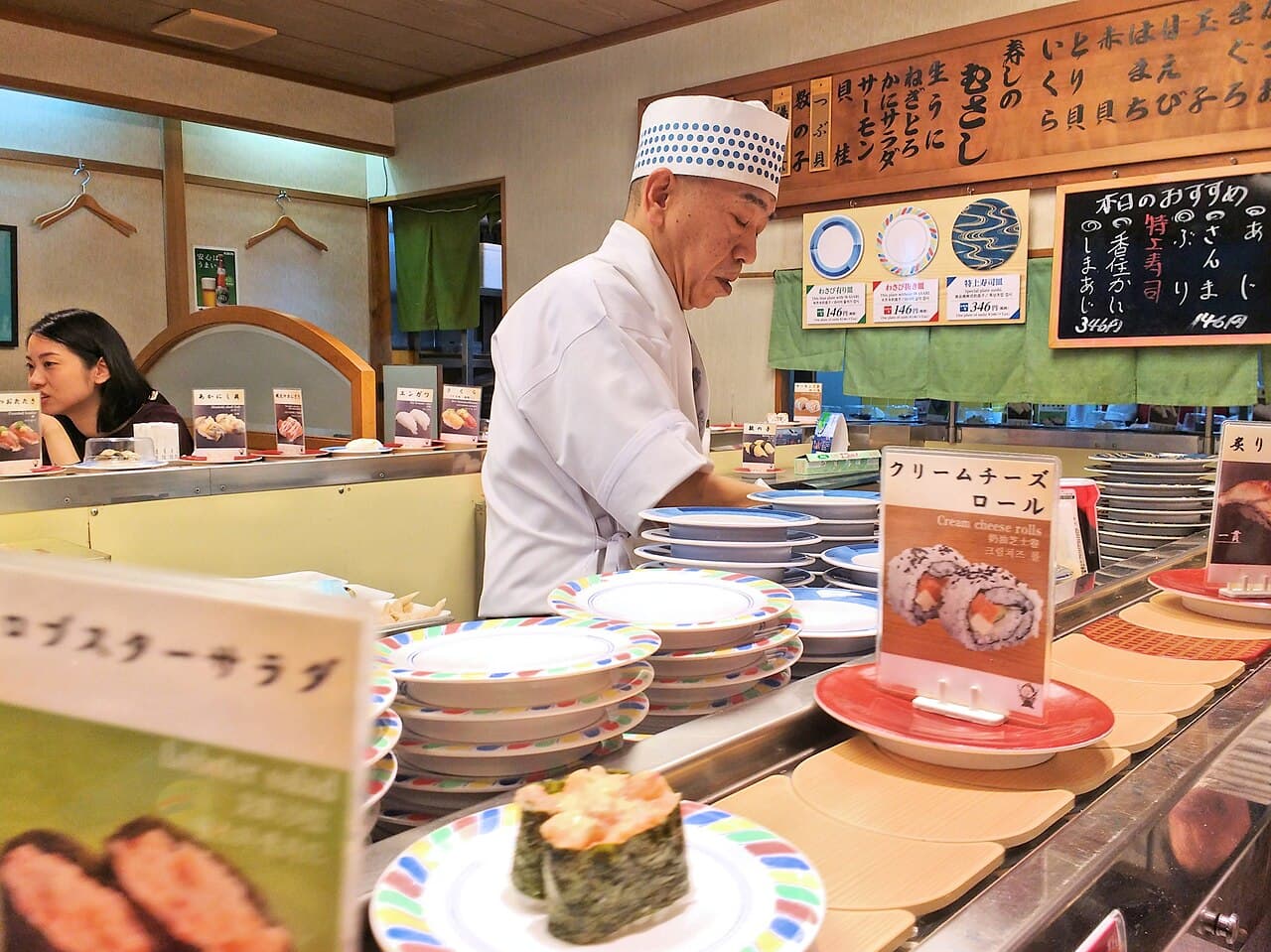
The two-story building has counter seating on both floors (18 seats on the first floor, 11 counter seats plus tables on the second) so diners can watch chefs slice and press nigiri to order; the second-floor tables can suit small groups, but no private or individual rooms are advertised on the restaurant's own site or on major listing sites. Individual nigiri pieces run roughly JPY216–648, and lunch here is notably more accessible than dinner: a lunch omakase set of about 12 pieces has been reported around JPY3,800 per person, while an evening visit with drinks can run into the JPY10,000–15,000 range per person, per third-party listings — treat these as approximate, not fixed menu prices.
Reservations are accepted for second-floor seating only; the ground-floor counter is walk-in. Sources disagree on payment: the Tsukiji Outer Market's own shop directory lists cash and IC transit cards (Suica/Pasmo) only, while Tabelog lists major credit cards as accepted — so it's worth asking or carrying cash as backup. No English menu or English-speaking staff is confirmed on official sources — a translation app is a sensible backup. As a fish-forward Edomae sushi restaurant using soy sauce (contains wheat) and vinegared rice, it is not set up for vegan, halal, or gluten-free diners, and there's no evidence of certification or a dedicated allergen menu; anyone with strict dietary needs should ask staff directly before ordering rather than assume accommodation. It's a 3-minute walk from exit A1 of Tsukijishijo Station (Toei Oedo Line) and about 5 minutes from Tsukiji Station (Hibiya Line). Closed Wednesdays except national holidays.
✓ Last verified Jul 2026
Hours and details can change — please confirm before you visit.
★ Edomae nigiri course — soy sauce to fish, all halal-certified
Japan's first halal-certified sushi house, steps from Senso-ji, serving full Edomae nigiri — soy, fish and pickles all halal — with a second-floor prayer room built with the local mosque.
★ Kakinoha-zushi — cured mackerel and salmon pressed onto vinegared rice and wrapped in a persimmon leaf
The Naramachi dining branch of Hiraso, a kakinoha-zushi house founded in Yoshino in 1861, where Nara's landlocked specialty — mackerel or salmon cured and pressed onto vinegared rice, then wrapped in a fragrant persimmon leaf — is served as a sit-down meal a short walk from Sarusawa Pond. Because the toppings are fish, it suits pescatarians but not vegetarians or vegans; the rice is seasoned with vinegar and ordinary soy accompanies it, so it is not gluten-free. Closed Mondays.
★ Plant-based nigiri and sushi sets using vegetable alternatives to fish
A sit-down plant-based sushi restaurant in Shoto (near Shibuya) where every piece is made without seafood or animal products, so there is no fish dashi to worry about. It is not gluten-free (soy sauce and some components contain wheat); reservations are recommended and the venue opened its permanent location in late 2025.
★ Edo-style omakase with multiple types of natural tuna
A respected Edomae sushi counter in the Tsukiji Outer Market founded by a third-generation fish wholesaler, with a lunch kaisendon/sushi range and pricier dinner omakase. Entirely seafood-focused, ideal for pescatarians.
A busy Tsukiji Outer Market kaisendon specialist offering around 30 seafood rice bowls made with fish bought daily at Toyosu — the raw-seafood-over-rice bowls are naturally pescatarian. Typically eaten with wheat-containing soy sauce, so not gluten-free unless you request/bring tamari.