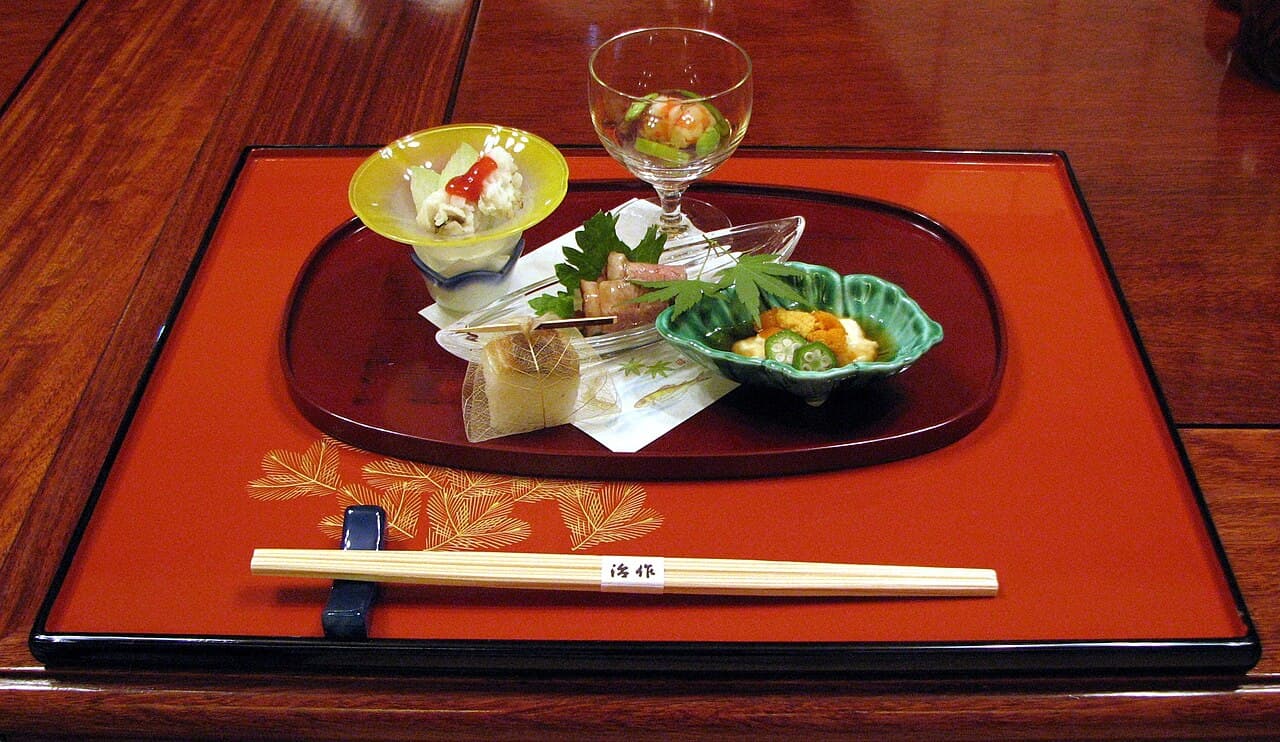
A serene garden-side kaiseki house in temple-filled Kita-Kamakura, descended from a rice-ball shop founded in 1964 in front of Kencho-ji, a few minutes' walk from the station. Its everyday menu is seasonal kaiseki built on Kamakura vegetables, tofu and wheat gluten, but it will prepare a fish-free Buddhist shojin (vegetarian) course for vegetarian and Muslim guests when booked in advance — so reserve and state your needs rather than assuming the standard course is meat-free. Closed Thursdays.
★ Vegetarian mapo tofu and meat-free dumplings alongside a Taiwanese menu
A small, friendly Taiwanese restaurant on the edge of Yokohama Chinatown serving an everyday menu with a genuine set of plant-based choices — vegetarian mapo tofu, meat-free dumplings and vegetable dishes — and English is spoken, which is rare for the area. A full vegetarian course needs a reservation, though à-la-carte vegetarian dishes do not. As with all Chinese kitchens, confirm whether items use chicken stock, oyster sauce or egg if you are strictly vegan.
★ Seasonal set meals built from pesticide-free vegetables, rice and house seasonings
A small lunch-focused vegetarian restaurant a few minutes from JR Nara Station, run by a committed-vegan chef who uses pesticide-free and organic vegetables with no meat, fish or seafood — a reassuring option in a city where most cooking still leans on bonito dashi. Most dishes are plant-based and dairy-free; strict vegans should still confirm egg and honey when ordering. It is effectively lunch-only (around 11:00–14:30) and closed Mondays and public holidays, so plan around its hours.
★ Silky oboro tofu and yuba in a seasonal multi-course meal
An upscale riverside tofu-kaiseki house in central Kyoto serving silky oboro tofu and yuba in seasonal multi-course form, with a full English menu and summer riverside (kawayuka) seating. It offers a dedicated fish-free vegan course ('Rokuhara') with no meat, shellfish, egg, dairy or fish — but you must order that specific course, since the standard tofu courses likely use bonito dashi.
★ Seasonal multi-course shojin set served in lacquerware
Temple-run Zen vegetarian dining inside Tenryu-ji, one of Arashiyama's great Zen temples (Michelin Bib Gourmand, Kyoto-Osaka 2025), served as a seasonal multi-course set in lacquerware. Traditional shojin uses kombu and shiitake rather than fish dashi, so there is no bonito broth; the menu does not publicly itemise egg or honey, so strict vegans should confirm when reserving. A garden admission fee applies on top of the course.
★ An omakase course built around premium heritage chickens grilled over charcoal
A charcoal-yakitori specialist near Ueno-Hirokoji ranked on Tabelog's Top-100 yakitori list for several years (Yakitori East 2023-2025), serving an omakase course built around premium heritage chickens such as Kagoshima black Satsuma. Reservation-focused and at the higher price tier.
★ Black wagyu and abalone cooked on the teppan, plus kaiseki courses
An upscale basement kaiseki-and-teppanyaki restaurant in Akasaka with private rooms, focused on black wagyu and seafood. It publishes a low-allergen menu excluding milk and tree nuts, but the kitchen is shared and trace cross-contamination is possible, so it is allergen-aware rather than allergen-free.