A 1959-vintage temple-cuisine institution near Iriya where John Lennon and Yoko Ono once dined, serving 300-year-old fucha-ryori in garden-view tatami rooms.
Can I eat here?
✓ Diets our editors confirmed in person
🥬
Show this to staff
Vegetarian
私はベジタリアンで、肉と魚は食べません。
Watashi wa bejitarian de, niku to sakana wa tabemasen.
I'm vegetarian — I don't eat meat or fish.
この料理に肉や魚のだしは入っていますか?Does this dish contain meat or fish stock?
Multi-course fucha-ryori banquet in a private tatami room
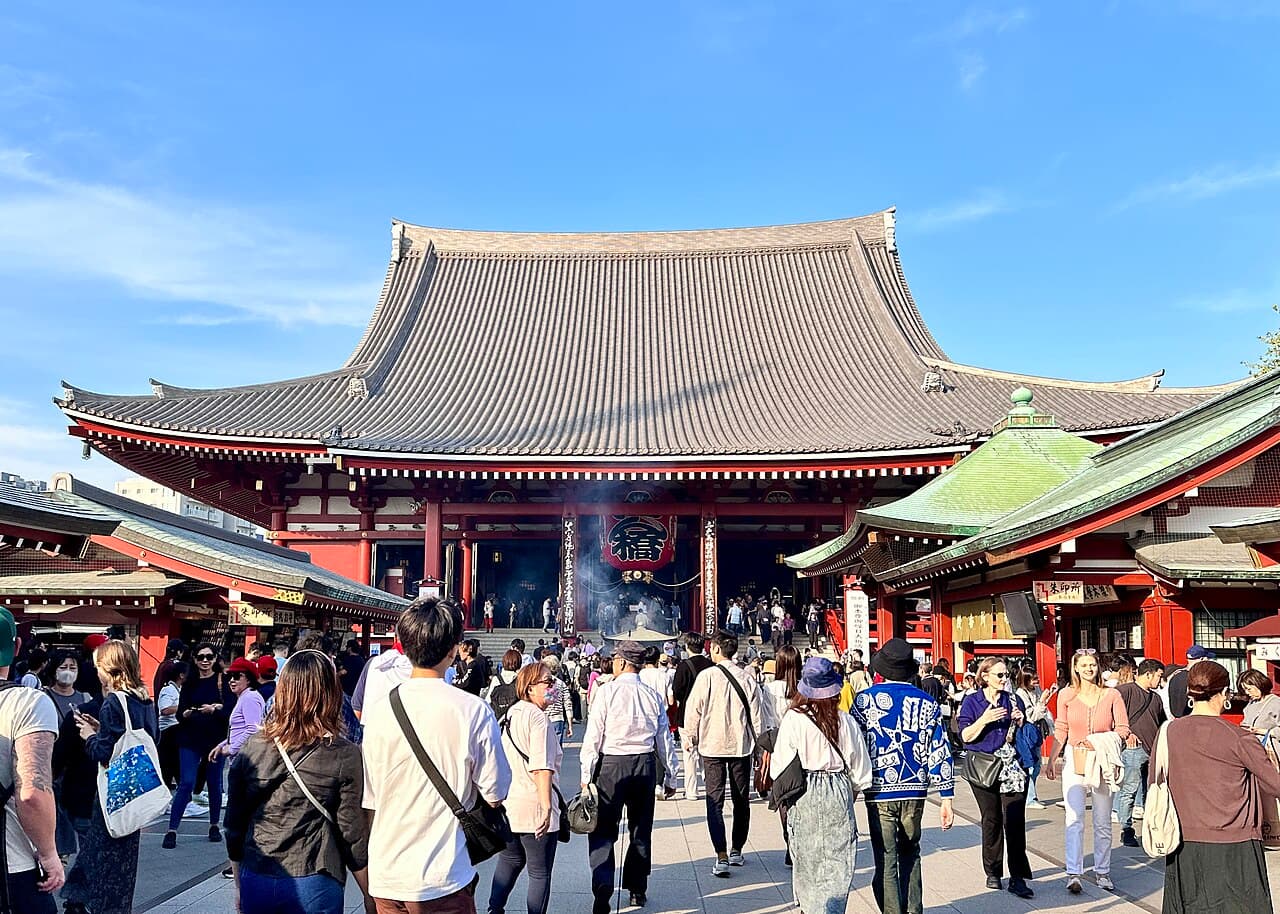
Fucha Ryori Bon has served fucha-ryori — the Buddhist banquet cuisine that Obaku Zen monks brought from China roughly 360 years ago — from the same address in Ryusen, a quiet temple district near Asakusa, since it opened in the spring of 1959. John Lennon and Yoko Ono are among the diners who have eaten here over the decades, drawn by a menu built entirely without meat, fish, onion, or garlic.
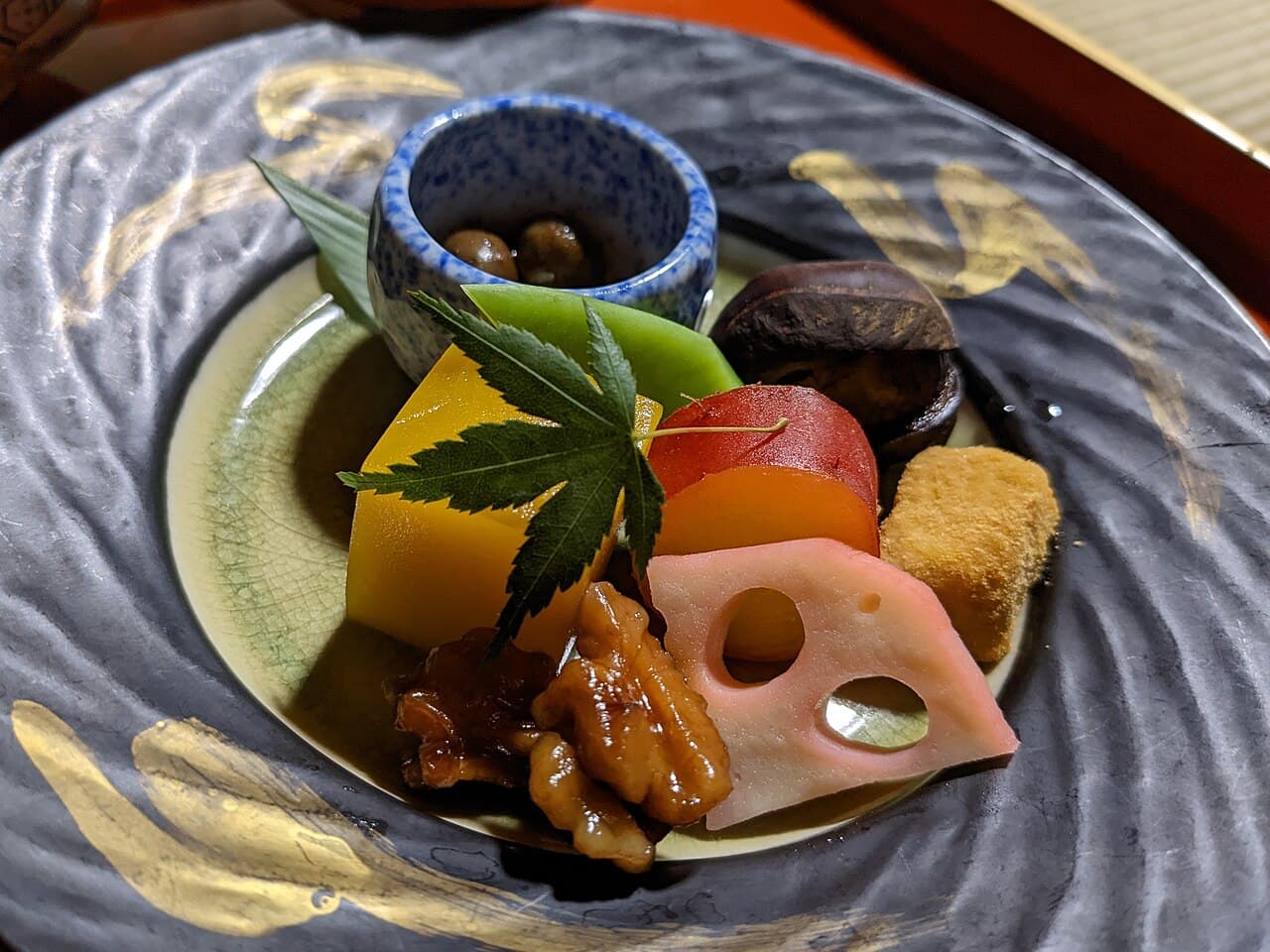
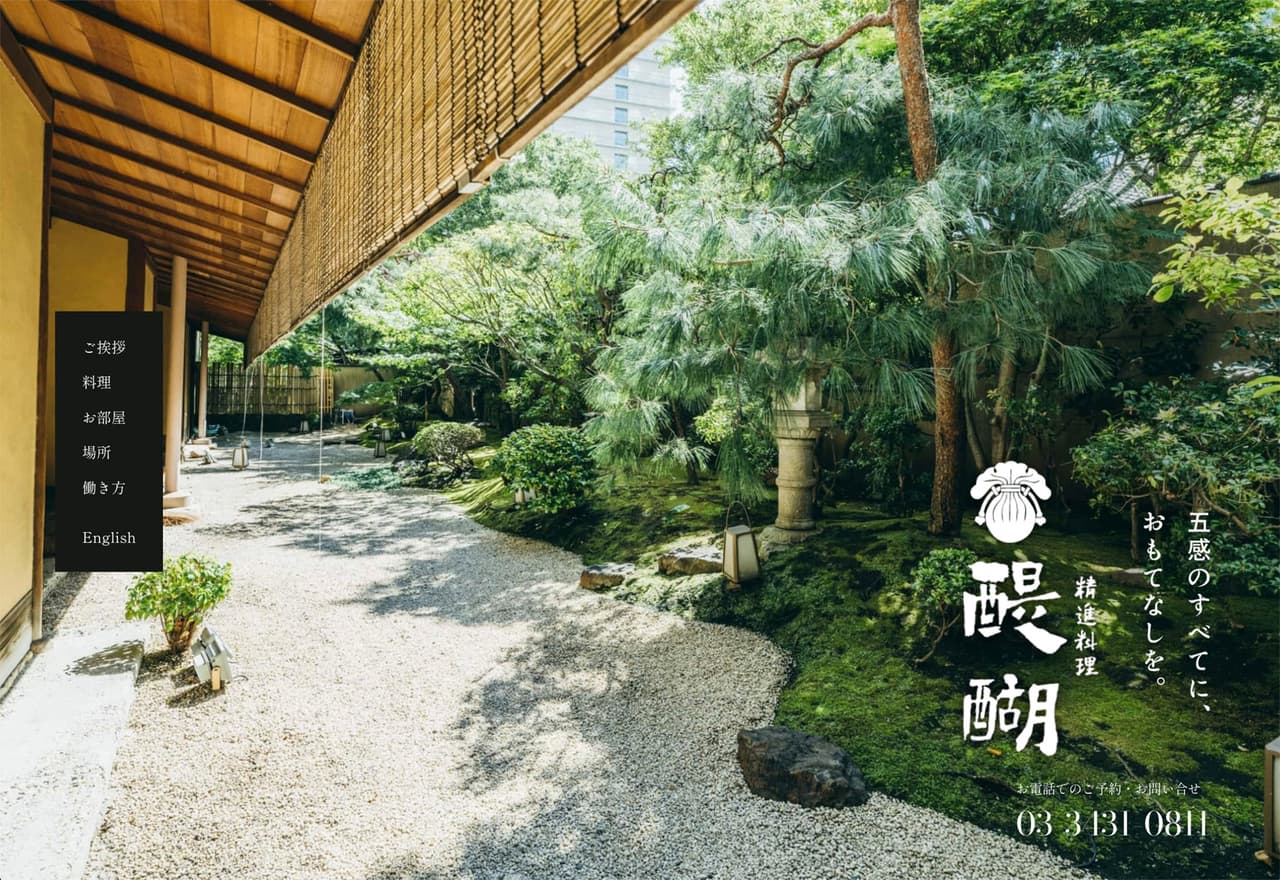
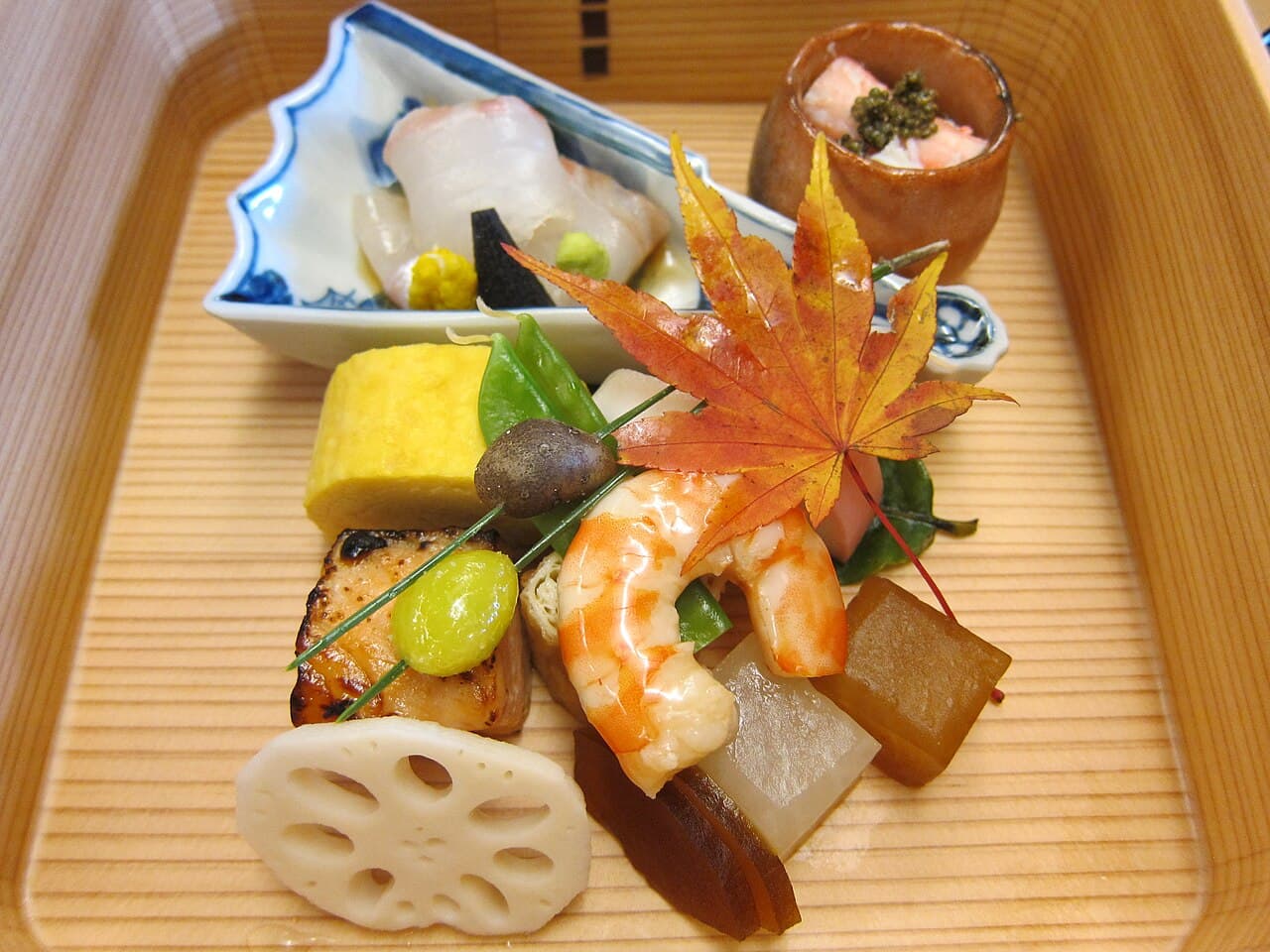
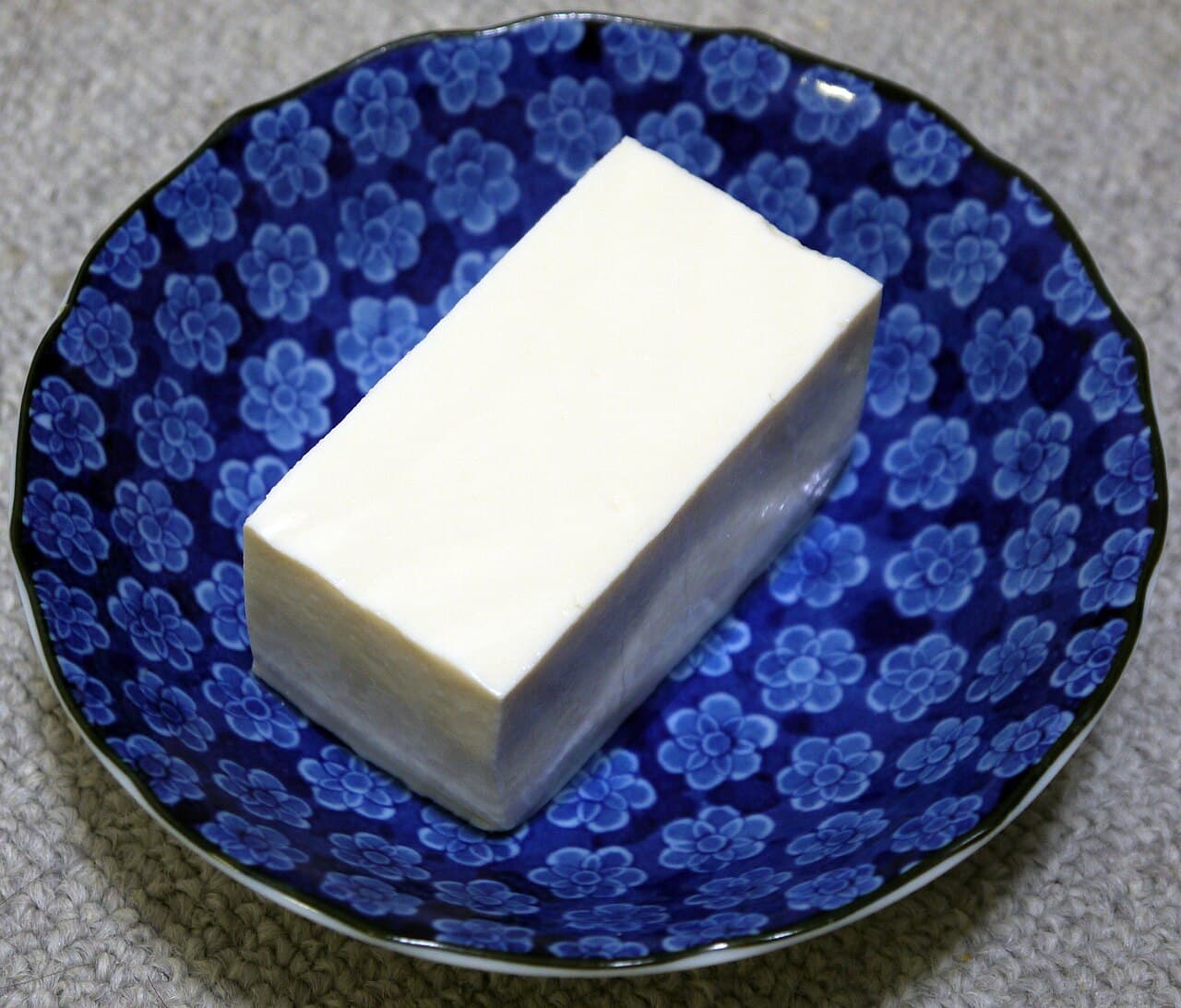
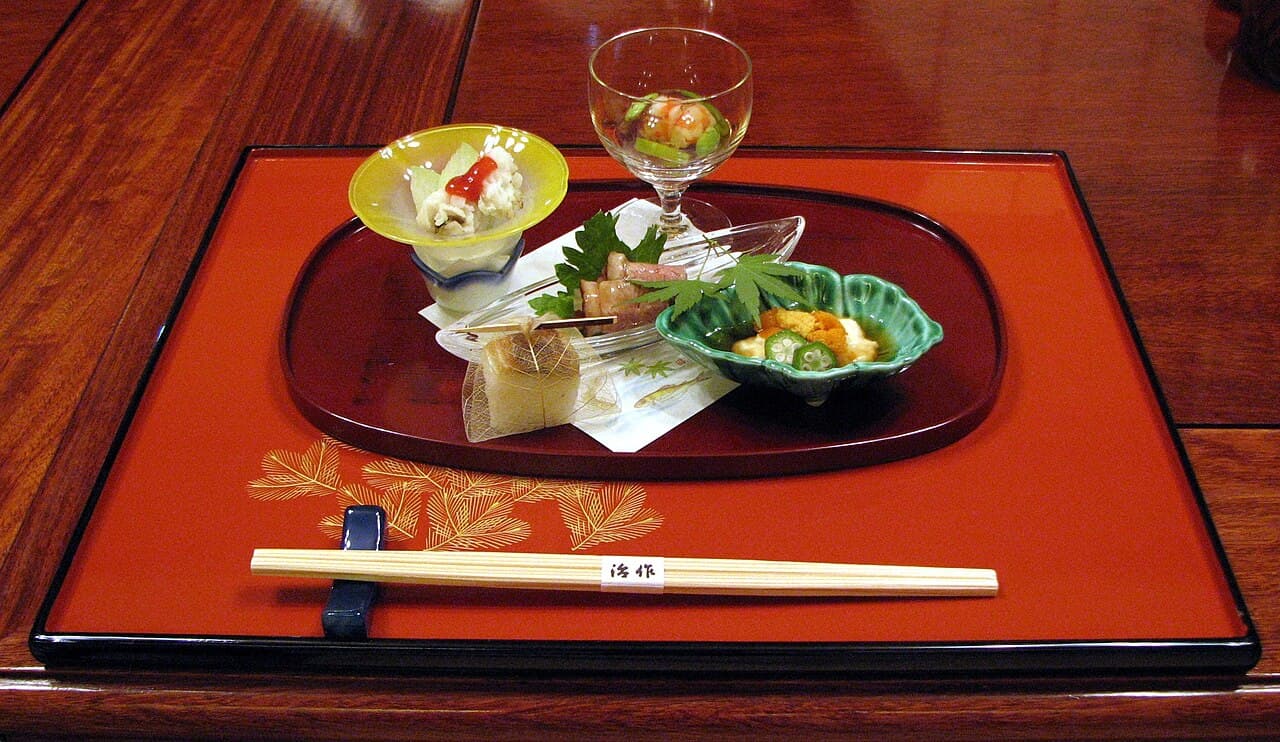
The courses (¥6,000–¥10,000) arrive dish by dish under lidded bowls, each one uncovered at the table as a small reveal. A soy-based “mock eel” glazed in a sweet, smoky sauce is the dish regulars ask for by name, alongside unpen, a stewed vegetable classic that traces directly back to the Obaku temple kitchens of 17th-century Uji. Seating is in private tatami rooms — some fitted with sunken floors and chair-height seating for guests who can’t sit on the floor for a full course — looking out over a small interior garden through low windows, with exposed beams and bamboo giving the rooms a quiet, worked-wood warmth rather than a museum stillness.
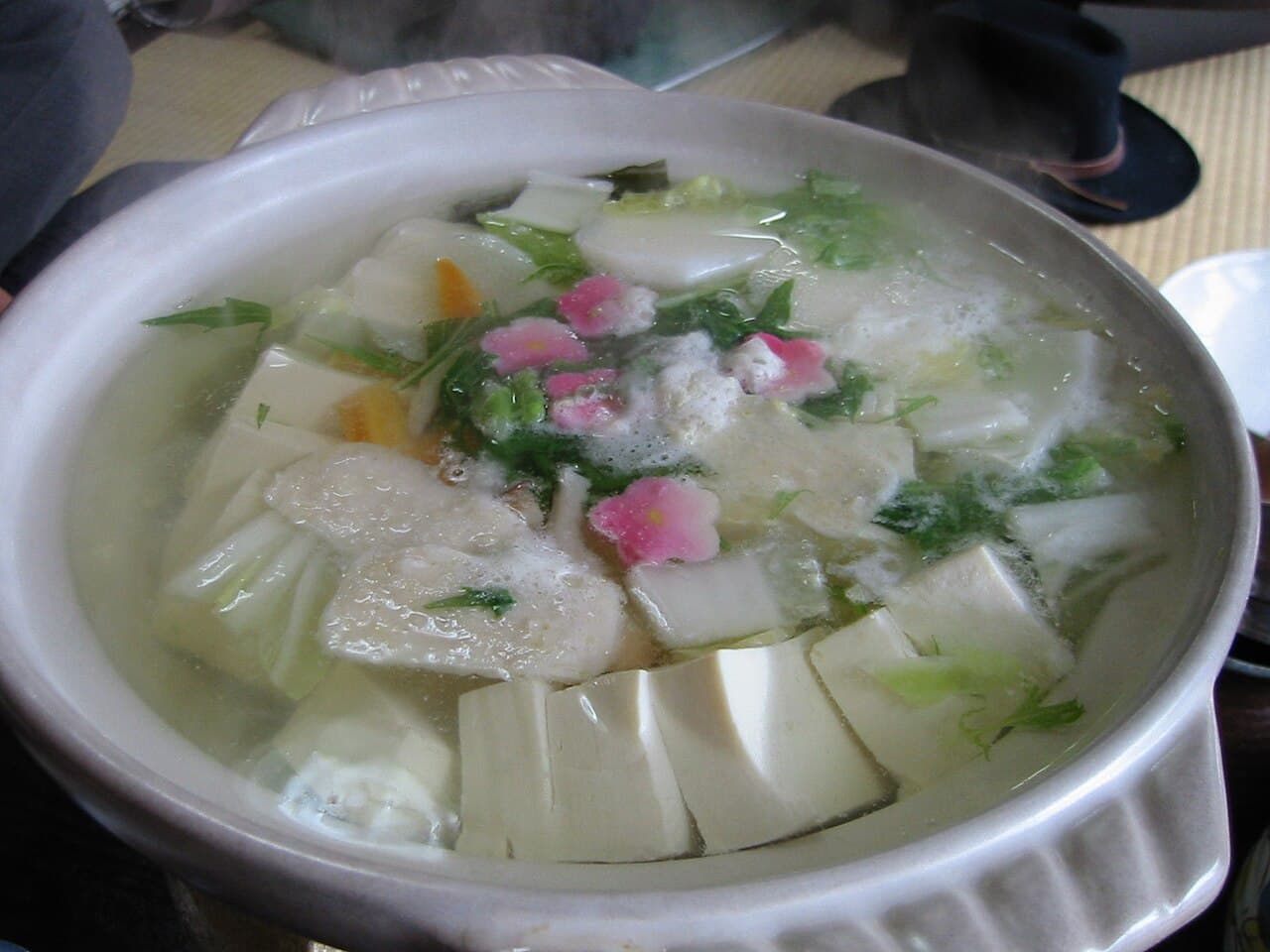
Because this is temple food rather than a modern vegan restaurant, the kitchen treats the ban on onion, garlic, and other pungent ingredients as a religious rule, not a dietary trend — worth knowing if you’re vegan for health reasons rather than tradition, since the flavor profile leans toward umami built from vegetables and kelp rather than the alliums many diners expect.
Practical note: every seat is reservation-only (call 03-3872-0375; same-day cancellations are charged), staff explain each course as it's served — you'll get an English overview leaflet rather than an itemized English menu — and credit cards are accepted at dinner only — bring cash if you’re coming for lunch. It’s about a 10-minute walk from Iriya Station.
✓ Last verified Jul 2026
Hours and details can change — please confirm before you visit.
★ 'Eel' sushi and namasu crafted entirely from tofu and burdock
A reservation-only tatami refuge where a chef who trained 25 years at Takayama's Kakusho turns the seasons into meat-free trompe-l'oeil — tofu that tastes like eel, burdock that becomes sushi.
★ Seasonal shojin kaiseki paired with sake and wine, refreshed every three weeks
A refined Roppongi shojin restaurant led by chef Daisuke Nomura, formerly of two-Michelin-starred Daigo, pairing plant-based Zen cuisine with carefully chosen sake and wine.
★ Kuchifuku set — nine seasonal vegan sides with rice and miso soup
A casual, affordable vegan cafeteria run by a Kamakura temple lineage beneath the Akihabara rail arches, where even garlic and onion are forsaken in true shojin style.
★ Vegetarian mapo tofu and meat-free dumplings alongside a Taiwanese menu
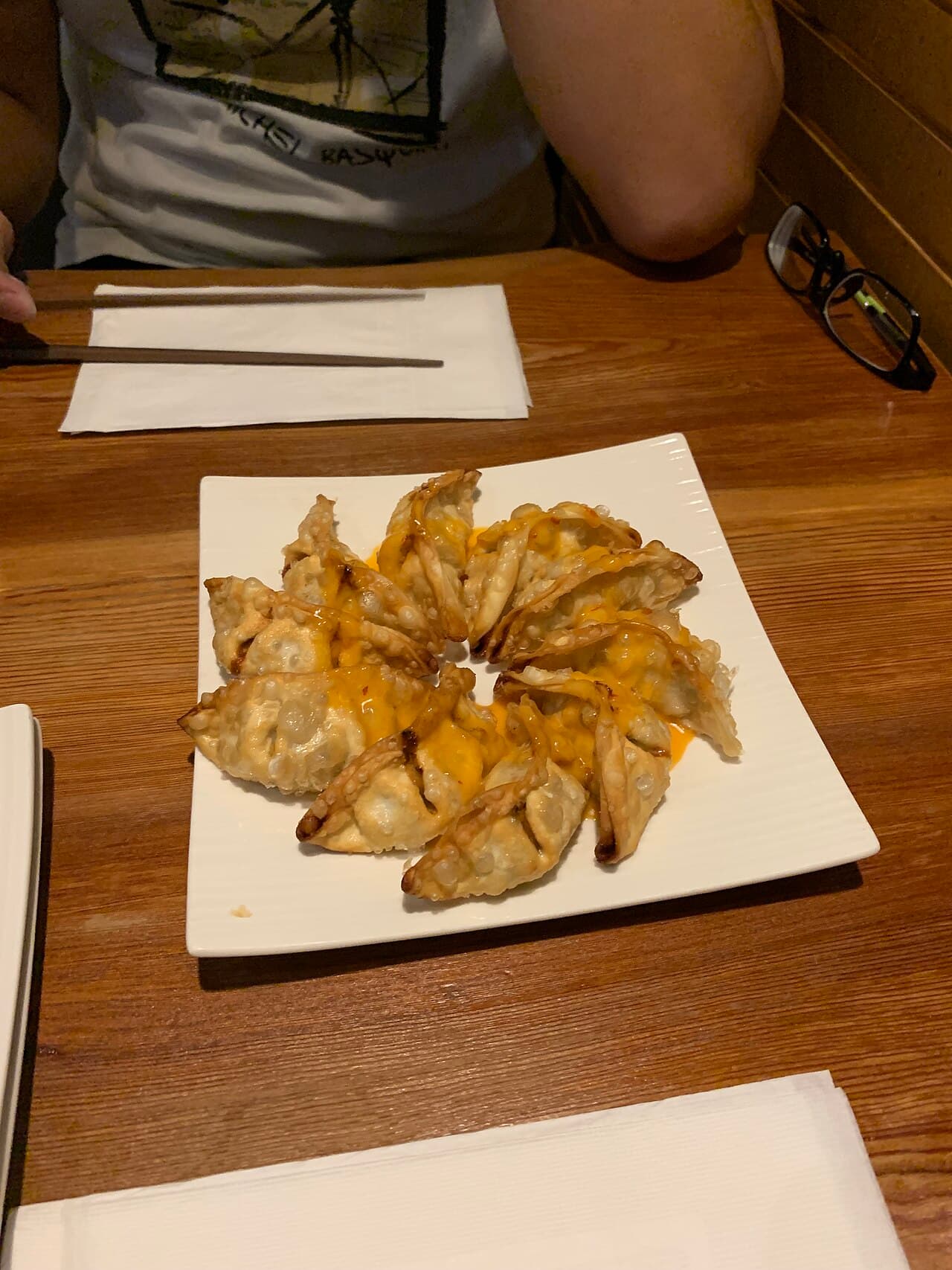
A small, friendly Taiwanese restaurant on the edge of Yokohama Chinatown serving an everyday menu with a genuine set of plant-based choices — vegetarian mapo tofu, meat-free dumplings and vegetable dishes — and English is spoken, which is rare for the area. A full vegetarian course needs a reservation, though à-la-carte vegetarian dishes do not. As with all Chinese kitchens, confirm whether items use chicken stock, oyster sauce or egg if you are strictly vegan.
🥬Vegetarian
🌱Vegan
✓ Last verified Jul 2026
Casual
Solo
Date
Kita-Kamakura, Kanagawa · Kaiseki with Kamakura vegetables (vegetarian shojin course on request) · ¥¥¥
★ Seasonal kaiseki of Kamakura vegetables, tofu and wheat gluten in a garden dining room
A serene garden-side kaiseki house in temple-filled Kita-Kamakura, descended from a rice-ball shop founded in 1964 in front of Kencho-ji, a few minutes' walk from the station. Its everyday menu is seasonal kaiseki built on Kamakura vegetables, tofu and wheat gluten, but it will prepare a fish-free Buddhist shojin (vegetarian) course for vegetarian and Muslim guests when booked in advance — so reserve and state your needs rather than assuming the standard course is meat-free. Closed Thursdays.