- Solo
- Casual
A halal ramen specialist near Ebisu Station serving rich chicken-paitan bowls plus Japanese sides, with an English menu and prayer space. The Ebisu branch is halal-certified (the chain obtained certification in 2020); confirm the certifying body on the in-store certificate, as Honolu's other branches vary.
Can I eat here?
Diets our editors confirmed in person· English menu / support
Show this to staff
Halal
豚肉とお酒(アルコール)は食べられません。
Butaniku to osake (arukōru) wa taberaremasen.
I can't eat pork or alcohol.
- みりんや料理酒は使っていますか?Do you use mirin or cooking sake?
- ハラル認証はありますか?Is this place halal-certified?
Reserve & verify
Details
- Nearest station
- Ebisu Stn
- Cuisine
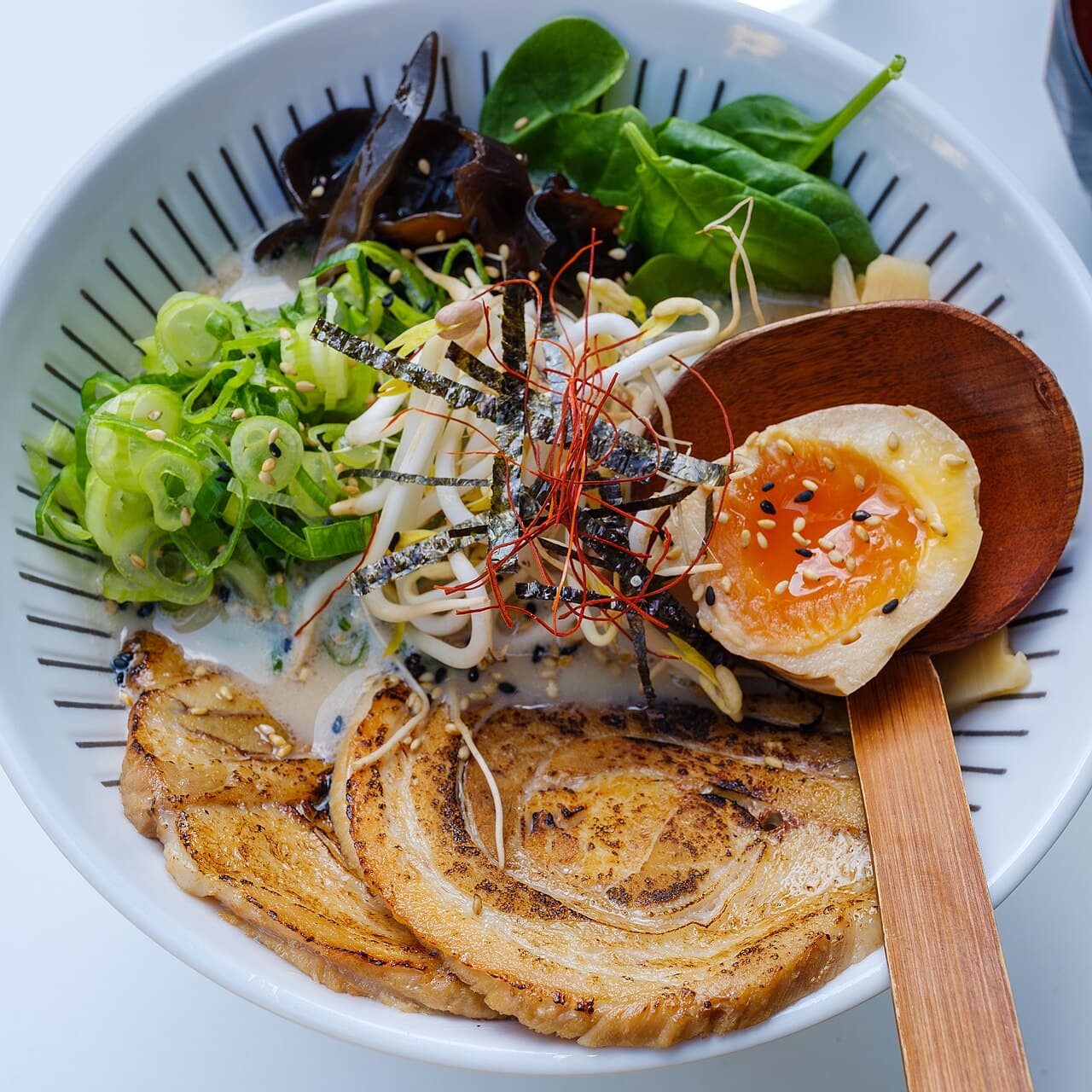
- Halal ramen (chicken paitan)
- Price
- ¥
- English menu / support
- ✓
- Signature
- Rich chicken-paitan ramen topped with spicy fried chicken
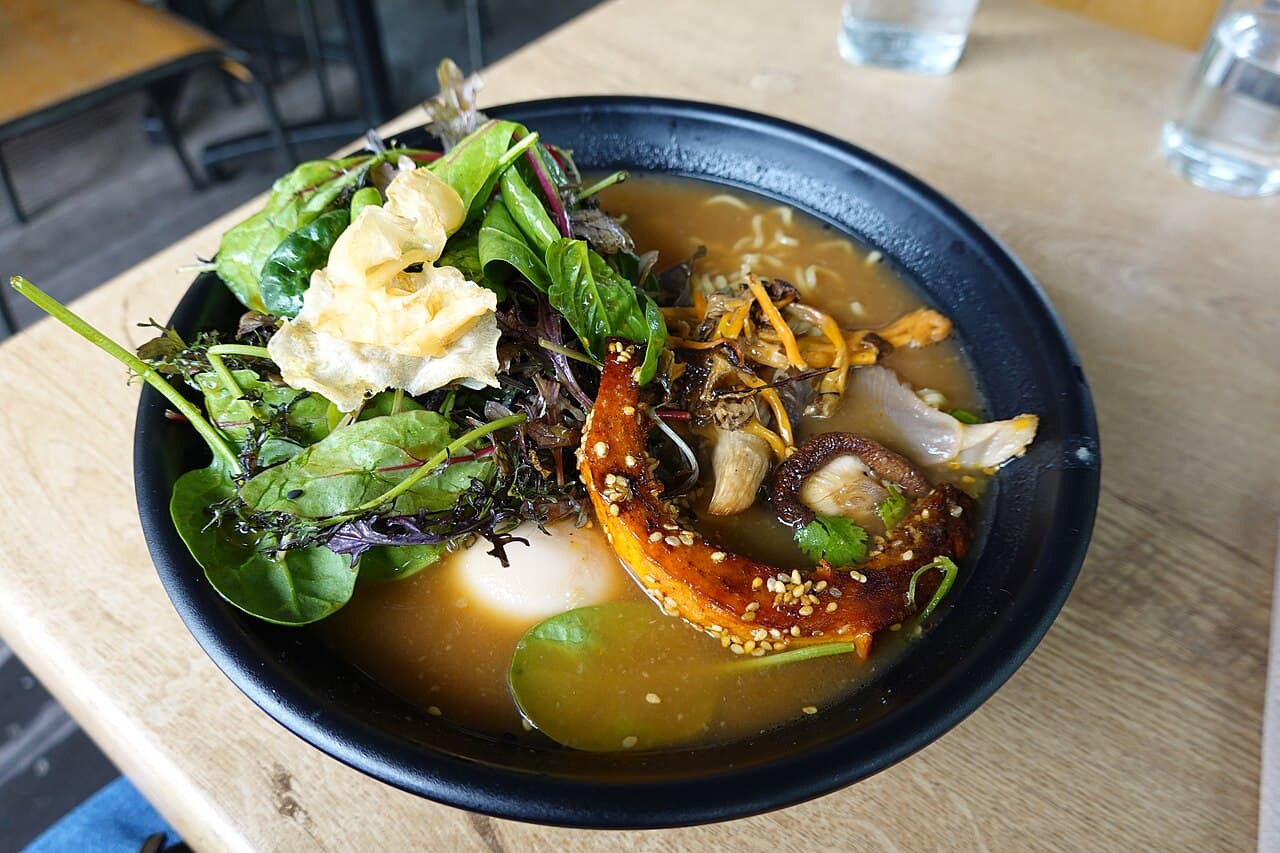
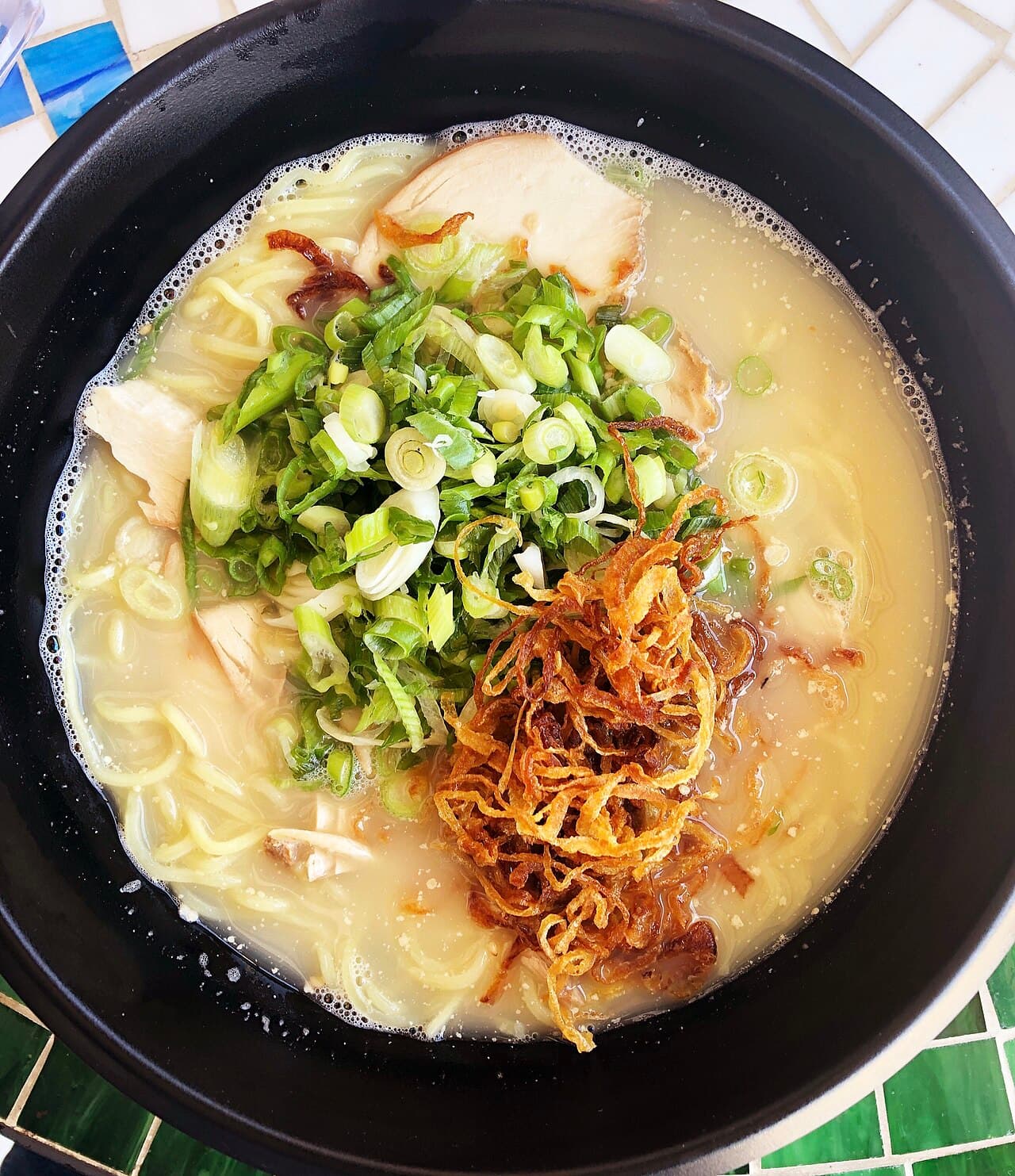
Honolu Ebisu is a compact, halal-certified ramen counter a short walk from Ebisu Station, built around one bowl done seriously well: a rich chicken paitan base finished with a mound of spicy fried chicken.
The shop occupies a narrow first floor with five counter seats, plus a tatami-style room upstairs that seats up to a dozen, so it works equally well for a solo bowl before a train or a small group settling in for the evening. The broth is chicken-only, with no pork and no alcohol in the stock, and the Ebisu branch has carried halal certification from the Japan Islamic Cultural Center, the body behind Tokyo's Otsuka Mosque, since 2020, with the certificate posted at the counter. Beyond the paitan ramen, the menu runs to karaage plates, curry rice, yakiniku, and takeaway bento boxes, so the kitchen is not a one-dish operation even if the ramen is what draws most people in. A prayer room is on site, a detail that matters here more than any food photo can show.
A few things worth knowing before you go: Honolu does not take reservations, so it is walk-in only, and payment is cash, with no cards or e-money accepted, so come with yen in hand. Service runs in two shifts, a lunch seating and a separate dinner seating with a break between rather than one continuous stretch, so it is worth checking the shop's own site or Instagram for the current hours before making a special trip. It sits roughly a seven-minute walk from Ebisu Station.
One nuance worth flagging: Honolu operates several branches around Tokyo, including Shinjuku, and certification details are not identical at every location. If halal compliance is non-negotiable for your visit, check the certificate posted in this Ebisu shop rather than assuming it matches another branch.
Last verified Jul 2026
Hours and details can change — please confirm before you visit.