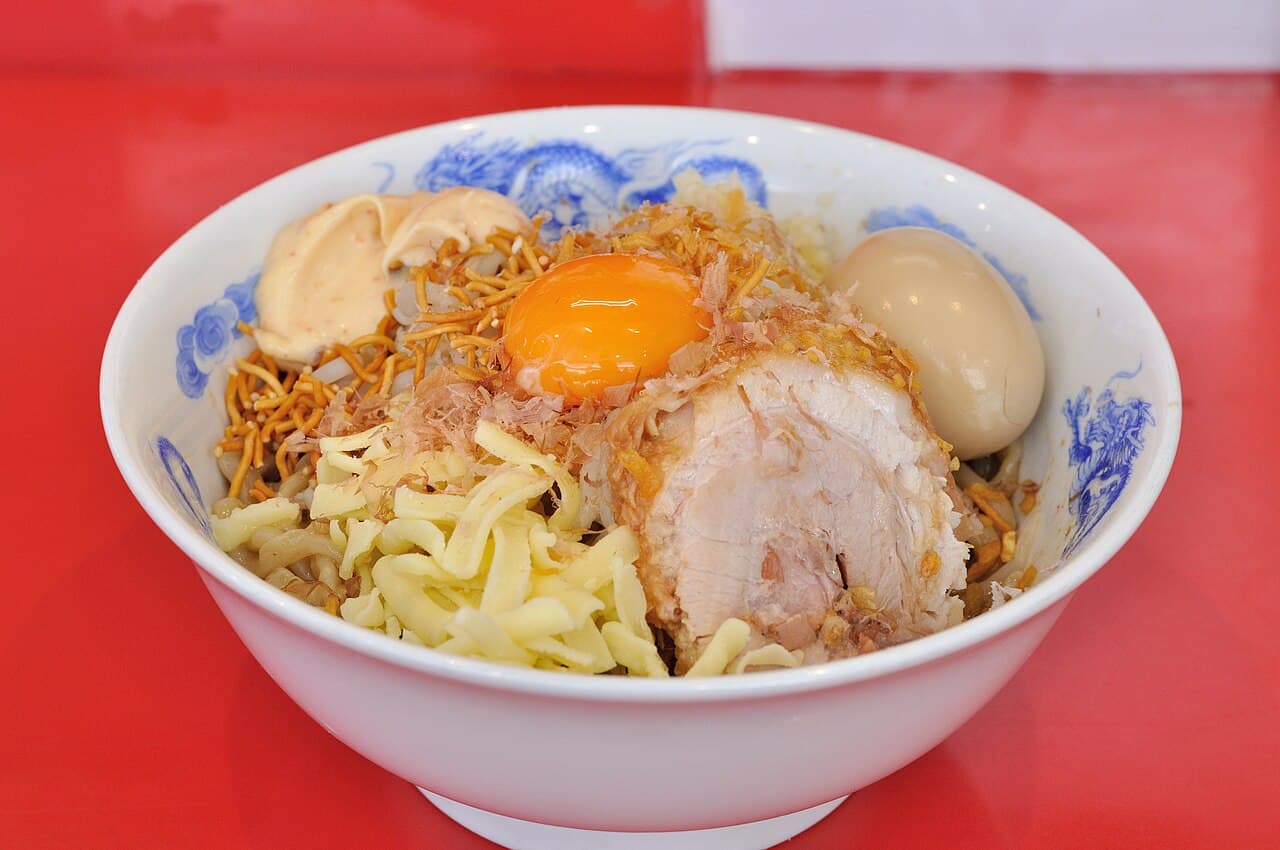
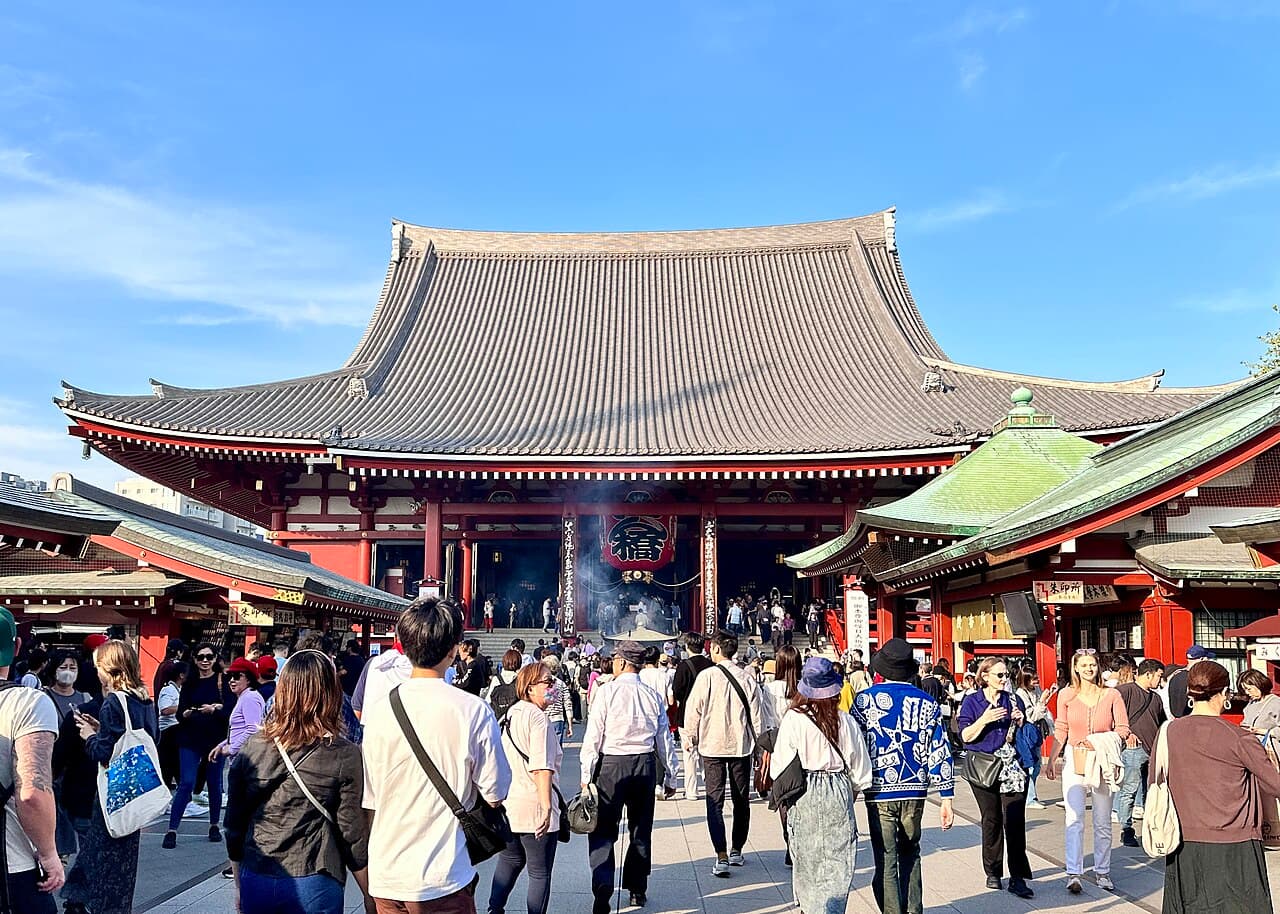
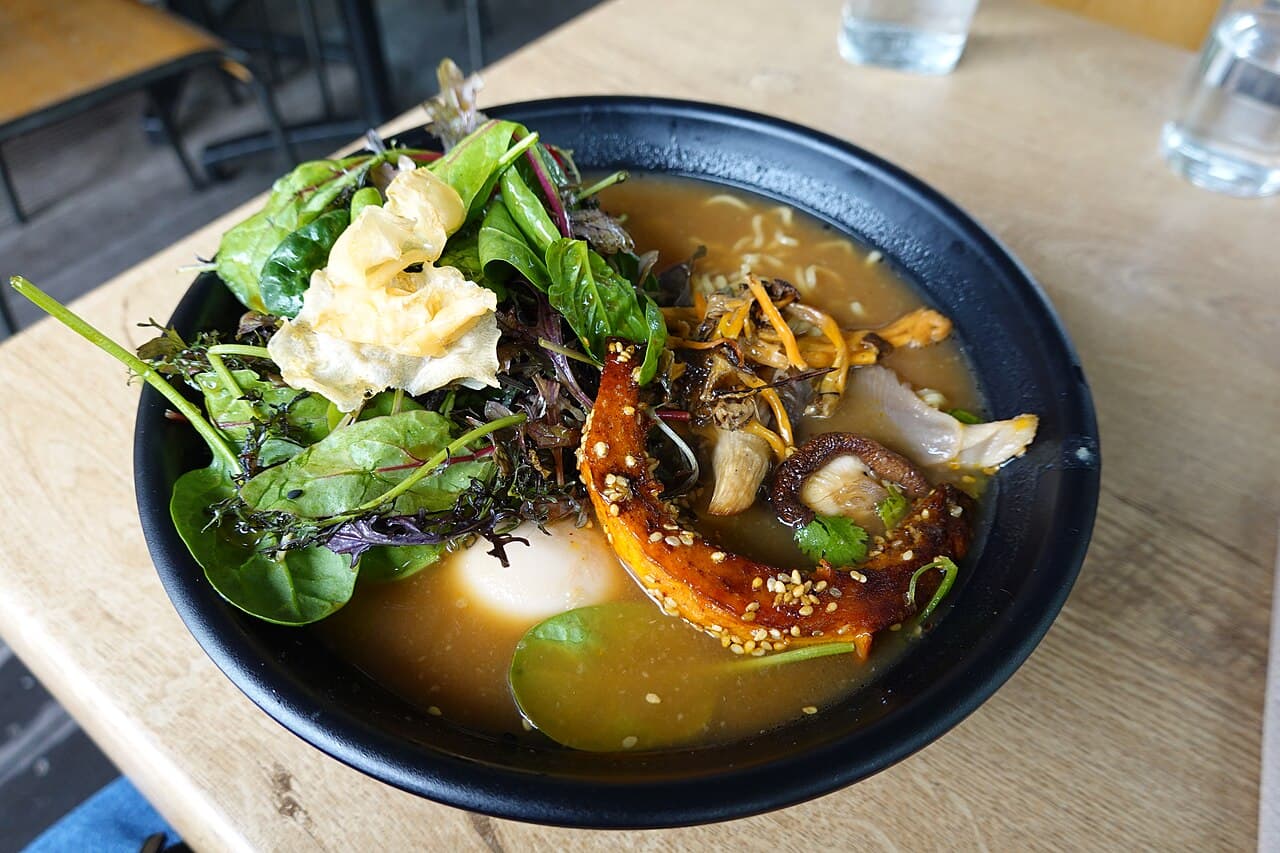
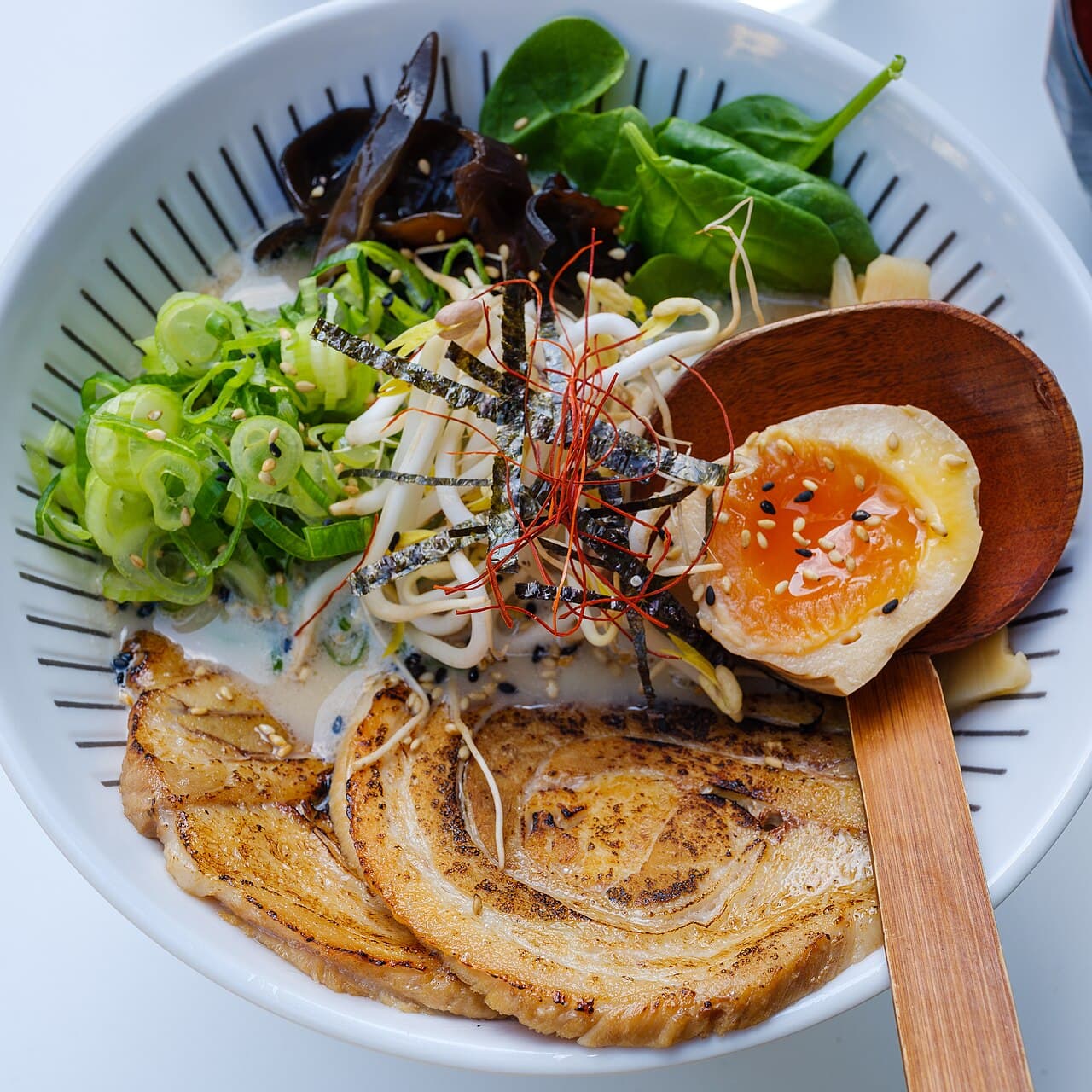
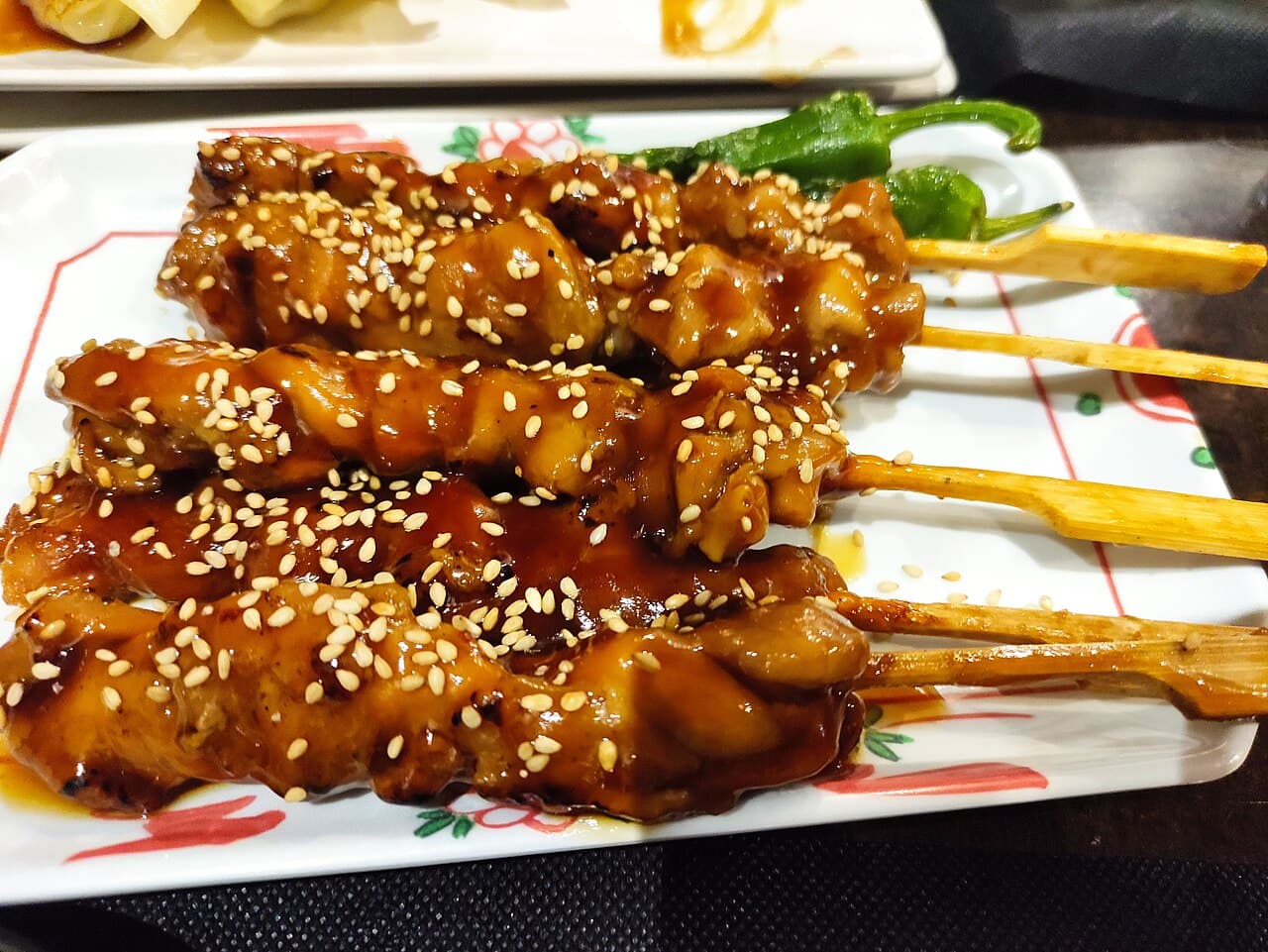
Steps from Senso-ji, this pioneering halal-certified ramen shop swaps pork for grilled chicken and lard for sesame oil, with a 2nd-floor prayer room for Muslim diners.
Can I eat here?
✓ Diets our editors confirmed in person· English menu / support
Naritaya earned its reputation as one of the first ramen shops in Tokyo to serve a genuinely halal-certified bowl, and for years it was the name every guide to Muslim-friendly dining in Asakusa reached for first. Tucked into the Nishi-Sando arcade just off Senso-ji’s west approach, a few minutes’ walk from Asakusa Station and the Nakamise shopping street, it built its following on solving a real problem simply: pork chashu swapped for grilled chicken, a chicken-and-bonito dashi with no alcohol or pork-derived ingredients, and a small prayer room upstairs for anyone who needed it.
The signature order was the Asakusa ramen — that chicken-and-bonito broth topped with grilled chicken standing in for the classic chashu, made with house noodles the kitchen kept additive-free. Alongside it, a curry mixed soba (served without broth) and a chilled zaru ramen in summer each built followings of their own. The certification here wasn’t a loose “halal-friendly” label; Naritaya held formal halal certification through the Islamic Center Japan (Otsuka Mosque), which is part of why it became the reference point other Asakusa halal spots get compared to.
One honest note before you plan a special trip: 2026 reports on this original Asakusa location are mixed. Some reviews and directory listings still show it operating, but at least one recently updated halal-dining guide reports the Asakusa flagship has closed, and Tabelog currently can’t confirm its status either way. Call ahead or check Google Maps the day of your visit rather than relying on any single source — and if it turns out to be closed, Asakusa’s other certified halal kitchens are a short walk away.
✓ Last verified Jul 2026
Hours and details can change — please confirm before you visit.
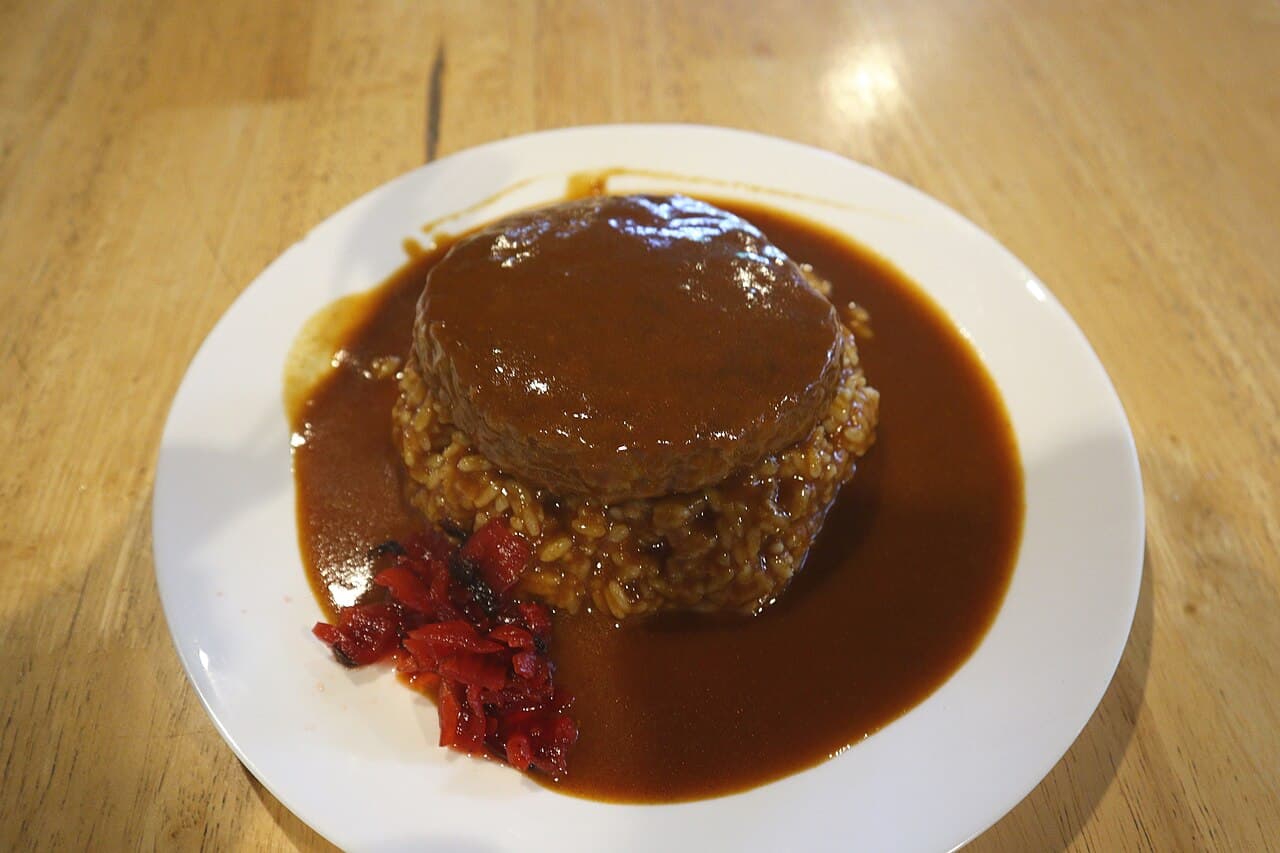
★ Customisable Japanese curry rice with halal toppings; pick your rice size and spice level
Permanently closed. CoCo Ichibanya's halal-certified Akihabara branch and its Shinjuku sister shop shut during the 2020 pandemic and have not reopened — as of 2026 there is no halal-certified CoCo Ichibanya in Japan. For halal Japanese curry and other options, see our halal fast-food chains guide and halal Tokyo guide.
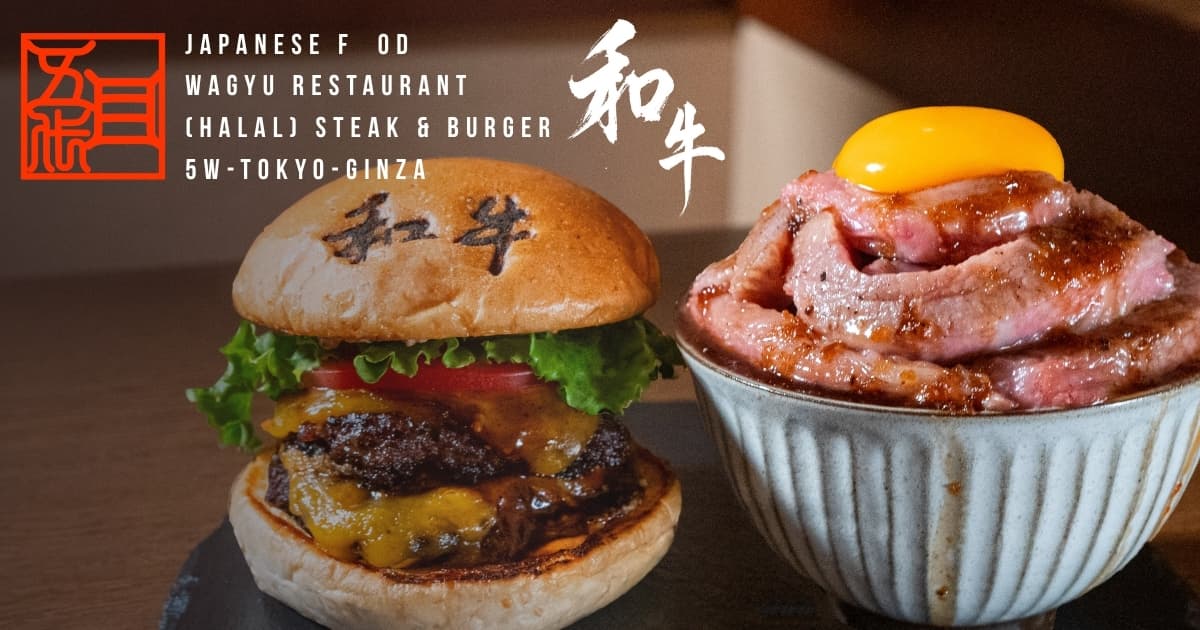
A fifth-generation wagyu family's alcohol-free basement grill in Ginza serving 100% halal-certified Japanese wagyu steaks and burgers, so every traveller can taste real wagyu. (The halal kitchen is the basement venue.)
A tiny tatami-floored diner on the Shimokitazawa backstreets where every bowl of rich, medicinal-herb ramen is 100% plant-based and built on sprouted brown rice.
A Sri Lankan-Muslim owner's wholly halal-certified ramen shop where collagen-rich chicken broth meets a fiery soy-sauce kick, steps from Assalaam Mosque.
A long-running Akasaka basement where all-halal Turkish grills, char-licked kebabs and midweek belly dancing give Muslim diners a festive night out steps from the station.
★ No.7 Premium Matcha Gelato — the world's richest
This 1848-founded tea house teams up with Shizuoka's Nanaya to serve matcha gelato in seven escalating intensities, climaxing in a near-black No. 7 so concentrated it tastes like eating pure tea leaves.
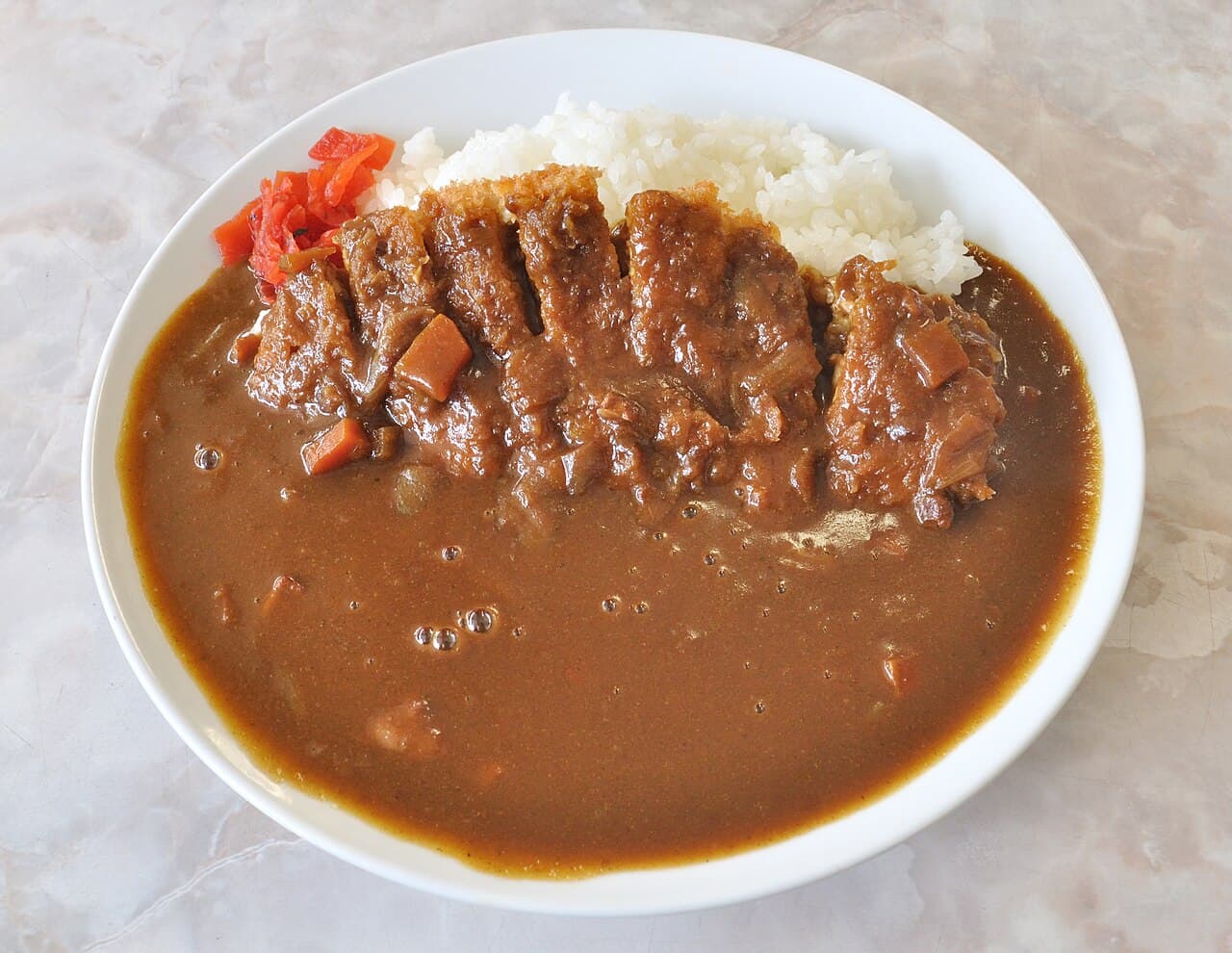
A two-minute stroll from Senso-ji, this all-halal kitchen ladles rich Japanese curry over crisp cutlets and even Kobe wagyu, so Muslim travellers never have to skip Japan's comfort dish.