
Halal guide
Halal Food in Tokyo: The Complete Muslim-Friendly Guide (2026)
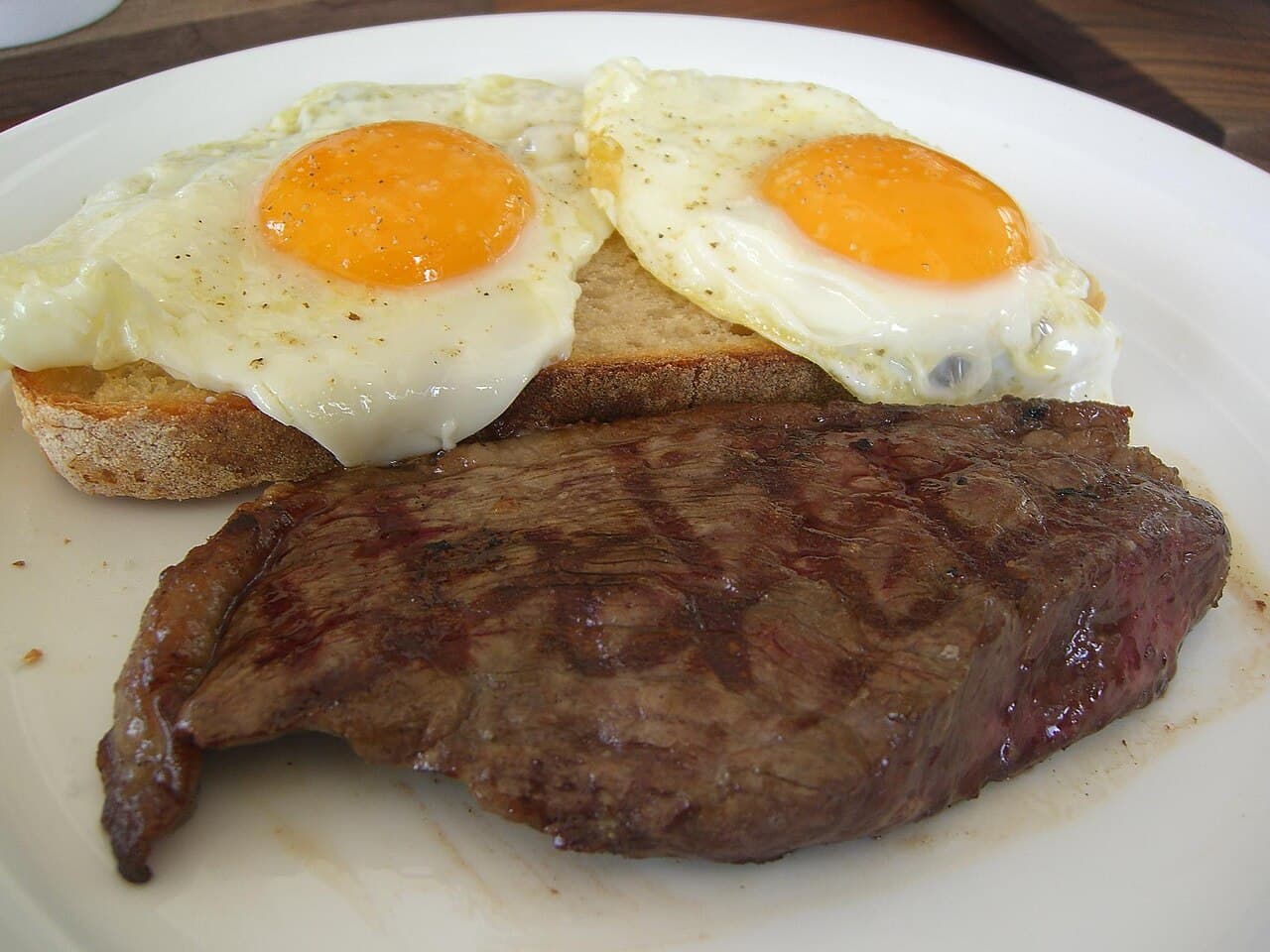
© Alpha from Melbourne, Australia / CC BY-SA 2.0, via Wikimedia Commons · CC BY-SA 2.0
Eating halal in Tokyo is genuinely easy in 2026 — you just need to know where to look. The city now has a solid core of certified halal restaurants plus a wide ring of Muslim-friendly ones, especially for ramen, Wagyu, yakiniku, curry and tempura. Your fastest wins: certified halal ramen and Wagyu at Naritaya and Gyumon in Asakusa, halal Wagyu yakiniku at Gyumon Shibuya, chicken-paitan ramen at Honolu in Shinjuku, and Turkish sweets at Tokyo Camii's TC Café. This page is the in-city Tokyo hub. If you're still planning the trip nationwide, start with our halal Japan travel guide and the wider Tokyo for Muslim travellers overview.
Certified vs Muslim-friendly: what the labels really mean
In Japan, "halal" is not one thing. Getting fed confidently means reading three tiers:
- Certified halal — a third-party body (e.g. Japan Islamic Trust, Japan Halal Association) has audited ingredients, kitchen and supply chain. No pork, no alcohol, halal-slaughtered meat. Look for a certificate on the wall. Naritaya carries Japan Islamic Trust certification.
- Muslim-friendly / Muslim-welcome — pork-free and often alcohol-free, staff understand the requirements, but the venue is not formally audited. Many excellent shops (including some Gyumon and Honolu branches) sit here; they self-declare no pork/lard/alcohol and separate utensils. Trustworthy, but confirm your specific dish.
- Has a halal menu, serves alcohol elsewhere — a mainstream restaurant with a dedicated halal set. Fine for the halal dishes; just know alcohol is on the premises.
The honest nuance: "not certified" does not automatically mean "contains pork or alcohol." Many kitchens are genuinely pork- and alcohol-free but simply haven't paid for an audit. The skill is telling those apart — which is exactly what our how to know if food is halal in Japan decoder teaches.
Best halal food in Tokyo by dish
Work by dish and you'll never go hungry. Each row below links to our full roundup for that food.
| Dish | Where to eat halal in Tokyo | Status | Deep-dive |
|---|---|---|---|
| Halal ramen | Naritaya & Gyumon (Asakusa), Honolu (Shinjuku), Shibuya branches | Certified + Muslim-friendly | Halal ramen in Shibuya |
| Halal Wagyu & yakiniku | Gyumon Shibuya, Godaime Wagyu (Ginza) | Halal Wagyu | Halal yakiniku in Tokyo |
| Halal sushi | Select Muslim-friendly sushiya (advance booking) | Muslim-friendly | Halal sushi in Tokyo |
| Halal curry & tempura | Yoshi's Passion (Asakusa curry), Tendon Itsuki (Ginza tempura) | Halal / certified | Halal restaurants in Asakusa |
| Halal fast food | Certified chicken outlets & convenience picks | Mixed | Halal fast-food chains in Japan |
Halal ramen is Tokyo's success story. Naritaya, behind Sensō-ji, was one of Japan's first halal ramen shops and carries Japan Islamic Trust certification. Its bowl is built on a bonito-and-kelp (dashi) broth, topped with a strip of grilled chicken in place of pork chashu, with no alcohol used in cooking and an in-store prayer room with a qibla marker on the ceiling. A few minutes away, Gyumon Asakusa opened in 2023 as a halal Wagyu ramen specialist — a creamy beef-bone broth or a spicy original-miso broth over chewy medium-thick curly noodles, each topped with A5 halal Wagyu, with English-friendly service. In Shinjuku, Honolu simmers Kagoshima halal chicken for hours into a collagen-rich paitan that mimics tonkotsu without any pork. Curious whether the dish is permissible at all? See is ramen halal in Japan.
Halal Wagyu and yakiniku are the trip-defining splurge. Gyumon Shibuya opened in 2007 as Japan's first halal Wagyu yakiniku house, grilling A5-grade halal-certified beef over tabletop charcoal in a city where that is genuinely rare. For a knife-and-fork format, Godaime Wagyu in Ginza plates halal Wagyu steak and burgers. Both prove Japan's most famous beef is on the table for Muslim travellers — and if you want the theology, read is Wagyu halal in Japan. See the full grilled-meat map in our halal yakiniku in Tokyo roundup.
Halal sushi takes the most planning. Raw fish, rice and vinegar are inherently fine, but standard sushi rice is often seasoned with mirin or cooking sake, and soy sauce contains a little alcohol — so seek Muslim-friendly sushiya that adjust the recipe and book ahead. Our halal sushi in Tokyo guide lists the safe options, and is sushi halal in Japan explains the mirin and soy-sauce nuance.
Halal curry and tempura round out a full Japanese menu — two dishes travellers often assume are off-limits but aren't. For Japanese-style curry, Yoshi's Passion sits two minutes from Sensō-ji in Asakusa and cooks an entirely halal menu; its sets run from chicken and prawn up to premium Kobe-beef and Wagyu-cutlet curry, so you can eat mild or splurge. For tempura, Tendon Itsuki near Ginza and Yurakucho has served halal-certified tendon (tempura rice bowls) since 2018: crisp shrimp, halal chicken, egg and vegetable tempura over rice with an alcohol-free sweet sauce, usually from around ¥1,200. Beyond these, South-Asian and Turkish kitchens across the city add many more curry and grill options — just confirm alcohol-free status, since some Indian and Nepali houses serve beer.
Budgets, reservations and convenience in halal Tokyo
Halal Tokyo spans every price point, so plan by budget:
- Everyday (¥1,000–1,600) — halal ramen at Naritaya, Gyumon or Honolu is the best-value certified meal in the city; a halal tendon at Tendon Itsuki runs about ¥1,200–2,200.
- Mid-range (¥1,300–2,500) — Japanese curry sets at Yoshi's Passion, or Muslim-friendly set lunches.
- Splurge (¥5,000–10,000+) — halal Wagyu yakiniku at Gyumon Shibuya or Wagyu steak at Godaime Wagyu is the trip-defining meal.
Reservations matter more than price. The certified specialists are tiny: Naritaya seats around 15 and the queue can stretch down the block, so arrive before noon or after 2pm; Tendon Itsuki is a small counter that fills fast, so go off-peak. Book halal Wagyu yakiniku and any Muslim-friendly sushiya ahead, especially on weekends.
Between sights, convenience helps. Many onigiri and snacks are pork-free but few are formally certified, so read the ingredient labels — Bourbon sweets such as Alfort, Elise and Petit are widely Muslim-friendly, and select 7-Eleven branches (including near Kaminarimon in Asakusa and around Akihabara) stock pork-free, alcohol-free bento. To self-cater, Tokyo Camii's halal market and dedicated halal grocers carry certified meat and pantry staples.
Where to eat halal in Tokyo by area
Muslim-friendly Tokyo clusters in a few districts — plan a day around whichever you're sightseeing in.
- Asakusa — the strongest halal cluster and the best base for first-timers. Naritaya, Gyumon Wagyu ramen and gyūkatsu, and Yoshi's Passion halal Japanese curry all sit within a few minutes' walk of Sensō-ji, several with prayer spaces. Full list: halal restaurants in Asakusa.
- Shinjuku — dense, late-night and transit-central. Honolu's chicken-paitan ramen near Shinjuku-Gyoenmae anchors a growing set of Muslim-friendly options. See our halal Shinjuku guide.
- Shibuya — the scramble, plus halal Wagyu. Gyumon Shibuya is the headline; more ramen bowls are mapped in halal ramen in Shibuya.
- Ginza & Yurakucho — central Tokyo's halal pair: Wagyu steak at Godaime Wagyu and halal tendon at Tendon Itsuki, both handy while shopping the department stores.
Beyond these, Yoyogi-Uehara deserves a special trip for Tokyo Camii — the largest mosque in Japan, with an on-site halal market and the TC Café for Turkish sweets and a place to pray.
How to verify a dish is actually halal
Even at a friendly restaurant, confirm before you order. The recurring hazards are pork/lard, alcohol (sake, mirin, cooking wine, beer batter) and gelatin/bonito-dashi additives. A quick field method:
- Ask for the certificate or a clear declaration — "Is this pork-free and alcohol-free?" (豚肉とアルコールは入っていますか?).
- Watch the invisible ingredients — mirin and cooking sake hide in sauces, glazes and sushi rice; miso and soy sauce can contain trace alcohol.
- Prefer venues that separate utensils and fryers — pork tonkatsu and your tempura shouldn't share oil.
- Carry a phrasebook or app. Our how to know if food is halal in Japan page has the exact Japanese phrases and label kanji to photograph.
For speed between sightseeing stops, certified chicken outlets and clearly labelled convenience items help — mapped in halal fast-food chains in Japan.
Prayer rooms and Muslim-friendly facilities in Tokyo
Eat near where you can pray. Your anchors as of 2026:
- Tokyo Camii (Yoyogi-Uehara) — Japan's largest mosque; open to visitors, with prayer halls, a halal market and TC Café.
- Airports — Haneda has prayer rooms in Terminal 2 and Terminal 3, plus fully equipped rooms with wudu and a qibla marker at Haneda Airport Garden, per the official Haneda guide; Narita offers prayer rooms before and after security in all terminals.
- Malls & sightseeing spots — several AEON Malls and major attractions now provide prayer space; the official japan.travel Muslim guide lists current locations.
Full, updated addresses and opening hours live in our Muslim prayer rooms in Tokyo directory.
A starter itinerary: one Muslim-friendly day in Tokyo
- Morning — Sensō-ji and Nakamise in Asakusa, then certified halal lunch at Naritaya, Gyumon Wagyu ramen, or Yoshi's Passion curry (prayer space on-site at several).
- Afternoon — Train to Yoyogi-Uehara for Tokyo Camii; pray, browse the halal market, coffee and baklava at TC Café.
- Evening — Shibuya scramble, then a halal Wagyu yakiniku feast at Gyumon Shibuya (or Godaime Wagyu / a Tendon Itsuki tempura bowl in Ginza).
Want it hour-by-hour with transit and prayer timings? Follow our Muslim-friendly Tokyo itinerary, and zoom out to the whole city with Tokyo for Muslim travellers.
Opening status, prices and certification can change — reconfirm each venue directly before you go (accurate as of 2026).
More halal picks across Tokyo
New guides Halal food at Tokyo Disneyland · Halal Japanese curry in Tokyo · Halal wagyu beyond yakiniku (ramen, sushi, steak) · Halal breakfast in Tokyo · Chinese halal restaurants (Ikebukuro, Shin-Okubo, Nishi-Shinjuku)
Asakusa halal cluster Ninja Yakiniku (A5 wagyu grill) · Wagyu Panga (charcoal yakiniku) · Yoshi's Passion (Kobe-beef curry) · Tempura Asakusa SAKURA · SAKURA gluten-free tempura menu · Asakusa Sushi Ken (halal sushi) · Shunpudou (wagyu ramen) · Sekai Cafe (near Kaminarimon)
Shinjuku, Shibuya & Ebisu Halal Wagyu Ramen Shinjuku-tei · Fujiyama Tokyo (sushi + wagyu) · Bosphorus Hasan (Turkish kebab) · Honolu Ebisu (chicken-paitan ramen) · Nataraj Shibuya (Indian vegetarian)
Akihabara, Okachimachi & Ikebukuro NikoNiko (mazemen & curry) · Ayam-Ya Okachimachi (ramen) · Malaychan (JAKIM-certified Malaysian) · Halal Sakura (Uyghur cuisine)
Nishi-Azabu, Akasaka & beyond Gonpachi Nishiazabu (izakaya) · SARAY Akasaka (Turkish grill) · Ise Sueyoshi (halal kaiseki) · Cabe Meguro (Indonesian) · SAIDO (vegan washoku) · Nataraj Ogikubo (Indian vegetarian)
Osaka
Traveling further west? See our halal restaurant guide to Osaka for certified and Muslim-friendly options.
Places we’ve confirmed
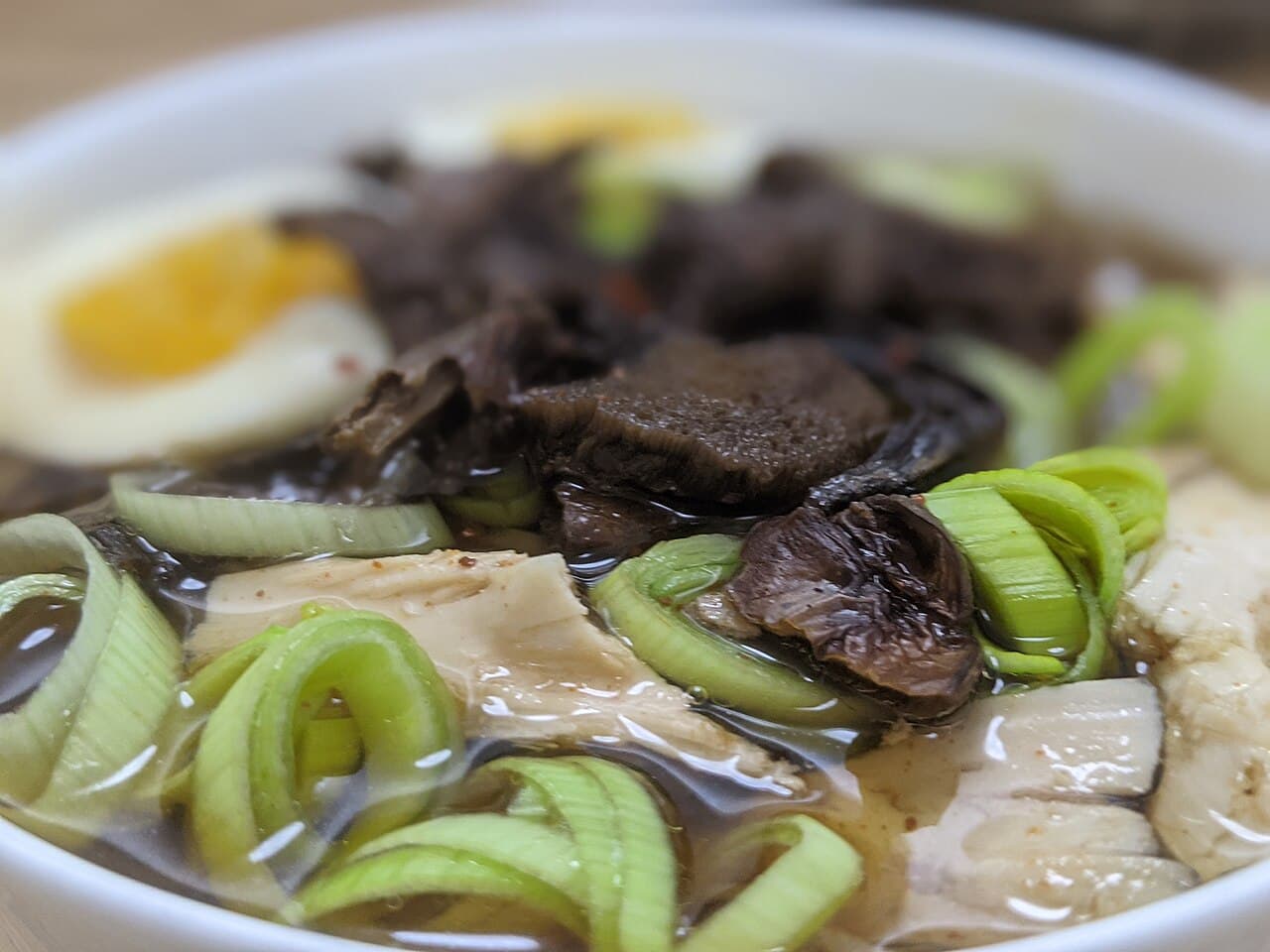
Gyumon Halal Ramen Asakusa: Wagyu Broth, No Pork
Pork-free wagyu beef ramen (broth from 20+ wagyu cuts & seasonings)
Gyumon Halal Ramen Asakusa is a halal-certified, pork-free wagyu ramen kitchen.
- Halal
- Casual
- Solo
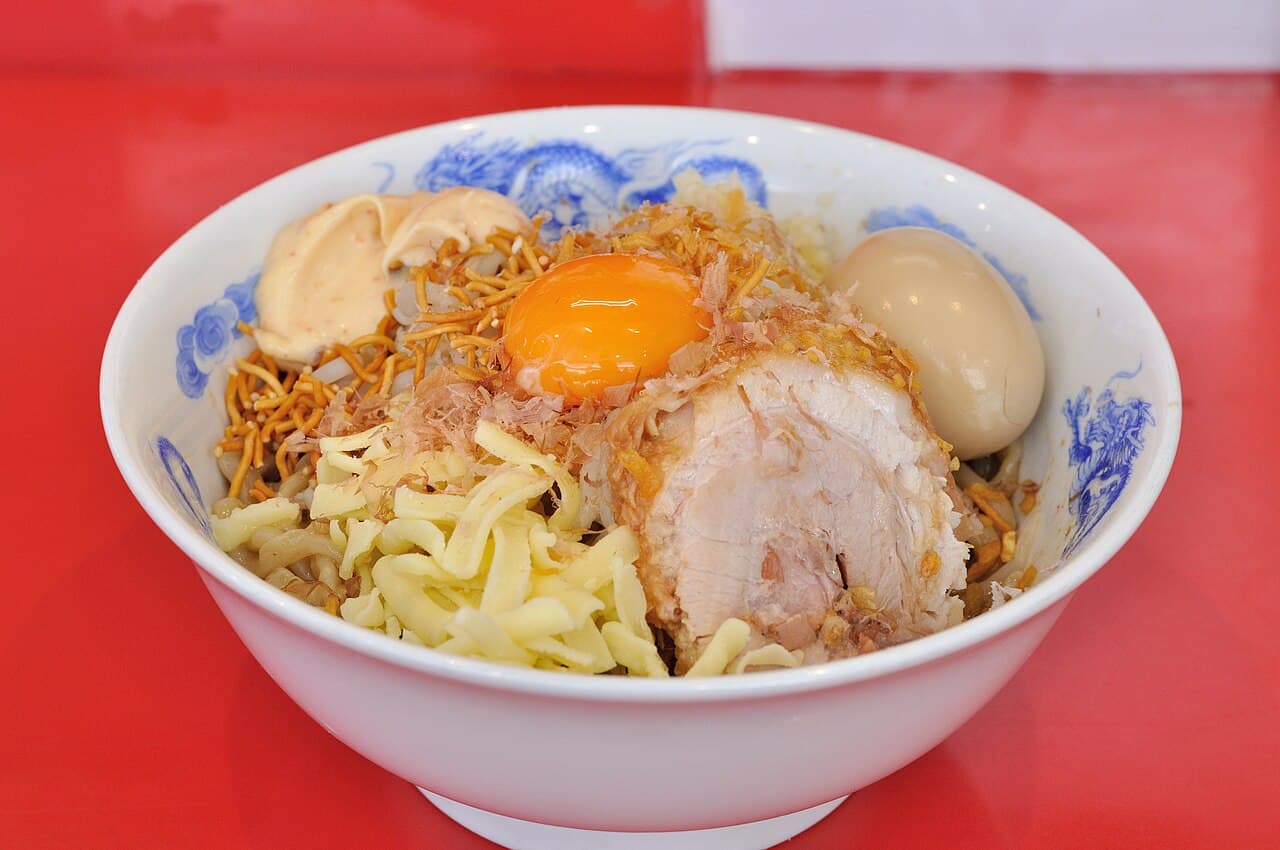
Naritaya
Asakusa ramen (chicken-and-bonito broth, grilled chicken)
Steps from Senso-ji, this pioneering halal-certified ramen shop swaps pork for grilled chicken and lard for sesame oil, with a 2nd-floor prayer room for Muslim diners.
- Halal
- Solo
- Casual
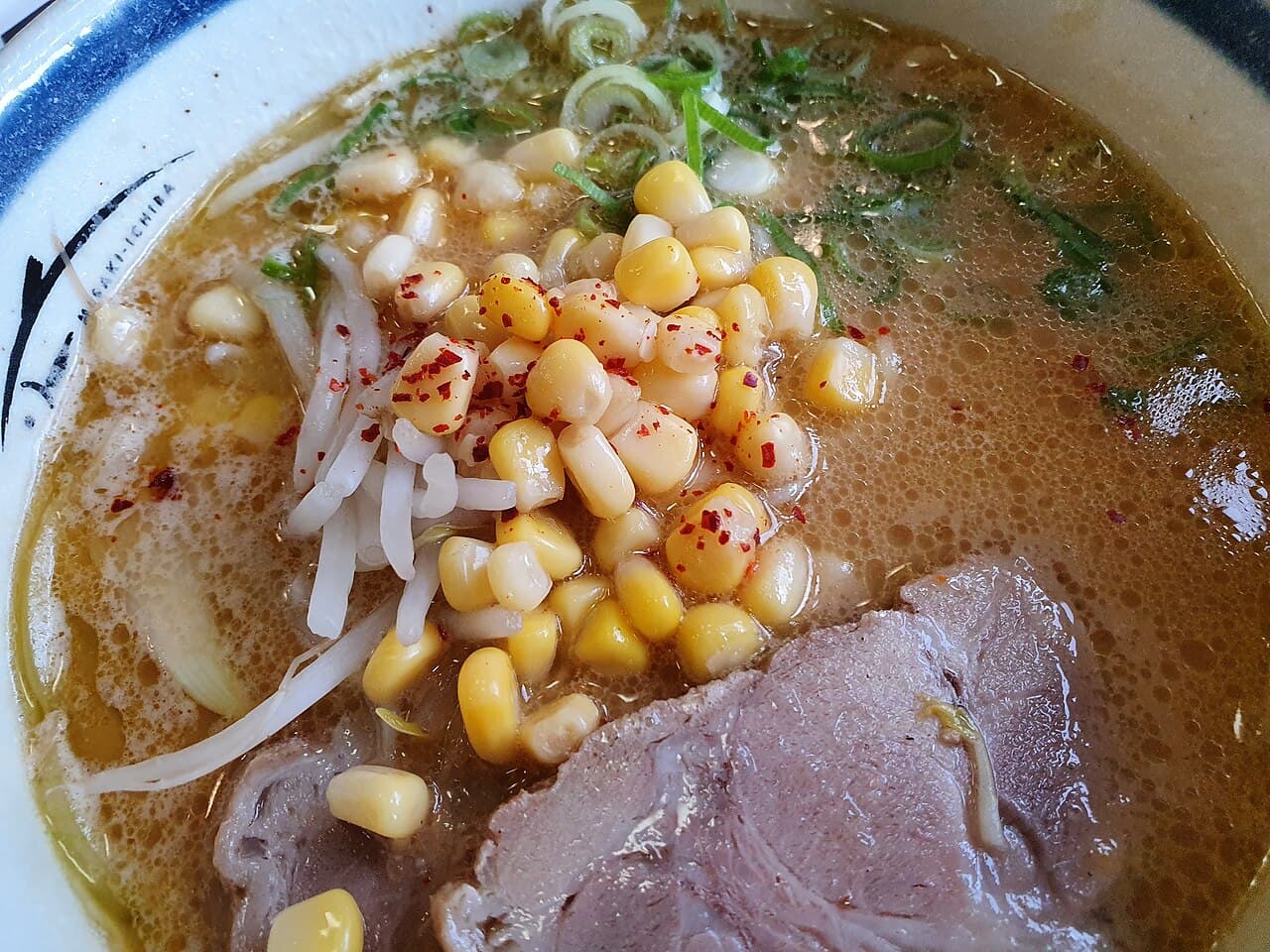
Honolu Halal Ramen (Shinjuku-Gyoenmae)
Chicken paitan ramen — creamy broth from halal chicken simmered over 6 hours
A no-pork, no-alcohol ramen counter east of Shinjuku Gyoen where Japan Islamic Trust-certified halal chicken is coaxed into a tonkotsu-rich paitan that converts sceptics.
- Halal
- Solo
- Casual
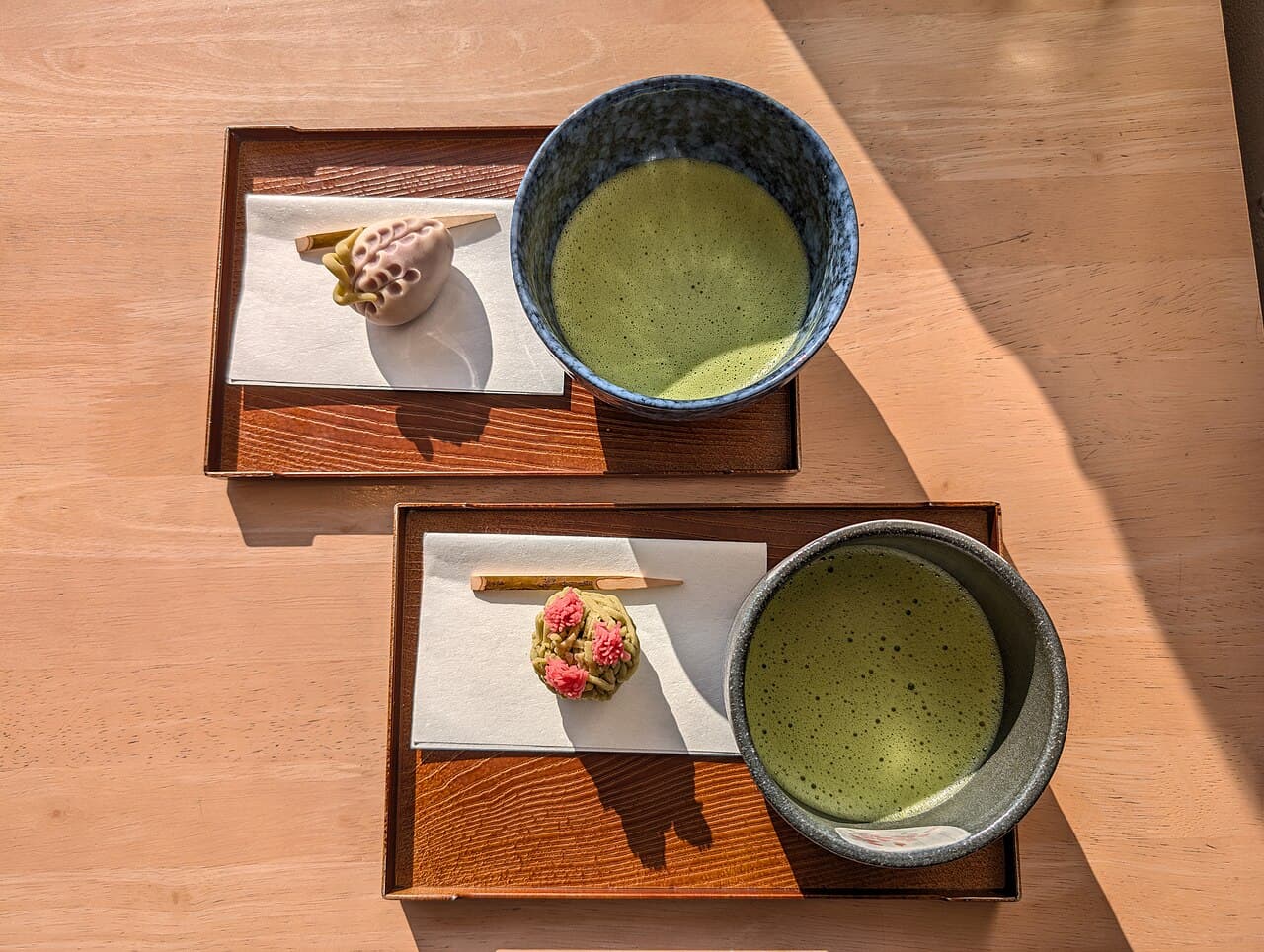
Tokyo Camii TC Cafe & Halal Market
Turkish sweets and spiced tea, with an attached halal market
A Muslim-friendly Turkish patisserie/cafe inside Japan's largest mosque, the Tokyo Camii & Diyanet Turkish Culture Center, serving halal confectionery alongside an attached halal market. The mosque is open to non-Muslim visitors outside prayer times.
- Halal
- Casual
- Solo
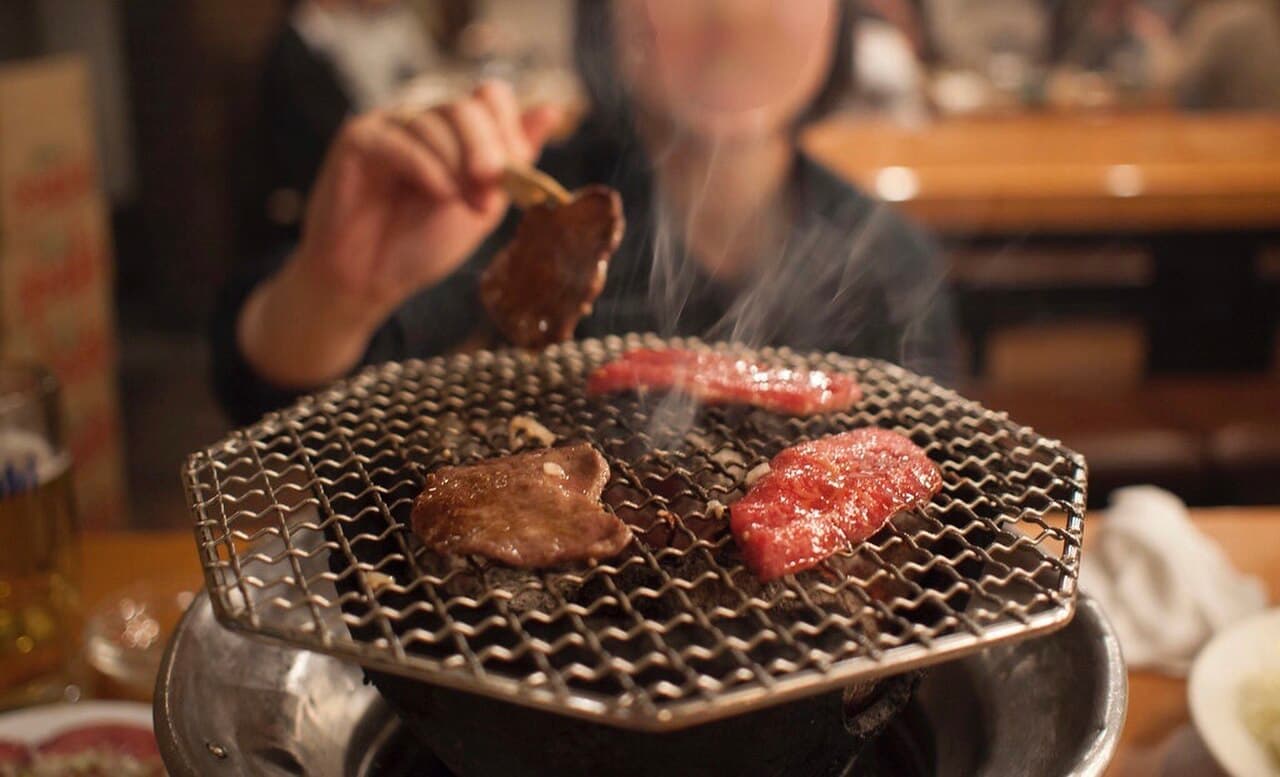
Gyumon Halal Wagyu Yakiniku
A5 halal-certified wagyu grilled over shichirin charcoal
Inside a creaky two-storey wooden folk house a short walk from Shibuya, A5 halal-certified wagyu sizzles over shichirin charcoal — with a prayer room upstairs.
- Halal
- Date
- Business
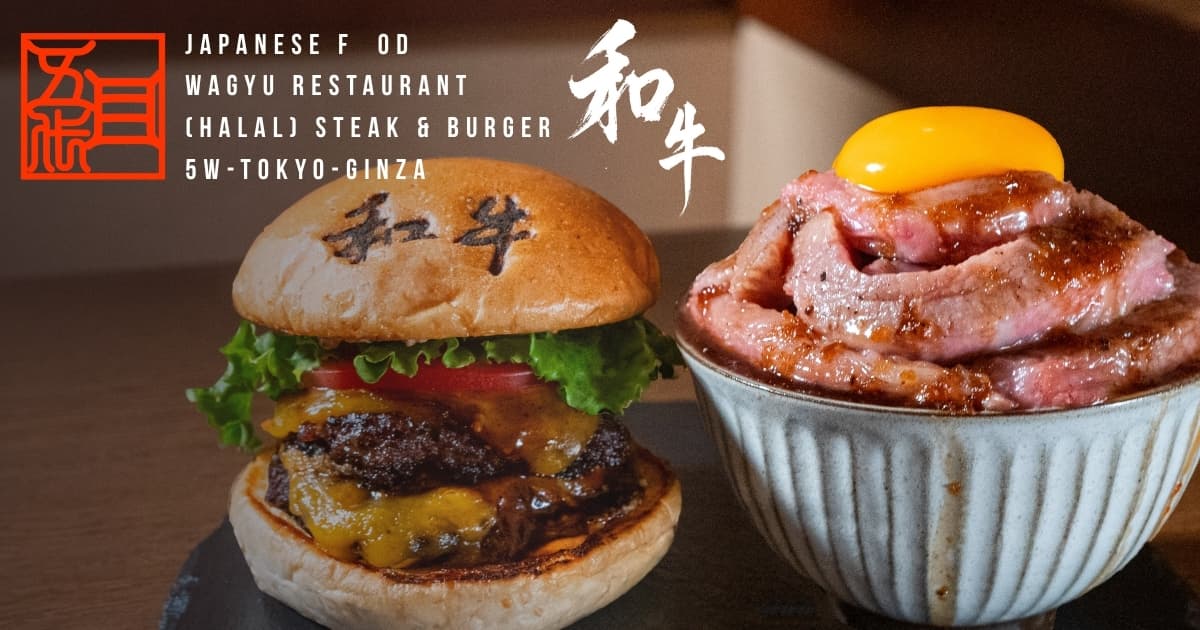
Godaime Wagyu Tokyo (Halal)
Halal-certified Japanese wagyu steak
A fifth-generation wagyu family's alcohol-free basement grill in Ginza serving 100% halal-certified Japanese wagyu steaks and burgers, so every traveller can taste real wagyu. (The halal kitchen is the basement venue.)
- Halal
- Date
- Business
Sources
- Tokyo Camii & Diyanet Turkish Culture Center — official site (mosque, halal market, TC Café)
- Halal Wagyu Ramen GYUMON Asakusa — official site (opened 2023)
- Halal Wagyu Yakiniku GYUMON Shibuya — official site
- Haneda Airport — Prayer Room (official passenger terminal guide)
- JAPAN Muslim Travelers' Guide — Tokyo sightseeing spots with prayer facilities (japan.travel)
- The history of NARITAYA — Food Diversity.today (Japan Islamic Trust certification)
- Halal ramen comes to Tokyo — Naritaya's bonito & kombu broth — SoraNews24
- Halal Japanese Curry Yoshi's Passion — official site (Asakusa)
- Halal tempura at TENDON ITSUKI (Ginza) — Groovy Japan Muslim tourist guide
FAQ
- Is it easy to find halal food in Tokyo?
- Yes. As of 2026 Tokyo has certified halal specialists plus a wide ring of Muslim-friendly restaurants, strongest for ramen, Wagyu, yakiniku, curry and tempura. Certified halal ramen and Wagyu sit in Asakusa (Naritaya, Gyumon), halal yakiniku in Shibuya (Gyumon), chicken-paitan ramen in Shinjuku (Honolu), and Tokyo Camii's halal market anchors Yoyogi-Uehara. Book near a prayer room and confirm each dish.
- What is the difference between certified halal and Muslim-friendly in Japan?
- Certified halal means a third-party body (such as Japan Islamic Trust) has audited ingredients, kitchen and supply chain. Muslim-friendly means the venue is pork-free and usually alcohol-free and understands the requirements, but is not formally audited. "Not certified" does not automatically mean it contains pork or alcohol — many honest kitchens simply haven't paid for an audit, so confirm your specific dish.
- Where can I eat halal ramen in Tokyo?
- Start with Naritaya behind Sensō-ji — Japan Islamic Trust certified, with a bonito-and-kelp broth topped with grilled chicken instead of pork chashu, no alcohol in cooking, and an in-store prayer space. Gyumon Asakusa, a few minutes away, opened in 2023 serving halal Wagyu ramen. In Shinjuku, Honolu simmers Kagoshima halal chicken into a pork-free paitan that mimics tonkotsu. More bowls are mapped in our halal ramen in Shibuya roundup.
- Can Muslim travellers eat Wagyu and sushi in Tokyo?
- Yes for Wagyu — Gyumon Shibuya serves halal-certified A5 Wagyu yakiniku, and Godaime Wagyu in Ginza plates halal Wagyu steak and burgers. Sushi needs more care: raw fish is fine, but sushi rice is often seasoned with mirin or cooking sake and soy sauce contains trace alcohol, so seek Muslim-friendly sushiya that adjust the recipe and book ahead.
- Can I eat halal Japanese curry or tempura in Tokyo?
- Yes. For Japanese-style curry, Yoshi's Passion in Asakusa (two minutes from Sensō-ji) cooks a fully halal menu, from chicken and prawn sets up to Kobe-beef and Wagyu-cutlet curry. For tempura, Tendon Itsuki near Ginza and Yurakucho has served halal-certified tendon (tempura rice bowls) since 2018 — shrimp, halal chicken, egg and vegetable tempura with an alcohol-free sweet sauce from about ¥1,200. Both are mainstream Japanese meals many travellers wrongly assume are off-limits.
- Where are prayer rooms in Tokyo?
- Tokyo Camii in Yoyogi-Uehara is Japan's largest mosque and open to visitors, with prayer halls, a halal market and TC Café. Haneda Airport has prayer rooms in Terminals 2 and 3 plus wudu-equipped rooms at Haneda Airport Garden; Narita has prayer rooms in all terminals. Several AEON Malls and major attractions also provide prayer space — see our Muslim prayer rooms in Tokyo directory.
- How do I check that a Tokyo dish is really halal?
- Ask directly whether it is pork-free and alcohol-free, and watch invisible ingredients: mirin and cooking sake hide in sauces, glazes and sushi rice, while soy sauce and miso can contain trace alcohol. Prefer venues that separate utensils and fryers, and look for a certificate. Our how-to-know-food-halal-Japan decoder lists the exact Japanese phrases and label kanji to check.