
Halal guide
Muslim-Friendly Tokyo: A 1-Day Halal Food Itinerary (Eat, Pray, Explore)
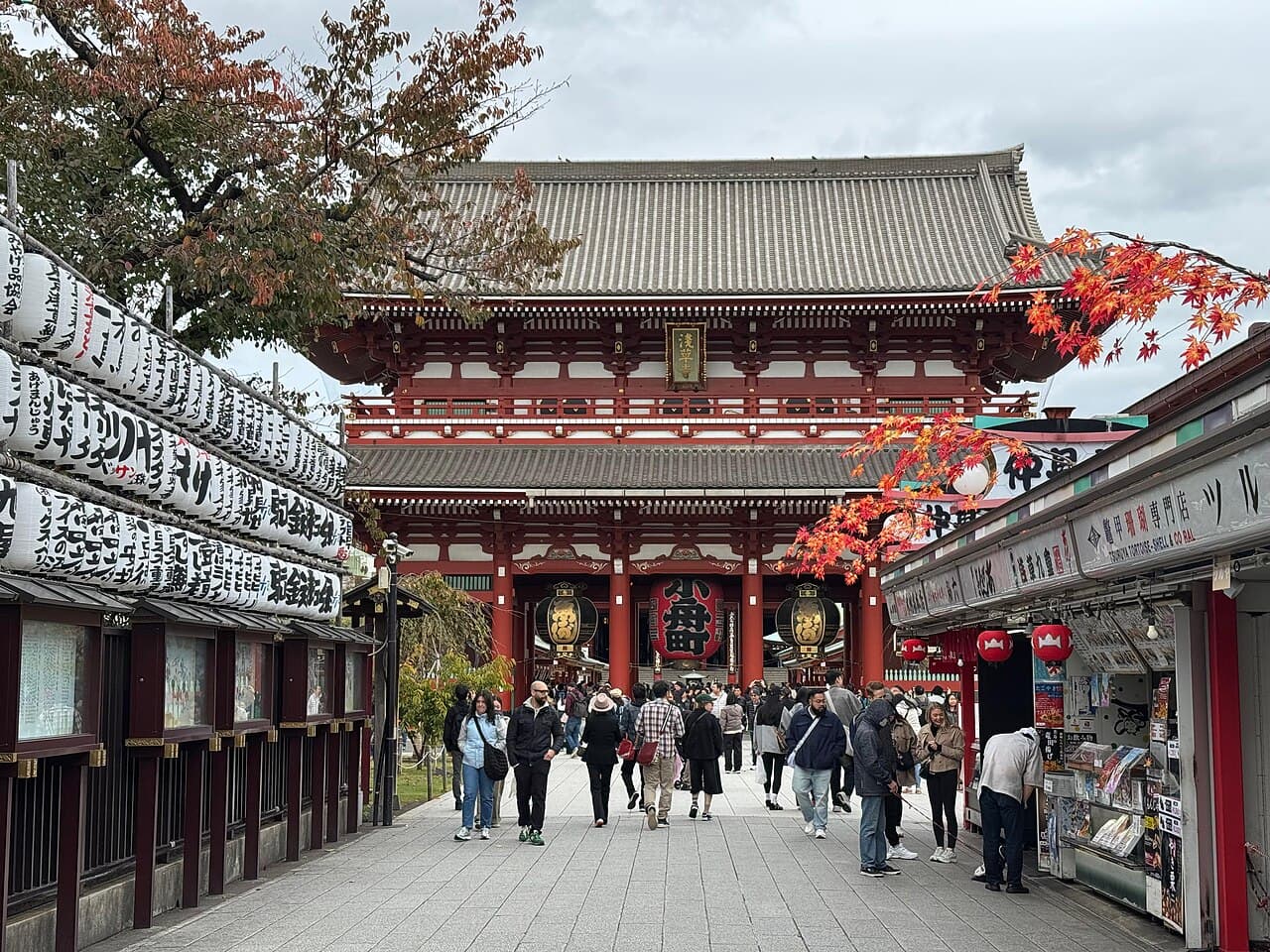
© Joli Rumi / CC BY-SA 4.0, via Wikimedia Commons · CC BY-SA 4.0
For a smooth, faith-friendly day in Tokyo, anchor your morning in Asakusa (halal ramen + Senso-ji temple + an on-site prayer room) and your evening in Shinjuku or Yoyogi-Uehara (a certified halal dinner + prayer at Tokyo Camii). These two zones are among the most Muslim-friendly areas of Tokyo — both are dense with halal-certified kitchens and reliable prayer space, so you can eat, pray, and explore without backtracking across the city.
This is a one-day Tokyo halal day plan that stitches together the venues and prayer stops we cover in depth elsewhere. For the full picture, start with our halal Tokyo guide pillar and our orientation for Tokyo for Muslim travellers — then use this page as the route that links them all together.
Why this Muslim-friendly Tokyo itinerary works
Tokyo is huge, but halal-certified food and prayer rooms cluster in a handful of neighbourhoods. By pairing Asakusa in the morning with Shinjuku / Yoyogi-Uehara in the evening, you keep meal times close to a prayer space and avoid long detours. Asakusa sits on the Ginza and Asakusa subway lines, and both evening options are a simple metro ride away — Shinjuku-gyoenmae (Option A) on the Marunouchi line, or Yoyogi-Uehara (Option B) on the Chiyoda line — so getting between them is easy.
A quick rule for the whole day: certification varies restaurant to restaurant, so make verifying halal a 30-second habit (more on that below).
What it costs and how far to walk
Both Asakusa shops sit about a 3-minute walk behind Senso-ji, so lunch never breaks your temple visit. On price (as of 2026): Naritaya's chicken-shoyu ramen starts around ¥700, Gyumon's halal wagyu bowls begin near ¥1,200 and rise to premium A5 sets, and in Shinjuku, Honolu's Kagoshima-chicken paitan runs about ¥1,390. Budget roughly ¥1,000–1,500 per bowl plus sides, and carry some cash as backup. One timing note for Option B: Tokyo Camii's busy Friday congregational (jummah) prayer falls around midday, when non-Muslims cannot enter the main hall and no guided tour runs if a public holiday lands on that Friday — so on a Friday, come for the maghrib slot in the evening, or pick another day for a relaxed daytime visit.
Morning: Asakusa — ramen, Senso-ji, and a prayer room
Start at Senso-ji, Tokyo's oldest temple, ideally by 09:30 before the crowds. Walk the Nakamise shopping street, see the giant Kaminarimon lantern, and browse for souvenirs. Entry to the temple grounds is free.
For lunch, Asakusa is the best halal ramen district in the city. Two certified shops sit within a short walk of the temple:
- Gyumon Halal Ramen Asakusa — halal-certified wagyu-beef ramen (no pork, no alcohol) with an on-site prayer room and wudu space. Their rich wagyu-beef broth is the signature, and they also serve gyukatsu.
- Naritaya — widely cited as Tokyo's first halal ramen shop, certified by the Japan Islamic Trust, serving a clean chicken-broth shoyu ramen and, importantly, offering a prayer space (surau) for guests.
Because both have prayer rooms on site, Asakusa is the easiest place in Tokyo to line up dhuhr with lunch. See every option in our halal restaurants in Asakusa area guide.
Midday: getting around and staying flexible
After lunch, you have easy add-ons: Ueno (park, museums, zoo) is two stops away, and Akihabara (electronics, anime) is a short hop for families. Keep snacks halal-safe by sticking to sealed items or the halal market later in the day; convenience-store food often contains pork extract or mirin, so read labels or ask. If you need a mid-afternoon salah, plan it before you leave Asakusa or check our Muslim prayer rooms in Tokyo map for stations and malls with musalla.
Evening: a halal dinner in Shinjuku or at Tokyo Camii
You have two excellent evening options — pick one.
Option A — Shinjuku. Ride the metro to Shinjuku-gyoenmae (Marunouchi line) for Honolu Halal Ramen, a fully halal-certified, no-pork, no-alcohol shop known for a six-hour Kagoshima-chicken paitan broth, plus spicy yakiniku ramen and beef bowls. Shinjuku has more halal dining and prayer options than almost anywhere in Tokyo — browse the full list in our halal Shinjuku guide.
Option B — Yoyogi-Uehara. For a deeper cultural finish, head to Tokyo Camii & TC Cafe, Japan's largest mosque, built in Ottoman style beside Yoyogi-Uehara station (Chiyoda line / Odakyu). Tokyo Camii is free to visit for everyone, Muslim or not; the mosque is open daily 10:00–18:00 (as of 2026), with free guided tours on weekends and holidays from 14:30 — note that no guided tour runs when a public holiday falls on a Friday. Pray maghrib in the main hall, shop the halal market for snacks and gifts, and finish with Turkish desserts at the adjoining TC Cafe. Women should bring a scarf (loaners are available).
A sample one-day Tokyo halal timetable
| Time | Place | What to do |
|---|---|---|
| 09:30 | Asakusa | Senso-ji temple + Nakamise street |
| 11:30 | Gyumon or Naritaya | Halal ramen lunch + dhuhr in the shop's prayer room |
| 13:30 | Ueno / Akihabara | Museums, park, or shopping |
| 16:00 | Prayer stop | Asr — use the prayer-rooms guide for a nearby musalla |
| 18:00 | Shinjuku (Honolu) or Yoyogi-Uehara (Tokyo Camii) | Halal dinner + maghrib |
Adjust start times to the season's prayer schedule — check the Tokyo Camii salat timetable for exact times.
How to verify halal in Japan (a 30-second habit)
Japan has no single national halal authority, so standards differ. Be precise about what a place actually offers — our full method is in how to know if food is halal in Japan, but the short version:
- Certified — a displayed certificate (e.g. Japan Islamic Trust). Safest.
- Muslim-friendly / self-declared no-pork-no-alcohol — trustworthy but not certified; ask about broth, mirin, and cooking sake.
- Neither — a normal Japanese restaurant. Note the difference between not certified and contains pork or alcohol: a dish can be genuinely pork- and alcohol-free yet still lack certification. When unsure, ask directly: "Buta-niku nashi, alcohol nashi?" (no pork, no alcohol).
Every venue linked above is either certified or clearly Muslim-friendly, which is exactly why this route is a safe first day in Tokyo. From here, branch out using the halal Tokyo guide and the area pages for your next days.
Places we’ve confirmed
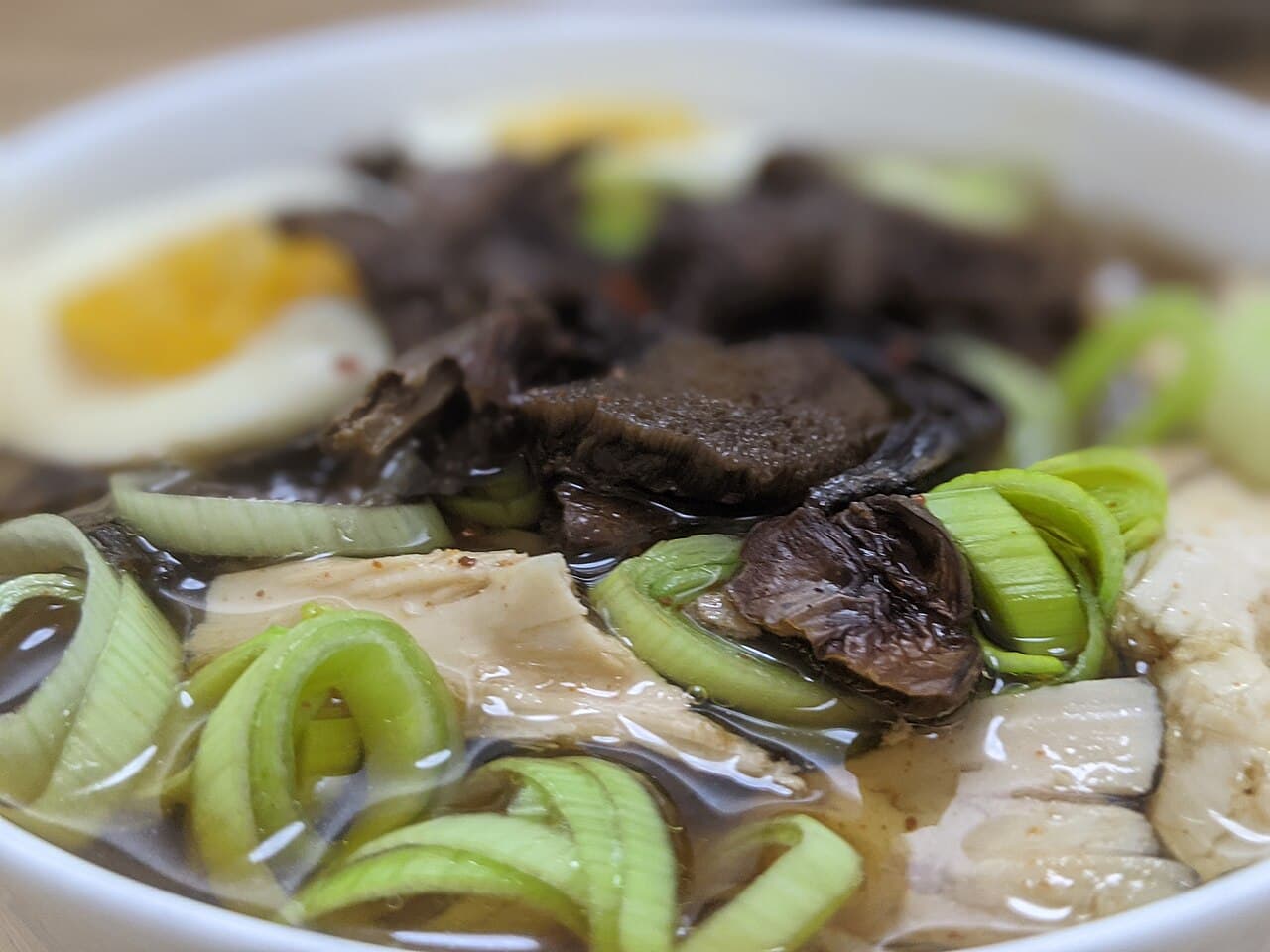
Gyumon Halal Ramen Asakusa: Wagyu Broth, No Pork
Pork-free wagyu beef ramen (broth from 20+ wagyu cuts & seasonings)
Gyumon Halal Ramen Asakusa is a halal-certified, pork-free wagyu ramen kitchen.
- Halal
- Casual
- Solo
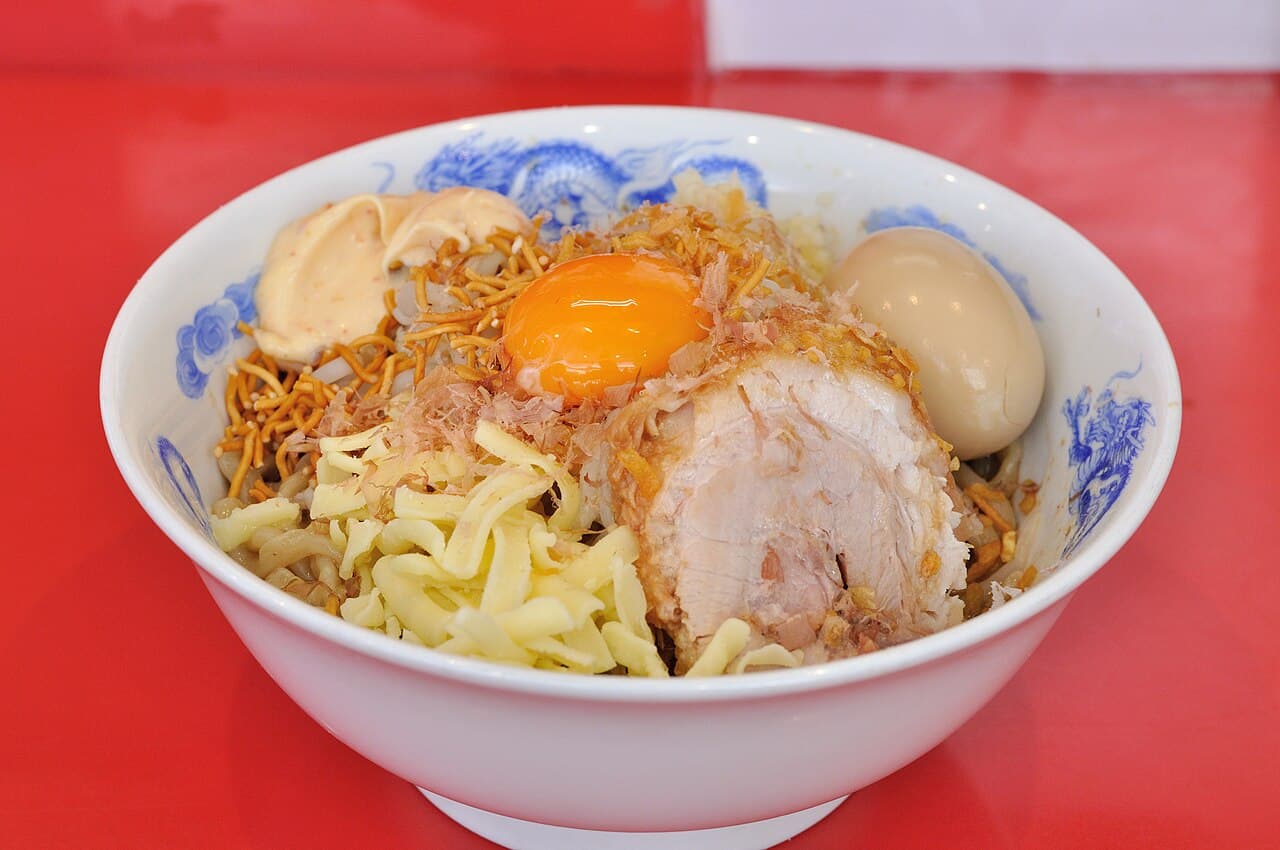
Naritaya
Asakusa ramen (chicken-and-bonito broth, grilled chicken)
Steps from Senso-ji, this pioneering halal-certified ramen shop swaps pork for grilled chicken and lard for sesame oil, with a 2nd-floor prayer room for Muslim diners.
- Halal
- Solo
- Casual
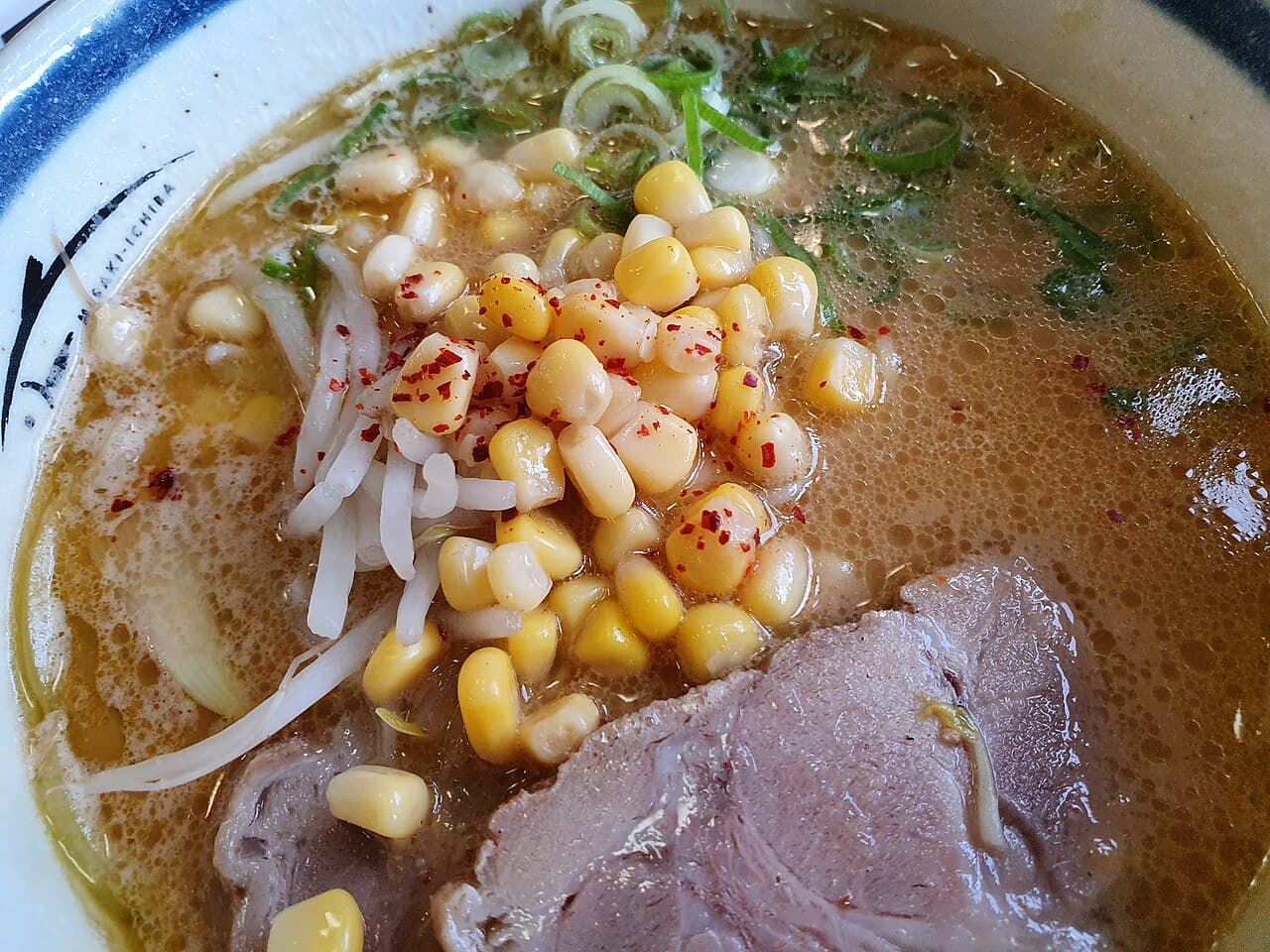
Honolu Halal Ramen (Shinjuku-Gyoenmae)
Chicken paitan ramen — creamy broth from halal chicken simmered over 6 hours
A no-pork, no-alcohol ramen counter east of Shinjuku Gyoen where Japan Islamic Trust-certified halal chicken is coaxed into a tonkotsu-rich paitan that converts sceptics.
- Halal
- Solo
- Casual
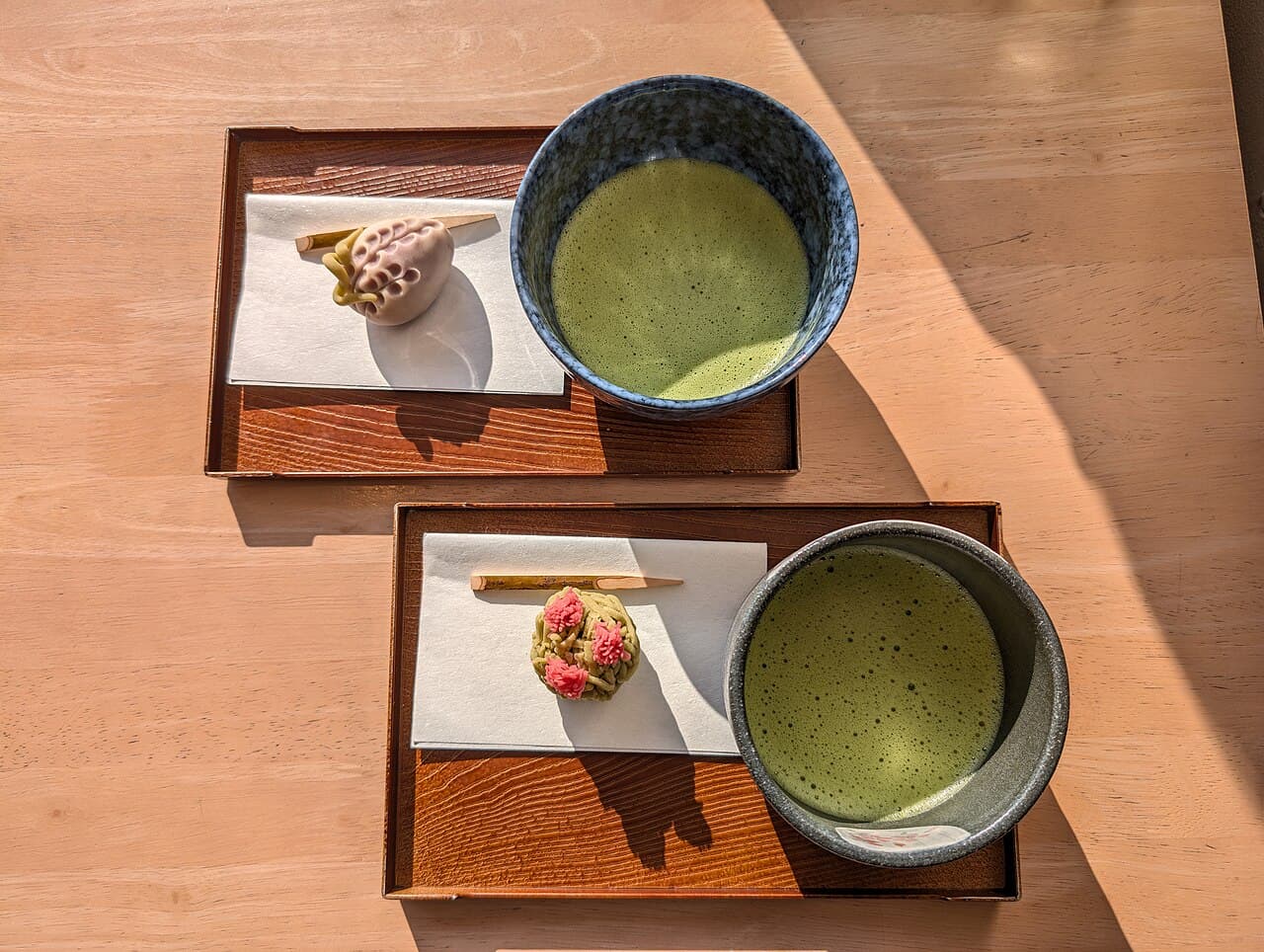
Tokyo Camii TC Cafe & Halal Market
Turkish sweets and spiced tea, with an attached halal market
A Muslim-friendly Turkish patisserie/cafe inside Japan's largest mosque, the Tokyo Camii & Diyanet Turkish Culture Center, serving halal confectionery alongside an attached halal market. The mosque is open to non-Muslim visitors outside prayer times.
- Halal
- Casual
- Solo
Sources
FAQ
- What are the most Muslim-friendly areas in Tokyo?
- Asakusa and Shinjuku (including nearby Yoyogi-Uehara) are Tokyo's most Muslim-friendly areas. Asakusa has several halal-certified ramen shops with on-site prayer rooms right by Senso-ji temple, while Shinjuku offers the widest choice of halal dining, and Yoyogi-Uehara is home to Tokyo Camii, Japan's largest mosque. Pairing the two makes a smooth one-day itinerary.
- Is there a prayer room near Senso-ji temple in Asakusa?
- Yes. Two halal-certified ramen shops beside Senso-ji — Gyumon Halal Ramen and Naritaya — both provide an on-site prayer room (musalla) for guests, and Gyumon also has wudu space. That makes Asakusa the easiest place in Tokyo to line up dhuhr prayer with your lunch. Confirm the room is available when you order.
- Is halal ramen in Tokyo actually certified?
- Some shops are fully certified and some are Muslim-friendly self-declared. Gyumon and Naritaya in Asakusa and Honolu in Shinjuku are halal-certified, no-pork and no-alcohol kitchens (as of 2026). Because Japan has no single national halal authority, always look for a displayed certificate or ask staff directly whether the broth, mirin and cooking sake are excluded.
- Can non-Muslims visit Tokyo Camii mosque?
- Yes. Tokyo Camii, Japan's largest mosque in Yoyogi-Uehara, welcomes visitors of any faith free of charge, open daily 10:00–18:00 as of 2026, with free guided tours on weekends and holidays from 14:30 (except when a public holiday falls on a Friday). Non-Muslims may view the prayer hall outside prayer times. Women should cover their hair and wear long clothing; scarves can be borrowed on site.
- How do I check if food is halal in Japan?
- Look for a displayed halal certificate first; if there is none, ask whether the dish contains pork, lard, mirin, cooking sake or dashi. Note that 'not certified' is different from 'contains pork or alcohol' — a dish can be genuinely free of both yet still uncertified. A simple phrase helps: 'Buta-niku nashi, alcohol nashi?' (no pork, no alcohol).