
Halal guide
How to Tell If Japanese Food Is Halal: Ingredients, Labels & Phrases
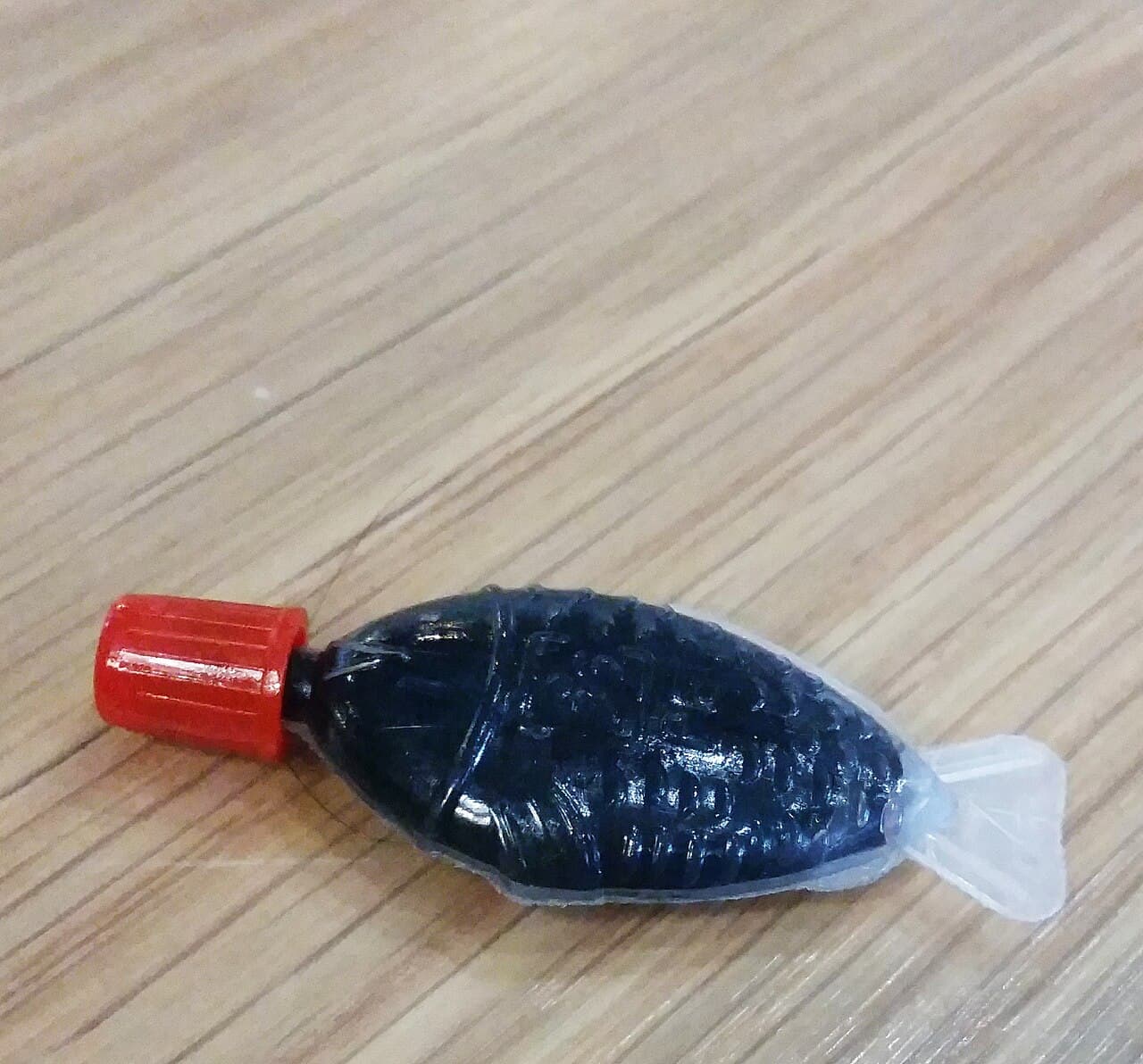
To know whether a Japanese dish is halal, run it past four hidden ingredients — pork, mirin, cooking sake, and the alcohol in soy sauce — then confirm with a certification mark or a direct question to staff. Japanese food looks simple, but its flavour is built from fermented and alcohol-based seasonings, so "no meat on the plate" does not mean "no pork or alcohol in the pot." This page is your permissibility decoder: the ingredients to watch, how to read a label, what the halal marks actually mean, and the exact Japanese phrases to show staff. For the verdict on one specific dish, jump to the linked is-X-halal guides.
Is Japanese food halal by default? No — here's why
Japanese cuisine is not halal by default. The base seasonings that make food taste "Japanese" — soy sauce, mirin, cooking sake and dashi — frequently carry alcohol or animal derivatives that are invisible on the plate. The good news: most issues come from a short, predictable list. Learn these four and you can screen almost any dish yourself.
The hidden pork and alcohol in Japanese food
| Watch for | Japanese | Why it matters | Where it hides |
|---|---|---|---|
| Pork | 豚 / 豚肉 / ポーク | Haram outright; also lard (ラード) and gelatine (ゼラチン) from pork | Ramen broth (tonkotsu), gyoza, katsu, croquettes, marshmallow/jelly sweets |
| Mirin | みりん | Sweet rice wine, ~14% alcohol | Teriyaki, simmered dishes, tare sauces, some dashi blends |
| Cooking sake | 料理酒 / 酒 | Rice wine added for aroma | Marinades, soups, sauces, steamed fish |
| Soy sauce alcohol | 醤油 (アルコール) | Alcohol forms in fermentation; some brands add more | Almost every savoury dish; dipping sauces |
Dashi is the nuance. Pure fish dashi (bonito/katsuobushi, kelp, sardine) is widely accepted as halal — fish is permitted across all four Sunni schools and needs no ritual slaughter. (This applies to fish specifically; other seafood such as shrimp, crab and squid is disputed — the Hanafi school permits only fish, while the Shafi'i, Maliki and Hanbali schools allow all sea creatures.) The problem is that restaurant dashi is often mixed with mirin or sake, and some "dashi" is quietly pork- or chicken-based. So treat dashi as usually-fine-but-verify. See our full is dashi halal in Japan and is mirin halal breakdowns.
Soy sauce is a scholarly grey area worth understanding. The trace alcohol in naturally-brewed shoyu (usually around 2–3%) forms as a byproduct of fermentation rather than being added as an intoxicant. Many scholars and certifiers — including JAKIM (Malaysia) and IFANCA — treat naturally-brewed soy sauce as permissible under the principles of istihalah (transformation) and istihlak (a small amount dissolved and neutralised within the whole), reasoning that the finished sauce is a seasoning that does not intoxicate. A stricter minority avoids any measurable alcohol and chooses soy sauce explicitly labelled alcohol-free (アルコール無添加). Both positions are held by observant Muslims, so follow the one you or your certifying body take.
Certified vs Muslim-friendly: what the marks mean
Japan has no single national halal standard, so several bodies certify. The most internationally recognised is the NPO Japan Halal Association (JHA), whose certification — as of 2026 — is accepted by JAKIM (Malaysia), MUIS (Singapore), BPJPH (Indonesia) and Gulf authorities (per the Japan Halal Association). The Muslim Professional Japan Association (MPJA) and Japan Islamic Trust also certify restaurants and factories.
What the labels actually promise:
- Halal Certified — audited kitchen or product; no pork, no alcohol, controlled utensils. Safest choice.
- Muslim-Friendly — usually pork-free and offers alcohol-free options, but the kitchen is not fully certified (shared utensils, alcohol may still be used elsewhere). Ask specifics.
- No mark — decode it yourself using the checklist and phrases below.
Halal honesty matters: "not certified" is not the same as "contains pork or alcohol." A grilled fish with plain salt can be perfectly permissible with no certificate at all. Judge the ingredients, not just the sticker.
How to read a Japanese food label (halal checklist Japan)
Packaged food in Japan lists ingredients in descending order by weight. Scan for these characters:
- 豚 (pork) · 豚肉 · ポーク · ラード (lard) · ゼラチン (gelatine — often pork)
- 酒 · 料理酒 · みりん · 洋酒 · ワイン · アルコール (alcohol)
- 醤油 (soy sauce — usually contains trace alcohol)
- 動物性 (animal-derived — source unstated) · エキス (extract) · 乳化剤 (emulsifier — source unstated)
Vague terms like "seasoning (amino acids)" (調味料/アミノ酸) are usually MSG and permissible, but hydrolysed protein and "flavouring" (香料) can be animal-sourced without disclosure. When in doubt, choose a certified product or ask the manufacturer.
Japanese phrases for Muslims (with romaji)
Show these on your phone or say them slowly. Screenshots work better than speech in a busy kitchen.
| English | Japanese | Romaji |
|---|---|---|
| Does this contain pork or alcohol? | 豚肉やアルコールは入っていますか? | Butaniku ya arukōru wa haitte imasu ka? |
| I cannot eat pork. | 豚肉が食べられません。 | Butaniku ga taberaremasen. |
| No alcohol, mirin or sake, please. | アルコール・みりん・お酒は使わないでください。 | Arukōru, mirin, osake wa tsukawanaide kudasai. |
| Do you have halal food? | ハラルの食べ物はありますか? | Harāru no tabemono wa arimasu ka? |
| Is the broth made from pork? | だしは豚から取っていますか? | Dashi wa buta kara totte imasu ka? |
| Can you cook it without alcohol? | アルコールなしで調理できますか? | Arukōru nashi de chōri dekimasu ka? |
More useful lines and etiquette are on Japan-Guide's Muslim travel basics.
"Is X halal?" — the quick decoder
This page indexes the answers; each dish has its own verified guide:
- Sushi — often the safest option, but watch soy sauce and vinegared-rice seasonings → is sushi halal in Japan
- Ramen — usually not, because of pork (tonkotsu) broth and chashu → is ramen halal in Japan
- Udon — depends entirely on the dashi and tare → is udon halal in Japan
- Tempura — the batter is simple, but the dipping sauce (tentsuyu) often has mirin → is tempura halal in Japan
- Wagyu — the beef is permissible only if slaughtered halal; ask for certified wagyu → is wagyu halal in Japan
- Fast food — as of 2026, a growing number of chains offer halal or pork-free menus → halal fast food chains in Japan
Where to eat with confidence
Start with venues that remove the guesswork. The historic Tokyo Camii mosque in Yoyogi-Uehara — Japan's largest — has a halal café and market on site, a reassuring first stop. For a full neighbourhood-by-neighbourhood plan of certified and Muslim-friendly restaurants, prayer spaces and shopping, use our pillar: the Halal Tokyo guide. Combine the checklist above with a certified venue and you can eat across Japan with confidence.
Places we’ve confirmed
Tokyo Camii TC Cafe & Halal Market
Turkish sweets and spiced tea, with an attached halal market
A Muslim-friendly Turkish patisserie/cafe inside Japan's largest mosque, the Tokyo Camii & Diyanet Turkish Culture Center, serving halal confectionery alongside an attached halal market. The mosque is open to non-Muslim visitors outside prayer times.
- Halal
- Casual
- Solo
Sources
FAQ
- How do I know if food is halal in Japan?
- Screen every dish for four hidden non-halal ingredients: pork (including pork-based broth, lard and gelatine), mirin, cooking sake, and the alcohol in soy sauce. Then confirm with a halal certification mark, a "Muslim-friendly" label, or by asking staff directly with the pork-and-alcohol phrase. Certified venues are safest; when there is no mark, decode the ingredients yourself.
- Is Japanese food halal by default?
- No. Japanese food is not halal by default because its core seasonings — soy sauce, mirin, cooking sake and some dashi — frequently contain alcohol or animal derivatives that are invisible on the plate. However, many simple dishes (grilled fish, plain rice, vegetables) are naturally permissible, and as of 2026 a growing number of certified and Muslim-friendly restaurants exist nationwide.
- What hidden ingredients in Japanese food are not halal?
- The main hidden non-halal ingredients are pork derivatives (tonkotsu broth, lard, pork gelatine), mirin (sweet rice wine, ~14% alcohol), cooking sake, and the trace alcohol in soy sauce. On labels, watch for 豚 (pork), ラード (lard), ゼラチン (gelatine), 酒/料理酒/みりん (alcohol) and vague terms like 動物性 (animal-derived) or 香料 (flavouring).
- Is dashi halal?
- Pure fish dashi (bonito, kelp, sardine) is widely accepted as halal because fish is permitted in Islam and needs no ritual slaughter. The risk is that restaurant dashi is often blended with mirin or sake, or is quietly pork- or chicken-based. Treat dashi as usually-fine-but-verify, and ask whether alcohol or pork is used in the stock.
- What does a Japanese halal certification mark mean?
- A halal certification mark from bodies like the Japan Halal Association (JHA), MPJA or Japan Islamic Trust means the kitchen or product was audited to be free of pork and alcohol with controlled utensils. "Muslim-friendly" is weaker — usually pork-free with alcohol-free options, but not fully certified. Note that having no mark does not automatically mean a dish contains pork or alcohol.
- What Japanese phrases should Muslims use when eating out?
- The most useful line is "Butaniku ya arukōru wa haitte imasu ka?" (Does this contain pork or alcohol?). Also learn "Butaniku ga taberaremasen" (I cannot eat pork) and "Arukōru, mirin, osake wa tsukawanaide kudasai" (No alcohol, mirin or sake, please). Showing the Japanese text on your phone works better than speaking in a busy restaurant.