
Dietary guide
Is Ramen Halal? An Honest Guide for Muslim Travellers in Japan
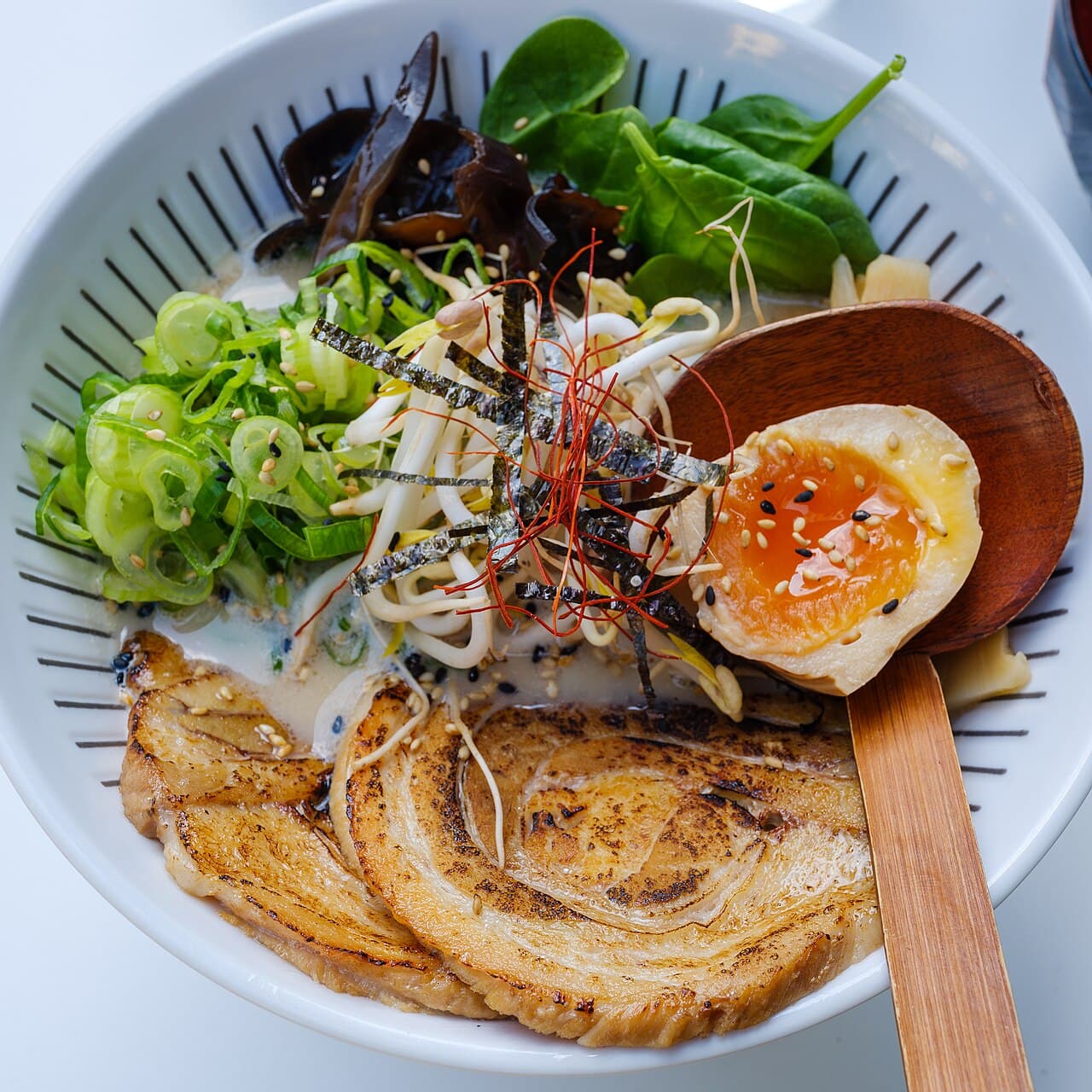
Ramen is one of the first things travellers want to eat in Japan, and one of the most common questions I get is whether it's halal. The honest answer is that most bowls aren't — but with a little knowledge, a good one is very much within reach.
Why standard ramen usually isn't halal
A default bowl of ramen is built on animal fat and umami, and in Japan that most often means pork. Tonkotsu broth is simmered pork bone; the chashu sliced on top is pork belly; a spoon of lard (背脂) is common. Even a clear shoyu or miso bowl is frequently backed by a pork, or pork-and-chicken, stock. The tare — the concentrated seasoning base — is often loosened with mirin or cooking sake, so alcohol can be present even where you can't taste it. The gyoza on the side are usually pork too. None of this is labelled, so a harmless-looking bowl can still be off-limits.
Certified vs Muslim-friendly
This distinction matters. A halal-certified shop has been audited by a third-party body (in Japan often the Japan Islamic Trust or Japan Halal Association) and runs a separate, pork- and alcohol-free kitchen. A Muslim-friendly or "pork-free" shop chooses not to use pork or alcohol but holds no certificate — a good-faith effort, not a guarantee. Neither is wrong; you simply need to know which one you're standing in. Never trust a "100% halal" claim without a visible certificate. Our halal dietary overview lists the questions worth asking at the counter.
Where to eat halal ramen
Tokyo now has real options. In Asakusa, Gyumon serves halal wagyu-beef ramen with an English menu. In Ebisu and Shinjuku, the two Honolu shops pour a rich chicken paitan that's pork- and alcohol-free. Halal Wagyu Ramen Shinjuku-tei does a beef bowl near the station, and Ayam-Ya in Okachimachi builds its chicken broth from scratch for Muslim diners. For a fuller map, see our halal ramen in Shibuya piece and the wider halal Tokyo guide.
How to eat well
Arrive early — these shops are small and popular with travellers. Confirm certified versus friendly at the counter, and ask specifically about the tare and any alcohol. If you keep a strict standard, choose a certified kitchen; if "friendly" is enough for you, the choice widens considerably. For planning the rest of your trip, Tokyo for Muslim travellers covers prayer spaces and dining beyond ramen. A hot, honest bowl is closer than most people expect.
Read the label: the Japanese that decides it
In a ramen shop the broth name on the noren curtain usually tells you the answer before you sit down. These are the words to read.
| Japanese | Rōmaji | What it tells you |
|---|---|---|
| 豚骨 | tonkotsu | Pork-bone broth. The name of the broth is the ingredient. |
| チャーシュー | chāshū | Braised pork topping — the default on most bowls. |
| 背脂 | seabura | Pork back-fat, ladled on top. |
| ラード | rādo | Lard. |
| 鶏がら | torigara | Chicken bones — chicken, but not zabiha. |
| 魚介豚骨 | gyokai tonkotsu | A seafood-and-pork blend. The seafood in the name does not make it pork-free. |
| ハラールラーメン | harāru rāmen | How a certified shop labels itself. |
What to say at the counter
Showing this on a screen works as well as saying it — staff read it faster than they parse spoken English.
豚は使っていますか?
Buta wa tsukatte imasu ka?
“Do you use pork?”
Places we’ve confirmed
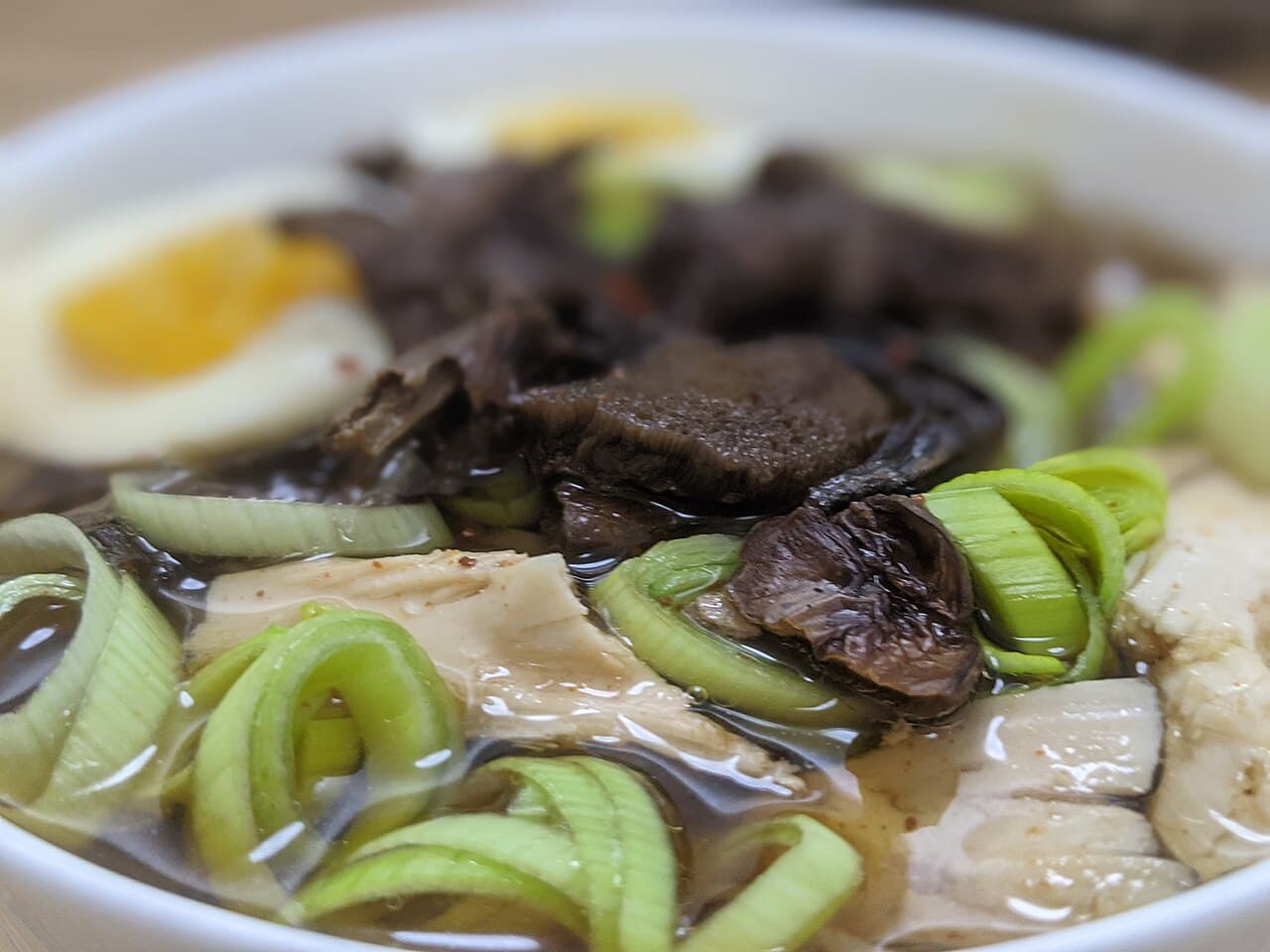
Gyumon Halal Ramen Asakusa: Wagyu Broth, No Pork
Pork-free wagyu beef ramen (broth from 20+ wagyu cuts & seasonings)
Gyumon Halal Ramen Asakusa is a halal-certified, pork-free wagyu ramen kitchen.
- Halal
- Casual
- Solo
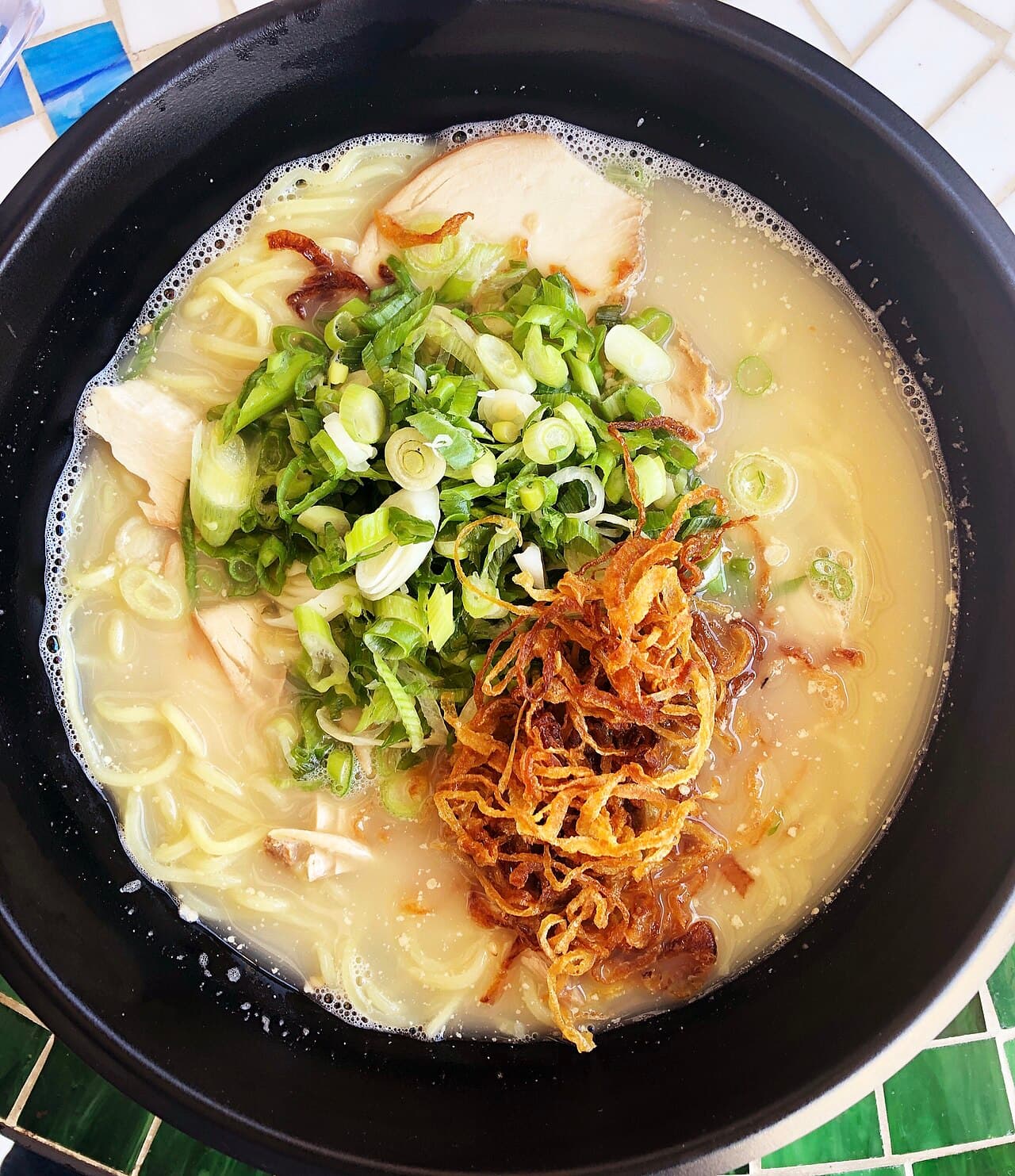
Halal Ramen Honolu Ebisu
Rich chicken-paitan ramen topped with spicy fried chicken
A halal ramen specialist near Ebisu Station serving rich chicken-paitan bowls plus Japanese sides, with an English menu and prayer space. The Ebisu branch is halal-certified (the chain obtained certification in 2020); confirm the certifying body on the in-store certificate, as Honolu's other branches vary.
- Halal
- Solo
- Casual
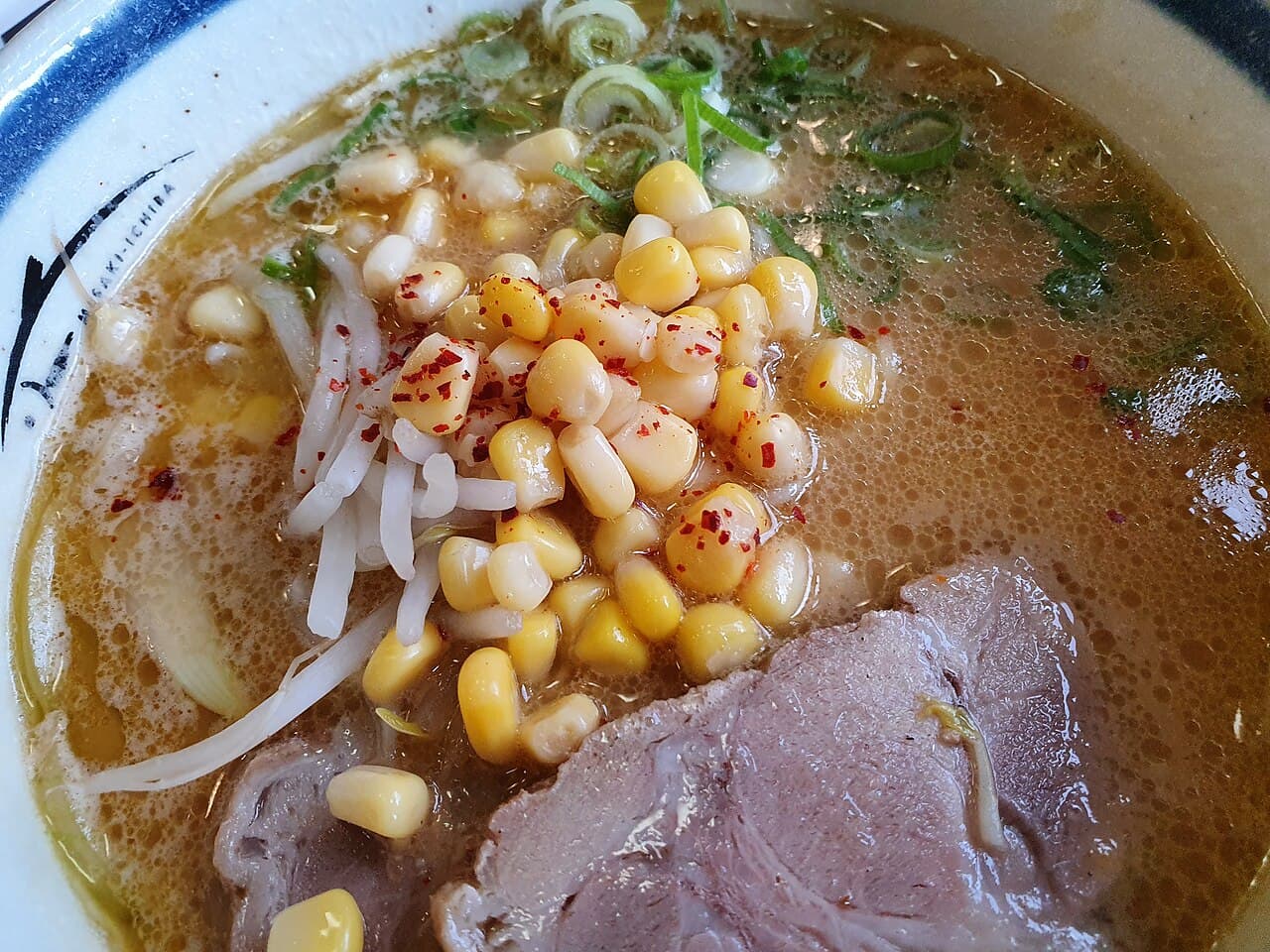
Honolu Halal Ramen (Shinjuku-Gyoenmae)
Chicken paitan ramen — creamy broth from halal chicken simmered over 6 hours
A no-pork, no-alcohol ramen counter east of Shinjuku Gyoen where Japan Islamic Trust-certified halal chicken is coaxed into a tonkotsu-rich paitan that converts sceptics.
- Halal
- Solo
- Casual
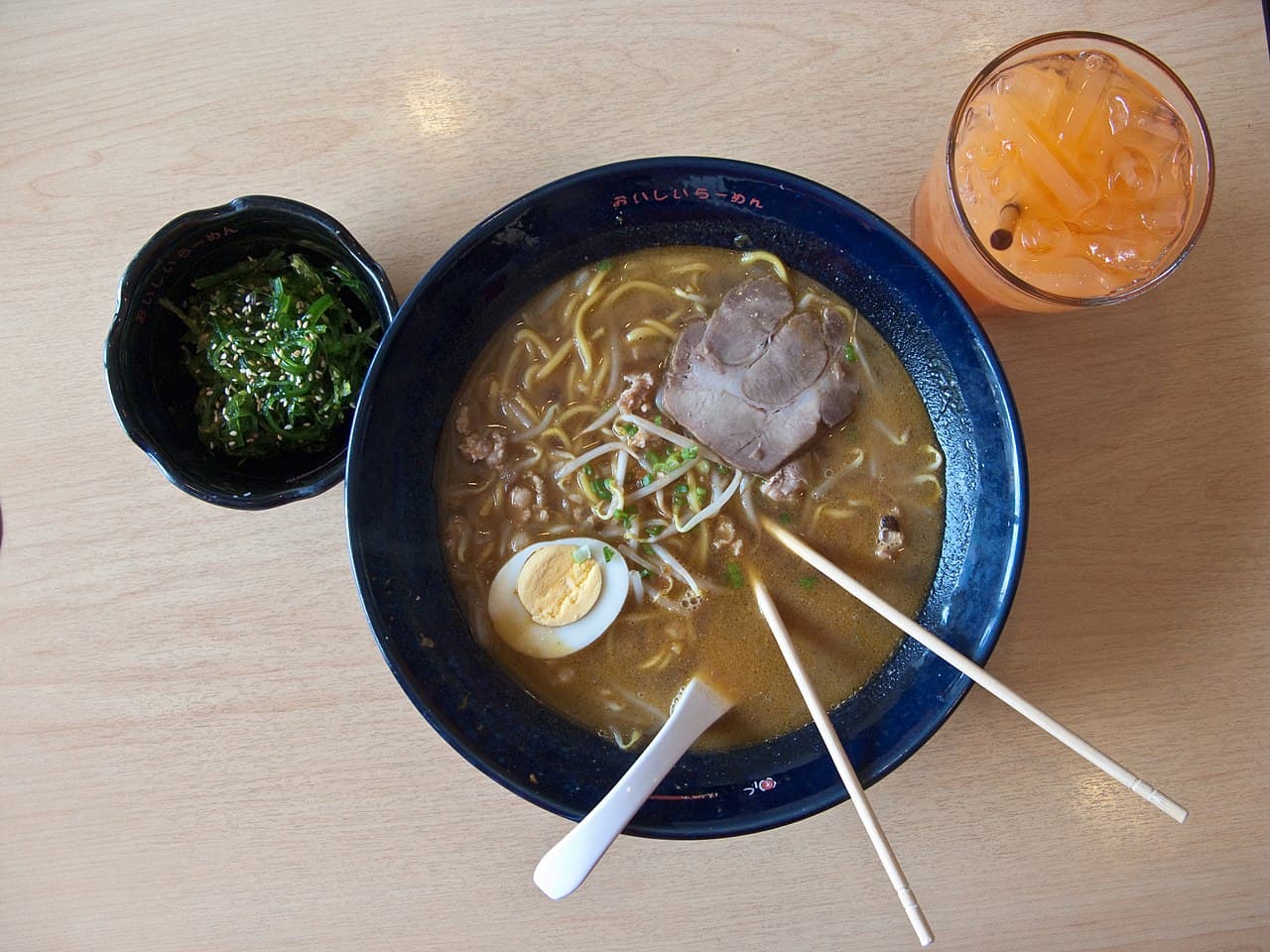
Halal Wagyu Ramen Shinjuku-tei
A5 wagyu roast beef ramen
This flagship near Shinjuku-sanchome crowns a 100% halal-certified bowl with slices of seared A5 wagyu roast beef — pork- and alcohol-free, prayer space on hand.
- Halal
- Solo
- Casual
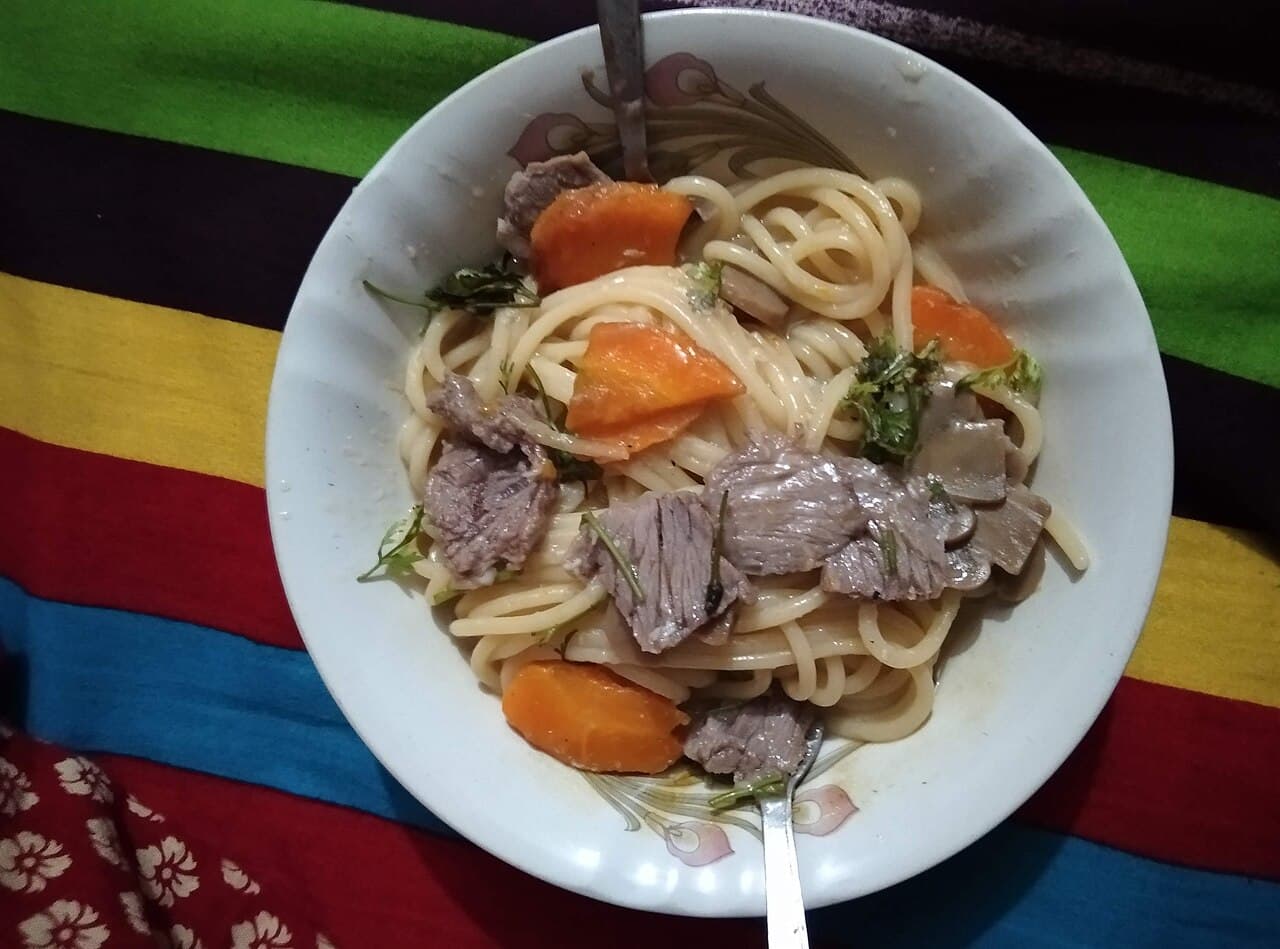
Ayam-Ya Okachimachi
Spicy shoyu chicken ramen
A Sri Lankan-Muslim owner's wholly halal-certified ramen shop where collagen-rich chicken broth meets a fiery soy-sauce kick, steps from Assalaam Mosque.
- Halal
- Solo
- Casual
Sources
FAQ
- Is tonkotsu ramen ever halal?
- Not in its classic form — tonkotsu literally means pork bone. A few shops make a tonkotsu-style bowl from chicken or beef bones instead, but confirm it's certified or explicitly pork- and alcohol-free before ordering.
- Can I just ask for ramen without the pork?
- You can ask, but the broth and tare are prepared in advance, so most kitchens can't remove the pork base on request. It's safer to choose a shop that is built halal or pork-free from the start.
- Is halal ramen only available in Tokyo?
- No. Kyoto has an Ayam-Ya branch in Karasuma serving halal chicken ramen, and Muslim-friendly shops are spreading to other tourist cities, though Tokyo currently has the widest choice.