
DIETARY GUIDE — SUMMER DESSERT
Is Kakigori Vegan and Gluten-Free? Japan's Summer Shaved Ice, Explained
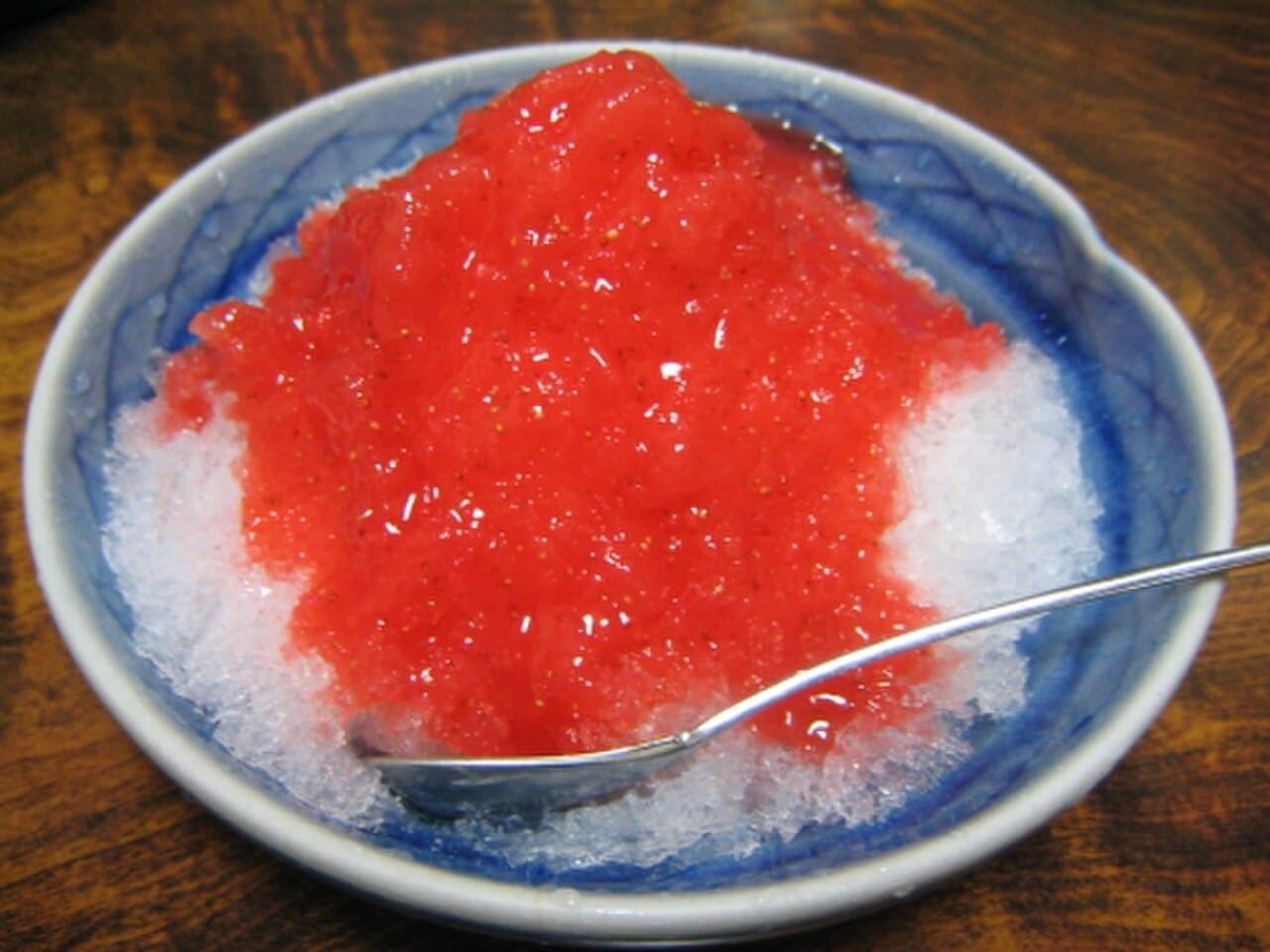
© Strolling everyday in Tokyo (Flickr, via Wikimedia Commons) · CC BY 2.0
Plain shaved ice and fruit syrup are vegan and gluten-free by default — the ice itself never contains dairy, egg, or wheat. The risk is entirely in what gets added on top, and as of July 2026, with kakigori season at its summer peak across Japan (July 25 is even marked as Kakigori Day, かき氷の日, partly a pun on "natsugōri," summer ice, and partly a nod to Japan's historic 1933 heat record in Yamagata), it's the exact question travelers are typing into search bars right now.
The base is never the problem
Kakigori is shaved from a block of filtered or mineral water, sometimes rested at room temperature before shaving so it comes off in soft, snow-like ribbons rather than hard shards. There is no dairy, egg, or wheat in the ice at any shop. This part of the dessert is safe everywhere, every time.
Where vegan claims fall apart: the toppings
The biggest trap is rennyu — sweetened condensed milk — poured over many popular styles, including the shirokuma ("white bear") version associated with Kagoshima. It is dairy, full stop, and it's extremely common, so don't assume a kakigori is dairy-free just because the flavor underneath looks like plain fruit ice. Fruit syrups (strawberry, melon, lemon, "Blue Hawaii") and Japanese classics like matcha, kuromitsu (a dark, molasses-like syrup, traditionally made from unrefined cane sugar), and kinako (roasted soybean flour) are typically vegan on their own, and azuki red bean paste is naturally vegan too. The ingredient actually worth double-checking is the stabilizer: guides to Japan's packaged frozen-dessert aisle note that gelatin does turn up in some manufactured products, though less often than dairy — so a bottled syrup is worth a label check if you're strict. Shops that hand-make their own syrup tend to carry a dairy-only risk (the condensed milk) rather than a gelatin one; kanten, the seaweed-based agar that's Japan's traditional gelling agent, is what you want to see instead. At artisan hand-crank shops — Tokyo's Yanaka Ginza shop Himitsudo, open since 2011 and often credited as one of the city's pioneering dedicated shaved-ice specialists, known for shaving natural ice from Nikkō over daily-changing house-made syrups, is a well-known example — the syrup is more likely to be scratch-made, but the rule holds: ask whether a specific flavor uses condensed milk, since menu photos don't spell it out.
Gluten: the mochi is fine, the kitchen is the real question
Mochi — pounded glutinous rice, dusted with potato starch (katakuriko) or kinako so pieces don't stick — is gluten-free by ingredient; wheat flour has no traditional role in it. The genuine celiac-level risk isn't the kakigori itself but cross-contact: some kakigori counters share a kitchen with cafés also serving cake, waffles, or soba, and standard Japanese soy sauce contains wheat unless specifically labeled tamari. If you need a dedicated gluten-free kitchen rather than a dish that's simply gluten-free by ingredient, ask before you order rather than assume.
How to ask, this summer
"Gyūnyū nashi de" (without milk) removes the condensed-milk risk in one sentence. For gluten concerns, naming soy sauce and asking about shared equipment gets further than the word "gluten" alone, which isn't universally understood at casual stands. Kakigori is strictly seasonal — many shops stop serving it by early September — so July and August 2026 is the window to use this.
Related reading: for the fuller picture on eating vegan or gluten-free anywhere in Japan (not just kakigori), see this site's vegan dining guide and gluten-free dining guide.
Sources
FAQ
- Is the condensed milk on kakigori always dairy?
- Yes. Rennyu (sweetened condensed milk) is dairy with no traditional plant-based version at most shops. If you need it dairy-free, order a plain fruit-syrup flavor or ask if it can be left off — don't assume a milk-drizzled kakigori is dairy-free just because the base flavor is fruit.
- Does kakigori ever contain dashi or fish stock?
- No — kakigori is a sweet dessert, and dashi has no traditional role in it. The ingredients actually worth checking are condensed milk (dairy) and, occasionally, gelatin used as a stabilizer in bottled, mass-produced syrups.
- Is the mochi topping on kakigori gluten-free?
- Yes, by ingredient — mochi is pounded glutinous rice, usually dusted with potato starch (katakuriko) or kinako (roasted soybean flour), with no traditional role for wheat flour. The remaining risk for celiac-level needs is cross-contact in a kitchen that also handles wheat products, not the mochi itself.
- When is kakigori season in Japan?
- It's strictly a summer dessert, peaking in July and August; many shops stop serving it by early September. July 25 is marked in Japan as Kakigori Day (かき氷の日).