
Dietary guide
Is Dashi Halal? A Muslim Traveler's Guide to Japan's Soup Stock
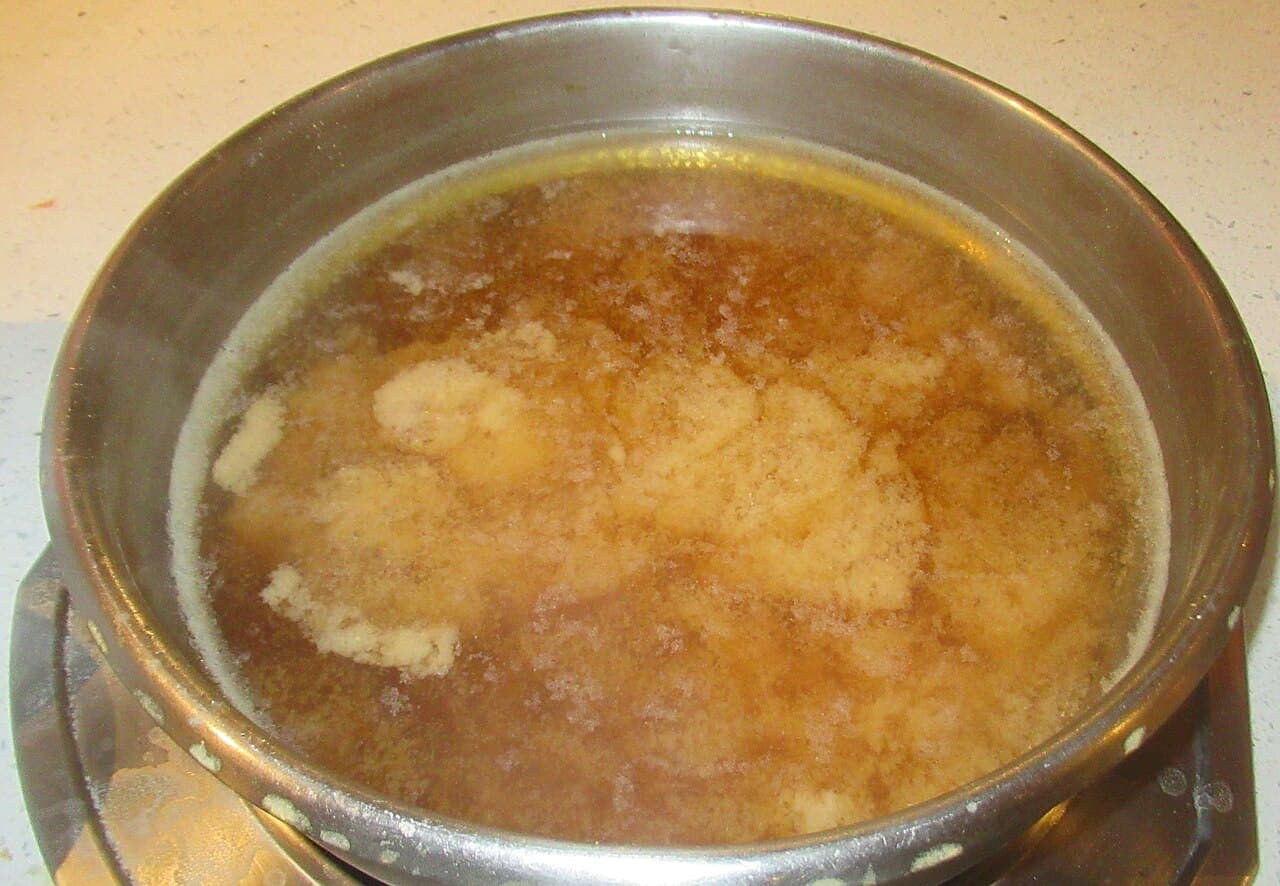
The short answer
Dashi — the amber, faintly smoky stock beneath almost every Japanese savory dish — is usually halal in principle. The three classic bases are simple: katsuo (dried bonito flakes), kombu (kelp), and niboshi (dried sardines). None contains pork, none contains alcohol, and fish is permissible for most Muslims. So the liquid itself is rarely the problem. What surrounds it often is.
Where the real risk lives
The trap is context, not the stock. Two things trip travelers up:
First, instant dashi. Those little granule sachets and bottled tsuyu concentrates that most home kitchens and casual eateries rely on can carry flavor enhancers, hydrolyzed proteins, or trace alcohol used as a carrier. The label rarely says "pork" outright, but it may not be transparent either. Freshly brewed dashi from real katsuo and kombu is the cleaner bet.
Second, the dish it lives in. Dashi almost never travels alone. A bowl of miso soup or a broth of udon is usually seasoned with mirin (sweet rice wine) or a splash of cooking sake — both alcoholic. And a bowl of ramen frequently uses a pork (tonkotsu) base or pork-fat tare entirely separate from the fish dashi. The stock can be innocent while the pot is not.
Kombu dashi: the safest choice
If you want the cleanest option, ask for kombu dashi — pure kelp, fully plant-based, no fish, no alcohol. It's naturally free of the animal question altogether, and many temple-style and vegetarian kitchens brew it as a matter of course.
Certified vs. friendly — say it plainly
Be honest with yourself about the two tiers. A restaurant can be halal-certified (a third party has audited the kitchen) or merely Muslim-friendly / pork-and-alcohol-free (the owner avoids haram ingredients but holds no certificate). Both are worth your time; only the first is independently audited. When in doubt, ask three questions: Is the dashi freshly made or instant? Is there mirin or sake in the seasoning? Is the pot or fryer shared with pork? Staff at English-menu shops answer these easily.
For more certainty, several Tokyo and Kyoto ramen-ya build entirely halal broths from the ground up — chicken or wagyu instead of pork, no alcohol in the tare. Those are covered in our halal Tokyo guide and the full halal directory. To untangle the alcohol side, see is mirin halal; for grilled skewers, is yakitori halal.
How to eat well
You don't have to give up umami to travel observantly. Order kombu-based dishes with confidence, choose kitchens that brew fresh, and lean on certified ramen-ya when you want the fewest doubts. Ask kindly, and most Japanese cooks will walk you through the pot.
Read the label: the Japanese that decides it
Dashi is decided by the packet, not by the word on the menu. These are the lines to find on an ingredients label — the last three are the ones that quietly turn an otherwise fish-and-kelp stock into something you may not want.
| Japanese | Rōmaji | What it tells you |
|---|---|---|
| 昆布 | konbu | Kelp. Plant-only — the basis of a fully vegetarian dashi. |
| かつお節 / 鰹節 | katsuobushi | Dried bonito. Fish, which most schools permit. |
| 煮干し | niboshi | Dried sardine. Fish, same reasoning as katsuobushi. |
| 顆粒だし / だしの素 | karyū-dashi / dashi-no-moto | Instant granular dashi — read the rest of the label before trusting it. |
| 酒精 | shusei | Alcohol, added as a preservative. Printed on far more packaged foods than travellers expect. |
| ポークエキス | pōku ekisu | Pork extract. |
| チキンエキス | chikin ekisu | Chicken extract — chicken, but not zabiha-slaughtered. |
| 動物性油脂 | dōbutsusei yushi | Animal fats, species not stated. |
What to say at the counter
Showing this on a screen works as well as saying it — staff read it faster than they parse spoken English.
だしは昆布だけで作れますか?
Dashi wa konbu dake de tsukuremasu ka?
“Could you make the dashi with kombu only?”
Places we’ve confirmed
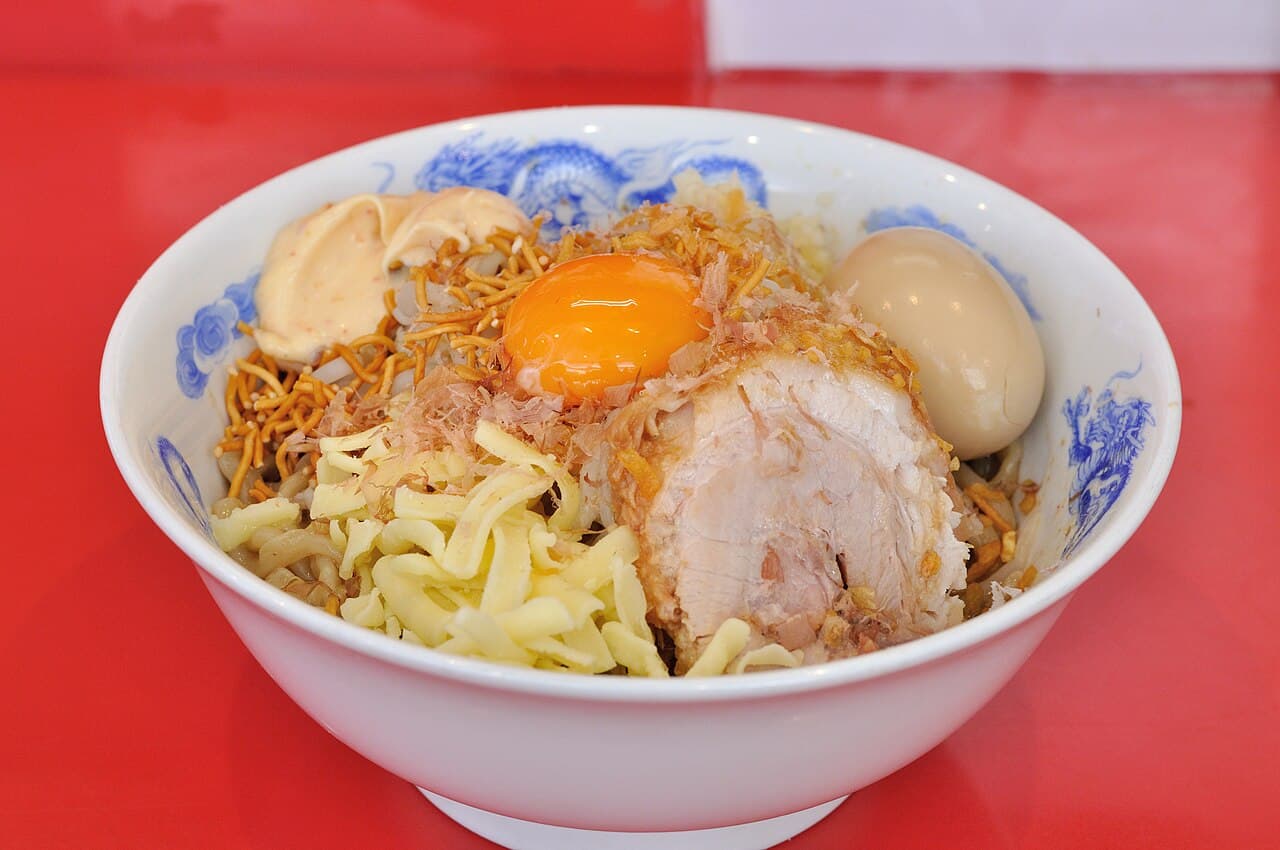
Naritaya
Asakusa ramen (chicken-and-bonito broth, grilled chicken)
Steps from Senso-ji, this pioneering halal-certified ramen shop swaps pork for grilled chicken and lard for sesame oil, with a 2nd-floor prayer room for Muslim diners.
- Halal
- Solo
- Casual
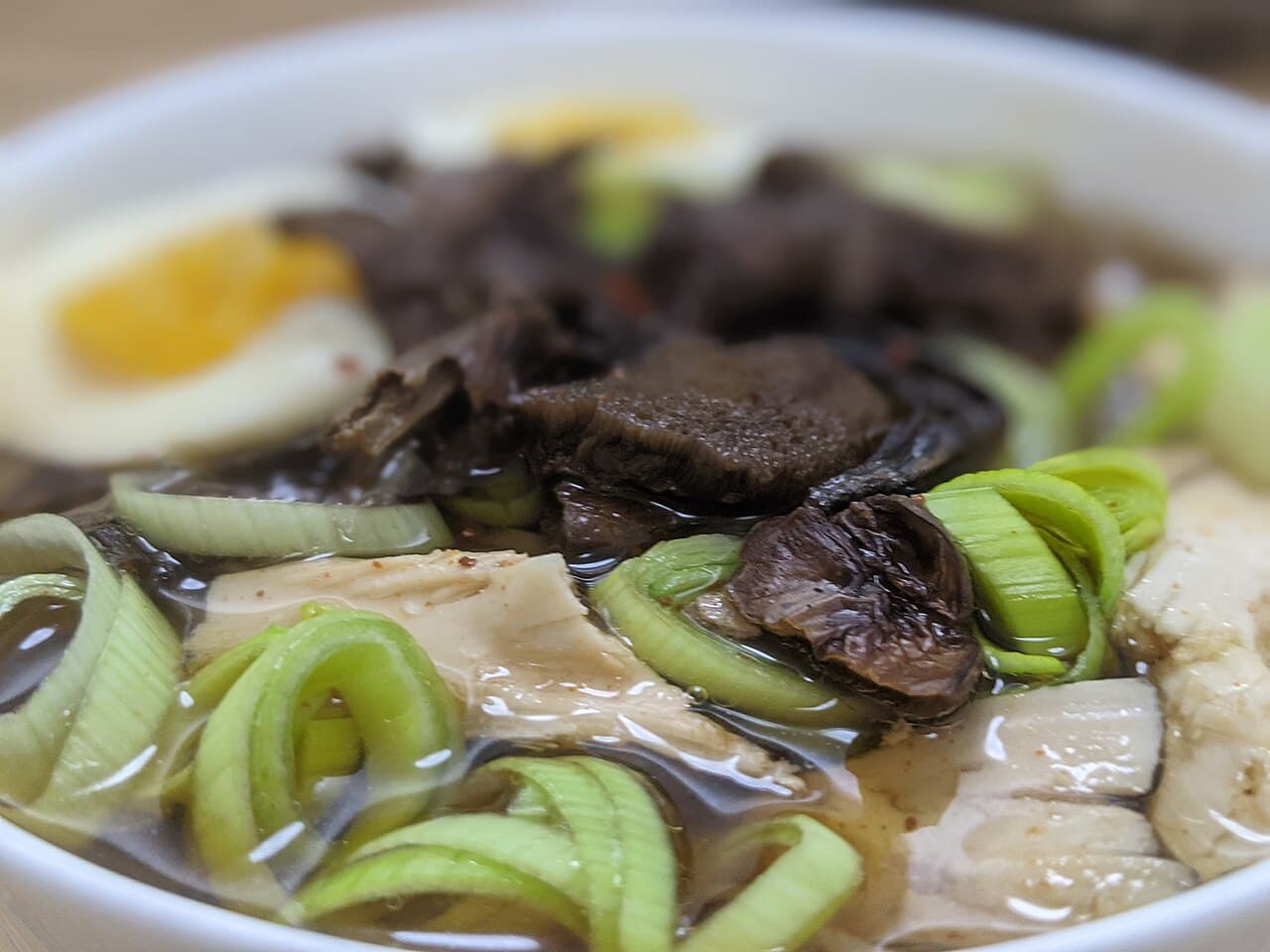
Gyumon Halal Ramen Asakusa: Wagyu Broth, No Pork
Pork-free wagyu beef ramen (broth from 20+ wagyu cuts & seasonings)
Gyumon Halal Ramen Asakusa is a halal-certified, pork-free wagyu ramen kitchen.
- Halal
- Casual
- Solo
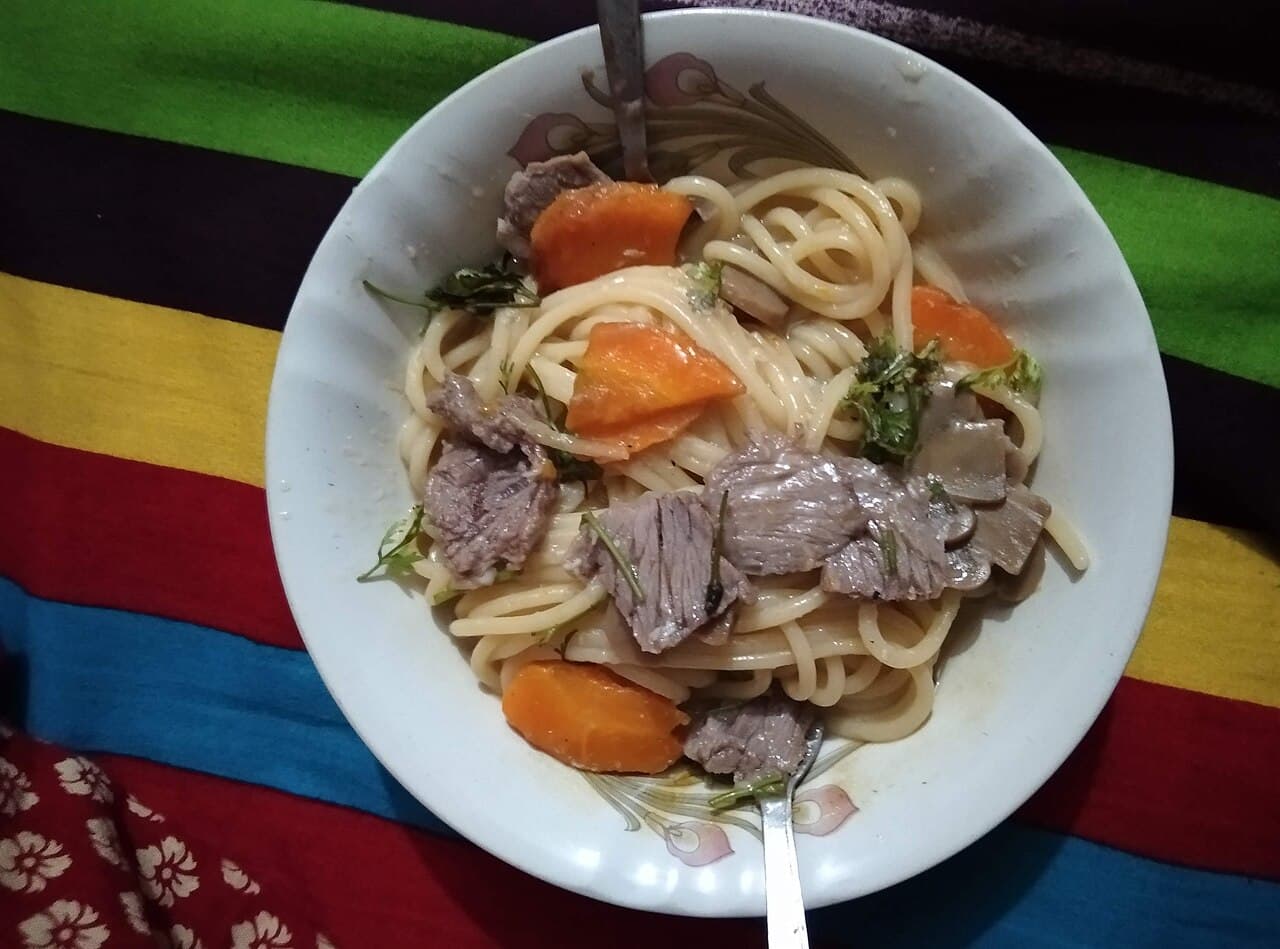
Ayam-Ya Okachimachi
Spicy shoyu chicken ramen
A Sri Lankan-Muslim owner's wholly halal-certified ramen shop where collagen-rich chicken broth meets a fiery soy-sauce kick, steps from Assalaam Mosque.
- Halal
- Solo
- Casual
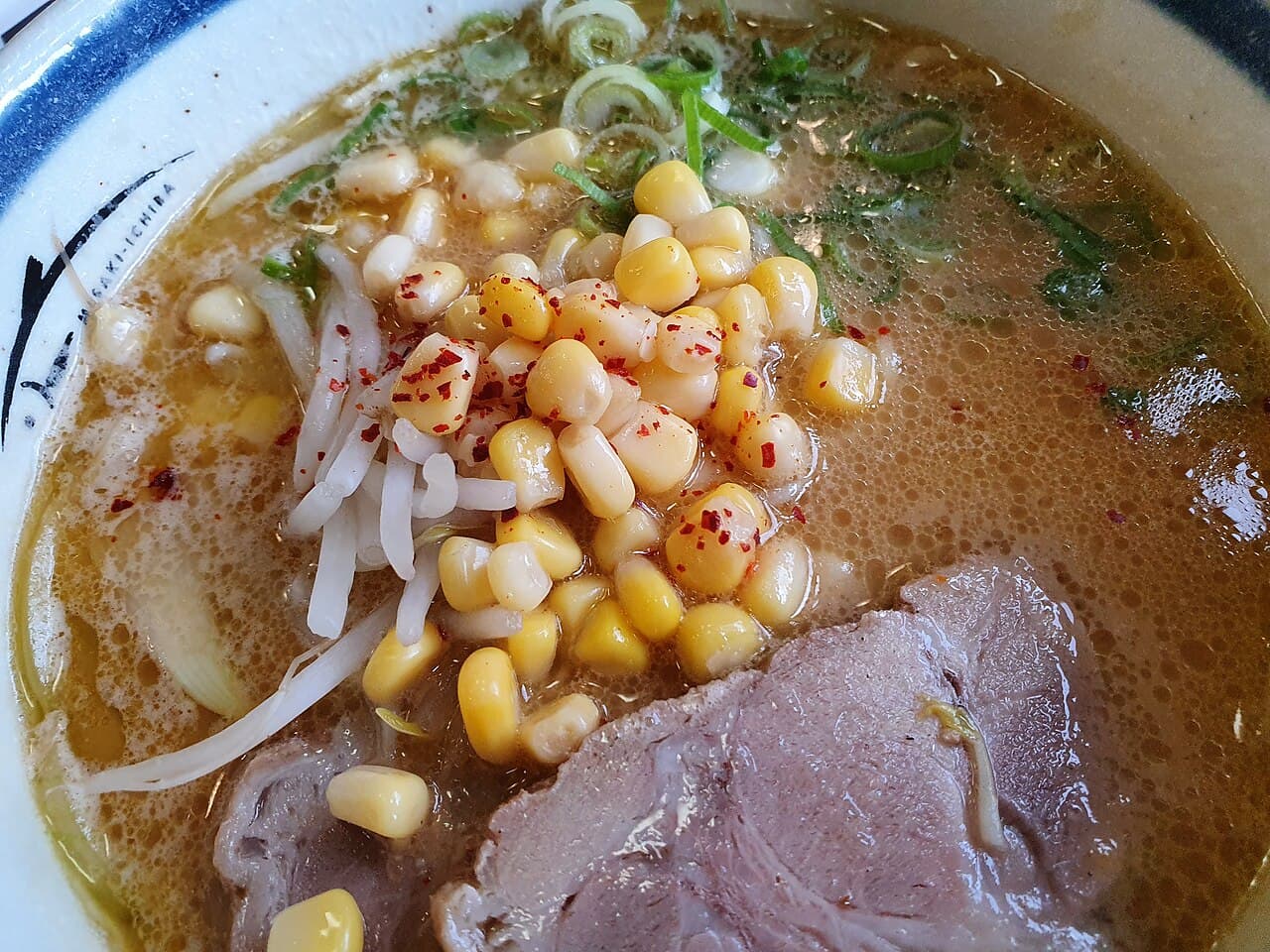
Honolu Halal Ramen (Shinjuku-Gyoenmae)
Chicken paitan ramen — creamy broth from halal chicken simmered over 6 hours
A no-pork, no-alcohol ramen counter east of Shinjuku Gyoen where Japan Islamic Trust-certified halal chicken is coaxed into a tonkotsu-rich paitan that converts sceptics.
- Halal
- Solo
- Casual
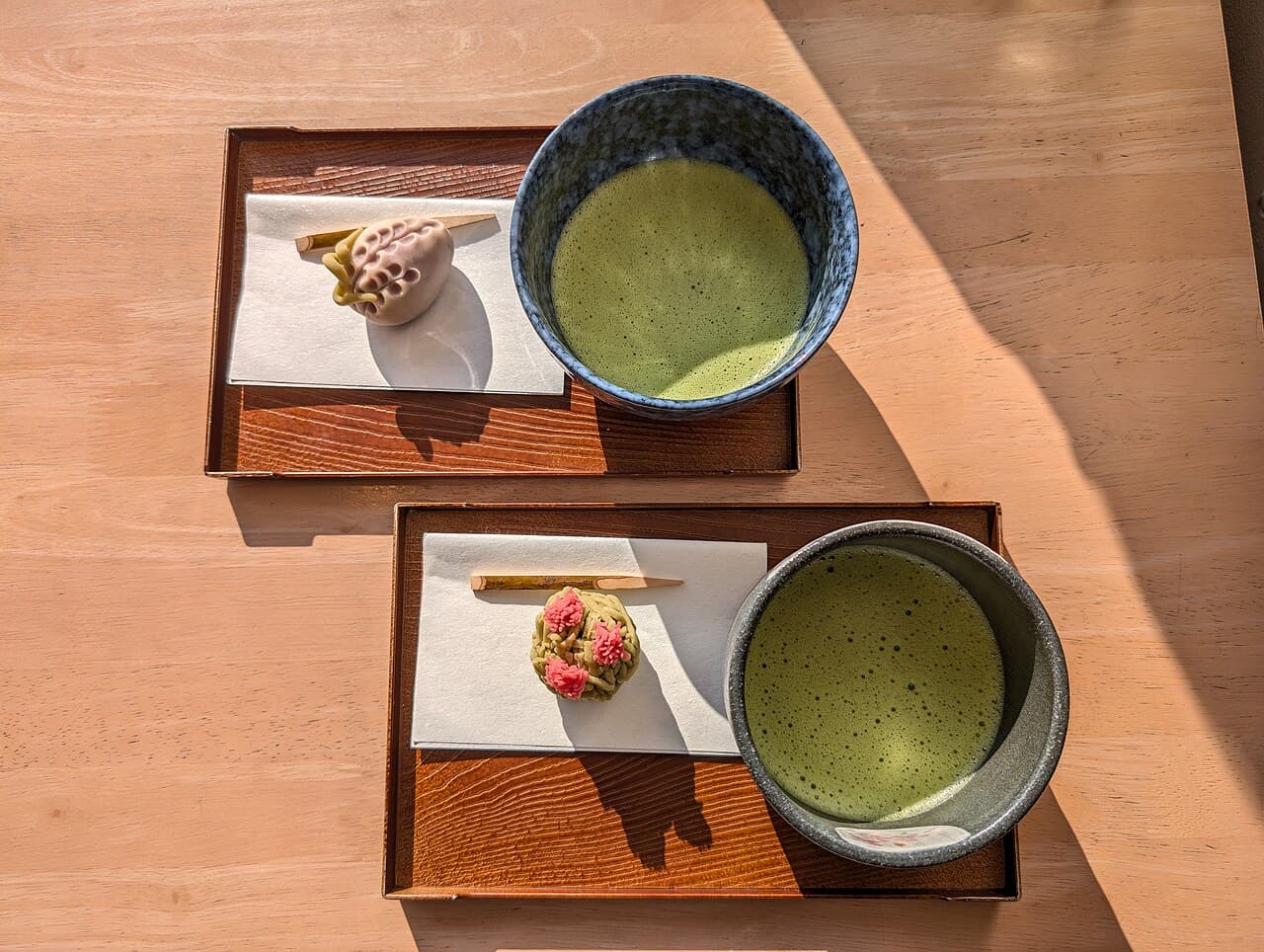
Tokyo Camii TC Cafe & Halal Market
Turkish sweets and spiced tea, with an attached halal market
A Muslim-friendly Turkish patisserie/cafe inside Japan's largest mosque, the Tokyo Camii & Diyanet Turkish Culture Center, serving halal confectionery alongside an attached halal market. The mosque is open to non-Muslim visitors outside prayer times.
- Halal
- Casual
- Solo
Sources
FAQ
- Is bonito (katsuo) dashi halal?
- The stock itself contains only dried fish, water, and often kelp, with no pork or alcohol, so plain bonito dashi is generally acceptable to most Muslims. Confirm it's freshly brewed rather than an instant granule, and check that the finished dish isn't seasoned with mirin or sake.
- Can I eat miso soup as a Muslim?
- Often yes, since basic miso soup is dashi, miso, and vegetables. The cautions are a possible splash of cooking sake, dashi granules with hidden additives, or pork in the miso blend. At a halal-certified or Muslim-friendly shop it's usually safe; elsewhere, ask.
- What's the safest dashi if I want no doubt?
- Kombu (kelp) dashi. It's fully plant-based, contains no fish or alcohol, and sidesteps the animal question entirely. Vegetarian and temple-style kitchens brew it routinely, so it's the easiest one to request with confidence.