
Dietary guide
Is Mirin Halal? A Traveler's Guide to Japan's Hidden Cooking Alcohol
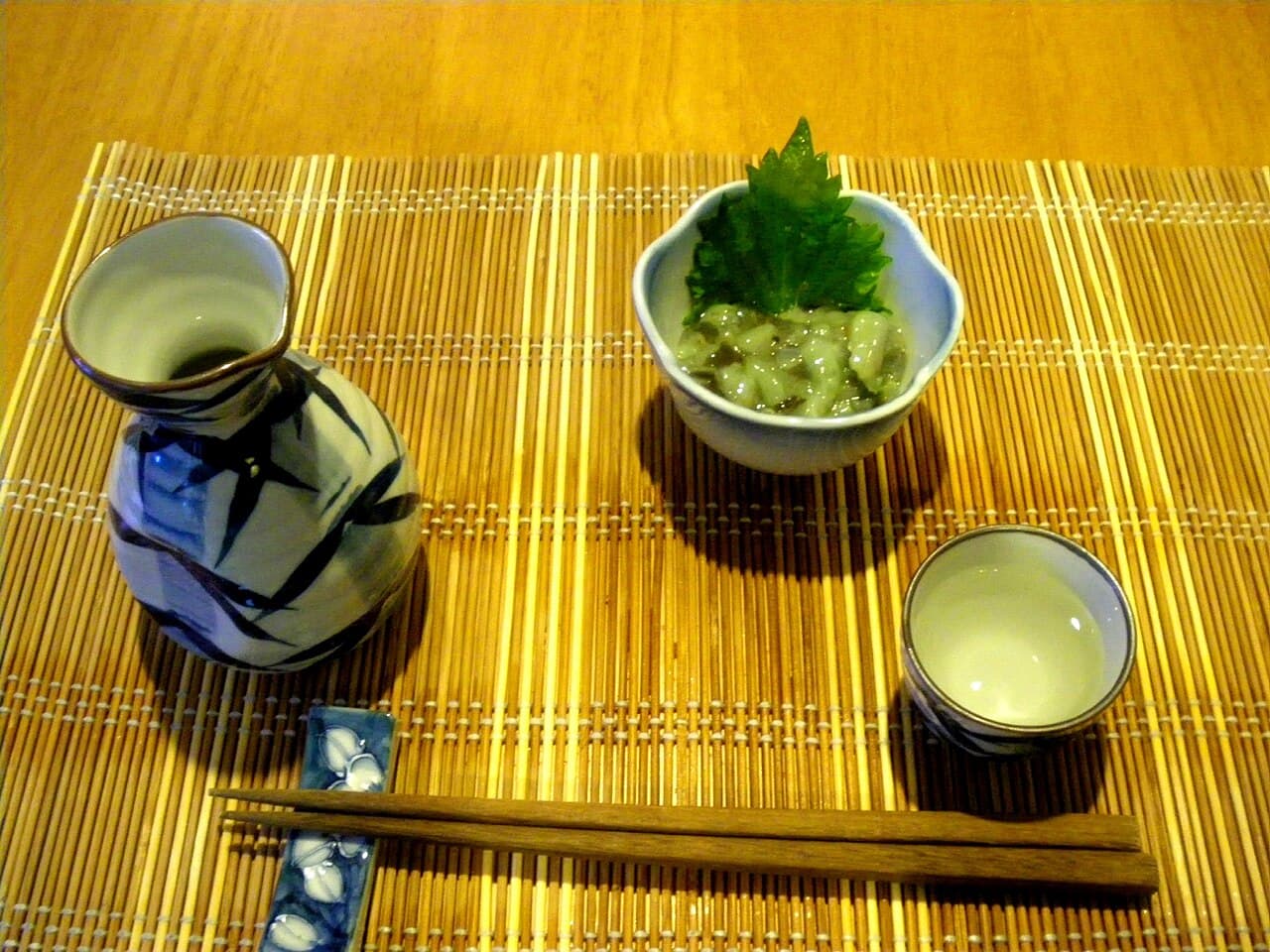
Mirin is one of the quiet pillars of Japanese cooking — the gloss on grilled fish, the round sweetness in a simmered pot. For Muslim travelers, it is also one of the easiest ingredients to miss, because it rarely appears on a menu and never on a plate. Here is what is actually true, and how to eat well anyway.
The three kinds of mirin
Not all mirin is the same, and the difference is exactly the point.
- Hon-mirin (本みりん) — the real thing. A fermented rice product carrying around 14% alcohol, similar in strength to wine. Because it is produced by fermentation and contains meaningful alcohol, most scholars treat it as not halal.
- Mirin-fu chomiryo (みりん風調味料) — "mirin-style seasoning." Engineered to mimic mirin's sweetness with under roughly 1% alcohol, sometimes none. Lower risk, but "low" is not "certified."
- Shio-mirin (塩みりん) — salt is added so the liquid is legally undrinkable. It still began as an alcoholic base, so opinions differ.
The honest takeaway: only the seasoning types even enter the conversation, and none of them is halal simply because of its category. Certification is a separate step.
Where mirin hides
Mirin loves a supporting role. You will find it in teriyaki glaze, in nimono (simmered dishes), in the tare brushed onto skewers, and in the broth of sukiyaki. It often travels with cooking sake, its alcoholic cousin. This is why a dish with no pork can still be off-limits — the problem is in the sauce, not the protein. The same logic applies to grilled chicken; we unpack it in is yakitori halal.
Certified vs Muslim-friendly
Two labels, two very different guarantees.
Certified means a third-party body (for example, the Japan Halal Association or a mosque-linked authority) has inspected the kitchen. Muslim-friendly usually means the restaurant omits pork and alcohol, including mirin and sake, but has no external audit. Both can be excellent; only one carries paperwork. Never assume "100% halal" without a certificate on the wall.
How to eat well
The single most useful question in Japan is: "Does this use mirin or cooking sake?" Say mirin (みりん) and ryori-shu (料理酒) by name — staff understand instantly. Muslim-friendly kitchens like Tokyo Camii TC Cafe omit both entirely, and halal sushi, ramen and wagyu houses build their sauces without them. Plan a first day around our Tokyo halal guide and Muslim travellers' guide, then explore with confidence.
Read the label: the Japanese that decides it
Mirin is the single most useful label to learn in Japan, because three different products share the name and only one of them is meaningfully alcoholic. The bottle states its alcohol percentage by law.
| Japanese | Rōmaji | What it tells you |
|---|---|---|
| 本みりん | hon-mirin | True mirin — roughly 14% alcohol. Treat it as an alcoholic drink. |
| みりん風調味料 | mirin-fū chōmiryō | Mirin-style seasoning, under 1% alcohol. This is the substitute most people are looking for. |
| 発酵調味料 / 醸造調味料 | hakkō / jōzō chōmiryō | Fermented seasoning — alcohol plus added salt, sold outside liquor licensing. |
| アルコール分 | arukōru-bun | "Alcohol content", followed by a percentage. The number that settles it. |
| 酒精 | shusei | Alcohol listed as an ingredient. |
| 料理酒 | ryōrishu | Cooking sake — alcohol, and a frequent partner to mirin in the same dish. |
What to say at the counter
Showing this on a screen works as well as saying it — staff read it faster than they parse spoken English.
みりんを使わずに作れますか?
Mirin o tsukawazu ni tsukuremasu ka?
“Could you make it without mirin?”
Places we’ve confirmed
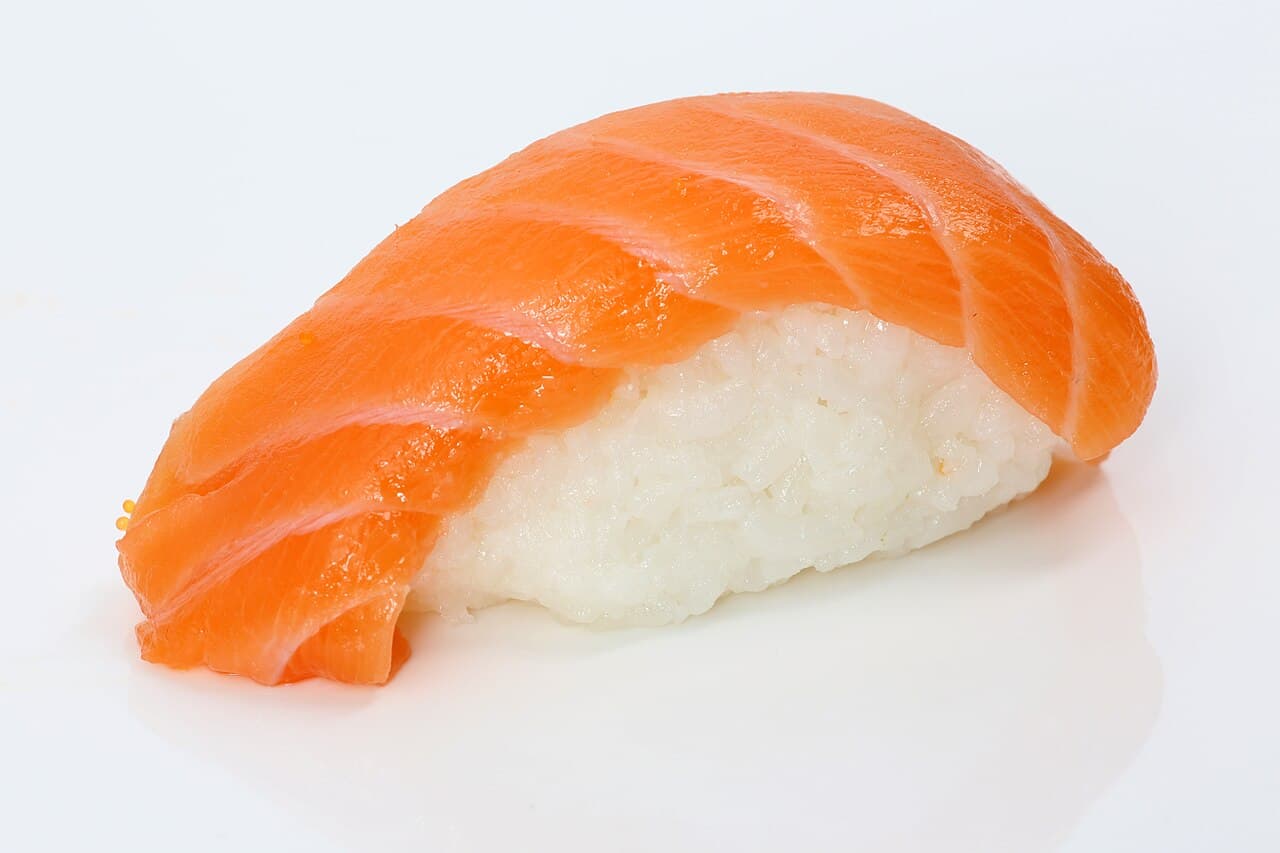
Asakusa Sushi Ken
Edomae nigiri course — soy sauce to fish, all halal-certified
Edomae sushi near Sensō-ji, on the Japan Halal Foundation register at two stars: every dish is halal, and alcohol is served as drinks under JHF's rules that keep it out of the food. JHF's entry notes a prayer space that the shop's own site does not mention — ask when you book.
- Halal
- Pescatarian
- Date
- Anniversary
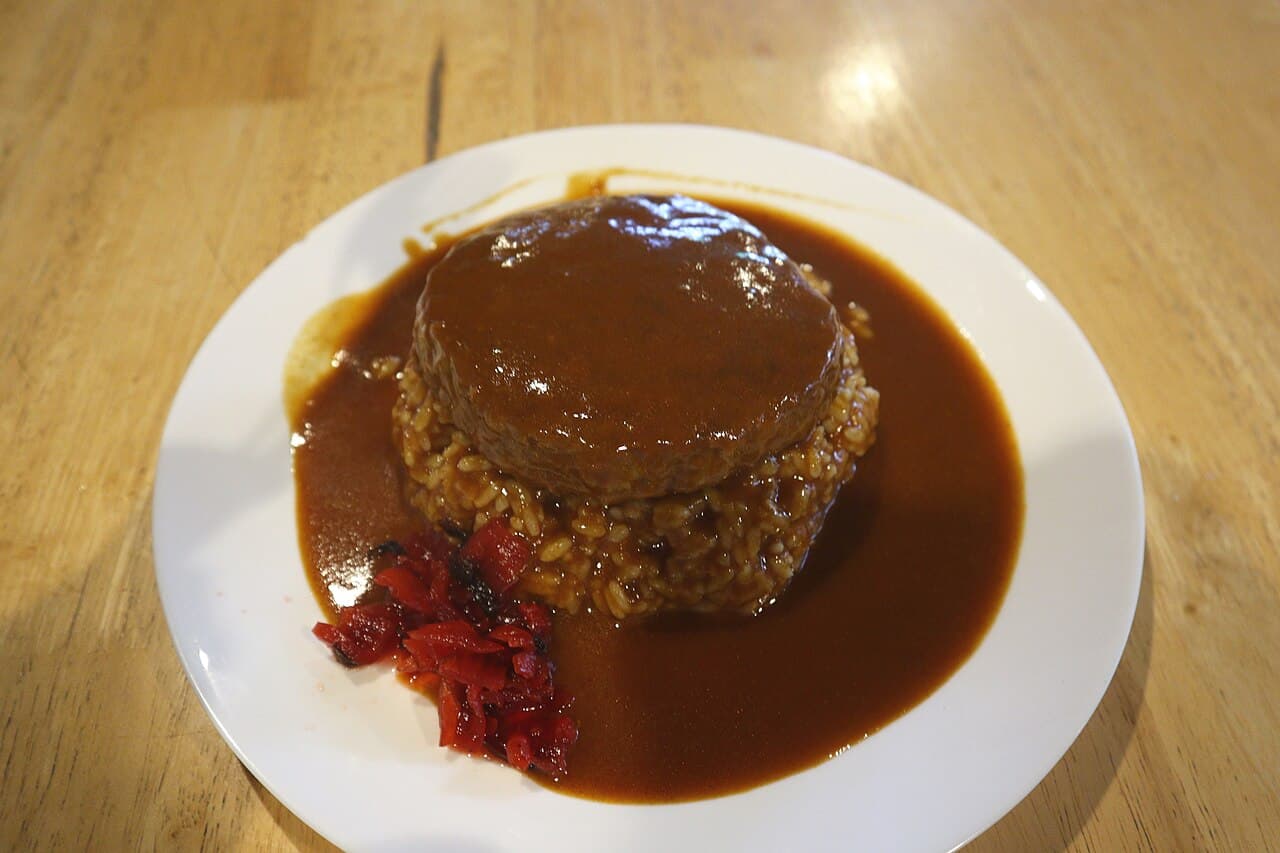
CoCo Ichibanya Halal Akihabara — Permanently Closed
Customisable Japanese curry rice with halal toppings; pick your rice size and spice level
Permanently closed. CoCo Ichibanya's halal-certified Akihabara branch and its Shinjuku sister shop shut during the 2020 pandemic and have not reopened — as of 2026 there is no halal-certified CoCo Ichibanya in Japan. For halal Japanese curry and other options, see our halal fast-food chains guide and halal Tokyo guide.
- Halal
- Solo
- Casual
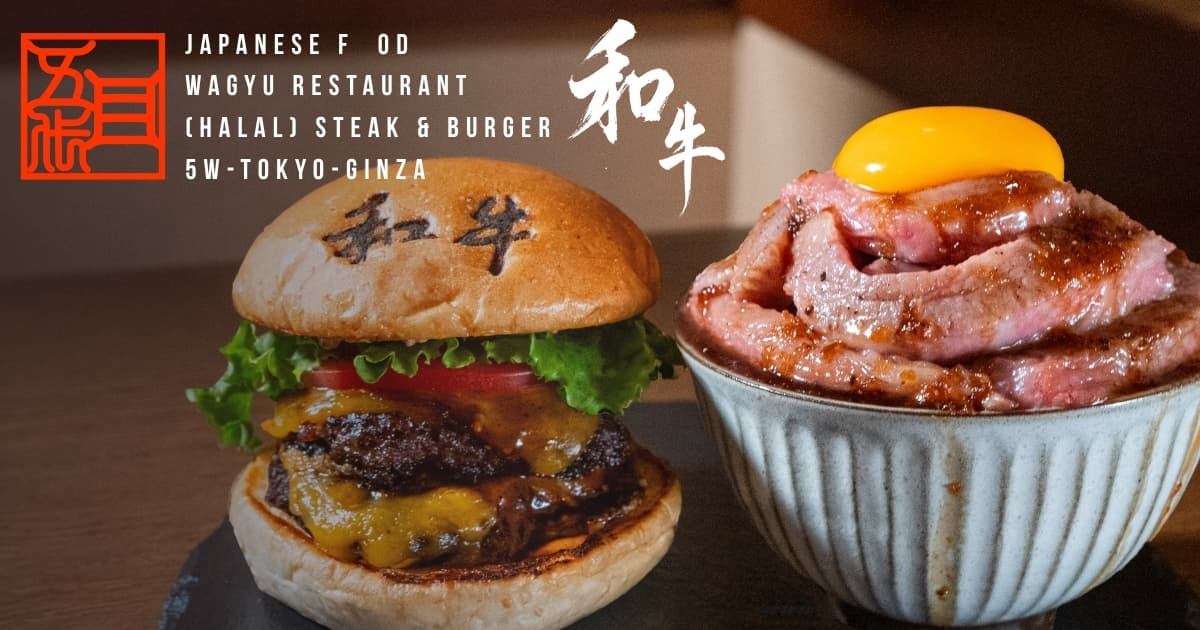
Godaime Wagyu Tokyo (Halal)
Halal-certified Japanese wagyu steak
A fifth-generation wagyu family's alcohol-free basement grill in Ginza serving 100% halal-certified Japanese wagyu steaks and burgers, so every traveller can taste real wagyu. (The halal kitchen is the basement venue.)
- Halal
- Date
- Business
Ayam-Ya Okachimachi
Spicy shoyu chicken ramen
A Sri Lankan-Muslim owner's wholly halal-certified ramen shop where collagen-rich chicken broth meets a fiery soy-sauce kick, steps from Assalaam Mosque.
- Halal
- Solo
- Casual
Tokyo Camii TC Cafe & Halal Market
Turkish sweets and spiced tea, with an attached halal market
A Muslim-friendly Turkish patisserie/cafe inside Japan's largest mosque, the Tokyo Camii & Diyanet Turkish Culture Center, serving halal confectionery alongside an attached halal market. The mosque is open to non-Muslim visitors outside prayer times.
- Halal
- Casual
- Solo
Sources
FAQ
- Is mirin-fu seasoning safe for a halal diet?
- It carries under roughly 1% alcohol, sometimes none, so it is much lower risk than hon-mirin. But it is not automatically halal-certified, so treat it as an improvement rather than a guarantee unless the restaurant confirms it.
- Does all Japanese food contain mirin?
- No, but it is common in sweet-savory dishes like teriyaki, simmered nimono, tare sauces and sukiyaki broth. Grilled, fried or plainly seasoned foods may skip it, so it is always worth asking about mirin and cooking sake.
- How do I ask a restaurant about mirin in Japanese?
- Say "mirin ya ryori-shu wo tsukatte imasu ka?" — do you use mirin or cooking sake? Naming both words directly is the clearest way to get an accurate answer.