
Dietary guide
Is Tempura Halal in Japan? What Muslim Travelers Need to Check
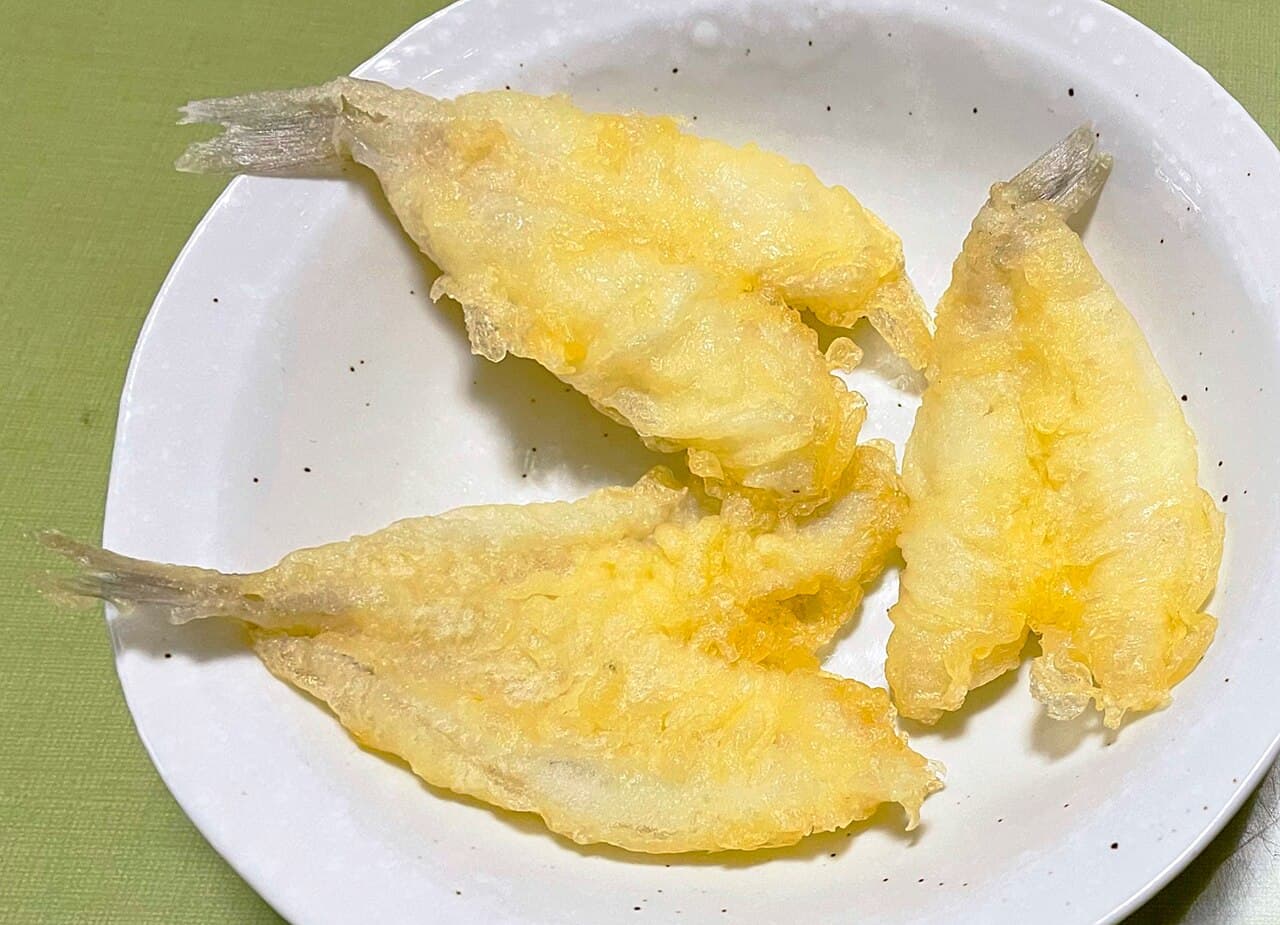
Plain tempura is usually not halal-certified, but it is rarely clearly haram — the batter and the seafood or vegetables are halal in themselves, and the real risks live in the dipping sauce, the frying oil, and the shared fryer. For an anxious Muslim traveler, that means tempura is often edible with a few small requests, but it is never automatically safe. Here is exactly what to check and what to say.
Why the tempura itself is usually fine
Classic tempura batter is nothing more than wheat flour, egg, and cold water. The stars — prawns, whitefish, squid, pumpkin, eggplant, shiitake, sweet potato, green beans — are all halal ingredients on their own. There is no pork in a standard piece of tempura. This is why the honest answer is not a flat "no." The problem is never usually the visible food; it is the invisible steps around it.
The three real concerns
1. The dipping sauce (tentsuyu)
Tempura is almost always served with tentsuyu — a warm sauce of dashi, soy sauce, and mirin. Traditional hon-mirin contains roughly 10–14% alcohol and is treated as an alcoholic product under Japanese law, which is why major halal authorities such as LPPOM MUI classify mirin and sake as haram. Some chefs also brush seafood with sake before frying to reduce odor. Soy sauce adds around 2–3% alcohol from fermentation, though many scholars treat trace fermentation alcohol in soy sauce as permissible when it is not added as a drink.
The simple fix: skip the sauce and eat your tempura with salt. This is not a compromise — salt (plain, matcha, or yuzu) is the connoisseur's preferred way to eat good tempura in Japan.
2. The frying oil
Tempura is normally fried in sesame oil, a clear vegetable oil, or a blend of the two — all halal. But you cannot rule out an animal-derived or blended oil at some shops, and it is never listed on the menu, so you have to ask. A quick visual clue: pure sesame-oil tempura (common at old Tokyo counters) fries a deeper golden-brown and smells nutty, while a lighter, pale batter usually means a neutral vegetable oil — yet color alone never confirms the oil is 100% plant-based, so ask anyway.
3. The shared fryer (cross-contamination)
Even with vegetable oil, a single fryer may also cook pork cutlets (tonkatsu), fried chicken (karaage), non-halal seafood, or croquettes throughout the day. Many casual tempura counters and set-meal shops run their whole menu through one fryer, so the same oil that crisped your prawn may have fried pork minutes earlier. For strict halal practice, shared oil is a genuine issue, not a technicality — a dedicated tempura specialist is far more likely to keep a clean, single-purpose fryer than a cheap all-in-one diner.
"No certification" is not the same as "pork"
This distinction matters. A regular tempura restaurant almost never puts pork in your tempura. What it cannot promise is (a) an alcohol-free sauce, (b) purely vegetable oil, and (c) a dedicated fryer. Your comfort level depends on which of these you personally require — trace fermentation alcohol is a different question from lard in the oil.
What to check, at a glance
| Element | Usual status | What to do |
|---|---|---|
| Batter (flour, egg, water) | Halal | No action |
| Prawn / veg / whitefish | Halal | No action |
| Tentsuyu dipping sauce | Contains mirin/sake alcohol | Ask for salt instead |
| Frying oil | Usually sesame/vegetable; sometimes animal or blended | Ask if animal or vegetable |
| Shared fryer | Often shared with pork/seafood | Ask; seek halal-certified if strict |
Phrases to show the staff
- 天ぷらは塩で食べたいです。(Tempura wa shio de tabetai desu.) — "I'd like to eat the tempura with salt."
- この油は動物性ですか、植物性ですか?(Kono abura wa dōbutsusei desu ka, shokubutsusei desu ka?) — "Is this oil animal-based or vegetable-based?"
- 豚肉と同じ油で揚げていますか?(Butaniku to onaji abura de agete imasu ka?) — "Is it fried in the same oil as pork?"
Showing these on your phone almost always gets a clear, friendly answer.
Halal-friendly tempura options
If you want certainty rather than requests, Japan now has dedicated options. Halal tendon (tempura rice bowls) exists in Ginza, Tokyo, using halal-certified ingredients and separate preparation. Muslim-friendly and vegetarian restaurants in tourist areas increasingly fry vegetable tempura in clean vegetable oil with a salt option. For the full picture on eating out, restaurant hunting, and prayer-time logistics, see our halal Japan travel guide.
Vegetable-only tempura at a place that fries no meat — for instance a dedicated vegetarian or vegan tempura spot — is your safest ordinary-restaurant bet. And if you are also managing wheat, note that the batter is not wheat-free — read our companion piece on whether tempura is gluten-free in Japan. For a famous old-school Tokyo tempura experience where you can practice asking about oil and salt, Daikokuya in Asakusa is a classic first stop.
Bottom line
Tempura is one of the easier Japanese foods to make halal-friendly: order it with salt, confirm the oil is vegetable, and ask about a shared fryer if you are strict. There is no pork in the food itself — the caution is all in the sauce and the oil, and both are questions you can settle in one short exchange with the staff (all as of 2026).
Read the label: the Japanese that decides it
Tempura splits into two questions: what you dip it in, and what it was fried in. The first you can change by asking; the second you have to ask about.
| Japanese | Rōmaji | What it tells you |
|---|---|---|
| 天つゆ | tentsuyu | The dipping broth — dashi, soy and mirin. |
| 塩 | shio | Salt. Good tempura shops offer it, and it removes the mirin question. |
| 揚げ油 | age-abura | The frying oil — the thing to ask about for cross-contact. |
| ラード | rādo | Lard, blended into the oil at some older shops. |
| 共用 | kyōyō | "Shared" — used of oil and equipment. |
What to say at the counter
Showing this on a screen works as well as saying it — staff read it faster than they parse spoken English.
天つゆではなく塩でお願いします。揚げ油は何を使っていますか?
Tentsuyu de wa naku shio de onegai shimasu. Age-abura wa nani o tsukatte imasu ka?
“Salt rather than tentsuyu, please. What oil do you fry in?”
Places we’ve confirmed
Daikokuya Tempura
Old-school Edomae tendon, sesame-oil-fried tempura in dark sweet sauce
An 1887-founded Asakusa institution near Senso-ji serving old-school Edomae tendon, its tempura fried in sesame oil and lacquered in a dark sweet sauce.
Last verified Jul 2026- Solo
- Casual
Sources
FAQ
- Is tempura halal in Japan?
- Tempura is usually not halal-certified but rarely clearly haram. The batter (wheat, egg, water) and the seafood or vegetables are halal in themselves. The concerns are the tentsuyu sauce (mirin and sake alcohol), frying oil that is occasionally animal-derived or blended, and shared fryers that also cook pork. Order it with salt and confirm the oil to eat it safely.
- Does tempura contain pork?
- The tempura itself contains no pork — it is battered seafood or vegetables. The pork risk is indirect: the same fryer may also cook tonkatsu, karaage, or other non-halal items, and in rare cases an animal-derived or blended oil is used. Ask whether the oil is animal or vegetable and whether the fryer is shared.
- Why is tempura dipping sauce (tentsuyu) a problem for Muslims?
- Tentsuyu is made from dashi, soy sauce, and mirin. Traditional hon-mirin contains about 10–14% alcohol and is classed as an alcoholic product, which is why authorities like LPPOM MUI treat mirin and sake as haram. The easy solution is to skip the sauce and eat your tempura with salt, which is also the traditional connoisseur's choice.
- How do I ask for halal-friendly tempura in Japanese?
- Show staff these lines: "Tempura wa shio de tabetai desu" (I'd like the tempura with salt), "Kono abura wa dōbutsusei desu ka, shokubutsusei desu ka?" (Is this oil animal or vegetable?), and "Butaniku to onaji abura de agete imasu ka?" (Is it fried in the same oil as pork?). Staff in tourist areas usually answer clearly and kindly.
- Where can I find certified halal tempura in Japan?
- As of 2026, dedicated halal tendon (tempura rice bowls) is available in Ginza, Tokyo, using halal-certified ingredients and separate preparation. Muslim-friendly and vegetarian restaurants in major tourist areas also serve vegetable tempura fried in clean vegetable oil with salt. Use halal restaurant directories to confirm certification before you go.