
Dietary guide
Halal Food in Japan: A Travel Guide to Eat Well Before You Fly
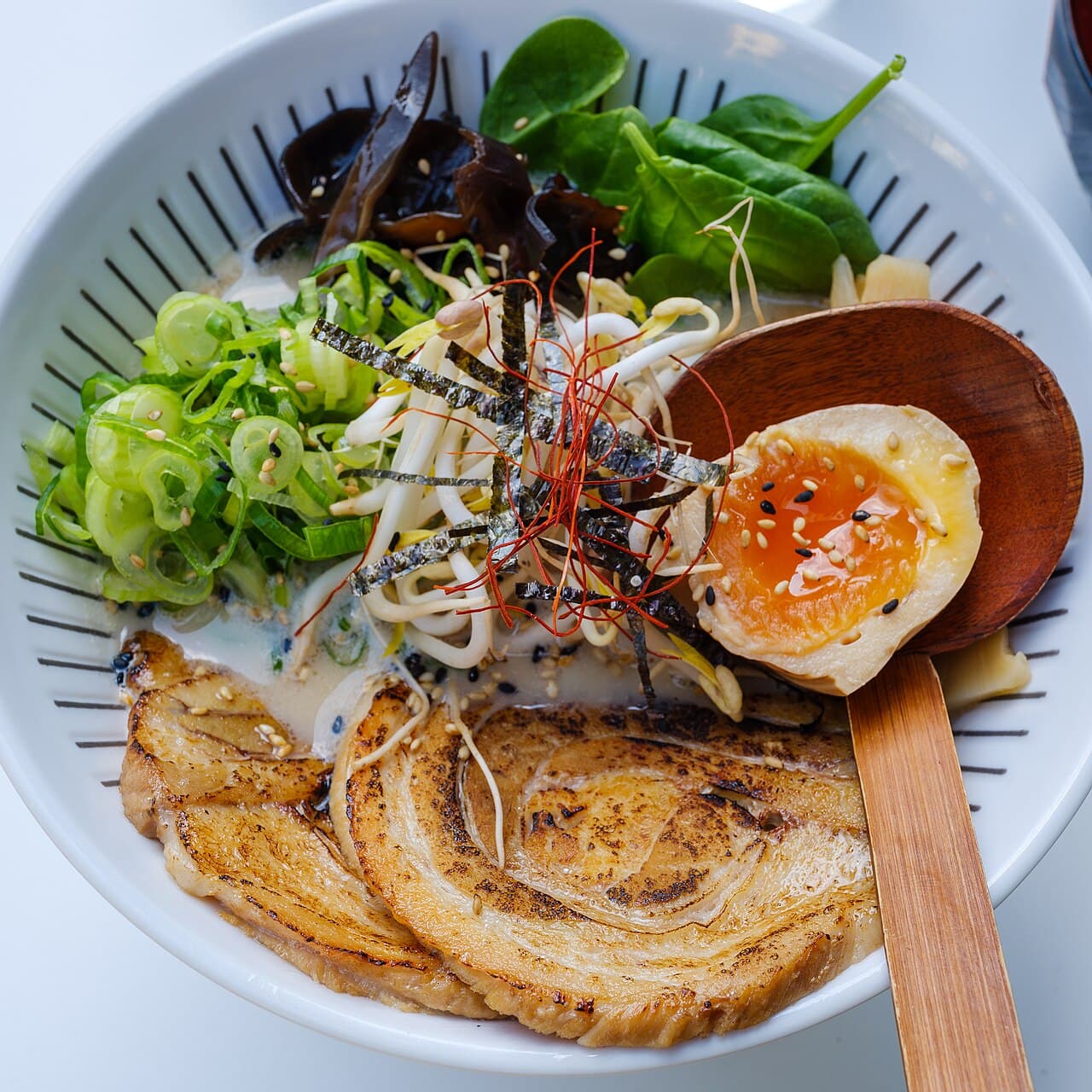
Is Japan halal-friendly? An honest answer
Japan rewards planning. Pork, lard, and cooking alcohol — mirin and sake — sit quietly inside dishes you'd never suspect, from a bowl of ramen broth to a swipe of glaze on grilled fish. Third-party certified restaurants remain relatively few. But the scene is genuinely growing: halal ramen, wagyu yakiniku and sushi now have dedicated addresses in Tokyo, Kyoto and Osaka, mosques and prayer rooms are multiplying, and convenience stores quietly cover breakfasts and long travel days. It takes homework, not luck.
Certified vs Muslim-friendly — know the difference
This distinction is everything. Halal-certified means a third party (in Japan, bodies such as the Japan Halal Association or Nippon Asia Halal Association) has audited ingredients and kitchen. Muslim-friendly usually means pork-free and alcohol-free by the owner's choice — sincere, often reliable, but not independently verified. Neither is dishonest; you simply decide your own line. Ask specifically about pork, lard, mirin, cooking sake, and dashi (most stocks are made from bonito or kombu, so a "vegetarian" dashi may still contain fish, and some seasonings add alcohol), and about shared fryers and grills.
What to eat — and where
Ramen is the classic trap and the classic win. Most broth leans pork, so seek out dedicated halal shops like Gyumon Halal Wagyu Ramen in Asakusa or Ayam-Ya in Kyoto's Karasuma, where the stock is beef or chicken rather than pork. Certification can change over time, so confirm each shop's current status when you go. For yakiniku, Gyumon's Shibuya grill sears halal wagyu at your table — the fat renders sweet, the char is honest. In Shinjuku, FUJIYAMA TOKYO runs a halal course of sushi and A5 wagyu, and Asakusa Sushi Ken plates Edo-style sushi for Muslim diners. See our halal Tokyo guide and tips for Muslim travellers for city-level detail.
A small phrase kit
Point, smile, and ask: Buta-niku wa haitte imasu ka? (Is there pork?), Arukōru / mirin wa tsukatte imasu ka? (Do you use alcohol / mirin?). Carry a written card. Konbini onigiri, plain rice, fruit, and clearly labelled snacks are dependable fillers — read ingredient lists, since flavourings sometimes carry alcohol.
How to eat well
Book certified spots ahead, keep a Muslim-friendly backup near your hotel, and treat konbini as your safety net. Browse the full halal dietary hub before you fly. Japan won't hand you halal on every corner — but plan a little, ask clearly, and you'll eat well.
Tokyo & practical halal guides
Halal food in Tokyo (complete guide) · How to tell if food is halal · Prayer rooms in Tokyo
Fukuoka & Sapporo
Both cities have a small but real halal scene: see halal restaurants in Fukuoka (certified motsunabe and wagyu) and halal restaurants in Sapporo.
Places we’ve confirmed
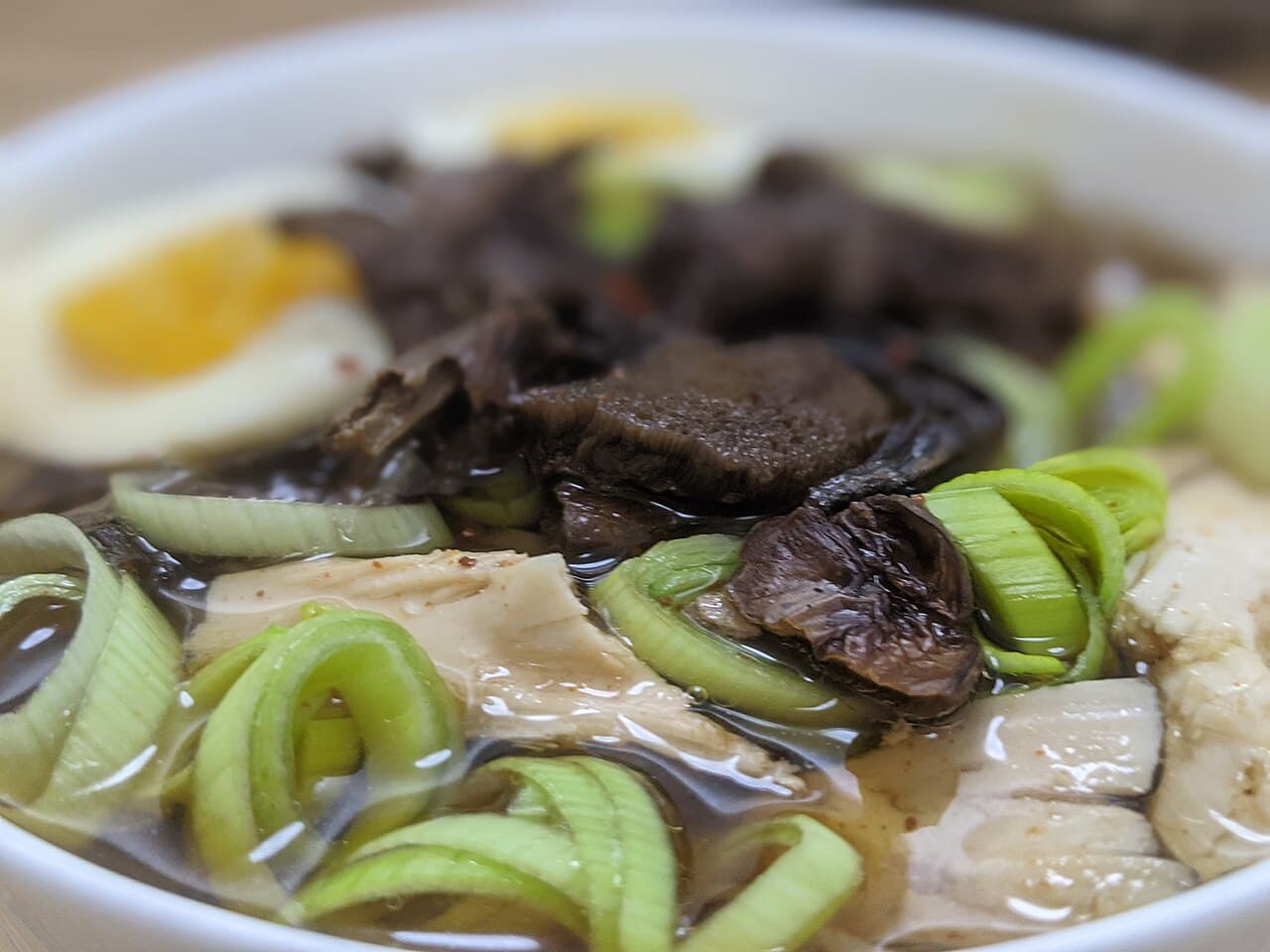
Gyumon Halal Ramen Asakusa: Wagyu Broth, No Pork
Pork-free wagyu beef ramen (broth from 20+ wagyu cuts & seasonings)
Gyumon Halal Ramen Asakusa is a halal-certified, pork-free wagyu ramen kitchen.
- Halal
- Casual
- Solo
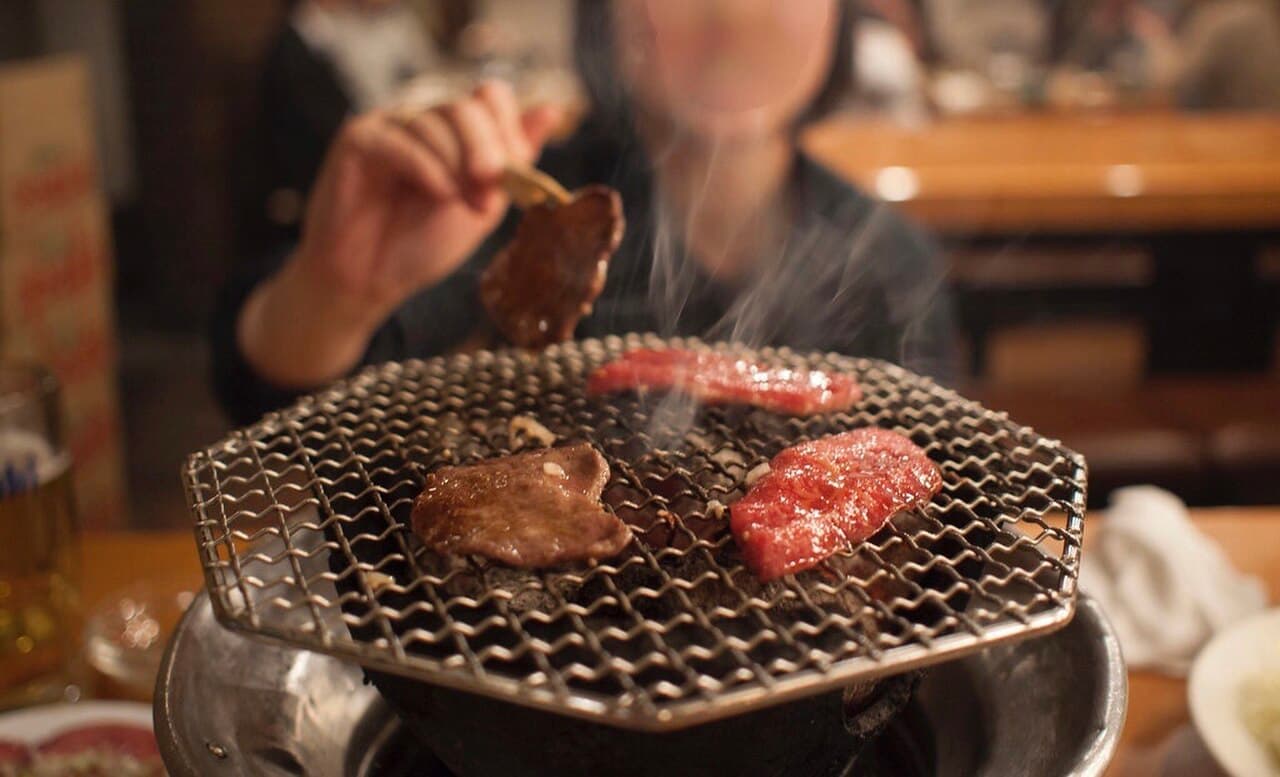
Gyumon Halal Wagyu Yakiniku
A5 halal-certified wagyu grilled over shichirin charcoal
Inside a creaky two-storey wooden folk house a short walk from Shibuya, A5 halal-certified wagyu sizzles over shichirin charcoal — with a prayer room upstairs.
- Halal
- Date
- Business
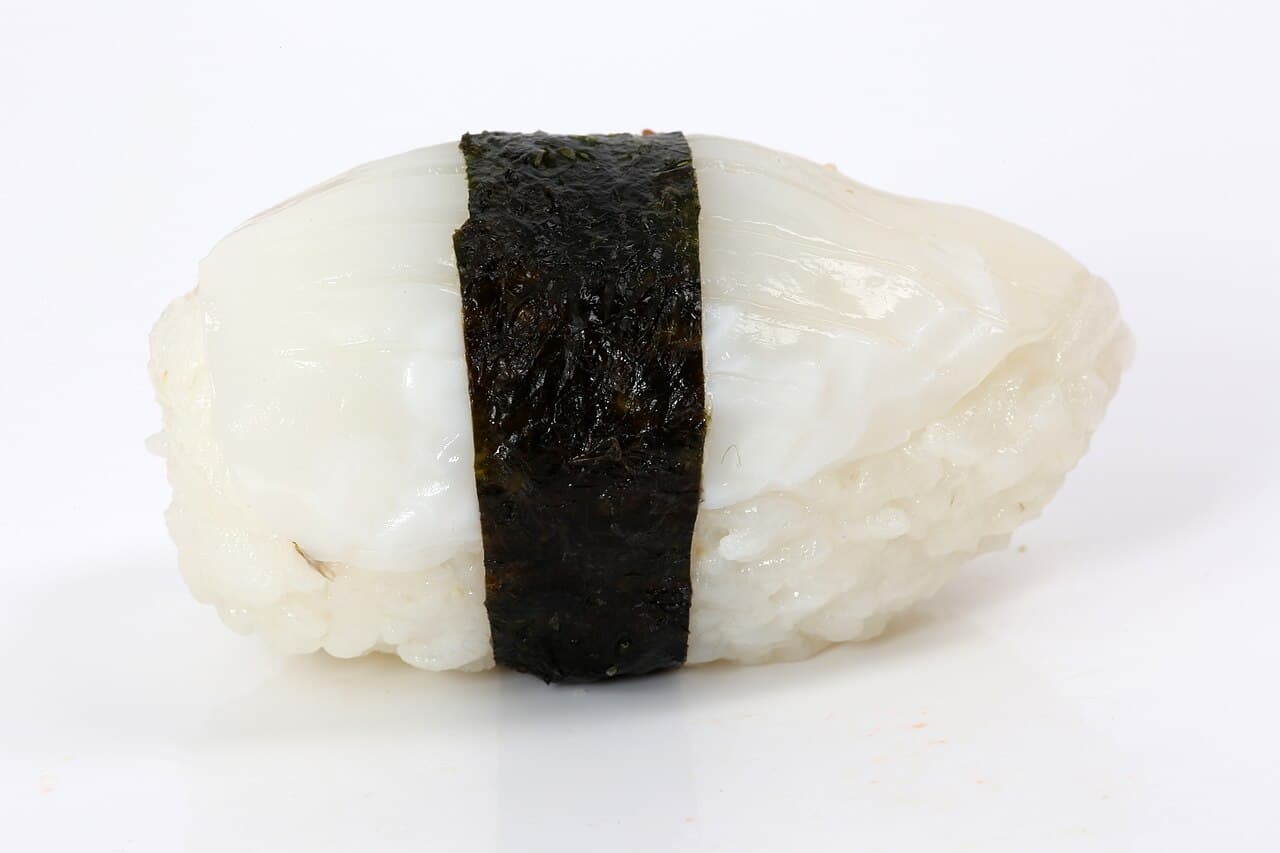
Sushi & Wagyu FUJIYAMA TOKYO (Shinjuku East)
All-you-can-eat premium sushi, snow crab and A5 wagyu
All-you-can-eat sushi near Shinjuku-sanchome with Muslim-friendly plans (separate utensils and storage, no pork or alcohol in those dishes). The restaurant states it is not halal-certified — ask for a Muslim-friendly plan when you book.
Last verified Sep 2026- Casual
- Date
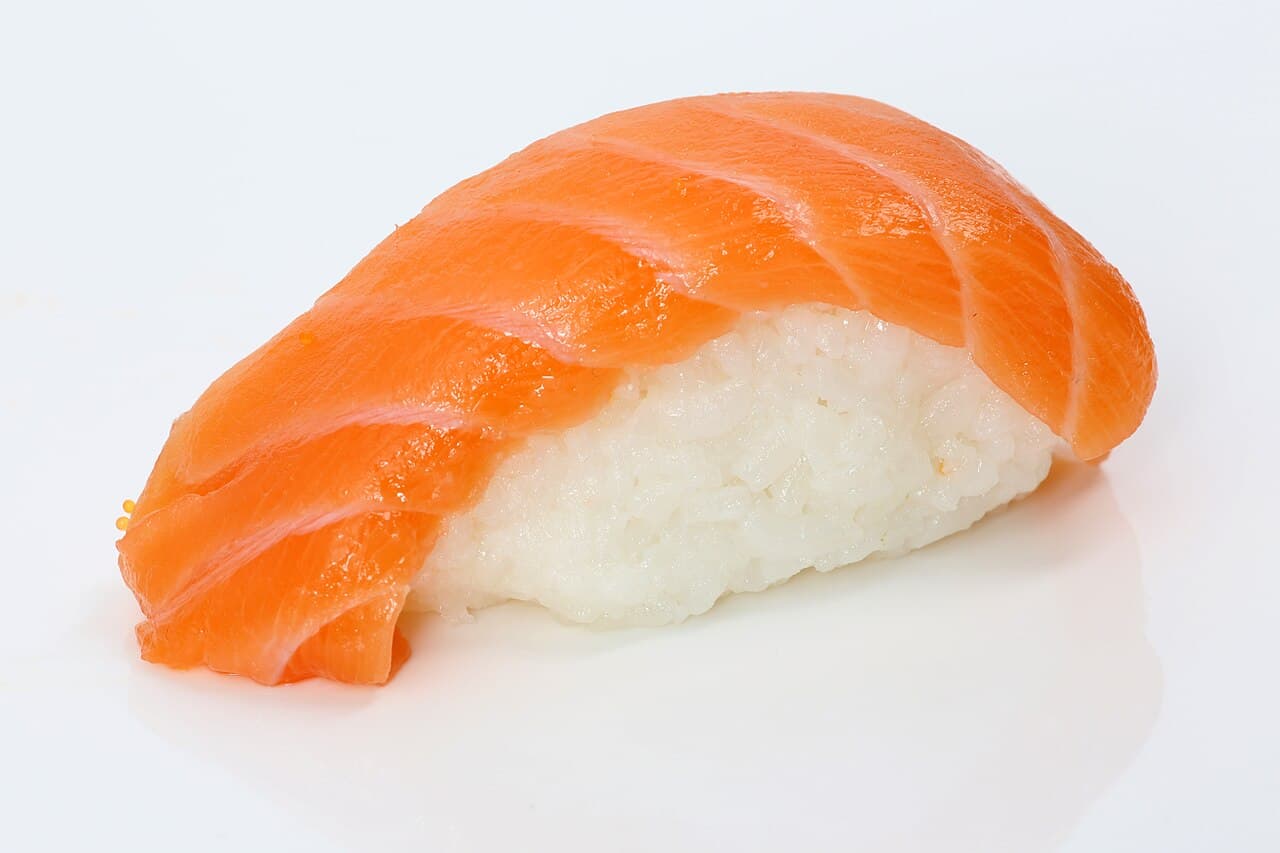
Asakusa Sushi Ken
Edomae nigiri course — soy sauce to fish, all halal-certified
Edomae sushi near Sensō-ji, on the Japan Halal Foundation register at two stars: every dish is halal, and alcohol is served as drinks under JHF's rules that keep it out of the food. JHF's entry notes a prayer space that the shop's own site does not mention — ask when you book.
- Halal
- Pescatarian
- Date
- Anniversary
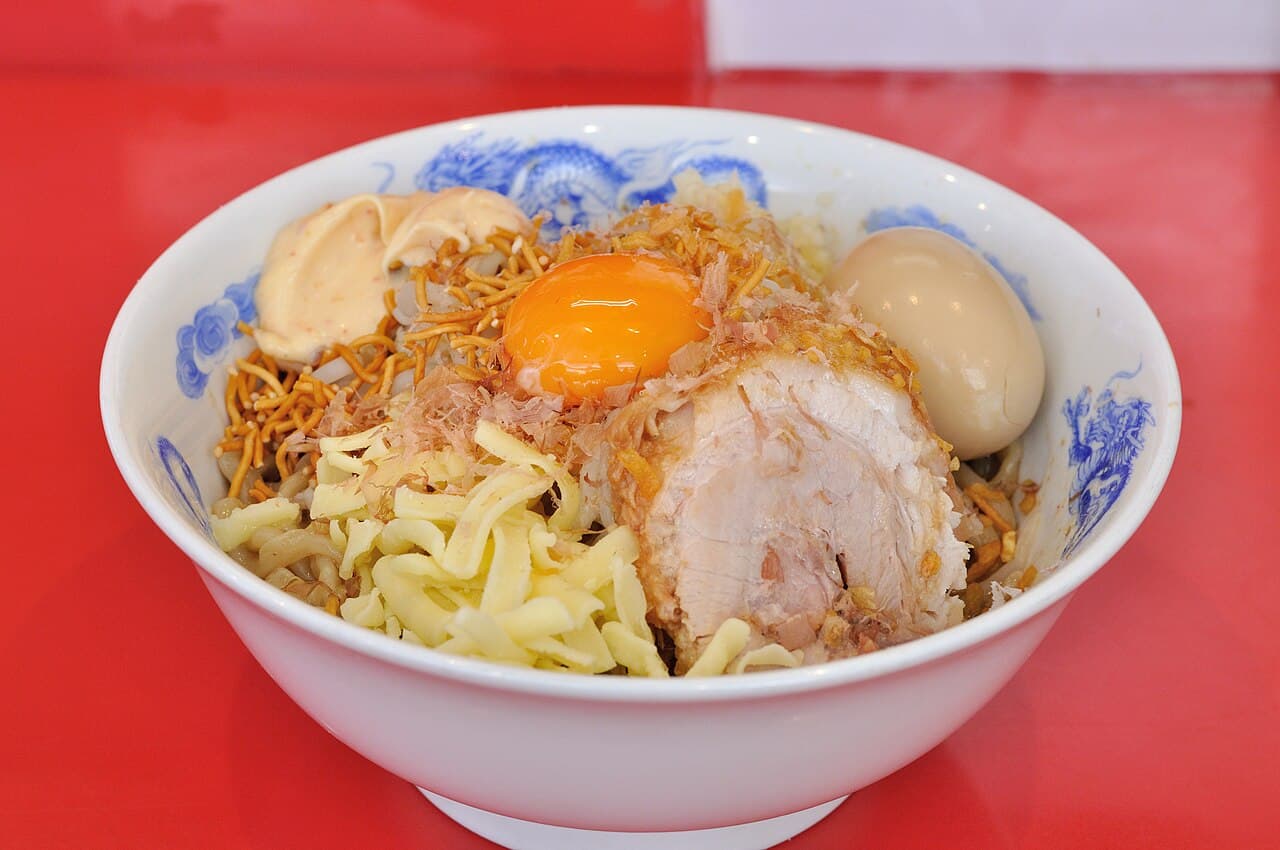
Ayam-Ya Karasuma
Spicy shoyu chicken ramen with halal-verified ingredients
A halal chicken-ramen counter near Karasuma/Shijo from the Ayam-Ya group, third-party halal-certified (by the Malaysia Halal Corporation), fully pork- and alcohol-free with separate halal storage and tableware, an English menu and a prayer room. It is effectively a lunch-only shop and closes midweek, so check hours before visiting.
- Halal
- Solo
- Casual
Sources
FAQ
- Is Japan a halal-friendly country to travel in?
- It's improving quickly, but not effortless. Certified restaurants are still relatively few and pork and cooking alcohol are common, so plan meals around dedicated halal or Muslim-friendly spots and use konbini as a backup.
- What's the difference between halal-certified and Muslim-friendly?
- Certified means a third-party body has audited the ingredients and kitchen. Muslim-friendly usually means the owner keeps the food pork- and alcohol-free without independent certification. Both can be fine — decide which standard you need.
- What should I ask before ordering?
- Ask specifically about pork, lard, mirin, cooking sake, and dashi, and whether fryers or grills are shared. A written card in Japanese helps a lot when staff speak limited English.