
Dietary guide
Is Tempura Vegan? The Honest Answer (and Where to Find the Real Thing)
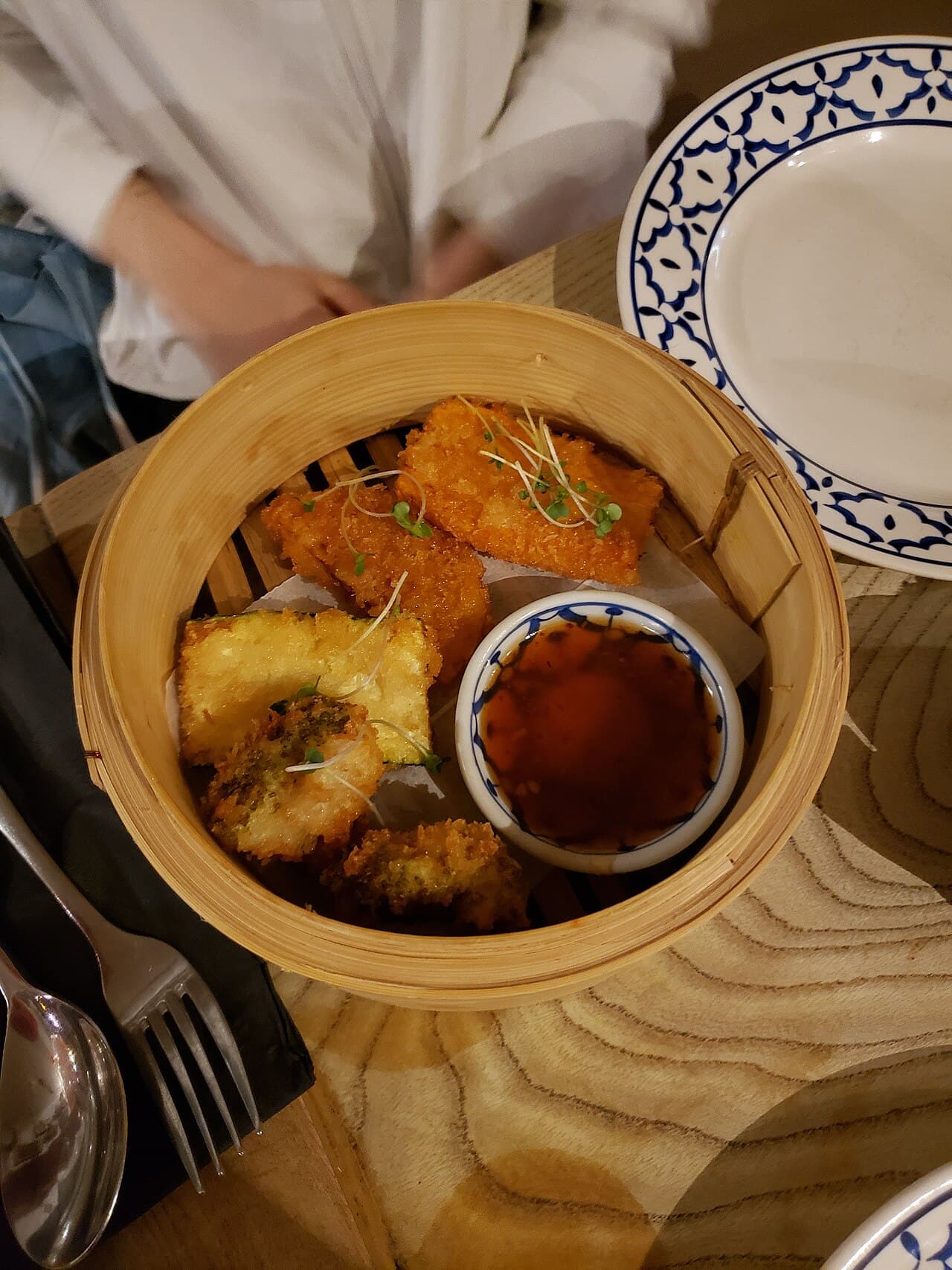
Vegetable tempura looks like the safest thing on any menu — just carrot, sweet potato, shiso, a little pumpkin. So is tempura vegan? Usually not, and the reasons are almost invisible until you know to look. Three traps do the damage.
Trap 1: egg in the batter
Classic tempura batter is cold water, flour, and often egg — the yolk is what gives that pale, lacy crust its snap. Some cooks skip it, many don't, and you rarely see it listed. Unless the kitchen tells you the batter is egg-free, assume it isn't. This is also why tempura isn't automatically vegetarian, let alone vegan.
Trap 2: dashi in the dipping sauce
The bigger trap is the sauce. That warm brown tentsuyu you dip into is built on dashi — and standard dashi is bonito or sardine stock. It looks plant-clean and tastes of the sea because it is the sea. This is the single most-missed point in Japanese dining; if you read nothing else, read is dashi vegan?. Kombu (kelp) and dried-shiitake dashi are the vegan exceptions — but they're the exception, not the default.
Trap 3: shared oil
Even egg-free batter dipped in salt can meet a third trap: the frying oil. In most izakaya and tempura counters, one bath of oil fries prawns, whitefish, and squid all night alongside the vegetables. For strict vegans that's cross-contact worth asking about — a friendly place will tell you honestly. It's the same limitation that shapes whether tempura is gluten-free.
Where vegan tempura is real: shojin
The version that clears all three traps is shojin ryori, Buddhist temple cuisine, which uses no animal products at all. Here the batter is egg-free, the oil is vegetable-only, and the dip is salt, matcha salt, or a kombu-shiitake sauce. Order the tempura course at a shojin table and you get the crisp, clean thing vegetable tempura was always meant to be — often alongside house-made tofu and soba.
How to eat tempura well as a vegan
Ask three short questions: Is the batter egg-free? Is the dipping sauce kombu or shiitake dashi, or can I have salt? Is the oil shared with seafood? At a shojin or vegan kitchen all three answers land the right way; at a general izakaya, at least one usually won't. Choose the room built for it — see can vegans eat in Japan and our vegan dining guide — and tempura becomes one of the most joyful things you'll eat here.
Places we’ve confirmed
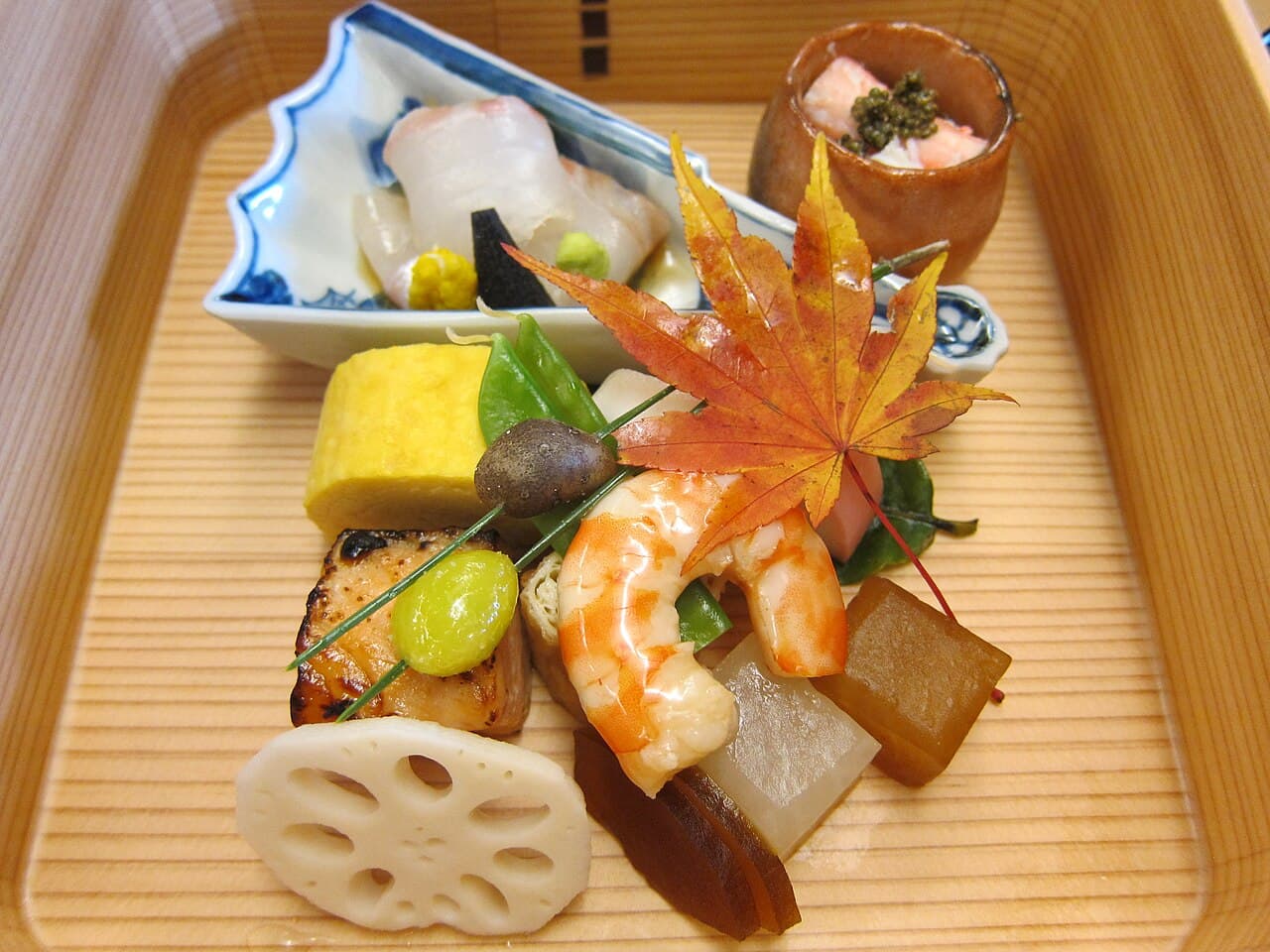
Sougo
Seasonal shojin kaiseki paired with sake and wine, refreshed every three weeks
A refined Roppongi shojin restaurant led by chef Daisuke Nomura, formerly of two-Michelin-starred Daigo, pairing plant-based Zen cuisine with carefully chosen sake and wine.
- Vegetarian
- Vegan
- Anniversary
- Business
- Date
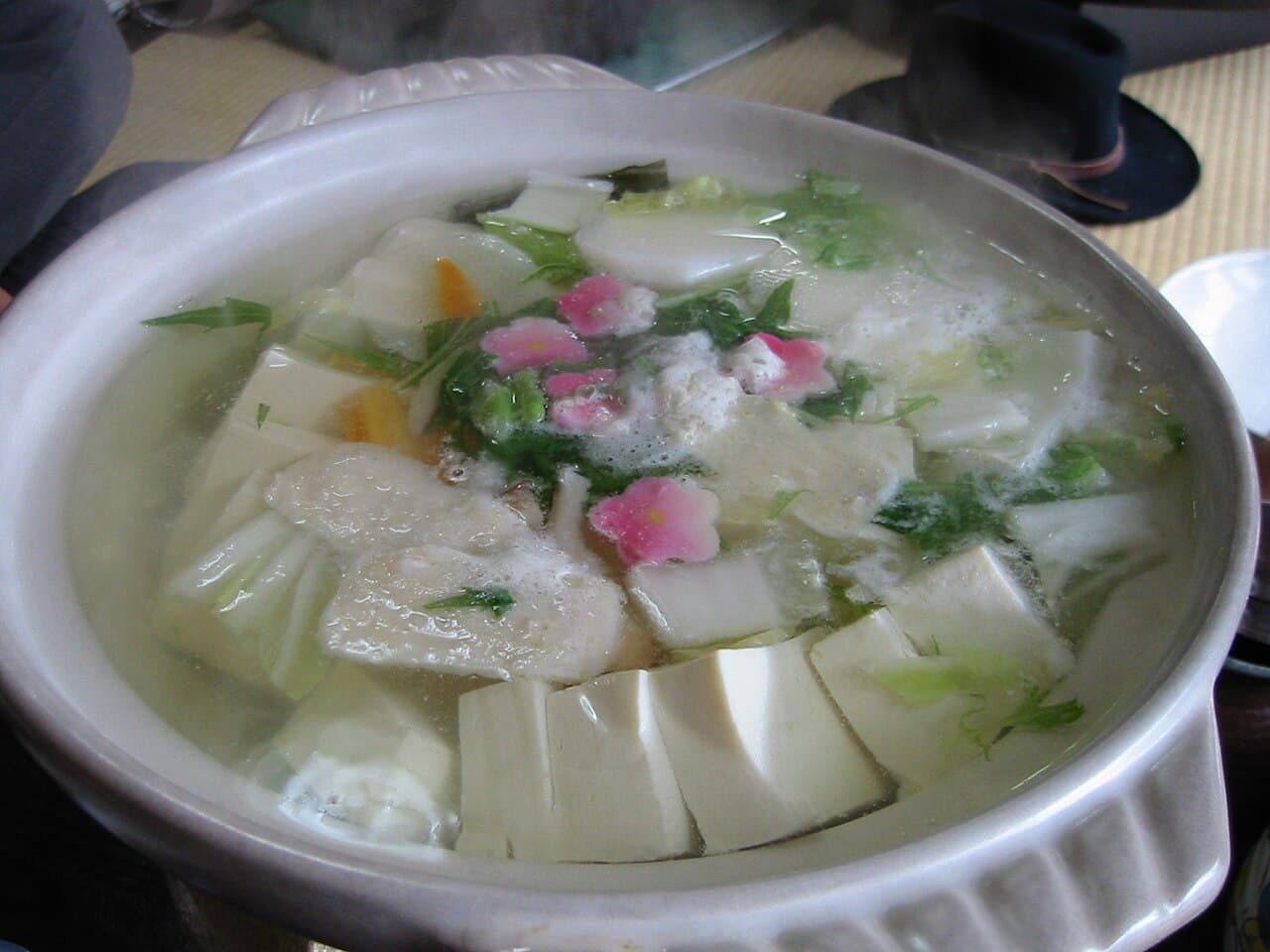
Itosho
'Eel' sushi and namasu crafted entirely from tofu and burdock
A reservation-only tatami refuge where a chef who trained 25 years at Takayama's Kakusho turns the seasons into meat-free trompe-l'oeil — tofu that tastes like eel, burdock that becomes sushi.
- Vegetarian
- Vegan
- Anniversary
- Private room
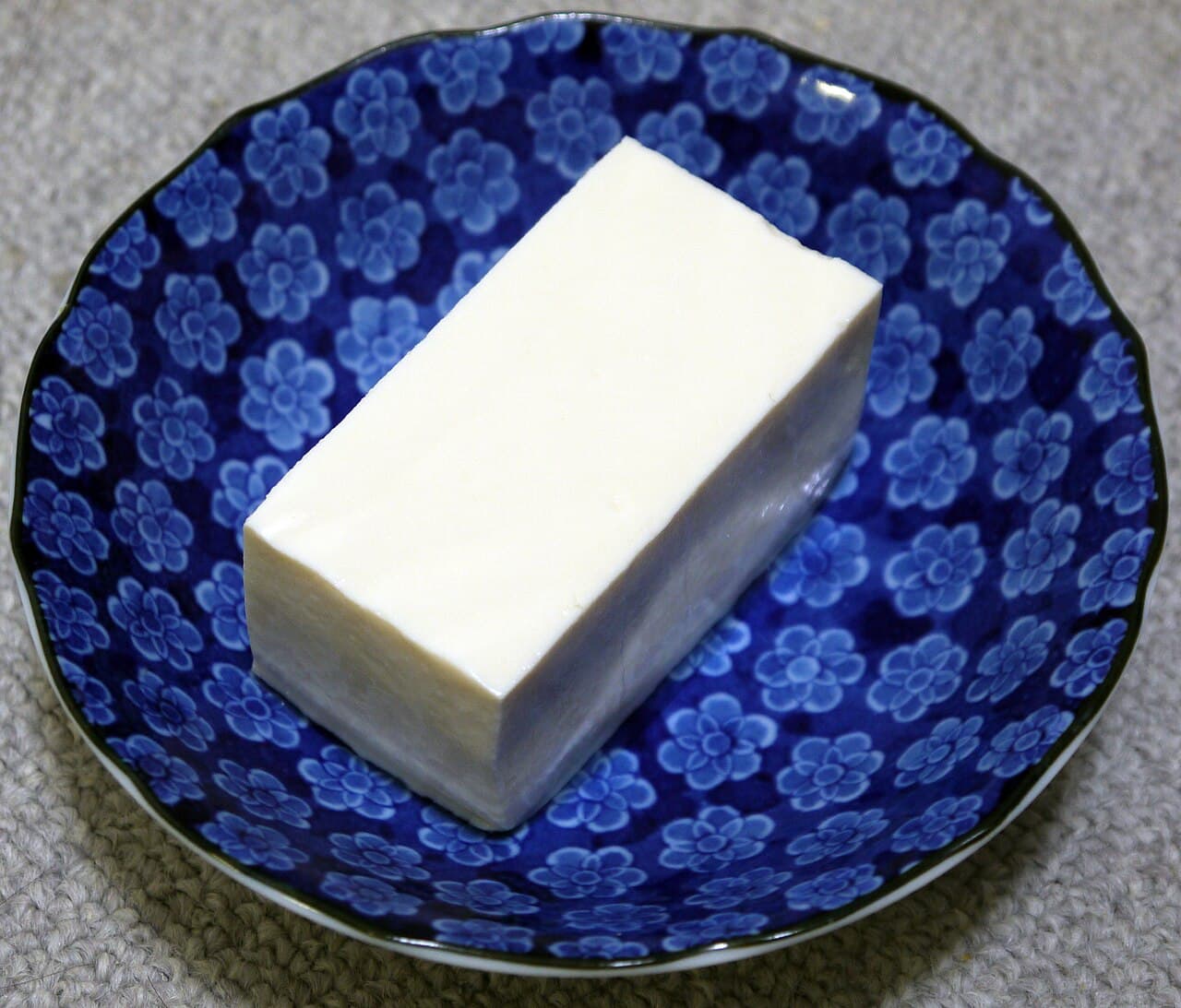
Komaki Shokudo
Kuchifuku set — nine seasonal vegan sides with rice and miso soup
A casual, affordable vegan cafeteria run by a Kamakura temple lineage beneath the Akihabara rail arches, where even garlic and onion are forsaken in true shojin style.
- Vegetarian
- Vegan
- Solo
- Casual
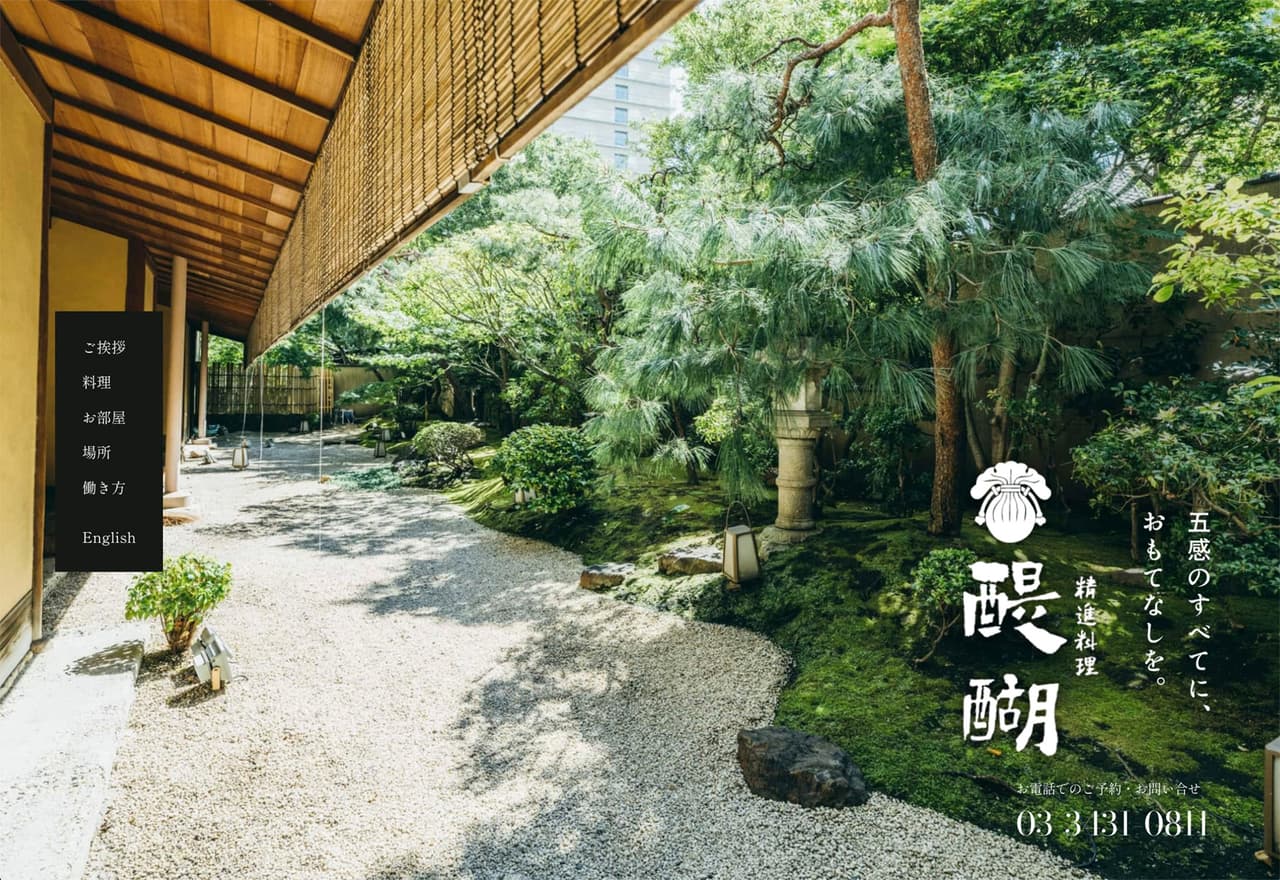
Shojin Ryori Daigo
Seasonal shojin kaiseki of vegetables, tofu and yuba
A one-Michelin-star Buddhist vegetarian kaiseki house at the foot of Mt. Atago, serving seasonal plant-based courses overlooking a garden since 1950.
- Vegetarian
- Vegan
- Anniversary
- Business
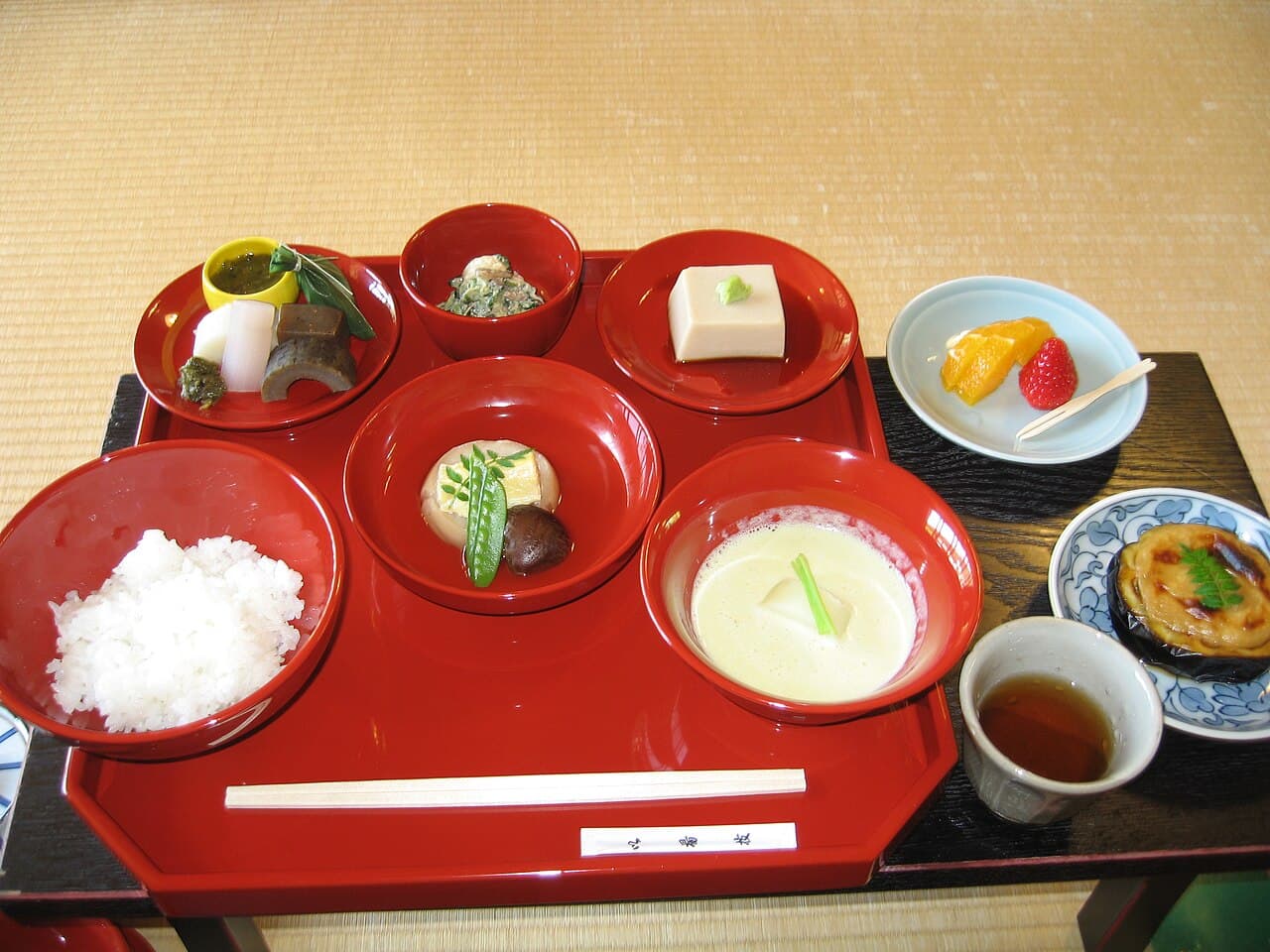
Shigetsu (Tenryu-ji)
Seasonal multi-course shojin set served in lacquerware
Temple-run Zen vegetarian dining inside Tenryu-ji, one of Arashiyama's great Zen temples (Michelin Bib Gourmand, Kyoto-Osaka 2025), served as a seasonal multi-course set in lacquerware. Traditional shojin uses kombu and shiitake rather than fish dashi, so there is no bonito broth; the menu does not publicly itemise egg or honey, so strict vegans should confirm when reserving. A garden admission fee applies on top of the course.
- Vegetarian
- Vegan
- Dairy-free
- Date
- Anniversary
- Casual
- Private room
Sources
FAQ
- Is vegetable tempura vegan?
- Not reliably. The vegetables are plant-based, but the batter often contains egg and the tentsuyu dipping sauce is usually made with fish dashi. Only when the batter is egg-free and you dip in salt or a kombu/shiitake sauce is it truly vegan.
- How do I order vegan tempura in Japan?
- The safest route is a shojin (Buddhist temple) restaurant, which uses no animal products. Otherwise, ask whether the batter is egg-free, whether you can have salt instead of dashi tentsuyu, and whether the oil is shared with seafood.
- Why isn't the dipping sauce vegan?
- Standard tentsuyu is built on dashi made from bonito flakes or dried sardines — fish stock. Kombu (kelp) or dried-shiitake dashi is the plant-based exception, but it's not what most restaurants use by default.