
Dietary guide
Is dashi vegan? Japan's foundational stock, explained
The short answer
Dashi — the savoury stock at the heart of almost every Japanese dish — is usually not vegan. The everyday version, awase dashi, is made from katsuobushi (dried, smoked, fermented bonito shaved into flakes) over kombu (kelp), while many homes and cheaper kitchens lean on niboshi (dried baby sardines). Those bonito and sardine notes are fish, so a bowl of "just vegetables" simmered in dashi is not plant-based.
Why it hides everywhere
Dashi is the backbone of miso soup, simmered vegetables (nimono), tamagoyaki, the broth for udon and soba, and countless dipping sauces and dressings. The famous brown-jar instant granules are bonito-based too, and "dashi-iri" miso paste has fish stock blended straight in. This is the single biggest trap for vegans in Japan — animal product hiding in food that looks meat-free. Our pillar guide, can vegans eat in Japan?, maps the rest.
The vegan versions that genuinely exist
There is a deep plant-based tradition here. Kombu dashi (kelp steeped in cool water) and shiitake dashi (from dried shiitake) give profound umami with no fish at all. Together they are the foundation of shojin ryori, Japan's Buddhist temple cuisine (shojin guide), and of the new wave of vegan ramen shops that build broth from kelp, mushrooms and roasted vegetables.
How to eat well
At a regular restaurant, ask whether the stock is kombu dashi (kelp) or contains katsuo / niboshi (fish). Temple cuisine and dedicated vegan venues — like the ones below — are the reliable bet. Recipes vary by kitchen, so when it matters a quick "kombu dashi desu ka?" to the staff is always worth it; they will appreciate the heads-up.
Places we’ve confirmed
Komaki Shokudo
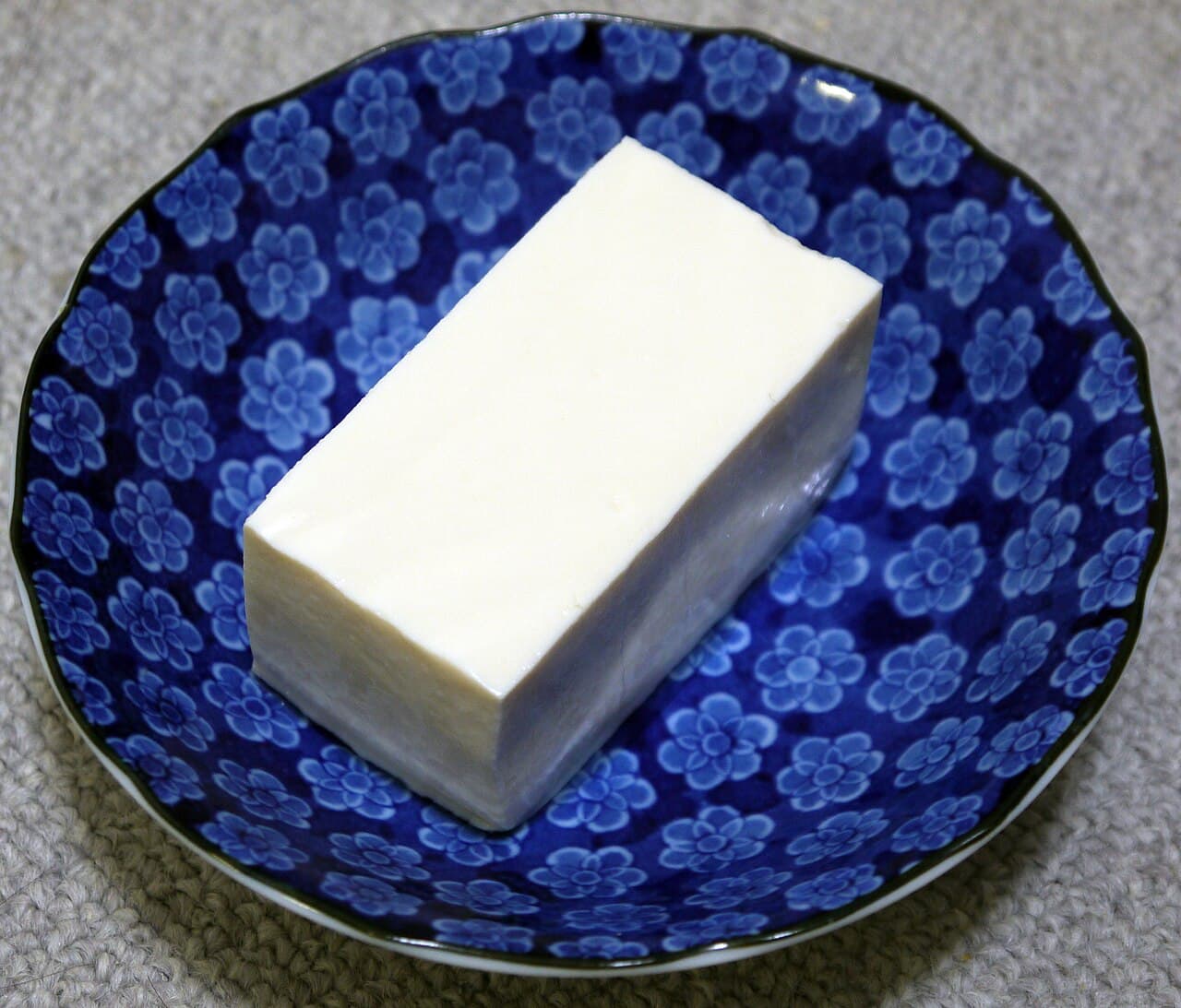
Kuchifuku set — nine seasonal vegan sides with rice and miso soup
A casual, affordable vegan cafeteria run by a Kamakura temple lineage beneath the Akihabara rail arches, where even garlic and onion are forsaken in true shojin style.
- Vegetarian
- Vegan
- Solo
- Casual
Sougo
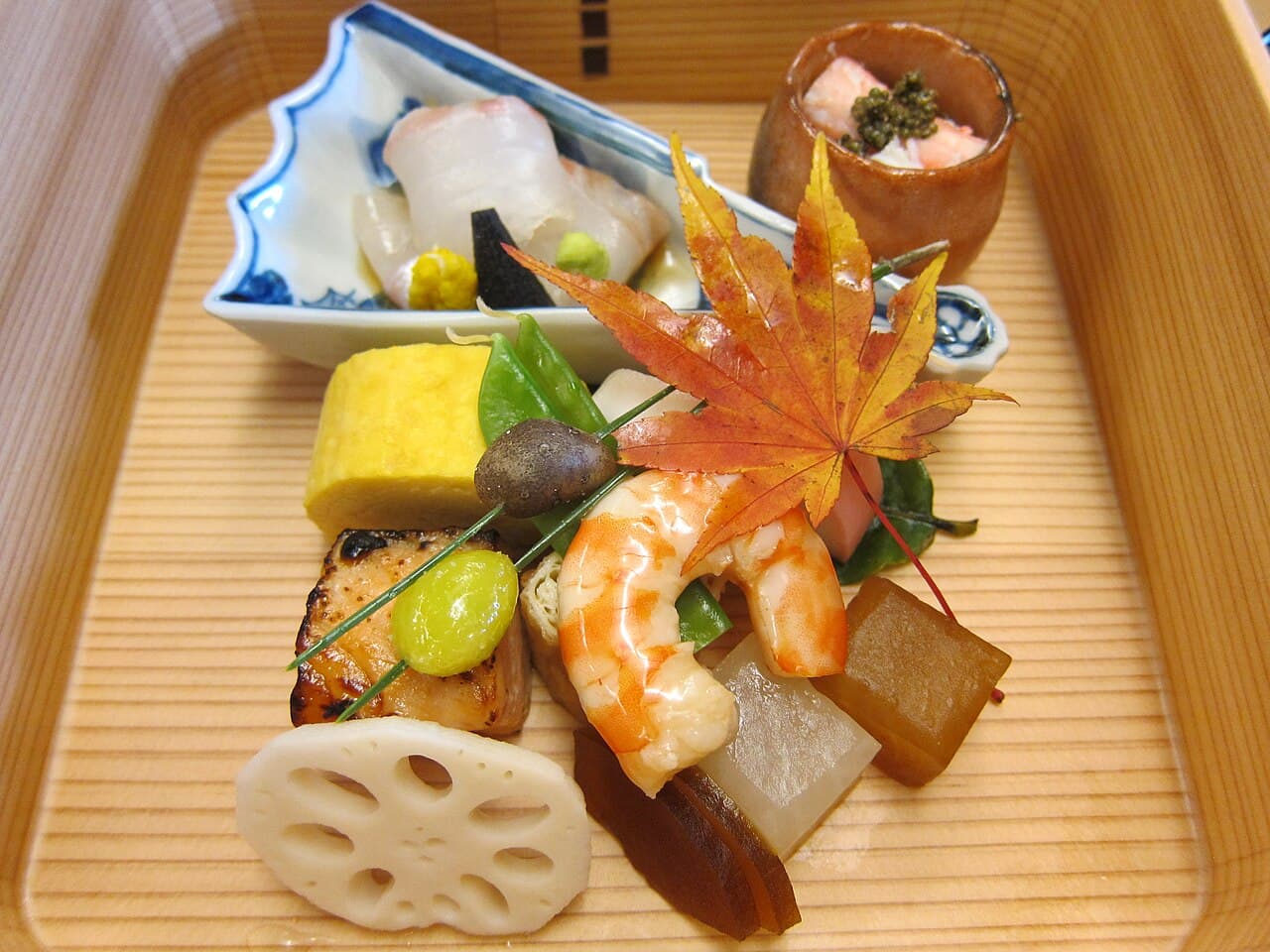
Seasonal shojin kaiseki paired with sake and wine, refreshed every three weeks
A refined Roppongi shojin restaurant led by chef Daisuke Nomura, formerly of two-Michelin-starred Daigo, pairing plant-based Zen cuisine with carefully chosen sake and wine.
- Vegetarian
- Vegan
- Anniversary
- Business
- Date
Shojin Ryori Daigo
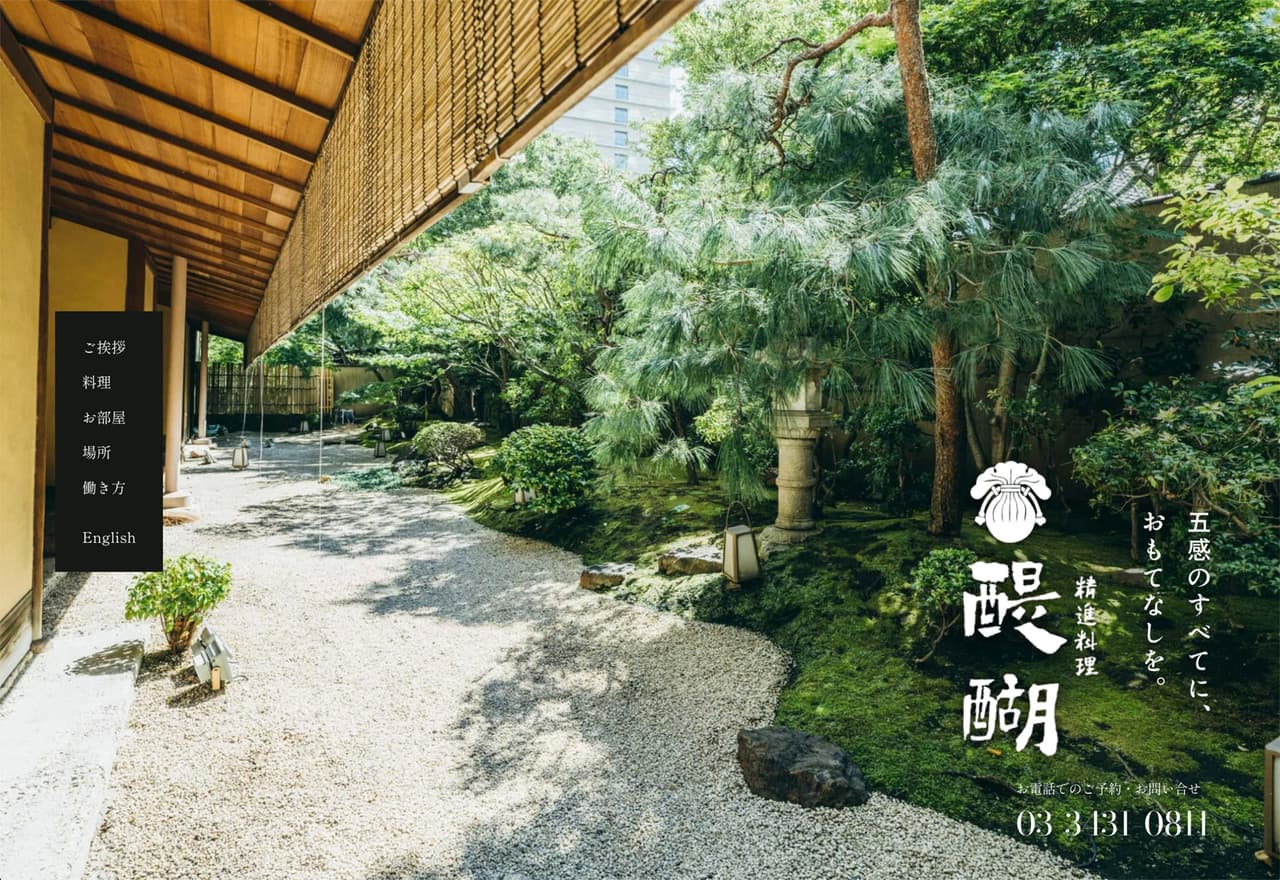
Seasonal shojin kaiseki of vegetables, tofu and yuba
A one-Michelin-star Buddhist vegetarian kaiseki house at the foot of Mt. Atago, serving seasonal plant-based courses overlooking a garden since 1950.
- Vegetarian
- Vegan
- Anniversary
- Business
FAQ
- Is kombu dashi vegan?
- Yes. Kombu (kelp) dashi and shiitake-mushroom dashi contain no animal products and are the traditional vegan stocks used in shojin temple cuisine.
- Is instant dashi powder vegan?
- Usually no — common granule and liquid dashi are bonito- or sardine-based. A few kombu-only or vegan-labelled powders exist; check the package or ask.